This post may contain affiliate links. Please see my disclosure policy for details.
You can turn even the tiniest patch of outdoor space into a useful, beautiful extension of your home by focusing on smart layout, layered planting, and multifunctional elements. These 15 small garden design ideas show practical ways to maximize space, boost visual depth, and create a comfortable, low-maintenance outdoor retreat that suits your lifestyle. Think cozy evenings under solar string lights or morning coffee at a compact bistro balcony set, both of which instantly make a small garden feel more like an outdoor room than an afterthought.
You’ll find small garden design ideas that range from vertical garden walls and container planting to built-in seating with planters and lighting for evening ambiance, all aimed at making the most of limited space. Use the suggestions to shape a compact garden that feels larger, welcomes pollinators, and gives you functional spots for relaxing, growing herbs, or entertaining.
1) Vertical garden walls to maximize space
Contents
- 1) Vertical garden walls to maximize space
- 2) Incorporate raised garden beds
- 3) Use compact dwarf fruit trees
- 4) Add a small water feature or fountain
- Indoor Tabletop Water Fountain, Resin Zen Meditation Waterfall Fo…
- Ceramic Tabletop Fountain for Indoor and Home Decoration Table De…
- Tabletop Fountain Indoor Waterfall Rock Fountain LED-Lights Water…
- Spinning Orb Rock Cascading Tabletop Fountain, Zen Meditation Ind…
- Garden Water Fountain Outdoor Bubbler Water Feature Indoor with L…
- 5) Integrate built-in seating with planters
- 6) Choose pollinator-friendly plants
- 7) Create a herb spiral
- 8) Use multi-level plant stands
- 9) Install mirrored walls to add depth
- 10) Incorporate container gardens on balconies
- 11) Add fairy lights for evening ambiance
- Brightown 300 LED Curtain Lights, 9.8 FT Plug in Fairy Lights for…
- Color Changing Fairy Lights with Remote, USB 32.8ft RGB+IC Light …
- Lakumu Vine with Fairy Lights Battery Operated for Bedroom, 33ft …
- Twinkle Star 300 LED Curtain String Lights, 8 Modes Plug in Fairy…
- Minetom Color Changing Fairy String Lights – 33 ft 100 LED USB Si…
- 12) Use gravel or stone pathways
- 13) Plant climbers on trellises
- 14) Select colorful flowering plants for focal points
- 15) Use modular garden furniture
- 6-Seat Modular Patio Furniture Set – Outdoor Wicker Sectional Sof…
- 6-Piece Outdoor Patio Furniture Set, Steel Sectional Patio Conver…
- Aluminum Modular Outdoor Patio Furniture Set, 6 Seats Patio Secti…
- 5 Pieces Outdoor Patio Furniture Set, Wicker Conversation Sets wi…
- 7 Pieces Modular Patio Furniture Set,Outdoor Wicker Conversation …
- Key Principles Of Small Garden Design
- Common Mistakes To Avoid In Small Garden Design Layouts
A vertical garden wall lets you expand planting area without taking up floor space, ideal for balconies, narrow yards, or small kitchens. You can use pocket panels, modular trays, or repurposed pallets depending on budget and style.
Position the wall where plants get appropriate light and where you can water without causing damage to building surfaces. Choose lightweight growing media and ensure a drainage plan to avoid moisture build-up.
Mix herbs, compact vegetables, succulents, and trailing ornamentals to create visual interest and year-round use. Group plants by water needs to simplify irrigation and reduce maintenance.
Consider a simple drip-irrigation or wick system if you travel or prefer low-effort care. Regular pruning and occasional nutrient feed keep the wall productive and healthy.

- SPACE-SAVING VERTICAL GARDEN – Create a lush wall with 12 plants in a compact 24″x26″ frame, perfect for small apartment…
- INDOOR & OUTDOOR USE – Durable ABS plastic resists rust and weather, making this wall planter ideal for kitchens, living…
- EASY 2-SCREW INSTALL – Hassle-free setup with only 2 screws (included). Removable trays allow quick replanting or season…
2) Incorporate raised garden beds
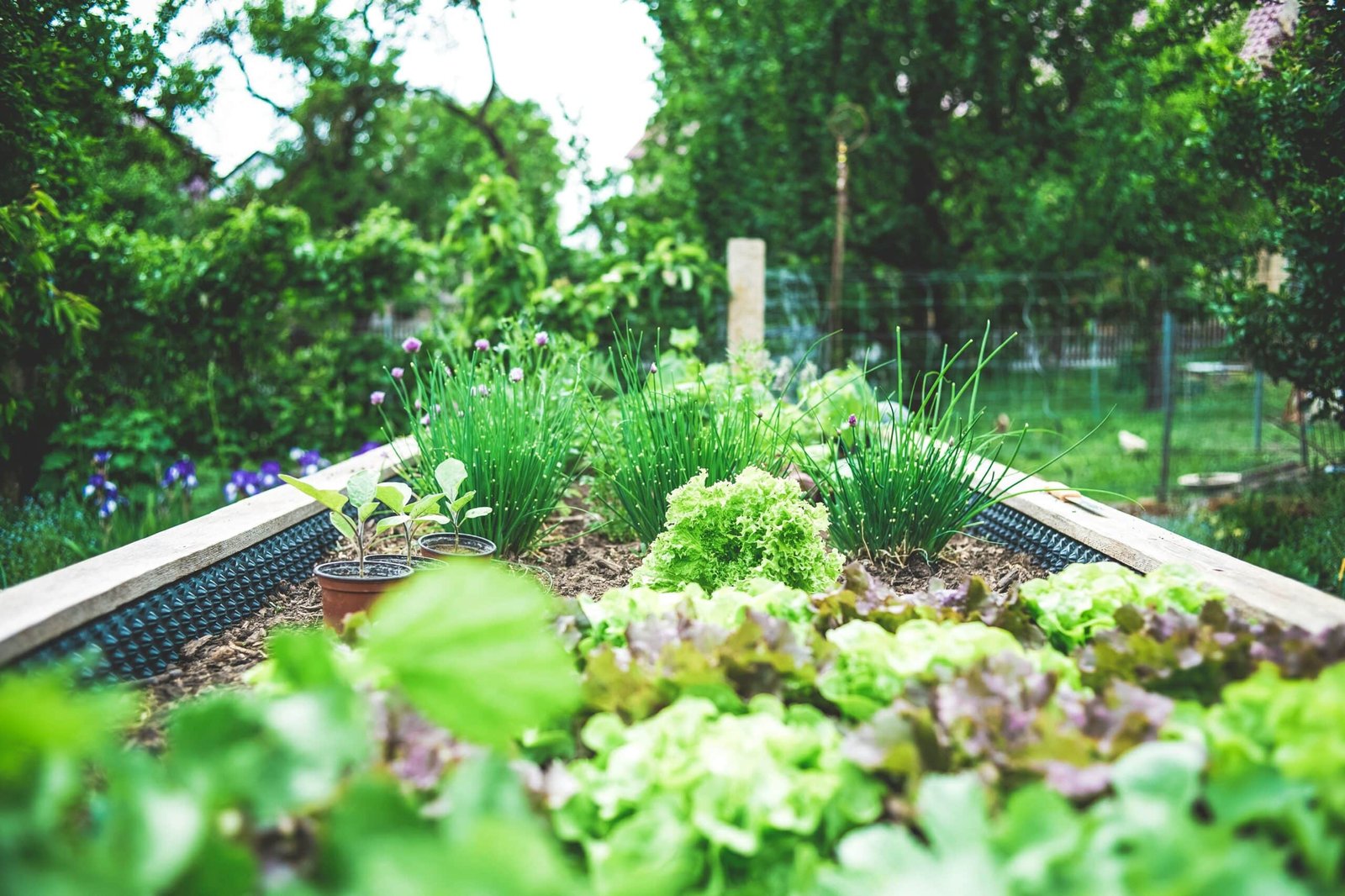
Raised beds give you control over soil depth, drainage, and fertility without digging up your whole yard. You can tailor the mix for vegetables, herbs, or ornamental plantings and reduce compaction by working only the bed surface.
They save space by concentrating planting area and make weeding, watering, and harvesting easier because you can reach plants without bending as far. For small plots, use narrow, long beds or U-shaped layouts to maximize growing area while keeping paths short.
Choose materials that suit your budget and climate: rot-resistant cedar, recycled composite, or metal each have different lifespans and appearances. Consider modular or stacked beds if you need flexibility for rearranging or expanding later.
Add trellises or vertical supports to a bed to grow vining crops and free ground space. Keep bed widths to 3–4 feet so you can access the center from either side without stepping into the soil.

- Modular Design: Vego Garden raised bed kits feature an innovative modular design, which means you can assemble a kit int…
- Better Material: We have combined a Zinc, Magnesium, and Aluminum coated steel with our award-winning and USDA approved …
- Easier and Safer Installation: No construction knowledge is required with our easy to use raised bed kits, which only re…
3) Use compact dwarf fruit trees
Choose dwarf or semi-dwarf fruit trees to add edible interest without overwhelming your garden. They stay small, flower beautifully, and produce fruit while fitting into patios, narrow beds, or containers.
Plant them in large pots or directly in the ground using well-draining soil and a sunny spot. Regular pruning maintains size and shape, and keeps fruiting wood accessible for harvesting.
Select varieties suited to your climate and pollination needs; some dwarf apples and pears require a pollinator, while many citrus and pomegranates self-pollinate. Grafted or rootstock-controlled trees offer predictable mature heights.
Group a few different species for seasonal interest and staggered harvests. You’ll gain visual structure, fragrance, and fresh fruit without sacrificing space.

- EASY TO GROW AND MAINTAIN – A GARDENER’S DREAM: This prolific dwarf lemon tree live plant is suitable for any gardener. …
- LARGE, JUICY LEMONS FOR EVERYDAY USE: The Ponderosa lemon is a distinctive lemon-and-citron hybrid dwarf fruit trees liv…
- VIBRANT, FLAVORFUL FRUIT FOR A WELLNESS-FOCUSED LIFESTYLE: Ponderosa lemons are naturally rich in essential nutrients, i…
4) Add a small water feature or fountain
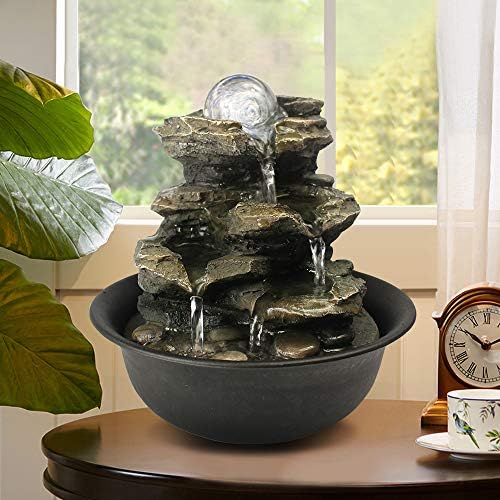
A small water feature brings sound and motion without needing major construction. You can choose a container fountain, bubbling bowl, or a wall-mounted spout to fit tight spaces.
Place the feature where you can see and hear it from seating areas or a kitchen window. The sound masks street noise and adds a calming rhythm to your garden.
Opt for solar pumps or low-voltage electric units to keep running costs and maintenance low. Use durable materials like stone, ceramic, or resin for weather resistance and easy cleaning.
Integrate plants and gravel around the base to soften edges and conceal tubing. Add a few aquatic or moisture-loving plants for texture and to attract birds and beneficial insects.
Check water levels regularly and remove debris to prevent pump damage. Seasonal care—draining or insulating in freezing climates—helps the feature last longer.



5) Integrate built-in seating with planters
Built-in seating with integrated planters saves space and keeps your garden layout tidy. You can seat guests while surrounding them with greenery, which softens hard edges and adds structure.
Place planters at bench ends or behind the backrest to create visual interest and easy access for watering. Use drought-tolerant or low-maintenance plants if you prefer less upkeep, or choose seasonal blooms for color changes.
Choose durable materials like treated wood, concrete, or composite that stand up to weather and occasional soil contact. Ensure drainage and a waterproof liner so planter soil doesn’t rot the seating frame.
Fit seating to your circulation paths so it feels natural and inviting rather than obstructive. Even a narrow balcony can benefit from a bench with shallow planters, giving you both seating and a green edge without taking extra square footage.

- This bench features two integrated planters, allowing you to display your favorite flowers or herbs conveniently while s…
- Constructed from durable solid pine wood, it is built to withstand outdoor conditions, ensuring long-lasting strength an…
- Designed with a supportive backrest and armrests, it provides comfortable seating for relaxation while enjoying your out…
6) Choose pollinator-friendly plants
Select a mix of native flowering plants that bloom at different times so your garden feeds pollinators from spring through fall. Native species usually require less care and support local bees, butterflies, and hummingbirds more effectively than many exotics.
Include plants with varied flower shapes, sizes, and colors to attract a wider range of pollinators. Flat-topped and tubular flowers both have value — foraging needs differ between solitary bees, honeybees, butterflies, and hummingbirds.
Use clusters of the same species rather than single specimens scattered around. Pollinators find dense patches more easily, which increases visitation and pollination success.
Avoid pesticide sprays, especially during bloom, and offer shallow water sources or damp sand for drinking and nesting. Small changes like leaving some bare ground or dead stems can provide nesting habitat for solitary bees.
7) Create a herb spiral
A herb spiral packs many microclimates into a small footprint, so you can grow both sun-loving and moisture-preferring herbs together. You build upward in a gentle spiral, which creates high, well-drained sides and a lower, damper center.
Use locally available materials — stone, brick, or reclaimed concrete — to form the spiral wall. Fill the bed with a mix of topsoil and compost, and slope the soil so drainage moves from top to bottom.
Place rosemary, lavender, and thyme near the top where the soil stays drier and warms quickly. Plant basil, parsley, and cilantro lower down where moisture and shade linger.
A herb spiral saves space and keeps herbs within easy reach of your kitchen. Routine maintenance is simple: water according to each herb’s needs, trim regularly, and replenish compost annually.

8) Use multi-level plant stands
Multi-level plant stands help you make the most of limited space by stacking pots vertically. You can display more plants without crowding floor area, and taller stands create a pleasing layered look.
Choose stands with open shelving or slatted surfaces to improve air flow and light reach for lower pots. Metal, wood, and modular designs work well outdoors or on balconies; pick materials suited to your climate.
Group plants by light and water needs on different tiers so maintenance stays simple. Put sun-loving species higher and shade-tolerant ones below to keep each plant healthy.
Look for compact, foldable, or wheeled stands if you need flexibility. They let you rearrange displays, move plants for seasonal protection, and access hard-to-reach spots easily.
9) Install mirrored walls to add depth
Placing a mirror or mirrored panel against a fence or wall visually doubles the view and makes a small garden feel larger. You can reflect a focal planting, a water feature, or sky to create a stronger sense of space without structural change.
Choose weather-resistant materials and frames rated for outdoor use to avoid warping or corrosion. Frameless or slim-framed panels give a cleaner, more modern look; vintage or decorative frames add character if you want more style.
Mount mirrors securely to withstand wind and moisture, and angle them slightly to avoid direct glare into seating areas or neighbors’ windows. Position mirrors near light sources to amplify natural light, especially in shaded pockets of the garden.
Use mirrors sparingly to avoid a disorienting effect; one large mirror or a small cluster works better than covering an entire wall. Combine mirrored walls with plants and textured surfaces so reflections feel integrated and natural.


10) Incorporate container gardens on balconies
Use containers to turn even the smallest balcony into a productive, pleasant space. Choose lightweight pots and modular planters so you can rearrange or store them easily when needed.
Think vertically to maximize area: hanging planters, railing boxes, and stacked pots free up floor space. You can grow herbs, compact vegetables, and flowering plants without crowding the floor.
Match container size to plant roots and water needs; larger pots retain moisture better and reduce watering frequency. Ensure each container has drainage holes and place saucers or a tray to protect the balcony surface.
Mix textures and heights for visual interest by combining tall grasses, mid-height perennials, and trailing varieties. Rotate pots seasonally to refresh color and to extend your growing options throughout the year.
11) Add fairy lights for evening ambiance
String fairy lights quietly change how your small garden feels after dark. They add soft, directional light that makes paths and seating areas both safer and more inviting.
Wrap lights around railings, weave them through shrubs, or drape them over a pergola to create layered illumination. Choose warm white LEDs for a subtle glow, or pick low-intensity color options if you want a playful touch.
Use solar or low-voltage options to avoid complex wiring and keep installation simple. Anchor lights securely and aim them away from neighbors’ windows to stay considerate.
For a tidy look, hide cords along fence lines or inside hollow posts. Check IP ratings and weatherproof connectors so your lighting lasts through seasons without frequent maintenance.


12) Use gravel or stone pathways
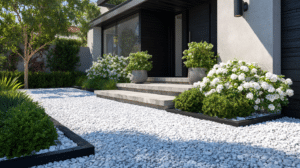
Gravel and stone pathways give your small garden clear circulation without taking up visual space. They create structure that guides movement and defines planting beds so you can make the most of limited square footage.
Choose compacted crushed stone for durability or pea gravel for a softer, casual look. Stepping stones set in gravel let you punctuate the path with focal points while keeping permeability for rainwater.
Keep path widths modest—2.5 to 3 feet often suits small gardens—so you preserve planting space while allowing comfortable passage. Edging with metal, brick, or larger stones prevents migration and keeps the lines tidy.
Mix textures and tones to complement your planting palette; warm-colored gravel pairs well with Mediterranean plants, while cool slate suits modern designs. Add low solar lights or subtle lighting along the edges to improve safety and extend use into the evening.

- Weight: About 18 pounds. SIZE: About 0.23″-0.36″.
- 18 Pounds Jade Pebbles for Succulents Cactus Plants Decorative Stones Gravel
13) Plant climbers on trellises
Planting climbers on trellises maximizes vertical space and keeps beds tidy. You can train roses, clematis, beans, or ivy to grow upward, freeing ground space for other plants.
Choose a trellis style that fits your garden — lattice for a classic look, fan-shaped for a blank wall, or simple wire for vegetables. Install it firmly and place climbers where they get the right sun exposure for the species.
Tie new shoots gently and redirect growth as plants establish themselves. Regular light pruning prevents overcrowding and improves airflow, reducing disease risk.
Trellises also create focal points and privacy screens without taking much room. Use them near patios, borders, or to mask unsightly areas and you’ll add height and structure to a small garden.
14) Select colorful flowering plants for focal points
Choose a few vibrant flowering plants to act as visual anchors in your small garden. They draw the eye and create structure without taking up much space.
Pick plants with different bloom times so your focal points stay interesting through the season. Combine a long-flowering perennial with a showy annual to keep color consistent from spring into fall.
Use contrast in color and texture to make focal plants stand out. A bold red or purple bloom next to silvery foliage creates instant drama and clarity.
Place focal plants where sightlines converge, such as at the end of a pathway or near a seating spot. You can also elevate them in containers or on a low pedestal to increase visibility.
Choose varieties suited to your light and soil conditions to reduce maintenance. Healthy, well-placed plants will hold attention longer than anything high-maintenance or out of place.
15) Use modular garden furniture
Choose modular furniture to make the most of limited outdoor space. Pieces that detach, stack, or reconfigure let you adapt seating and surfaces to different needs quickly.
Look for benches with built-in storage, stackable chairs, or sectional units that you can expand or shrink. These options keep your area flexible and tidy without crowding the garden.
Pick weather-resistant materials like powder-coated metal, treated wood, or high-quality resin to reduce maintenance. Replaceable cushions and interchangeable modules extend the lifespan of your setup.
Arrange modules to create zones—dining, lounging, or a planting nook—then change the layout for a party or quiet morning coffee. Modular furniture lets you respond to seasons, guests, and gardening projects with minimal effort.


Key Principles Of Small Garden Design
These guidelines help you use every square foot, control light and shade, and add vertical planting to expand usable space and visual interest.
Understanding Space Limitations
Measure your available area first: note length, width, fixed features (doors, steps), and clearance zones for movement. Sketch a simple plan with scale so you can visualize furniture placement and planting beds without guessing.
Prioritize functions. Decide if you need seating, an eating area, container vegetables, or simply a flower-focused display. Limit yourself to one or two main uses to avoid clutter.
Use proportion and repetition. Keep furniture and planters to scale with the space; choose smaller-scale pieces and repeat a few plant colors or textures to create cohesion and perceived size. Leave clear circulation paths at least 60–90 cm wide for comfortable movement.
Maximizing Light And Shade
Record sun patterns for three days at different times to know where morning sun, midday glare, and afternoon shade fall. Place sun-loving plants and seating in spots with at least four to six hours of direct sun.
Manage harsh light with translucent screens, pergolas with adjustable slats, or espaliered trees that provide dappled shade without blocking the sky. For consistently shady corners, choose shade-tolerant plants like hostas, ferns, or shade-loving groundcovers and use lighter-coloured paving to bounce light.
Think seasonally. Position deciduous trees to give summer shade and winter sun, and use movable planters so you can shift container plants into brighter microclimates as needs change.
Incorporating Vertical Elements
Use walls, fences, trellises, and tall planters to multiply planting area without losing floor space. Install sturdy vertical supports for climbers such as clematis, jasmine, or climbing roses; for vegetables, try vertical towers for strawberries or pole beans.
Mix levels for texture: hang planters at different heights, stack shelving with pots, or place narrow columnar trees to draw the eye upward. Keep maintenance in mind—choose lightweight materials and ensure irrigation access for high planters.
Combine function and form. Vertical elements can hide unsightly views, create windbreaks, and define rooms while increasing growing space.
Common Mistakes To Avoid In Small Garden Design Layouts
Focus on spacing, access, and maintenance when you plan. Small gardens reward clear circulation and realistic plant choices more than crowded displays or decorative pathways that don’t work.
Overcrowding Plants Or Features
You might be tempted to fill every gap with plants, pots, or ornaments, but overcrowding chokes growth and hides focal points. Leave breathing room: group plants so each has its mature spread and root space. For example, if a shrub reaches 4 ft across, plant it at least 3–4 ft from another medium shrub to avoid future pruning battles.
Prioritize layers instead of density. Use a limited palette of 3–5 plant types repeated for rhythm, then add one bold specimen as a focal point. If you want variety, rotate seasonal containers rather than planting too many competing perennials.
Remember maintenance cost when you add features. Narrow beds with densely packed roots raise watering and weeding time. Choose lower-maintenance species and allow service access around irrigation, compost bins, or ponds.
Neglecting Practical Pathways
A decorative stepping-stone maze can look charming but fail as a route. Design paths that match how you actually move: from gate to door, to seating, and to storage. Make main routes at least 30–36 inches wide so you can carry tools or a child’s chair without brushing plants.
Surface matters. Use compacted gravel, smooth pavers, or permeable slabs that sit flush to prevent tripping and to allow wheelbarrow or mower access. Avoid narrow, uneven stones that encourage cutting across beds and trampling roots.
Plan sightlines and transitions. Straight, slightly offset, or gently curved paths help you see the whole space and make it feel larger. Add low edging or a change of material where beds meet paths to protect soil and reduce maintenance.