

This post may contain affiliate links. Please see my disclosure policy for details.
I’ve Been Watching 2024’s Interior Design Trends Unfold—And Here’s Everything That Actually Matters
Contents
Interior design trends for 2024 completely threw out the rulebook, and honestly? I’m here for it.
Gone are those sterile, cold spaces that felt more like hospital waiting rooms than homes. What rolled in was something far more interesting—spaces that actually breathe, materials you want to touch, and colors that make you feel something.
I spent the better part of this year watching these trends take over my social media feeds, showing up in client requests, and honestly transforming how we think about our living spaces. Let me break down what actually stuck and what’s worth your attention.

The Green Revolution Isn’t Just Talk Anymore
Biophilic design became the phrase everyone learned to pronounce this year. Basically, it means bringing nature inside, but not in that sad-single-succulent-on-your-desk way.
I’m talking proper integration:
- Living walls that turn entire sections into vertical gardens
- Natural materials everywhere—real wood, actual stone, not the laminate stuff
- Indoor plants that don’t just survive but actually thrive
- Natural light treated like the precious resource it is
The shift felt personal to me. After years of pushing chrome and glass, watching people prioritize large indoor planters and sustainable materials felt like coming home.
Sustainability stopped being a buzzword and became an actual requirement. People started asking where materials came from, how they were made, who made them.
Colors That Make You Want to Actually Stay Home
Warm, Earthy Tones Dominated Everything
Beiges came back with a vengeance, but not your grandmother’s boring beige. We’re talking:
- Creamy whites with undertones that change throughout the day
- Olive greens that feel sophisticated, not army surplus
- Terracotta that brings Mediterranean warmth without the vacation price tag
- Rich browns that somehow feel luxurious instead of muddy
I watched browns specifically have this incredible renaissance. Aubergine, cherry, marigold, cocoa—these colors showed up in places I never expected.
Jewel Tones for People Who Actually Have Opinions
Moody blues took over accent walls everywhere. Navy and indigo paired with crisp whites created this dramatic tension that photographs beautifully but, more importantly, lives beautifully.
Soft greens became the quiet hero. Sage green particularly exploded, with Graham and Brown actually naming their version “Veridis” as their color of the year. I used it in three different spaces, and each time, clients literally sighed with relief when they walked in.
The Monochrome Crowd Got Their Moment Too
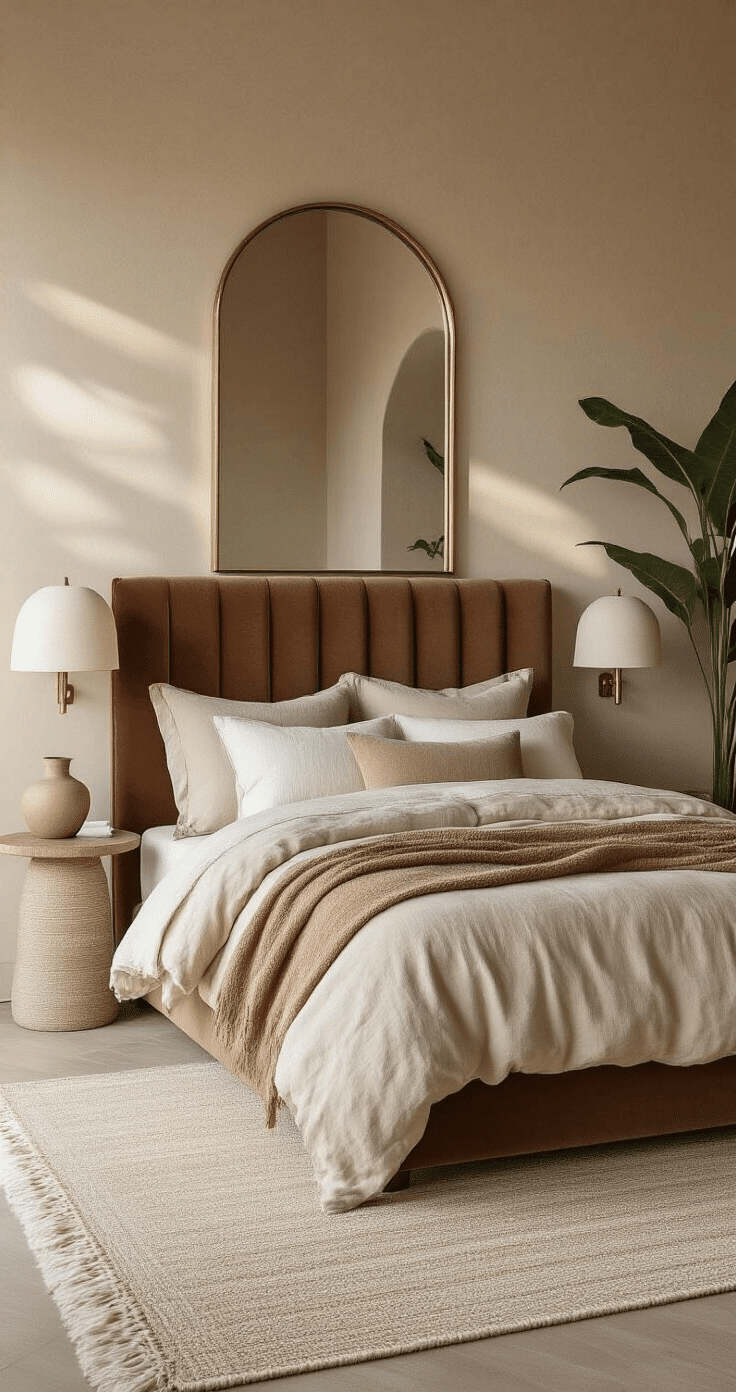
Not everyone wants color, and 2024 respected that. Warm monochromatic schemes using beiges, taupes, and soft browns created these incredibly cohesive spaces. Greyscale palettes worked when designers played with different finishes—matte here, gloss there, metallic accent pieces catching light in unexpected ways.
Accent Colors That Don’t Make You Cringe
Sunny yellows brightened spaces without screaming “look at me.” Pastels—blush pink, soft lavender, baby blue—offered whimsy without feeling childish.
The Details That Actually Changed Everything
Statement Lighting Stopped Being Optional
Lighting became the jewelry of interior design this year. Not just fixtures, but entire lighting systems that adjust color temperature and intensity throughout the day.
High-tech smart lighting systems that simulate natural daylight became genuinely desirable, not just tech-nerd territory. I installed one in my own space, and the difference in how I feel at 6 AM versus 8 PM is genuinely remarkable.
Texture Replaced Shine
Velvet absolutely exploded. Velvet curtains, velvet throw pillows, velvet bedding—everywhere you looked, there it was. And unlike past velvet moments that felt stuffy or Victorian, this iteration felt modern and approachable.
Textured wall finishes replaced the high-gloss lacquer that dominated previous years. Matte, specialty finishes, walls that invited touch rather than prohibited it.
Tiles Made an Unexpected Comeback
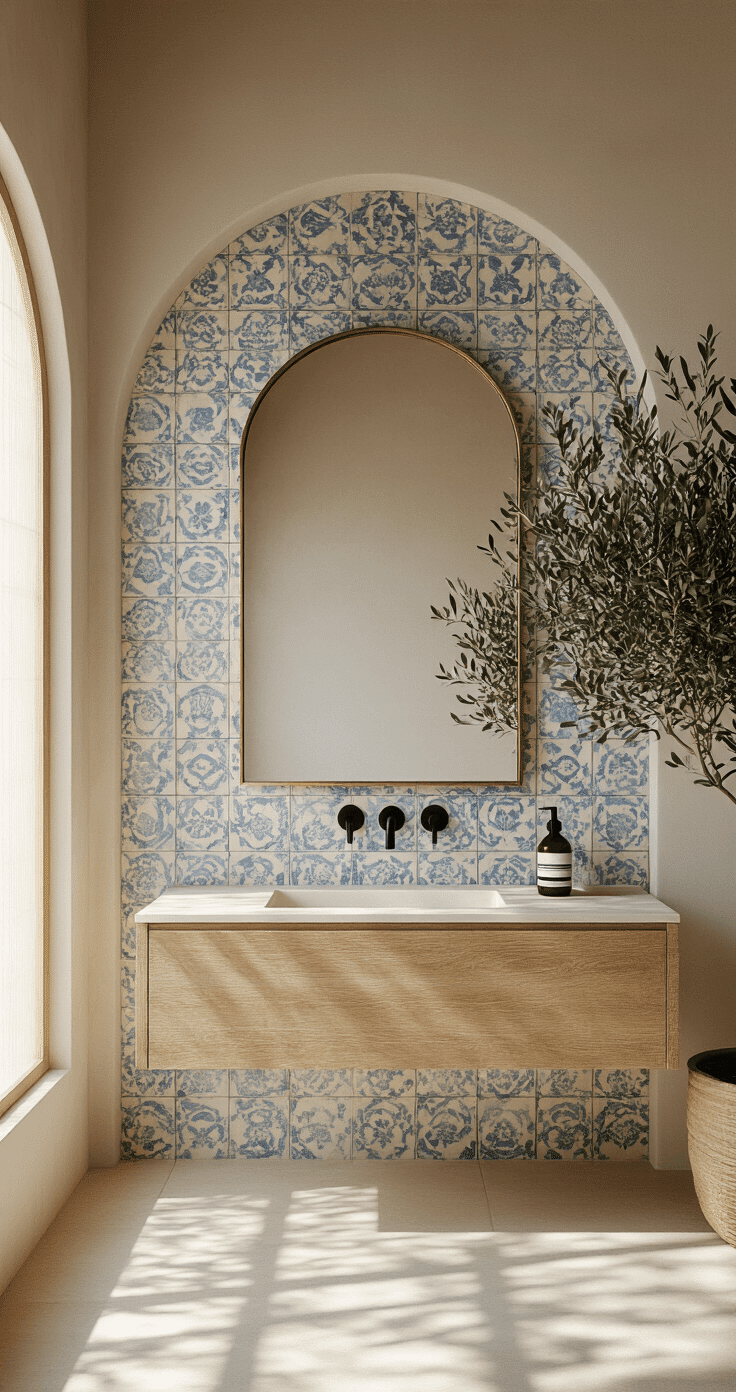
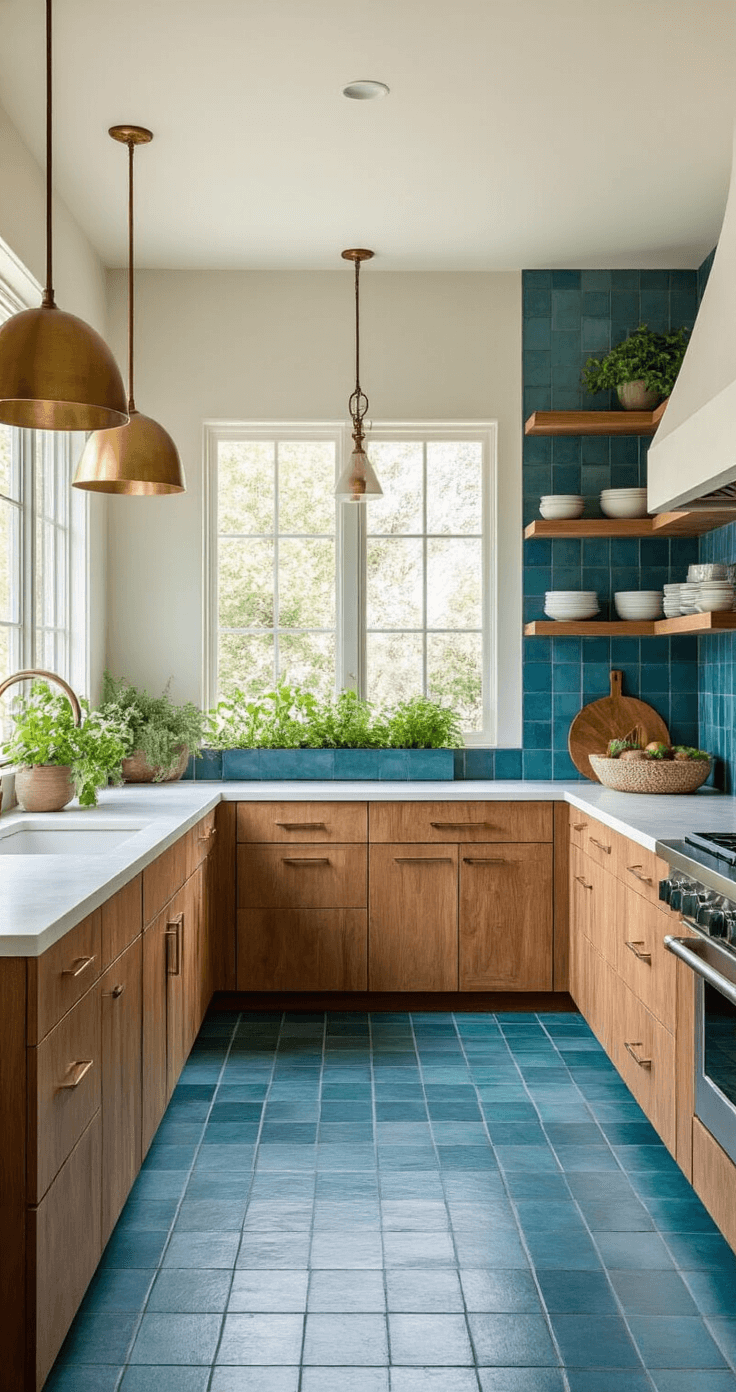
Ceramic and terra-cotta tiles earned top positions this year. But not your standard subway tile—we’re talking oversized tiles with serious tactile quality. Handmade Zellige tiles with their irregular surfaces and unexpected layouts created focal points that felt artistic.
Terra-cotta especially broke free from its traditional boundaries. I saw it in entrance halls, as decorative accents, in colors ranging from natural ocher to beautiful greens and cobalt blues.
Wallpaper Escaped the Living Room
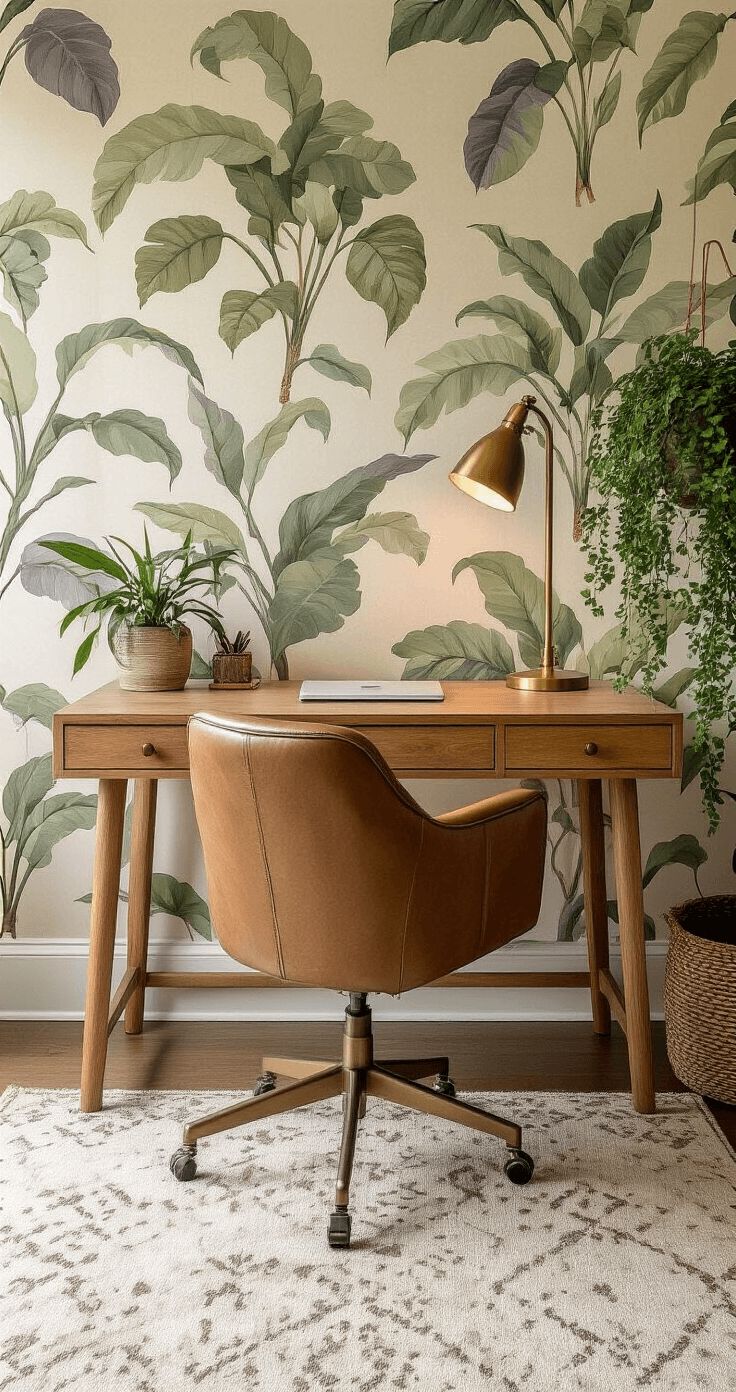
Wallpaper showed up in bathrooms, dining rooms, mudrooms, utility spaces—anywhere someone wanted personality. Bold patterns transformed ordinary spaces into something worth photographing. One client put botanical wallpaper in a powder room, and it became the most talked-about space in their entire house.
Curves Replaced Angles
Arched mirrors, arched headboards, arched doorways—suddenly everything softened. The harsh angular lines that dominated minimalism gave way to organic, flowing silhouettes.


