This post may contain affiliate links. Please see my disclosure policy for details.
Creating Your Dream Backyard Cottage Garden: A Personal Guide
Your backyard is about to transform into a magical, living canvas that speaks volumes about your creativity and love for nature. I’m going to walk you through creating a cottage garden that’s part wild, part wonderful, and totally you.
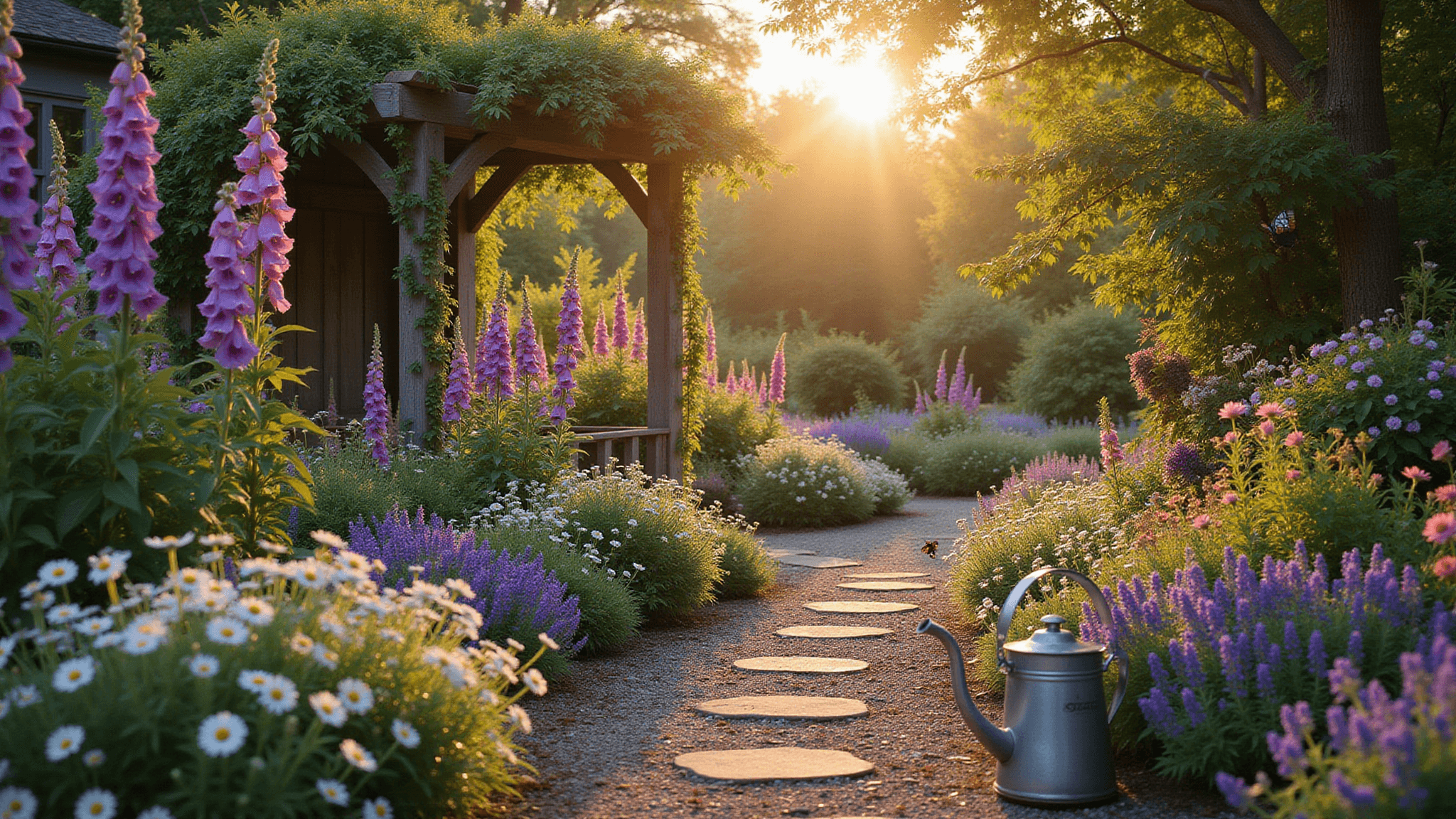
🌟 Steal This Look
- Paint Color: Sherwin-Williams Rookwood Dark Green SW 2808
- Furniture: weathered teak potting bench with galvanized metal top, vintage cast iron bistro set with scrollwork details, reclaimed wood arbor with climbing rose training system
- Lighting: solar-powered copper-finish path lights with seeded glass globes, plug-in festoon string lights with Edison bulbs draped between posts
- Materials: crushed limestone pathways, aged terracotta pots with lichen patina, hand-split cedar fencing, wrought iron plant supports, unglazed ceramic garden stools
There’s something deeply satisfying about a garden that feels discovered rather than designed—where morning coffee tastes better surrounded by bees drunk on lavender and the scent of old roses climbing a fence you built yourself.
Why a Cottage Garden? Let’s Get Real
Imagine stepping into a garden that looks like it jumped straight out of a fairytale—but one that’s totally practical and uniquely yours. That’s the magic of a cottage garden.
What Makes a Cottage Garden Special?
- Relaxed Vibe: No rigid lines or military-precision plantings
- Dense, Lush Plantings: Flowers and plants everywhere
- Charming Imperfection: Embracing a natural, lived-in look
- Functional Beauty: Mix of flowers, herbs, and edible plants
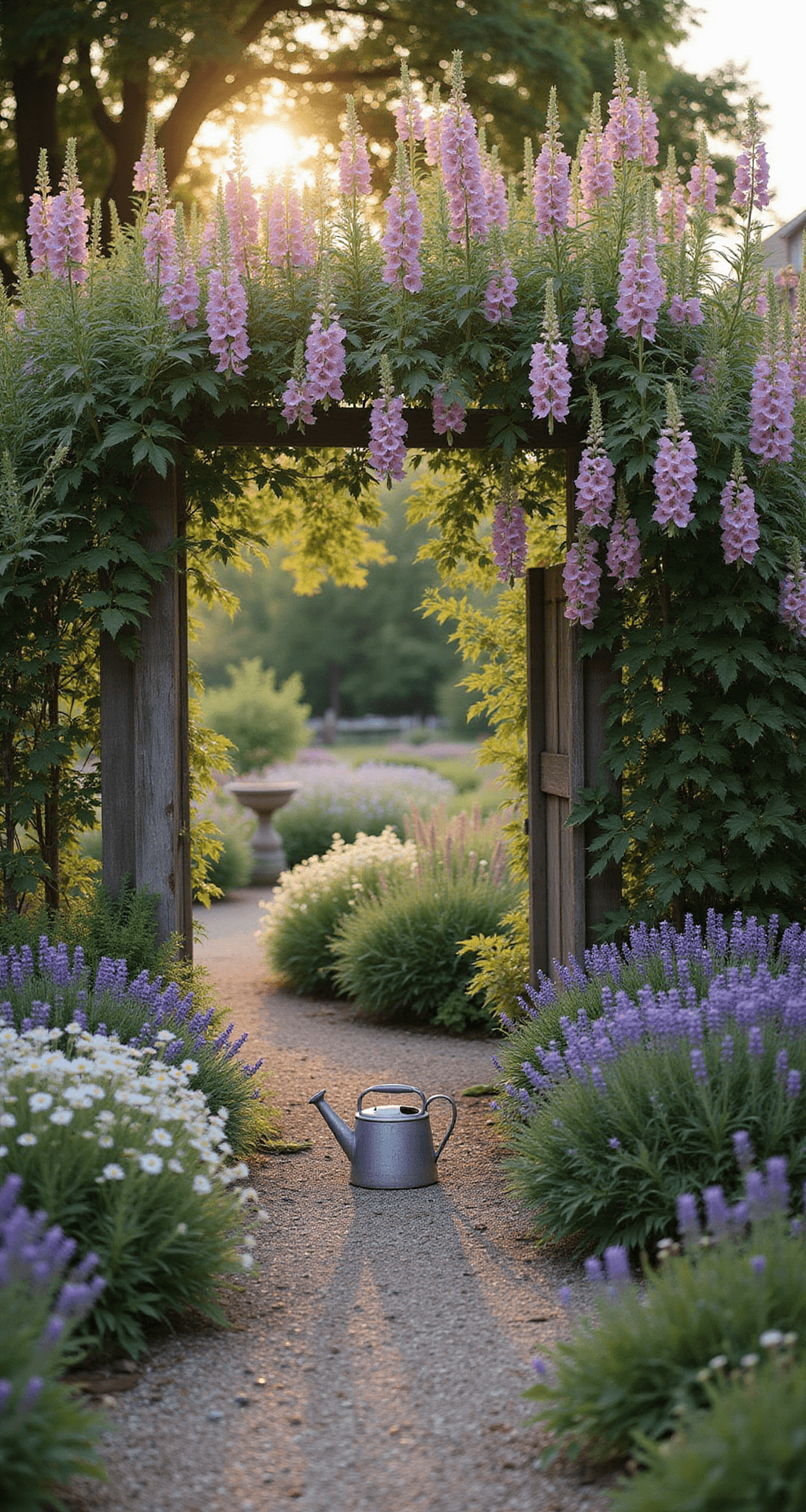
✎ Steal This Look
- Paint Color: Benjamin Moore Hollingsworth Green HC-141
- Furniture: weathered teak potting bench with galvanized zinc top, vintage cast iron bistro set with peeling white paint
- Lighting: antiqued brass shepherd’s hook lantern with seeded glass, solar-powered for off-grid placement
- Materials: rough-hewn cedar for raised beds, crushed limestone gravel paths, reclaimed brick edging, aged terracotta pots with moss patina
There’s something deeply satisfying about a garden that doesn’t demand perfection—where a self-seeded poppy in the path is celebrated, not yanked out, and where your morning coffee among the bees feels like a small rebellion against manicured suburban lawns.
Your Cottage Garden Toolkit: What You’ll Need
Essential Gear:
- Sturdy gardening gloves
- Hand trowel
- Pruning shears
- Watering can
- Wheelbarrow or garden cart
- Lots of enthusiasm!
Pro Tip: Don’t break the bank. Many cottage garden elements can be DIY or upcycled.
Design Your Garden: A Step-by-Step Approach
1. Assess Your Space
- Measure your backyard
- Note sunlight patterns
- Check soil quality
- Consider existing landscape features
2. Plan Your Layout
- Create curving, informal paths
- Design mixed planting beds
- Think vertical: use trellises and archways
- Leave room for spontaneity!
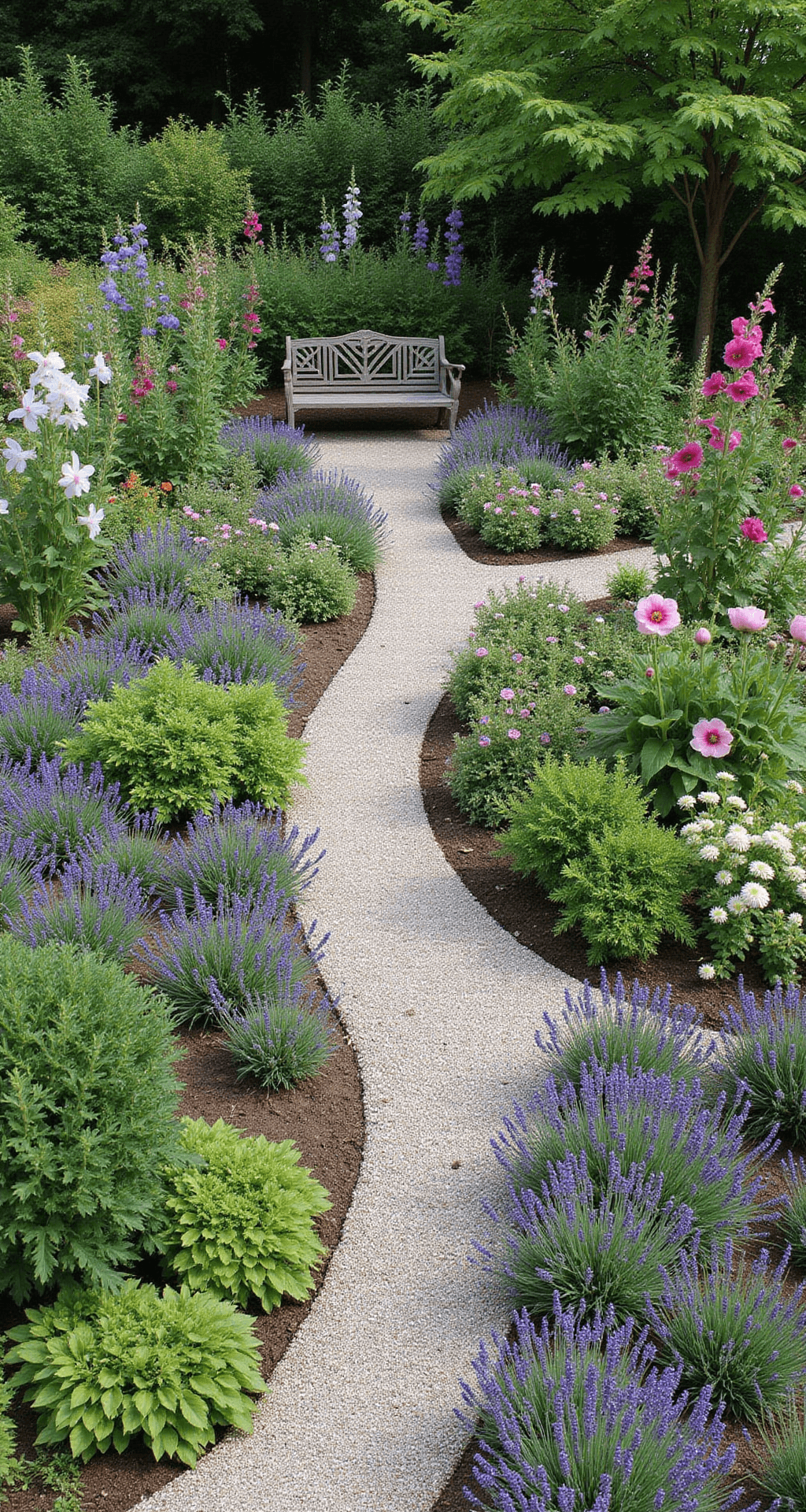
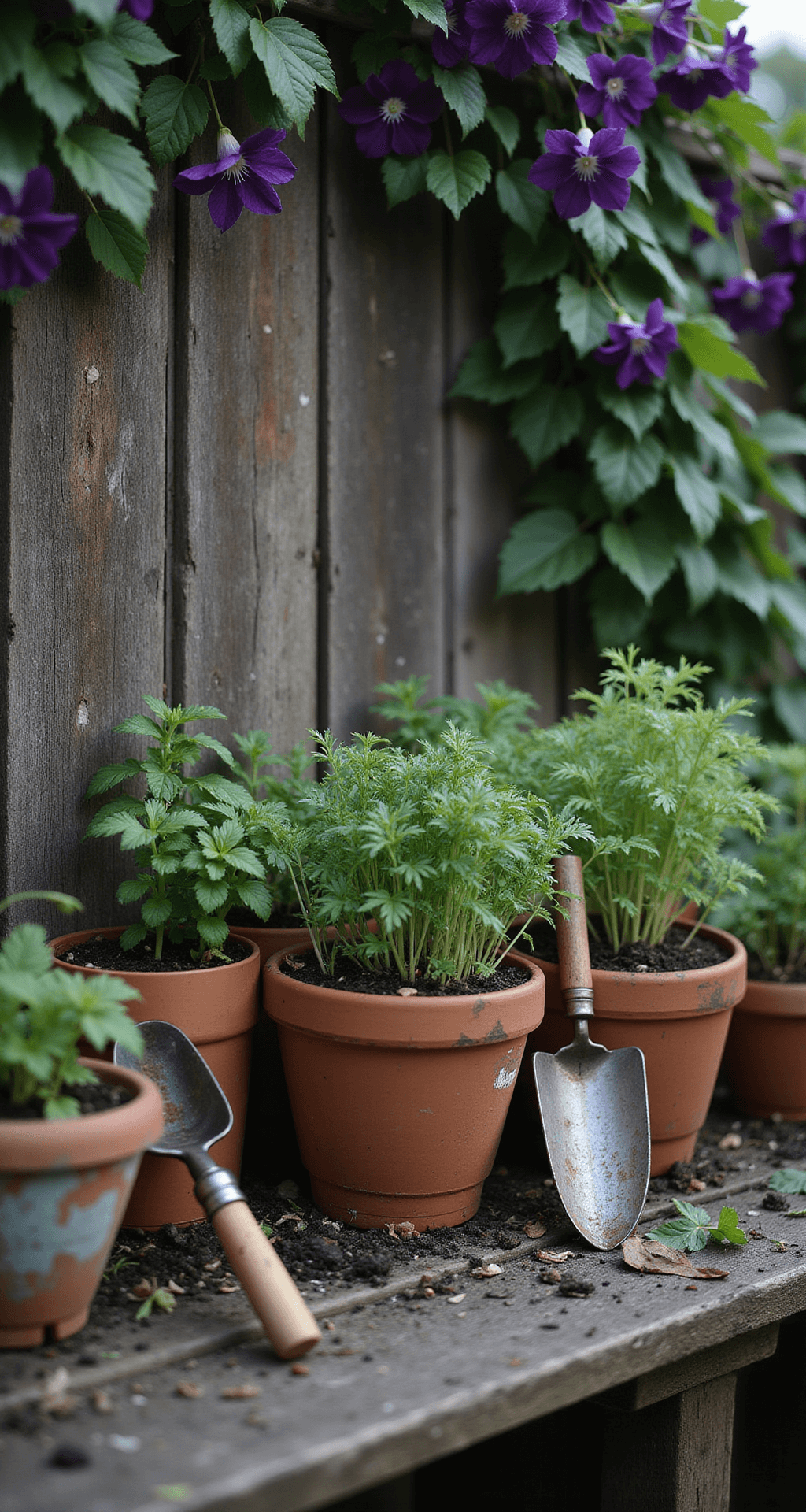
💡 Steal This Look
- Paint Color: Behr Garden Rose MQ1-41
- Furniture: weathered teak potting bench with zinc top, vintage cast iron garden bistro set with scrollwork details
- Lighting: solar-powered Edison bulb string lights with black wire, antique brass shepherd’s hook lanterns
- Materials: crushed limestone gravel paths, reclaimed brick edging, cedar trellises, aged terracotta pots, wrought iron accents
There’s something deeply satisfying about a garden that feels discovered rather than designed—where a self-seeded poppy in the gravel path becomes the happiest accident rather than a weed to pull.
Plant Selection: The Heart of Your Cottage Garden
Must-Have Plants:
- Lavender (beautiful and fragrant)
- Roses (classic cottage garden staple)
- Foxgloves (tall, dramatic)
- Herbs like thyme and rosemary
- Climbing clematis
- Wildflowers
Pro Planting Strategy: Layer your plants
- Tall plants in back
- Medium-height in middle
- Low-growing plants in front
- Let plants intermingle naturally
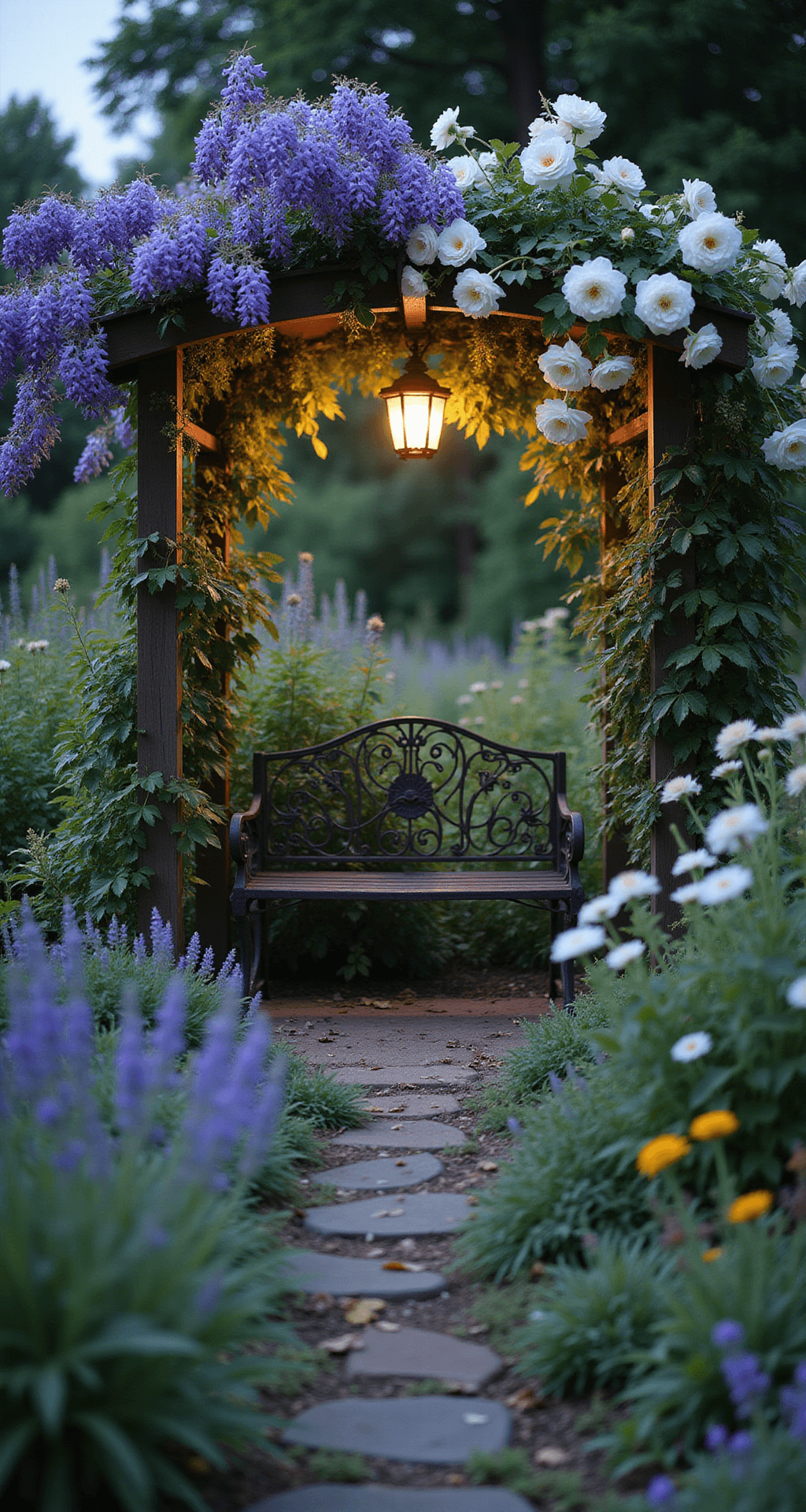
🏠 Steal This Look
- Paint Color: Valspar Garden Flower 5002-10B
- Furniture: weathered teak potting bench with zinc top, vintage French bistro set with peeling paint
- Lighting: solar-powered Edison bulb string lights draped between rustic wooden posts
- Materials: aged terracotta, galvanized metal planters, reclaimed brick edging, crushed gravel pathways
There’s something deeply satisfying about brushing past lavender and releasing that scent on a warm evening—this is the room where you stop trying to control everything and let nature do what it does best.
Save this article
Enter your email and we'll send it straight to your inbox.
Budget-Friendly Garden Hacks
- Start plants from seeds
- Trade cuttings with gardening friends
- Use recycled containers as planters
- Collect seeds from existing plants
- Check local garden center sales
Maintaining Your Cottage Garden Magic
Seasonal Care Tips:
- Spring: Prepare beds, plant seeds
- Summer: Regular watering, deadheading
- Fall: Cut back perennials, add mulch
- Winter: Plan next year’s garden

💡 Steal This Look
- Paint Color: Dunn-Edwards Sage Wisdom DE6215
- Furniture: weathered teak potting bench with galvanized zinc top
- Lighting: antique brass gooseneck barn sconce with seeded glass shade
- Materials: aged terracotta, hand-forged iron, untreated cedar, crushed gravel paths
There’s something deeply grounding about the rhythm of seasonal garden work—this is the space where patience becomes tangible and small, repeated acts accumulate into something alive and generous.
🌊 Get The Look
Common Rookie Mistakes to Avoid
- Overcrowding plants
- Ignoring soil health
- Forgetting about drainage
- Not considering local climate
Making It Personal: Your Garden, Your Rules
Remember, a cottage garden is about expressing yourself. There’s no “perfect” look—only what feels right to you.
Fun Ideas to Personalize:
- Add vintage garden art
- Create a small seating nook
- Install a birdbath
- Use colorful, mismatched planters
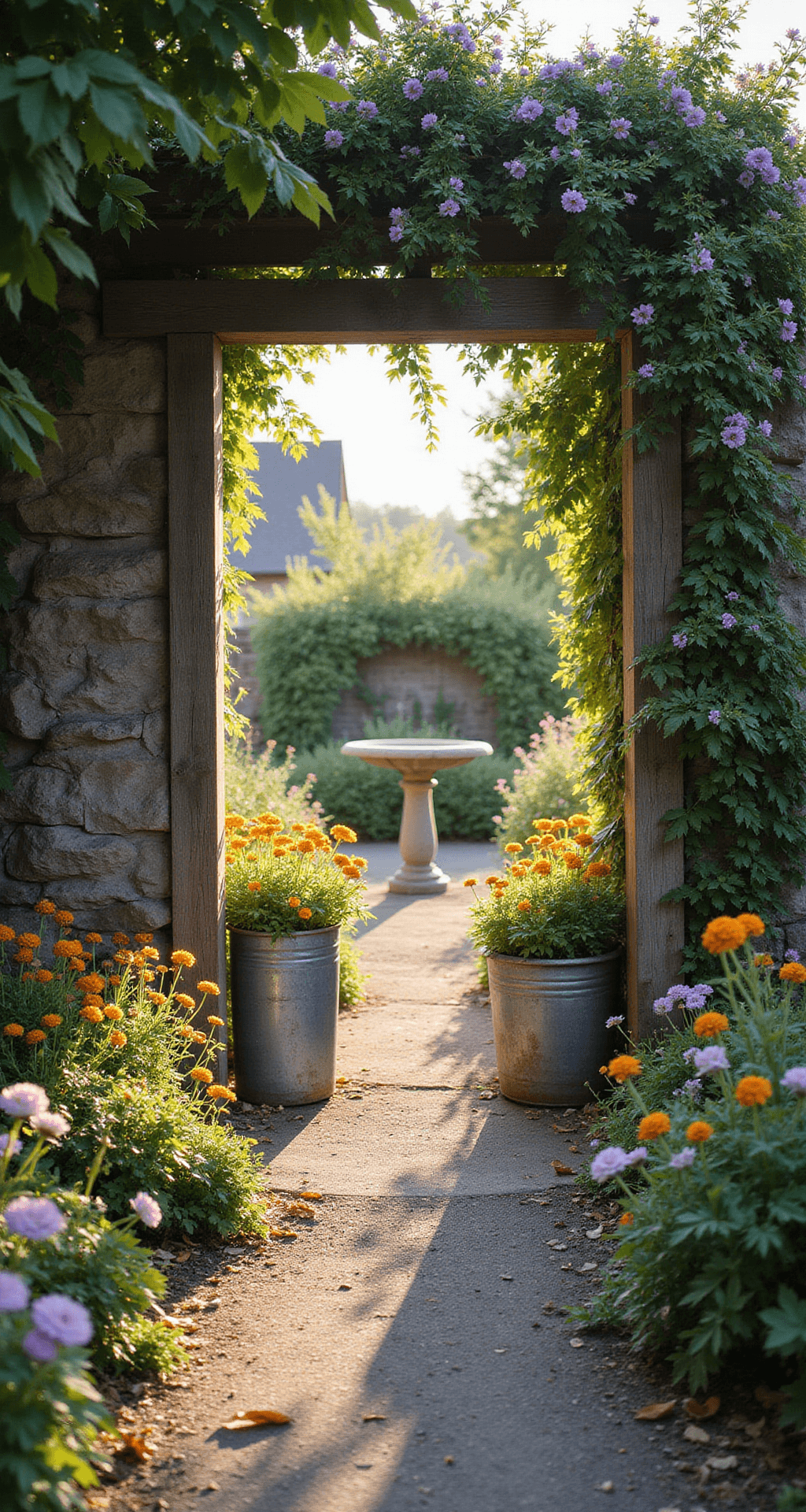
🖼 Steal This Look
- Paint Color: use Fine Paints of Europe brand. Match the ACTUAL wall color in the image. Format: Fine Paints of Europe ColorName CODE
- Furniture: weathered teak Adirondack chair with slatted back, paired with a reclaimed barnwood side table for your garden nook
- Lighting: solar-powered vintage-style Edison bulb string lights draped between trees or along a pergola edge
- Materials: chipped terracotta, galvanized zinc, peeling painted wood, hand-thrown ceramic, and crushed oyster shell paths
Your cottage garden should feel like a diary written in soil and bloom—every weathered birdbath and hand-me-down planter holds a story that transforms a simple backyard into an extension of who you are.
The Real Secret? Embrace Imperfection
Your cottage garden should feel alive, slightly wild, and wonderfully yours. Don’t aim for magazine-perfect—aim for joy.
Ready to Start?
Grab your gloves, channel your inner garden fairy, and let’s create something beautiful. Your backyard is waiting to become a storybook scene.
Happy gardening! 🌿🌼🏡

🖼 Steal This Look
- Paint Color: Sherwin-Williams Garden Trelis SW 6727
- Furniture: weathered teak potting bench with zinc top, cast iron bistro set with scrollwork details, reclaimed wood arbor with integrated seating
- Lighting: solar-powered vintage-style Edison string lights with black iron shepherd’s hooks, plus a hammered copper outdoor lantern for the garden path
- Materials: crushed limestone pathways, aged terracotta pots, wrought iron trellises, moss-covered stone, untreated cedar for raised beds
There’s something deeply satisfying about a cottage garden that looks slightly untamed—it’s permission to embrace imperfection and let nature do some of the designing alongside you.
Want to keep this one?
We'll email you the link so you can find it again later.