

This post may contain affiliate links. Please see my disclosure policy for details.
The Wall Opposite Your Door Is Your Best Friend
Contents
- The Wall Opposite Your Door Is Your Best Friend
- The Longest Wall Strategy (When Opposite Won’t Work)
- Under the Window: Controversial But Sometimes Perfect
- The Corner Placement: Diagonal Drama That Opens Up Space
- The One-Nightstand Solution Nobody Talks About
- What About Feng Shui? (And Should You Care?)
- Creating Walking Space Without Sacrificing Everything
Let me start with the position that works 80% of the time.
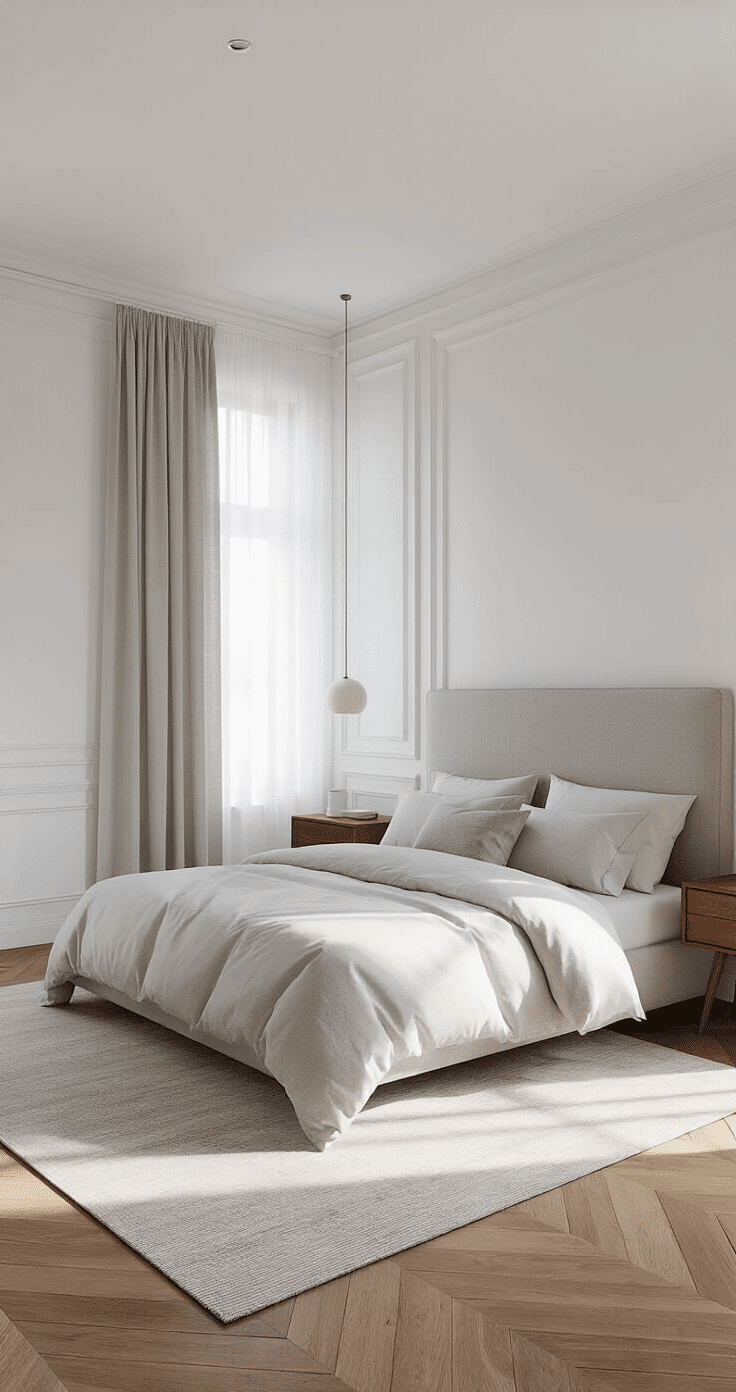
Put your bed against the wall facing the door. Not beside it, not at some weird angle—directly opposite. I learned this the hard way after spending six months with my bed shoved against the side wall where I had to climb over it to reach the window. When you position your bed opposite the doorway, you create instant visual balance. Your eye travels straight to the bed when you enter, making the room feel intentional rather than chaotic.
Here’s what this positioning gives you:
- Clear sightlines from the doorway
- Easy access to both sides of the bed
- Maximum wall space for other furniture
- A natural focal point that anchors the room
If you’ve got a statement headboard collecting dust, this is where it shines.
The Longest Wall Strategy (When Opposite Won’t Work)
Sometimes the wall opposite your door is where your closet lives.
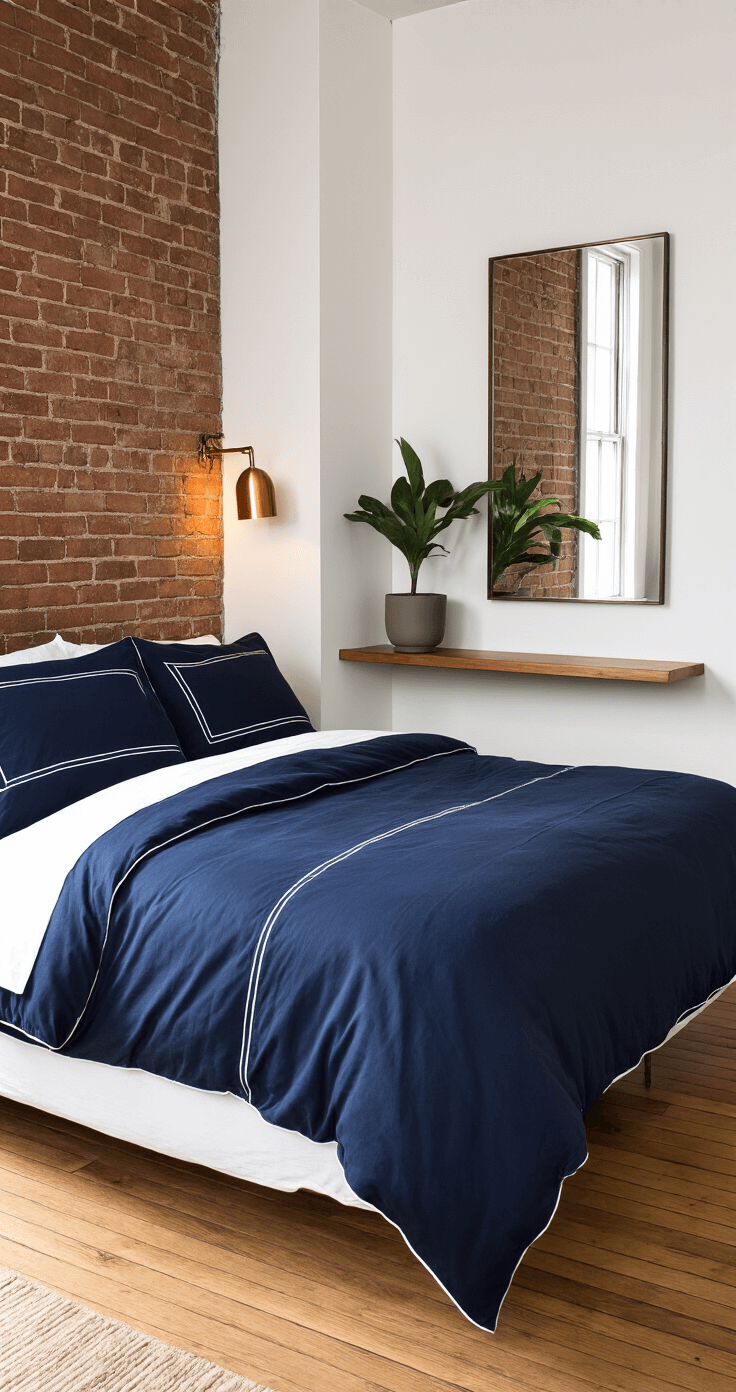
Or it’s got a radiator you can’t move. Or it’s just too damn short for your bed. That’s when you pivot to Plan B: the longest uninterrupted wall in your room. I tried this in my last apartment where the “opposite wall” was barely four feet wide. Sliding the bed along the longest wall opened up the entire space and gave me room for a narrow dresser that actually fit.
The longest wall approach works because:
- It maximizes your floor space in the center
- Creates a streamlined look along one side
- Leaves the opposite wall open for a desk or seating
- Makes the room feel wider
Under the Window: Controversial But Sometimes Perfect
Design purists will tell you never to put a bed under a window.
I’m telling you it might be your best option. Before you dismiss this completely, hear me out. Positioning your bed under a window frees up every other wall in your room for storage and furniture you actually need. I’ve done this setup with blackout curtains and never looked back.
When this works:
- Your window is centered on the wall (not off to one side)
- You live somewhere with decent weather control
- The window isn’t drafty as hell
- You sleep hot and like fresh air at night
The Corner Placement: Diagonal Drama That Opens Up Space
Here’s where things get interesting.
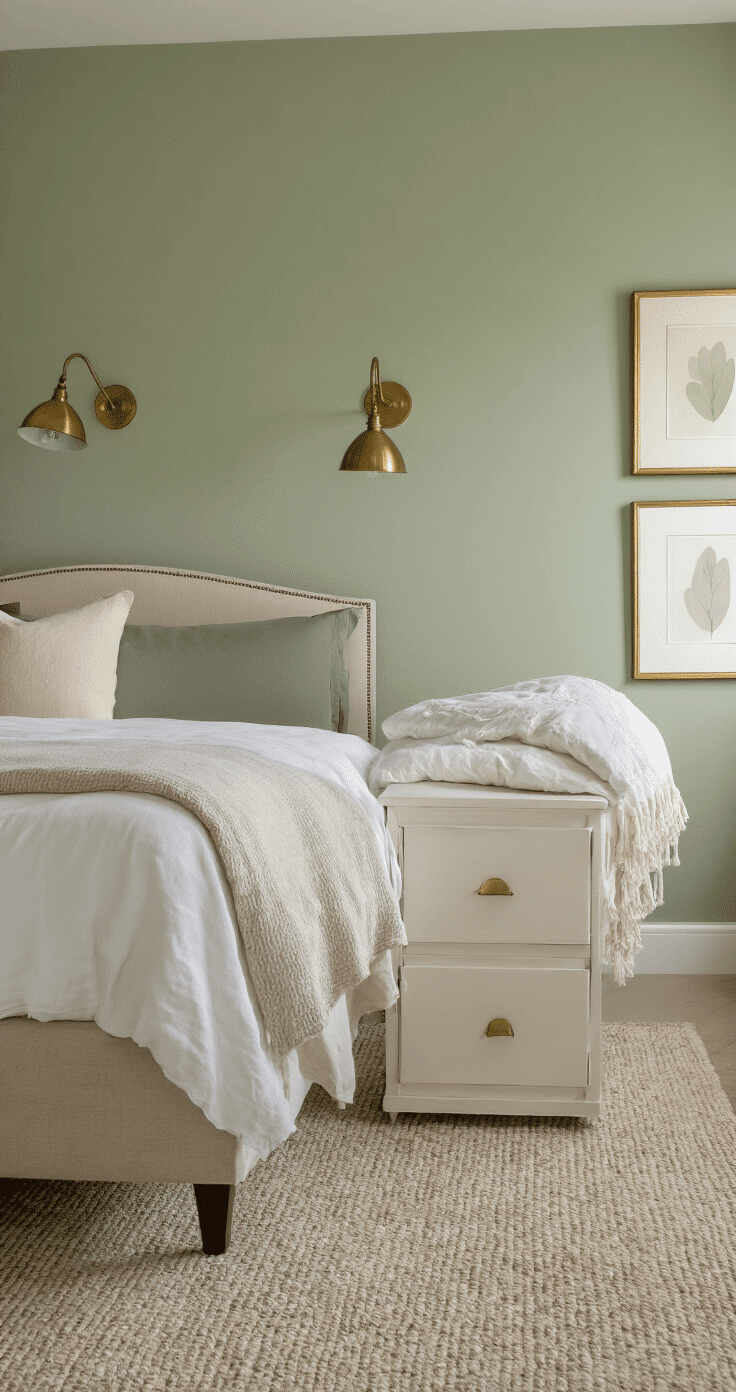
Angling your bed diagonally in a corner sounds like something from a teen magazine circa 2003, but it legitimately works in the right room. This positioning creates triangular pockets of space on either side that you can use for slim storage or decorative elements. The diagonal line also tricks your eye into thinking the room is larger because you’re not dealing with the rigid parallel lines of furniture pushed against walls.
You need these conditions for diagonal placement to work:
- A square or nearly-square bedroom (not a narrow rectangle)
- A bed no larger than a full/double (queens get tight, kings are impossible)
- Willingness to sacrifice one nightstand
- Good overhead lighting or wall sconces since lamps get awkward
The One-Nightstand Solution Nobody Talks About
Let’s address the elephant in the tiny room: you probably don’t need two nightstands.
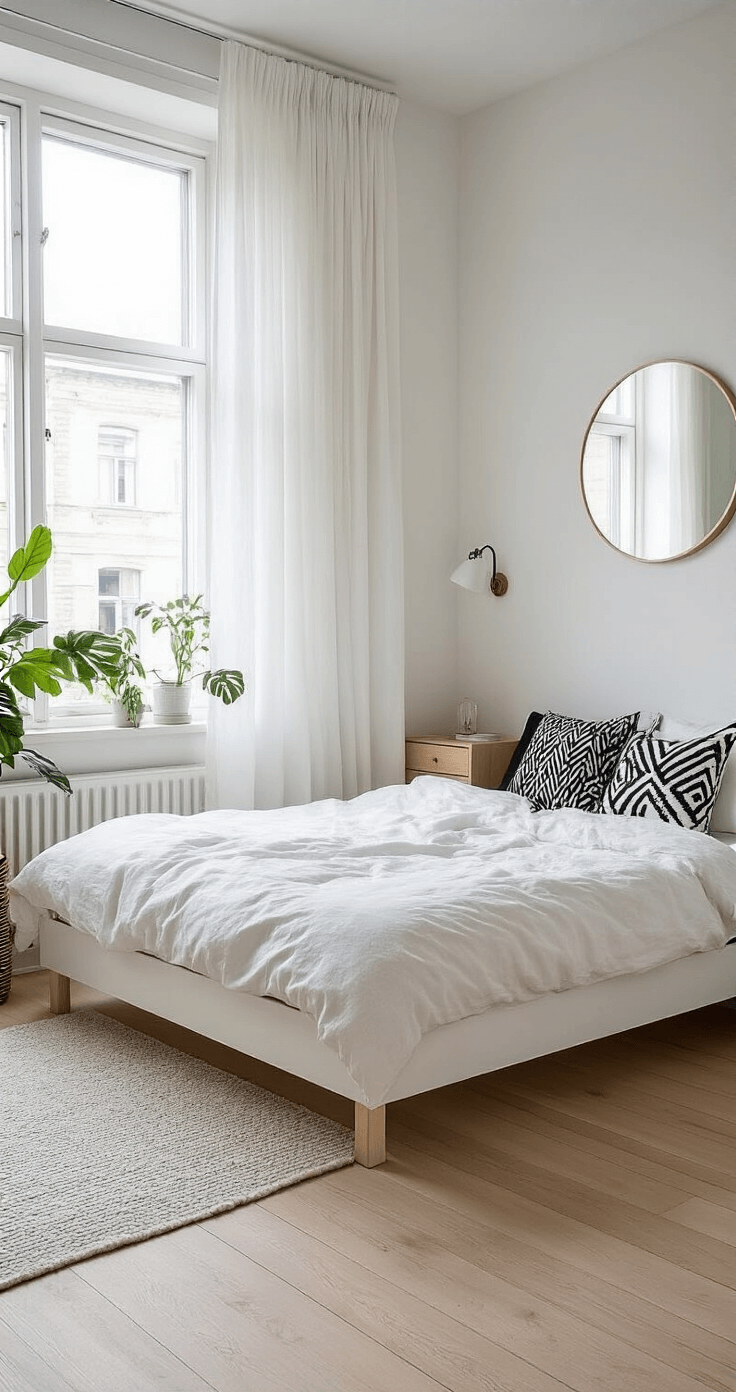
I know matching furniture sets are comforting, but symmetry isn’t worth banging your shin every time you walk past the bed. Pick one side—usually the side away from the door—and put a single nightstand there. On the other side, go with a wall-mounted shelf or a small ledge attached to your headboard.
This asymmetrical approach gives you:
- More walking space on the door side
- Storage where you actually need it
- A less cluttered visual feel
- Money saved on furniture you don’t need
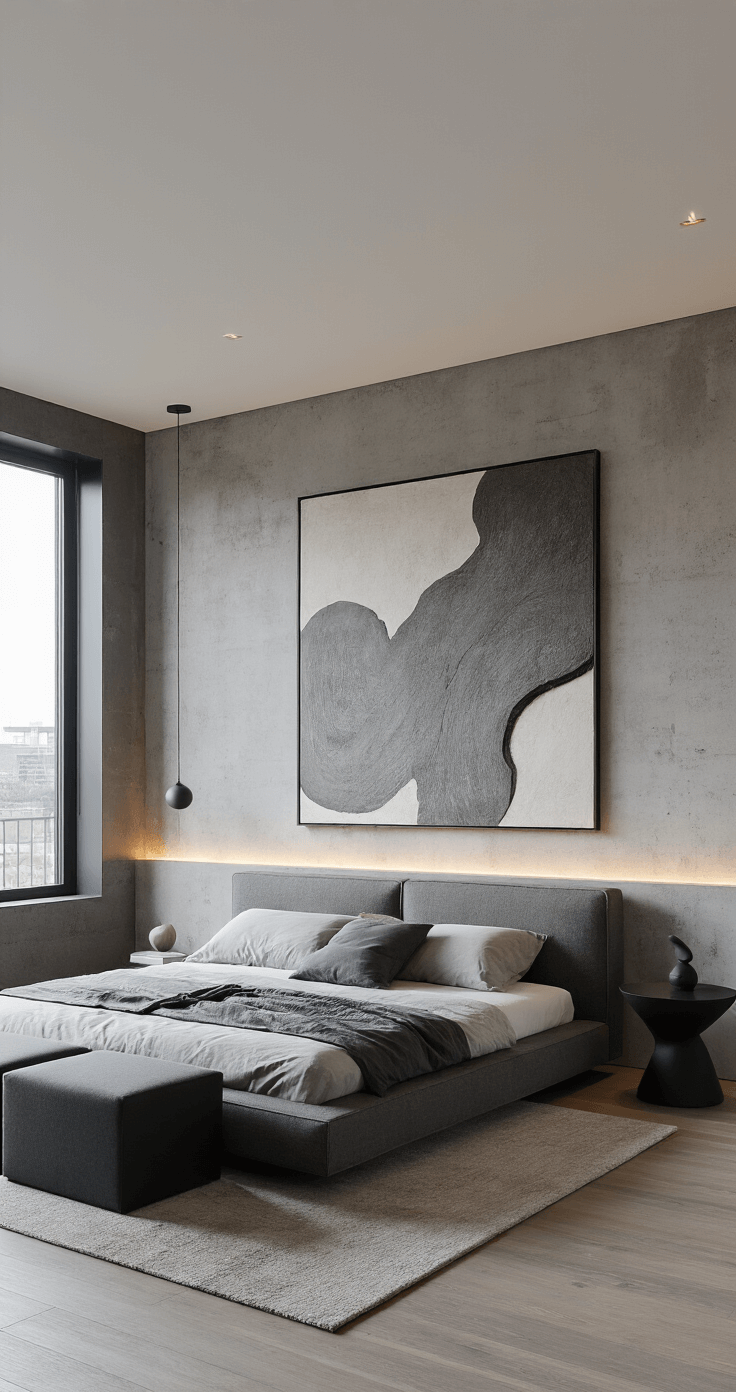
What About Feng Shui? (And Should You Care?)
I’m going to be straight with you about feng shui principles.
The traditional guidance says your bed should face the door but not be directly in line with it, have a solid wall behind the headboard, and allow access from both sides. That’s lovely advice for spacious bedrooms. In a small space, following every feng shui rule will drive you insane and probably leave your bed in the middle of the room like an island of poor planning.
Take what works and leave the rest:
- Solid wall behind the headboard? Yes, this creates psychological security and looks better anyway.
- Commanding position facing the door? Great if it fits, skip it if it doesn’t.
- Access from both sides? Nice in theory, often impossible in practice.
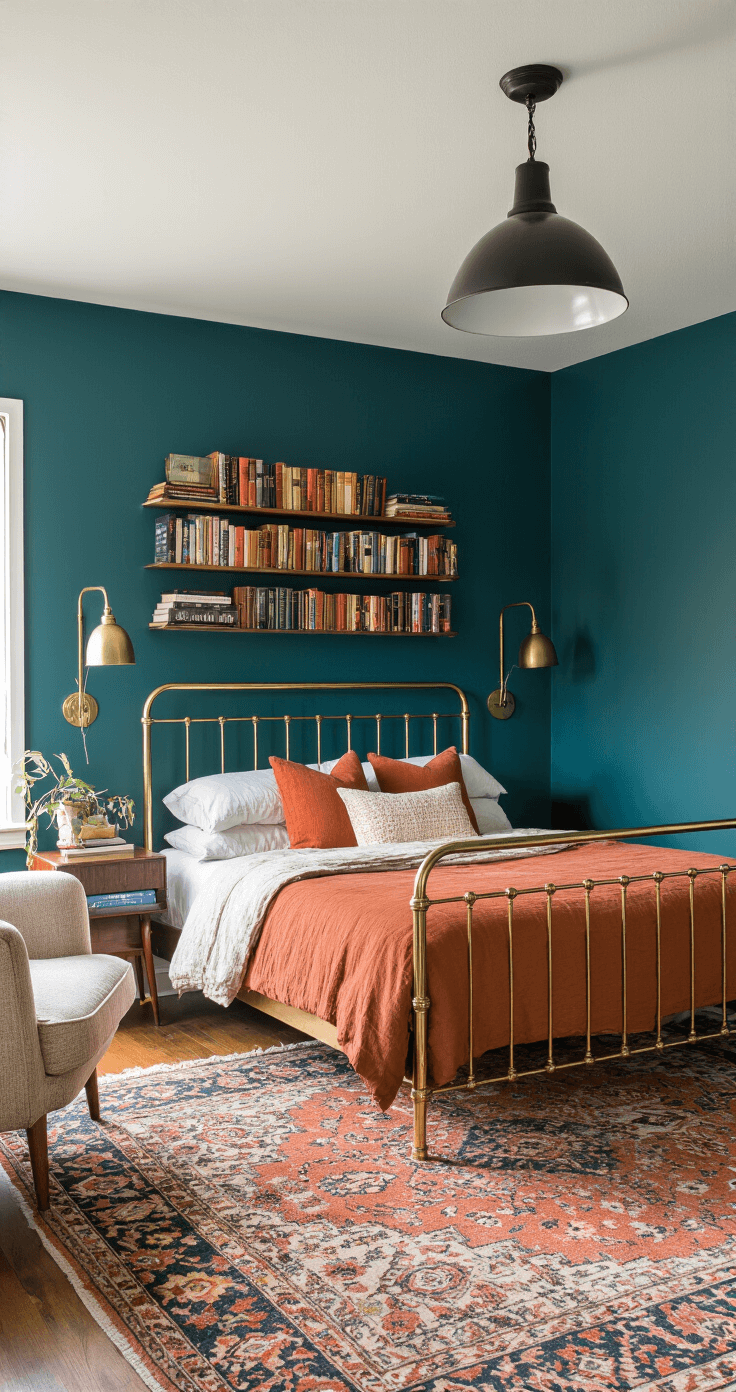
Creating Walking Space Without Sacrificing Everything
Here’s the measurement that matters: 24 inches.
That’s the minimum comfortable walking space you need on at least one side of your bed. I’ve lived with 18 inches and spent a year turning sideways and cursing every morning. Those extra six inches are worth rearranging your entire room.


