

This post may contain affiliate links. Please see my disclosure policy for details.
The Bushes I Wish I’d Planted Years Ago (And the Ones I’m Glad I Skipped)
Bushes in front of your house can make or break your curb appeal, and I learned this the hard way when I spent three years battling a row of scraggly, half-dead shrubs that looked like they belonged in a horror movie.
You’re probably standing in your front yard right now, staring at that awkward space between your windows and walkway, wondering what the hell to plant there.
Or maybe you’re dealing with overgrown monsters that are swallowing your house whole.
I get it.
Let me walk you through what actually works.
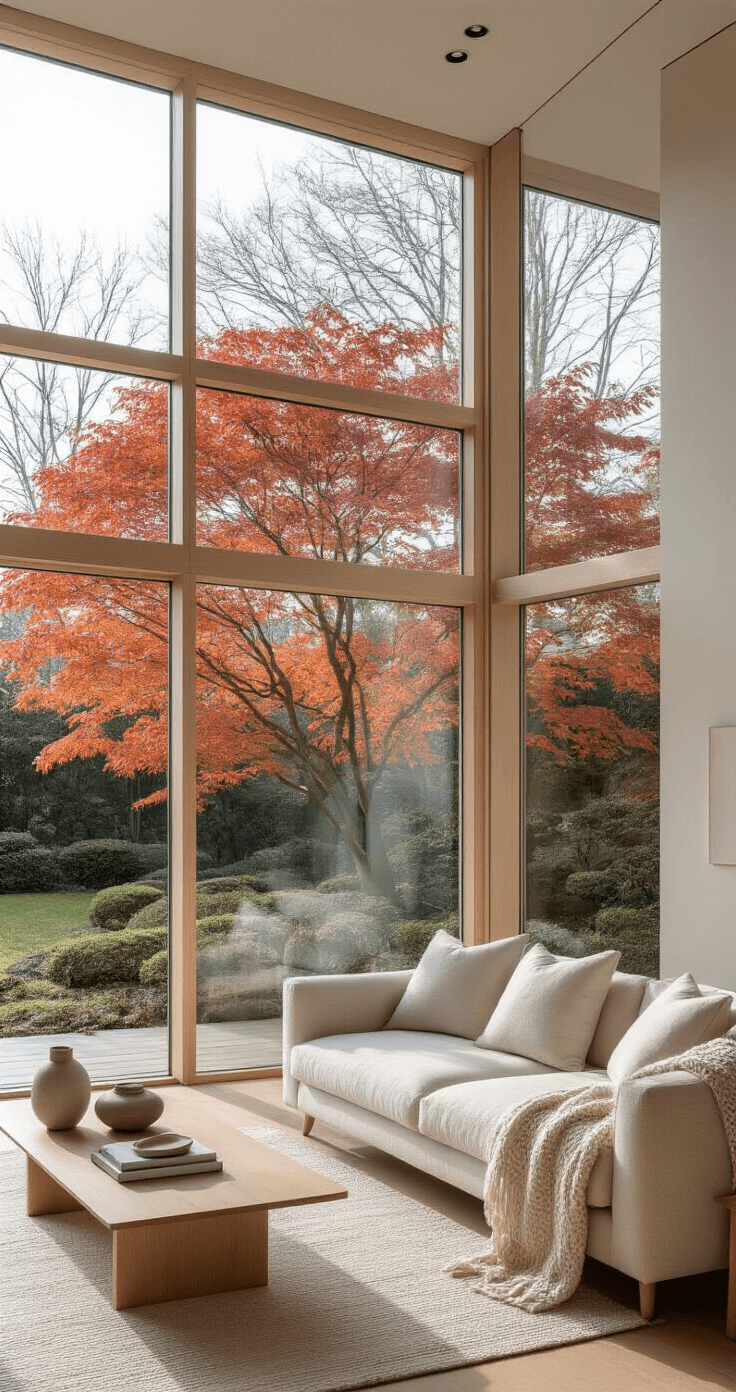
🌟 Steal This Look
- Paint Color: Sherwin-Williams Rookwood Dark Red SW 2802
- Furniture: Weathered teak Adirondack chair with olive green Sunbrella cushion for front porch seating
- Lighting: Hinkley Lighting Revere 17.75″ Outdoor Wall Lantern in Heritage Copper with clear seedy glass
- Materials: Natural cedar mulch, Pennsylvania bluestone pavers, powder-coated aluminum planters, untreated cedar window boxes
There’s something deeply satisfying about pulling up to a house where the landscaping actually frames the architecture instead of fighting it, and getting there means choosing plants that look good in all four seasons, not just the week they bloom.
The Front Yard Bush Basics Nobody Tells You
Here’s what I wish someone had told me before I wasted money on plants that died within months:
Your bushes need to do three things:
- Frame your home without hiding it
- Survive your climate without constant babysitting
- Look good more than two weeks a year
That’s it.
Forget the fancy landscaping jargon.
Boxwood: The Reliable Friend You Can Count On
I planted my first boxwoods five years ago, and they’re still the easiest decision I’ve ever made for my front yard.
Why boxwood works:
- Stays green all year (yes, even through brutal winters)
- Takes shaping like a champ
- Doesn’t throw tantrums about soil conditions
- Looks expensive without the price tag
The Winter Gem variety handles cold like it’s nothing.
I shaped mine into neat spheres along my walkway, and they’ve needed trimming maybe once a year.
That’s the kind of low-maintenance I can get behind.
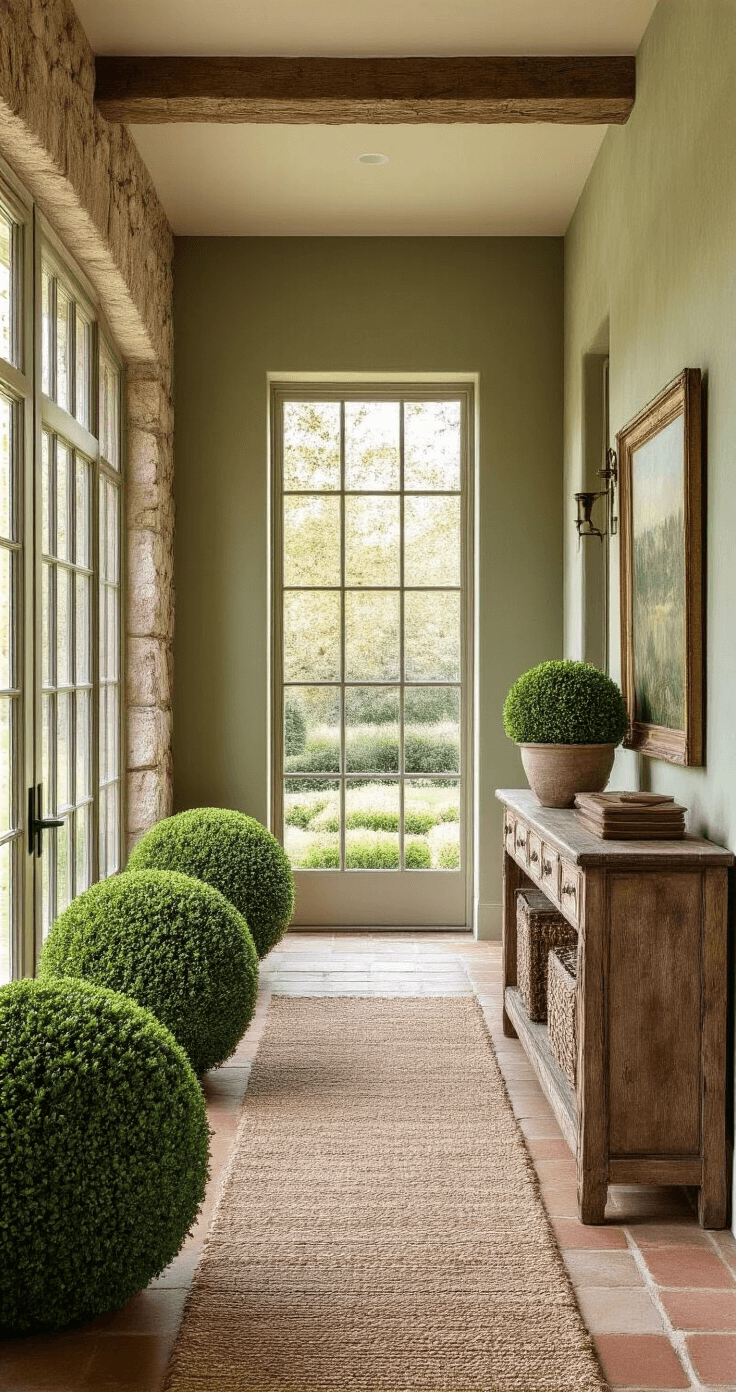
★ Steal This Look
- Paint Color: Farrow & Ball Card Room Green Farrow & Ball No. 79
- Furniture: weathered teak garden bench with curved backrest
- Lighting: bronze bollard pathway lights with seeded glass
- Materials: limestone gravel, aged terracotta planters, clipped evergreen foliage, wrought iron gate hardware
There’s something deeply satisfying about a plant that simply shows up year after year, no drama, no replanting, just that quiet green presence that makes your house feel established and intentional.
✓ Get The Look
Holly: For When You Want Drama (The Good Kind)
My neighbor has inkberry hollies under her windows, and I’m genuinely jealous every winter when those glossy leaves and dark berries pop against the snow.
Holly delivers:
- Year-round glossy foliage that photographs beautifully
- Berries that birds actually love
- Disease resistance that boxwood sometimes lacks
- Zero fuss about trimming
Inkberry holly specifically is my top pick if you’re sick of babying plants that get weird fungal issues.
It just… exists. Happily.
Save this article
Enter your email and we'll send it straight to your inbox.
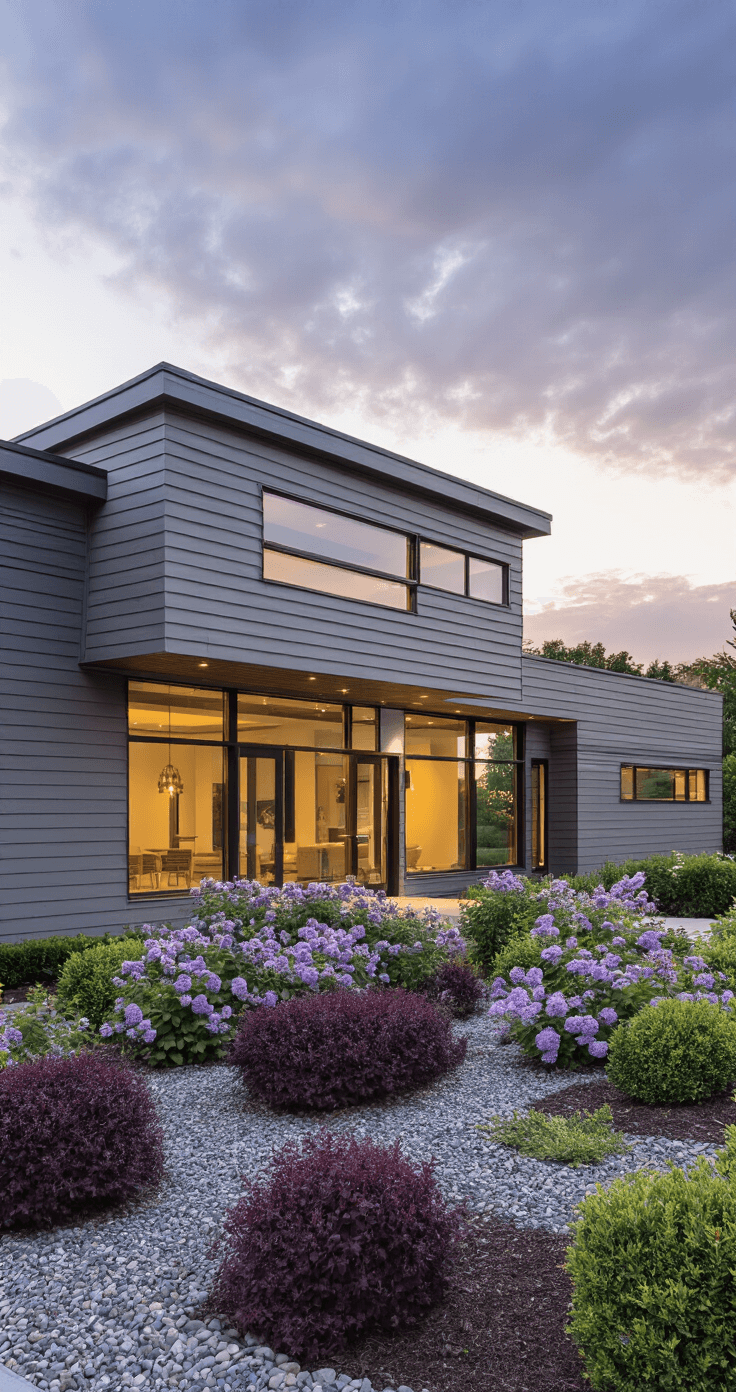
💡 Steal This Look
- Paint Color: Behr Black Mocha N140-7
- Furniture: wrought iron garden bench with curved arms for front porch viewing
- Lighting: copper path lights with warm 2700K LED bulbs
- Materials: glossy ceramic planters, natural cedar mulch, brushed bronze house numbers
There’s something deeply satisfying about a plant that asks so little and gives so much back, especially when winter strips everything else bare and your house still looks intentional.
🔔 Get The Look
Hydrangeas: Because Sometimes You Want Flowers the Size of Your Head
Look, I’m not normally a “showy flower” person, but hydrangeas changed my mind.
I planted ‘Limelight’ hydrangeas three years ago, and every summer my front yard looks like I hired a professional designer.
The hydrangea truth:
- Those massive blooms hit different
- They change colors based on your soil (free entertainment)
- ‘Limelight’ variety forgives mistakes
- Cut flowers for your kitchen table all summer
They need more water than evergreens, but the payoff is worth schlepping the hose around.
The Low-Maintenance Hall of Fame
These are the bushes I recommend to friends who kill houseplants and forget to water their lawn.
Spirea: Set It and Forget It
Why I love it:
- Cascading branches covered in white or pink blooms
- Prune it once a year (or don’t, honestly)
- Handles heat, cold, and neglect equally well

Barberry: The Tough Cookie
Real talk about barberry:
- Those red and purple leaves steal the show
- Survives drought like it’s training for the apocalypse
- Basically pest-proof
- Requires zero attention after the first season
I planted barberry in the hottest, driest corner of my yard where everything else died.
It thrived.
Butterfly Bush: For the Nature Lovers
If you want your yard buzzing with actual butterflies and hummingbirds, this is your plant.
What you need to know:
- Fragrant blooms all summer long
- Cut it back hard in late winter (takes 5 minutes)
- Drought-tolerant after year one
- Comes in purple, pink, white, and more
I cut mine down to stumps every February, and by June it’s shoulder-high and covered in flowers.

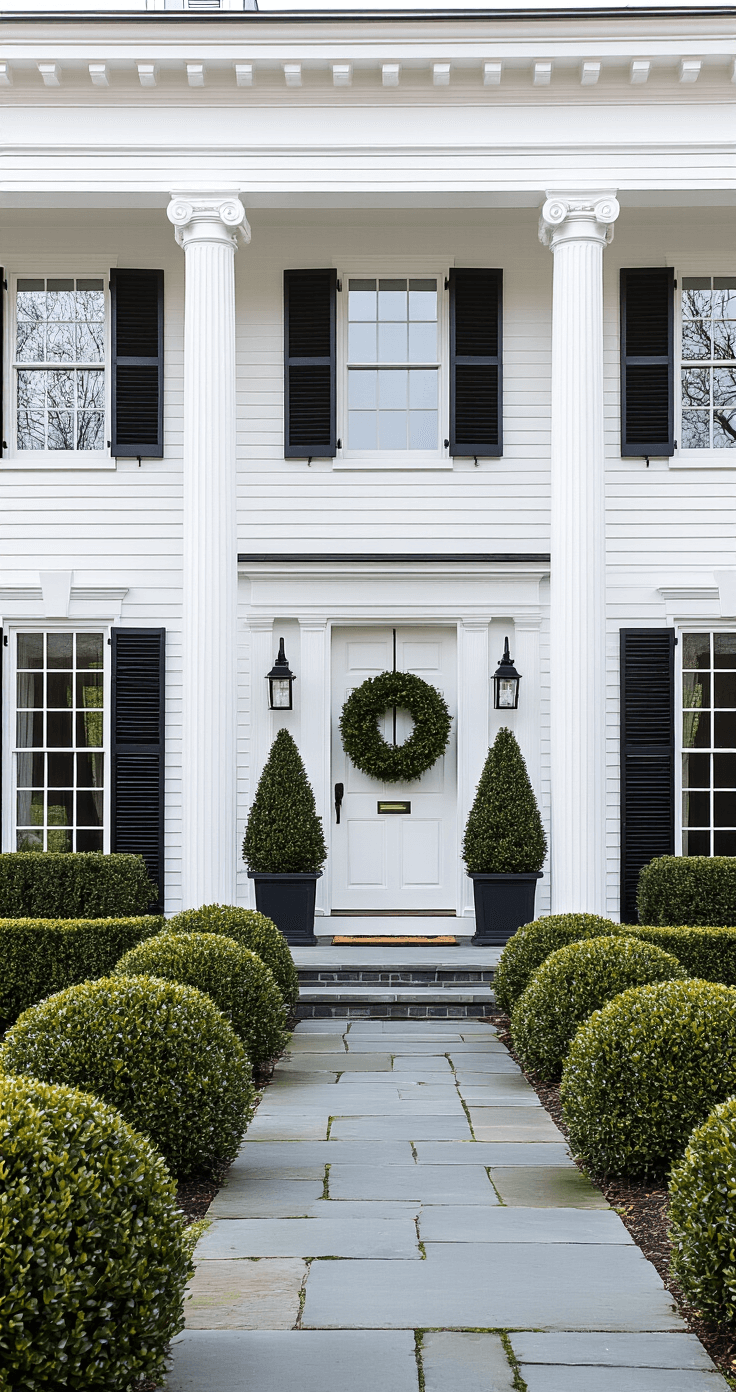
🏠 Steal This Look
- Paint Color: Valspar Garden Party 5006-10B
- Furniture: weathered teak Adirondack chair with wide arms for holding iced tea while admiring blooms
- Lighting: solar-powered copper path lights with warm 2700K output flanking the hydrangea bed
- Materials: aged cedar mulch, hand-forged iron plant supports, unglazed terracotta watering cans, crushed limestone edging
There’s something deeply satisfying about a plant that rewards your minimal effort with blooms so substantial they bend their own branches—my ‘Limelight’ hedge has become the unofficial neighborhood photo backdrop every July.
Matching Bushes to Your House (Without Overthinking It)
Traditional Homes
Plant these:
- Boxwood hedges (formal and clean)
- Lilacs for that classic fragrance
- Hydrangeas because they photograph well
- Peonies if you have room
I see so many traditional homes with ultra-modern grasses that just look… confused.
Stick with the classics.
Modern and Contemporary Houses
Go with:
- Japanese maples (sculptural and artistic)
- Dwarf Alberta spruce (geometric perfection)
Want to keep this one?
We'll email you the link so you can find it again later.
[…] plants take 3-5 years just to hit their stride, then they keep going for decades. One of my neighbor’s climbing […]