

This post may contain affiliate links. Please see my disclosure policy for details.
Why Your Basement Type Actually Matters More Than You Think
Most people don’t give basements a second thought until they need one. Then suddenly, you’re standing in a cramped crawl space wondering why you can’t turn it into that home theater you dreamed about. Or you’re pumping water out of a full basement that should’ve been a walkout given your sloping lot.
The basement you choose impacts:
- Your home’s resale value (significantly, by the way)
- Energy efficiency and heating costs
- Flood risk and moisture problems
- Usable square footage for living or storage
- Construction costs upfront
Let’s get into what you’re actually working with.
The Full Basement: The Heavy Hitter of Below-Grade Living
Full basements extend beneath your entire home’s footprint, giving you maximum square footage to work with. I absolutely love full basements for homeowners who want flexibility.
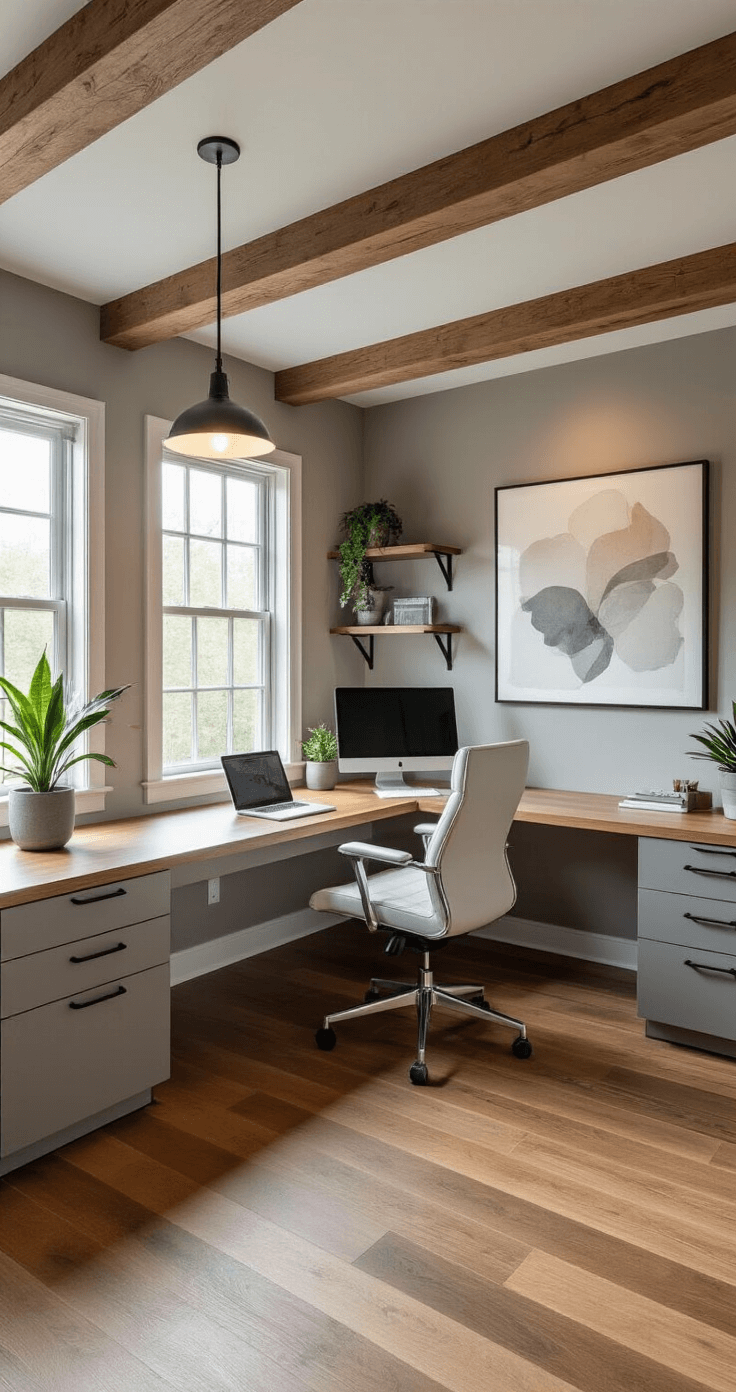
What Makes Full Basements Worth Considering
Full basements serve double duty as both your home’s foundation and potential living space. You can transform them into:
- Additional bedrooms with proper egress windows
- Home offices or studios
- Entertainment rooms with home theater seating
- Gyms with space for treadmills and weight benches
- Guest suites
- Storage areas
The access point? Interior stairs from your main floor, though you can add exterior access if needed.
The Real Cost Discussion
I won’t sugarcoat it: full basements are expensive to build. They’re the priciest option because you’re excavating and pouring concrete for the entire footprint of your home. But here’s the thing: in cold climates where frost lines run deep anyway, you’re already digging. Might as well maximize that excavation.
My take: Full basements offer incredible value per square foot compared to building up or out, especially when you finish them properly with quality basement flooring.
🖼 Steal This Look
- Paint Color: Benjamin Moore Chelsea Gray HC-168
- Furniture: sectional sofa with chaise lounge configured for media viewing
- Lighting: recessed can lights with dimmer switches plus floor lamps for zone lighting
- Materials: engineered hardwood flooring, area rugs for sound dampening, moisture-resistant drywall
Full basements are where I see homeowners finally get their ‘wish list’ spaces—the home gym, the movie room, the guest suite—because the square footage actually allows for real functionality rather than cramped compromises.
🔔 Get The Look
Crawl Spaces: The Compromise Foundation
Crawl spaces sit 3 to 4 feet high beneath your home, providing just enough room to, well, crawl. I’ve been in dozens of these, and let me tell you: they’re not glamorous. But they serve crucial purposes that make them worth considering for certain situations.
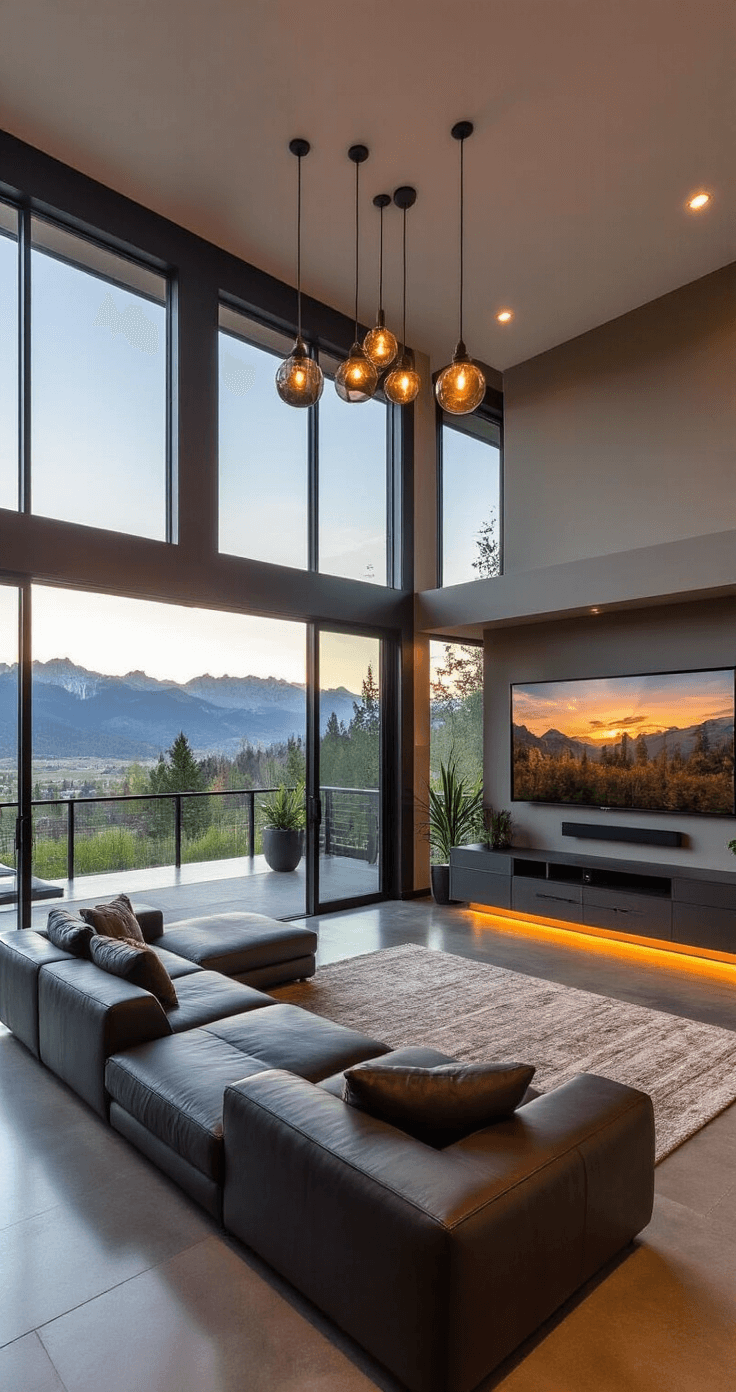
When Crawl Spaces Actually Make Sense
Despite limited headroom, crawl spaces offer advantages:
- Access to mechanical systems without tearing up finished spaces
- Better ventilation than slab foundations
- Easier plumbing repairs compared to slabs
- Lower cost than full basements
- Protection from ground moisture when properly sealed
You’ll access them through small doors or hatches, typically from the exterior.
The Moisture Battle You Need to Win
Here’s where homeowners get into trouble with crawl spaces: ignoring moisture control.
Unconditioned crawl spaces become breeding grounds for:
- Mold and mildew
- Wood rot
- Pest infestations
- Musty odors that permeate your home
The solution? Proper encapsulation with crawl space vapor barriers and potentially a dehumidifier.
Save this article
Enter your email and we'll send it straight to your inbox.
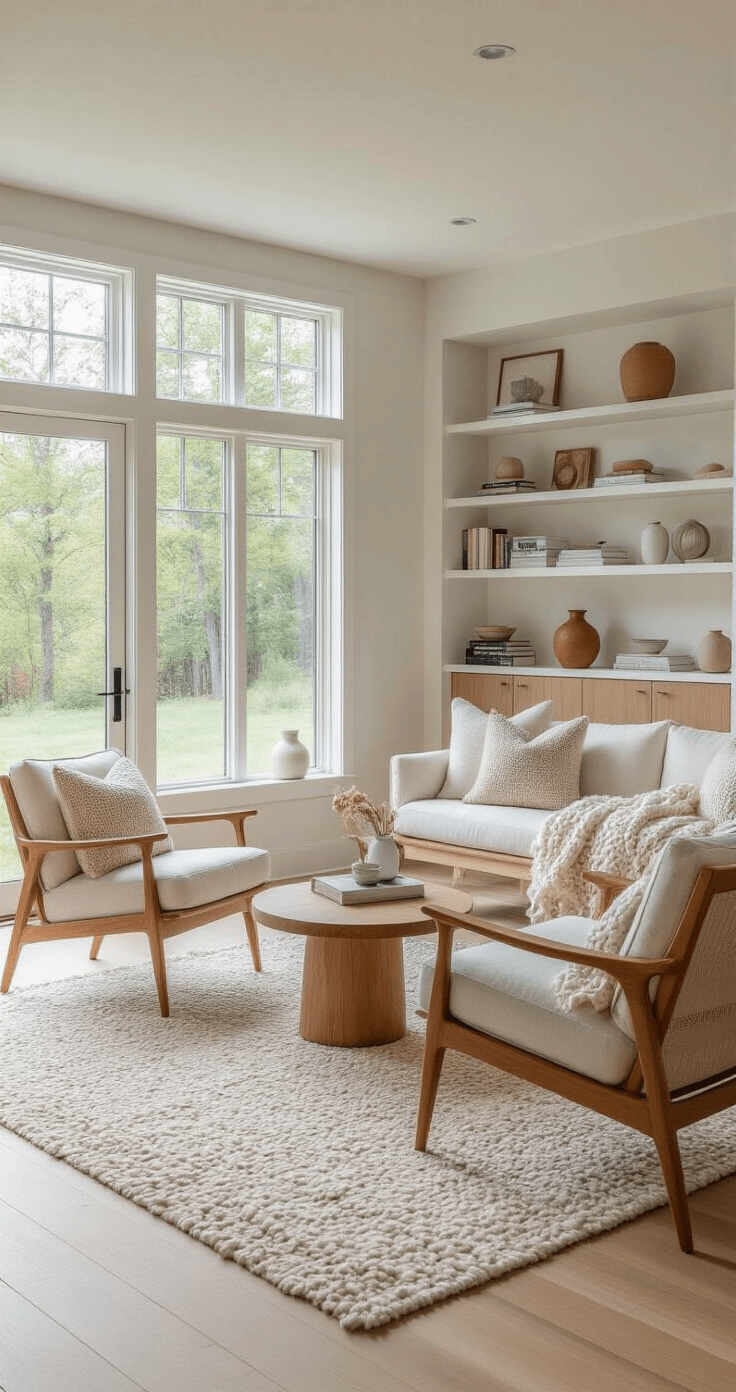
I’ve seen what happens when people skip this step, and it’s not pretty.
★ Steal This Look
- Paint Color: Farrow & Ball Off-Black No. 57
- Furniture: low-profile rolling mechanic’s tool chest with sealed drawers
- Lighting: LED vapor-tight jelly jar fixture with motion sensor
- Materials: encapsulated polyethylene vapor barrier, galvanized steel access hardware, closed-cell spray foam insulation
I’ve emerged from enough crawl spaces with cobwebs in my hair to know: treat this space like the mechanical heart of your home, not a forgotten storage pit, and you’ll save thousands in preventable repairs.
Partial Basements: When Half Is Better Than Nothing
Partial basements extend under only a portion of your home, typically about half the footprint. These often result from home additions where extending the basement wasn’t practical or budget-friendly.
The Practical Reality of Partial Basements
Many partial basements started life as cellars before homeowners expanded their homes above grade. They create interesting opportunities:
- Storage in the basement section
- Living space if height and conditions allow
- Mechanical system placement
- Lower construction costs than full basements
The drawback? You’re working with limited space, so planning becomes critical.
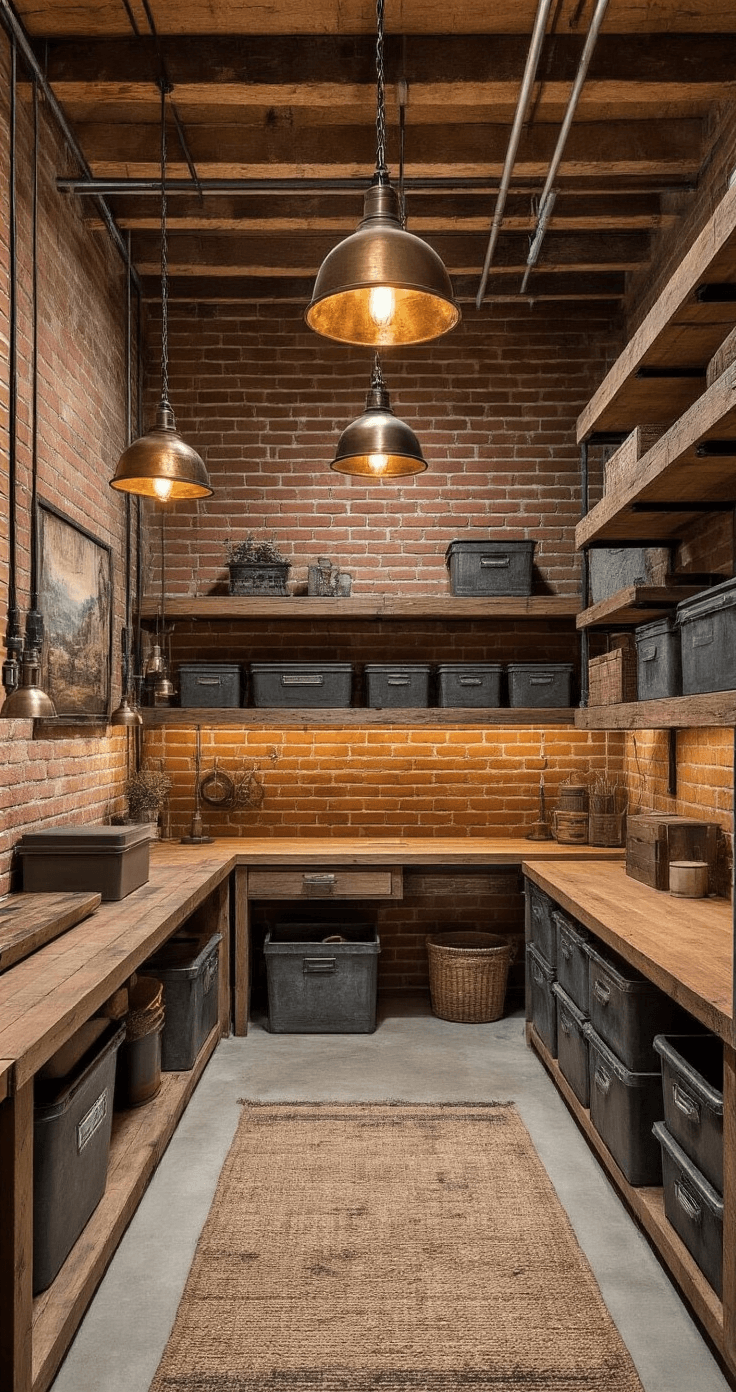
I’ve helped homeowners maximize partial basements by getting creative with layout and storage solutions, but you’ll never match a full basement’s flexibility.
🏠 Steal This Look
- Paint Color: Behr Swiss Coffee 12
- Furniture: Modway Prospect Upholstered Velvet Loveseat in navy
- Lighting: Sputnik-style semi-flush mount with brass arms
- Materials: exposed brick, reclaimed barn wood shelving, polished concrete floors, matte black metal accents
There’s something unexpectedly cozy about partial basements—they force you to be intentional in ways sprawling full basements never do, and guests always comment on the character of that quirky half-finished feel.
Walkout Basements: The Basement That Feels Like It’s Not
Walkout basements are my personal favorite for sloping lots, and here’s why: they give you basement storage and foundation benefits with main-floor accessibility and natural light. At least half the basement sits built into a hillside, with one or more walls partially above ground.
Why Walkout Basements Command Premium Prices
These beauties feature:
- Direct exterior door access at basement level
- Large windows providing abundant natural light
- Full-height ceilings (8 feet or more)
- Interior stairs for accessing from main floor
- Separate entrance potential for in-law suites or rental units
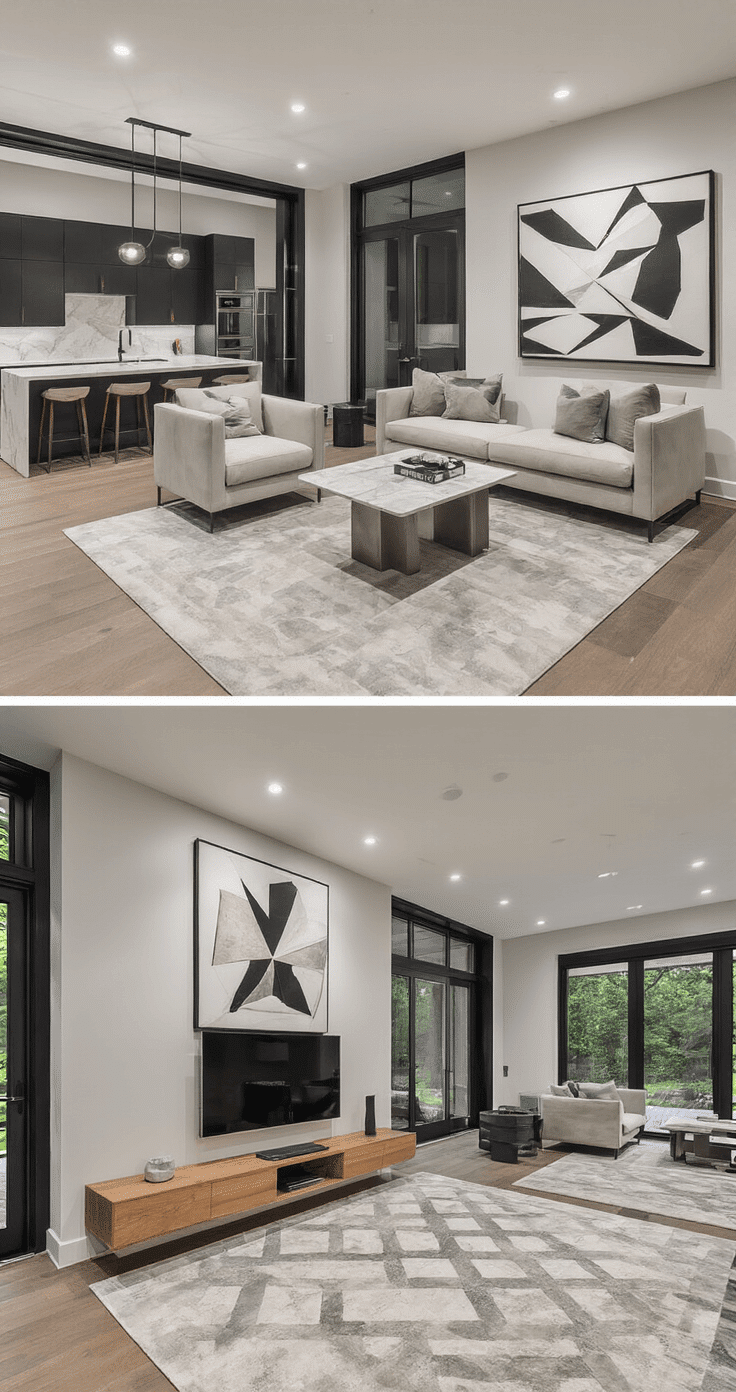
I’ve watched walkout basements transform properties. That dark, dungeon feeling of traditional basements? Gone. Instead, you’re looking at genuine living space that feels connected to your outdoor environment.
The Terrain Requirement You Can’t Ignore
Here’s the catch: walkout basements require sloping terrain. Not just any slope, either. You need enough grade change to accommodate a walk-out door without excessive excavation.
Building on flat land? Forget walkout basements unless you’re willing to pay for extensive earthwork and retaining walls. But if your property naturally slopes
🌟 Steal This Look
- Paint Color: use Valspar brand. Match the ACTUAL wall color in the image. Format: Valspar Gardenia HGSW3476
- Furniture: low-profile linen sectional in warm oatmeal with tapered walnut legs, paired with a live-edge oak coffee table
- Lighting: oversized black iron and seeded glass pendant cluster over seating area, supplemented with brass arc floor lamp
- Materials: raw edge white oak flooring, handwoven jute area rugs, matte black metal window frames, and stacked stone accent wall
There’s something genuinely exciting about walking down to your basement and feeling sunshine hit your face the same way it does in your living room upstairs—it’s the architectural feature that finally makes basement living feel like a choice, not a compromise.
Want to keep this one?
We'll email you the link so you can find it again later.


[…] features transform a basements bar into a standout entertaining space. Built-in cooling, ice production, and beverage storage bring luxury-level convenience. Elevated […]