This post may contain affiliate links. Please see my disclosure policy for details.
Stone Garden Borders: Transform Your Landscape with Natural Elegance
Tired of messy garden edges and undefined outdoor spaces? Stone garden borders are your ultimate solution.
Imagine walking into a garden where every edge is crisp, every boundary perfectly defined, and nature’s raw beauty frames your green sanctuary. That’s exactly what stone garden borders can do for your landscape.
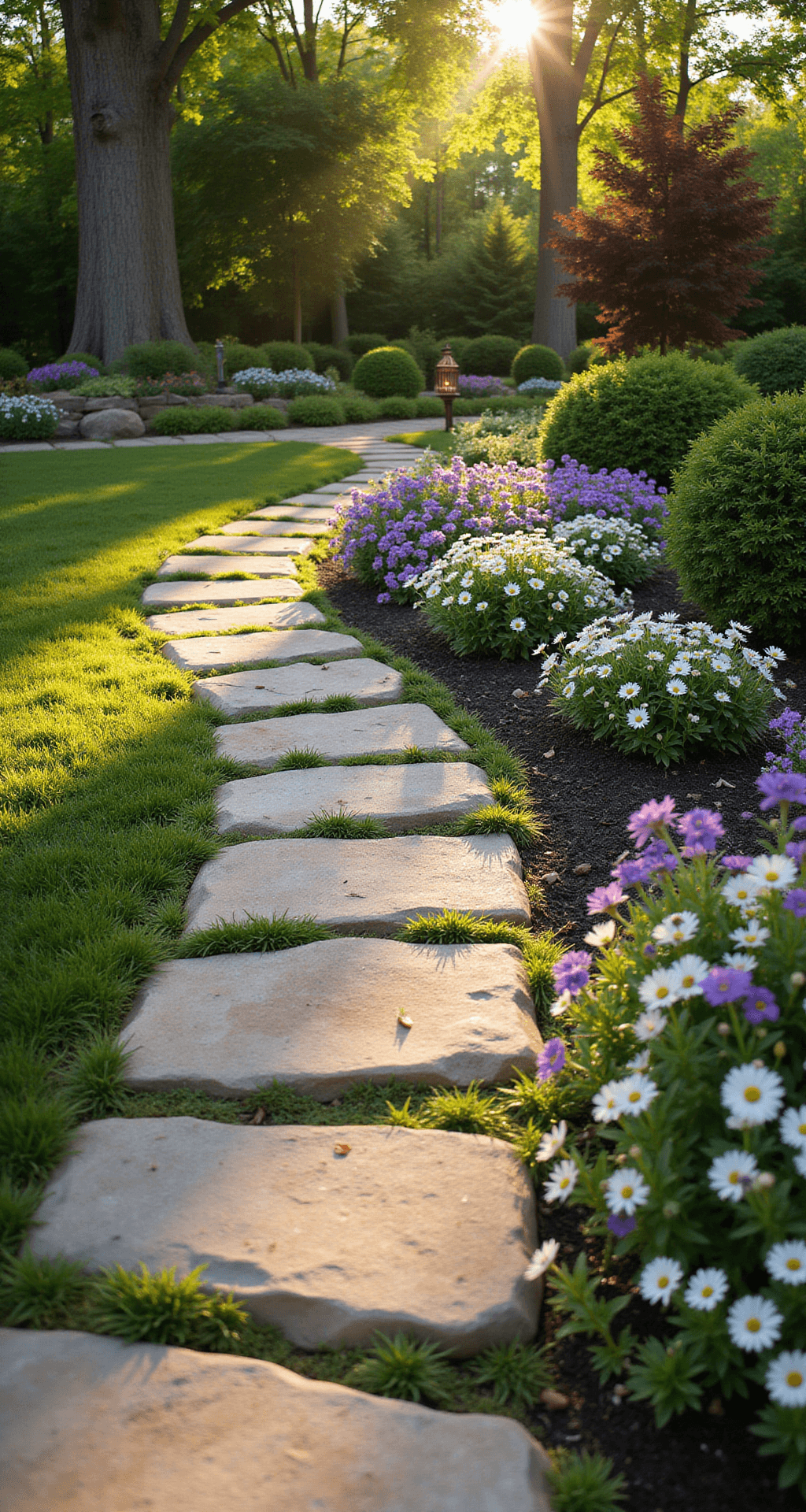
💡 Steal This Look
- Paint Color: Sherwin-Williams Garden Sage SW 7736
- Furniture: weathered teak Adirondack chair with slatted back for garden seating nook
- Lighting: solar-powered bollard lights with oil-rubbed bronze finish
- Materials: irregular Pennsylvania fieldstone, crushed limestone base, aged cedar mulch, creeping thyme groundcover
There’s something deeply satisfying about running your hand along cool, moss-kissed stone that you’ve placed with your own hands—each border becomes a timeline of weekends spent shaping your outdoor sanctuary.
Why Stone Borders? The Real Deal
Let’s cut to the chase. Stone garden borders aren’t just pretty – they’re functional powerhouses that solve multiple landscaping challenges:
1. Instant Landscape Upgrade
- Create clean, professional-looking garden boundaries
- Add instant visual structure to your outdoor space
- Work with ANY garden style – from rustic to modern
2. Practical Benefits That Matter
- Stop Grass Invasion: Prevent lawn from creeping into flower beds
- Control Erosion: Keep soil and mulch exactly where they belong
- Reduce Maintenance: Easy mowing and trimming around defined edges
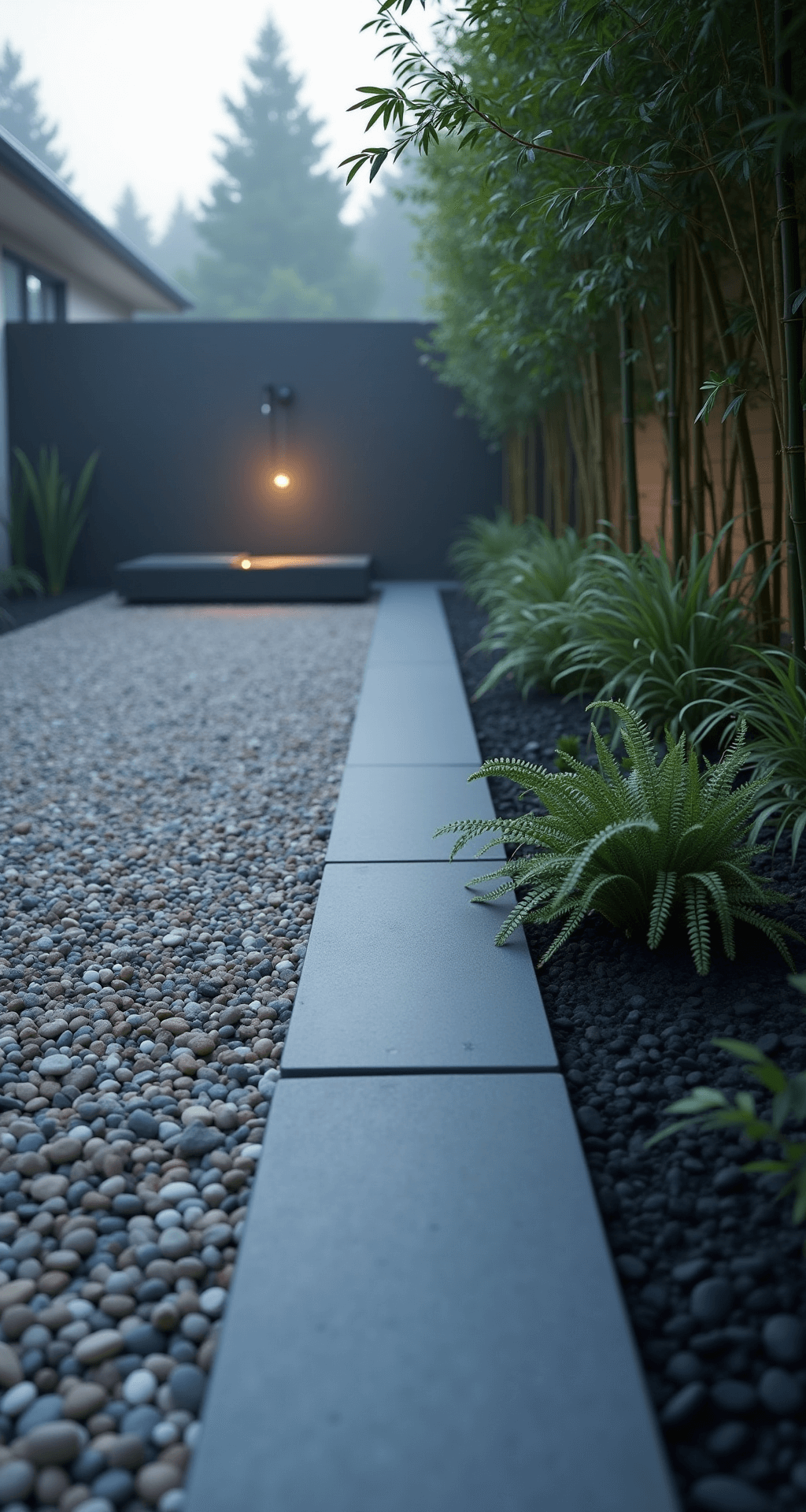
✎ Steal This Look
- Paint Color: Benjamin Moore Kendall Charcoal HC-166
- Furniture: weathered teak Adirondack chair with slatted back
- Lighting: hammered copper path light with seeded glass
- Materials: rough-cut fieldstone, crushed limestone gravel, untreated cedar mulch
There’s something deeply satisfying about a stone border that settles into the landscape over seasons, moss creeping into crevices while the stones themselves seem to root into the earth.
Types of Stone Borders: Your Design Playground
Natural Stone: Timeless Elegance
Natural stones bring authenticity and unique character. Each stone tells a story – no two are exactly alike. They’re:
- Incredibly durable
- Weather-resistant
- Available in countless textures and colors
Concrete Edging: Uniform and Versatile
Perfect for those who love consistency:
- Predictable sizes
- Multiple color options
- Budget-friendly alternative
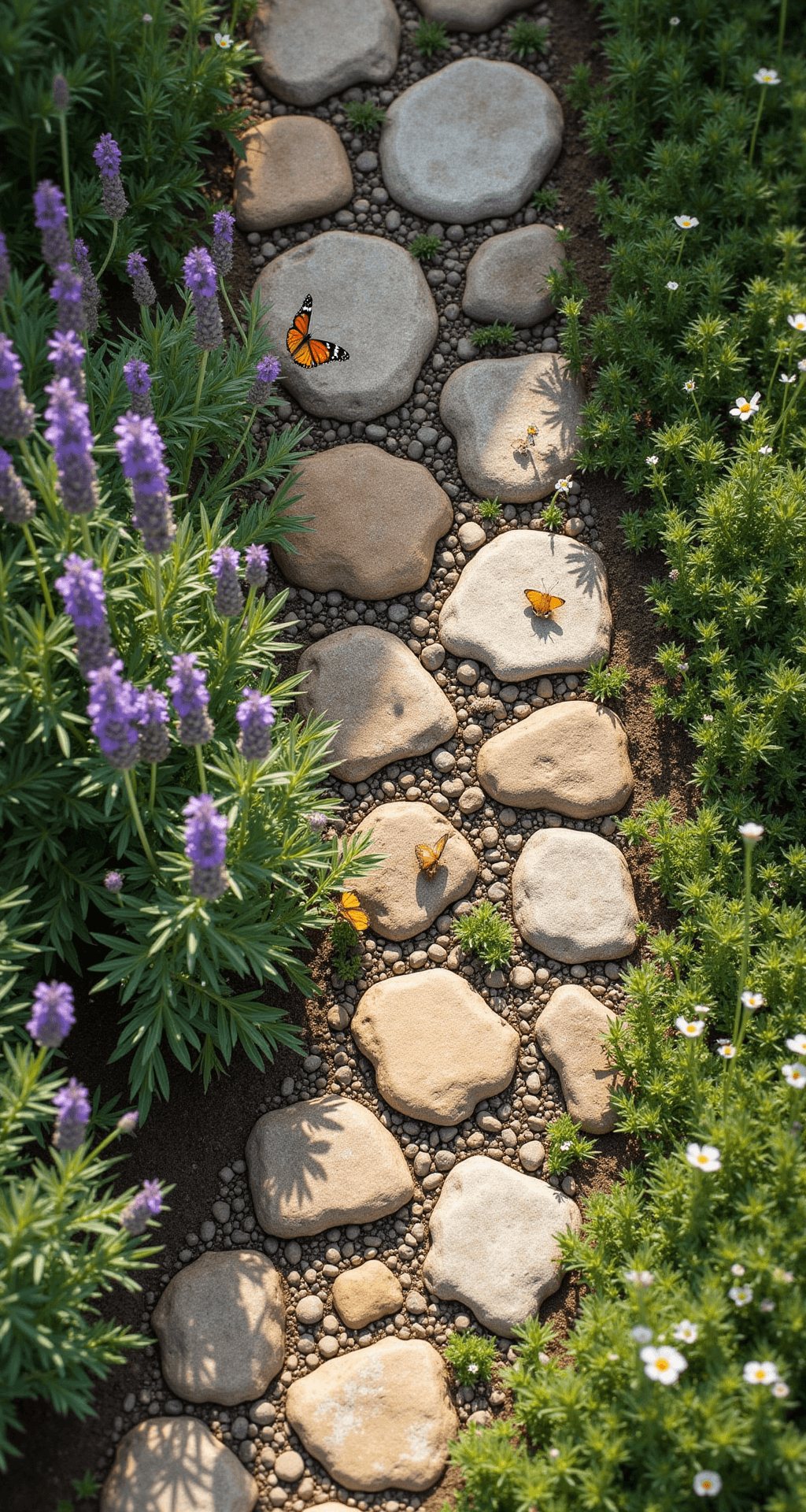
🎨 Steal This Look
- Paint Color: Farrow & Ball Green Smoke 47
- Furniture: weathered teak garden bench with curved backrest positioned at border terminus
- Lighting: low-voltage bronze path lights with seeded glass shades staggered along stone border edge
- Materials: uncut fieldstone with moss inclusions, crushed limestone base layer, aged copper edging strips
Natural stone borders evolve beautifully as lichen colonizes surfaces and seasonal plantings soften edges—this is a design relationship that deepens over decades, not seasons.
Installation: DIY Like a Pro
You don’t need professional skills to create stunning stone borders. Follow these simple steps:
- Plan Your Layout
- Measure the area
- Choose your stone type
- Sketch a rough design
- Prepare the Ground
- Clear vegetation
- Dig a shallow trench
- Level the base with sand
- Place Stones
- Start at a corner
- Ensure stones are level
- Leave minimal gaps
Pro Tip: Use a rubber mallet to secure stones and create a stable edge.
Save this article
Enter your email and we'll send it straight to your inbox.
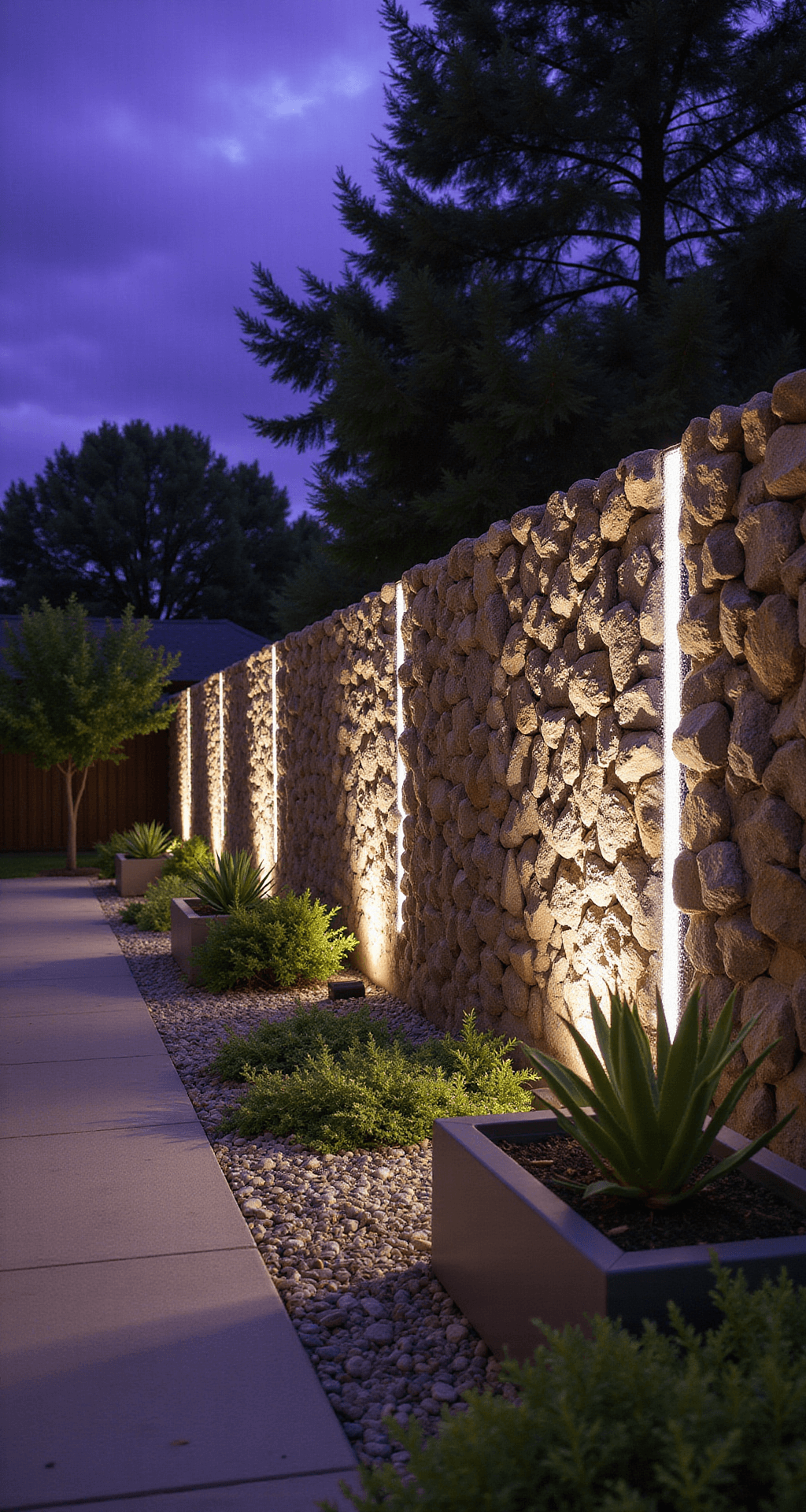
🌟 Steal This Look
- Paint Color: Behr Garden Wall S340-5
- Furniture: weathered teak potting bench with galvanized steel top
- Lighting: solar-powered path lights with hammered bronze stakes
- Materials: thermal bluestone, crushed limestone base, polymeric sand joints, landscape fabric
There’s something deeply satisfying about stepping back from a finished border you laid with your own hands, knowing every stone was chosen and placed by you.
Creative Design Inspirations
Mix and Match
- Combine different stone types
- Create curved or geometric patterns
- Experiment with height variations
Advanced Techniques
- Stacked stone walls
- Gabion edge designs
- Integrated lighting elements
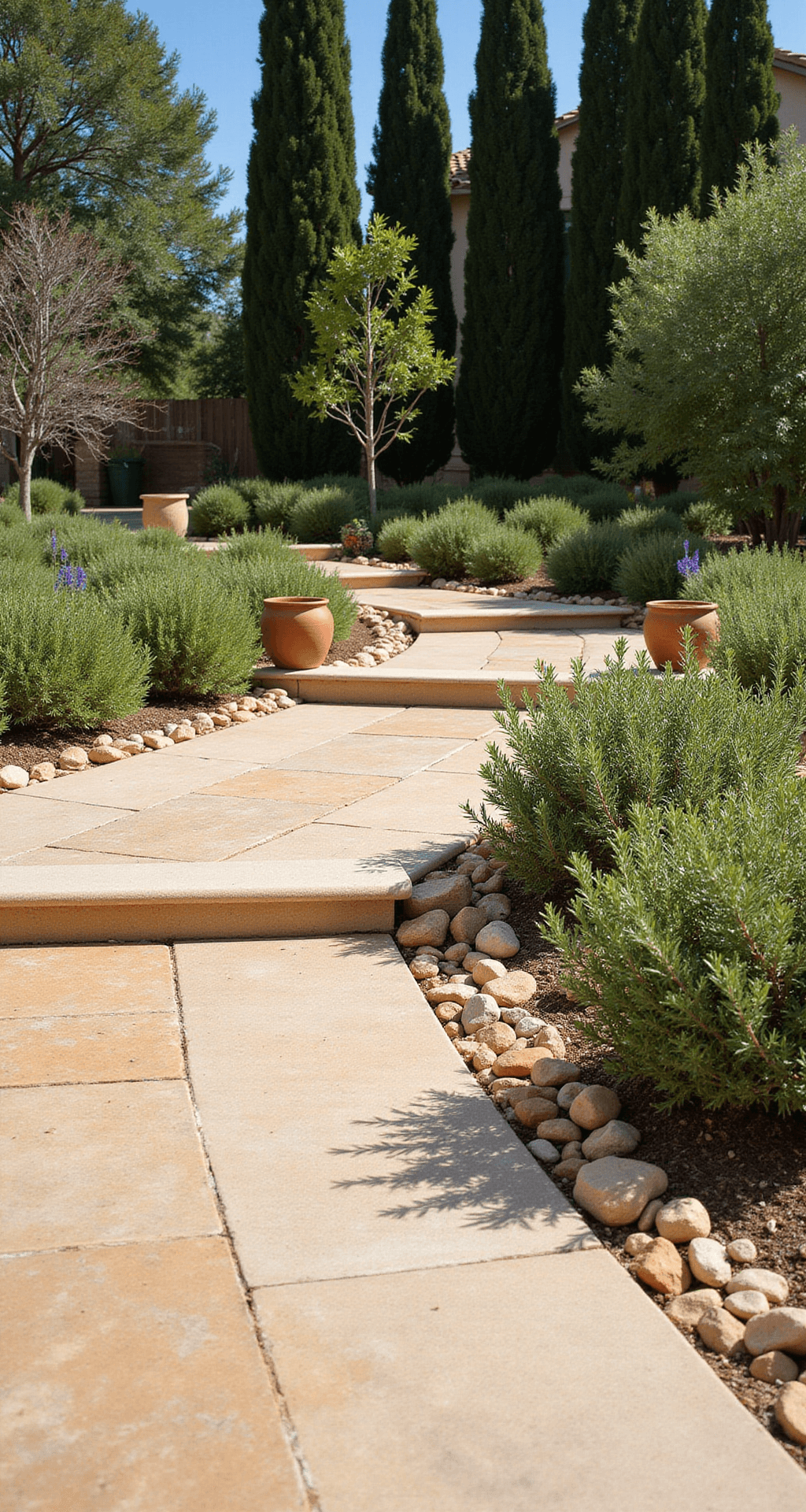
🏠 Steal This Look
- Paint Color: use Valspar brand. Match the ACTUAL wall color in the image. Format: Valspar Deep Forest R31A
- Furniture: weathered teak garden bench with slatted backrest positioned against the stone border backdrop
- Lighting: low-voltage LED path lights with bronze finish and frosted glass lenses
- Materials: thermal bluestone, Pennsylvania fieldstone, river rock, corten steel edging, crushed granite aggregate
This is where your garden stops being a background and starts becoming a destination—I’ve seen homeowners spend entire weekends perfecting a ten-foot stretch because the process of placing each stone becomes almost meditative, and the result carries that intention every time you walk past it.
Maintenance: Keep It Simple
Stone borders are low-maintenance, but not NO-maintenance:
- Annual re-leveling
- Remove accumulated debris
- Check for loose stones
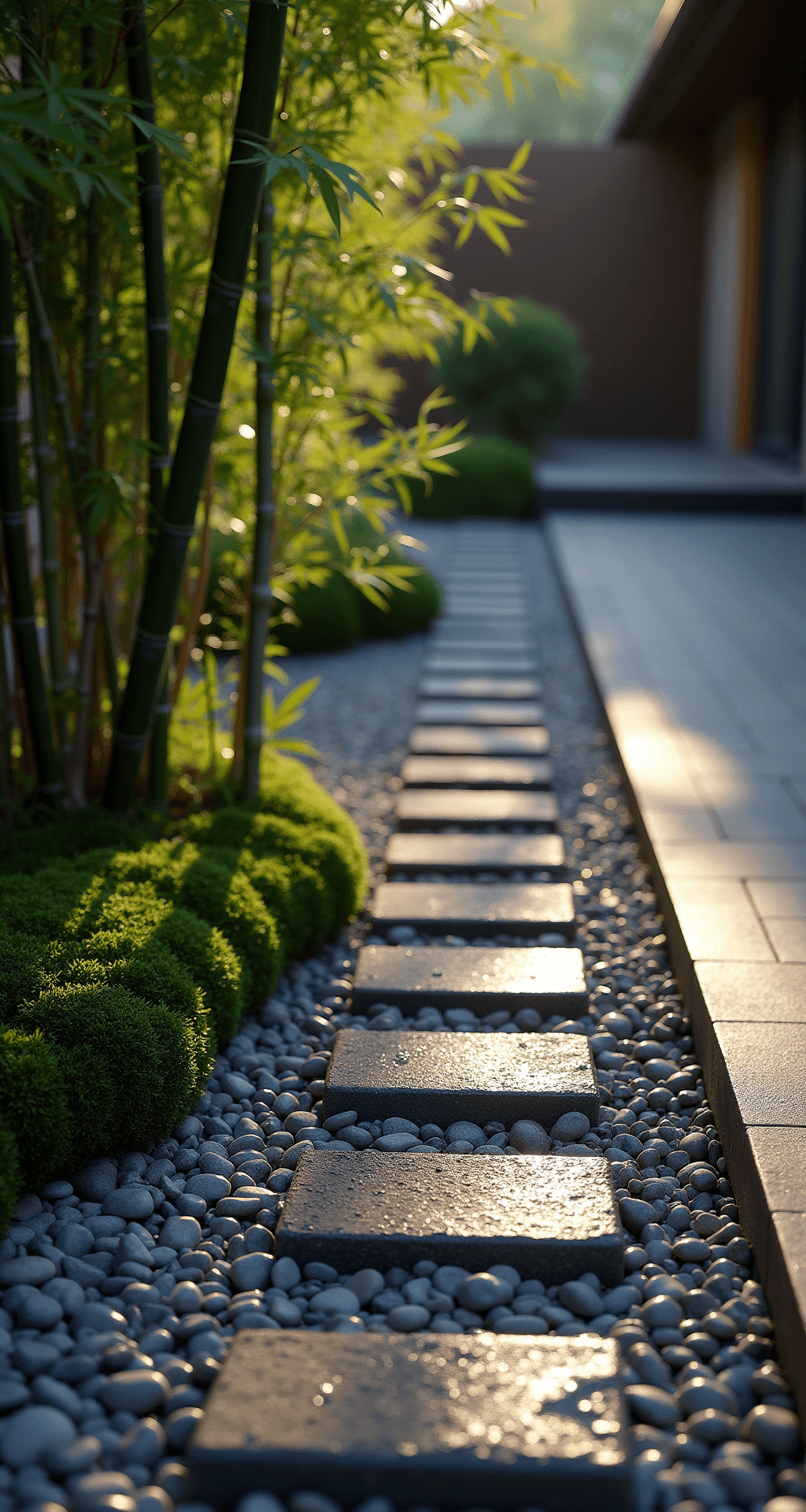
🏠 Steal This Look
- Paint Color: PPG Stonehenge Greige PPG1001-3
- Furniture: weathered teak potting bench with galvanized steel top
- Lighting: solar-powered LED bollard lights in matte black finish
- Materials: natural fieldstone, crushed limestone base, polymeric sand joints
There’s something deeply satisfying about a ten-minute annual tune-up that keeps your garden edges crisp for decades—this is the room where low effort meets lasting beauty, and I find myself actually looking forward to that spring ritual of resetting a few shifted stones.
🎁 Get The Look
Cost Considerations
Budget ranges:
- Budget Option: $3-$5 per linear foot
- Mid-Range: $10-$20 per linear foot
- Premium: $30-$50 per linear foot
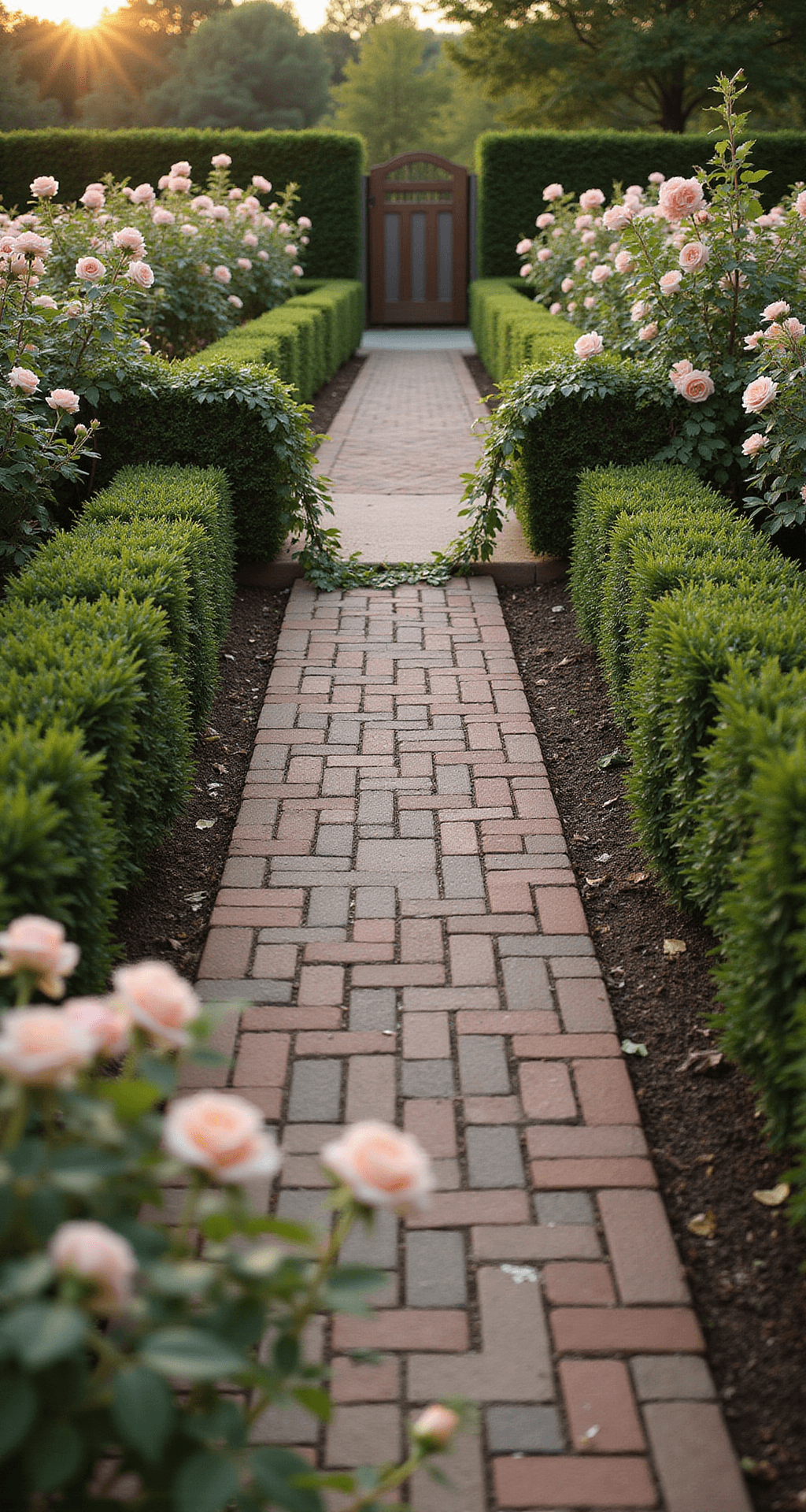
★ Steal This Look
- Paint Color: Dunn-Edwards Olivewood DE6290
- Furniture: low-profile corten steel garden bench with weathered patina
- Lighting: bollard-style LED pathway lights with frosted glass diffusers
- Materials: thermal bluestone edging, Mexican beach pebbles, decomposed granite infill
Garden borders are where I see homeowners overspend most often—there’s genuine satisfaction in building something permanent with your hands that looks like it cost three times what you actually invested.
Common Mistakes to Avoid
❌ Don’t:
- Rush the installation
- Ignore proper drainage
- Choose stones that clash with your landscape
✅ Do:
- Plan thoroughly
- Consider your overall garden design
- Select stones that complement your home’s exterior
Final Thoughts
Stone garden borders are more than just edges – they’re a statement. They transform ordinary landscapes into extraordinary outdoor experiences.
Ready to elevate your garden game? Start your stone border project this weekend!
Want to keep this one?
We'll email you the link so you can find it again later.