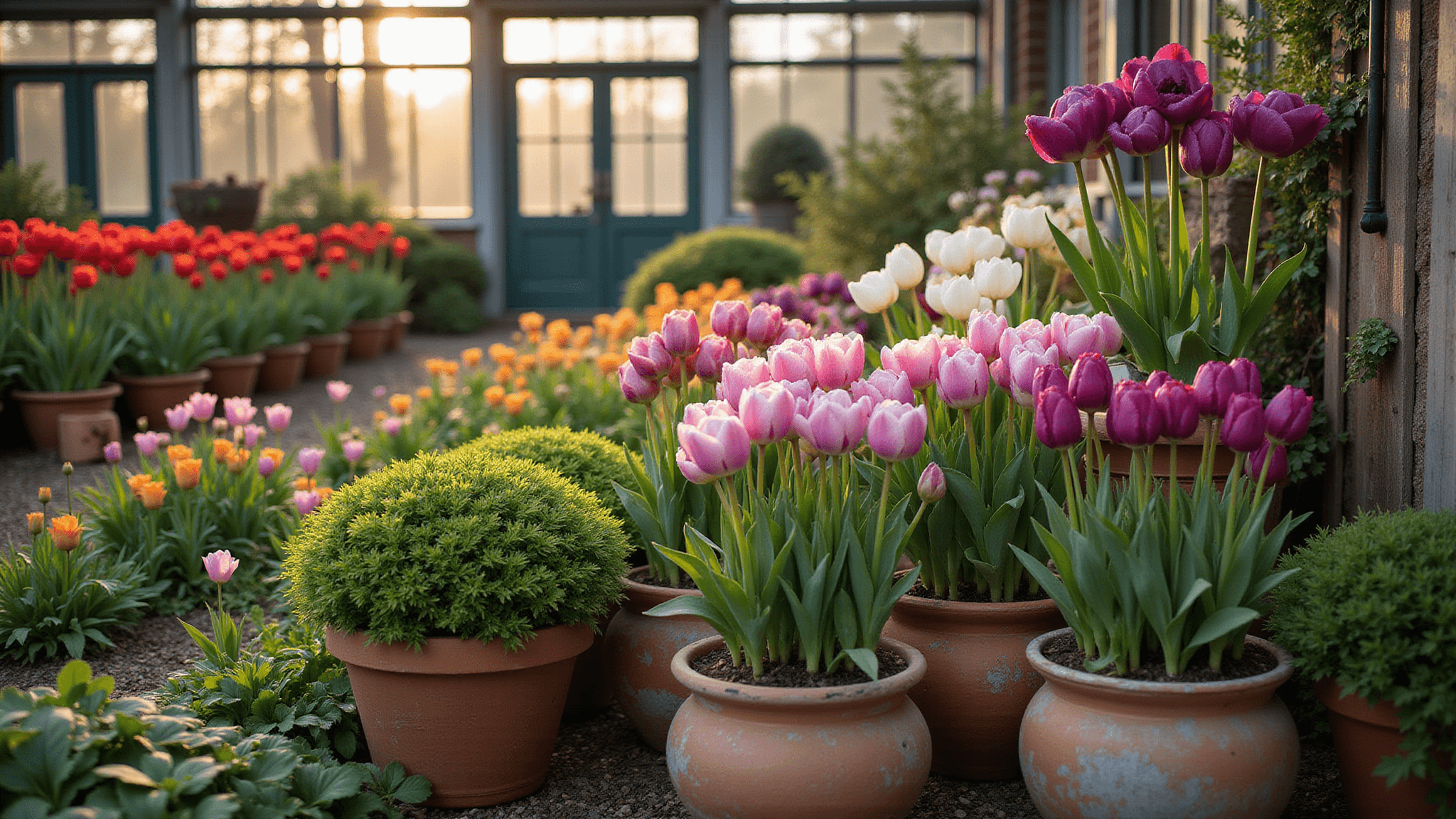
A layered garden display in a Victorian-style greenhouse featuring blooming Darwin hybrid tulips, peonies, and allium, with terracotta pots of hostas, autumn crocus, and nerines, illuminated by golden morning light and surrounded by vintage gardening tools.

Perennial Bulbs: Your Guide to Effortless, Stunning Garden Color Year After Year

This post may contain affiliate links. Please see my disclosure policy for details.

Perennial Bulbs: Your Guide to Effortless, Stunning Garden Color Year After Year

Imagine a garden that blooms beautifully without constant replanting. That’s the magic of perennial bulbs – nature’s gift to lazy gardeners and passionate plant lovers alike.
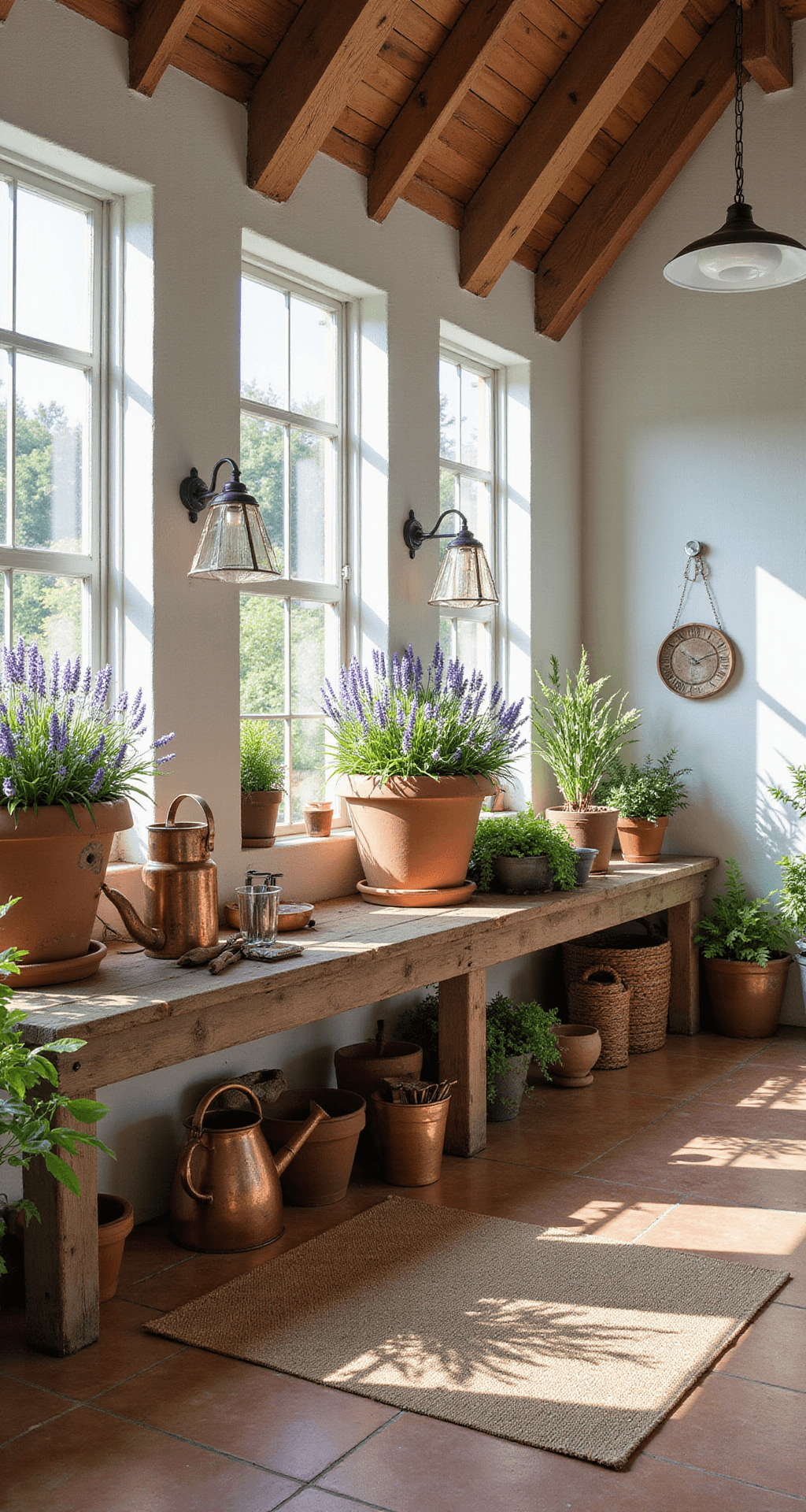
A serene interior garden room featuring a 15'x20' space with a 12' cathedral ceiling and exposed wooden beams, flooded with soft morning light through floor-to-ceiling windows. Oversized terracotta pots of blooming purple and white hostas adorn a vintage wooden potting bench, surrounded by weathered copper watering cans and gardening tools. A natural jute rug lies on the terracotta tile floor, enhancing the organized and inviting atmosphere.

🖼 Steal This Look

  • Paint Color: Sherwin-Williams Garden Grove SW 6445
  • Furniture: weathered teak potting bench with galvanized steel top
  • Lighting: solar-powered vintage-style Edison bulb string lights with warm 2700K output
  • Materials: aged terracotta, raw cedar, hammered copper, linen canvas
🚀 Pro Tip: Layer bulbs at three depths in large containers—crocus and grape hyacinth on top, tulips and daffodils in the middle, and alliums deepest—to create a succession of blooms that eliminates bare soil for months.
🚫 Avoid This: Avoid planting bulbs in neat rows or geometric patterns; nature never grows that way, and your garden will look instantly artificial and amateur.

There’s something deeply satisfying about that first brave crocus pushing through late-winter mud—you planted it once, forgot about it, and somehow it still shows up to remind you that spring always returns.

What Makes Perennial Bulbs Special?

Perennial bulbs are the garden’s reliable performers. Unlike one-hit-wonder annual plants, these underground powerhouses return year after year, often becoming more spectacular with each season.

Spring Superstars: Bringing Early Color to Your Garden

Hosta Haven

  • Shade-loving champions
  • Lush foliage that lasts all season
  • Virtually maintenance-free

Peony Perfection

  • Garden royalty that can live up to 75 years
  • Massive, show-stopping blooms
  • Family heirloom potential

Tulip Tips

Pro move: Choose these reliable varieties for long-term performance:

  • Darwin hybrid tulips
  • Viridiflora tulips

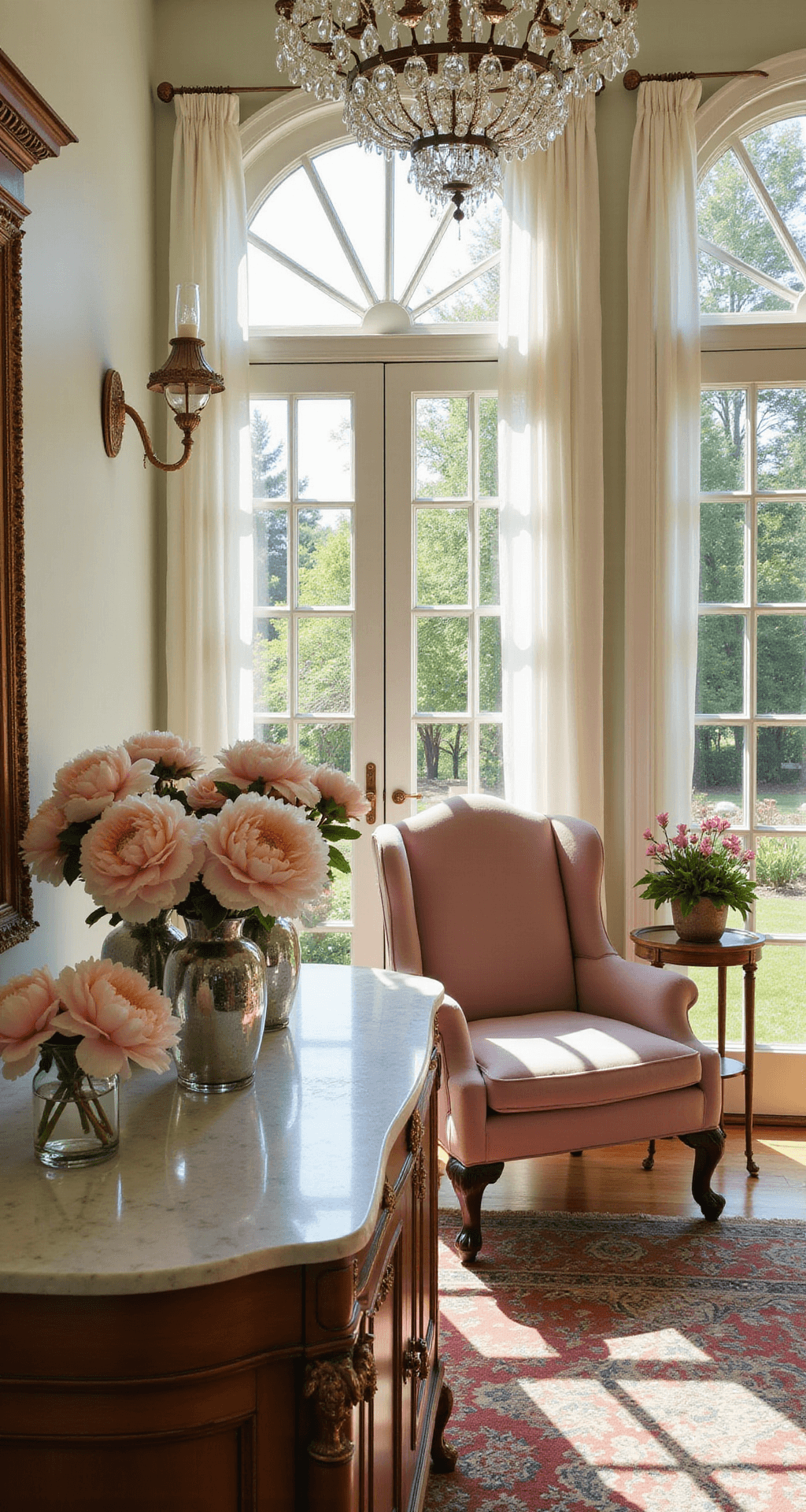
A sun-drenched conservatory adorned with arched windows and French doors, featuring peonies in mercury glass vases on an antique marble-topped console, illuminated by golden hour light. A crystal chandelier casts prismatic reflections overhead, while a dusty rose velvet wingback chair rests next to a brass plant stand, all framed by sheer white curtains in an elegant, romantic Victorian-inspired setting.

Summer Sensations: Bulbs That Sizzle

Allium Awesomeness

  • Architectural flower heads
  • Bloom from late spring to summer
  • Varieties like ‘Millennium’ extend your flowering season

Lily Love

  • Fragrant summer bloomers
  • Pollinator magnets
  • Pyrenaican and Martagon varieties rock!
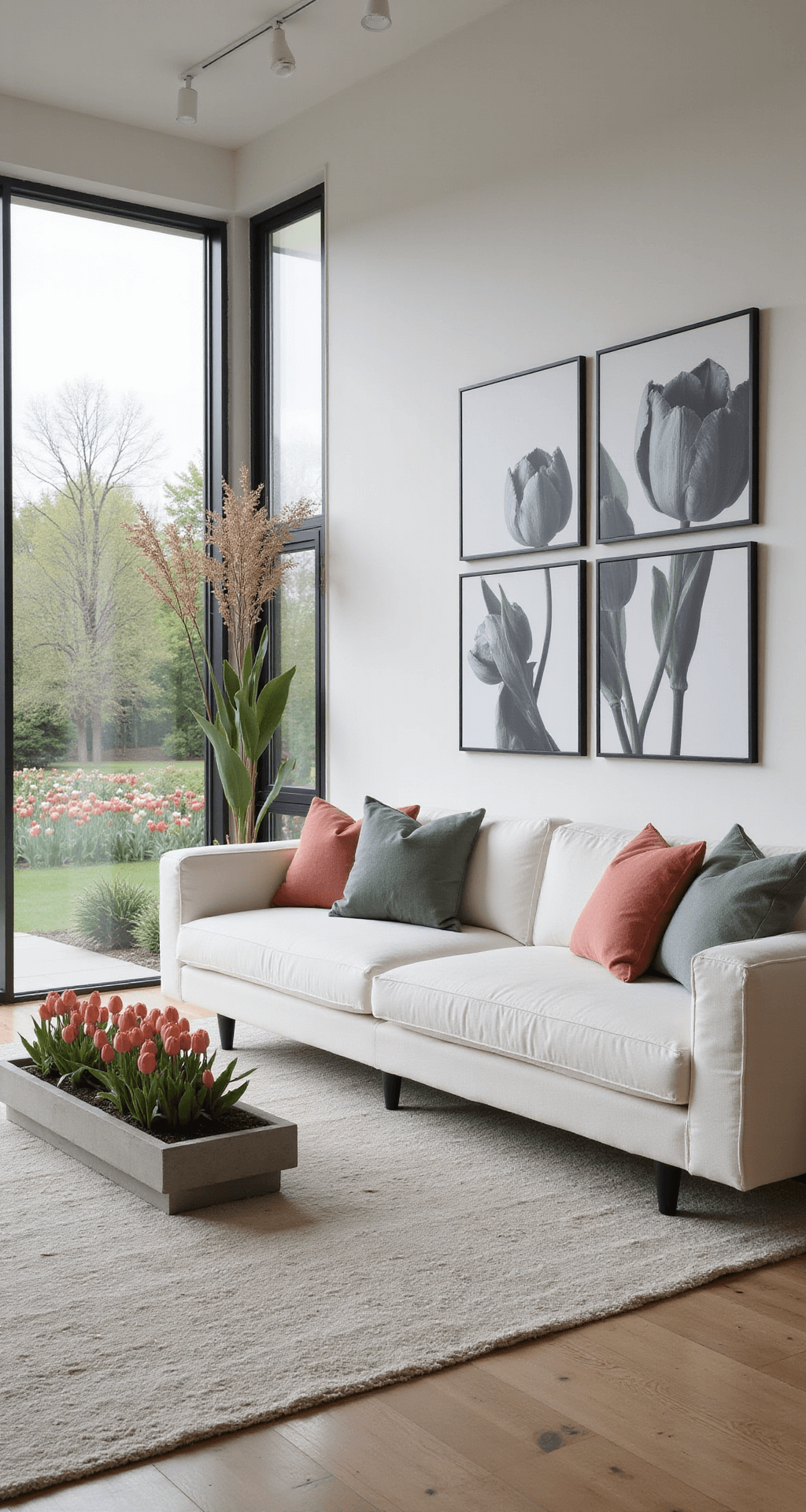
A spacious modern minimalist living room featuring large 15' windows that reveal a vibrant tulip garden. The room includes a clean-lined white sofa with geometric cushions in muted colors, oversized black-and-white botanical prints, and a low-profile concrete planter with live tulips. The space is filled with diffused natural light complemented by modern LED track lighting, capturing a contemporary and sophisticated atmosphere with organic elements.

Autumn Arrivals: Late Season Showstoppers

Nerines: The Unexpected Fall Flower

  • Wavy petals
  • Bloom from September to November
  • Adds unexpected drama to autumn gardens

Autumn Crocus

  • Thrives in damp, fertile soil
  • Surprising late-season color
  • Perfect for woodland-style gardens

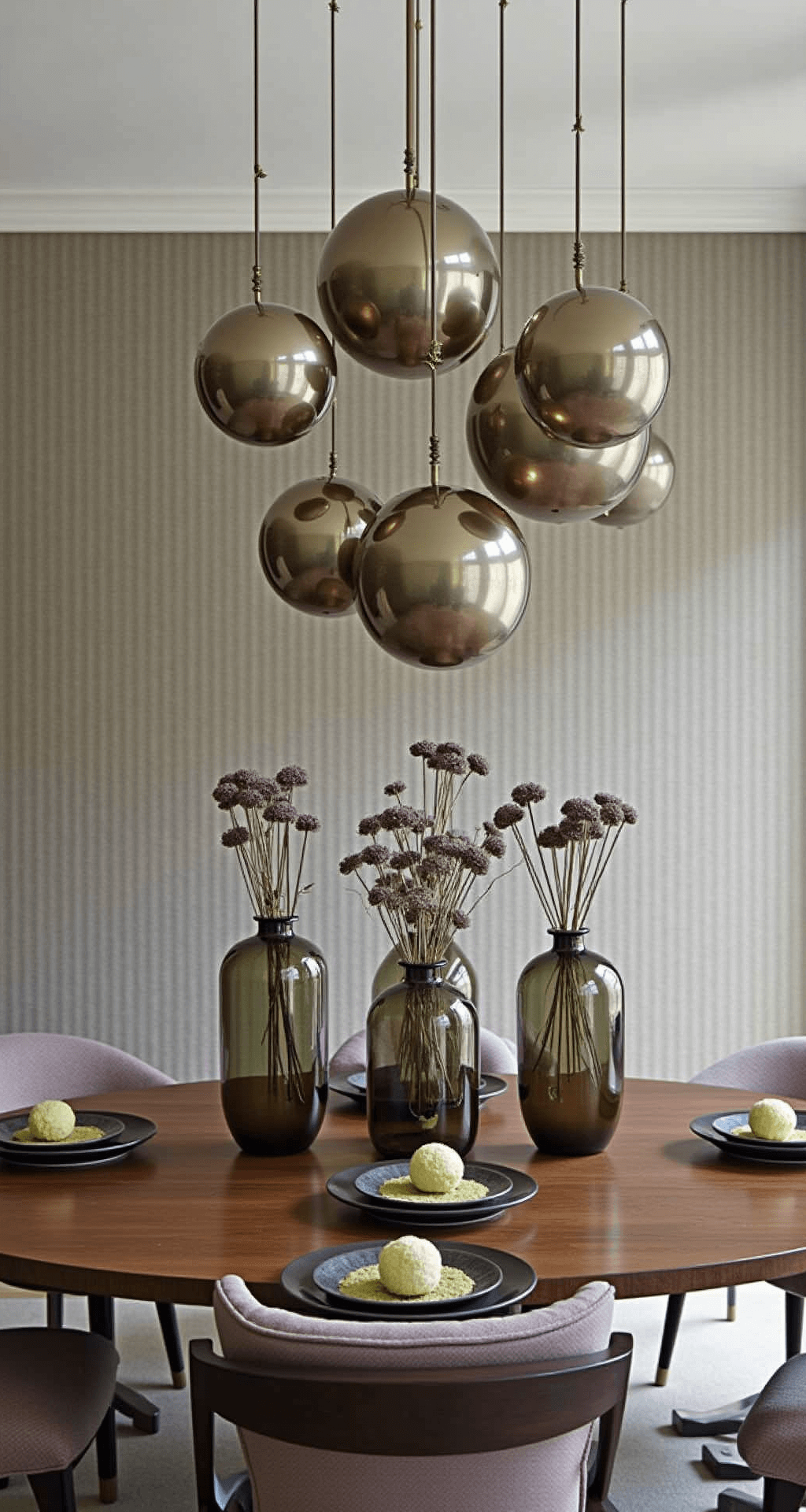
Transitional dining room featuring an oval walnut table set with smoky glass vases of dried allium heads, dramatic allium-inspired pendant lighting with oversized metallic spheres, and textured pewter grasscloth wallpaper, captured from an eye-level angle.

🌟 Steal This Look

  • Paint Color: Benjamin Moore Garden Cucumber 644
  • Furniture: weathered teak potting bench with galvanized steel top
  • Lighting: vintage brass gooseneck barn light with seeded glass shade
  • Materials: aged terracotta, hand-thrown ceramic, raw linen, patinated zinc
🔎 Pro Tip: Cluster bulbs in odd-numbered groups of 5, 7, or 9 rather than scattering them individually—this creates the naturalized drifts that make perennial beds look established rather than planted.
✋ Avoid This: Avoid planting bulbs in rigid geometric patterns or single-file rows, which reads as artificial and undermines the organic, self-sustaining aesthetic that makes perennial gardens feel timeless.

This is the room where you finally stop fighting your garden and start partnering with it—there’s something deeply satisfying about watching the same daffodils push through frost while your neighbors are still browsing garden center annuals each spring.

Pollinator Paradise: Bulbs That Feed the Ecosystem

Plant these bulbs to create a buzzing garden:

  • Black-Eyed Susan
  • Purple Coneflower
  • Fireball Bee Balm
  • Butterfly Weed
  • Sea Holly
  • Phlox

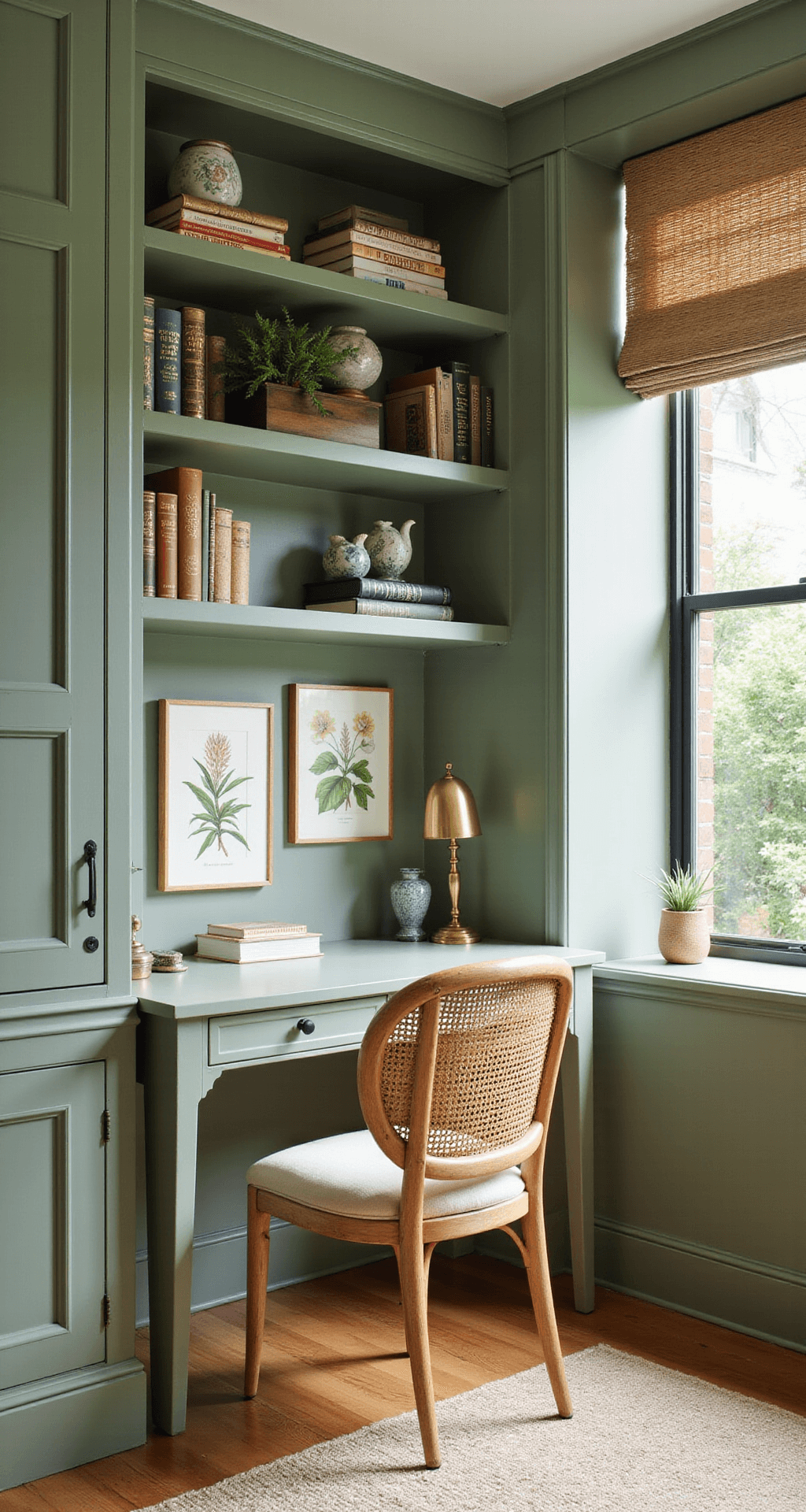
A serene garden-inspired home office featuring sage green built-in bookshelves, a desk under a window with a view of a lily garden, botanical prints in gold frames, a rattan chair with cream cushions, and natural fiber roman shades, all illuminated by natural light and a brass desk lamp.

🖼 Steal This Look

  • Paint Color: Farrow & Ball Green Smoke 47
  • Furniture: weathered teak potting bench with galvanized steel top, vintage garden stool in aged terracotta
  • Lighting: solar-powered Edison string lights draped between shepherd’s hooks among the blooms
  • Materials: raw honey-toned cedar mulch paths, hand-thrown terracotta bulb pots, woven willow plant supports, untreated limestone stepping stones
💡 Pro Tip: Cluster bulbs in drifts of 7-15 rather than dotting them individually—pollinators navigate more efficiently when they can spot dense color blocks from above, and you’ll get that coveted meadow-like naturalism that reads intentional, not scattered.
❌ Avoid This: Avoid planting these pollinator magnets directly against house foundations where reflected heat and dry soil stress the root systems; instead, position them 3-4 feet out where morning dew lingers and beneficial insects feel safe from wall-trapped predators.

There’s something deeply satisfying about standing in your own garden at golden hour, watching the air itself seem to vibrate with wings—you didn’t just plant flowers, you built a tiny refuge in a world that needs more of them.

Pro Gardener Secrets

Planting Like a Pro

  • Match bulbs to your specific growing zone
  • Order from reputable suppliers
  • Follow seasonal planting guidelines

Bonus Tip: Mix spring, summer, and fall bulbs for non-stop garden color. Your neighbors will be green with envy!
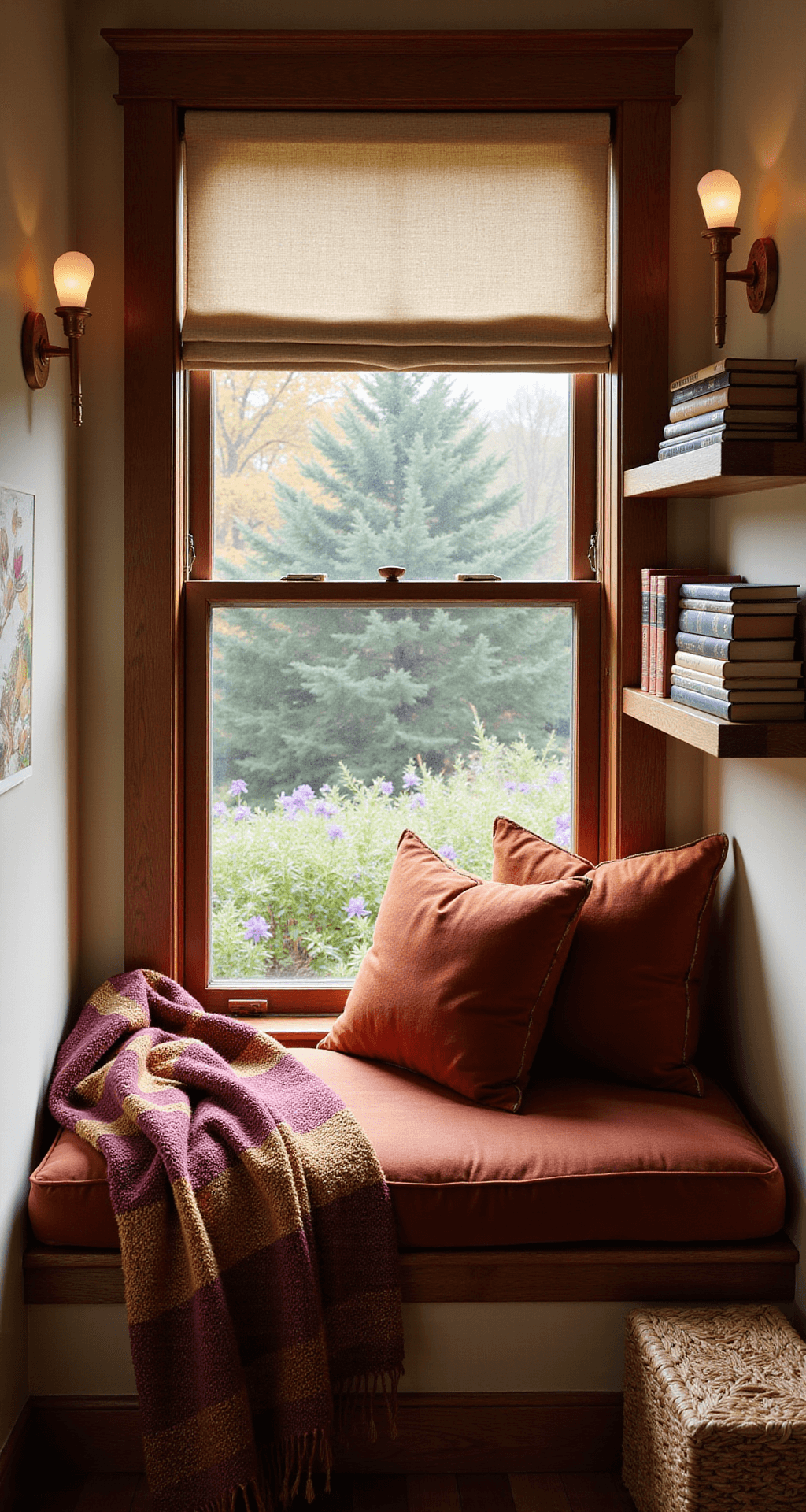
Cozy reading nook in an 8'x10' alcove adorned with autumn colors; features a window seat with rust-colored velvet cushions, a view of a nerine flower bed, warm copper wall sconces, and vintage botanical books on floating shelves, complemented by a handwoven throw in deep burgundy and gold, all captured in warm, inviting light.

★ Steal This Look

  • Paint Color: Behr Garden Vista PPU10-09
  • Furniture: weathered teak potting bench with galvanized steel top and lower shelving
  • Lighting: vintage-style gooseneck barn sconce in matte black with seeded glass shade
  • Materials: raw cedar raised beds, aged terracotta, hand-forged iron tools, burlap bulb storage sacks
✨ Pro Tip: Create a dedicated bulb-organizing station using vintage wooden seed drawers labeled by bloom season—this transforms practical garden prep into a visually charming focal point that celebrates the ritual of planting.
🔥 Avoid This: Avoid storing unplanted bulbs in plastic containers or direct sunlight, which traps moisture and causes premature sprouting or rot. Instead, use breathable materials like mesh bags or wooden crates in a cool, dark space.

There’s something deeply satisfying about the quiet ritual of sorting bulbs on a crisp autumn afternoon, hands in the dirt, knowing you’re planting tomorrow’s joy. This space honors that patient, hopeful work.

The Bottom Line

Perennial bulbs are the ultimate garden hack. Plant once, enjoy for years. They’re low maintenance, high impact, and guaranteed to transform your outdoor space into a living masterpiece.

Ready to turn your garden into a perennial paradise? Let’s get planting!
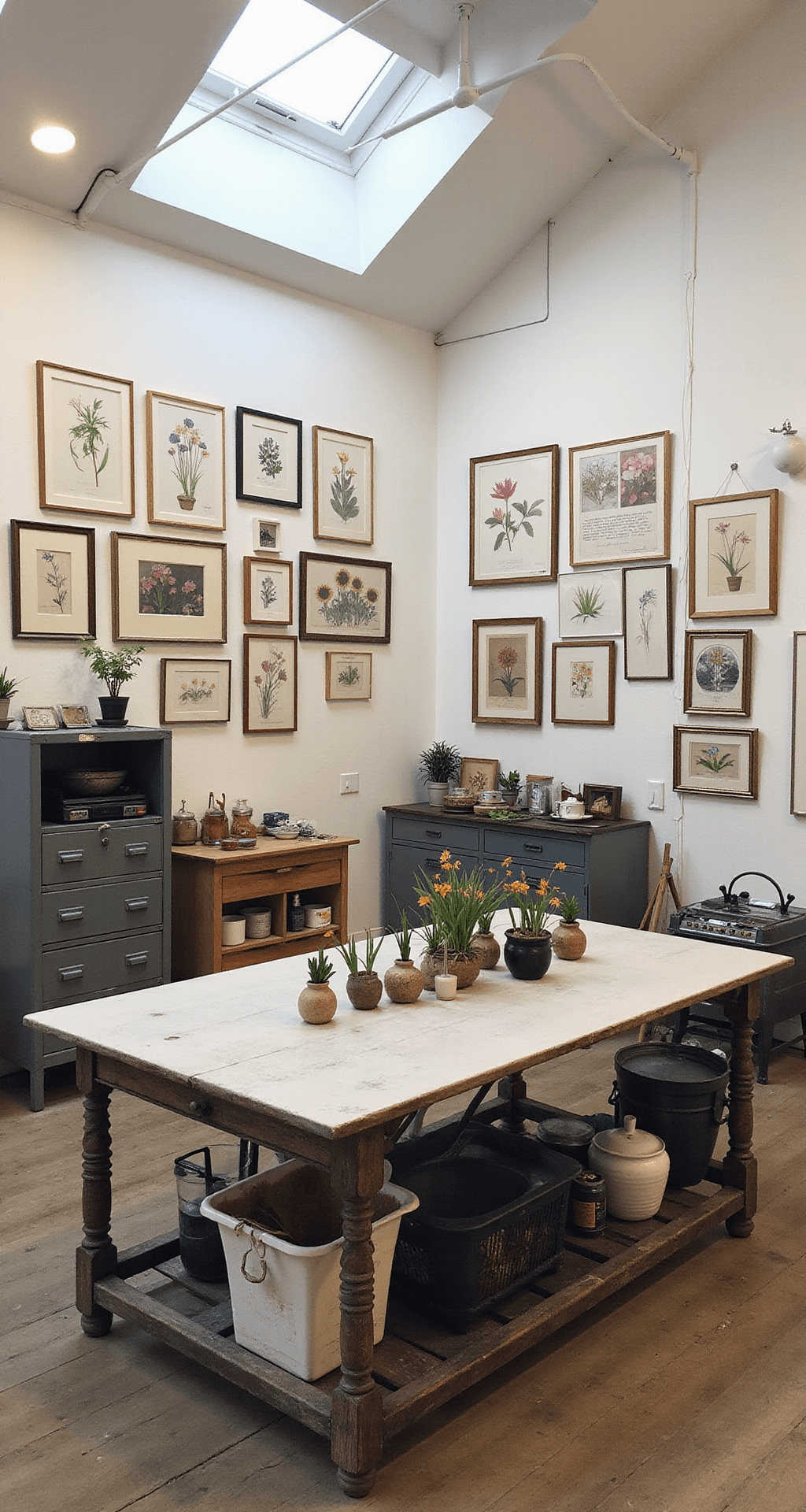
A bright artist's studio featuring north-facing clerestory windows, showcasing a gallery wall filled with framed pressed flowers and botanical sketches. A large farmhouse table is at the center, displaying autumn crocus in vintage vessels, surrounded by industrial-style metal storage units for gardening supplies. The elevated angle captures the organized creative workspace, illuminated by soft, consistent north light.

★ Steal This Look

  • Paint Color: Valspar Garden Path 5005-3C
  • Furniture: weathered teak potting bench with zinc-top work surface
  • Lighting: solar-powered Edison bulb string lights with black metal cages
  • Materials: aged terracotta, hand-forged iron, raw linen, moss-covered stone, reclaimed wood
★ Pro Tip: Cluster bulbs in odd-numbered drifts of 7, 9, or 13 rather than straight rows—mimics nature’s randomness and creates that coveted ‘established garden’ look even in year one.
✋ Avoid This: Avoid planting bulbs in single-file lines or isolated spots; this reads as amateur and undermines the lush, layered effect that makes perennial gardens feel timeless and professionally designed.

There’s something deeply satisfying about that first spring morning when you spot green shoots pushing through soil you’d forgotten you planted—it’s the garden’s way of thanking past-you for thinking ahead.

Leave a Reply

Your email address will not be published. Required fields are marked *