This post may contain affiliate links. Please see my disclosure policy for details.
Natural Playground Magic: Blending Fun and Beauty
Nature is the Ultimate Playground
Imagine transforming your garden into a magical landscape where every corner invites exploration. Here’s how:
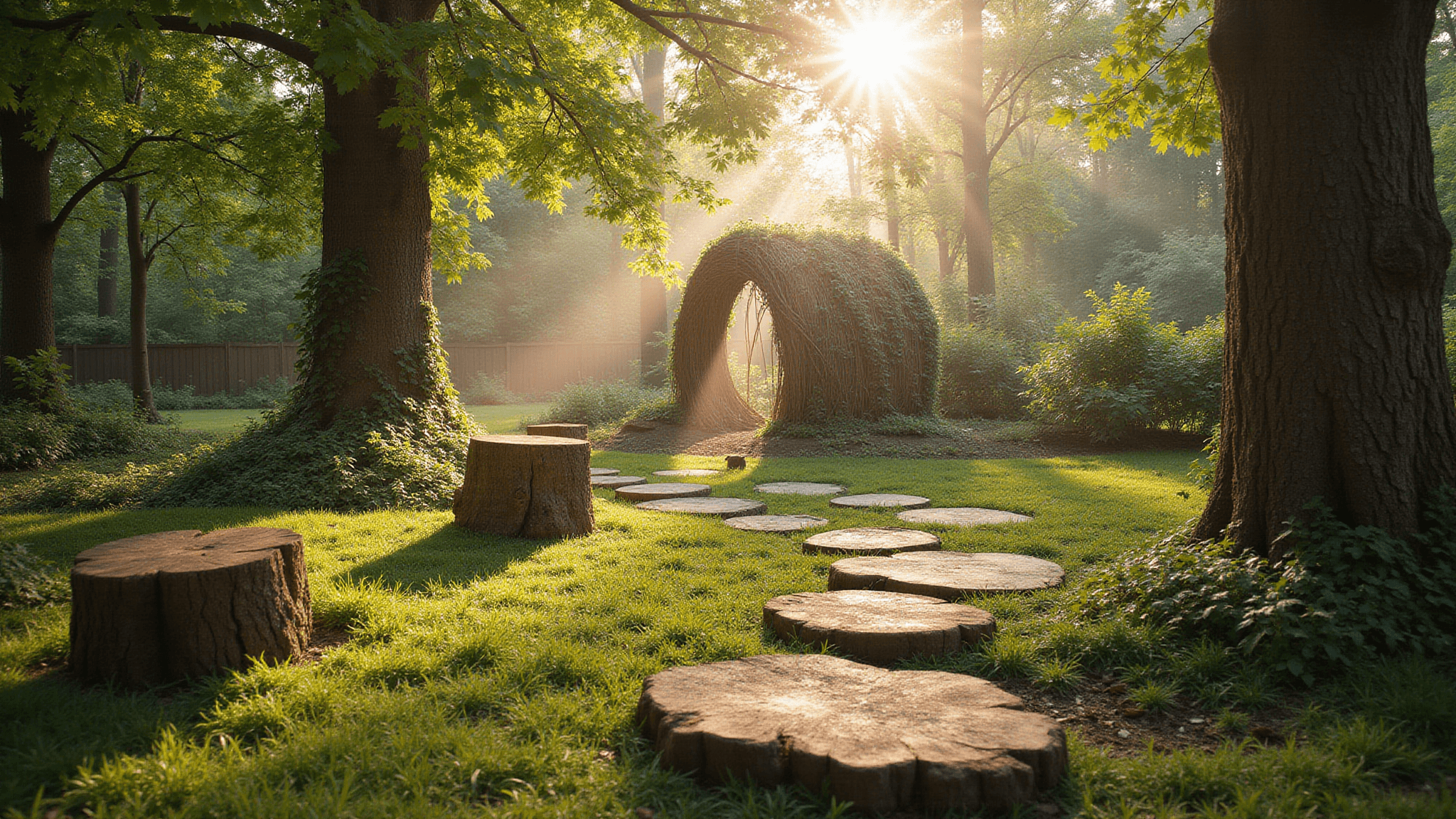
- Tree Stump Stepping Stones: Turn boring walkways into adventure paths
- Soft Ground Covers: Replace traditional grass with springy, low-maintenance alternatives
- Hidden Nooks: Create secret spaces that spark children’s imagination

Pro Tip: Natural Materials Are Your Best Friends
Wood, stones, and native plants aren’t just decorative – they’re interactive play elements that feel organic and exciting.
🎨 Steal This Look
- Paint Color: Sherwin-Williams Clary Sage SW 6178
- Furniture: weathered cedar log balance beam set with bark intact, reclaimed barn wood mud kitchen with galvanized steel basin
- Lighting: solar-powered mason jar string lights wrapped around mature tree trunks
- Materials: untreated black locust wood for durability, river rock drainage beds, woolly thyme and corsican mint ground cover, raw-edge wood slices
This is the garden that finally made me stop apologizing for the mess—because that pile of sticks and stones is actually a fairy village in progress, and the muddy patch under the maple is where my daughter serves pinecone soup to imaginary guests.
✅ Get The Look
Multi-Purpose Garden Zones: Smart Design Strategies
One Space, Multiple Experiences
Your garden can work harder and smarter with these clever design hacks:
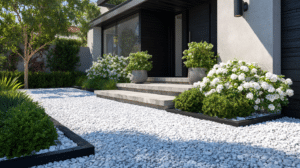
- Gravel patios that double as sandbox areas
- Sturdy benches functioning as climbing/walking surfaces
- Garden sheds transforming into whimsical playhouses
- Pathways that serve as scooter tracks and walking trails

Design Hack: Think Flexibility
The key is creating spaces that adapt and serve multiple purposes seamlessly.
🖼 Steal This Look
- Paint Color: Benjamin Moore Cushing Green HC-125
- Furniture: low-profile cedar storage bench with hinged lid for toy concealment
- Lighting: solar-powered bollard path lights with motion sensors
- Materials: pea gravel base with flagstone stepping stones, untreated cedar for weather resistance, marine-grade rope for boundary marking
This is the garden philosophy that saved my sanity—when every square foot earns its keep, you stop resenting the space your kids dominate and start celebrating how cleverly your outdoor living room transforms from coffee morning to scooter rally without missing a beat.
Dedicated Play Zones: Strategic Separation
Creating Boundaries Without Walls
Strategic zoning helps maintain garden aesthetics while giving kids dedicated play spaces:
- Screen play areas with perennials and vegetables
- Set up craft stations on patios
- Design mud kitchens in contained garden corners
- Use natural barriers like shrubs to define spaces

Safety Meets Style
Remember: Good design protects and delights simultaneously.
🖼 Steal This Look
- Paint Color: Farrow & Ball Studio Green 93
- Furniture: weathered teak potting bench repurposed as outdoor craft station with galvanized metal top
- Lighting: solar-powered festoon string lights with warm 2700K bulbs draped between natural barrier shrubs
- Materials: corten steel edging for contained zones, reclaimed cedar mulch for soft fall surfaces, woven willow hurdles for semi-permeable screening
This is the section where parents finally exhale—knowing the garden can be both beautiful and functional for their children without constant compromise. The strategic separation approach respects that kids need territory too, just as adults do.
Educational and Sensory Experiences
Gardens Are Living Classrooms
Save this article
Enter your email and we'll send it straight to your inbox.
Turn your outdoor space into an immersive learning environment:
- Butterfly gardens with nectar-rich plants
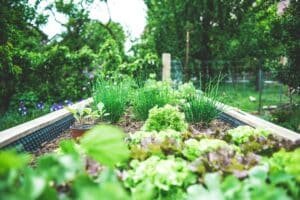
- Edible beds with kid-friendly vegetables
- Touchable plants like lamb’s ear
- Interactive garden art and rock painting stations

Learning Through Play
Every planted seed is a potential adventure waiting to happen.
🎨 Steal This Look
- Paint Color: Behr Nature’s Gift N390-3
- Furniture: weatherproof potting bench with adjustable height for different ages
- Lighting: solar-powered string lights with Edison bulbs draped over learning stations
- Materials: untreated cedar for raised beds, smooth river stones for sensory paths, galvanized metal for planters
This is the garden section where you’ll actually see your kids slow down and observe—my own children spent twenty minutes watching a single bee last spring, and that quiet wonder is worth every muddy footprint.
Practical Design Considerations
Making Playtime Safe and Enjoyable
Quick checklist for family-friendly garden design:
- Soft, impact-absorbing ground surfaces
- Clear, defined paths
- Age-appropriate play elements
- Visible play areas from seating zones
- Easy maintenance design

Pro Parent Tip
Always supervise and create spaces that allow comfortable monitoring.
🌟 Steal This Look
- Paint Color: Valspar Garden Party 5003-5B
- Furniture: weather-resistant modular outdoor sectional with washable cushion covers
- Lighting: solar-powered motion-sensor pathway lights with dusk-to-dawn sensors
- Materials: rubber mulch or poured rubber surfacing, cedar for raised beds, powder-coated aluminum for play structures
This is the garden section where practicality finally wins over Pinterest perfection—every scraped knee and muddy shoe reminds you that a space kids actually use beats a showcase lawn every single time.
🌊 Get The Look
Final Thoughts: Your Garden, Your Canvas
Creating a family garden isn’t about compromise – it’s about creative integration. With thoughtful planning, you can design an outdoor space that’s beautiful, functional, and endlessly entertaining.

Your garden should tell a story – make sure it’s a story your whole family wants to be part of.
Personal Challenge: This weekend, walk through your garden and imagine it through a child’s eyes. What magical transformations can you create?

🖼 Steal This Look
- Paint Color: use PPG brand. Match the ACTUAL wall color in the image. Format: PPG ColorName CODE
- Furniture: weathered teak Adirondack chairs with wide arms for adult supervision, paired with a low-slung cedar sandbox with hinged lid that doubles as seating
- Lighting: solar-powered mason jar string lights draped through mature tree branches, plus motion-sensor path lights with warm 2700K output
- Materials: corten steel for raised planters and edging, rubber mulch in play zones, reclaimed cedar for climbing structures, and smooth river rock for dry creek sensory play areas
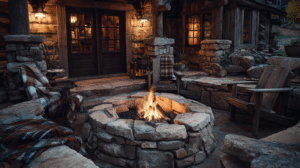
The best family gardens evolve—what starts as a toddler’s sand kitchen becomes a secret reading nook, then a fire pit gathering spot for teenagers who still remember where the fairy door was hidden.
Want to keep this one?
We'll email you the link so you can find it again later.