This post may contain affiliate links. Please see my disclosure policy for details.
Garden Arches: Transform Your Outdoor Space into a Magical Retreat
Have you ever walked through a garden and felt transported to another world? That’s the magic of garden arches – those enchanting vertical structures that turn ordinary landscapes into extraordinary experiences.
What Makes Garden Arches So Special?
Garden arches are more than just decorative elements. They’re living sculptures that:
- Create dramatic focal points
- Support climbing plants
- Add vertical interest to your landscape
- Transform boring spaces into magical pathways
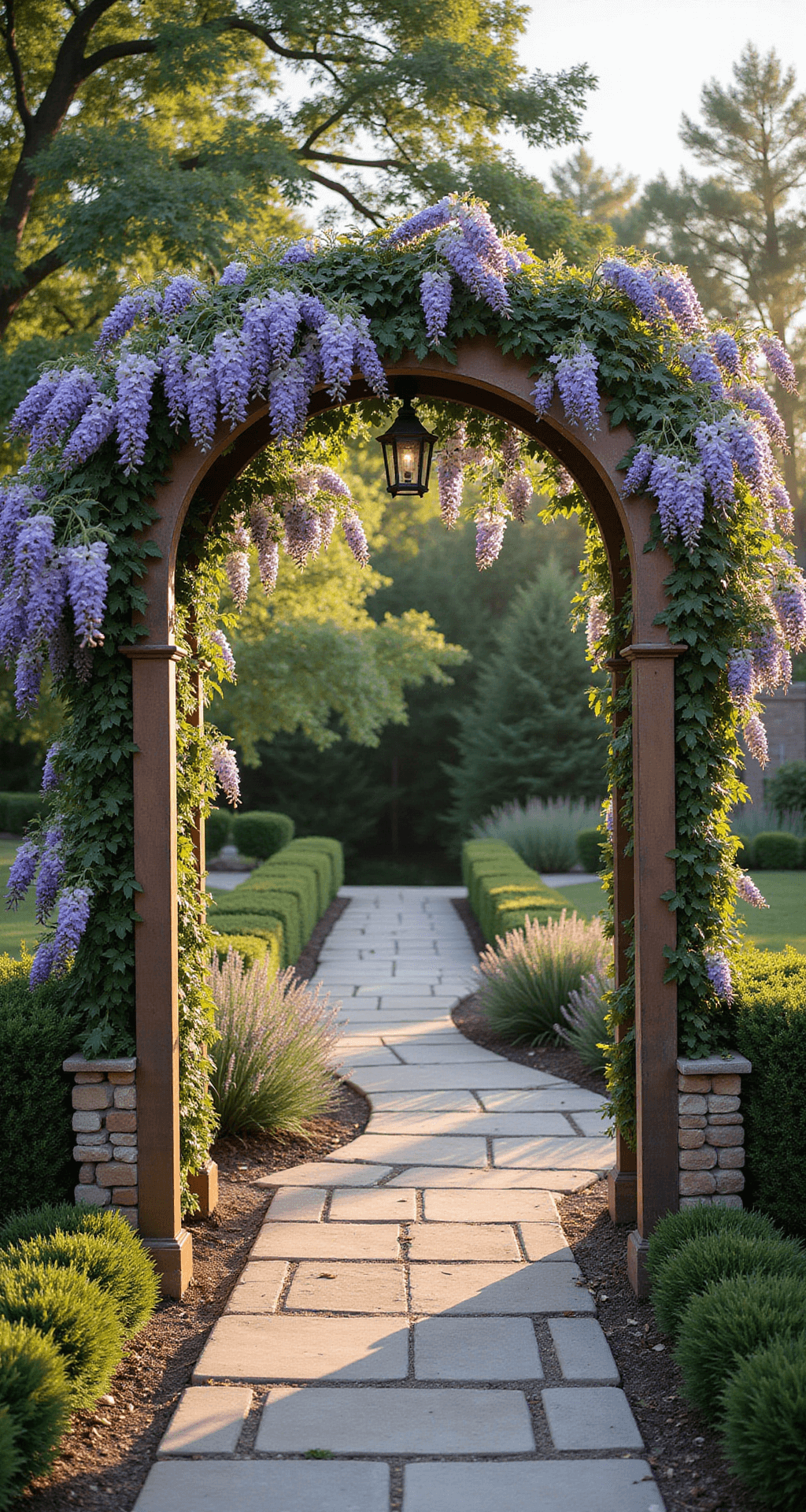
✎ Steal This Look
- Paint Color: Benjamin Moore Hunter Green HC-109
- Furniture: weathered teak garden bench with curved backrest positioned beneath the arch
- Lighting: hammered copper solar lantern string lights draped along the arch framework
- Materials: powder-coated wrought iron arch structure, aged limestone pavers, English ivy and climbing hydrangea vines
There’s something almost ceremonial about ducking beneath a garden arch heavy with blooms—it turns an ordinary stroll into a moment of escape, like stepping through a portal into somewhere the rest of the world can’t quite reach.
Exploring Garden Arch Materials
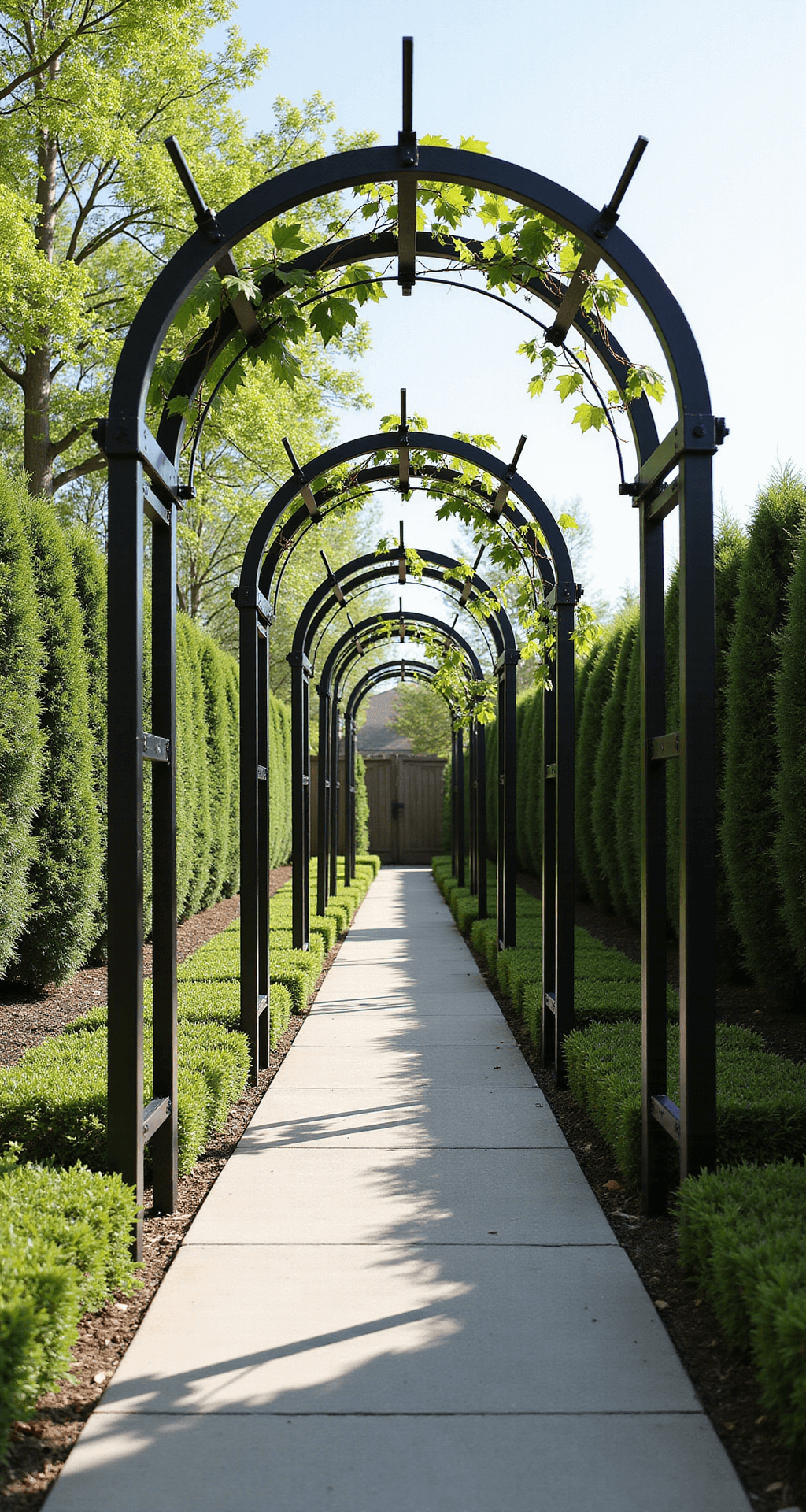
Metal Arches: Durability Meets Design
Why Metal Rocks:
- Galvanized steel resists rust and weathering
- Available in multiple design styles
- Perfect for modern and traditional gardens
- Minimal maintenance required
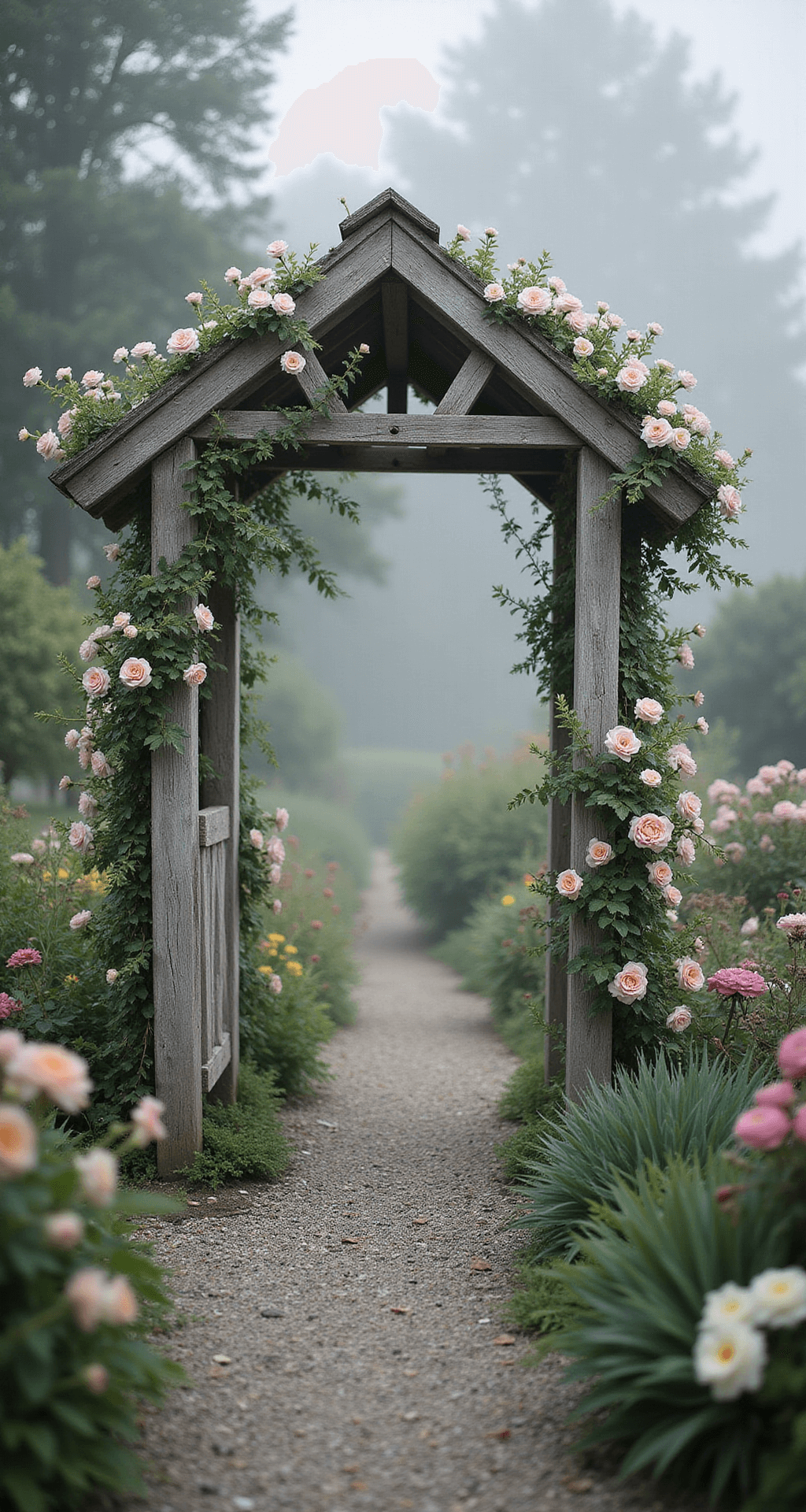
Wooden Arches: Rustic Charm Personified
Natural Beauty Highlights:
- Blend seamlessly with garden environments
- Offer warm, organic aesthetic
- Can be stained or painted
- Provide a more traditional garden feel
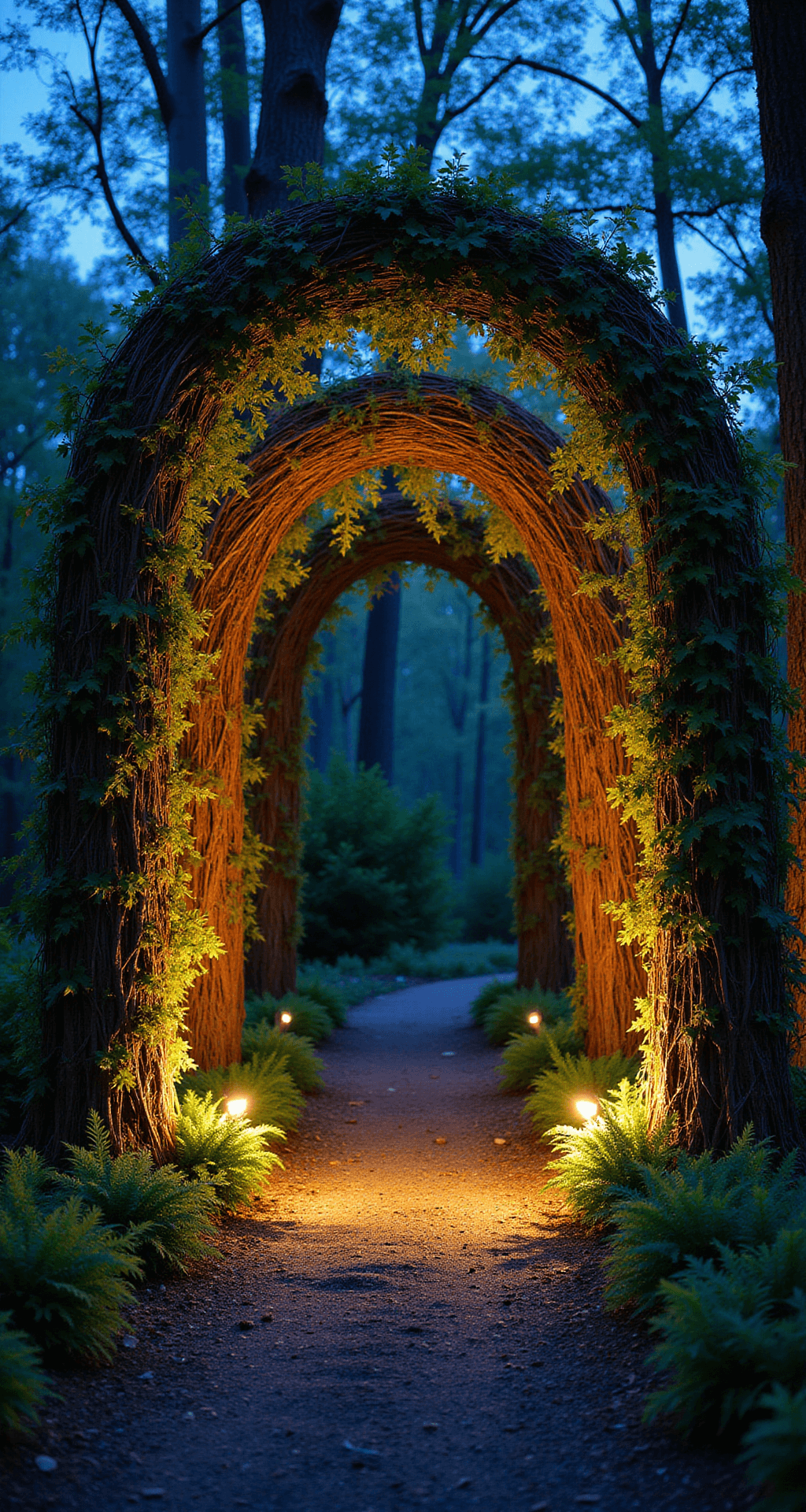
Willow Arches: Nature’s Artistic Touch
Eco-Friendly Elegance:
- Lightweight and natural
- Soft, organic appearance
- Biodegradable material
- Ideal for cottage and woodland-style gardens
🖼 Steal This Look
- Paint Color: Farrow & Ball Green Smoke 47
- Furniture: weathered teak garden bench with curved backrest positioned beneath the arch
- Lighting: solar-powered copper string lights draped along the arch framework
- Materials: hot-dip galvanized steel with powder-coated finish, untreated cedar with silvering patina, hand-woven willow branches with bark intact
There’s something quietly satisfying about running your hand along a galvanized steel arch in morning dew—the cold precision of metal against the chaos of climbing roses feels like the garden’s own handshake between control and wilderness.
🎁 Get The Look
Strategic Arch Placement: More Than Just Decoration
Creating Garden Entrances
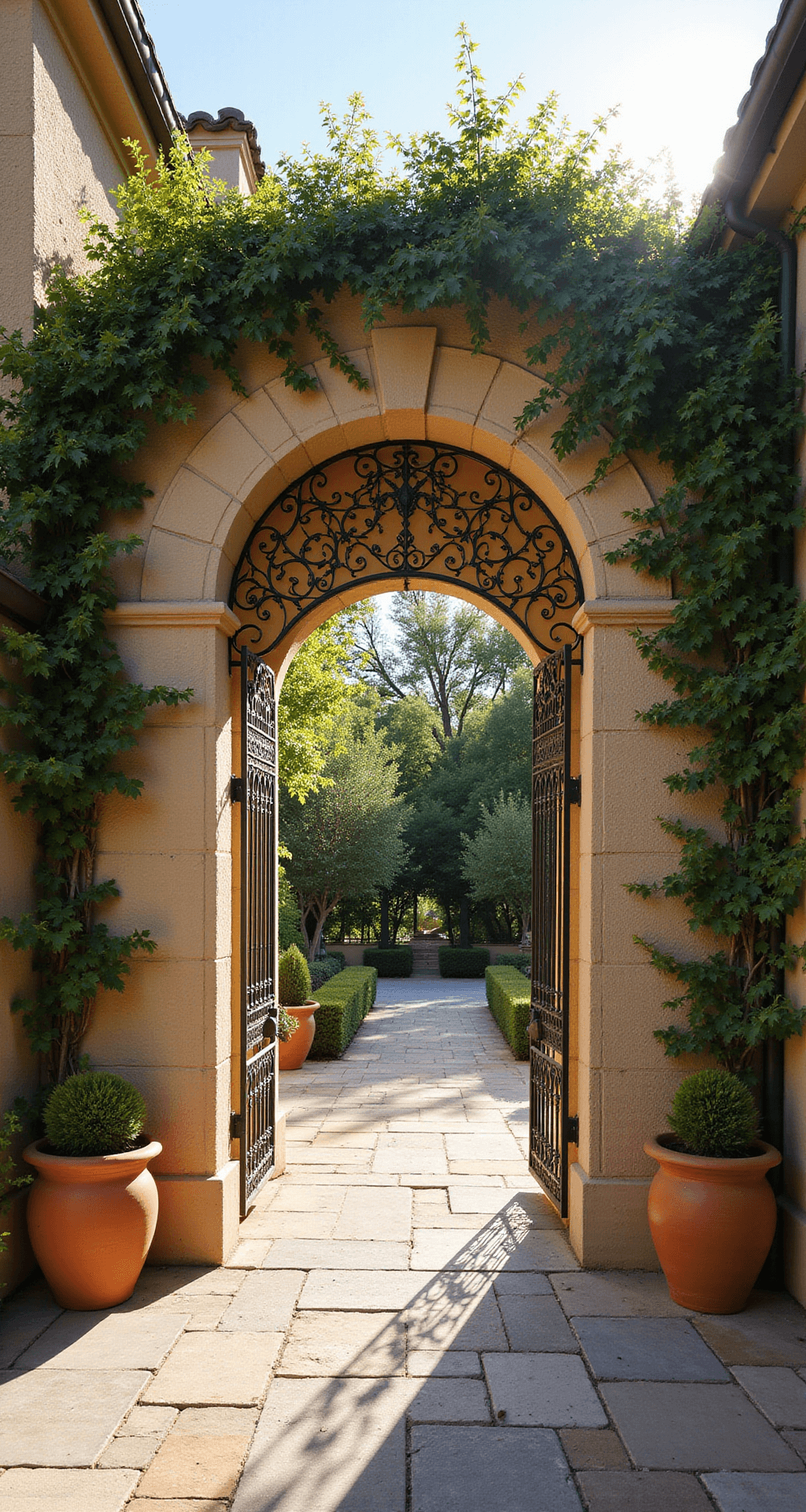
A well-placed arch transforms garden entry points into magical portals. Imagine walking through a tunnel of blooming jasmine or climbing roses – that’s the power of strategic arch placement.
Save this article
Enter your email and we'll send it straight to your inbox.
Pathway Perfection
Arch Placement Tips:
- Space arches evenly along paths
- Use consistent materials
- Consider plant coverage
- Align with garden’s overall design
🎨 Steal This Look
- Paint Color: Behr Garden Swing MQ4-38
- Furniture: weathered teak garden bench with curved backrest positioned beneath arch canopy
- Lighting: vintage-inspired brass lantern pendant with seeded glass, hardwired to arch structure
- Materials: powder-coated wrought iron for structural arches, natural cedar for rustic installations, limestone gravel pathways, aged terracotta planters
There’s something almost theatrical about marking thresholds in your garden—I’ve watched clients slow their pace instinctively when passing through a rose-laden arch, as if the structure itself demands a moment of presence before entering the next garden room.
Best Climbing Plants for Your Arch
Flowering Superstars
- Climbing roses
- Passion vine
- Hyacinth bean
- Clematis
- Morning glory
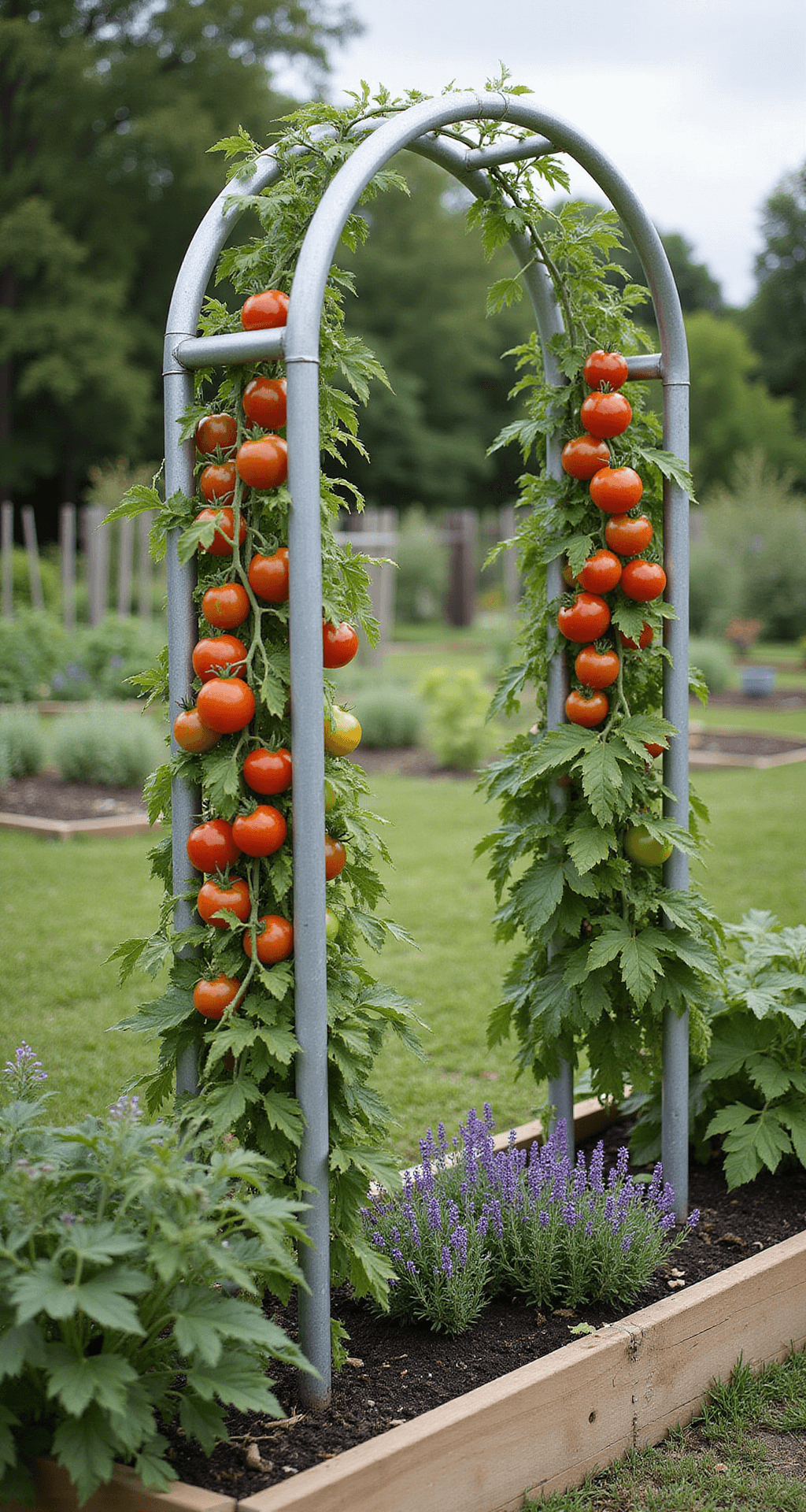
Edible Climbers
- Cherry tomatoes
- Pole beans
- Cucumbers
- Tomatillos
✎ Steal This Look
- Paint Color: Valspar Garden Path 6005-7B
- Furniture: weathered teak garden bench with curved backrest positioned beneath the arch
- Lighting: solar-powered vintage-style Edison bulb string lights draped along the arch framework
- Materials: aged wrought iron, rough-hewn cedar posts, natural jute twine for plant training, crushed limestone pathway
There’s something quietly triumphant about the first spring when your arch disappears beneath living color—I’ve learned that patience with slow-establishing clematis pays dividends when those first dinner-plate blooms finally arrive.
Practical Benefits Beyond Beauty
Maximize Growing Space
- Vertical growth reduces ground footprint
- Increases overall garden productivity
- Creates microclimates for plant diversity
Improved Plant Health
- Better air circulation
- Reduced disease risk
- Cleaner fruit production
- Enhanced sun exposure
🌟 Steal This Look
- Paint Color: PPG Olive Grove PPG1125-7
- Furniture: weathered teak potting bench with galvanized steel top
- Lighting: solar-powered LED string lights with warm 2700K bulbs woven through arch framework
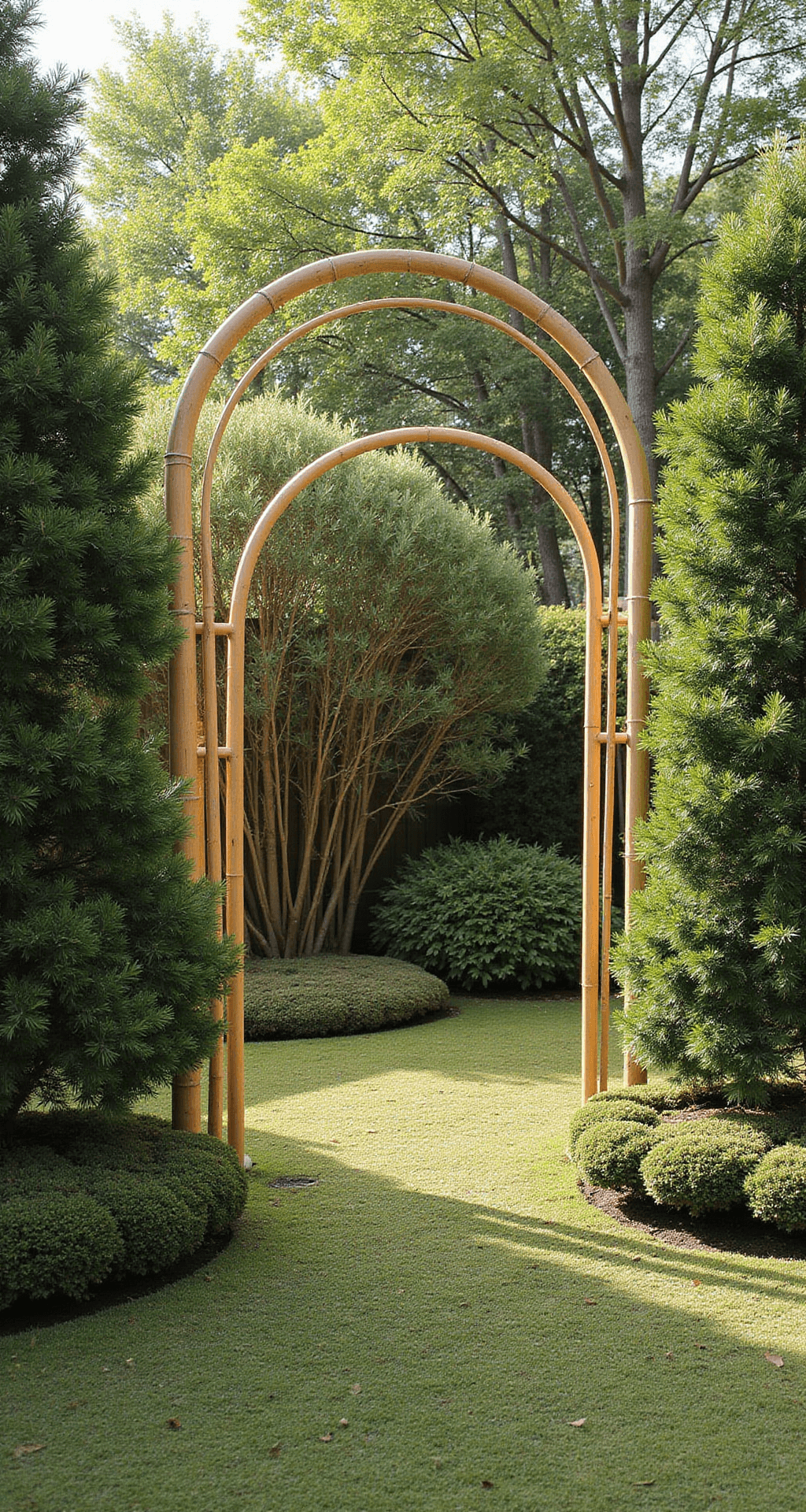
- Materials: powder-coated steel arch frames, untreated cedar climbing supports, hemp twine for plant training, crushed limestone pathways
There’s something deeply satisfying about walking beneath your own food canopy—suddenly you’re not just gardening, you’re harvesting from a living tunnel that rewards you twice over for the same ground space.
Pro Tips for Arch Success
Installation Wisdom:
- Choose sturdy, rust-resistant materials
- Ensure proper anchoring
- Consider local climate conditions
- Plan for plant growth and weight
Maintenance Checklist:
- Annual paint/seal metal arches
- Prune climbing plants regularly
- Check structural integrity
- Rotate plant selections seasonally
Your Garden, Your Canvas
Garden arches aren’t just structures – they’re storytellers. They transform landscapes, create memories, and invite wonder into your outdoor space.
Remember: A great garden arch is like a beautiful sentence in the poetry of landscape design – it connects, inspires, and invites exploration.
Ready to arch your way to garden greatness? Let’s grow something extraordinary!
Want to keep this one?
We'll email you the link so you can find it again later.