
This post may contain affiliate links. Please see my disclosure policy for details.
Transforming Slopes into Stunning Multi-Level Gardens: A Design Guide
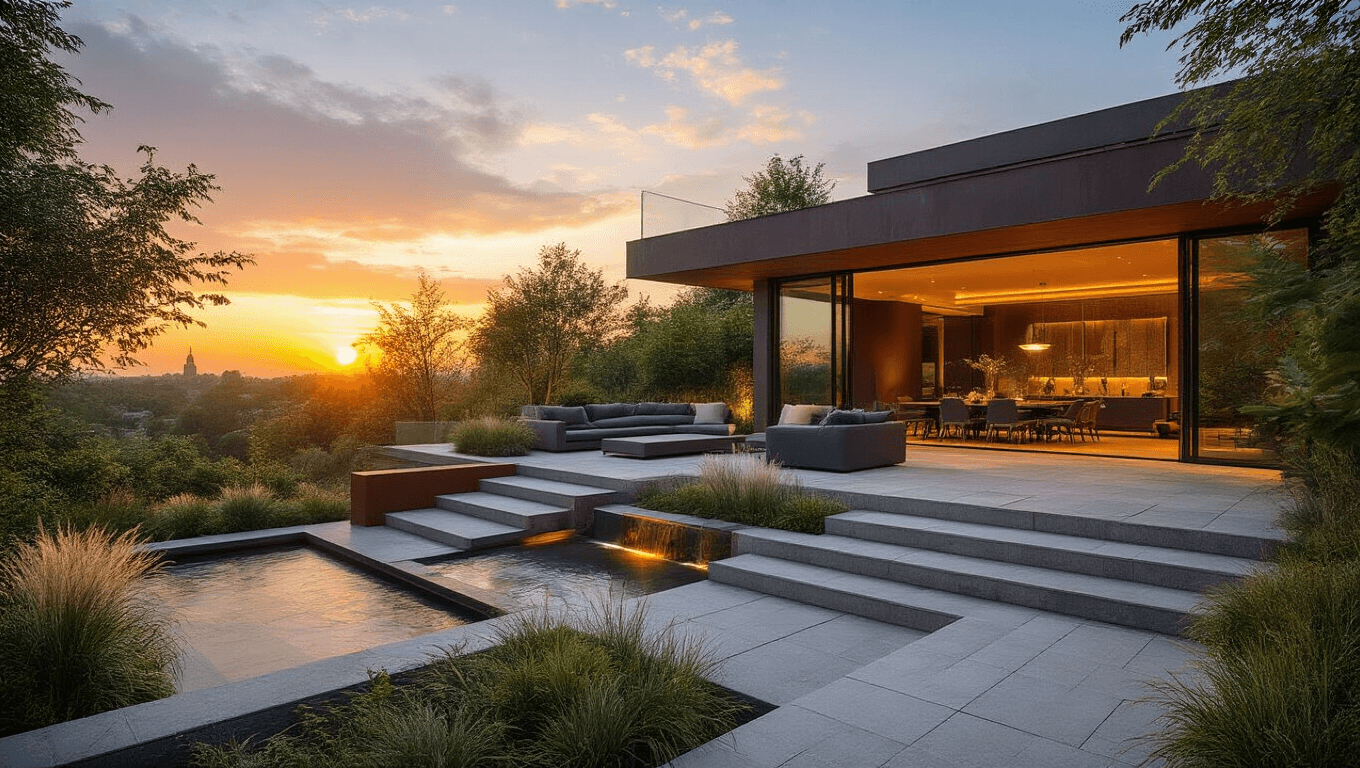
Your sloped backyard isn’t a problem—it’s an opportunity. Multi-level gardens turn uneven terrain into breathtaking outdoor spaces that are as functional as they are beautiful.
🌟 Steal This Look
- Paint Color: Sherwin-Williams Garden Sage SW 7727
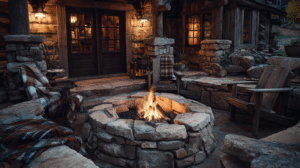
- Furniture: weathered teak Adirondack chair with wide armrests for holding drinks and garden tools
- Lighting: low-voltage brass path lights with mushroom caps staggered along retaining wall edges
- Materials: dry-stacked Pennsylvania fieldstone, cedar mulch, galvanized steel edging, and drought-tolerant ornamental grasses
There’s something deeply satisfying about standing at the base of a multi-level garden you built yourself—each terrace feels like a private outdoor room, and the vertical journey makes even a modest slope feel like an estate.
Why Multi-Level Gardens Are Game-Changers
Imagine walking through a garden where each step reveals a new landscape. That’s the magic of tiered gardens. They’re not just about managing difficult terrain—they’re about creating dynamic, purposeful outdoor living areas.
Key Benefits of Leveled Landscapes
- Maximize Usable Space: Transform awkward slopes into distinct zones
- Enhanced Visual Interest: Create depth and dimension naturally
- Flexible Functionality: Design separate areas for dining, relaxing, and gardening
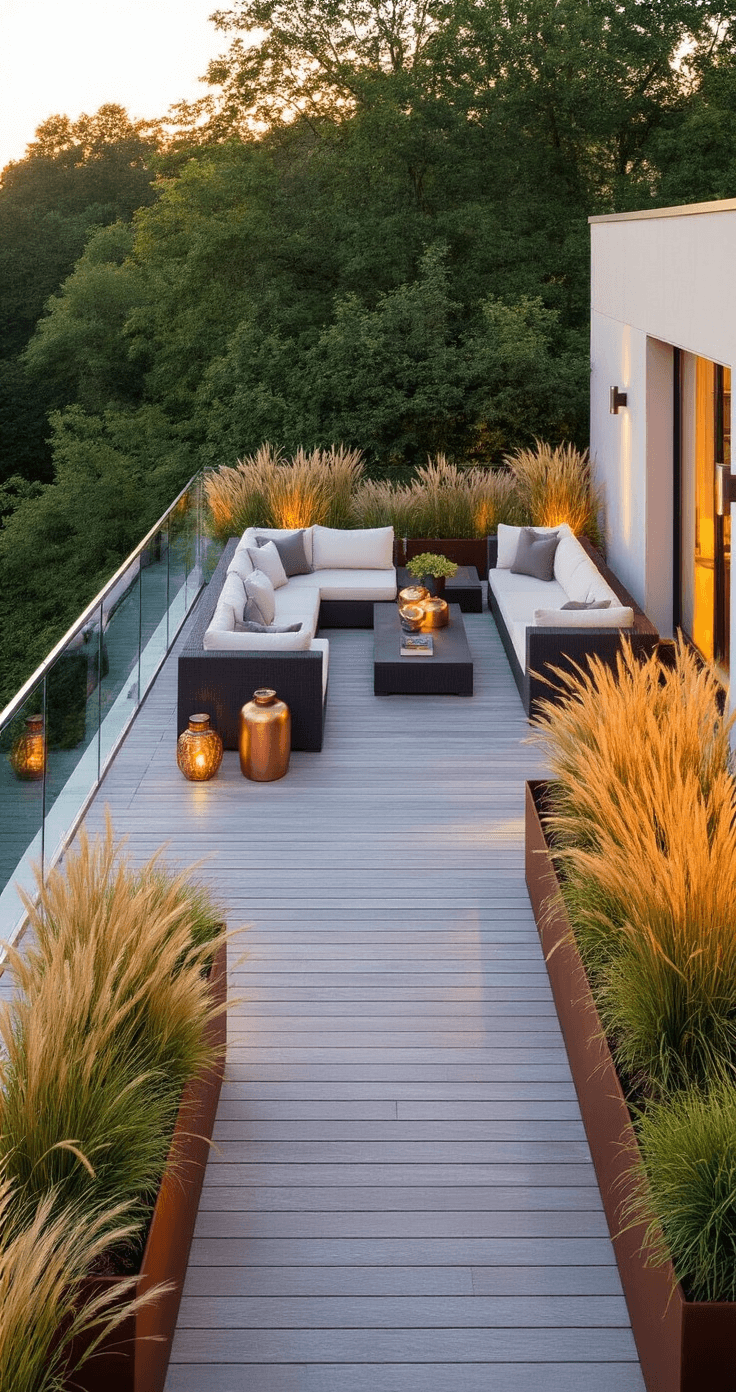
🏠 Steal This Look
- Paint Color: Benjamin Moore Kendall Charcoal HC-166
- Furniture: weathered teak L-shaped sectional with deep cushions
- Lighting: oversized woven rattan pendant over lower dining terrace
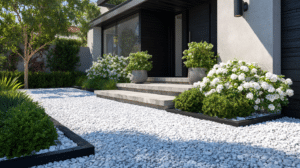
- Materials: corten steel retaining walls, reclaimed ipe decking, crushed granite pathways, drought-tolerant ornamental grasses
There’s something deeply satisfying about descending through a garden—each level feels like a private discovery, especially when the upper terrace is just steps from your kitchen for effortless entertaining.
Design Principles for Spectacular Tiered Gardens
Smart Zoning Strategies
Break your garden into purposeful levels:
- Upper level: Relaxation area
- Middle level: Dining terrace
- Lower level: Lush plant sanctuary
Material Magic: Choosing Your Structural Elements
Top materials for creating garden levels:
- Pressure-treated sleepers
- Natural stone
- Brick
- Corten steel
- Modular timber systems
Pro Tip: Select materials that complement your home’s architecture and withstand local weather conditions.
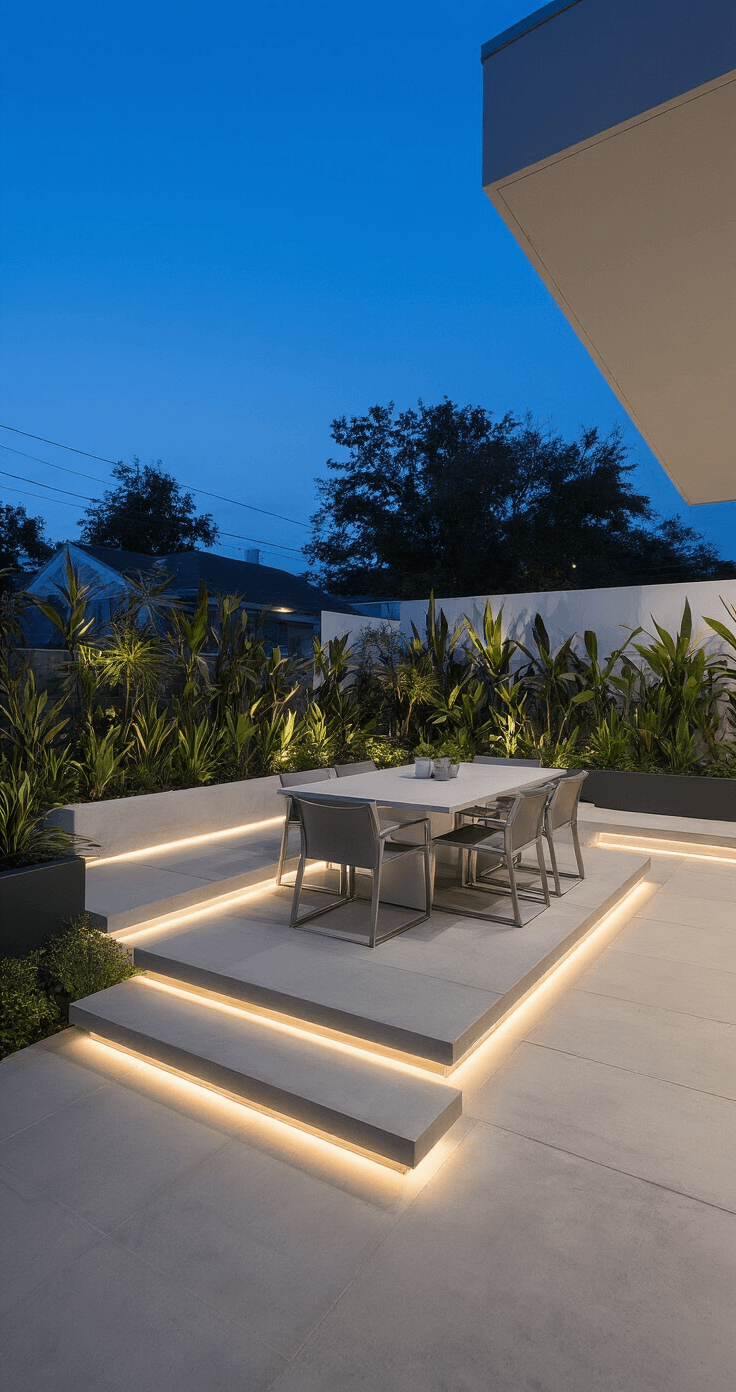
🏠 Steal This Look
- Paint Color: Farrow & Ball Green Smoke 47
- Furniture: Weathered teak L-shaped sectional with deep olive cushions for the upper relaxation terrace, paired with a reclaimed oak fire pit table as the anchoring centerpiece
- Lighting: Bollard-style LED path lights in corten steel finish with warm 2700K output, staggered along retaining walls to define level transitions
- Materials: Corten steel retaining walls with visible weathering patina, reclaimed railway sleepers for informal terracing, Cotswold stone paving with tumbled edges, and woven willow hurdle screening for soft boundaries between zones
I’ve walked too many gardens where the levels feel like afterthoughts rather than invitations to explore—when you get the material rhythm right, each step down becomes a deliberate transition that slows time and draws people through the space.
Planting Like a Pro: Layered Landscaping Techniques
Creating Visual Depth with Plants
Design your greenery in tiers:
- Ground covers for lower levels
- Perennials and shrubs for mid-levels
- Tall grasses or statement plants for upper zones
Design Hack: Use cascading plants to soften hard landscape edges and create seamless transitions between levels.
Save this article
Enter your email and we'll send it straight to your inbox.
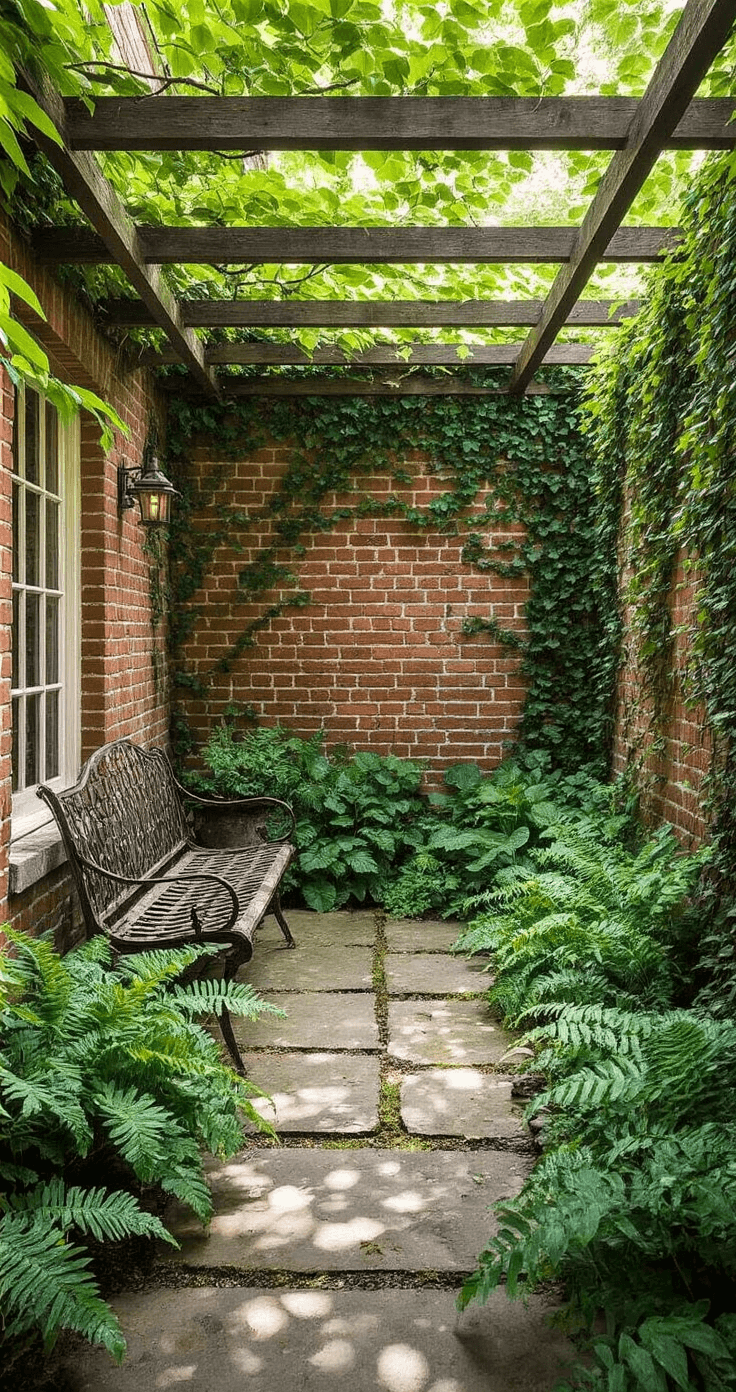
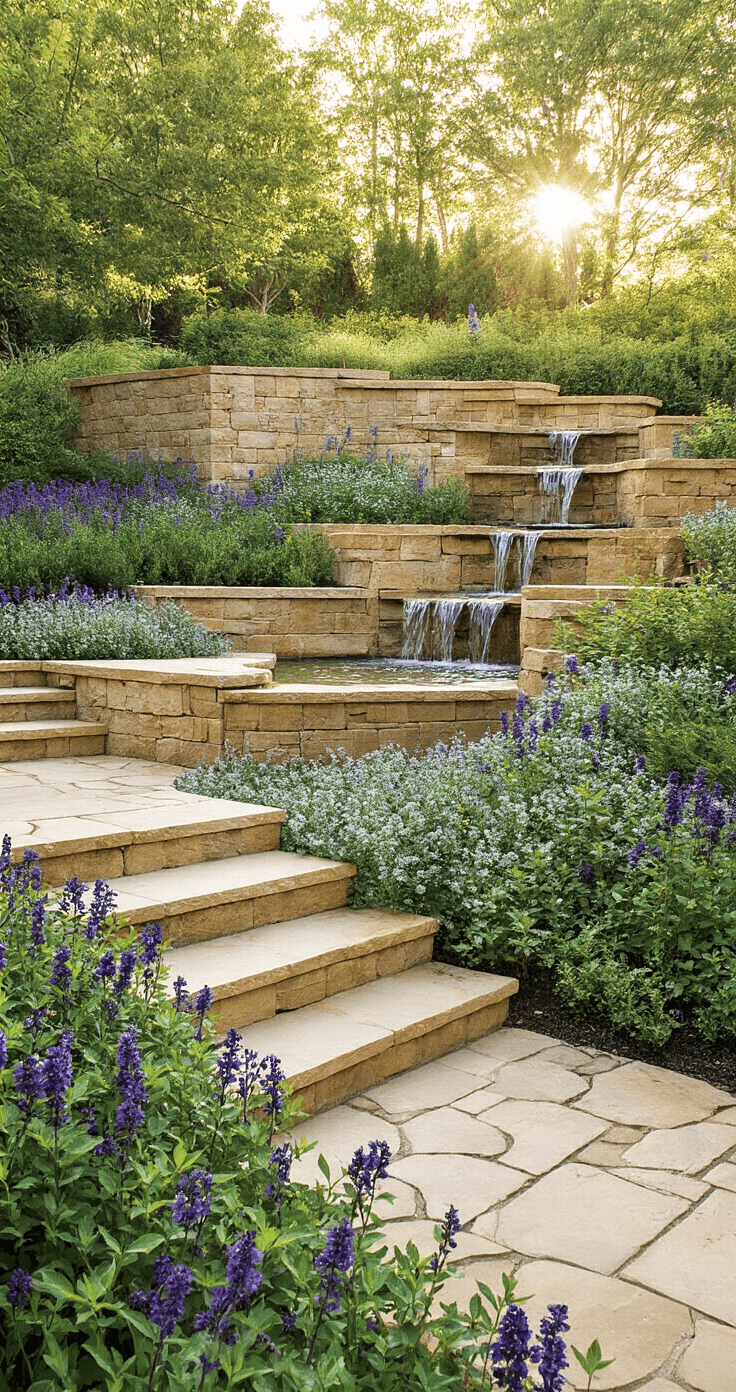
🎨 Steal This Look
- Paint Color: Behr Sage Wisdom PPU11-16
- Furniture: weathered teak potting bench with galvanized steel top, positioned on the upper terrace for functional workspace and visual anchor
- Lighting: low-voltage brass path lights with hammered copper hoods, staggered along level changes to illuminate plant tiers after dark
- Materials: corten steel retaining walls, reclaimed barnstone for risers, and cedar mulch for organic ground-level texture
There’s something deeply satisfying about standing at the base of a properly tiered garden and watching the colors shift from deep purples and blues at ground level to airy whites and silvers above—it’s like living inside a painting that changes with the seasons.
Safety and Practical Considerations
Essential Planning Steps
- Drainage is King: Ensure proper water management
- Structural Integrity: Use robust retaining walls
- Professional Consultation: Recommended for complex or steep sites
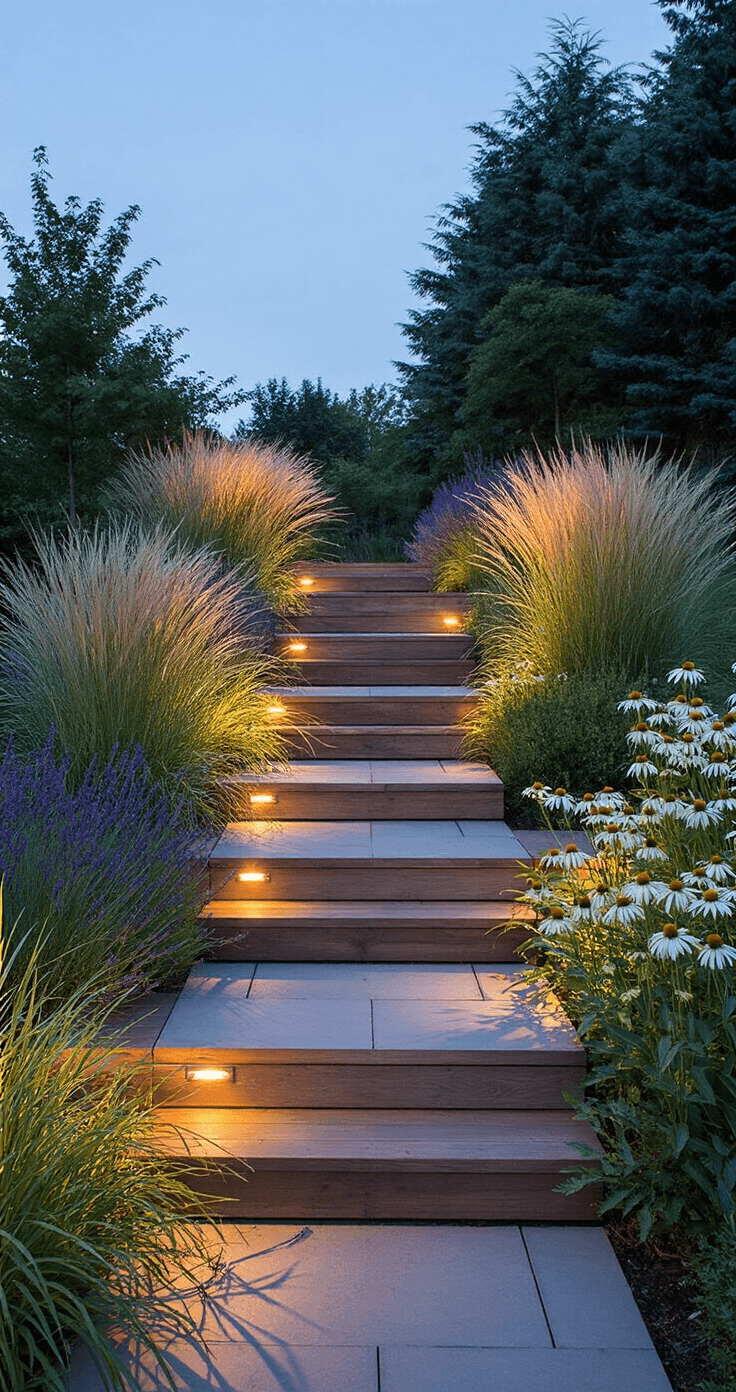
✎ Steal This Look
- Paint Color: Valspar Garden Path 5002-4B
- Furniture: weathered teak bench with curved backrest for terraced seating nook
- Lighting: low-voltage LED path lights with frosted glass domes
- Materials: porcelain pavers with integrated drainage channels, galvanized steel edging, river rock aggregate
There’s something deeply satisfying about a garden that works as hard as it looks—knowing your retaining wall won’t buckle in the first spring thaw lets you actually relax into the space you’ve built.
Budget-Friendly Tips
Cost-Effective Multi-Level Garden Strategies:
- Use wooden sleepers (more affordable than stone)
- Start small and expand gradually
- DIY simple retaining walls and steps
- Choose native, low-maintenance plants
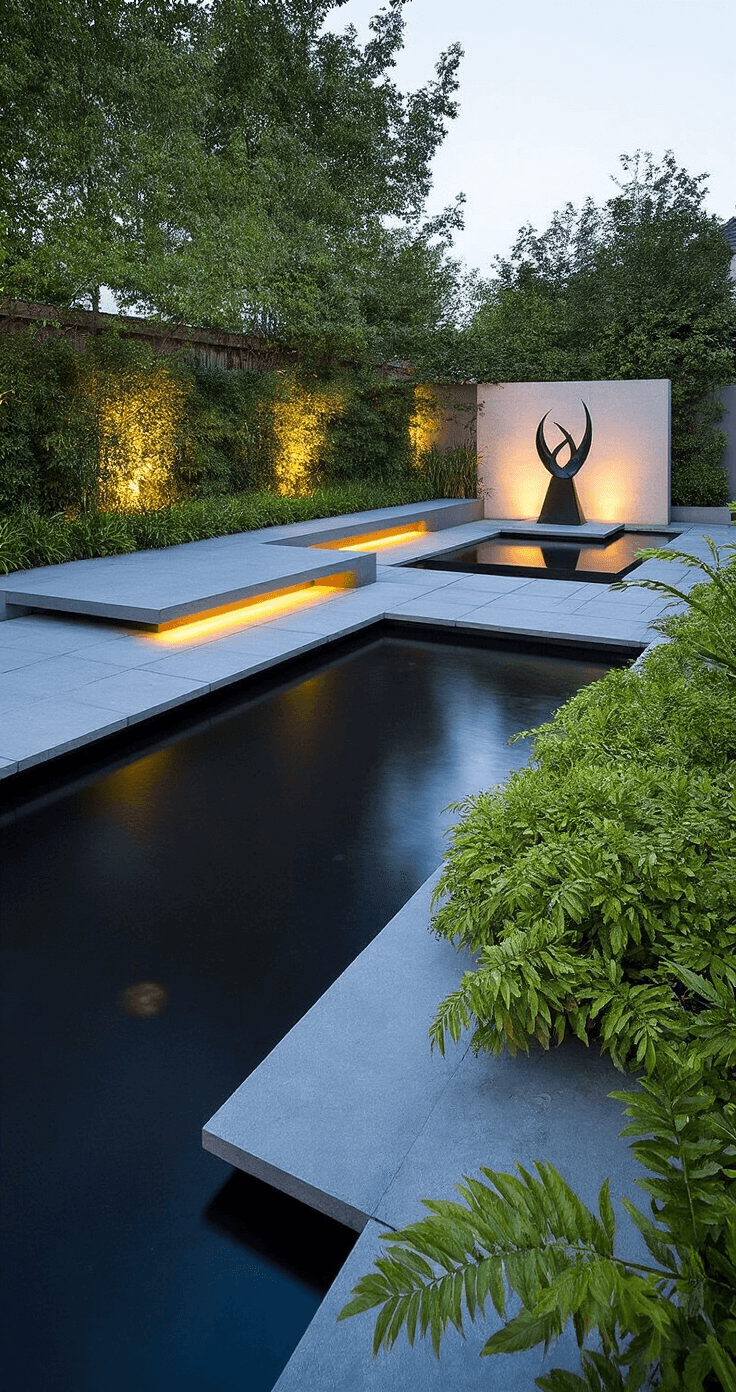
★ Steal This Look
- Paint Color: PPG Olive Grove PPG1125-6
- Furniture: weathered cedar potting bench with lower storage shelf
- Lighting: solar-powered LED stake lights along tiered pathways
- Materials: rough-sawn pine sleepers, gravel, reclaimed brick edging
There’s something deeply satisfying about building your own garden levels over a few weekends—each tier becomes a small victory, and the imperfections you stress over now will be the character you love later.
Accessorize Your Tiered Garden
Level Up Your Design:
- Install subtle lighting
- Add water features
- Create intimate seating nooks
- Incorporate garden art
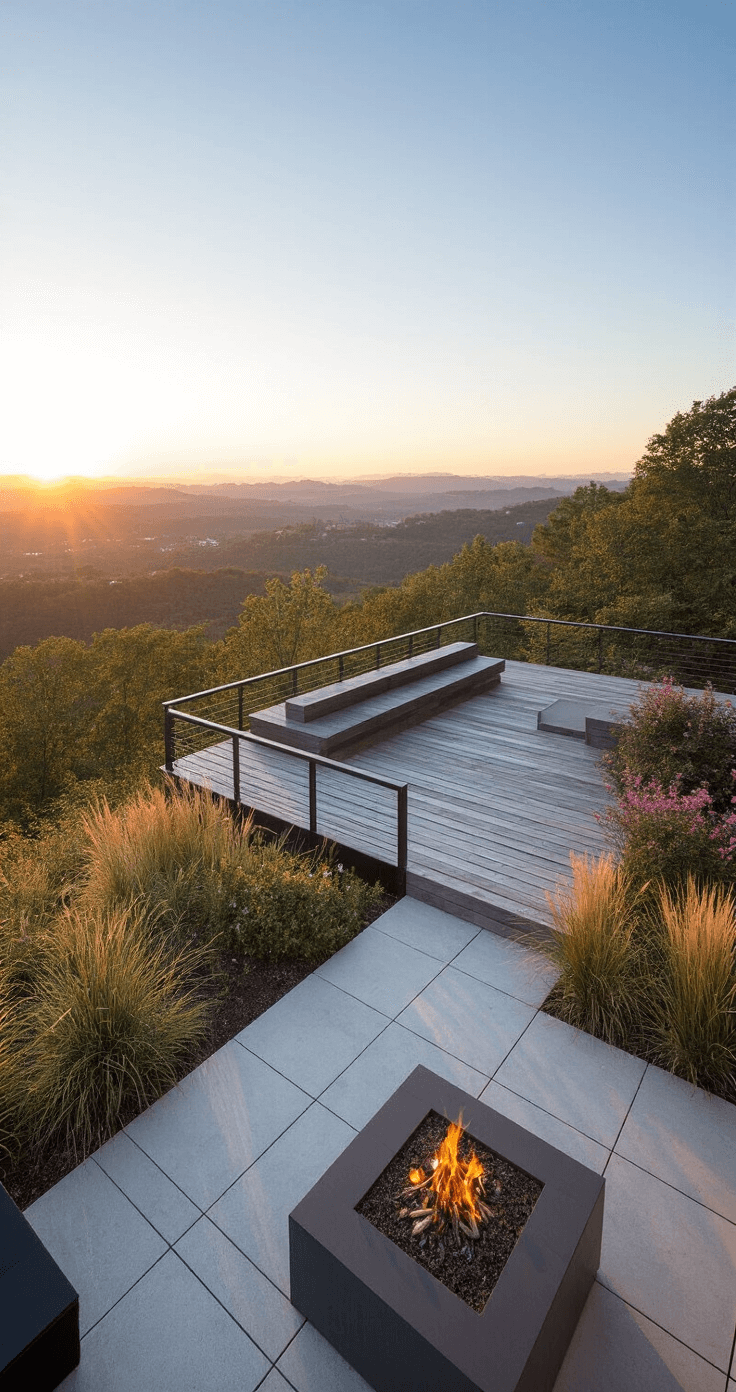
🌟 Steal This Look
- Paint Color: Dunn-Edwards Eucalyptus Leaf DET529
- Furniture: weathered teak Adirondack chair with wide arms for holding drinks
- Lighting: low-voltage brass path lights with frosted glass domes
- Materials: oxidized corten steel, river rock, reclaimed barn wood, hand-thrown ceramic
There’s something deeply satisfying about discovering a hidden bench or bubbling fountain as you climb from one level to the next—it turns a simple garden stroll into a genuine experience.
Expert Inspiration Sources
Find Your Garden Muse:
- Houzz
- Landscape design magazines
- Local garden centers
Final Thoughts: Your Slope is Your Superpower
Multi-level gardens transform challenging landscapes into extraordinary outdoor experiences. With smart design, the right materials, and creative vision, your sloped yard can become a stunning, functional masterpiece.
Remember: Every garden tells a story. Make yours extraordinary.
Want to keep this one?
We'll email you the link so you can find it again later.

[…] Placement Hack: Create a multi-level design that makes your fire pit feel like a natural part of the […]