This post may contain affiliate links. Please see my disclosure policy for details.
Why Fruit Trees Are a Game-Changer for Your Garden
Imagine stepping into your backyard and picking fresh, juicy fruit right off the tree. Sounds like a dream, right? But it’s totally achievable, no matter the size of your garden.
The Magic of Fruit Trees:
- Fresh, organic produce at your fingertips
- Stunning landscape design
- Attracts beneficial wildlife
- Saves money on groceries
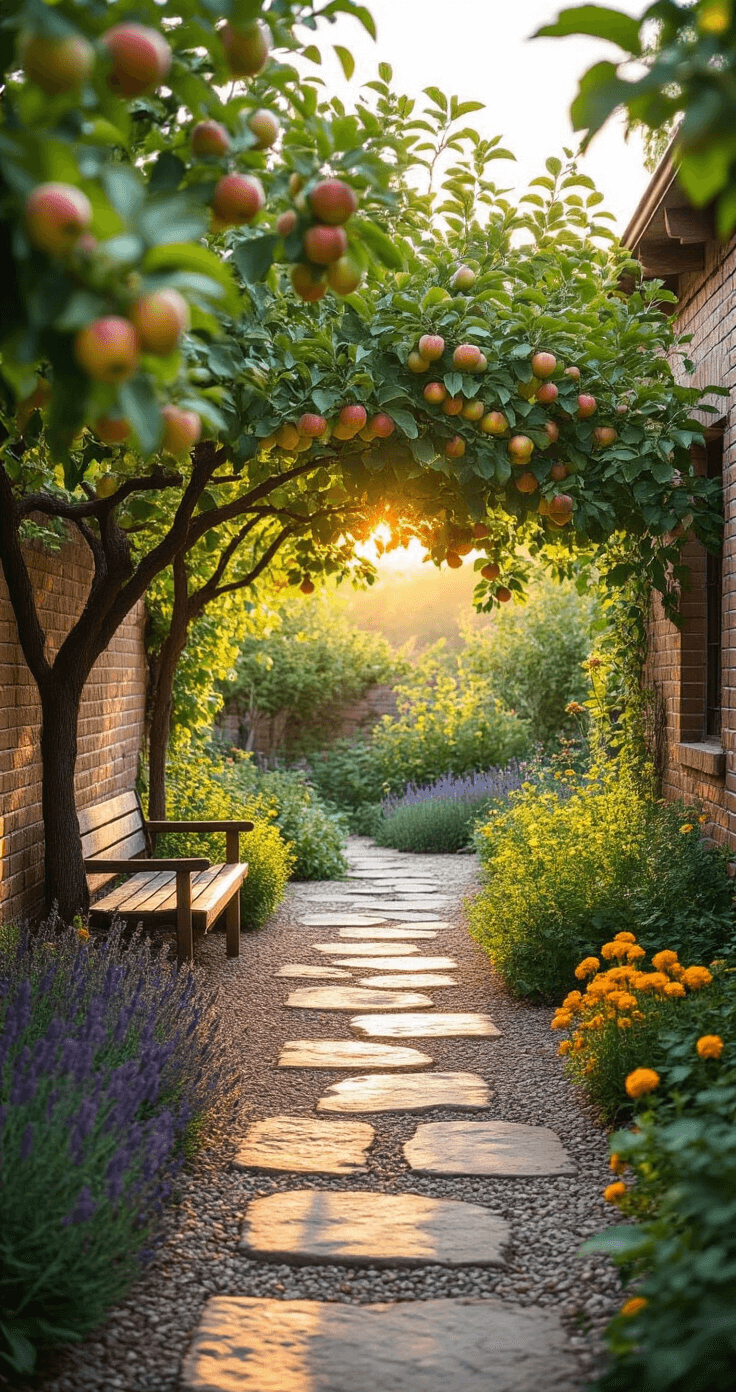
✎ Steal This Look
- Paint Color: Sherwin-Williams Garden Spot SW 6432
- Furniture: weathered teak potting bench with galvanized steel top
- Lighting: vintage-style galvanized barn pendant with seeded glass
- Materials: rough-hewn cedar, aged terracotta, untreated limestone gravel, hand-forged iron
There’s something deeply satisfying about watching a bare-root sapling you planted become the centerpiece of summer gatherings—my own dwarf peach tree now outproduces what my grandmother’s full-sized tree yielded in her sprawling orchard.
Designing Your Fruit Tree Garden: Size Doesn’t Matter
Small Space? No Problem!
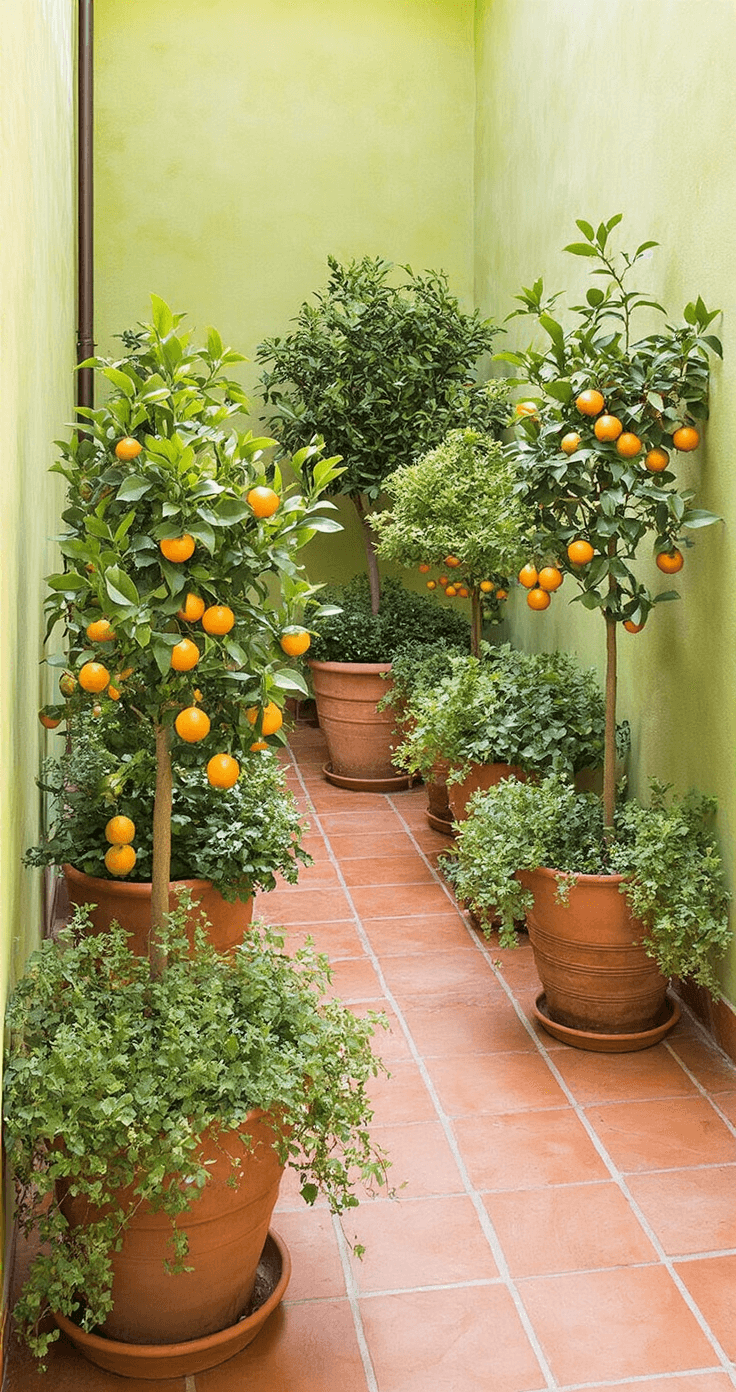
Got a tiny urban lot? You’re in luck. These clever tricks will maximize your fruit production:
- Espalier technique: Train trees flat against walls
- Container gardening: Grow dwarf varieties in pots
- Vertical gardening: Utilize every inch of space
Large Backyard? Go Wild!
For those with more room:
- Plant multiple varieties
- Create a mini food forest
- Experiment with different tree sizes
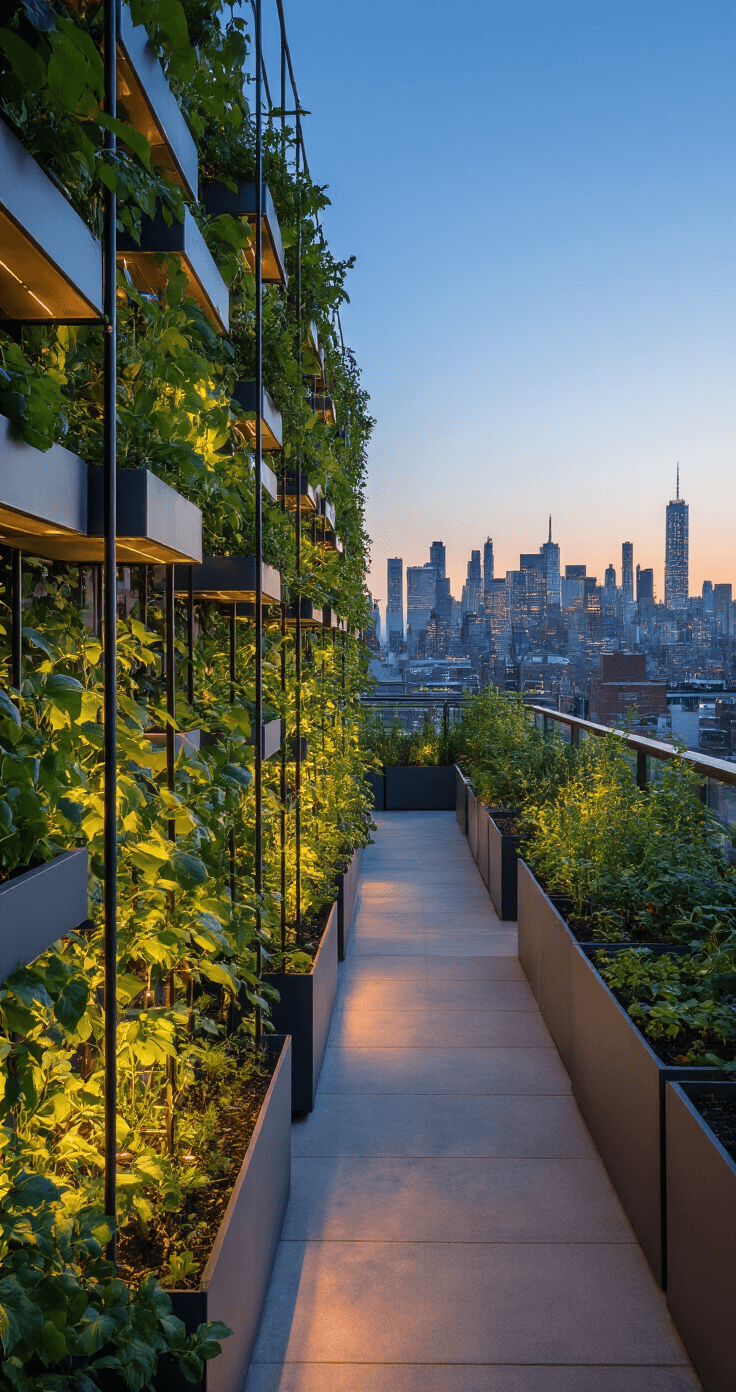
★ Steal This Look
- Paint Color: Benjamin Moore Garden Cucumber 644
- Furniture: weathered teak potting bench with zinc top, foldable cedar garden stool
- Lighting: solar-powered festoon string lights with vintage Edison bulbs
- Materials: aged terracotta, raw cedar, galvanized steel, crushed gravel pathways
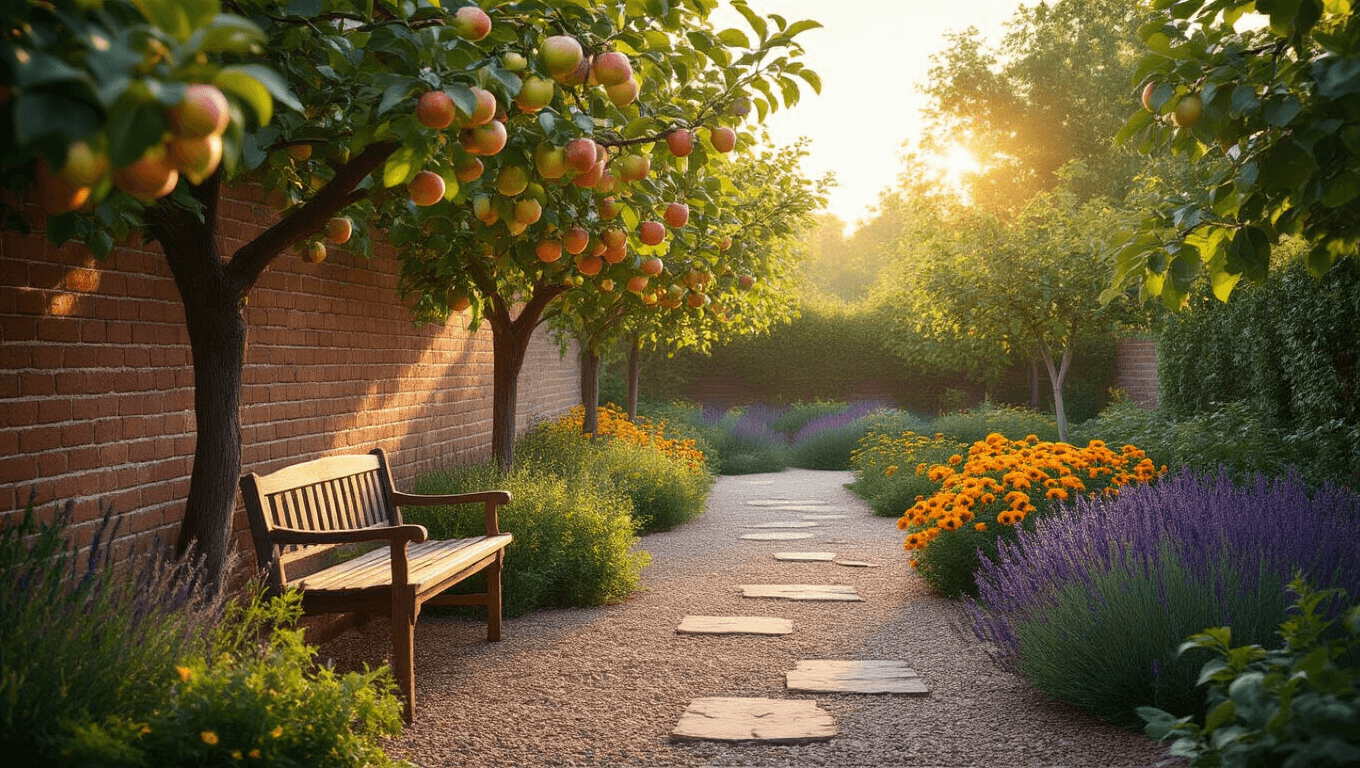
There’s something quietly triumphant about harvesting your first homegrown peach from a tree you trained yourself against a brick wall—small gardens reward patience with outsized satisfaction.
Choosing the Right Fruit Trees for Your Climate
Pro Tip: Local is always better. Hit up your neighborhood nursery for:
- Climate-adapted varieties
- Expert local advice
- Guaranteed success
Must-Consider Factors:
- Pollination requirements
- Harvest times
- Space constraints
- Soil conditions
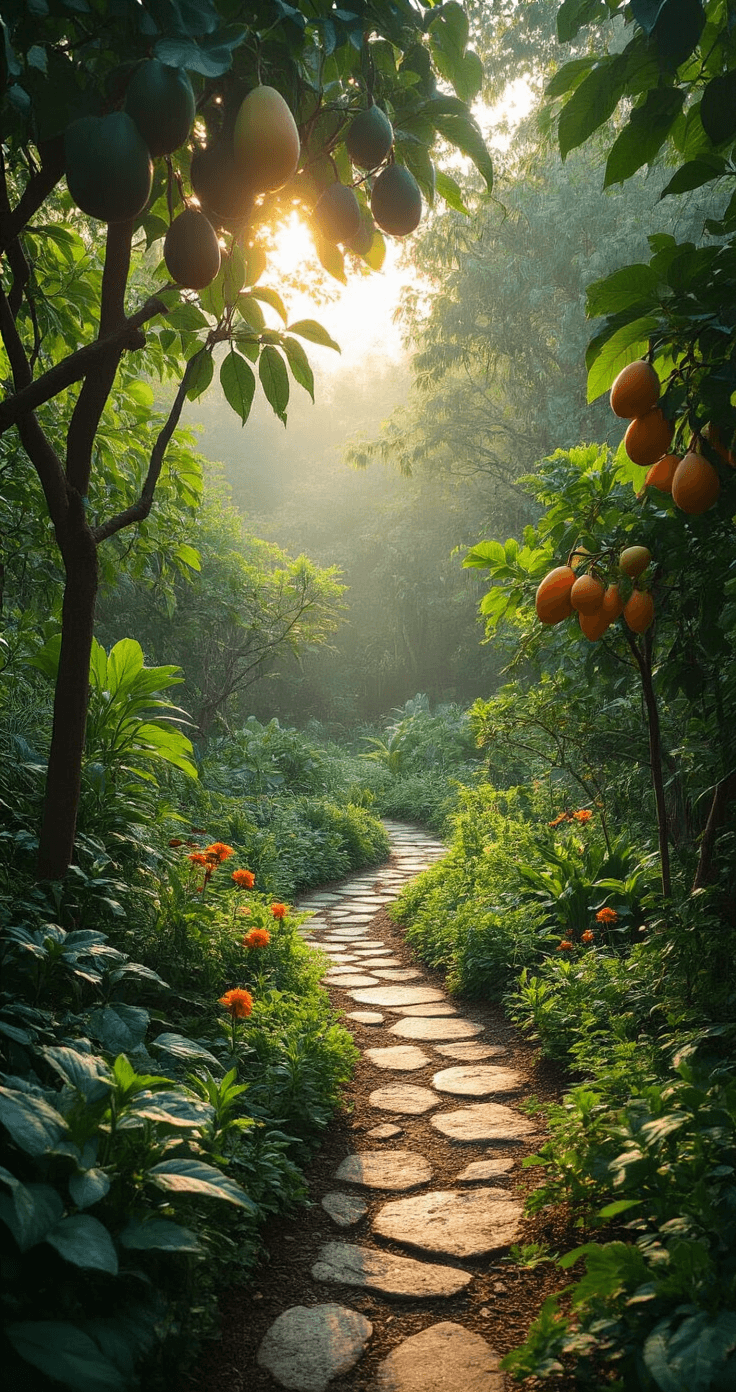
💡 Steal This Look
- Paint Color: Farrow & Ball Green Smoke 47
- Furniture: weathered teak potting bench with galvanized steel top, vintage orchard ladder repurposed as plant stand
- Lighting: gooseneck barn sconce in aged zinc finish, IP44 rated for outdoor use
- Materials: hand-thrown terracotta, untreated cedar, raw linen, aged brass, crushed gravel paths
There’s something deeply satisfying about walking outside to clip a ripe peach for breakfast, but the real magic happens when you accept that your climate chooses your trees, not the other way around—lean into what wants to grow where you actually live.
Save this article
Enter your email and we'll send it straight to your inbox.
Companion Planting: Nature’s Secret Weapon
Don’t just plant trees. Create an ecosystem!
Companion Plant Superstars:
- Marigolds
- Basil
- Garlic
- Herbs that attract pollinators
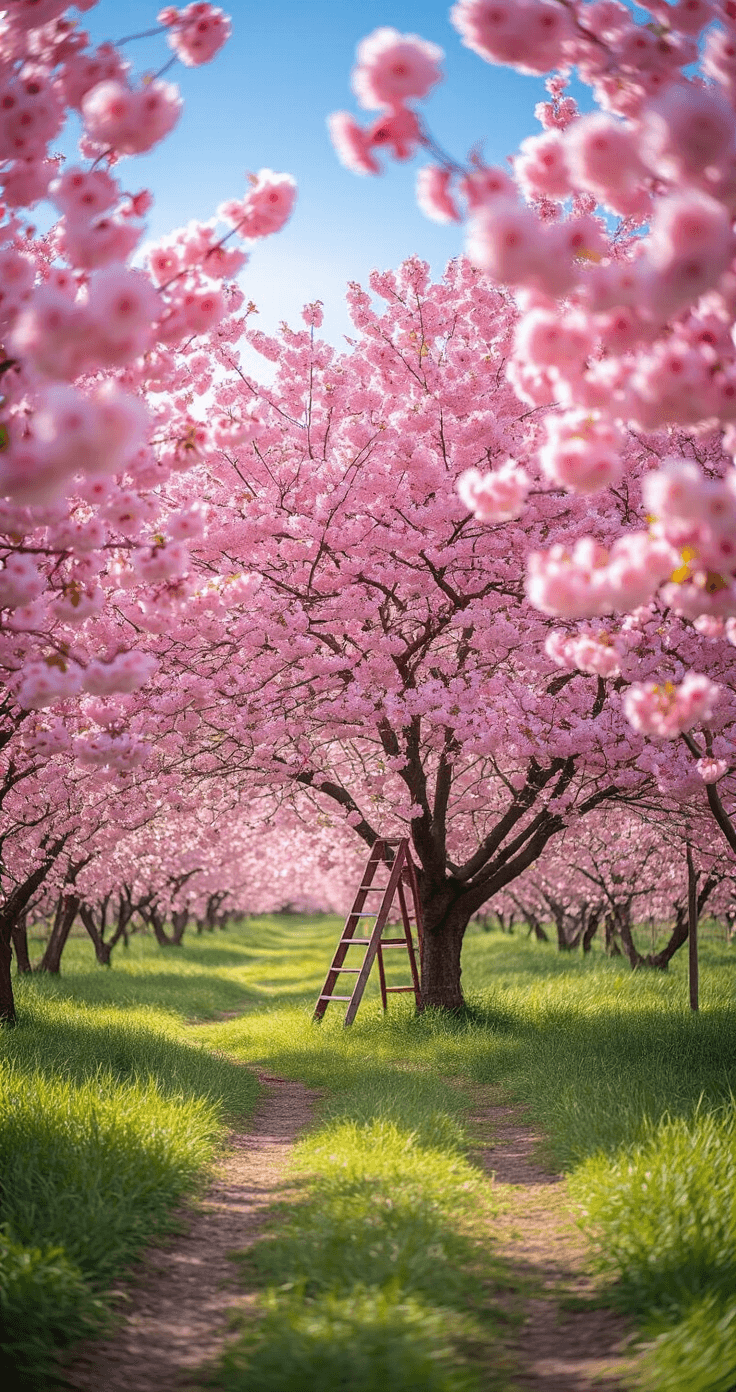
🌟 Steal This Look
- Paint Color: Behr Garden Wall MQ6-30
- Furniture: weathered teak potting bench with zinc-top work surface, vintage French garden stool in aged terracotta
- Lighting: solar-powered Edison string lights with amber glass bulbs draped between tree branches
- Materials: raw linen cushion covers, unglazed terracotta planters, reclaimed wood raised beds, crushed oyster shell pathways
There’s something deeply satisfying about watching your fruit tree become a living hub of activity, where the basil you snip for dinner grew in conversation with the tree that might shade your grandchildren.
Maintenance: Keeping Your Fruit Trees Happy and Healthy
Key Care Tips:
- Pruning: Shape trees for maximum fruit production
- Soil health: Regular amendments
- Irrigation: Consistent, deep watering
- Organic fertilization
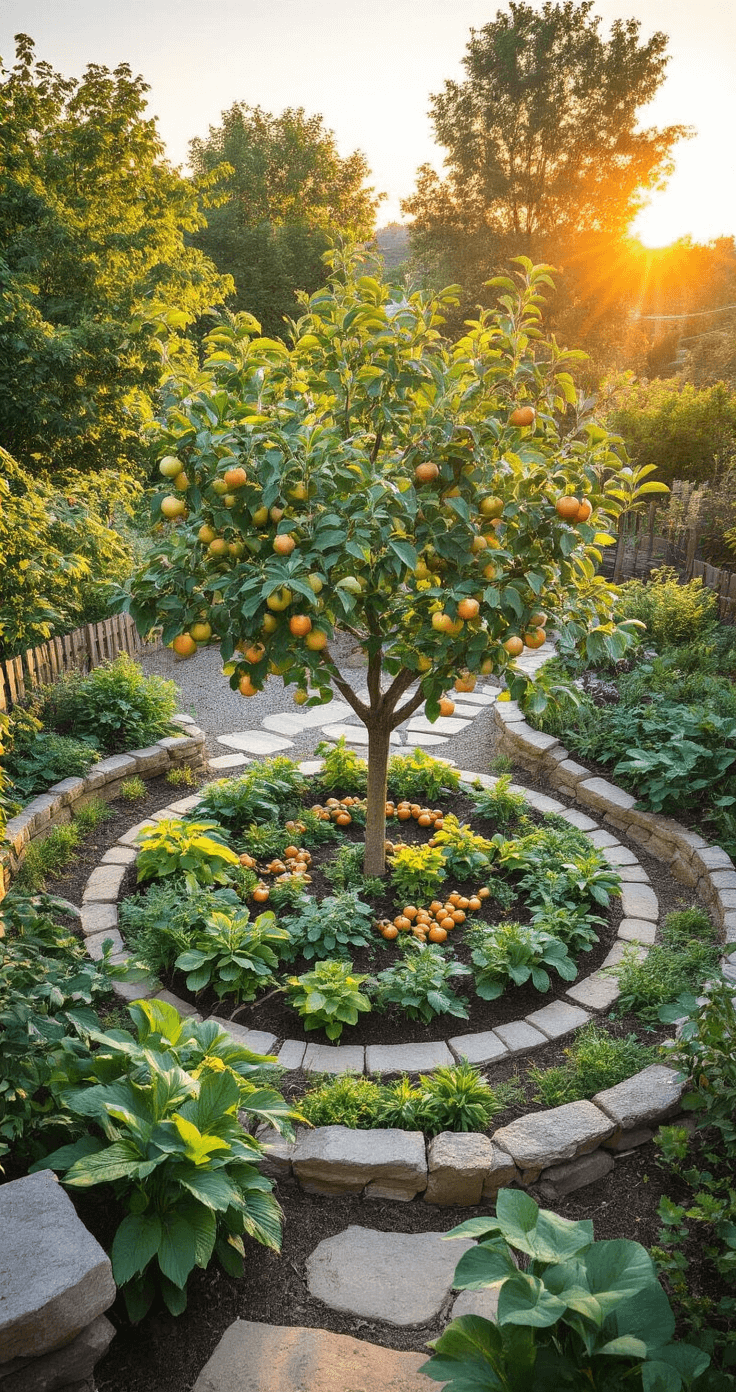
★ Steal This Look
- Paint Color: Valspar Garden Party 6005-5C
- Furniture: weathered cedar potting bench with galvanized steel top
- Lighting: solar-powered LED string lights with Edison-style bulbs draped between tree branches
- Materials: raw cedar mulch, aged terracotta, hemp twine, untreated pine stakes
There’s something deeply satisfying about walking your garden with pruning shears in hand, knowing you’re shaping not just trees but years of harvests to come.
Top Fruit Trees for Different Climates
Temperate Zones:
- Apples
- Pears
- Cherries
- Peaches
- Figs
Subtropical/Tropical Zones:
- Citrus
- Pomegranates
- Avocados
- Guava
- Papaya
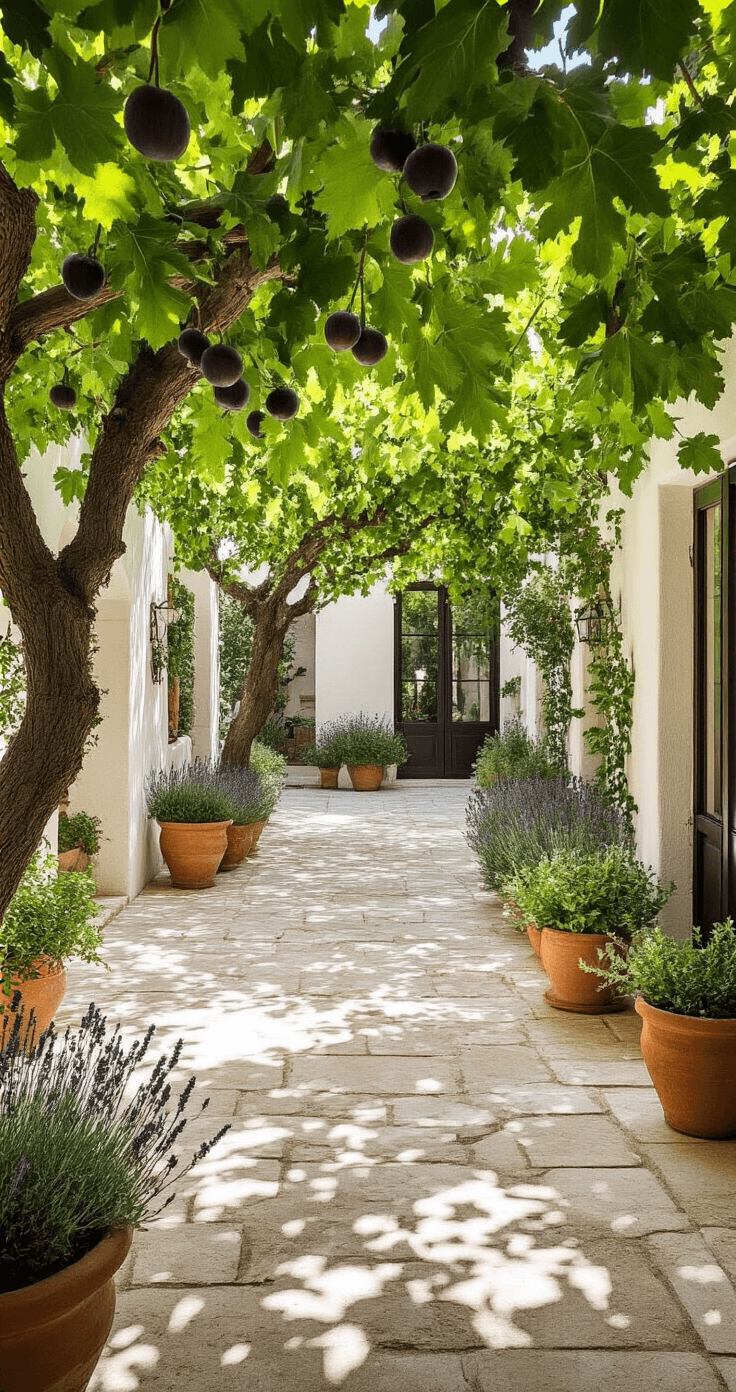
🌟 Steal This Look
- Paint Color: PPG Olive Sprig PPG1125-5
- Furniture: weathered teak potting bench with zinc top
- Lighting: antique brass gooseneck barn light with seeded glass
- Materials: raw cedar raised beds, crushed limestone paths, aged terracotta pots, hand-forged iron plant markers
There’s something deeply satisfying about walking through your own small orchard, knowing each tree was chosen specifically for your climate and will reward you with harvests for decades.
🔔 Get The Look
Common Mistakes to Avoid
- Overcrowding: Give trees breathing room
- Ignoring local conditions: Research is key
- Neglecting soil health: Feed your soil!
- Forgetting about pruning: Regular trimming is crucial
Final Thoughts: Your Fruit Tree Journey Starts Now
Creating a fruit tree garden isn’t just about growing food. It’s about:
- Connecting with nature
- Sustainable living
- Creating a beautiful, productive space
- Enjoying fresh, homegrown fruit
Pro Tip: Start small, learn, and expand. Every fruit tree is a journey of discovery!
Your Next Steps:
- Assess your space
- Research local varieties
- Plan your garden layout
- Get planting!
Remember, gardening is part science, part art, and 100% joy. Happy planting!
Want to keep this one?
We'll email you the link so you can find it again later.