This post may contain affiliate links. Please see my disclosure policy for details.
Gravel Gardens: The Ultimate Low-Maintenance, Water-Wise Landscaping Solution
My backyard used to be a water-guzzling nightmare. Constant mowing, endless watering, and sky-high maintenance costs drove me to discover the magic of gravel gardens.
What Exactly is a Gravel Garden?
A gravel garden is more than just rocks and plants. It’s a smart, sustainable landscaping approach that transforms your outdoor space into a low-maintenance, water-efficient oasis.
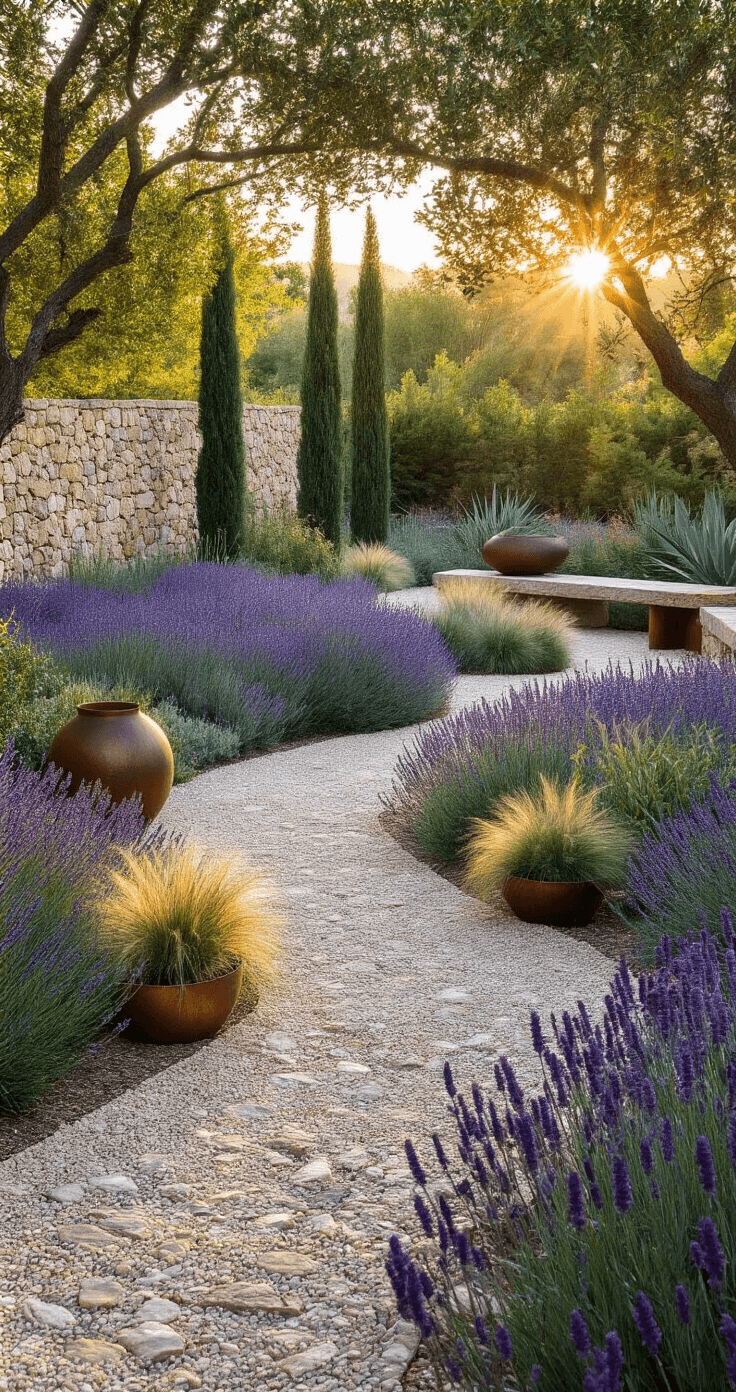
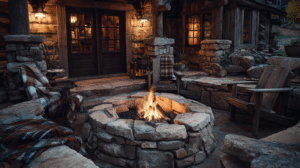
🌟 Steal This Look
- Paint Color: Benjamin Moore Cloud White OC-130
- Furniture: weathered teak Adirondack chair with slatted back
- Lighting: solar-powered bollard lights with seeded glass
- Materials: crushed granite gravel, drought-tolerant ornamental grasses, corten steel edging
I installed my first gravel garden after killing three lawns in five years, and the relief of watching rain soak straight through instead of pooling still feels like a small miracle every spring.
Why Gravel Gardens Are a Game-Changer
Imagine a garden that:
- Requires minimal watering
- Looks stunning year-round
- Attracts beneficial wildlife
- Reduces your water bill
- Provides a modern, clean aesthetic
Choosing the Perfect Plants for Your Gravel Garden
The secret sauce? Selecting drought-tolerant superstars:
- Lavender: Fragrant and fabulous
- Catmint: Pollinator paradise
- Sedums: Succulent stunners
- Thyme: Aromatic ground cover
- Ornamental grasses: Texture and movement
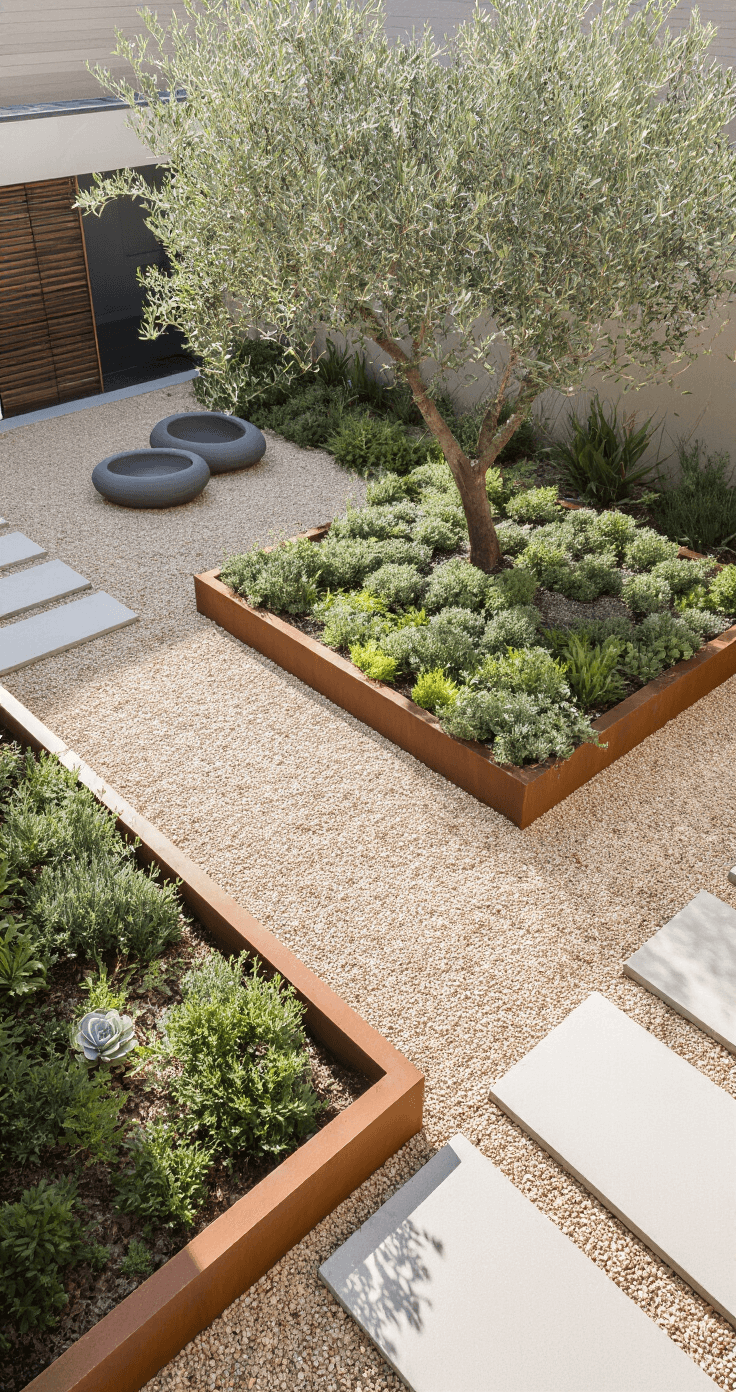
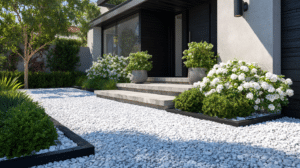
🖼 Steal This Look
- Paint Color: Behr Garden Wall PPU10-14
- Furniture: weathered teak potting bench with zinc top for potting and display
- Lighting: solar-powered copper stake lights with amber LED
- Materials: crushed limestone gravel, corten steel edging, raw cedar raised beds
There’s something deeply satisfying about a gravel garden that thrives on neglect—it’s the ultimate proof that beautiful design doesn’t have to mean high maintenance, and watching bees discover your catmint on a summer afternoon never gets old.
👑 Get The Look
Design Tips That’ll Make Your Neighbors Jealous
Location Matters
- Full sun exposure
- Well-draining soil
- Minimal shade
Installation Secrets
- Remove existing vegetation
- Install solid edging
- Use weed barrier (optional but recommended)
- Spread 3-5 inches of gravel
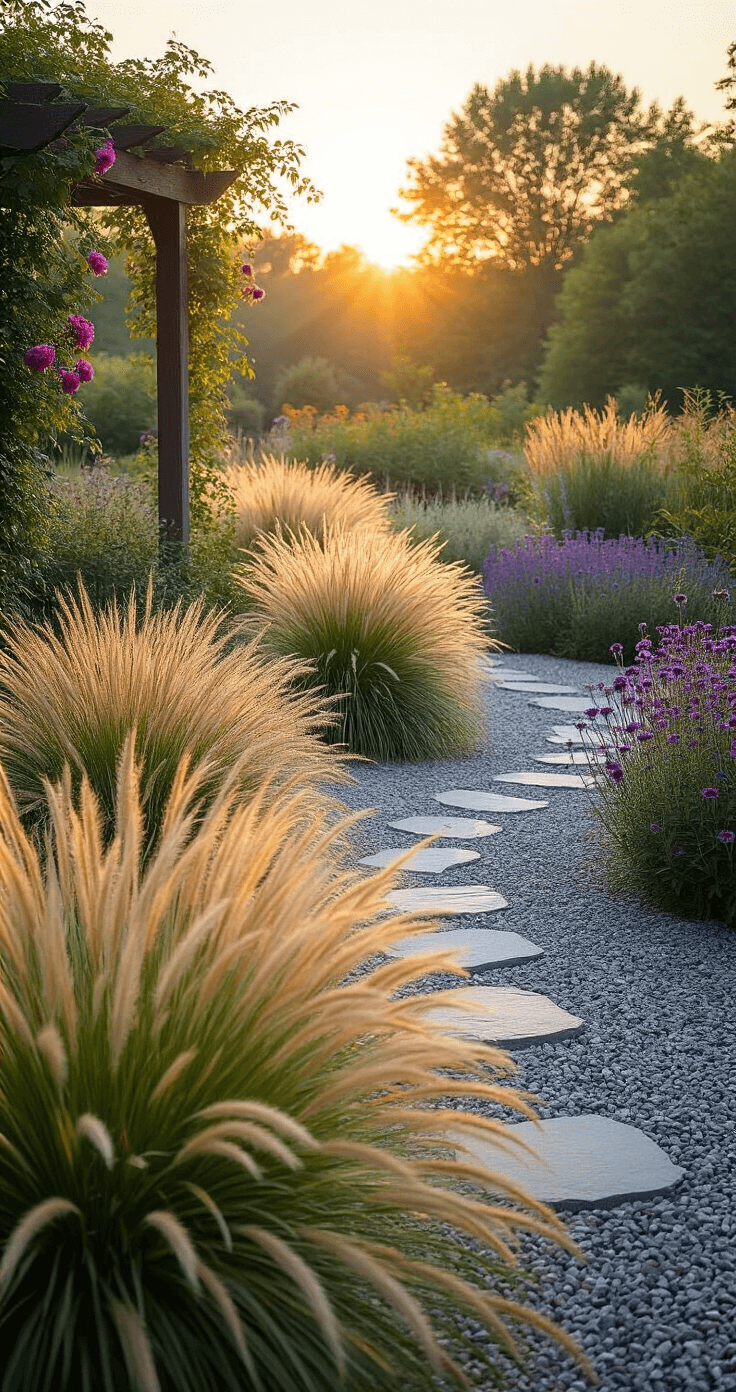
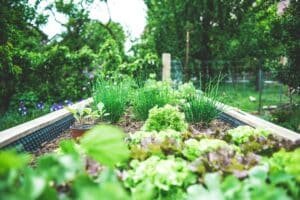
💡 Steal This Look
- Paint Color: Valspar Garden Stone 5002-4B
- Furniture: Weathered teak Adirondack chairs with olive green Sunbrella cushions, paired with a reclaimed barn wood potting bench repurposed as a serving station
- Lighting: Solar-powered copper pathway lights with hammered glass shades, plus overhead string lights with vintage Edison bulbs suspended from black iron shepherd’s hooks
- Materials: Decomposed granite in warm tan-gray tones, Mexican river rock in mixed sizes (1-3 inch), corten steel edging strips, and drought-tolerant ornamental grasses like blue fescue and feather reed grass
There’s something deeply satisfying about the crunch underfoot in a well-executed gravel garden—it signals intentionality and low-maintenance confidence that busy neighbors will quietly covet.
Maintenance: Not Completely Hands-Off
Contrary to popular belief, gravel gardens need some TLC:
- Regular weeding
- Occasional plant trimming
- Gravel top-ups every few years
Pro Tips from a Gravel Garden Enthusiast
- Skip the fertilizer
- Allow plants to self-seed
- Create generous path widths
- Mix textures and colors
- Incorporate rocks and metal accents
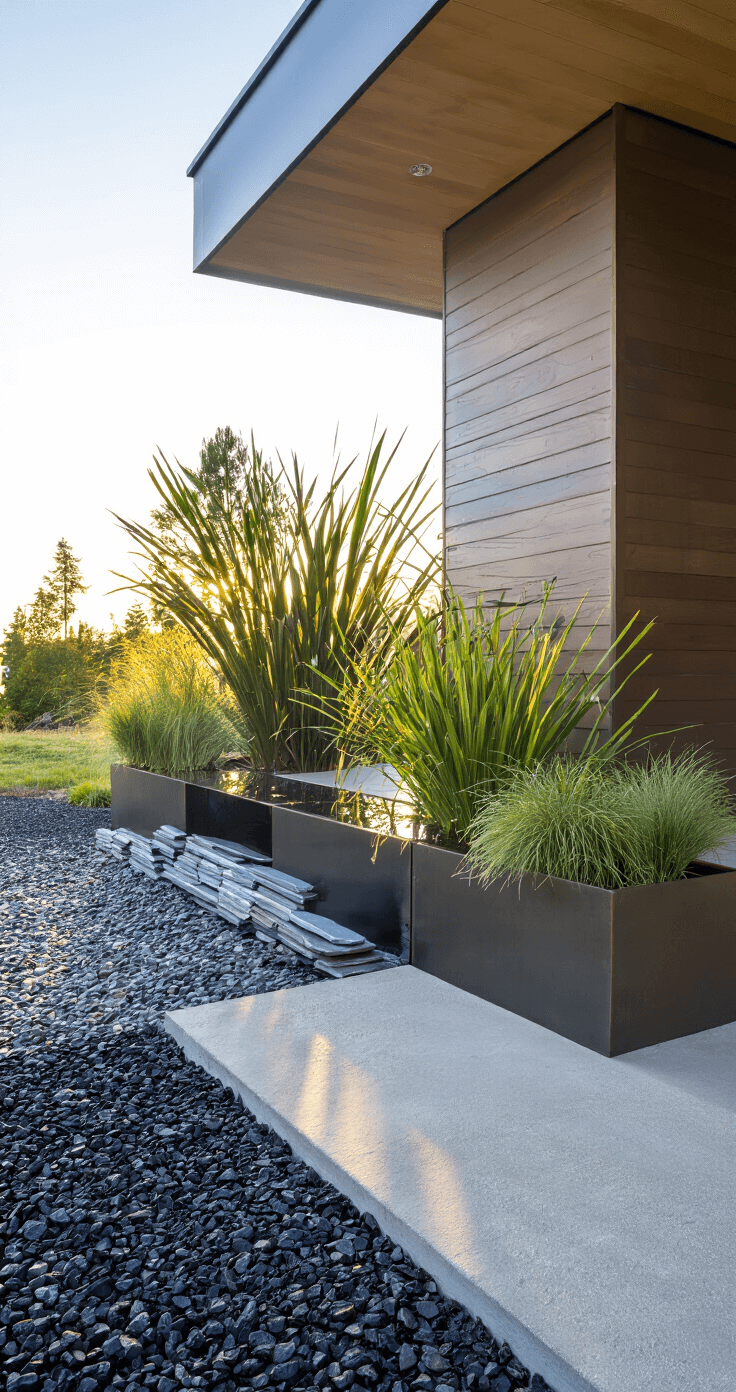
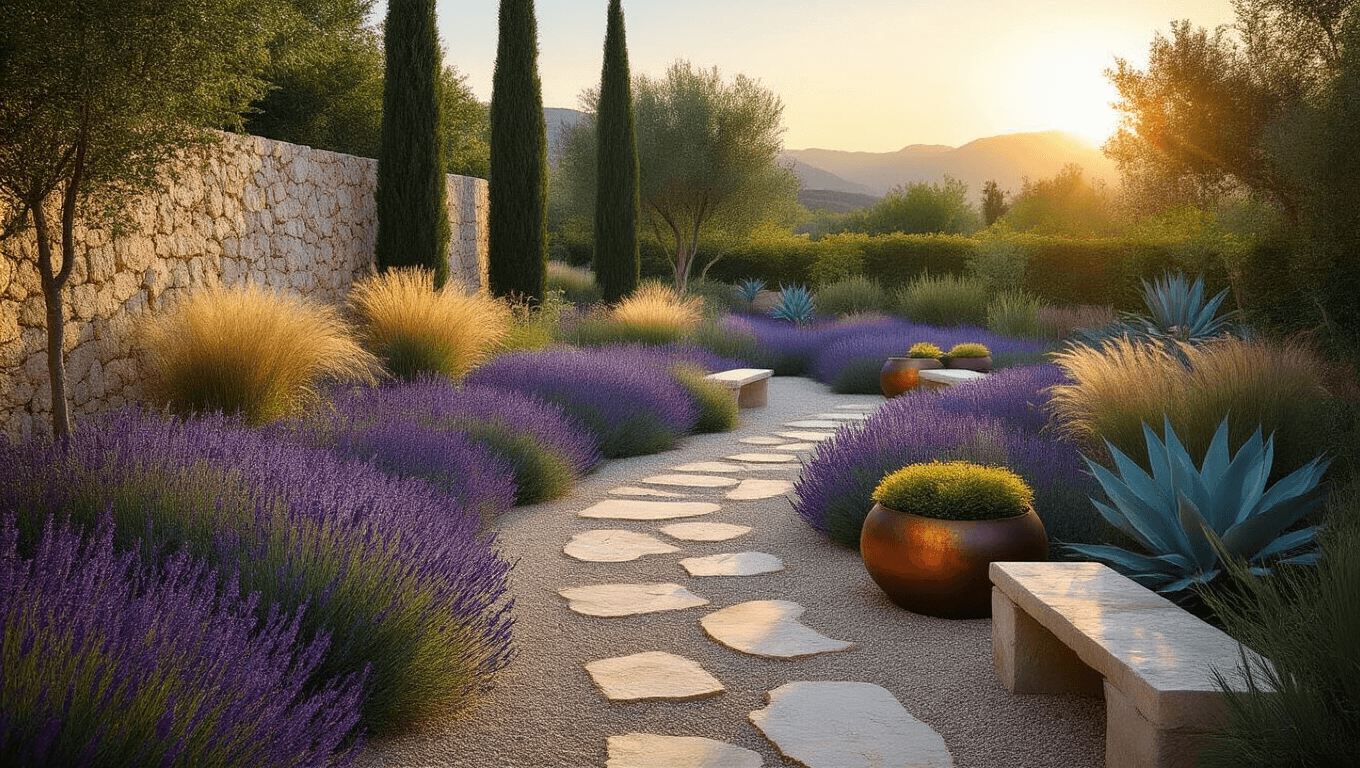
🖼 Steal This Look
- Paint Color: Dunn-Edwards Olivewood DET631
- Furniture: weathered teak Adirondack chair with wide slats
- Lighting: hammered copper solar path lights with amber LED
- Materials: crushed decomposed granite, rusted corten steel edging, river rock boulders, galvanized metal planters
There’s something deeply satisfying about watching volunteers pop up between the stones each spring—this is the garden that keeps giving back with zero guilt about imperfection.
Save this article
Enter your email and we'll send it straight to your inbox.
Wildlife Bonus
Your gravel garden isn’t just pretty—it’s a pollinator playground! Bees, butterflies, and beneficial insects will thank you.
Style Versatility
From minimalist modern to rustic Mediterranean, gravel gardens adapt to ANY aesthetic:
- Courtyard chic
- Backyard retreat
- Entryway elegance
- Prairie-inspired landscapes
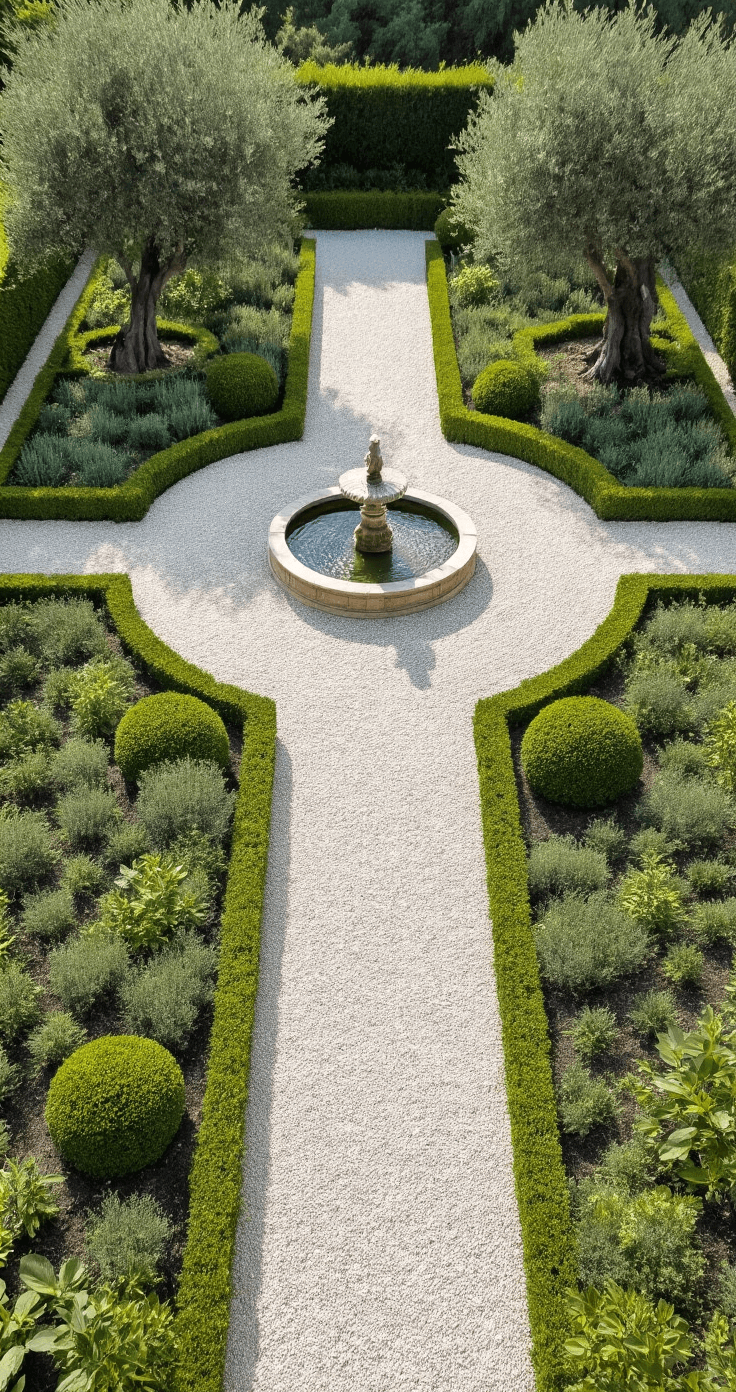
🖼 Steal This Look
- Paint Color: Fine Paints of Europe Hollandlac Brilliant Pewter 5002
- Furniture: Weathered teak Adirondack chair with slatted back for courtyard seating, paired with a reclaimed wood potting bench
- Lighting: Cast brass path lights with seeded glass shades, low-voltage LED for gravel pathway illumination
- Materials: Crushed limestone gravel in varied sizes (3/8″ to 1″), corten steel edging, hand-thrown terracotta planters, untreated cedar raised beds
I’ve walked gardens where the same crushed granite reads Japanese zen in one corner and Texas Hill Country in another—the magic is in what you surround it with, not the stone itself.
Cost and Water Savings
By switching to a gravel garden, you could:
- Reduce water usage by 50-70%
- Cut landscape maintenance costs
- Increase property value
- Create a unique outdoor space
Common Mistakes to Avoid
- ❌ Over-fertilizing
- ❌ Choosing wrong plants
- ❌ Inadequate edging
- ❌ Ignoring drainage
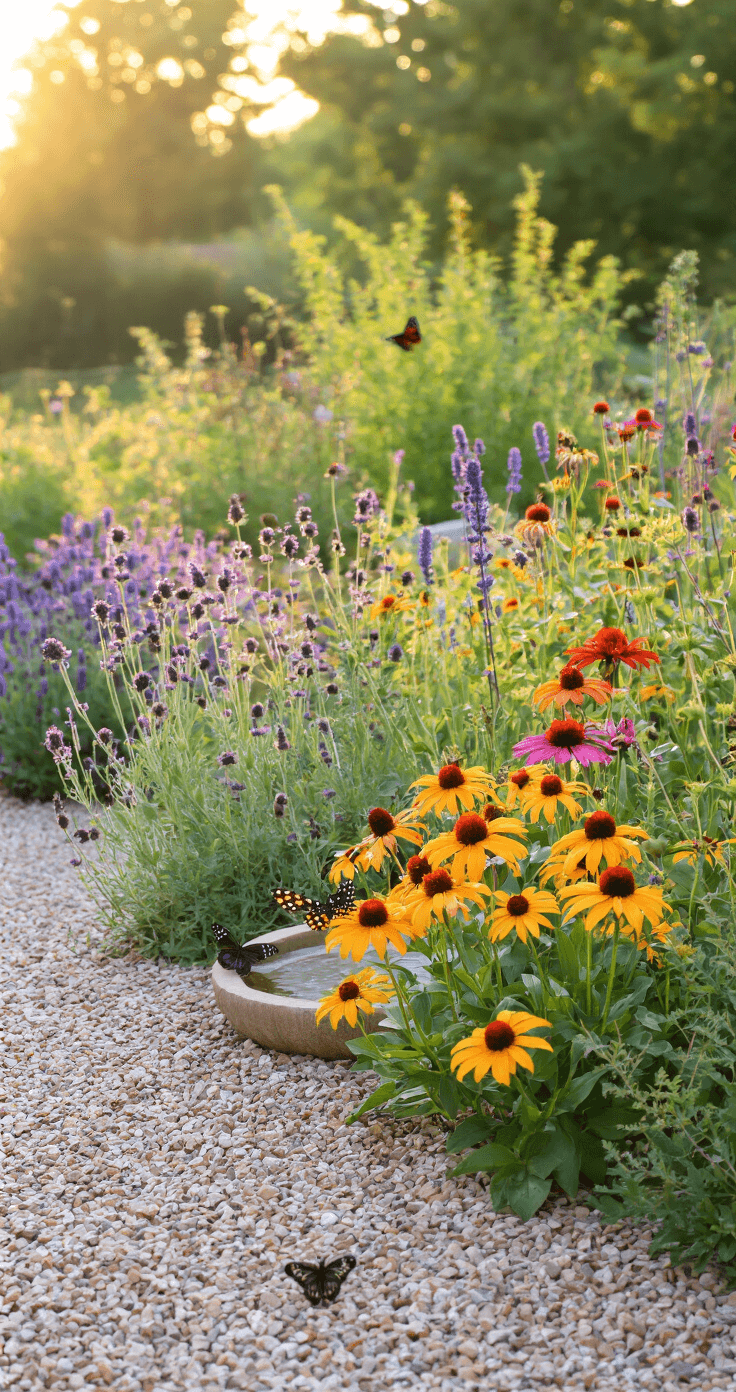
🌟 Steal This Look
- Paint Color: Sherwin-Williams Garden Sage SW 6165
- Furniture: weathered teak bench with slatted seat for garden seating area
- Lighting: solar-powered bollard lights with warm 2700K output along gravel pathways
- Materials: crushed limestone gravel, corten steel edging strips, geotextile fabric underlayment, drought-tolerant ornamental grasses
I’ve watched too many beautiful gravel garden visions turn into weedy mud pits because homeowners skipped the edging and drainage prep, so this section comes from years of seeing what actually fails when the rain comes.
Final Thoughts
Gravel gardens aren’t just a trend—they’re a sustainable lifestyle choice. With minimal effort, you’ll create a stunning, eco-friendly landscape that saves water, time, and money.
Ready to Transform Your Yard?
Start small. Experiment. Learn. Your perfect gravel garden is waiting to bloom.
Pro tip: Browse Pinterest and gardening websites for endless inspiration and design ideas!
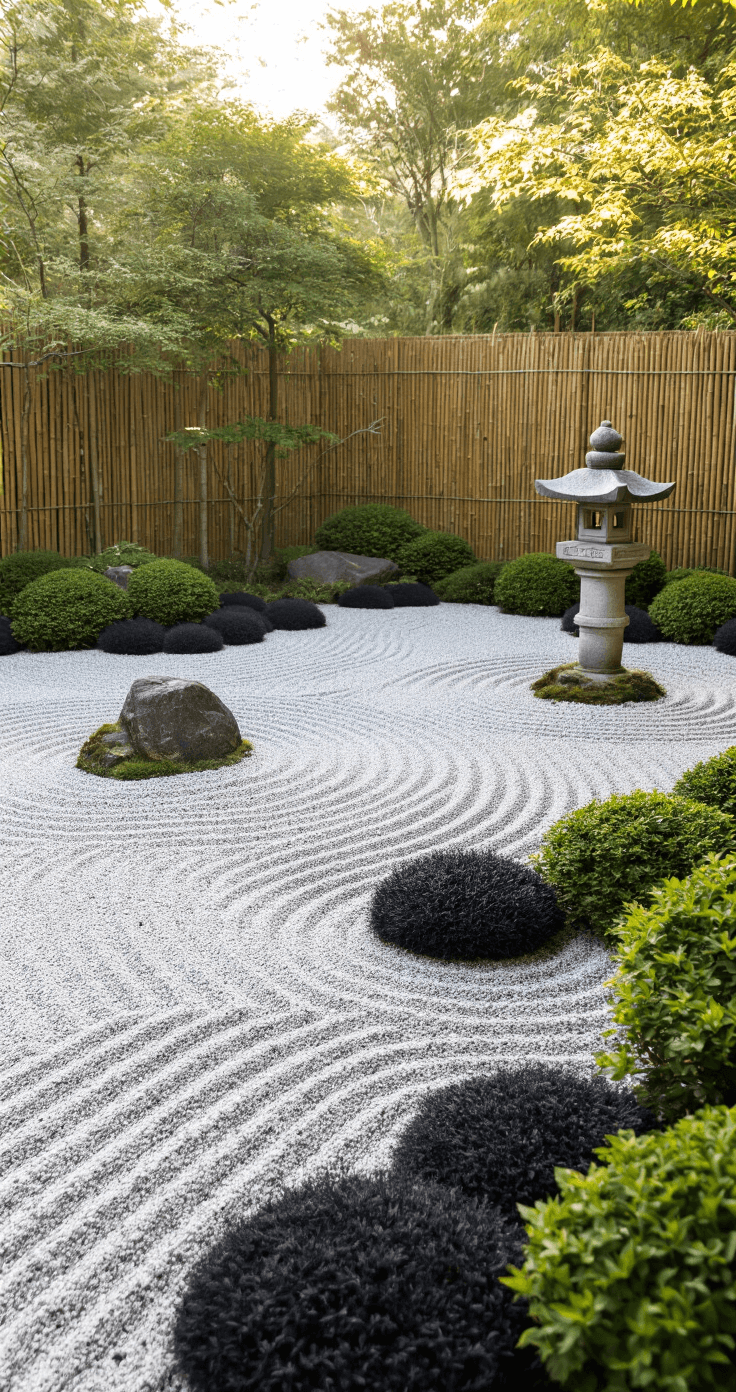
★ Steal This Look
- Paint Color: Farrow & Ball French Gray 18
- Furniture: weathered teak Adirondack chair with slatted seat for garden seating area
- Lighting: solar-powered bollard lights with warm 2700K LED output
- Materials: crushed limestone gravel in 20mm size, corten steel edging strips, reclaimed brick pavers, drought-tolerant ornamental grasses
There’s something deeply satisfying about raking fresh gravel and watching evening light catch the stone textures; this is the garden style that actually gets better when you neglect it a little.
Want to keep this one?
We'll email you the link so you can find it again later.