This post may contain affiliate links. Please see my disclosure policy for details.
Creating Beautiful Gardens with Trees: Your Ultimate Guide to Woodland Landscaping
Trees transform gardens from ordinary spaces into magical, living landscapes. Let me walk you through the art of designing stunning woodland gardens that will make your outdoor space breathe with life.
Why Woodland Gardens are a Gardener’s Dream
Woodland gardens aren’t just random collections of trees and plants. They’re carefully crafted ecosystems that celebrate nature’s incredible design. Imagine stepping into a space where sunlight dances through leafy canopies, and every corner tells a story of natural harmony.
Key Challenges You’ll Navigate:
- Competing root systems
- Limited sunlight
- Complex soil conditions
- Seasonal plant growth variations
Design Secrets for Stunning Tree-Filled Gardens
★ Steal This Look
- Paint Color: Sherwin-Williams Ripe Olive SW 6209
- Furniture: weathered teak Adirondack chair with wide arms for holding garden books and morning coffee
- Lighting: solar-powered copper path lights with warm 2700K LED bulbs, staggered along winding garden paths
- Materials: moss-covered fieldstone, untreated cedar mulch, hand-forged iron plant markers, natural bark nuggets
There’s something deeply grounding about watching a tree you planted as a whip grow into a shade-giving giant; woodland gardens reward patience in ways instant landscapes never can.
Understanding Your Green Canvas
Trees are more than just background elements. They’re the architectural backbone of your garden. Their roots, branches, and seasonal changes dictate what can thrive beneath them.
Pro Tip: Think of your trees like living sculptures that create microclimates within your garden.
Strategic Plant Selection
Not all plants are created equal in woodland settings. You need tough, shade-loving performers that can coexist with tree roots.
Top Shade-Loving Plants:
- Hostas – The ultimate shade champions
- Ferns – Elegant and resilient
- Astilbe – Adds dramatic color
- Bleeding Hearts – Romantic woodland bloomers
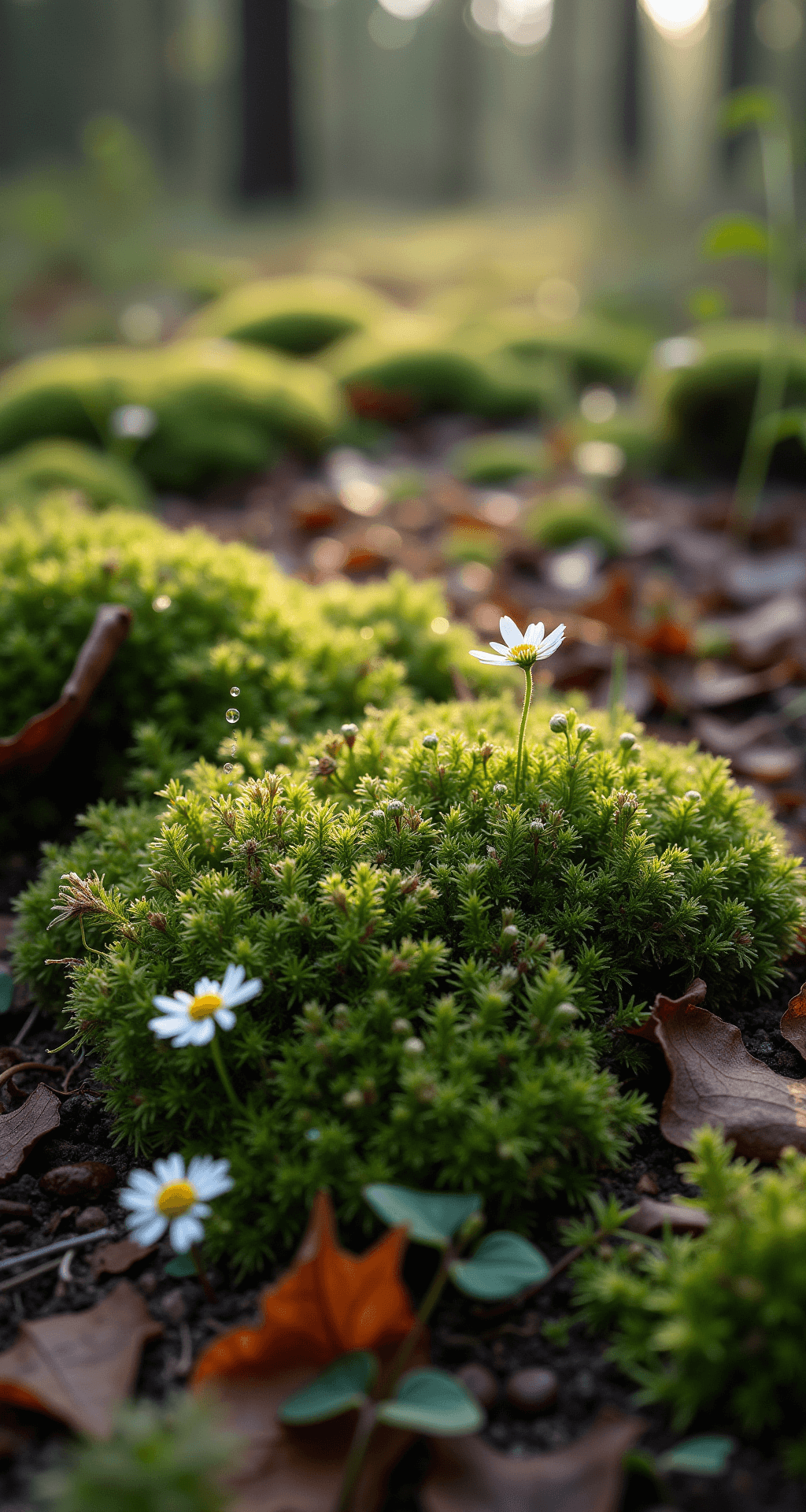
- Moss – Nature’s perfect ground cover
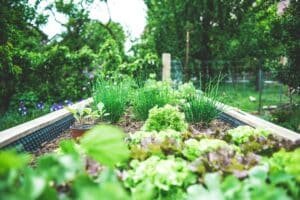
🖼 Steal This Look
- Paint Color: Farrow & Ball Green Smoke 47
- Furniture: weathered teak potting bench with zinc top
- Lighting: solar-powered rattan pendant cluster for tree canopy hanging
- Materials: aged terracotta, raw limestone gravel, hand-forged iron plant markers, untreated cedar raised beds
There’s something deeply satisfying about walking a shaded garden path where every plant thrives because you’ve worked with the trees rather than against them—these are the gardens that feel like they’ve always been there.
Seasonal Design Strategies
Spring Approach:
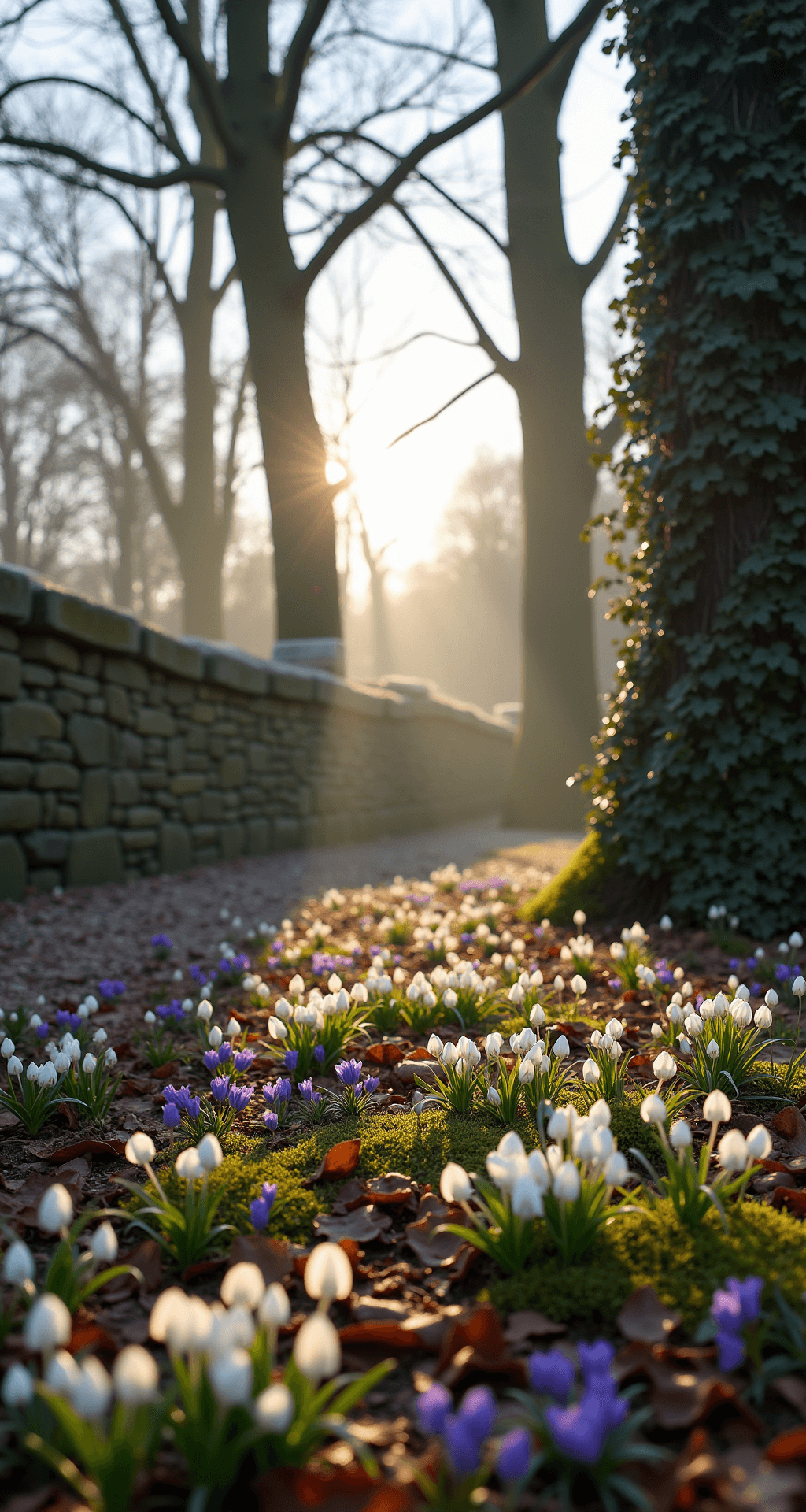
- Plant early-blooming bulbs before tree canopies fully develop
- Choose snowdrops, crocuses, and winter aconites
Summer Strategy:
- Focus on plants with interesting foliage
- Use lighter-colored plants to brighten shaded areas
Autumn Magic:
Save this article
Enter your email and we'll send it straight to your inbox.
- Embrace tree leaf colors as your primary palette
- Add understory plants with complementary autumn hues

Practical Woodland Garden Tips
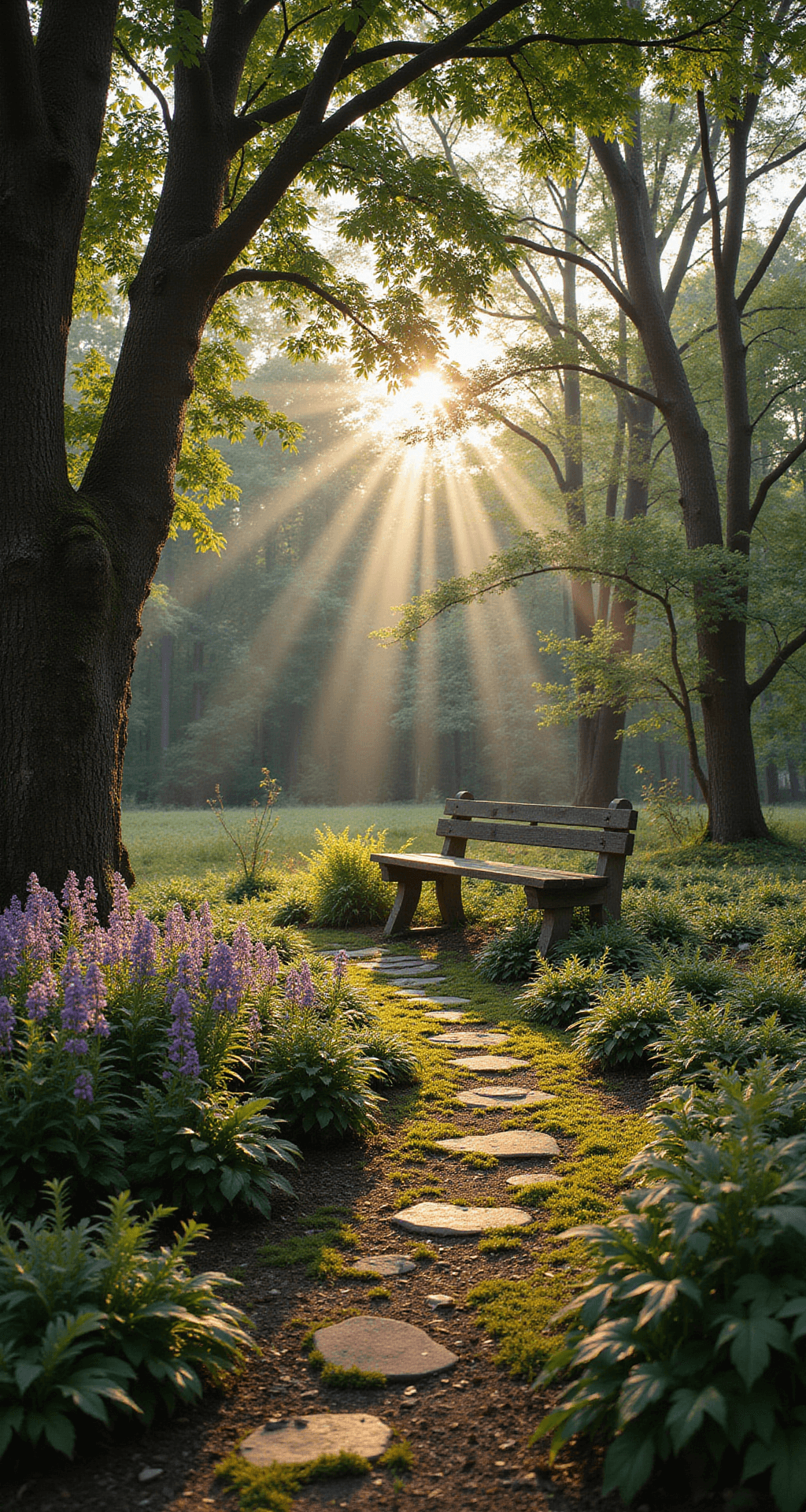
★ Steal This Look
- Paint Color: Behr Woodland Sage N400-3
- Furniture: weathered teak garden bench with curved back, positioned beneath mature canopy trees
- Lighting: solar-powered copper path lights with warm 2700K output, staggered along woodland walkways
- Materials: natural bark mulch, aged limestone stepping stones, moss-covered river rocks, untreated cedar raised beds
There’s something almost meditative about timing your garden to the rhythm of the canopy above—watching light shift through leaves teaches you patience that no design book can, and the reward of that first snowdrop pushing through leaf litter while branches are still bare never loses its quiet magic.
Root Protection Techniques
- Use organic mulch to create a protective layer
- Avoid deep digging near tree roots
- Plant shade-tolerant species with minimal root disturbance
Water Management Essentials
- Install drip irrigation systems
- Mulch extensively to retain moisture
- Water deeply but infrequently
Legal Considerations
- Check local tree preservation regulations
- Consult arborists before major tree modifications
- Understand your property’s ecological constraints
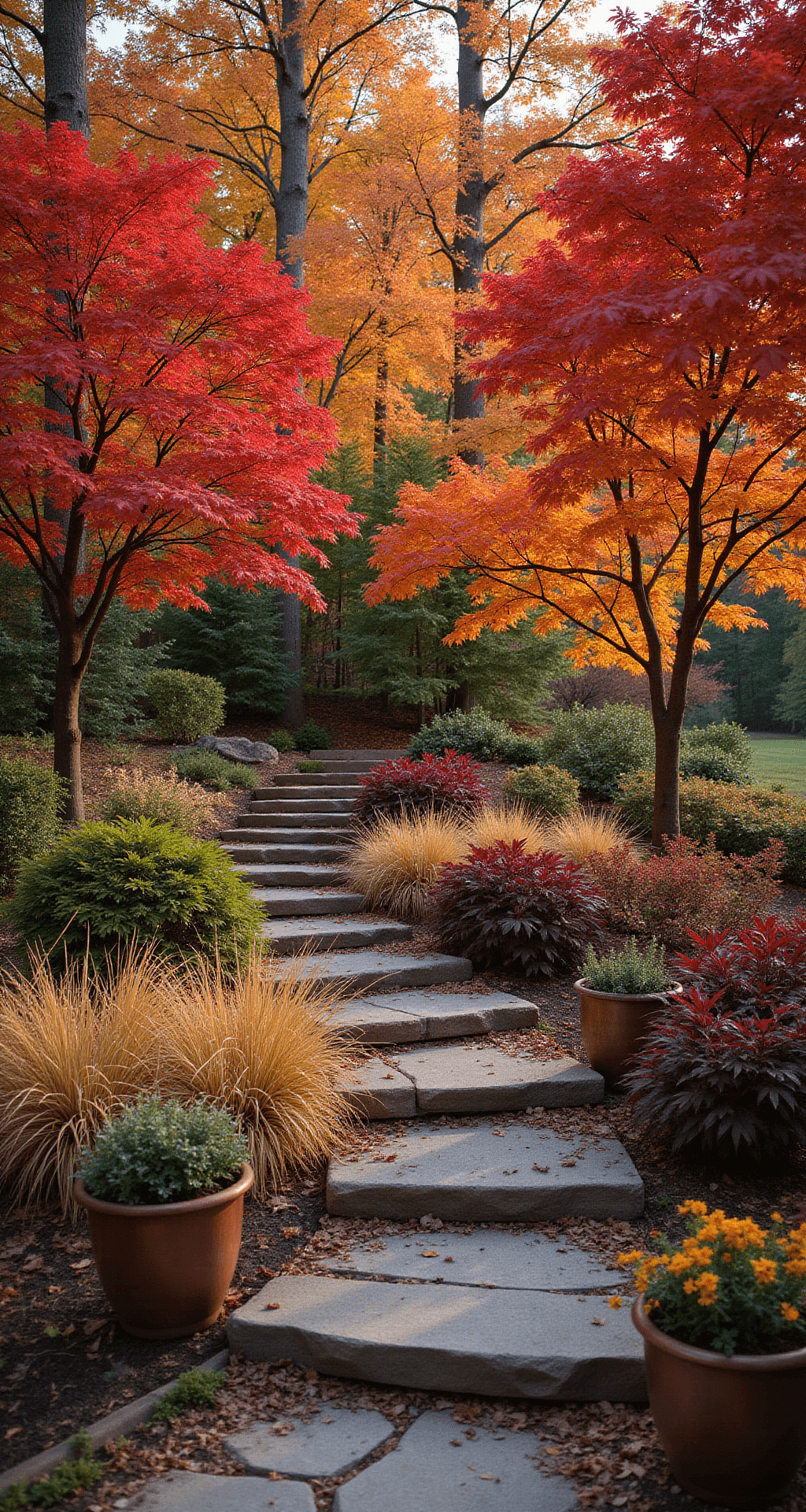
Transforming Your Woodland Garden: A Step-by-Step Approach
- Assess Your Space
- Map existing trees
- Analyze sunlight patterns
- Identify natural clearings
- Design with Nature
- Create meandering paths
- Establish focal points
- Integrate seating areas
- Plant Strategically
- Layer plants by height
- Mix textures and colors
- Consider year-round interest
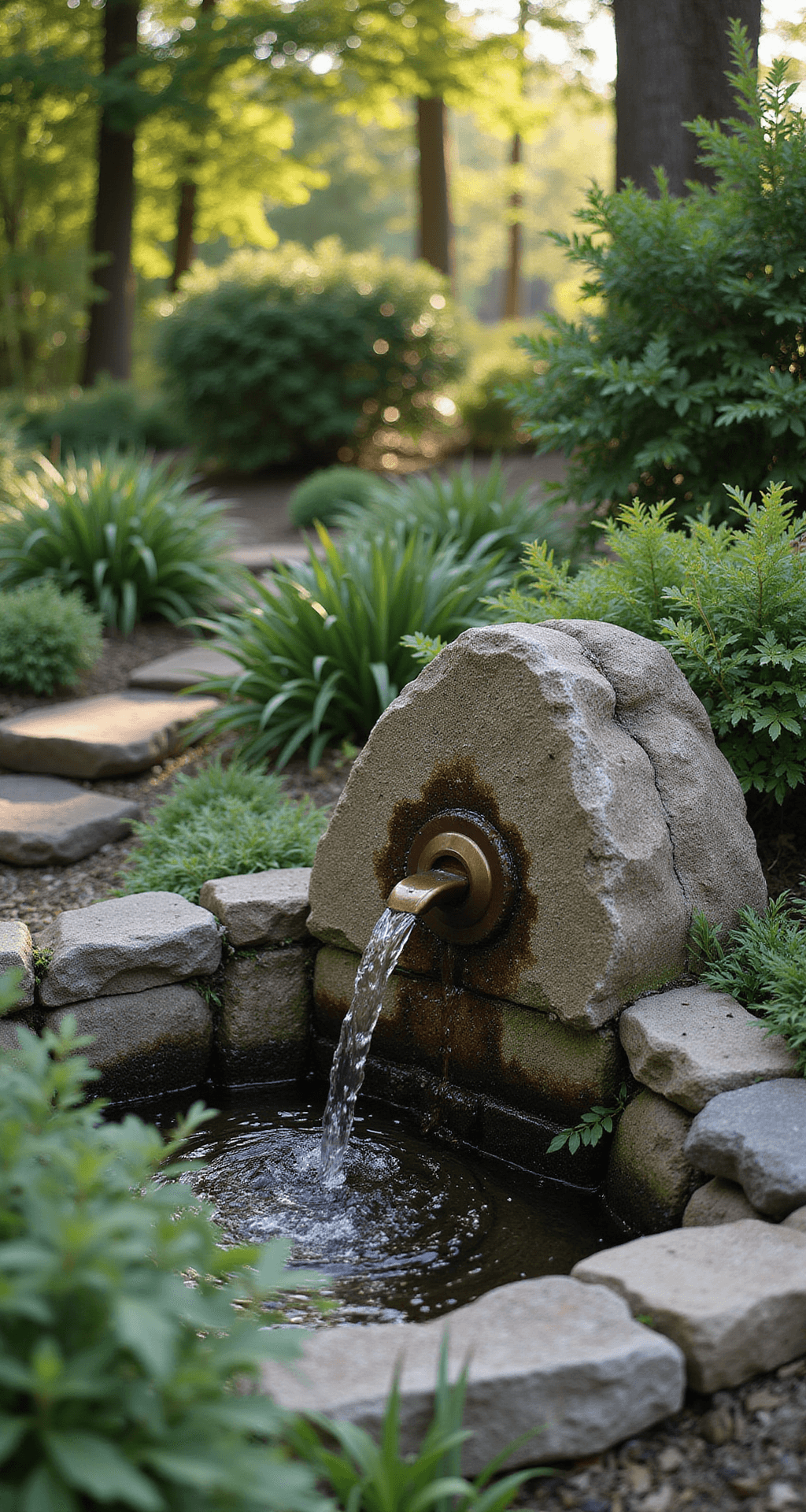
Common Mistakes to Avoid
🚫 Don’t:
- Overcrowd tree bases
- Ignore root systems
- Use inappropriate plants
- Forget about maintenance
✅ Do:
- Observe natural growth patterns
- Work with existing landscape
- Be patient
- Experiment and adapt

Final Thoughts
Woodland gardens are living, breathing masterpieces. They require patience, understanding, and a deep respect for nature’s intricate design.
Remember: Every garden tells a story. Make yours a beautiful, natural narrative that evolves with time.
Happy Gardening!
🏠 Steal This Look
- Paint Color: use Dunn-Edwards brand. Match the ACTUAL wall color in the image. Format: Dunn-Edwards ColorName CODE
- Furniture: weathered teak Adirondack chair with wide arms for garden viewing
- Lighting: solar-powered path lights with warm 2700K output and motion sensors
- Materials: natural stone pavers, untreated cedar mulch, wrought iron accents
There’s something humbling about stewarding land with trees that predate you—this isn’t about imposing your vision but learning to read what’s already there and editing with a light hand.
Want to keep this one?
We'll email you the link so you can find it again later.