This post may contain affiliate links. Please see my disclosure policy for details.
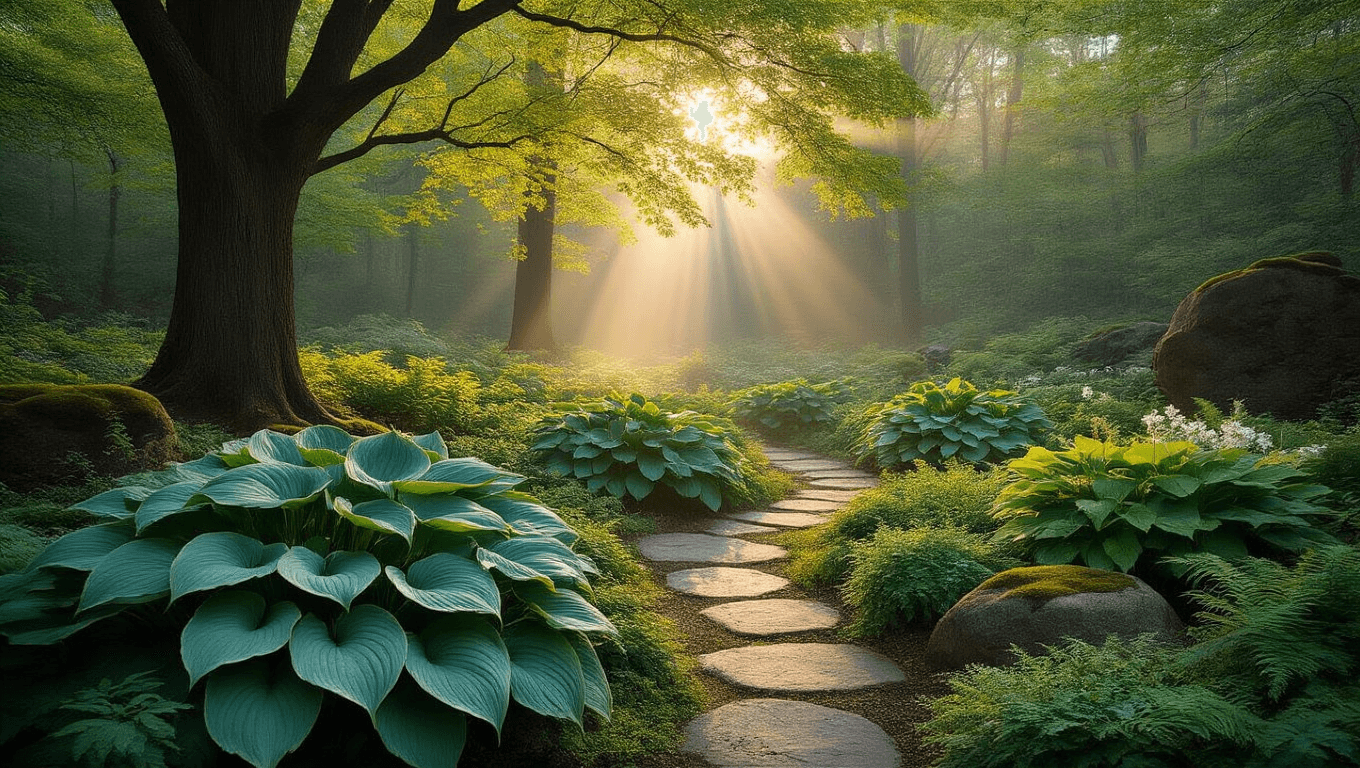
Let’s dive into the magical world of hosta gardens – a sanctuary of lush, low-maintenance green paradise that transforms shady spaces into breathtaking botanical masterpieces. With their wide variety of leaf shapes, colors, and textures, hostas bring elegance and depth to any garden design. From deep emerald greens to variegated whites and golds, these versatile plants thrive where many others struggle, making them a favorite for shaded corners and woodland landscapes.
Whether you’re looking to create a calming retreat under tall trees or add structure to your backyard borders, hostas are a gardener’s dream. They pair beautifully with ferns, hydrangeas, and shade-loving ground covers, creating layers of natural beauty that evolve throughout the seasons. To start planning your own lush escape, you can explore hosta starter plants or add a touch of charm with decorative garden edging that frames your hosta beds perfectly.
Why Hosta Gardens Are a Game-Changer
Imagine walking into a garden where every shade tells a story. Hostas are the unsung heroes of landscape design, offering:
Perfect solution for challenging garden spaces – If you have tricky corners, damp areas, or uneven light, hostas can transform them into inviting, verdant spots. Browse hosta planting kits for an easy start.Imagine walking into a garden where every shade tells a story. Hostas are the unsung heroes of landscape design, offering:
Incredible variety in leaf size, color, and texture – From tiny, delicate leaves to large, bold varieties, there’s a hosta for every style. Explore a selection of hosta varieties to find your perfect match.
Remarkable adaptability to shade conditions – They thrive in low-light areas where many plants struggle, making them ideal for under trees or alongside shady walkways. Consider pairing them with shade-tolerant companion plants for a fuller effect.
Low-maintenance beauty that looks stunning with minimal effort – Once established, hostas require little attention, letting you enjoy their lush foliage without constant care. Keep your garden thriving with garden care tools.
Getting Started: Your Hosta Garden Essentials
Design Fundamentals
Creating a show-stopping hosta garden isn’t rocket science. It’s about understanding a few key principles:
- Shade is Your Friend
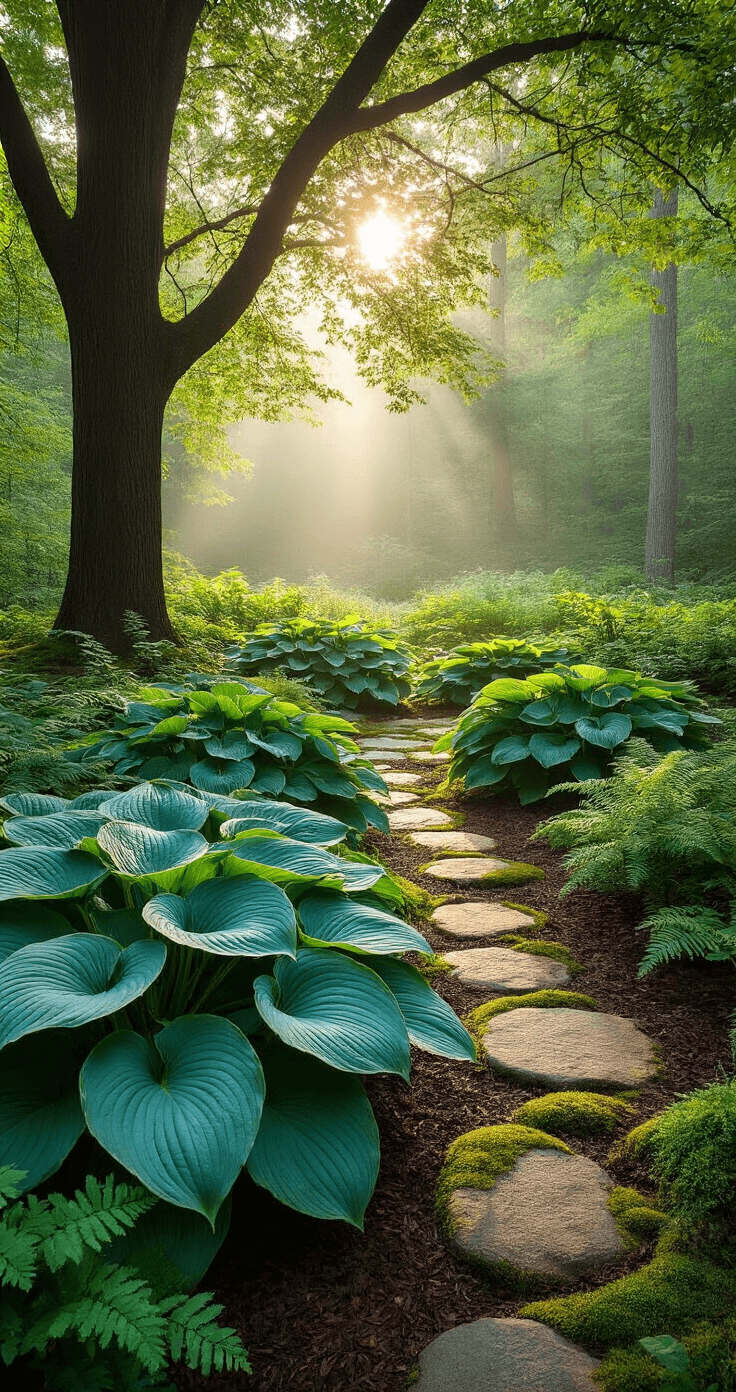
Hostas thrive in dappled or full shade – those tricky garden spots where other plants give up. Think under trees, along north-facing walls, or in those awkward corner spaces.
- Texture is Everything
Mix and match hosta varieties like a pro:
- Large, puckered leaves for drama
- Fine-textured companions like ferns
- Variegated types for visual interest
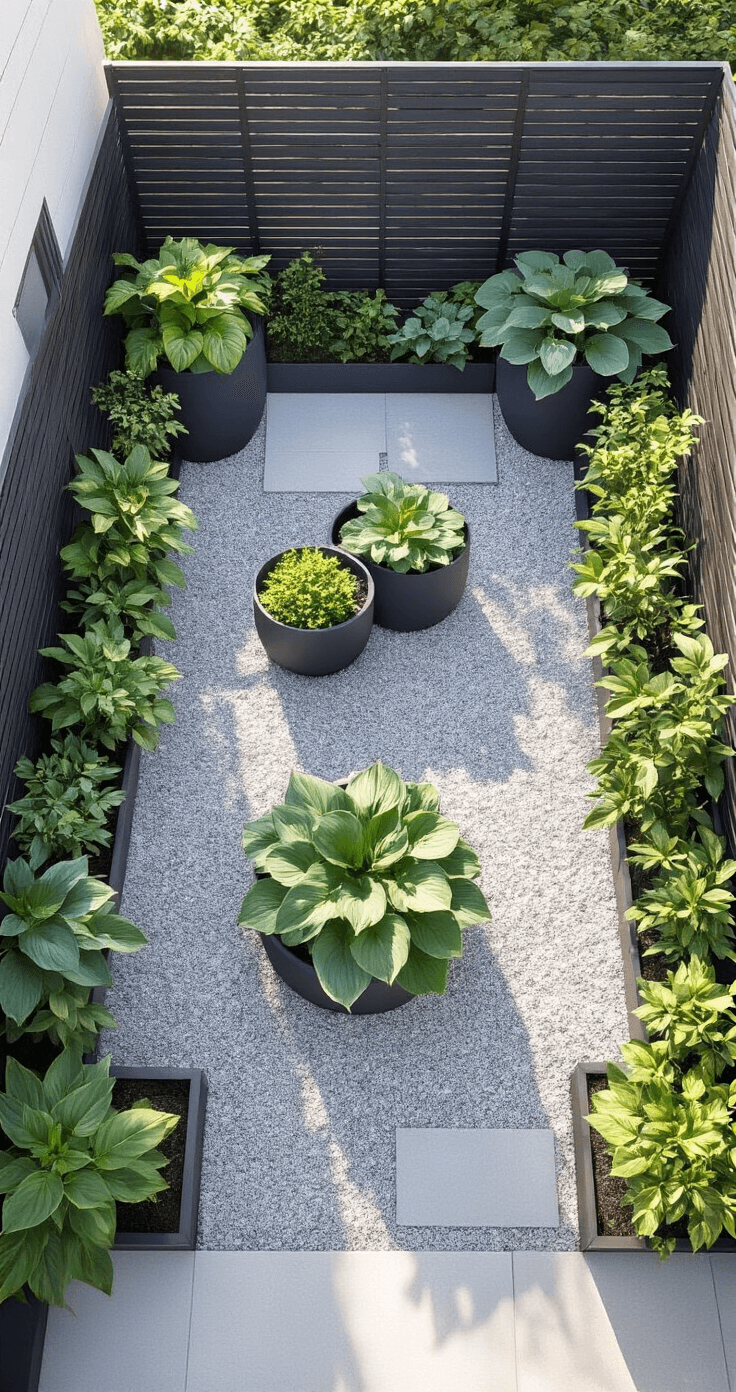
Color Palette Magic
Your hosta garden isn’t just green – it’s a symphony of:
- Blue-green tones – These calming shades create a serene backdrop for other plants. Check out blue-green hosta varieties to enhance your garden’s tranquility.
- Chartreuse highlights – Vibrant chartreuse leaves add pops of brightness and energy. Explore chartreuse hostas to make your beds stand out.
- Gold-kissed leaves – Warm gold tones bring sunlight into shady spots. Find gold hosta varieties for a luminous effect.
- White-edged varieties – Crisp white margins provide contrast and elegance. Browse white-edged hostas to add sophistication.
Pro Tip: Limit variegation to prevent visual chaos. Balance is key! You can also use garden markers to keep track of your hosta varieties and plan a harmonious layout.
🏠 Steal This Look
- Paint Color: Sherwin-Williams Ripe Olive SW 6209
- Furniture: weathered teak Adirondack chair with wide slats
- Lighting: solar-powered copper path lights with seeded glass
- Materials: moss-covered limestone, aged cedar mulch, hammered copper accents
There’s something deeply satisfying about a plant that actually wants your problem spots—those dark corners where you’ve already killed three ferns and a begonia. Hostas don’t judge; they just grow.
Save this article
Enter your email and we'll send it straight to your inbox.
Planning Your Hosta Haven
Step-by-Step Garden Creation
- Assess your shade situation
- Prepare soil with rich, well-draining compost
- Choose anchor plants (large varieties like ‘Empress Wu’)
- Fill in with smaller, complementary hostas
- Add texture with companion plants
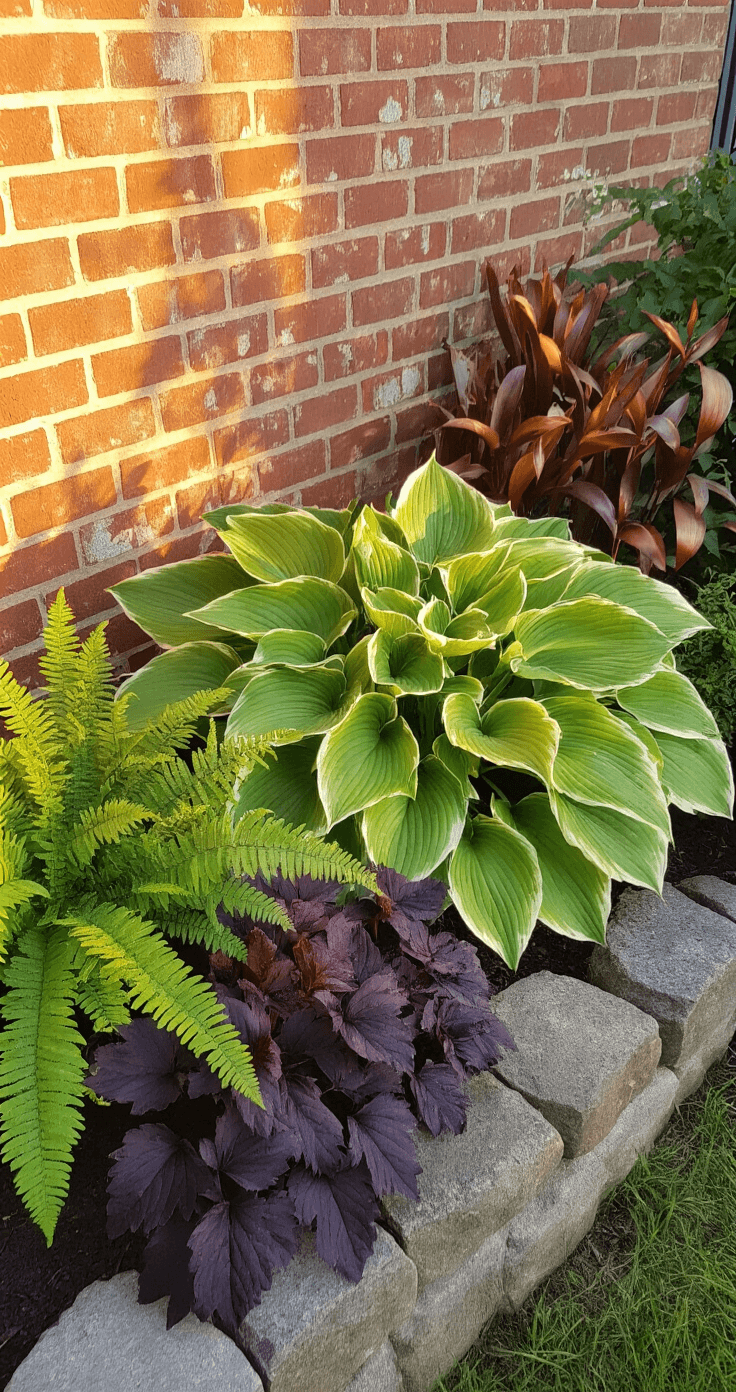
Budget-Friendly Strategies
- Start small – 3-5 plant clusters make maximum impact
- Mix rare and common varieties
- Use upcycled containers
- Source plants during end-of-season sales
✎ Steal This Look
- Paint Color: Benjamin Moore Garden Cucumber 644
- Furniture: weathered teak potting bench with galvanized steel top
- Lighting: solar-powered rattan pendant clusters hung from pergola beams
- Materials: aged limestone pavers, untreated cedar edging, crushed slate mulch, hand-thrown terracotta
There’s something quietly addictive about hosta gardening—maybe it’s how forgiving they are when life gets busy, or how a single rainstorm can make a ‘Blue Angel’ leaf look like it’s been hand-polished overnight.
Styling Secrets That Wow
Photography and Presentation Tips
- Shoot during soft morning or late afternoon light
- Capture overhead and close-up shots
- Use natural backgrounds like tree trunks or fencing
- Highlight unique leaf patterns and colors
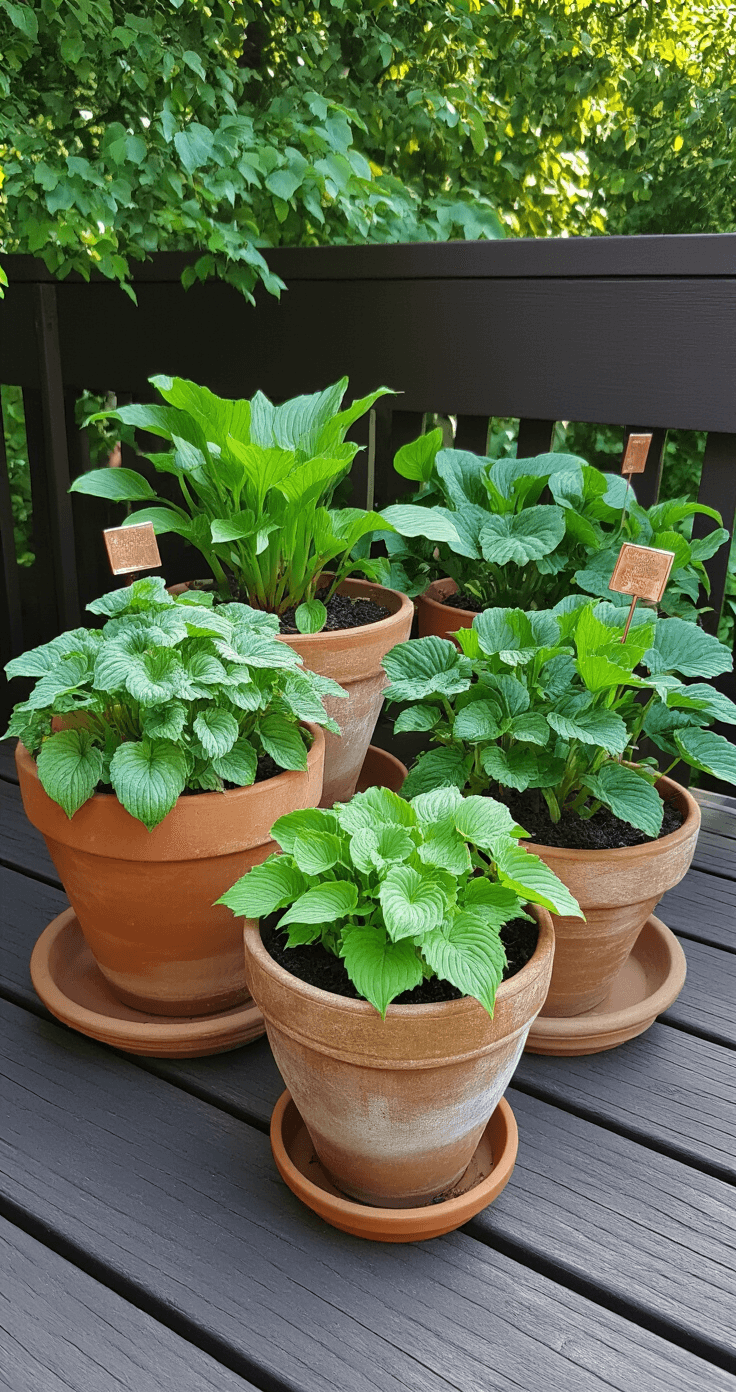
Seasonal Transformation
- Spring: Bulb companions
- Summer: Peak lushness
- Fall: Maintaining structure
- Winter: Architectural interest
Common Mistakes to Avoid
- ❌ Overcrowding plants
- ❌ Ignoring soil drainage
- ❌ Forgetting about winter protection
- ❌ Neglecting pest management
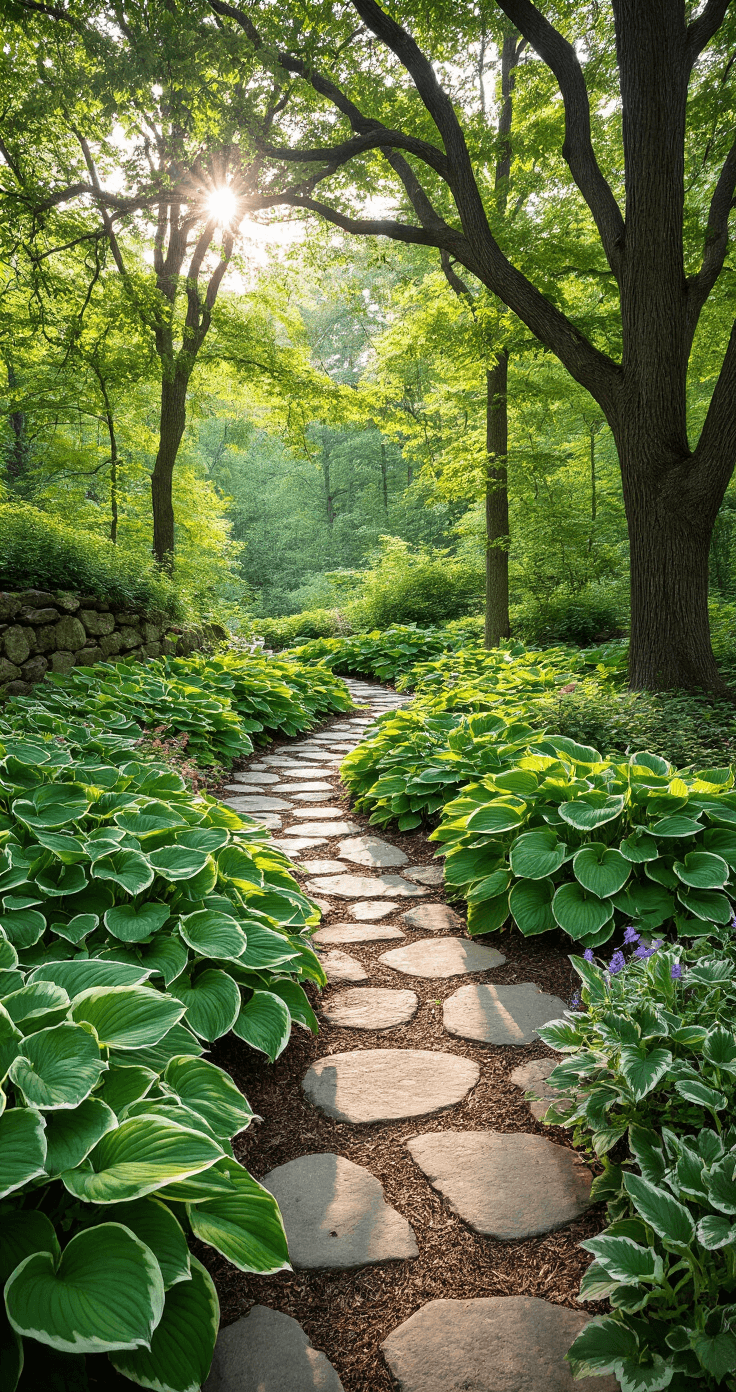
Maintenance Made Simple
- Water consistently
- Mulch to retain moisture
- Divide every 3-4 years
- Protect from slugs and deer
🎨 Steal This Look
- Paint Color: Behr Nature’s Gift N390-3
- Furniture: weathered teak potting bench with galvanized steel top and lower shelving for tool storage
- Lighting: solar-powered LED path lights with hammered bronze finish and warm 2700K output
- Materials: cedar mulch, crushed limestone gravel, untreated pine edging, and breathable landscape fabric
Every hosta gardener has lost a prized variegated specimen to soggy soil or watched slugs turn August leaves into lace—this section exists because these mistakes are painfully common and entirely preventable with the right setup from day one.
Extra Design Inspiration
Consider blending your hosta garden with:
- Woodland themes
- Modern patio containers
- Naturalistic landscape designs
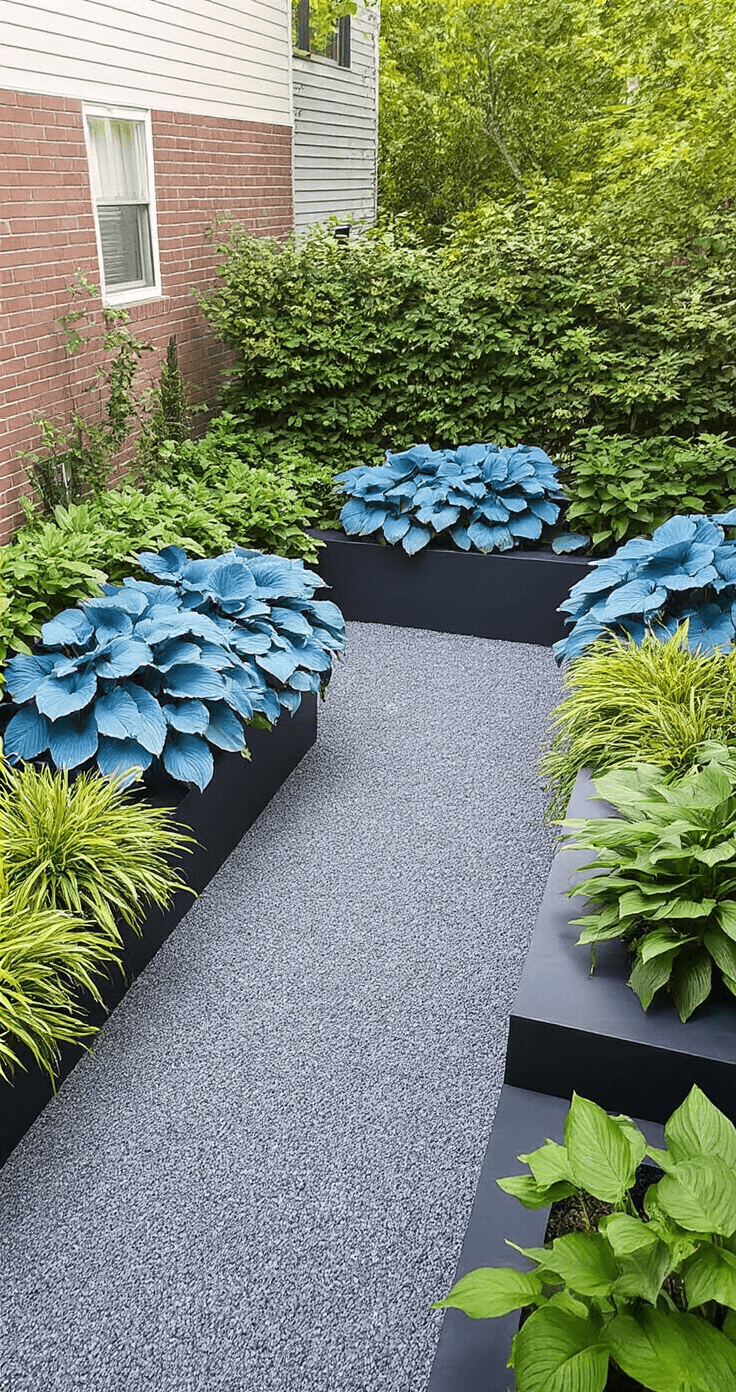
💡 Steal This Look
- Paint Color: Valspar Garden Path 5003-3B
- Furniture: weathered teak Adirondack chair with moss-green Sunbrella cushion
- Lighting: solar-powered rattan globe string lights with warm 2700K output
- Materials: river rock mulch, aged cedar raised beds, hand-thrown terracotta pots with patina, reclaimed barn wood edging
There’s something deeply satisfying about a hosta garden that feels discovered rather than installed—like stumbling upon a quiet clearing in the woods where every leaf catches the morning light just right.
The Final Touch: Your Unique Style
Remember, a hosta garden is more than plants – it’s a living artwork that reflects your personal design aesthetic. Don’t be afraid to experiment, mix unexpected companions, and create a space that speaks to you.
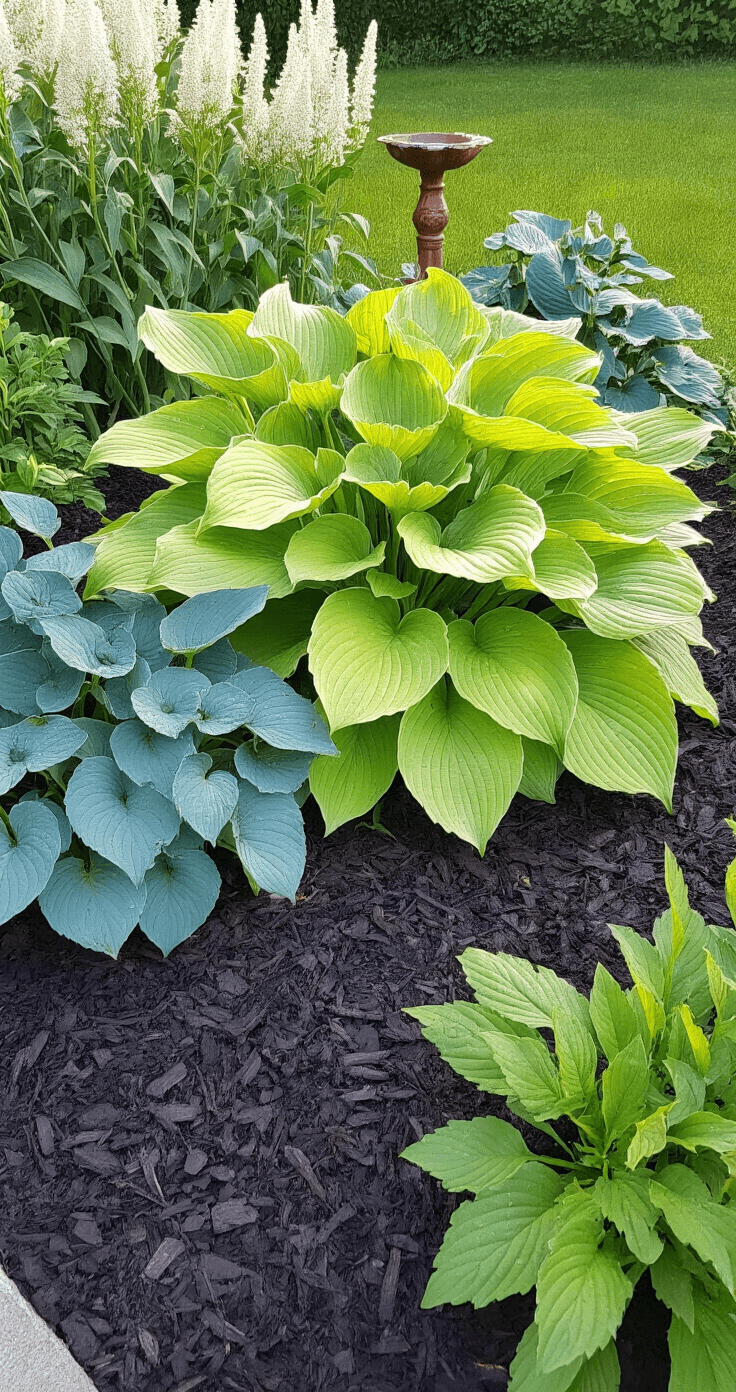
Ready to transform those shady spots into botanical masterpieces? Your hosta garden adventure starts now!
Pro Gardener’s Toolkit
- ✓ Quality gardening gloves
- ✓ Sharp spade
- ✓ Organic compost
- ✓ Patience and creativity
Happy gardening!
★ Steal This Look
- Paint Color: PPG Glade Green PPG1130-6
- Furniture: weathered teak potting bench with galvanized steel top
- Lighting: solar-powered vintage-style shepherd’s hook path lights with warm 2700K output
- Materials: aged limestone pavers, untreated cedar edging, hand-thrown terracotta, brushed brass hose bibs, natural jute twine
This is where your garden becomes unmistakably yours—maybe that’s a single rusted obelisk draped in chartreuse ‘Sum and Substance’ leaves, or a hidden stone frog peeking from beneath ‘Patriot’ variegation. The best hosta gardens feel discovered, not decorated.
Want to keep this one?
We'll email you the link so you can find it again later.