This post may contain affiliate links. Please see my disclosure policy for details.
Have you ever dreamed of creating a peaceful oasis right in the heart of your home? Tsubo-niwa is your answer. These compact Japanese courtyard gardens are more than just a design trend—they’re a philosophy of living beautifully in small spaces.
What Exactly is a Tsubo-Niwa?
Imagine squeezing tranquility into the tiniest corner of your home. That’s exactly what tsubo-niwa does. These miniature gardens are:
- Compact urban sanctuaries
- Designed to bring nature indoors
- Perfect for homes with limited outdoor space
- A meditation in design and simplicity
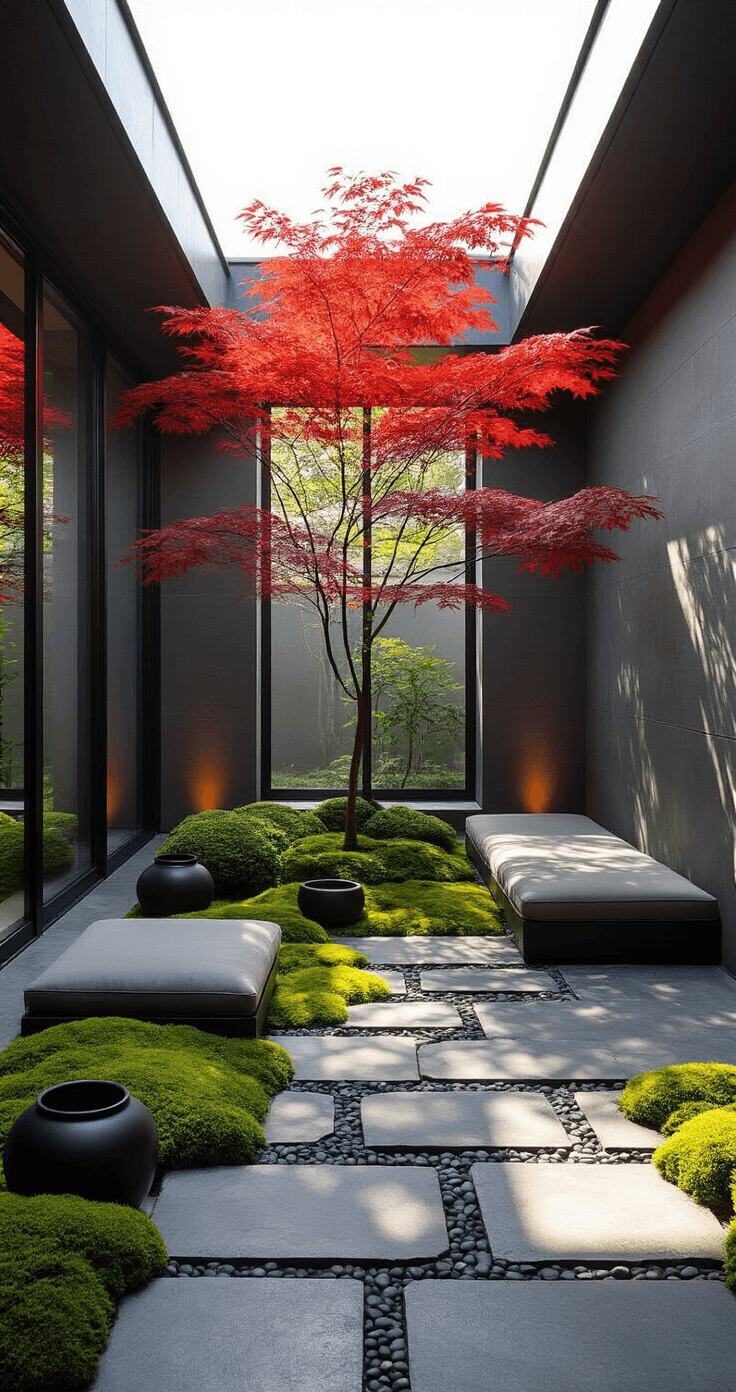
🌟 Steal This Look
- Paint Color: Sherwin-Williams Sageleaf SW 6164
- Furniture: low-profile wooden bench with clean lines, positioned to face the garden view
- Lighting: paper lantern pendant with warm LED, hung at seated eye level
- Materials: rough-hewn stone, untreated cedar, raked gravel, moss, bamboo screening
These pocket gardens were born from necessity in dense Kyoto townhouses, yet they offer something we all crave now—a private moment with nature that doesn’t demand a backyard or free weekends.
Essential Design Elements That Make Tsubo-Niwa Magic
Minimalism is Key
Forget overcrowded spaces. Tsubo-niwa thrives on:
- Carefully placed stones
- Sparse, intentional plant selection
- Empty space as a design element
- Zen-like simplicity
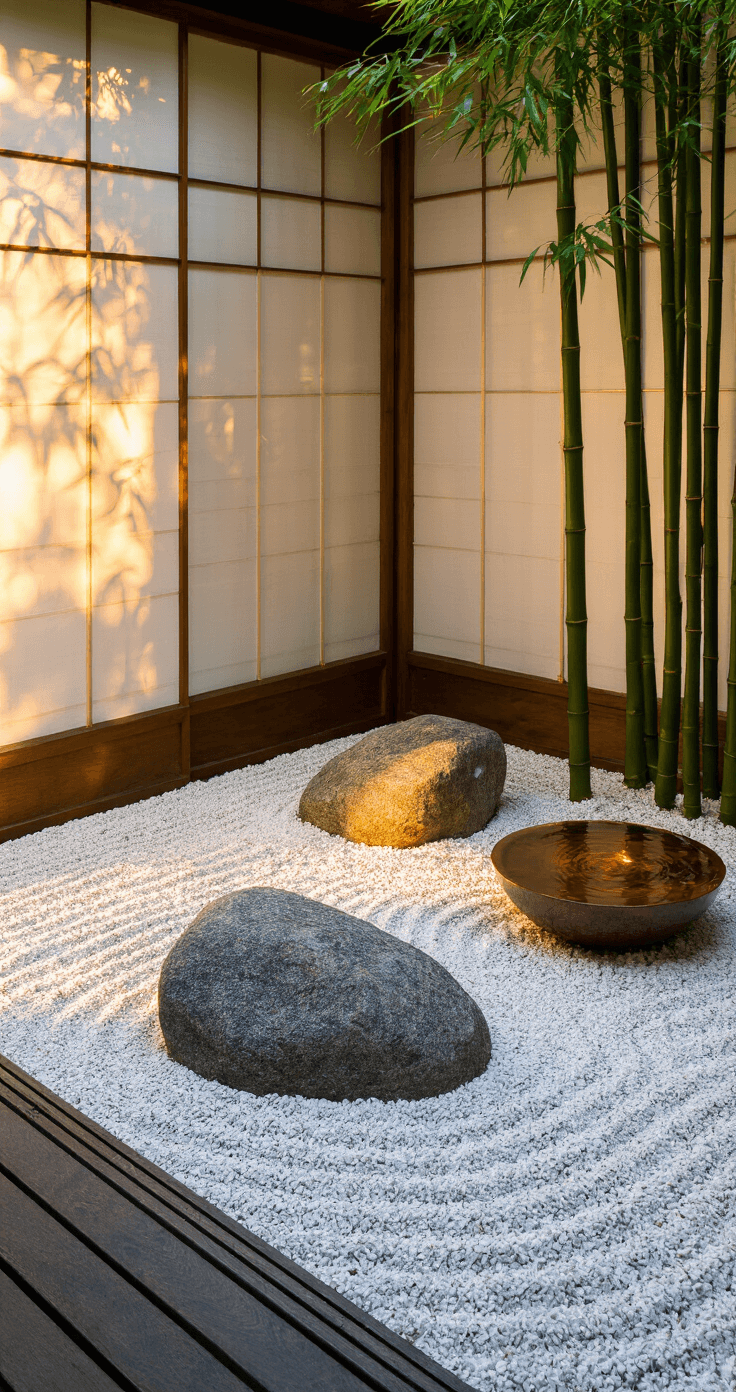
Plant Selection for Small Spaces
Not all plants can survive in these intimate gardens. Your dream tsubo-niwa loves:
- Shade-tolerant plants
- Dwarf varieties
- Moss
- Bamboo
- Small Japanese maples
Symbolic Landscape Design
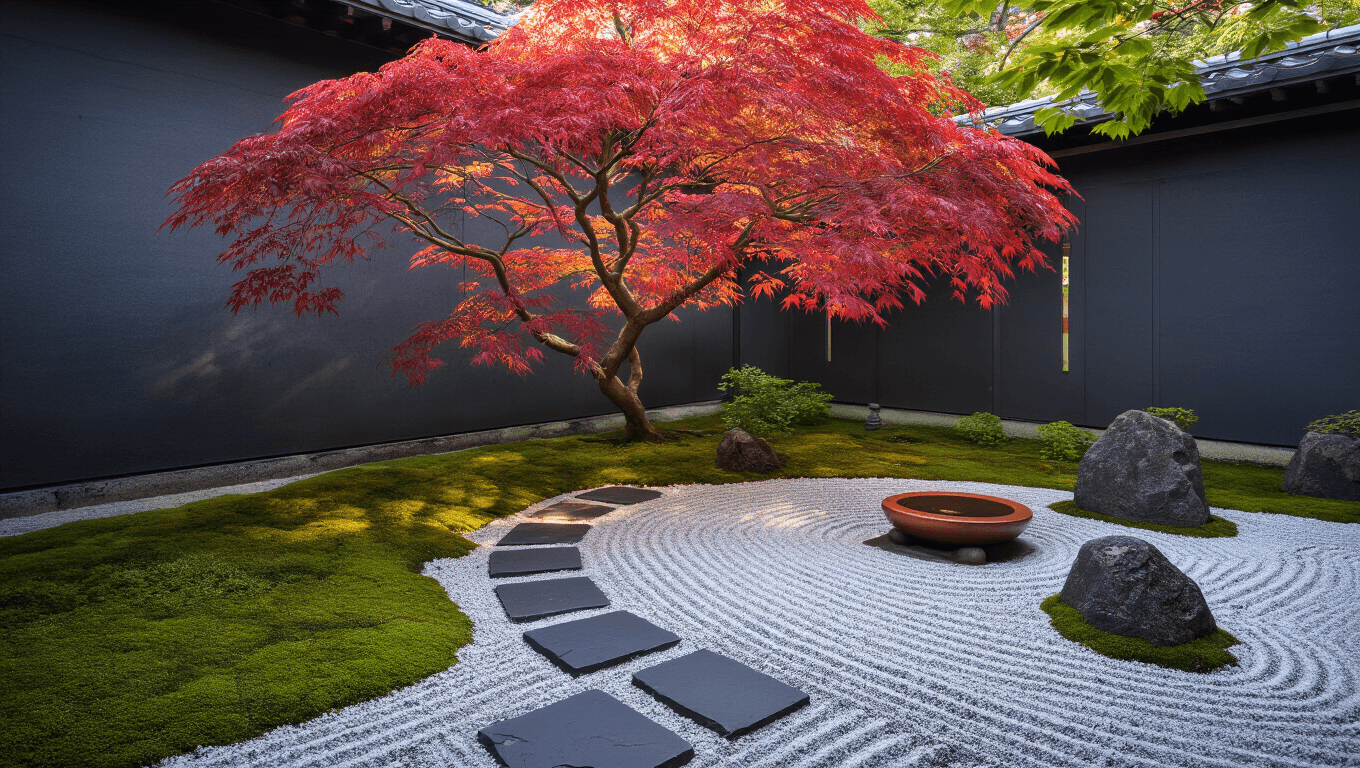
Each element tells a story. Rocks aren’t just rocks—they’re mountains. Gravel becomes rivers. Empty spaces breathe meaning.
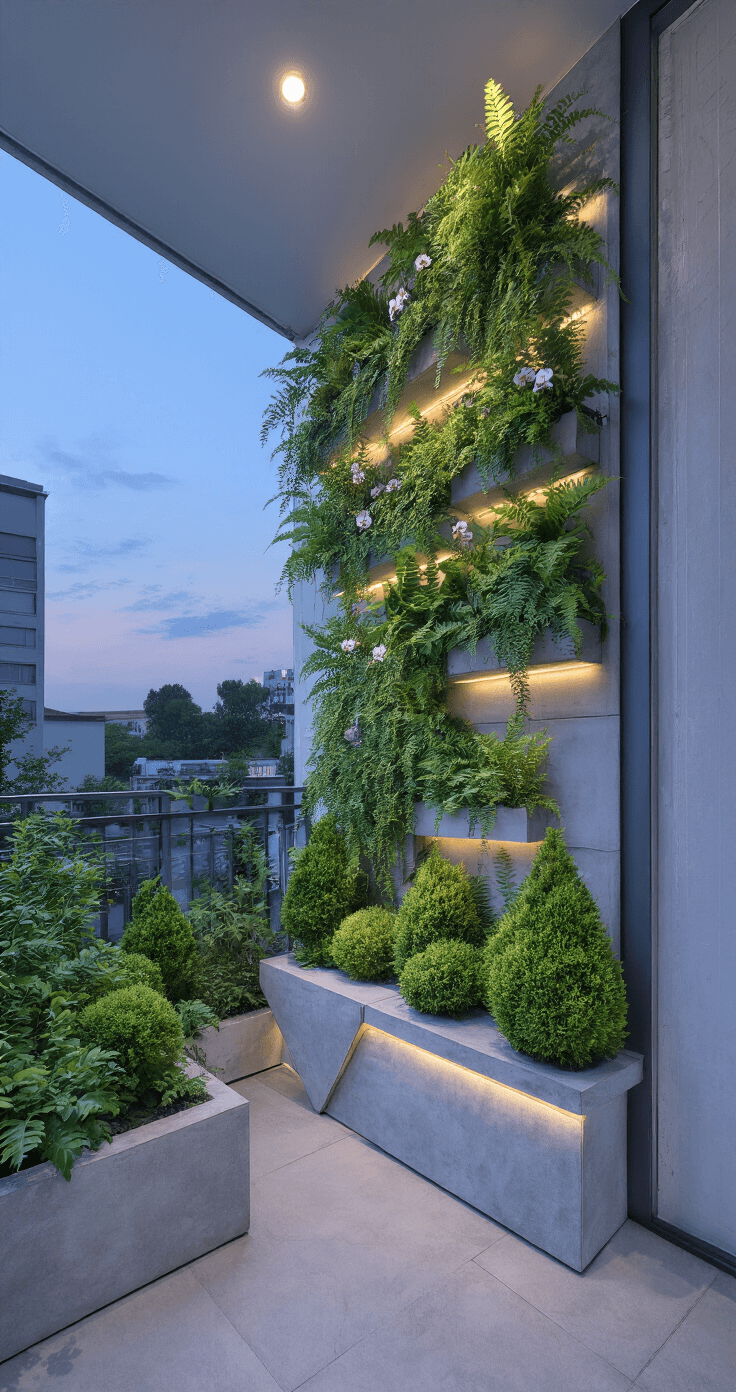
🎨 Steal This Look
- Paint Color: Benjamin Moore Quiet Moments 1563
- Furniture: low-profile teak meditation bench with clean joinery, positioned to face the garden view
- Lighting: shoji-style pendant with rice paper panels and warm LED, hung at seated eye level
- Materials: unpolished granite stepping stones, raked white gravel (shirakawa-suna), hand-split bamboo fencing, moss-covered akadama soil, rough-hewn cedar beams
There’s something almost meditative about maintaining the negative space in these gardens—I’ve found that the raked gravel becomes a daily practice in letting go of perfection.
Modern Adaptation: Making Tsubo-Niwa Work for You
Western Twist on Traditional Design
You don’t need to be in Japan to create magic. Try these contemporary approaches:
- Vertical gardens
- Clean, modern furniture
- Local plant adaptations
- Minimalist water features
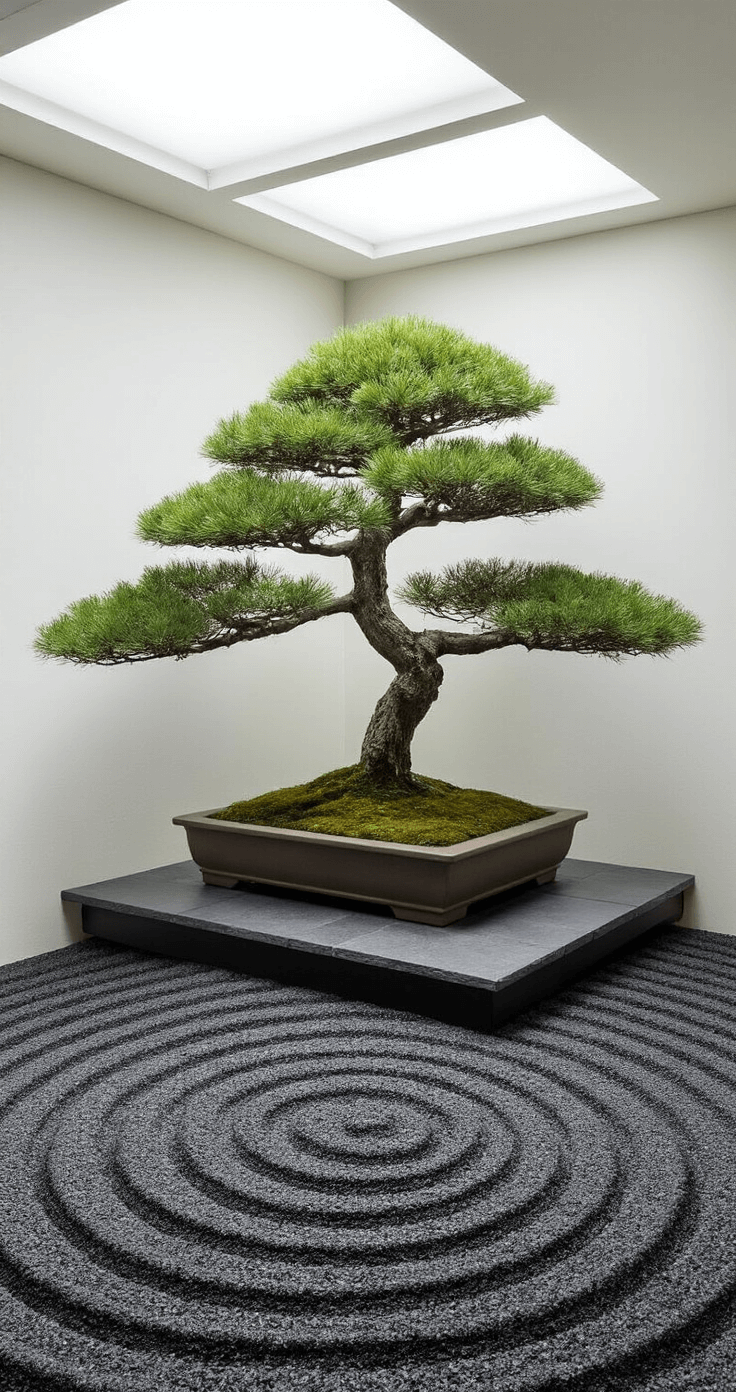
🌟 Steal This Look
- Paint Color: Farrow & Ball Green Smoke 47
- Furniture: low-profile teak platform daybed with integrated side tables, paired with a single sculptural Isamu Noguchi Akari floor lamp
- Lighting: recessed linear LED cove lighting along perimeter soffits plus one statement paper lantern pendant at seated eye level
- Materials: hand-troweled lime plaster walls, untreated cedar decking, river-worn basalt stepping stones, blackened steel planter boxes, and woven rush tatami mats
There’s something quietly radical about carving out stillness in the middle of daily life, and this pocket garden becomes your exhale—the place where you actually notice the shift of afternoon light.
Pro Tips for Creating Your Own Tsubo-Niwa
Design Like a Zen Master
- Layer your elements
- Create visual depth
- Use contrasting textures
- Embrace negative space
Maintenance Matters
Keep it simple:
Save this article
Enter your email and we'll send it straight to your inbox.
- Regular light pruning
- Minimal watering
- Occasional raking
- Thoughtful placement
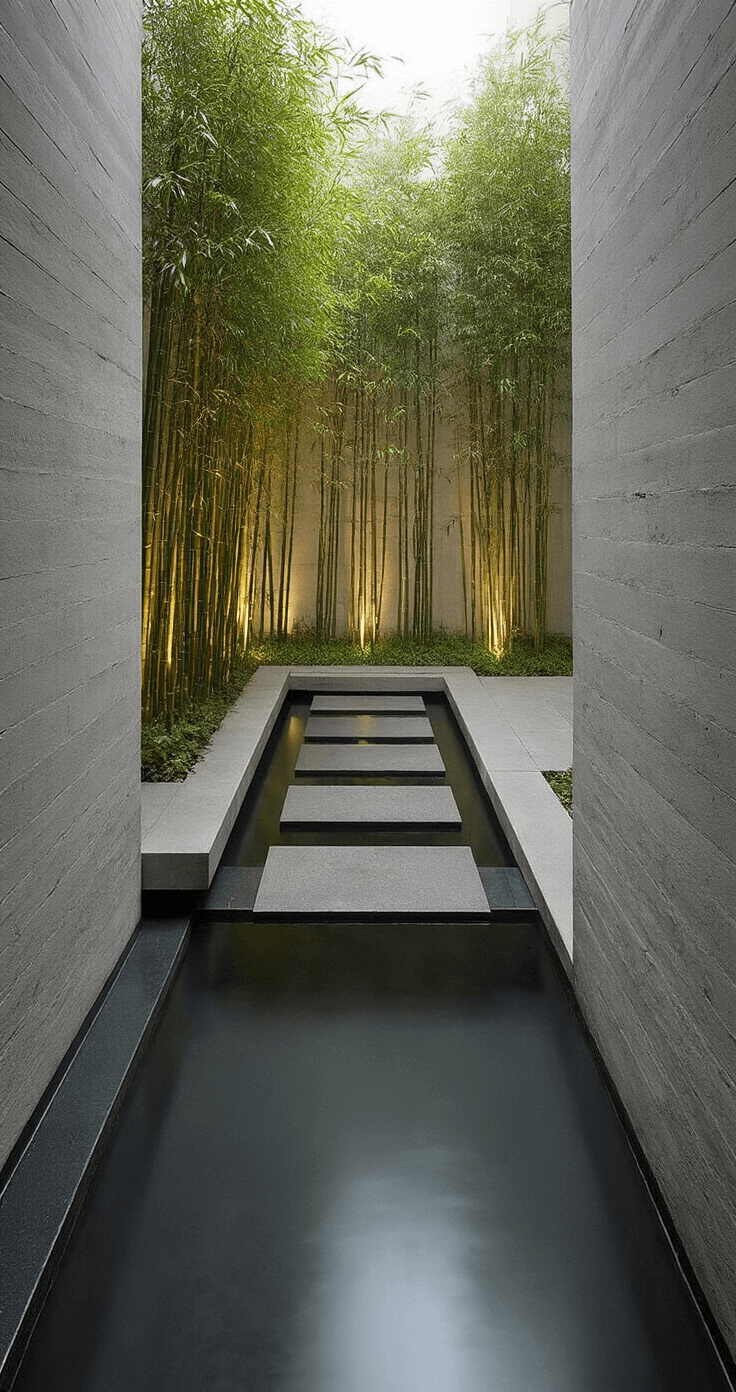
🏠 Steal This Look
- Paint Color: Behr Japanese Mist N460-1
- Furniture: low wooden bench with clean lines, weathered teak or cedar, positioned against the wall as a meditation seat
- Lighting: stone lantern (tōrō) with LED candle insert, or narrow-beam uplight for dramatic shadow play on textured walls
- Materials: rough-cut granite stepping stones, raked white gravel (shirakawa-suna), moss patches, bamboo screening, dark stained cedar trim
There’s something deeply centering about maintaining your own pocket garden—the ritual of raking gravel becomes a moving meditation that connects you to the space daily.
👑 Get The Look
Common Mistakes to Avoid
Don’t:
- Overcrowd the space
- Ignore local climate conditions
- Force traditional elements that don’t fit your environment
- Forget the “less is more” philosophy
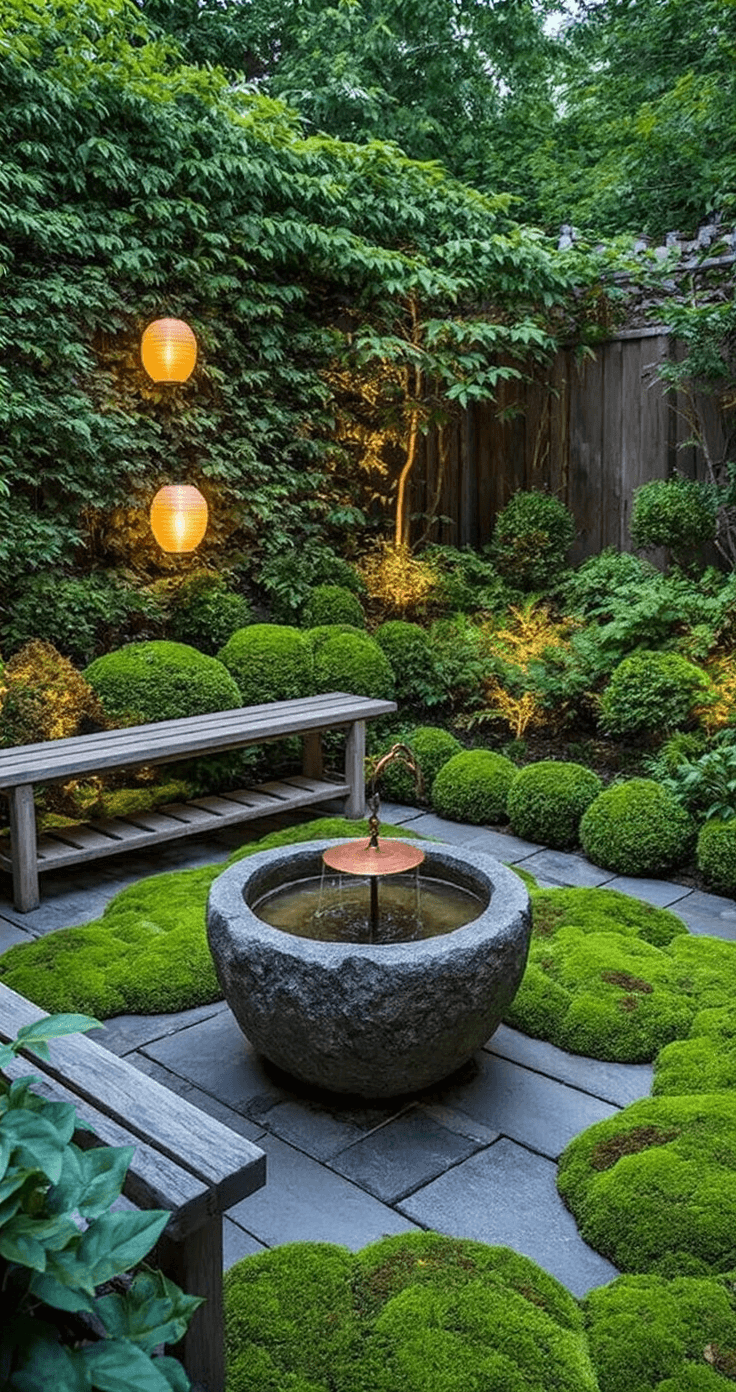
✎ Steal This Look
- Paint Color: use Valspar brand. Match the ACTUAL wall color in the image. Format: Valspar ColorName CODE
- Furniture: specific furniture for this room
- Lighting: specific lighting fixture
- Materials: key textures and materials
I’ve seen too many courtyards collapse under good intentions; restraint feels uncomfortable at first, but the peace you gain is worth every plant you leave at the nursery.
👑 Get The Look
Your Tsubo-Niwa Starter Kit
Must-have elements:
- Carefully selected stones
- One statement plant
- Small water feature (optional)
- Gravel or minimalist ground cover
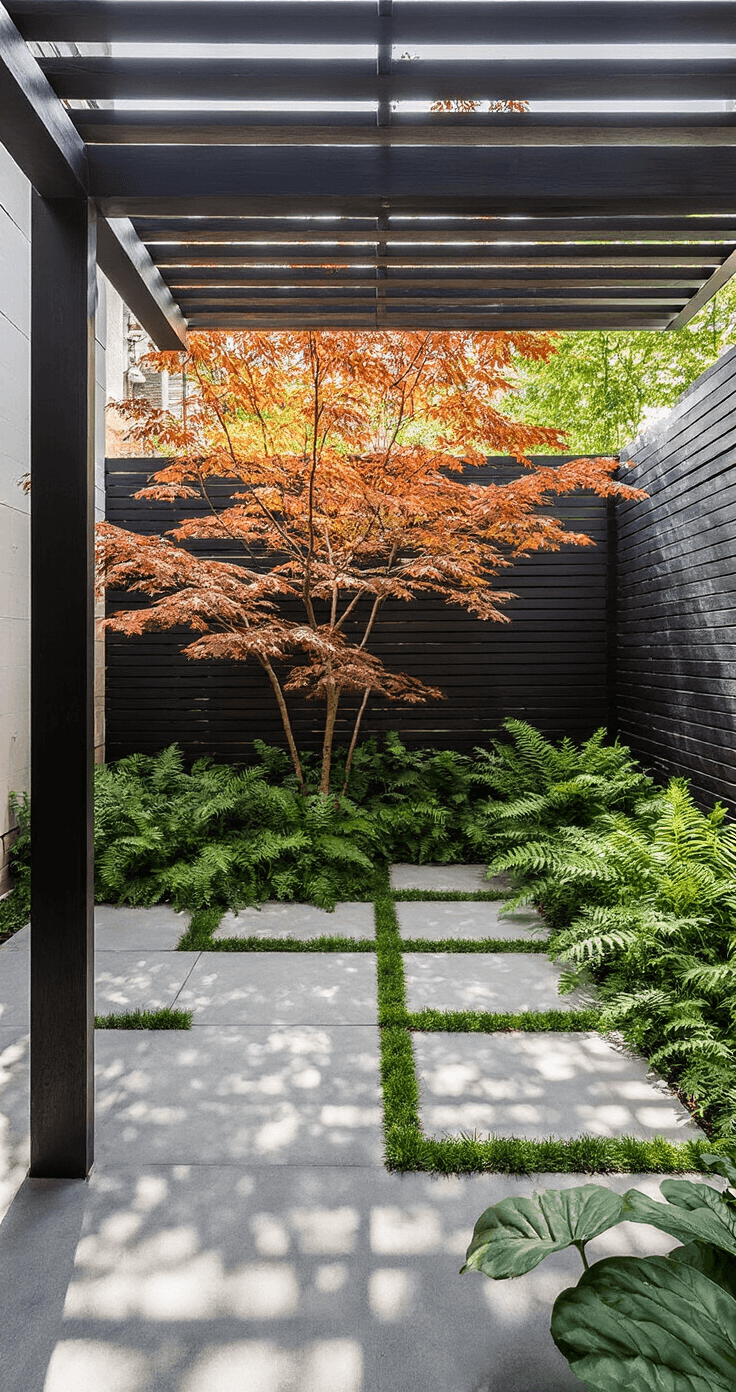
💡 Steal This Look
- Paint Color: PPG Stonehenge Greige PPG1001-2
- Furniture: low-profile wooden bench in untreated cedar or hinoki cypress
- Lighting: paper lantern pendant with bamboo frame or cast iron pathway lantern
- Materials: river-worn basalt stones, crushed granite gravel, untreated cedar, moss, hand-thrown ceramic
This is the garden you build when you’ve only got a sliver of outdoor space but refuse to let that stop you—every element earns its place through careful restraint and intention.
Real-World Inspiration
Check out:
- Pinterest boards
- Japanese garden design websites
- Local botanical gardens
- Architectural magazines
Final Thoughts: Your Personal Zen Retreat
Tsubo-niwa isn’t just a garden. It’s a lifestyle. A philosophy. A way of finding peace in chaos.
Start small. Think intentionally. Create your sanctuary.
Pro Tip: Take photos of your progress. Every tiny adjustment is part of your garden’s unique story.
Ready to transform your space? Your zen journey starts now.
Want to keep this one?
We'll email you the link so you can find it again later.