This post may contain affiliate links. Please see my disclosure policy for details.
Patio Planters: Transforming Outdoor Spaces
Patio planters transform boring concrete slabs into living, breathing spaces that make you actually want to spend time outside.
I used to think my patio was a lost cause. Just a sad square of concrete that collected dust and dead leaves. Then I discovered what the right planters could do, and honestly, I kicked myself for waiting so long.
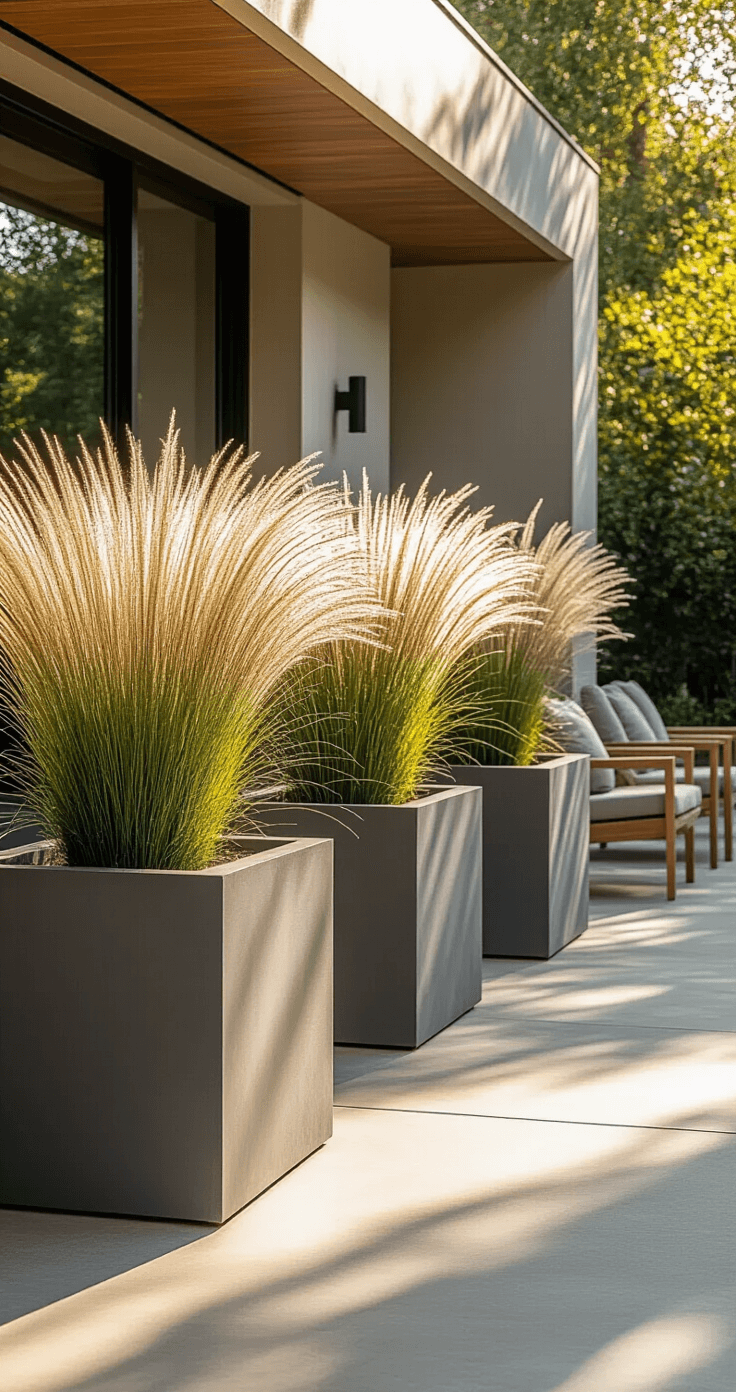
✎ Steal This Look
- Paint Color: Sherwin-Williams Tricorn Black SW 6258
- Furniture: weathered teak Adirondack chair with slatted back
- Lighting: oversized black metal lantern with seeded glass panels
- Materials: raw concrete, terracotta, untreated cedar, galvanized steel
There’s something deeply satisfying about morning coffee surrounded by plants you chose yourself—my patio went from forgotten pass-through to the spot I gravitate toward when I need to breathe.
Why Your Patio Probably Feels Like a Wasteland Right Now
You’ve got the furniture. Maybe even some string lights. But something’s missing, and you can’t quite put your finger on it.
The answer is life. Actual, growing, green life.
Your patio feels dead because it IS dead. Patio planters fix that problem faster than you’d believe possible.
What Makes a Patio Planter Different From Regular Pots
Here’s what I learned the hard way: not all planters are created equal.
Outdoor planters need to survive things that would destroy your indoor pots:
- Rain that would drown plants in containers without proper drainage
- Sun that bleaches colors and cracks cheap materials
- Wind that topples lightweight containers
- Frost that shatters terracotta like glass
- Heat that literally cooks roots in metal containers
I lost three beautiful ferns before I figured this out. Don’t be me.
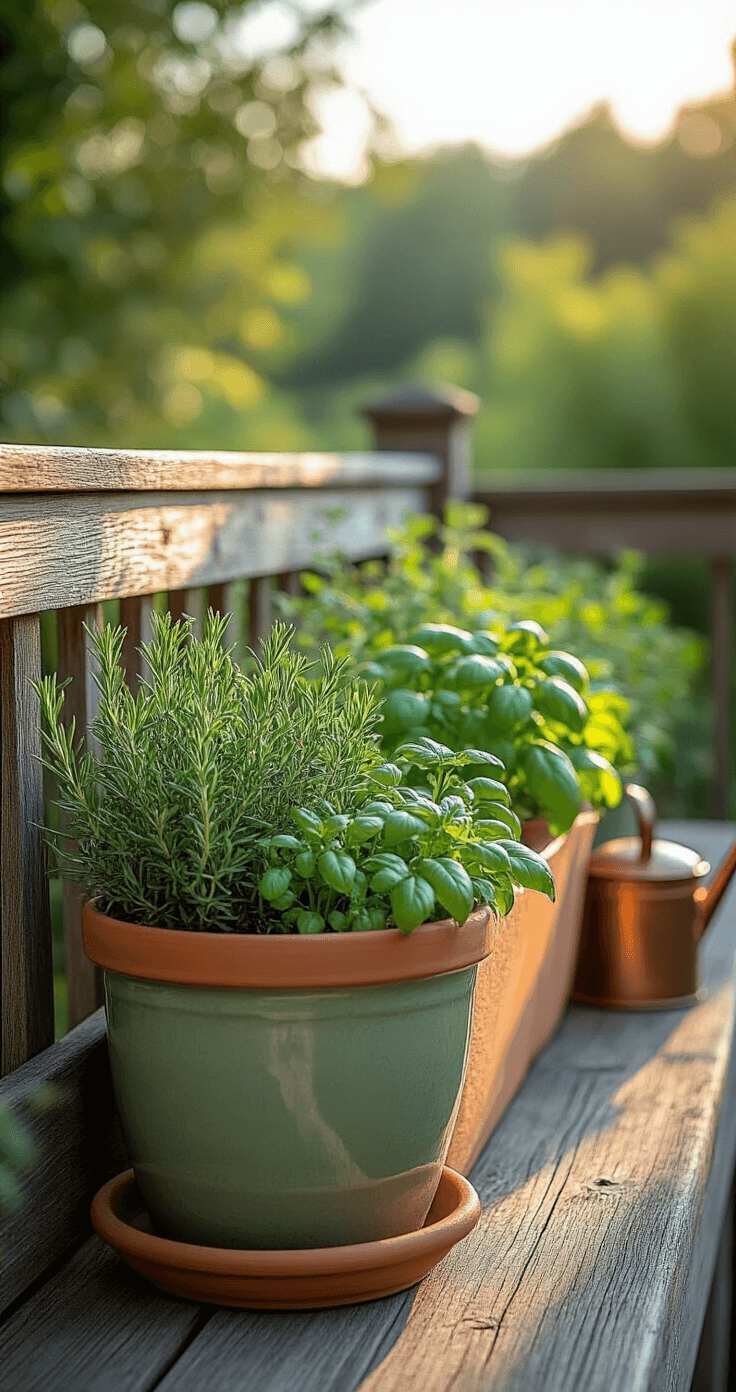
🖼 Steal This Look
- Paint Color: Farrow & Ball Green Smoke 47
- Furniture: weathered teak bench with slatted seat for air circulation
- Lighting: solar-powered LED stake lights with frosted glass globes
- Materials: glazed ceramic, powder-coated aluminum, fiberstone composite, drainage gravel, coconut coir liners
I still wince remembering my ceramic cachepot collection—gorgeous indoors, shattered confetti after one February frost. Patio planters taught me that beauty without resilience is just expensive debris.
The Material Mistake Almost Everyone Makes
Walk into any garden center and you’ll see dozens of pretty planters. Most of them will be garbage on your patio within a year.
Here’s my brutally honest breakdown of materials:
Plastic (The Underdog Champion)
Everyone turns their nose up at plastic. I did too. Then I realized that high-quality resin planters look exactly like expensive concrete or stone, weigh about ten pounds instead of fifty, and cost a fraction of the price.
Pros:
- Won’t crack in winter
- Actually lightweight enough to move when you change your mind
- UV-resistant versions keep their color for years
- Drain properly when designed right
Cons:
- Cheap ones look cheap (spend the extra $20, trust me)
- Can blow over in serious wind without weight
Ceramic and Terracotta (The Beautiful Heartbreakers)
God, I love how these look. That rustic, weathered charm gets me every time.
But ceramic outdoor planters require commitment.
The reality:
- Gorgeous but fragile
- Must be brought inside before frost in most climates
- Heavy enough to make moving them a workout
- Porous material means more frequent watering
I keep mine on a covered porch where they’re protected. Out in the open? I learned that lesson with a $80 Italian terracotta pot that cracked straight down the middle in February.
Save this article
Enter your email and we'll send it straight to your inbox.
Metal (The Modern Trap)
Metal planters look sleek as hell. That brushed steel or copper finish screams “I have my life together.”
But here’s the problem nobody tells you: metal conducts heat.
Your plants aren’t just sitting in soil. They’re sitting in a solar oven that literally bakes the roots on hot days.
If you must go metal:
- Use them in shaded areas only
- Double-pot (put a plastic pot inside the metal one)
- Water more frequently because that soil dries out FAST
Fiberglass (The Secret Weapon)
This is what the pros use, and most people have never heard of it.
Fiberglass planters combine the best features of everything else:
- Lightweight like plastic
- Looks like stone or concrete
- Weather-resistant to everything
- Nearly indestructible
The only downside? Price. But considering I’ve replaced cheap planters three times in two years, fiberglass starts looking pretty reasonable.
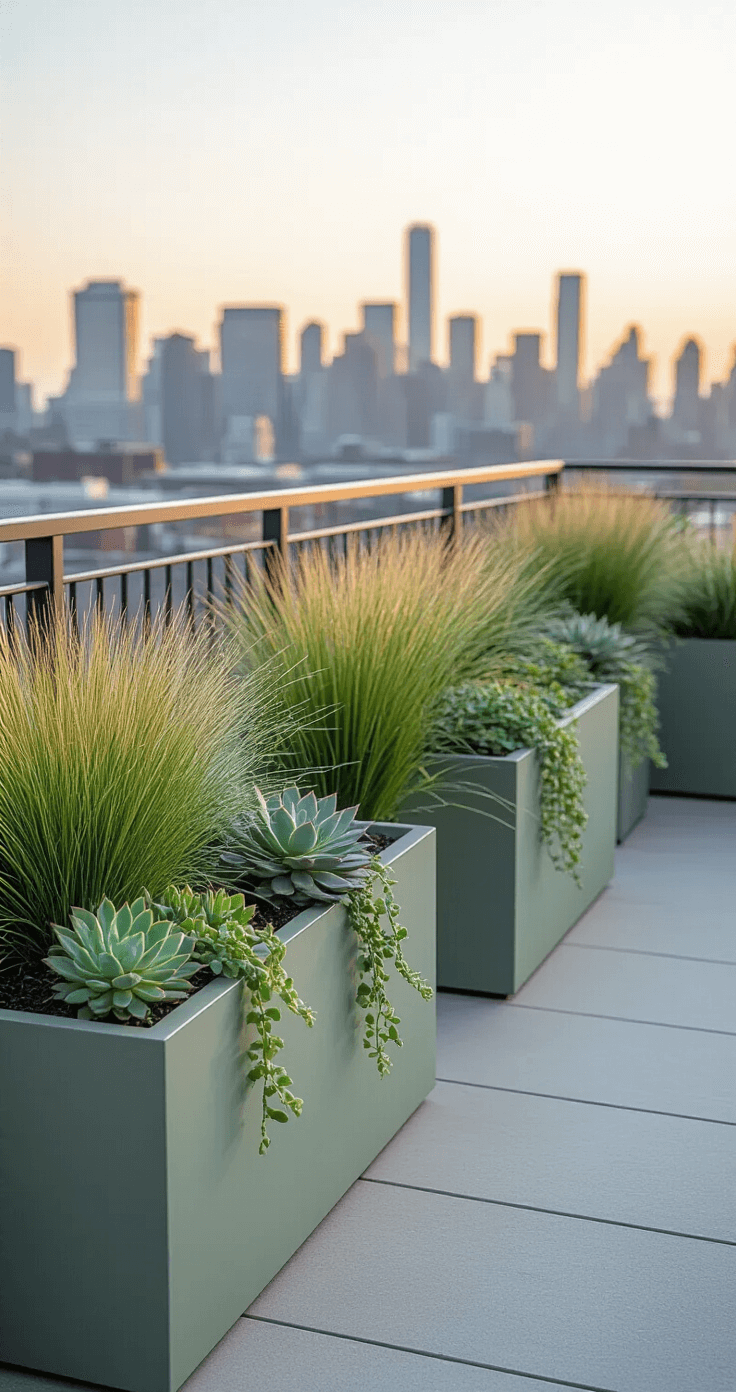
Size Matters More Than You Think
I made the classic beginner mistake: buying planters that were too small.
Here’s what happens with undersized planters:
- Plants become root-bound and stop growing
- Soil dries out within hours on hot days
- Your whole arrangement looks dinky and sad
My sizing rules:
For herbs and annuals: Minimum 10 inches deep
For perennials: At least 12-14 inches deep
For small trees or large shrubs: Go 18+ inches deep and wide
Bigger planters also mean less watering. The soil holds moisture longer, which means you’re not running outside with a watering can twice a day in July.
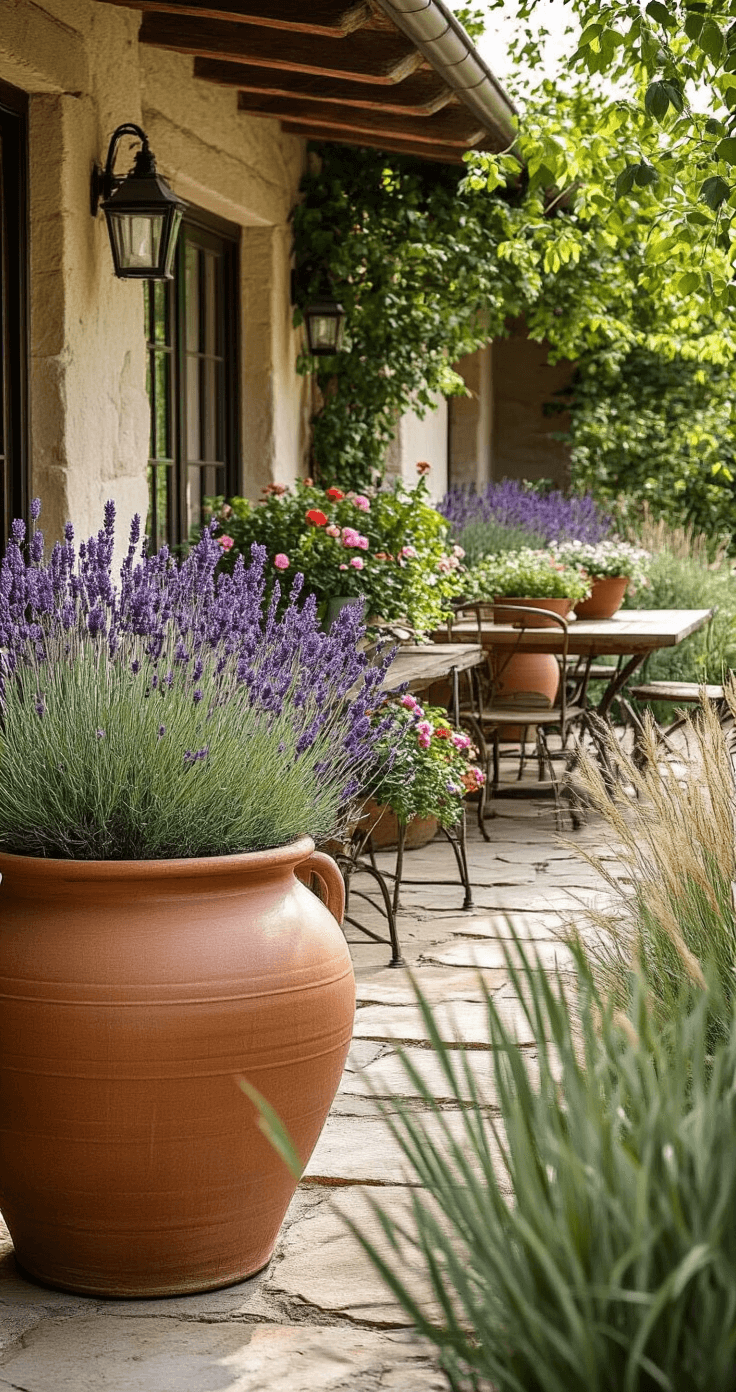
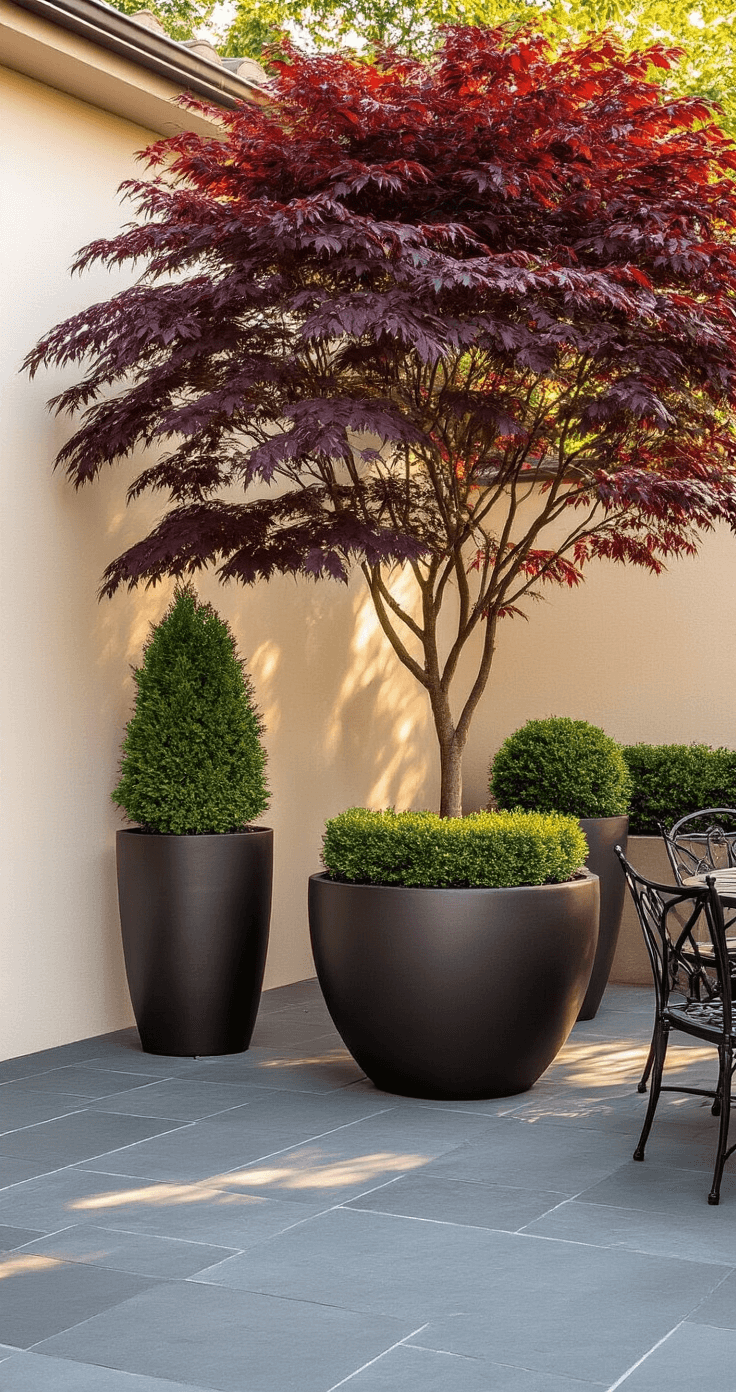
✎ Steal This Look
- Paint Color: Valspar Garden Gate 5006-3B
- Furniture: folding cedar potting bench with galvanized steel top
- Lighting: solar-powered LED string lights with Edison-style bulbs draped along planter edges
- Materials: unglazed terracotta, weathered cedar, powder-coated steel, drainage gravel, coconut coir liners
I learned this the hard way after nursing a root-bound lavender through one brutal summer in a 6-inch pot—now my rule is buy the size you think you need, then go up one more.
The Drainage Drama Nobody Warns You About
This is where plants go to die.
You buy a beautiful planter. Plant something gorgeous. Water it responsibly. Three weeks later, it’s dead.
Why? No drainage holes or plugged drainage holes.
Non-negotiable drainage rules:
- Holes in the bottom are mandatory, not optional
- One small hole isn’t enough for large planters
- Elevate planters with
Want to keep this one?
We'll email you the link so you can find it again later.