This post may contain affiliate links. Please see my disclosure policy for details.
Creating a Stunning Pink Flower Garden: Your Ultimate Design Guide
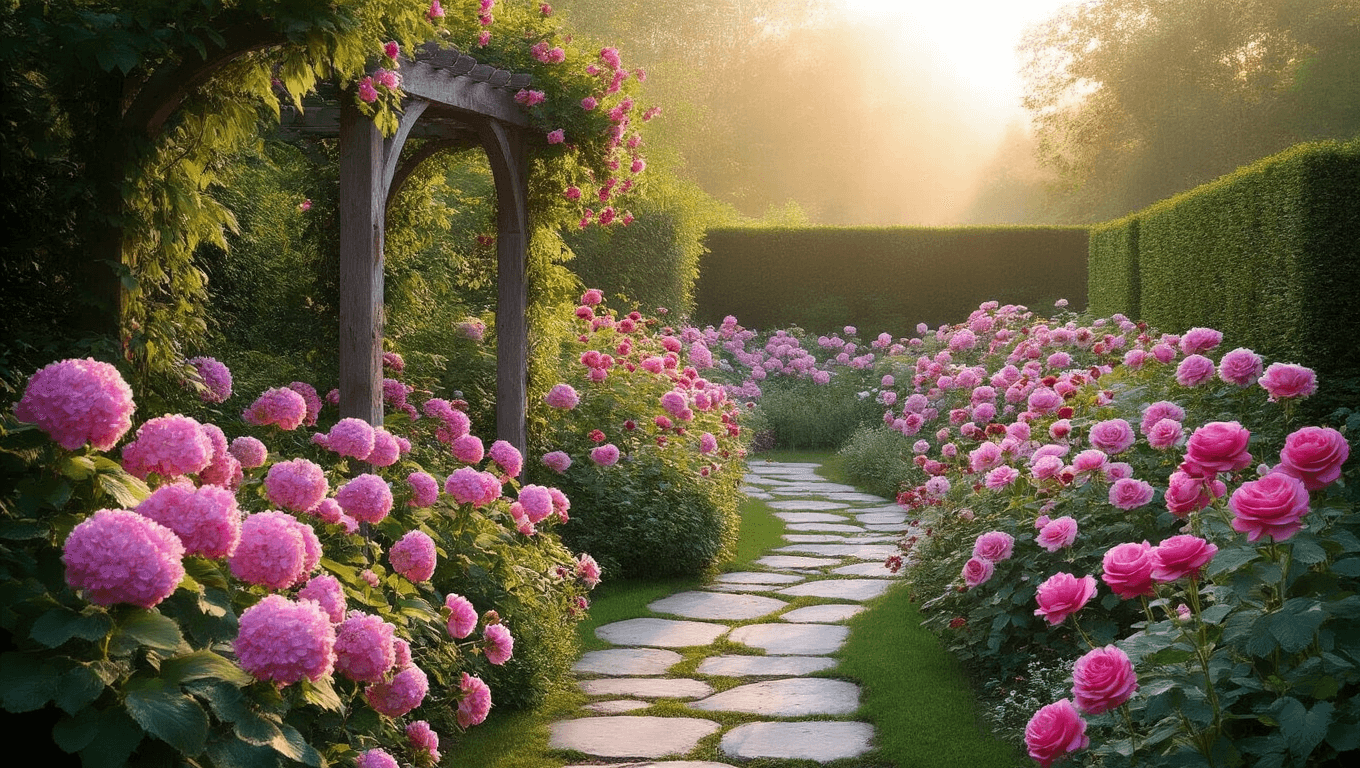
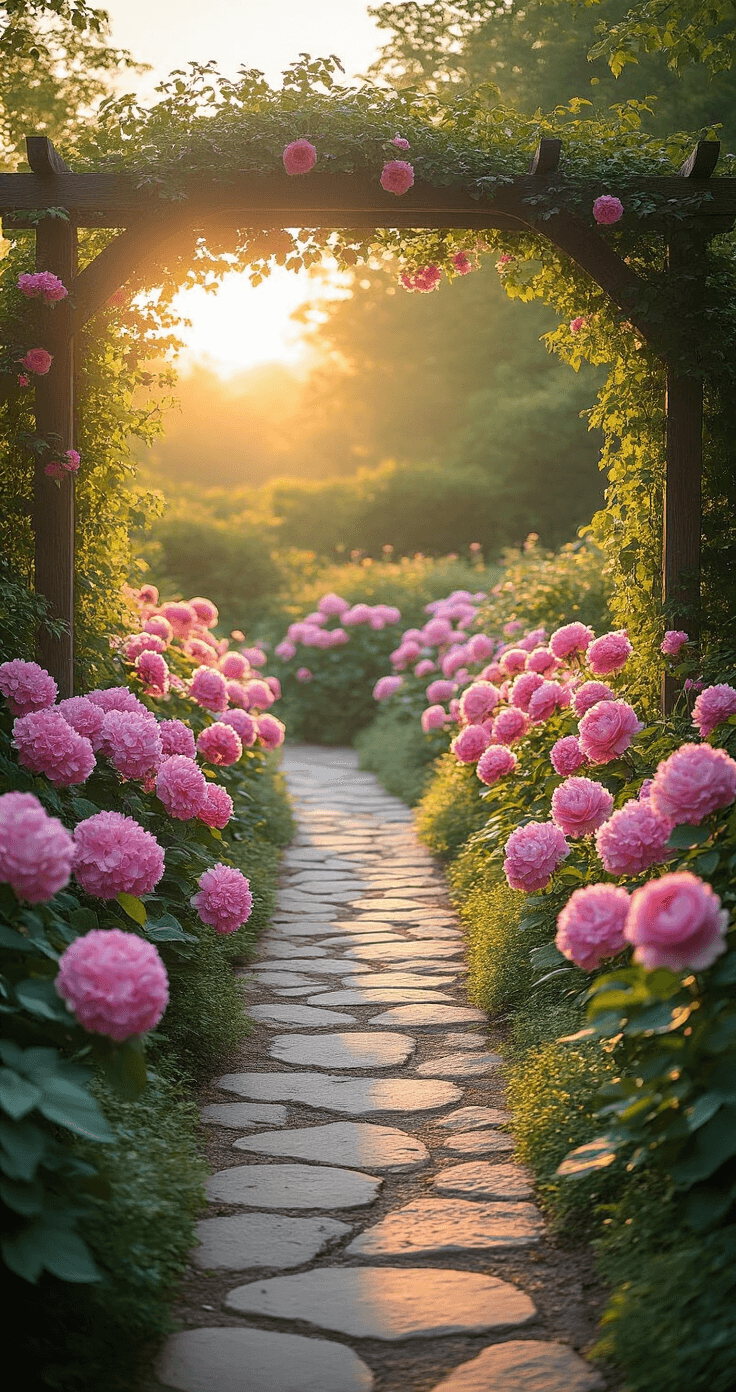
Pink flower gardens are like living poetry – a vibrant canvas of romance, joy, and natural beauty that transforms any outdoor space into a breathtaking sanctuary.
🖼 Steal This Look
- Paint Color: Sherwin-Williams Garden Rose SW 6959
- Furniture: weathered teak Adirondack chairs with blush pink outdoor cushions, a wrought iron bistro set with curved floral motifs, and a reclaimed wood potting bench as a garden workstation
- Lighting: solar-powered rose-shaped pathway lights and vintage-style string lights with pink-tinted Edison bulbs draped over a pergola
- Materials: aged terracotta planters, crushed pink quartz gravel pathways, weathered cedar raised beds, and hand-forged copper plant markers
There’s something deeply personal about a pink flower garden—it feels like cultivating your own secret language of beauty, where every bloom you choose reflects a mood you want to live inside.
Why Pink Flowers? The Magic of Rosy Hues
Let’s be real. Who doesn’t want a garden that makes neighbors stop and stare? Pink flowers aren’t just pretty – they’re a mood, a statement, and an ecosystem all rolled into one fabulous package.
Key Benefits of Pink Flower Gardens
- Attract pollinators like bees and butterflies
- Create visual drama and softness simultaneously
- Work in virtually ANY garden style
- Adaptable to multiple color schemes
- Low maintenance with the right plant selection
🏠 Steal This Look
- Paint Color: Benjamin Moore First Light 2102-70
- Furniture: weathered teak Adirondack chair with canvas cushion
- Lighting: solar-powered Edison bulb string lights with warm 2700K glow
- Materials: aged terracotta, brushed zinc planters, crushed oyster shell pathways, linen outdoor textiles
There’s something almost rebellious about a pink garden—it refuses to apologize for being joyful, and every morning coffee on my patio feels like a small celebration.
Choosing Your Pink Palette: From Blush to Bold
Your pink garden can range from:
- Soft Blush: Delicate, romantic vibes
- Baby Pink: Gentle and sweet
- Magenta: Bold and dramatic
- Rose: Classic and timeless
Top Pink Flower Superstars
Must-Have Pink Bloomers
- Hydrangeas: Massive, show-stopping blooms
- Peonies: Lush, romantic flowers
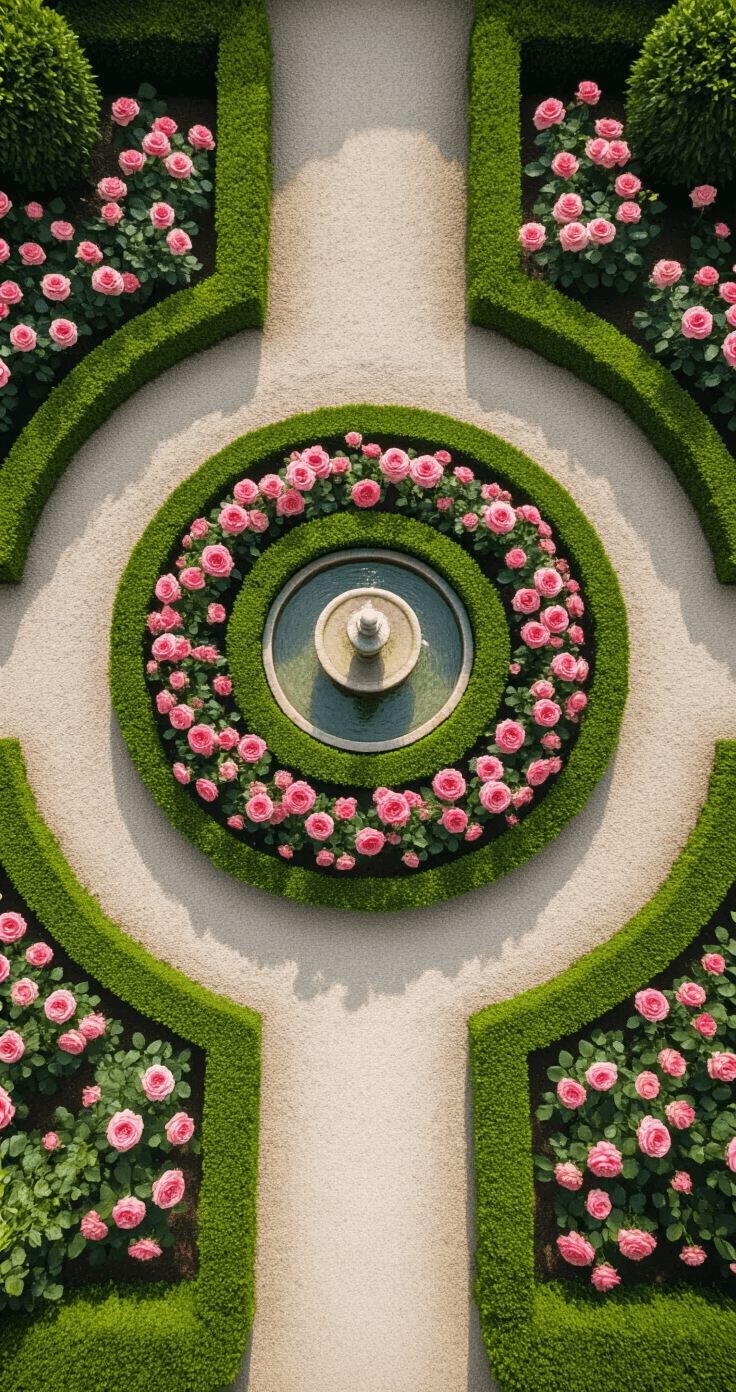
- Roses: Classic and versatile
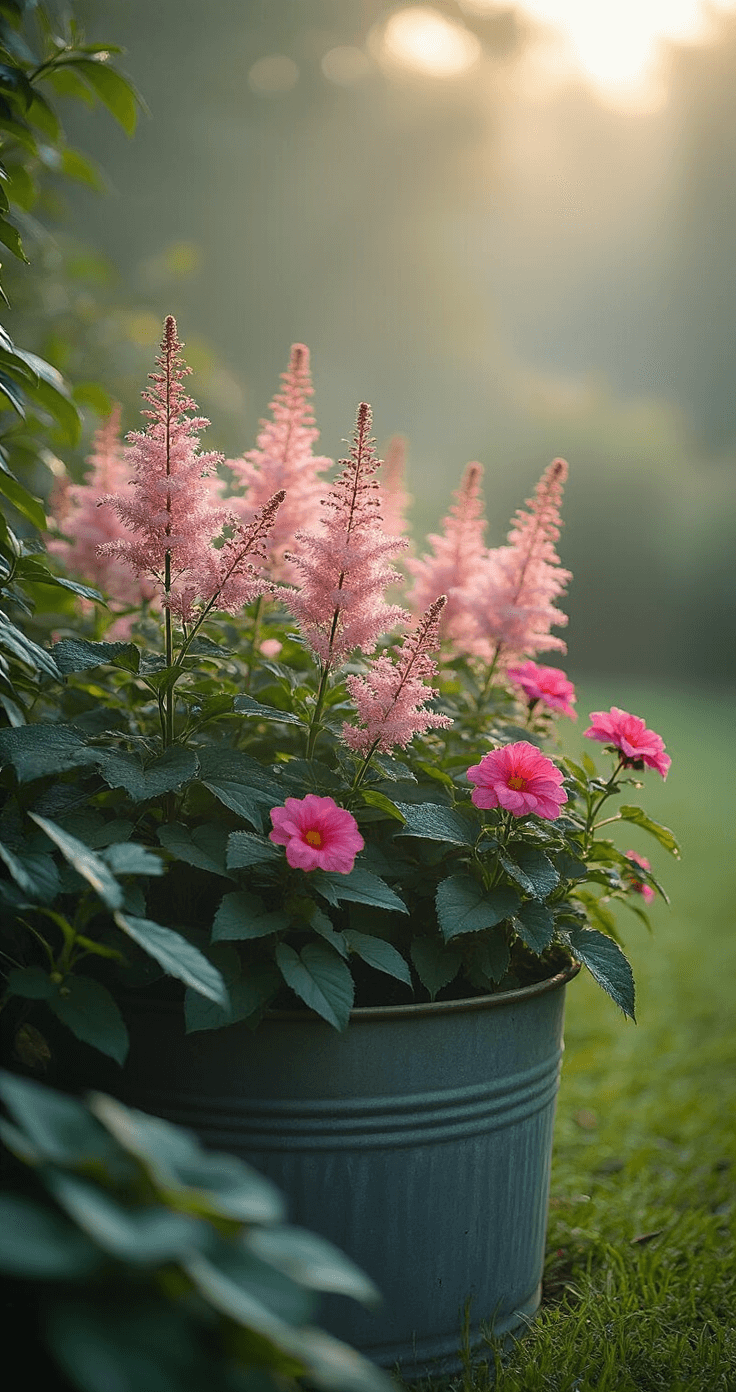
- Astilbe: Feathery, delicate texture
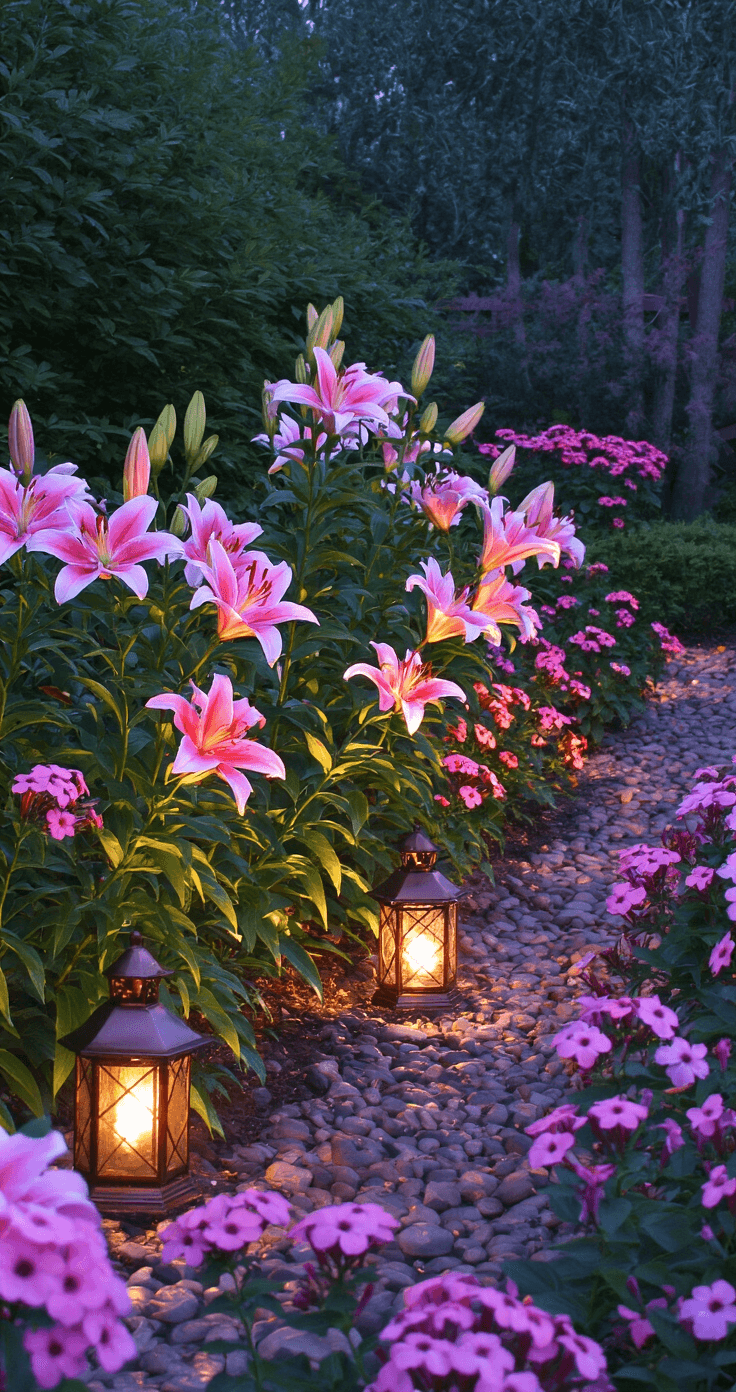
- Impatiens: Perfect for shady spots
🌟 Steal This Look
- Paint Color: Behr Pink Mimosa PPU1-07
- Furniture: weathered white potting bench with zinc top, vintage galvanized watering cans as vases, wrought iron garden stool with scrollwork
- Lighting: solar-powered Edison bulb string lights with warm amber glow draped through climbing rose trellis
- Materials: aged terracotta with moss patina, crushed oyster shell pathways, weathered cedar raised beds, hammered copper plant markers
There’s something deeply satisfying about cutting your first homegrown peony or hydrangea for the kitchen table—this is the garden that turns neighbors into friends who linger at the fence asking for your secrets.
Design Tips for Killer Pink Gardens
Color Coordination Secrets
- Pair pink with:
- Green (natural backdrop)
- Gray (sophisticated contrast)
- Purple (complementary drama)
- Orange (unexpected excitement)
Styling Techniques
- Layer Textures: Mix feathery with rosette-shaped flowers
- Create Depth: Use varying plant heights
- Balance Colors: Don’t go ALL pink – add neutral tones
Save this article
Enter your email and we'll send it straight to your inbox.
🏠 Steal This Look
- Paint Color: Valspar Dusty Lilac 4003-9B
- Furniture: weathered teak garden bench with curved backrest, positioned as a focal viewing point amid blooms
- Lighting: solar-powered vintage-style globe string lights draped between garden stakes
- Materials: aged terracotta planters, crushed oyster shell pathways, wrought iron trellises, linen outdoor cushions
There’s something almost rebellious about committing fully to pink outdoors—it transforms a utilitarian yard into a deliberate retreat that feels both nostalgic and utterly fresh.
Practical Planting Guide
Difficulty Level
- Beginners: Start with easy-care impatiens and phlox
- Advanced Gardeners: Experiment with specialty roses and hydrangeas
Budget Considerations
- Budget-Friendly: $50-$200 for small garden
- Premium: $300-$1000 for extensive design
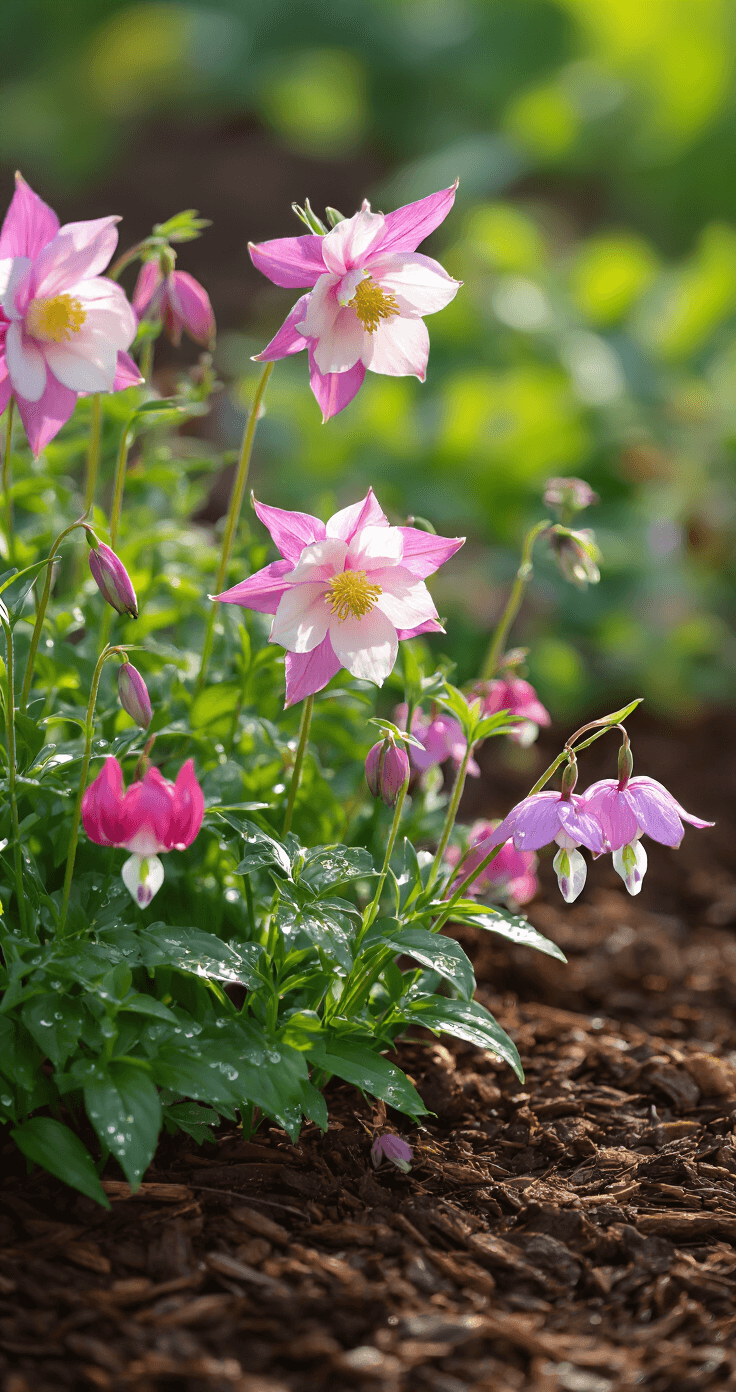
★ Steal This Look
- Paint Color: PPG Pink Mimosa PPG1184-4
- Furniture: weathered teak potting bench with galvanized steel top
- Lighting: gooseneck barn sconce in matte black finish
- Materials: raw cedar raised beds, crushed limestone pathways, aged terracotta pots
There’s something quietly rewarding about a garden that greets you with color each morning—this is the space where patience pays off in petals, and where even missteps become compost for next season’s growth.
Maintenance Made Easy
Care Tips
- Water consistently
- Prune strategically
- Mulch to retain moisture
- Choose native species for lower maintenance
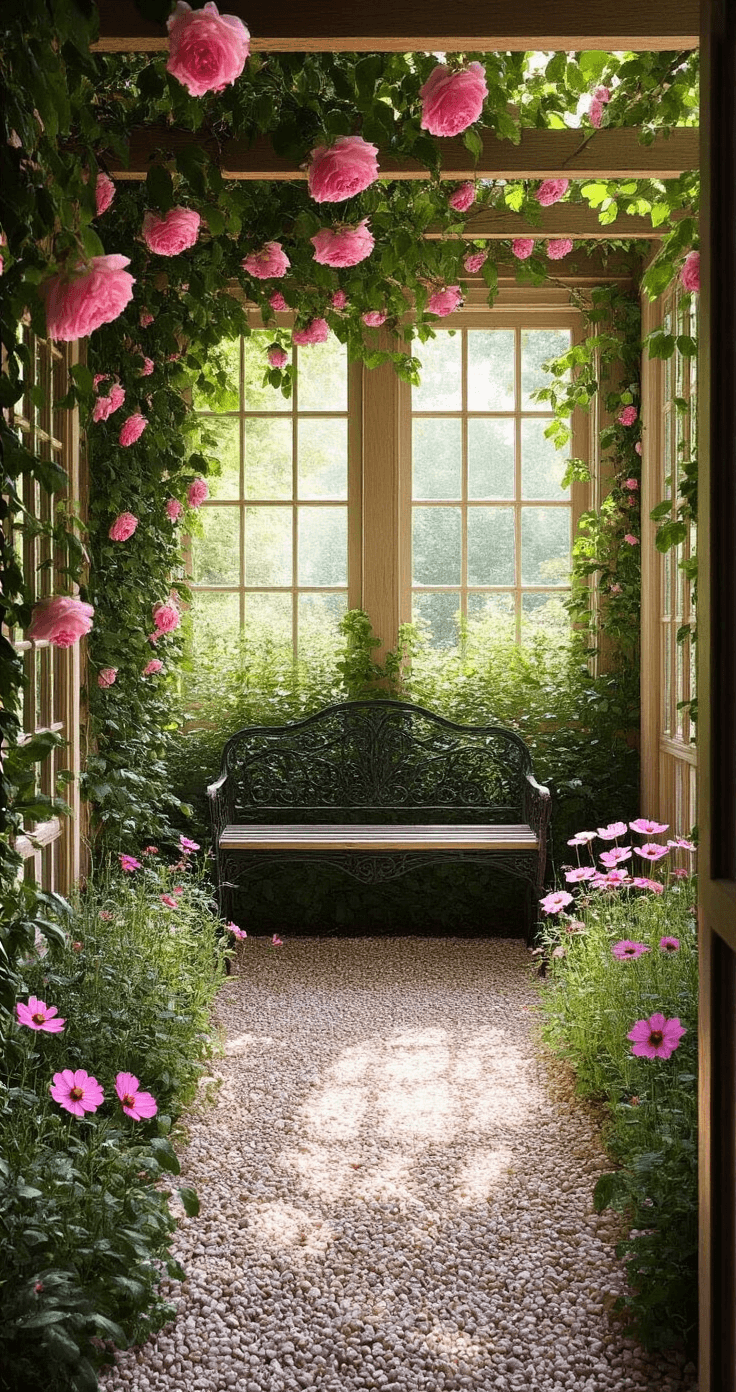
✎ Steal This Look
- Paint Color: Dunn-Edwards Blushing Bride DE5072
- Furniture: weathered teak potting bench with galvanized steel top, vintage-inspired metal garden stool with powder-coated finish
- Lighting: solar-powered LED string lights with warm 2700K output, IP65 waterproof rating
- Materials: aged terracotta, untreated cedar, crushed granite pathways, hemp twine, raw linen tool apron
There’s something deeply satisfying about a garden that thrives on neglect once established—these are the spaces that reward your initial planning with years of effortless blooms.
Seasonal Pink Garden Strategies
Bloom Sequence
- Spring: Tulips, early roses
- Summer: Peonies, hydrangeas
- Fall: Late-blooming anemones
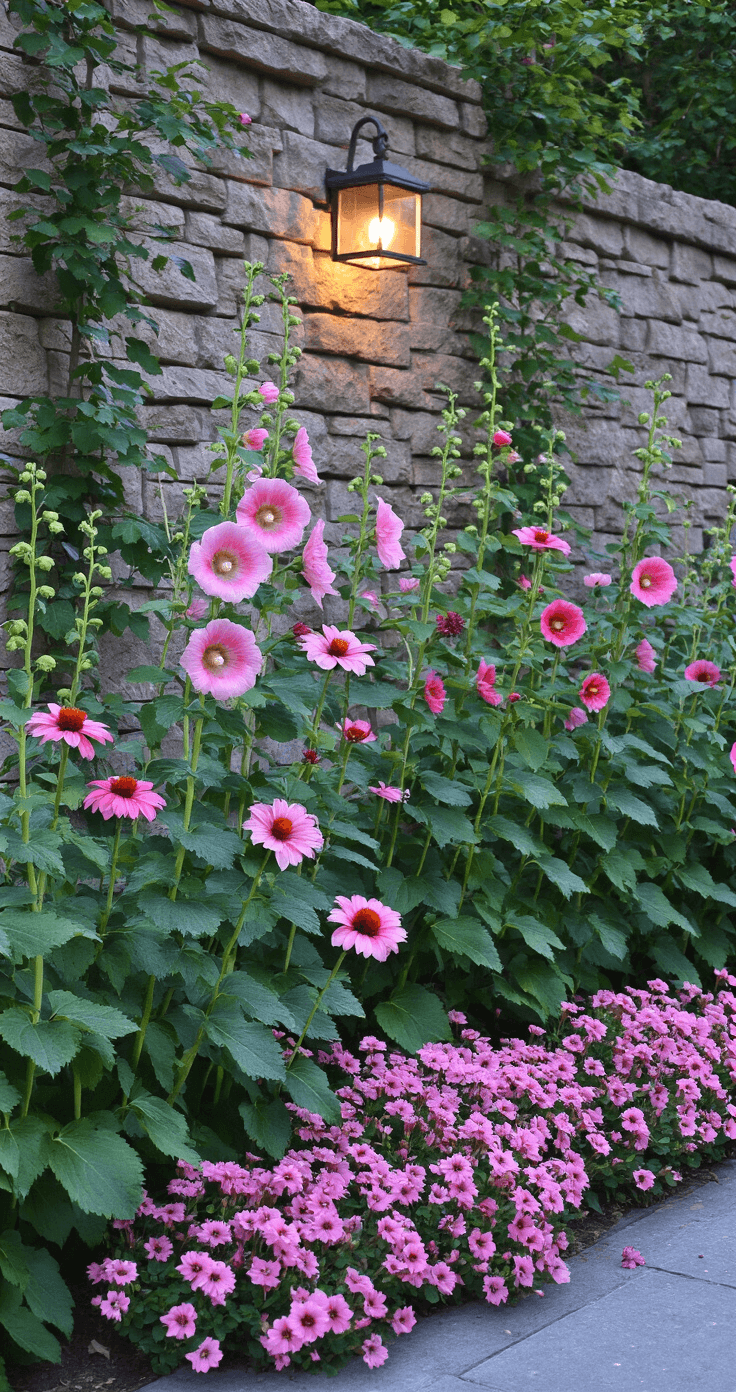
✎ Steal This Look
- Paint Color: Clare Paint Petal 0044
- Furniture: weathered teak potting bench with galvanized steel top
- Lighting: copper gooseneck barn sconce with seeded glass
- Materials: aged terracotta, raw limestone gravel, unlacquered brass hardware
This is the room where you learn patience—the garden doesn’t perform on demand, and that restraint teaches you to notice subtle shifts in bud formation and leaf texture that you’d otherwise miss.
🔔 Get The Look
Common Mistakes to Avoid
- Overcrowding plants
- Ignoring sunlight requirements
- Forgetting soil preparation
- Neglecting plant compatibility
Pro Photography Tips
Capture Your Garden’s Beauty
- Shoot during golden hour
- Use varied angles
- Focus on texture and color transitions
Final Thoughts
A pink flower garden isn’t just landscaping – it’s living art. With thoughtful design and passionate care, you’ll create a space that’s Instagram-worthy and soul-nourishing.
Pro Tip: Gardens are conversations with nature. Listen, experiment, and enjoy the journey!
Want to keep this one?
We'll email you the link so you can find it again later.