
This post may contain affiliate links. Please see my disclosure policy for details.
Creating Your Perfect Small Garden Pond: A Comprehensive DIY Guide
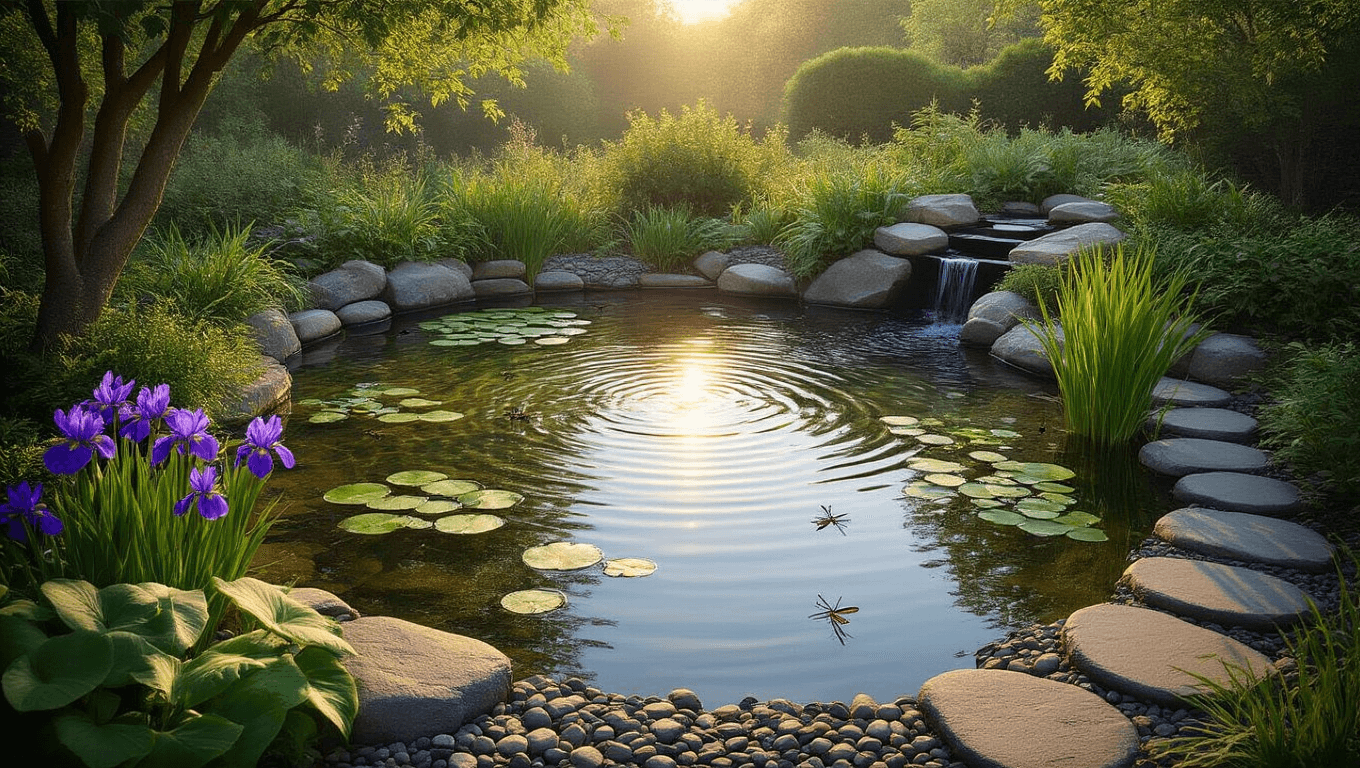
Creating a small garden pond transforms your outdoor space into a tranquil oasis. Whether you’ve got a tiny urban patio or a sprawling backyard, this guide will walk you through everything you need to know about designing and building your dream water feature.
Why Build a Small Garden Pond?
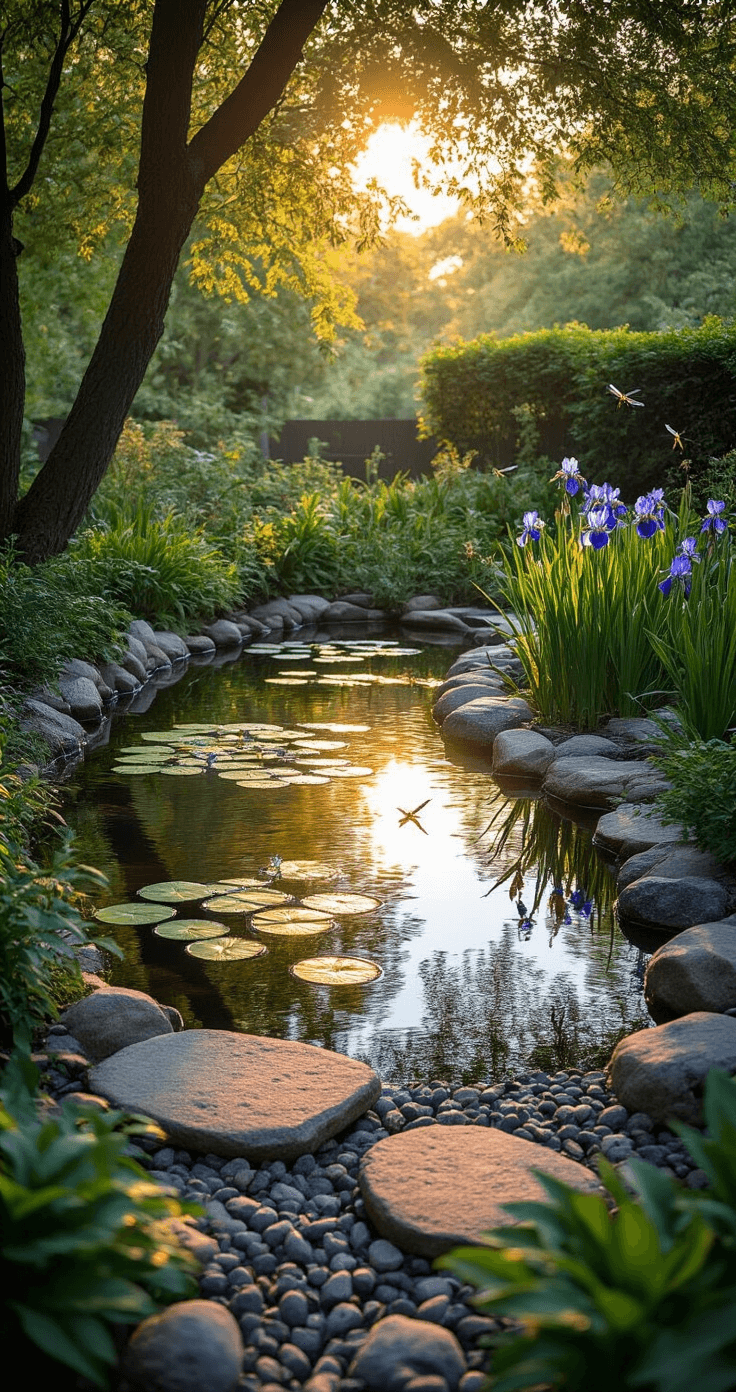
Let’s be real – who doesn’t want a slice of nature right in their backyard? Small garden ponds offer:
- Instant backyard zen
- Wildlife attraction
- Visual drama without massive landscaping
- A weekend project that delivers major impact
Quick Pond Planning Checklist
Before You Dig: Ask yourself these key questions
- How much space do I actually have?
- Do I want wildlife or decorative?
- What’s my budget?
- Am I okay with some DIY elbow grease?
Pond Styles: Which One Matches Your Vibe?
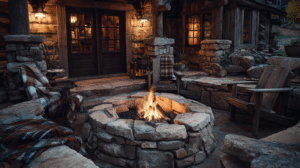
★ Steal This Look
- Paint Color: Sherwin-Williams Rookwood Dark Green SW 2816
- Furniture: weathered teak Adirondack chair with slatted back, positioned pond-side for contemplative seating
- Lighting: low-voltage LED submersible pond lights with warm 2700K output, plus solar-powered path lights along stone edging
- Materials: natural Pennsylvania fieldstone for edging, black EPDM rubber pond liner, pea gravel base layer, native aquatic plants in terracotta pots
There’s something deeply satisfying about hearing frogs return to a pond you built with your own hands—it connects you to your property in a way no store-bought fountain ever could.
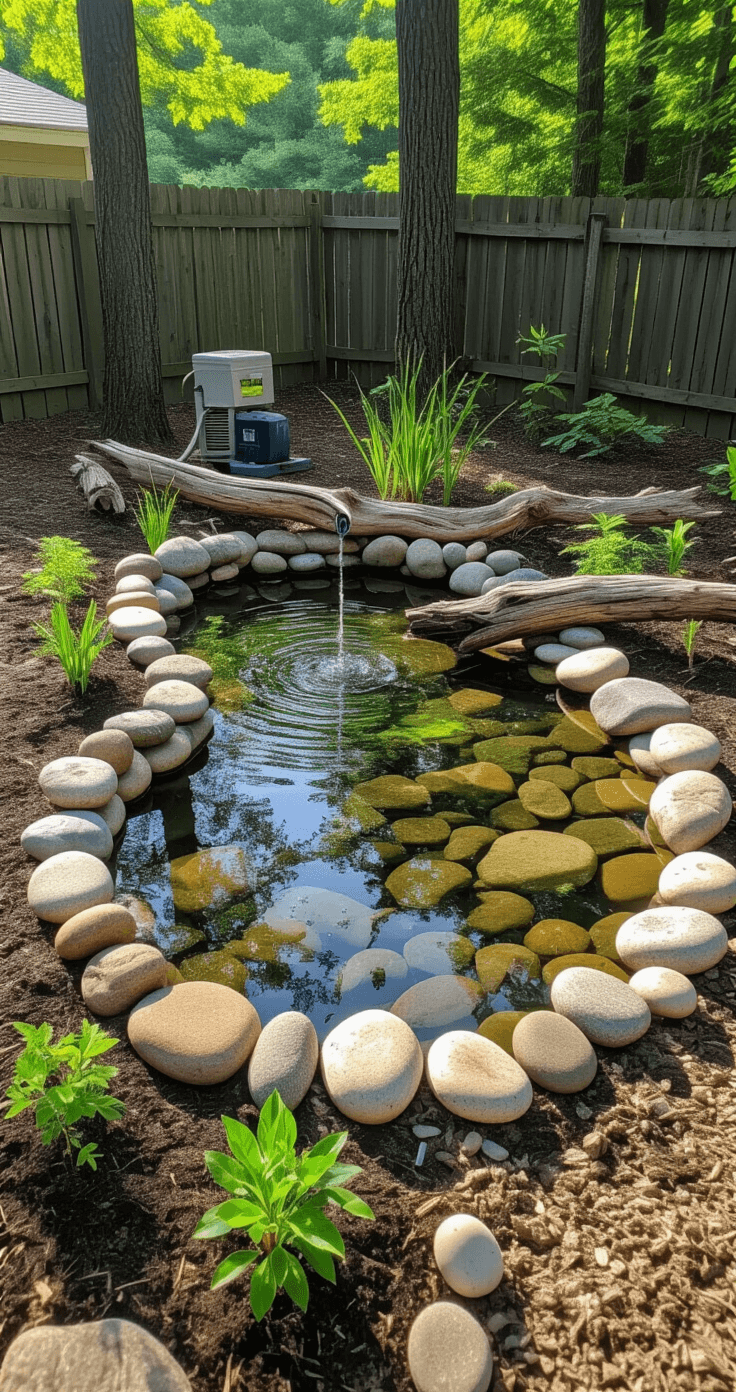
1. Wildlife Wonderland Pond
- Zero pump required
- Native plants everywhere
- Attracts frogs, insects, birds
- Low maintenance dream
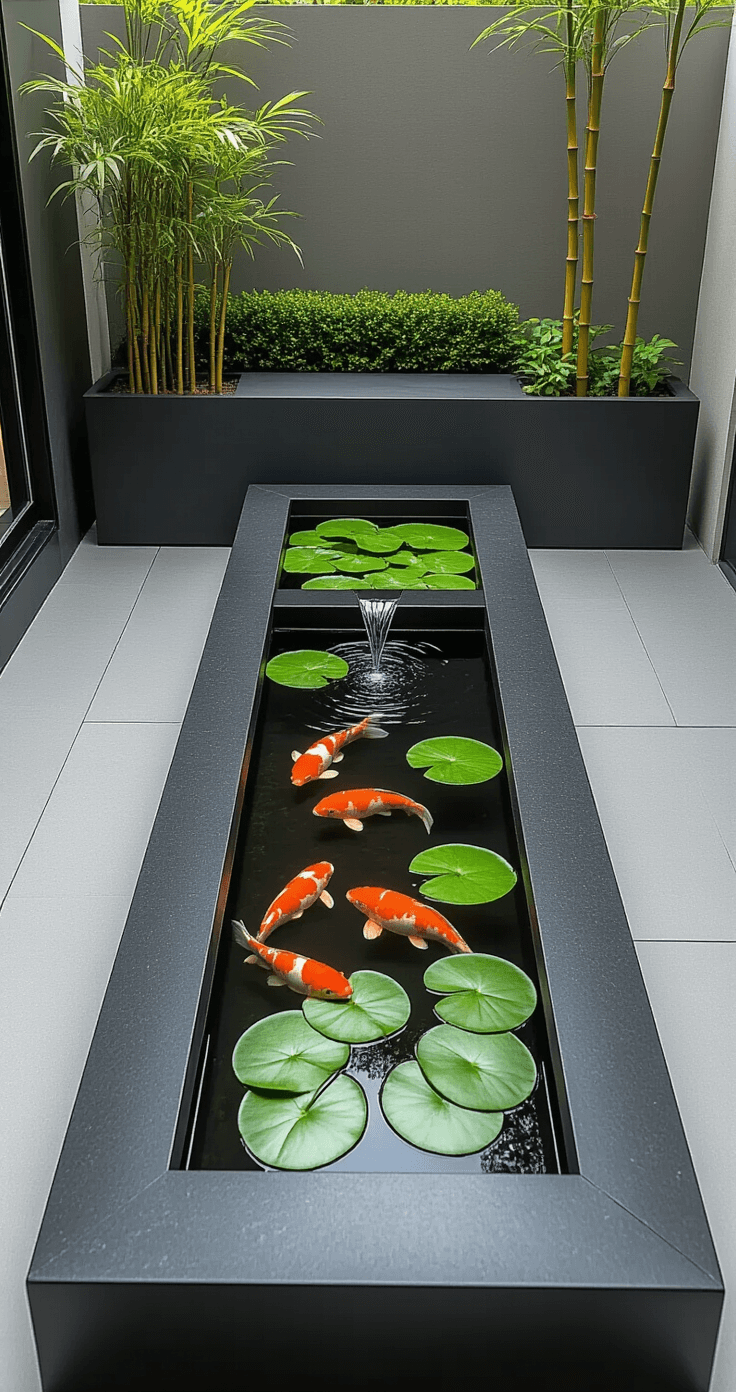
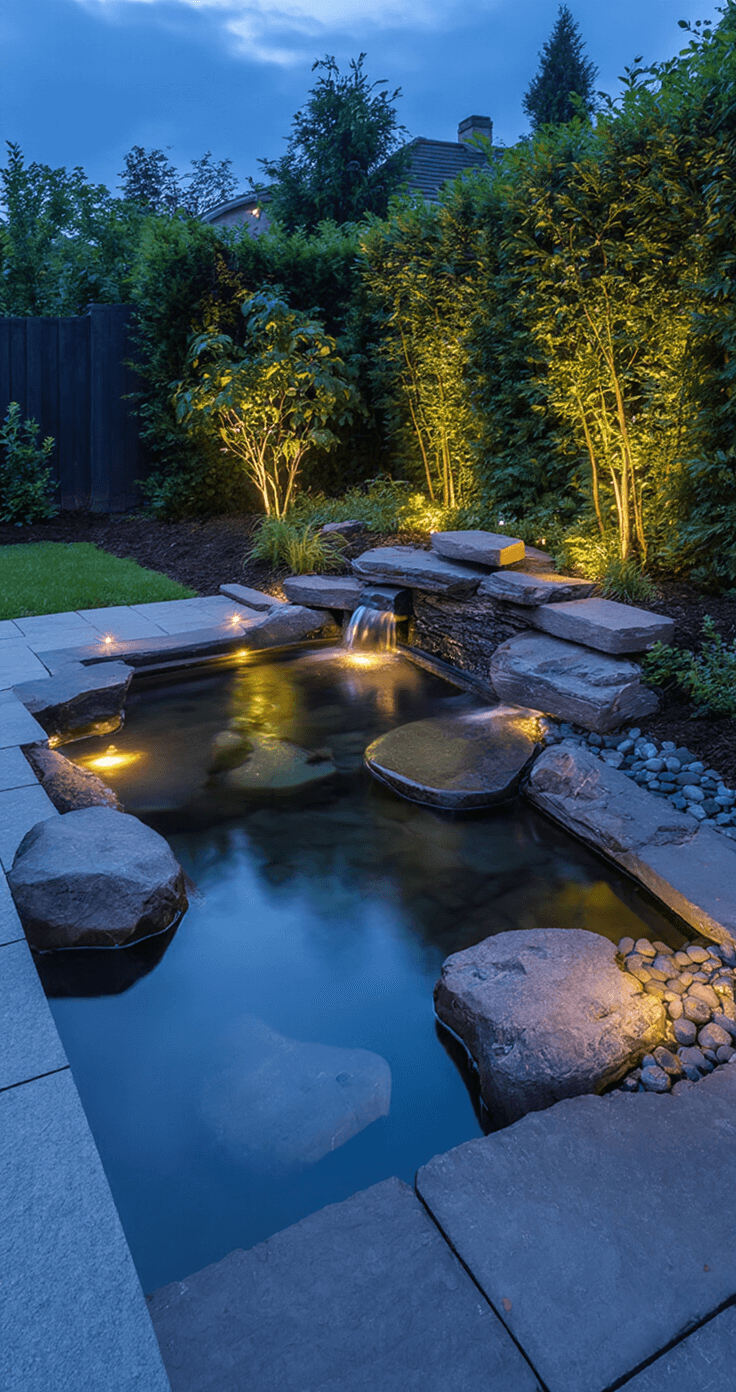
2. Decorative Patio Pond
- Small water feature
- Potential for ornamental fish
- Requires more upkeep
- Perfect for compact spaces
Essential Materials Checklist
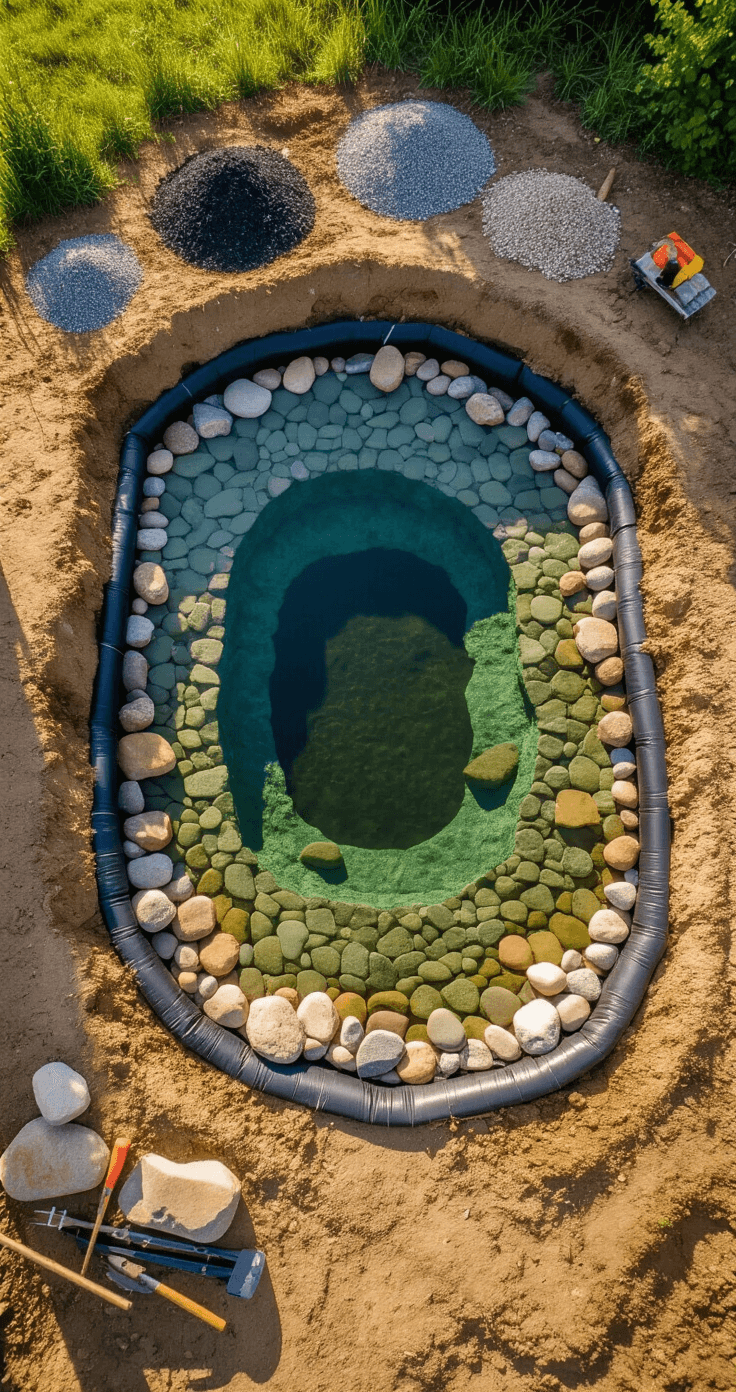
Must-Haves:
- Flexible pond liner
- Shovel
- Level
- Sand/underlayment
- Rocks and gravel
- Native water plants
- Patience and creativity
Step-by-Step Pond Creation
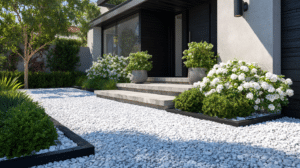
🖼 Steal This Look
- Paint Color: Farrow & Ball Green Smoke 47
- Furniture: weathered teak Adirondack chair with slatted back, positioned pond-side for contemplative seating
- Lighting: solar-powered copper path lights with warm 2700K output, staggered along the pond perimeter
- Materials: corten steel edging strips, reclaimed barnstone for waterfall cascade, black pebble aggregate for pond base, untreated cedar decking for surround
There’s something quietly restorative about having water this close to your daily living space—morning coffee beside a patio pond becomes a ritual that grounds the entire day.
Location is Everything
- Partial sun is your best friend
- Avoid full day direct sunlight
- Consider natural ground slope
- Think about visibility from your favorite sitting area
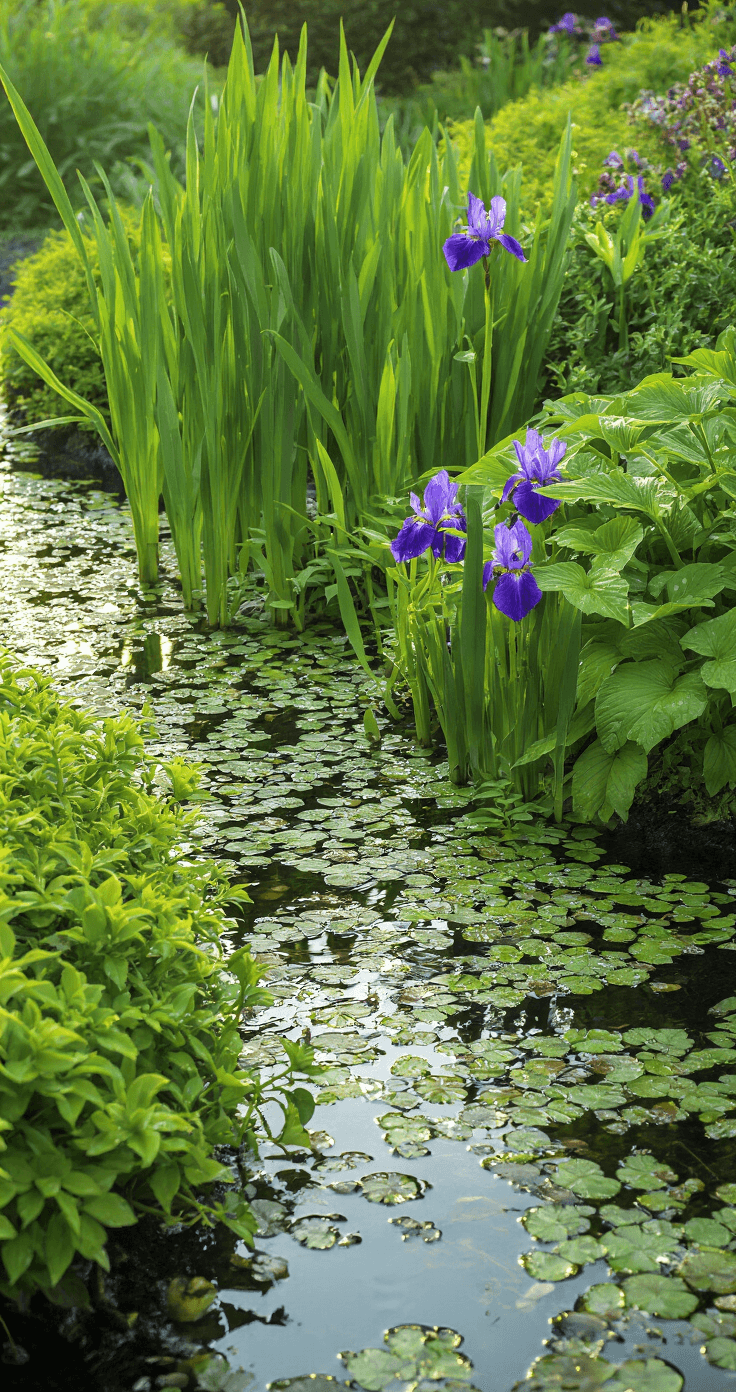
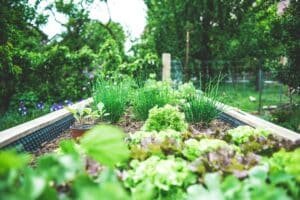
🏠 Steal This Look
- Paint Color: Behr Nature’s Reflection S400-4
- Furniture: weathered teak Adirondack chair with slatted back positioned at pond’s edge
- Lighting: solar-powered path lights with warm 2700K output lining the approach
- Materials: fieldstone edging, untreated cedar decking, aquatic-safe pond liner with gravel overlay
There’s something quietly grounding about positioning your pond where you’ll actually pause to see it—morning coffee in hand, watching dragonflies claim their territory.
🔔 Get The Look
Digging Techniques
- Measure twice, dig once
- Create varied depth zones
- Smooth out bottom surface
- Add protective sand layer
Lining Like a Pro
- Carefully position liner
- Allow for natural wrinkles
- Use rocks to secure edges
- Fill slowly, adjusting as you go
Save this article
Enter your email and we'll send it straight to your inbox.
Plant Selection Magic
Top Pond Plants:
- Submerged oxygenators
- Floating plants like water lettuce
- Marginal plants such as iris
- Native species preferred
Maintenance Made Simple
Seasonal Care:
- Spring: Trim dead plant matter
- Summer: Monitor water levels
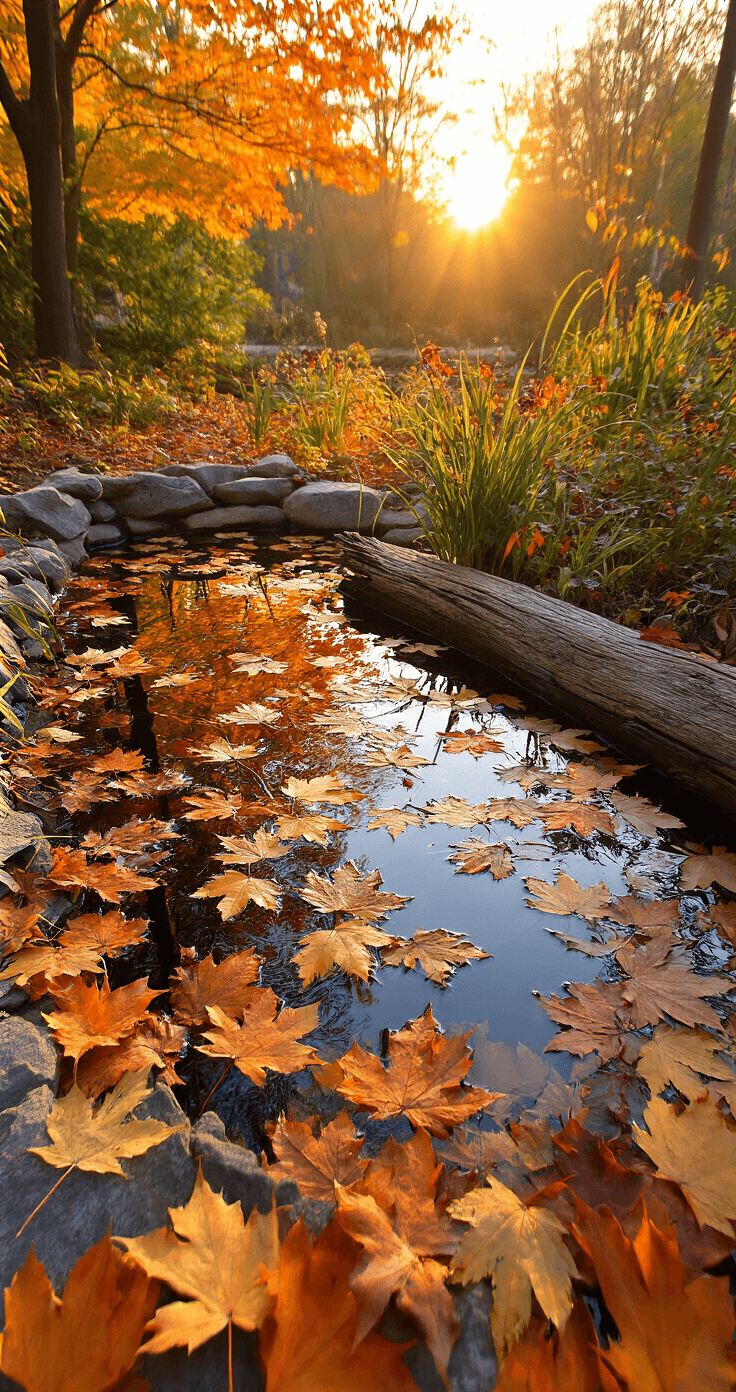
- Autumn: Remove fallen leaves
- Winter: Minimal intervention needed
Bonus Pro Tips
Wildlife Bonus Tricks:
- Add flat stones for creature entry/exit
- Create hiding spots with strategically placed logs
- Avoid overstocking with fish
- Prioritize native plant species
Common Newbie Mistakes to Avoid
- Overcrowding with fish
- Too much direct sunlight
- Skipping protective liner underlayment
- Neglecting plant diversity
Budget Breakdown
Pond Cost Ranges:
- Minimal DIY: $50-$150
- Mid-range: $200-$350
- Premium setup: $400-$500
Final Thoughts
Building a small garden pond isn’t rocket science – it’s about creativity, patience, and working with nature. Your backyard ecosystem is waiting to come alive!
Pro Tip: Take lots of photos of your progress. Trust me, you’ll want to remember this journey.
Happy pond building! 🐸💧🌿
🎨 Steal This Look
- Paint Color: PPG Stonehenge Greige PPG1001-2
- Furniture: weathered teak garden bench with curved backrest positioned pond-side for contemplative viewing
- Lighting: submersible LED pond lights with warm white 2700K output and adjustable beam angles
- Materials: 45-mil EPDM rubber pond liner, river rock edging in mixed gray-brown tones, pea gravel underlayment, untreated cedar log sections
There’s something deeply satisfying about that first frog taking up residence in a pond you built with your own hands—it’s the moment your garden stops being a display and starts being an ecosystem.
Want to keep this one?
We'll email you the link so you can find it again later.
[…] Pro Tip: Create a dedicated ‘field study’ corner with a small drafting table where you can press and catalog actual weed specimens, turning lawn maintenance into […]