This post may contain affiliate links. Please see my disclosure policy for details.
Hey there, garden enthusiasts!
Let’s transform your outdoor space into a mesmerizing wildlife haven with a small garden pond that’ll make nature lovers swoon.
Why You Need a Wildlife Pond in Your Garden
Imagine stepping into your backyard and discovering a mini ecosystem that attracts butterflies, frogs, and birds. That’s exactly what a wildlife pond can do for your outdoor space.
Quick Garden Pond Essentials
- Total project time: 1-3 hours
- Budget: $50-$300
- Difficulty: Beginner to intermediate
- Perfect for: Small gardens, patios, balconies
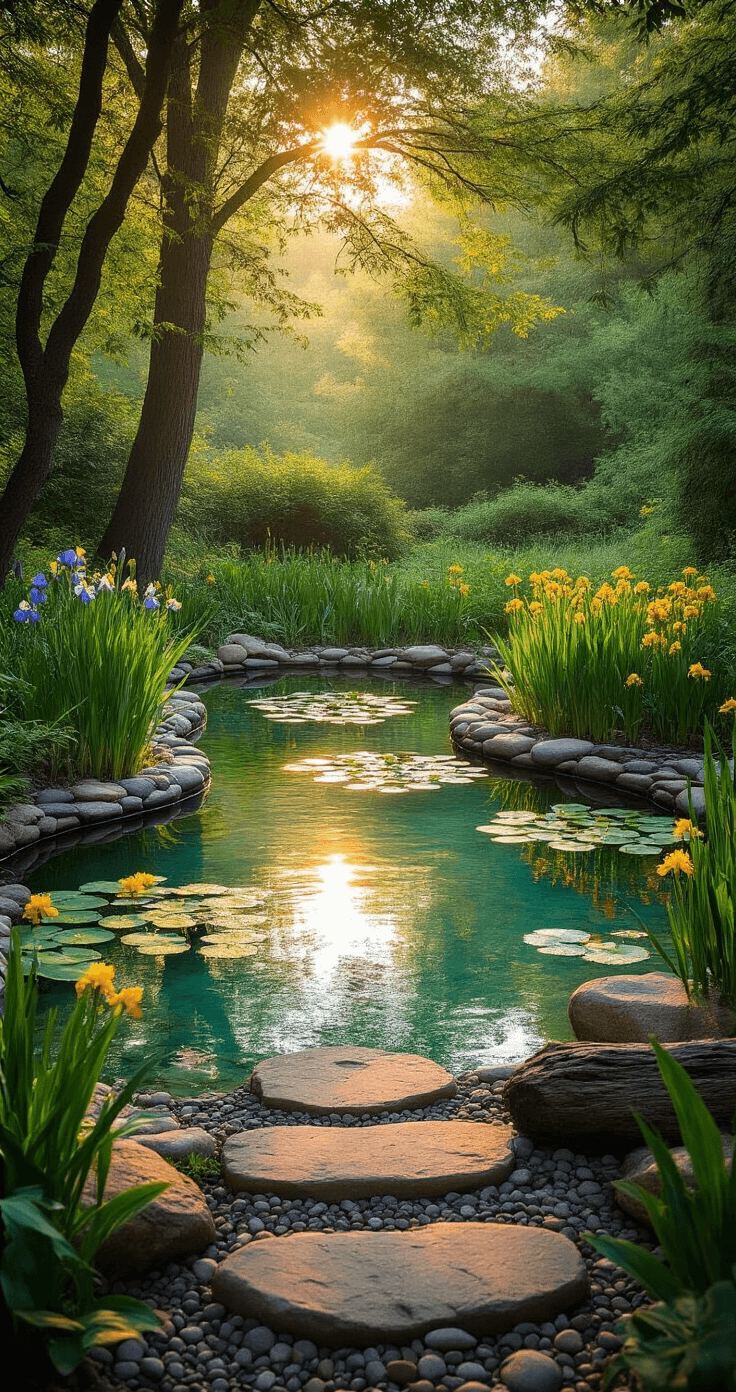
🖼 Steal This Look
- Paint Color: Benjamin Moore Hunter Green 2041-10
- Furniture: weathered teak garden bench with curved backrest positioned pond-side for wildlife observation
- Lighting: solar-powered copper frog spotlight with warm 2700K LED
- Materials: natural stone edging, untreated cedar decking, aquatic gravel in varied sizes, native water lily pads
There’s something quietly magical about your first frog sighting after weeks of waiting—it transforms a decorative water feature into a living, breathing garden member you’ll find yourself checking on like a pet.
Choosing Your Pond Style: From Minimalist to Cottage Chic
Your pond isn’t just a water feature – it’s a living artwork. Whether you’re going for a sleek modern look or a wild, natural vibe, I’ve got you covered.
Design Style Options
- Naturalistic and wild
- Minimalist and clean
- Cottage garden charm
- Urban garden friendly
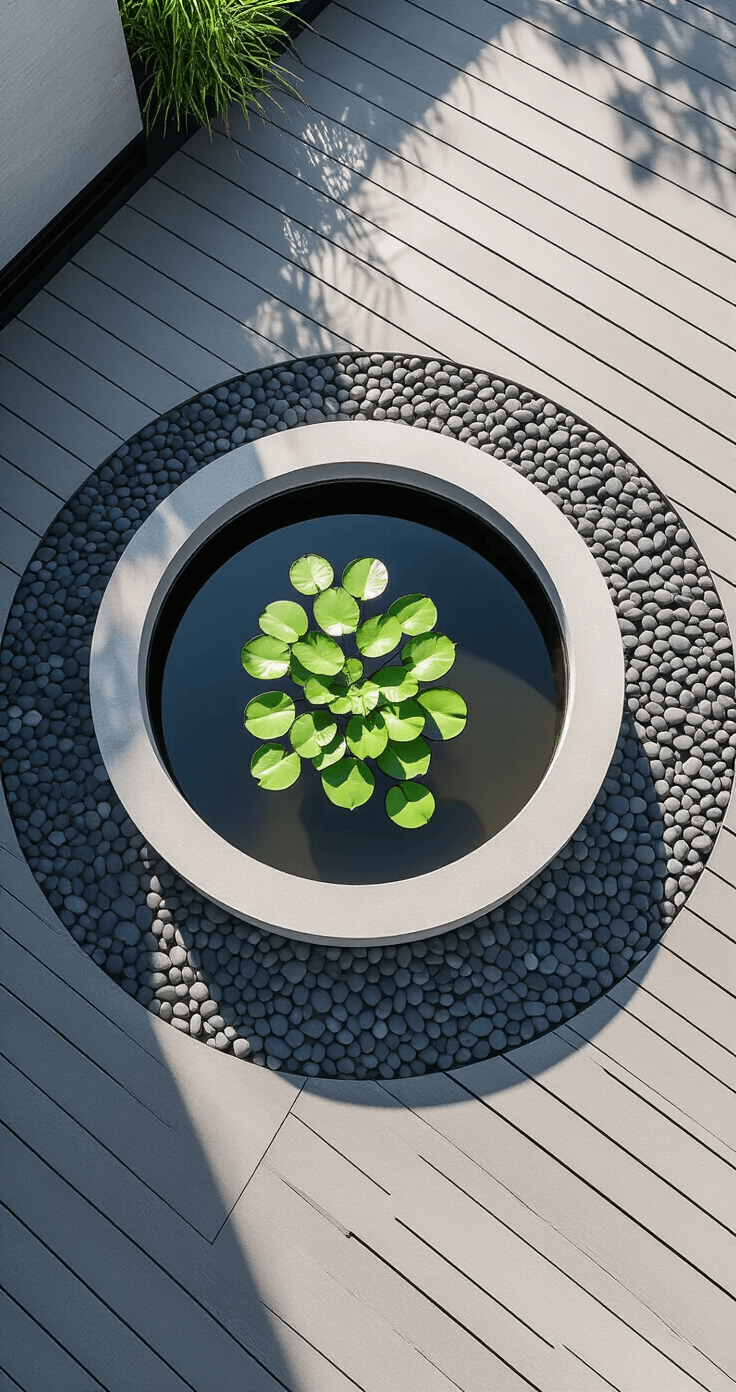
💡 Steal This Look
- Paint Color: Farrow & Ball Green Smoke 47
- Furniture: weathered oak bench with curved back for pond-edge seating
- Lighting: solar-powered copper spike lights with warm 2700K output
- Materials: reclaimed Cotswold stone, untreated cedar decking, galvanized steel edging
There’s something deeply satisfying about watching dragonflies find your pond for the first time – it transforms a weekend project into a genuine habitat that connects you to the slower rhythms of nature.
The Ultimate Wildlife Pond Setup Guide
Step 1: Location, Location, Location
Pick a spot that gets partial sunlight and has good drainage. Avoid low areas that collect standing water.
Pro Tip: Aim for an area with:
- Morning sunlight
- Natural garden backdrop
- Easy access for maintenance
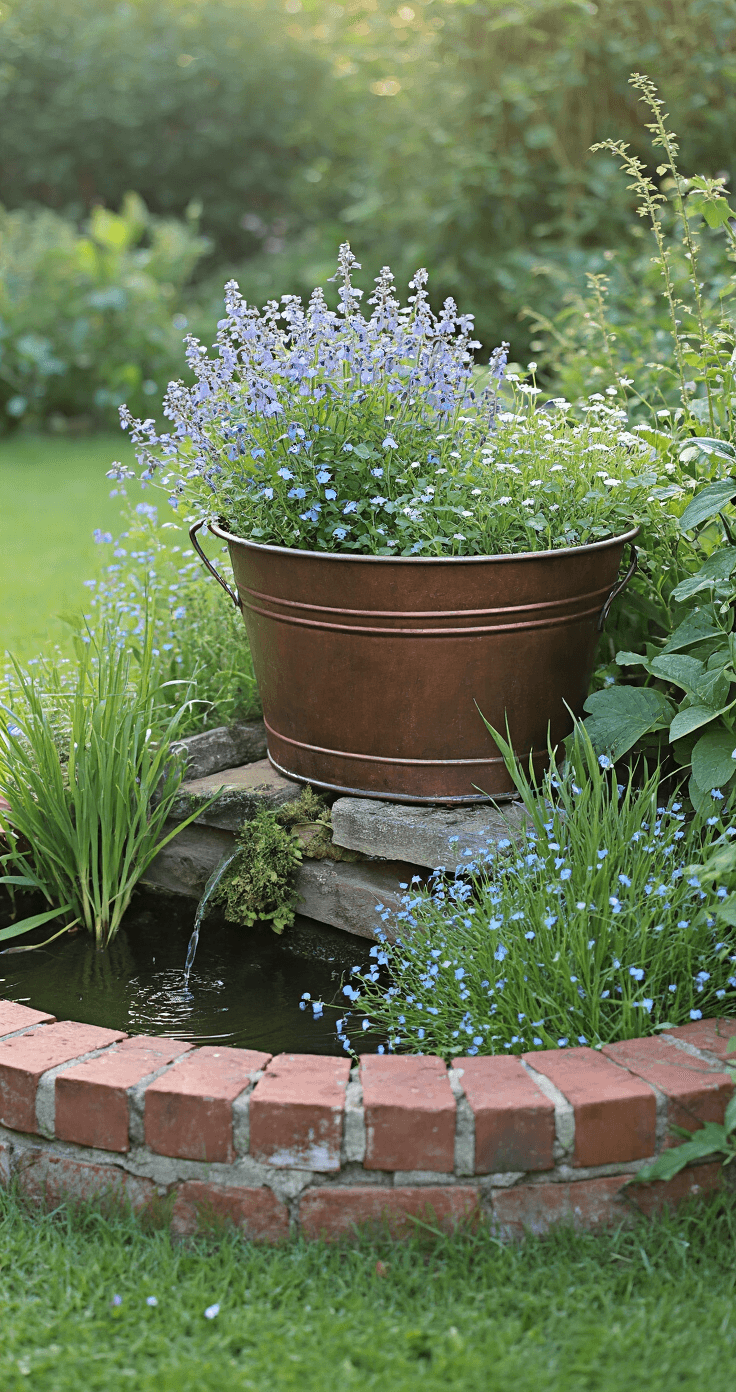
Step 2: Selecting Your Pond Container
You’ve got options here – from repurposed containers to purpose-built pond liners.
Container Choices
- Large ceramic pots
- Plastic containers
- Pre-formed pond liners
- Excavated ground pond
Step 3: Creating a Wildlife-Friendly Environment
Your pond isn’t just about water – it’s about creating a habitat. Here’s how to make it irresistible to local wildlife:
Wildlife Attraction Techniques
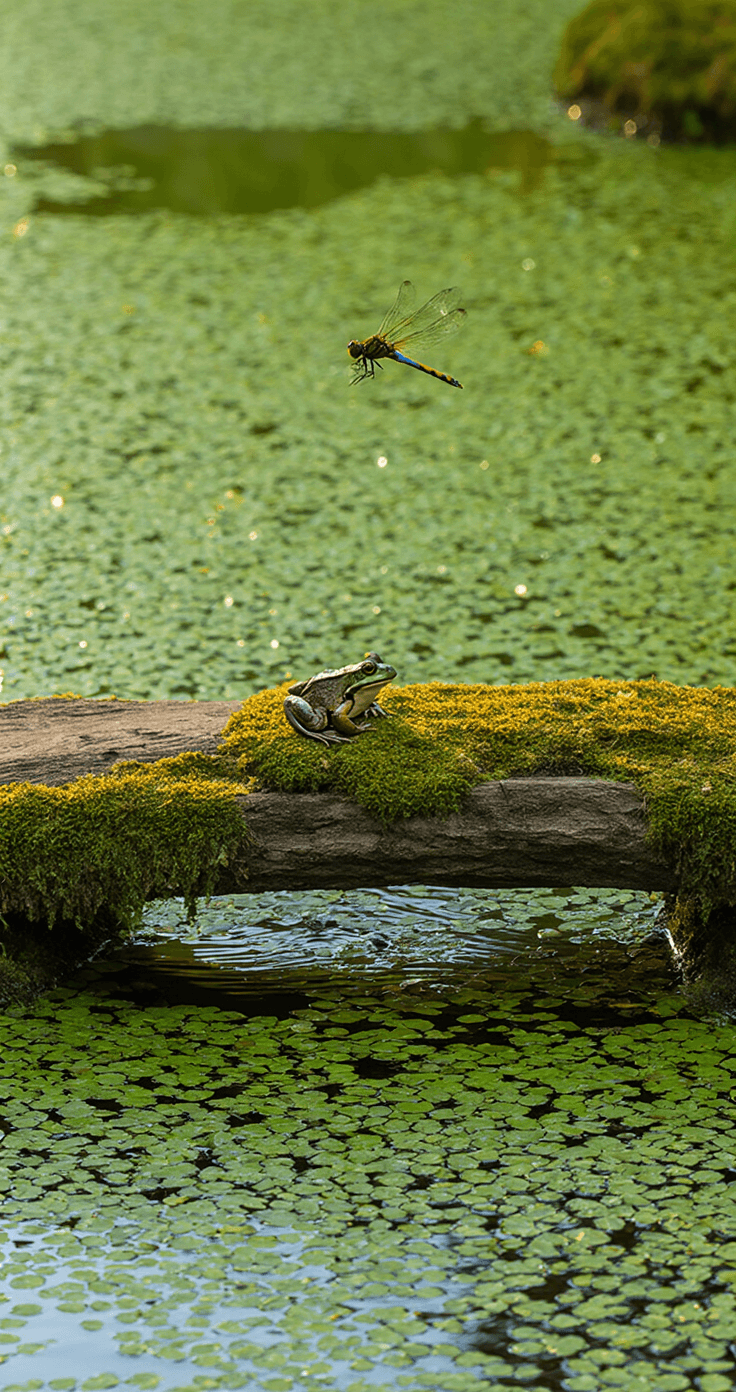
- Add sloping edges for easy animal access
- Include rocks and logs for perching
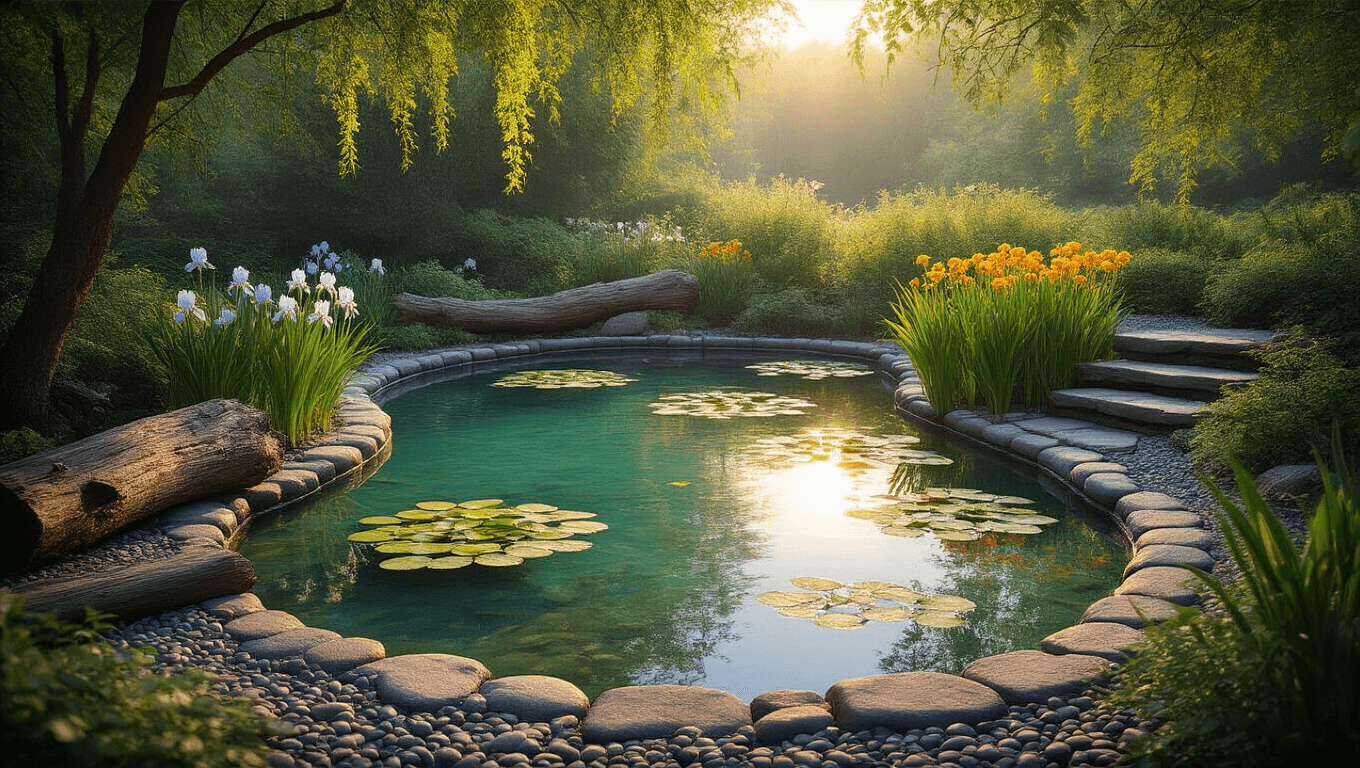
- Plant native aquatic and border plants
- Create varying water depths
Save this article
Enter your email and we'll send it straight to your inbox.
✎ Steal This Look
- Paint Color: Behr Sage Garden M390-3
- Furniture: weathered cedar potting bench with zinc-top work surface for pondside tool storage and potting aquatic plants
- Lighting: solar-powered rattan globe path lights with warm 2700K output along pond perimeter
- Materials: rough-hewn fieldstone, untreated cedar decking, woven willow screening, galvanized metal planters
There’s something quietly transformative about the first frog that claims your pond as home—suddenly your garden feels less like a curated space and more like a living ecosystem you’ve been trusted to steward.
Must-Have Plants for Your Wildlife Pond
1. Marginal Plants
- Iris
- Marsh Marigold
- Sedges
- Rushes
2. Floating Plants
- Water Lilies
- Duckweed
- Water Hyacinth
3. Submerged Plants
- Hornwort
- Eelgrass
- Water Milfoil
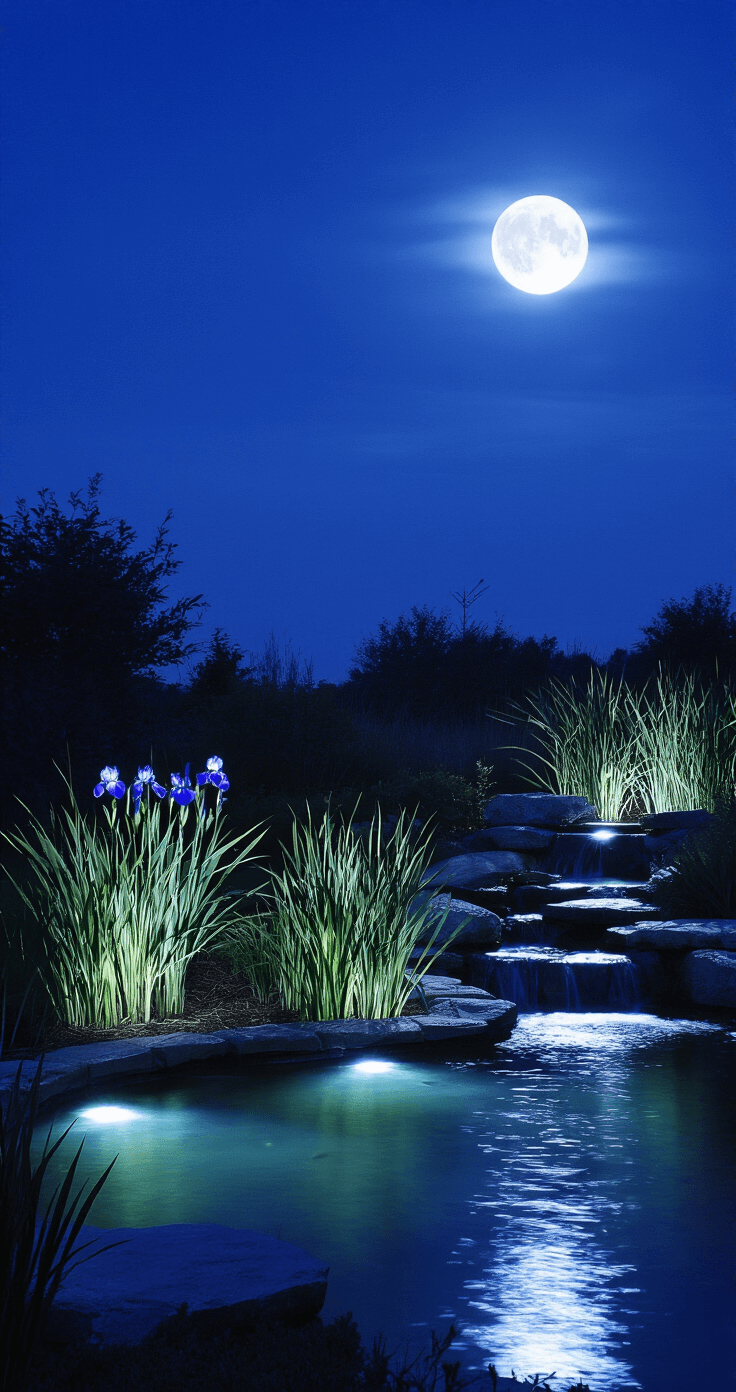
💡 Steal This Look
- Paint Color: use Valspar brand. Match the ACTUAL wall color in the image. Format: Valspar ColorName CODE
- Furniture: weathered cedar potting bench with galvanized steel top for staging pond plants and tools
- Lighting: solar-powered LED copper pathway lights with warm 2700K output
- Materials: natural stone edging, untreated cedar planters, woven willow hurdles, and aged terracotta pots
There’s something deeply satisfying about watching dragonflies test the air above water lilies you’ve nurtured from bare roots—this corner becomes your quiet front-row seat to a living ecosystem.
Photography and Styling Tips
Capture your pond’s magic with these pro techniques:
- Shoot during golden hour
- Use natural lighting
- Focus on water reflections
- Capture wildlife interactions
Seasonal Styling Tricks
- Spring: Fresh green shoots
- Summer: Blooming water plants
- Autumn: Falling leaves on water surface
- Winter: Frost-covered edges
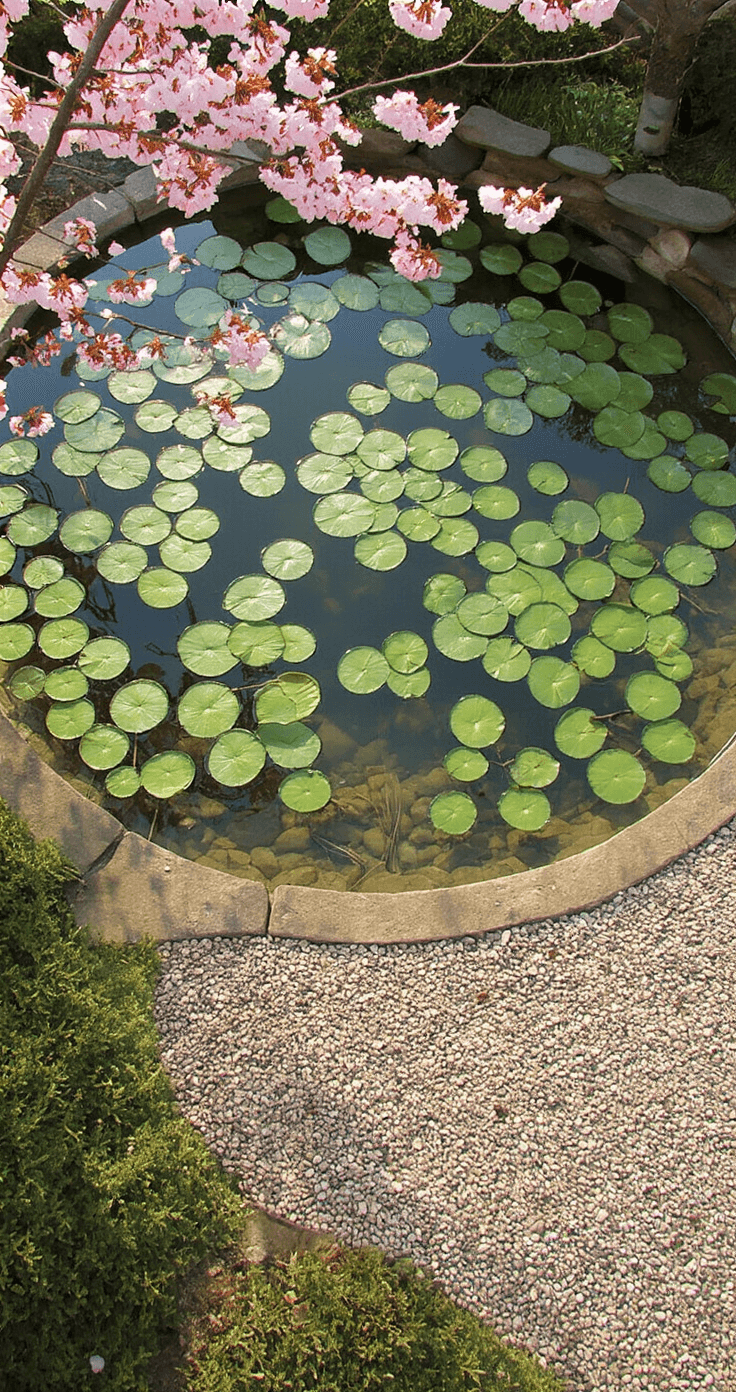
★ Steal This Look
- Paint Color: PPG Glade Green PPG1130-5
- Furniture: weathered teak garden bench positioned at pond’s edge for viewing angles
- Lighting: solar-powered copper path lights with warm 2700K output
- Materials: natural stone edging, aged cedar decking, moss-covered rocks, weathered galvanized metal accents
There’s something quietly thrilling about catching a dragonfly mid-flight or the perfect ripple on still water—this is the room where patience becomes your most valuable decorating tool, and the best shots often come when you’ve simply stopped trying.
Budget-Friendly Pond Hacks
- Upcycle old containers
- Use local stones
- Collect plants from local nurseries
- DIY your pond liner
Common Mistakes to Avoid
- Overcrowding the space
- Neglecting water quality
- Forgetting wildlife entry points
- Using non-native invasive plants
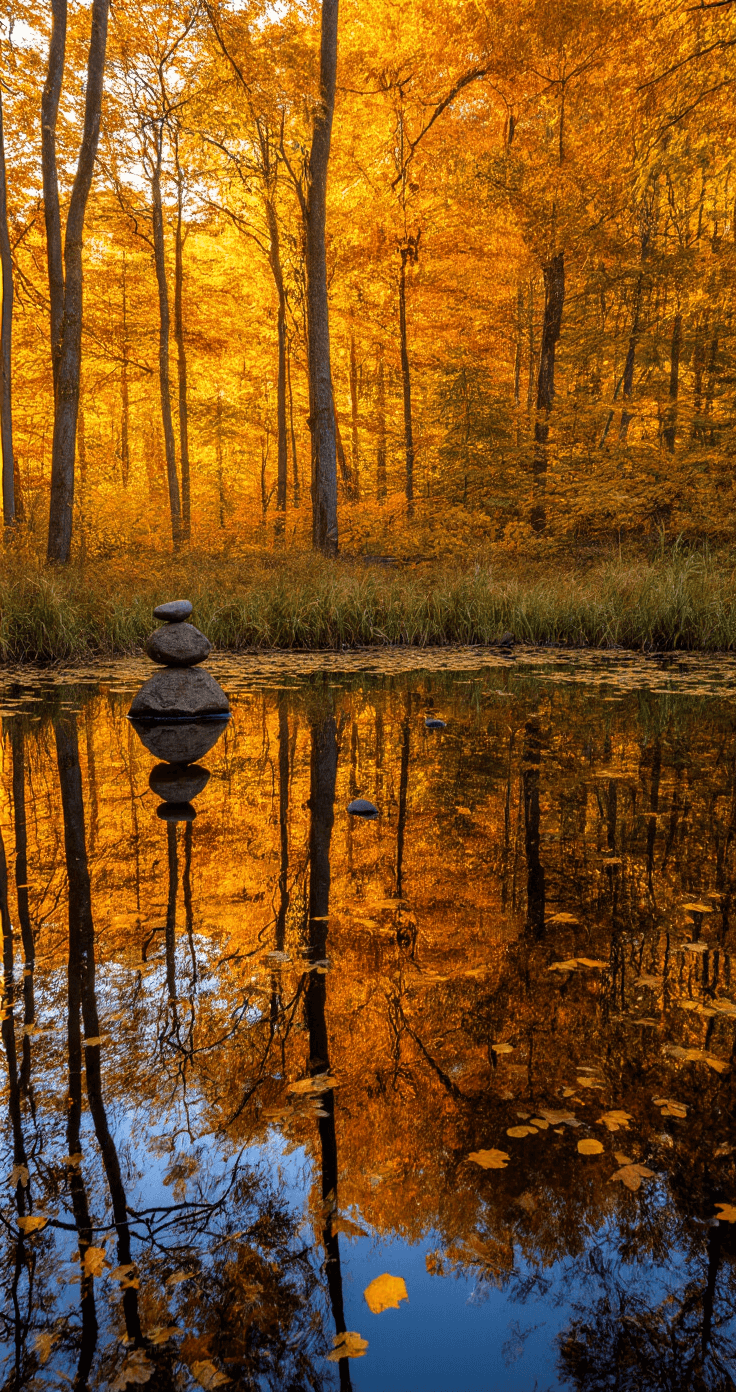
🏠 Steal This Look
- Paint Color: use Clare Paint brand. Match the ACTUAL wall color in the image. Format: Clare Paint ColorName CODE
- Furniture: weathered cedar potting bench with galvanized steel top for staging aquatic plants and pond maintenance tools
- Lighting: solar-powered LED stake lights with warm 2700K output for subtle evening illumination without disturbing nocturnal wildlife
- Materials: untreated cedar lumber for edging, natural stone boulders for hideaways, and hemp rope for securing plant baskets without synthetic degradation
There’s something quietly humbling about building a pond that isn’t for you—it’s for the frogs that appear uninvited, the dragonflies that patrol on summer evenings, the birds that bathe at dawn when you’re still asleep.
Maintenance Made Easy
- Weekly water checks
- Monthly plant trimming
- Remove debris regularly
- Monitor wildlife health
Your Turn: Create Your Pond Paradise
Remember, every great garden starts with a vision and a bit of creativity. Your wildlife pond is more than a project – it’s a living, breathing ecosystem that’ll transform your outdoor space.
Ready to dive in? Let’s make some garden magic happen!
Final Pro Tip: Take lots of photos and document your journey. Your pond will evolve and change, becoming a unique story of nature and design.
Happy gardening, friends! 🌿💦🦋
Want to keep this one?
We'll email you the link so you can find it again later.