

This post may contain affiliate links. Please see my disclosure policy for details.
Winter Running Outfit: Layering Techniques and Cold Weather Style That Actually Works
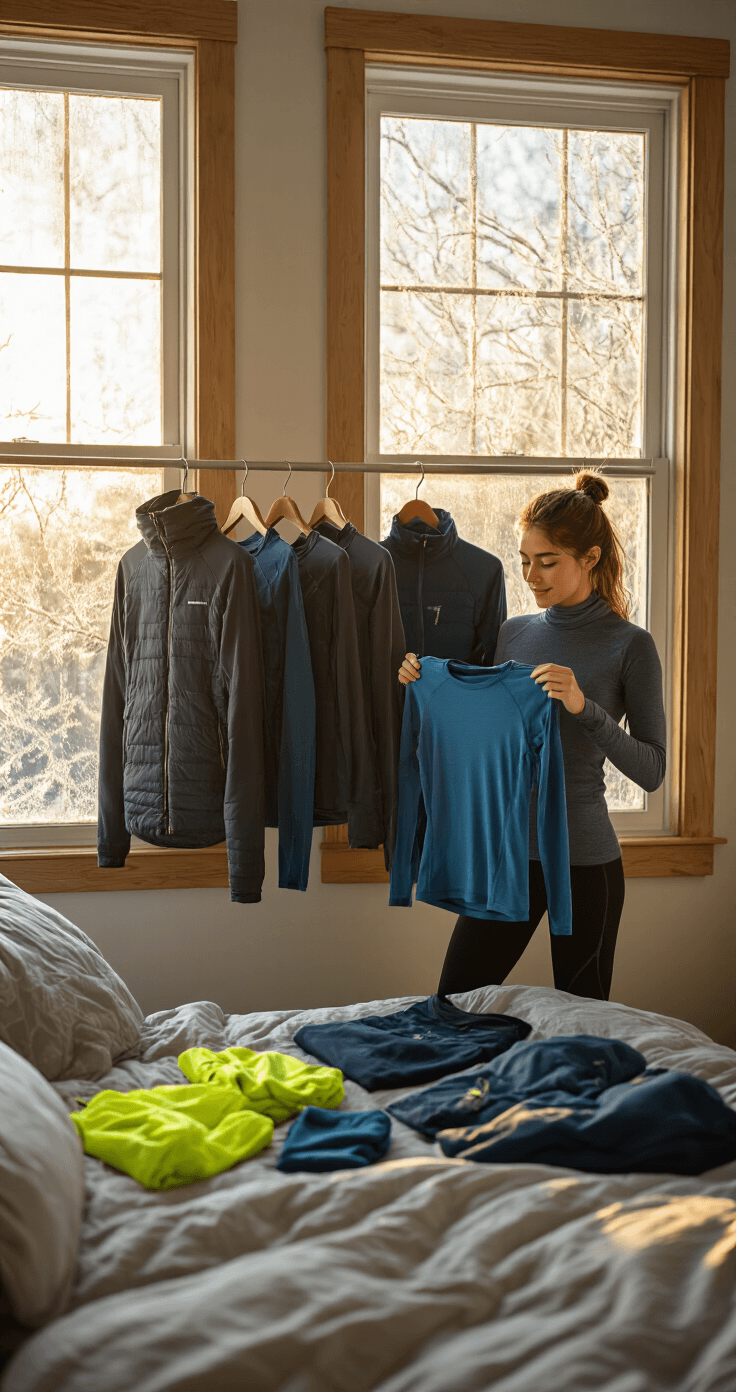
Winter running outfits can be tricky to figure out, especially when you’re standing in your bedroom at 6 AM trying to decide if you need three layers or just two.
I’ve been there way too many times—stepping out the door either sweating after mile one or freezing my butt off because I underestimated how cold 28 degrees actually feels when you’re moving.
The thing is, winter running doesn’t have to mean sacrificing style for warmth or ending up looking like a marshmallow in five puffy jackets.
You can look put-together and feel comfortable at the same time, and I’m gonna walk you through exactly how to do that.
Why Your Winter Running Wardrobe Needs More Than Just “Warm Stuff”
Look, throwing on a hoodie and sweatpants sounds like it should work.
But cotton holds moisture, your legs get soaked from sweat within ten minutes, and then the wind hits you and suddenly you’re colder than when you started.
I learned this the hard way during a January run where I thought my college hoodie would be fine.
Spoiler: it was not fine.
The right winter running outfit has to do three things—wick moisture away from your skin, trap warmth without making you overheat, and block wind and precipitation.
And honestly? It should look good too, because you’re more likely to actually get out the door if you feel confident in what you’re wearing.

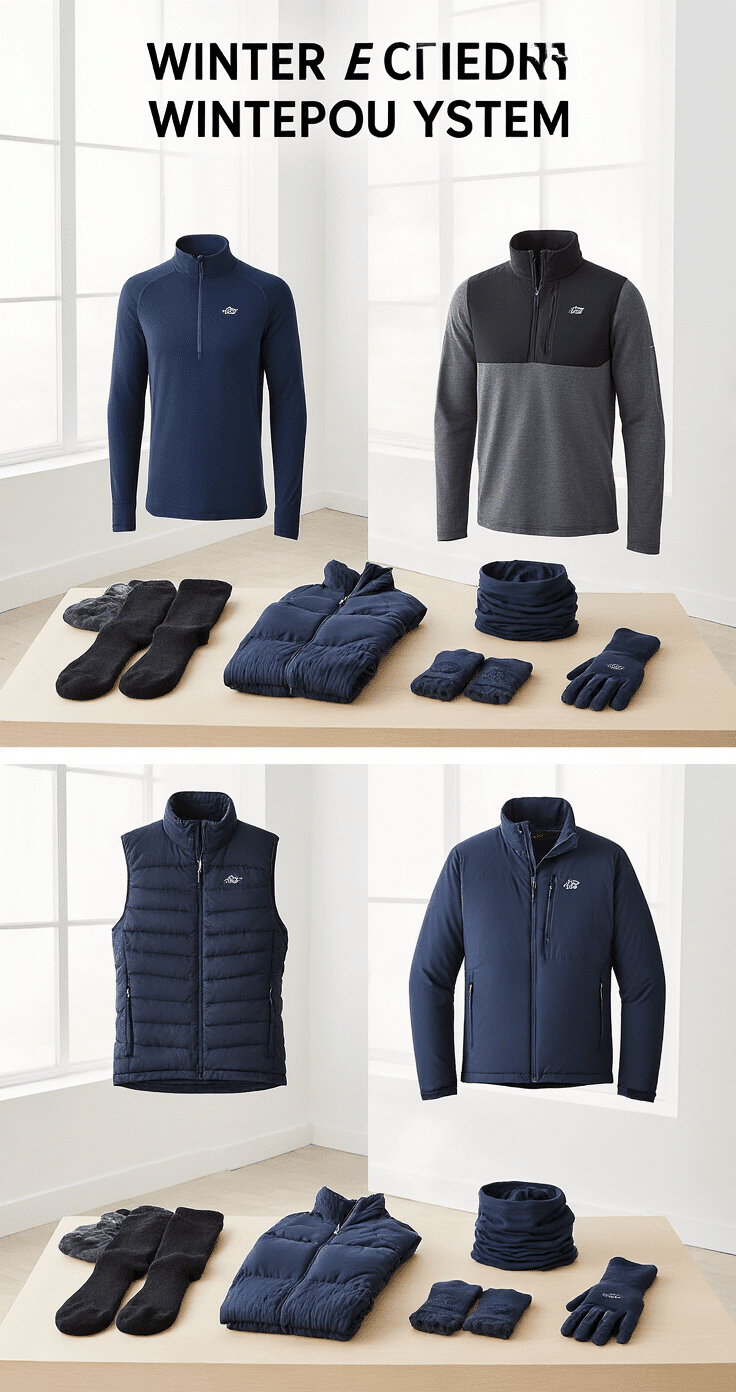
The Basic Three-Layer System That Changed My Winter Runs
Layering is the secret, but not just piling on random clothes.
There’s a method to it, and once you get it down it becomes second nature.
Layer 1: The Moisture-Wicking Base
This is the layer that sits right against your skin.
Its job is to pull sweat away so you don’t get that cold, clammy feeling mid-run.
Skip cotton completely here—it holds onto moisture like it’s getting paid to do it.
Instead, look for:
- Polyester or nylon blends that dry fast
- Merino wool if you want something soft and naturally odor-resistant
- Fitted long-sleeve tops that don’t bunch under your other layers
I swear by a good moisture-wicking base layer because it makes such a massive difference in how you feel fifteen minutes into your run.
Layer 2: The Insulating Mid Layer
This is your warmth layer.
It traps body heat while still letting moisture escape.
On really cold days—like below 30°F—you definitely want this.
On milder winter days (40–50°F), you might skip it entirely or just tie a light fleece around your waist incase the temperature drops.
Save this article
Enter your email and we'll send it straight to your inbox.
Good options include:
- Lightweight fleece pullovers
- Thermal running shirts with brushed interiors
- Thin down or synthetic insulated vests that don’t restrict arm movement
The key is that it shouldn’t be bulky or stiff, because you still need full range of motion.
A thermal mid layer keeps you warm without turning you into the Michelin Man.
Layer 3: The Windproof and Water-Resistant Outer Shell
This is your armor against the elements.
Wind is the enemy on winter runs—it cuts right through everything and steals your body heat.
Your outer layer needs to block that wind and ideally shed light rain or snow.
Look for jackets that are:
- Windproof but breathable (so sweat can still escape)
- Water-resistant (not necessarily fully waterproof, which can trap moisture inside)
- Fitted but not tight, so you can still move freely
I like jackets with ventilation zippers under the arms and a longer back to cover your lower back when you’re in stride.
A good windproof running jacket is honestly one of the best investments you can make for winter running.
What to Wear on Your Legs: Tights vs Pants
This comes down to personal preference and temperature.
For most winter runs, I go with thermal running tights because they’re fitted, warm, and don’t flap around or chafe.
Look for tights with:
- Fleece-lined interiors for extra warmth
- High waistbands that don’t slip or dig in
- Pockets for your phone, keys, or gels
- Reflective details for visibility
If it’s super cold—like below 20°F—I sometimes layer thin tights under thicker ones, or I’ll switch to wind-resistant running pants.
A pair of winter running tights with good compression and warmth makes cold-weather running so much more bearable.

Don’t Forget Your Extremities (Seriously, Don’t)
Your hands, feet, ears, and neck lose heat fast, and frozen fingers can ruin an otherwise good run.
Gloves or Mittens
Start with lightweight running gloves.
If it’s really cold, mittens keep your fingers warmer because they’re all together generating heat.
I keep a cheap pair of running gloves in my jacket pocket just incase.
Headbands or Beanies
A headband covers your ears without overheating your whole head.
If it’s freezing, go for a beanie made from moisture-wicking fabric—not a thick wool one that’ll make you sweat buckets.
Neck Gaiters
These are lifesavers on windy days
Want to keep this one?
We'll email you the link so you can find it again later.


