This post may contain affiliate links. Please see my disclosure policy for details.
Cottage Front Garden: Your Ultimate Guide to Creating a Romantic, Lush Entryway
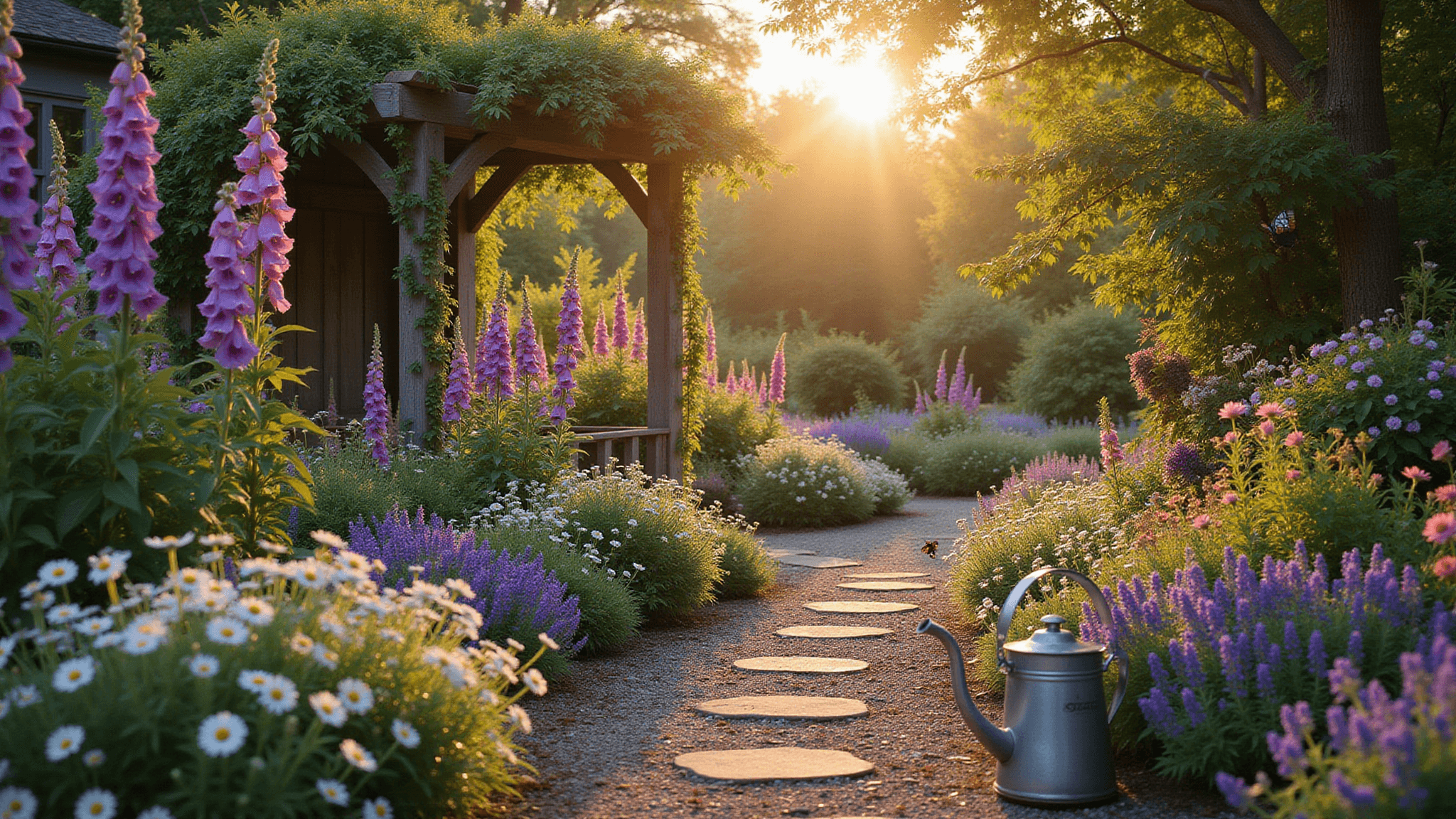
Hey there, garden enthusiasts! Ready to transform your front yard into a dreamy, Pinterest-worthy cottage garden that’ll make neighbors stop and stare? Let’s dive into the magical world of creating an irresistible cottage garden entrance that screams charm and welcome.
Quick Garden Transformation Facts
Garden Setup Snapshot:
- Weekend Warrior Ready: Full garden setup in just one weekend
- Skill Level: Perfect for beginners and garden newbies
- Budget: Wallet-friendly with smart planning
- Style: Relaxed, wild, and absolutely enchanting
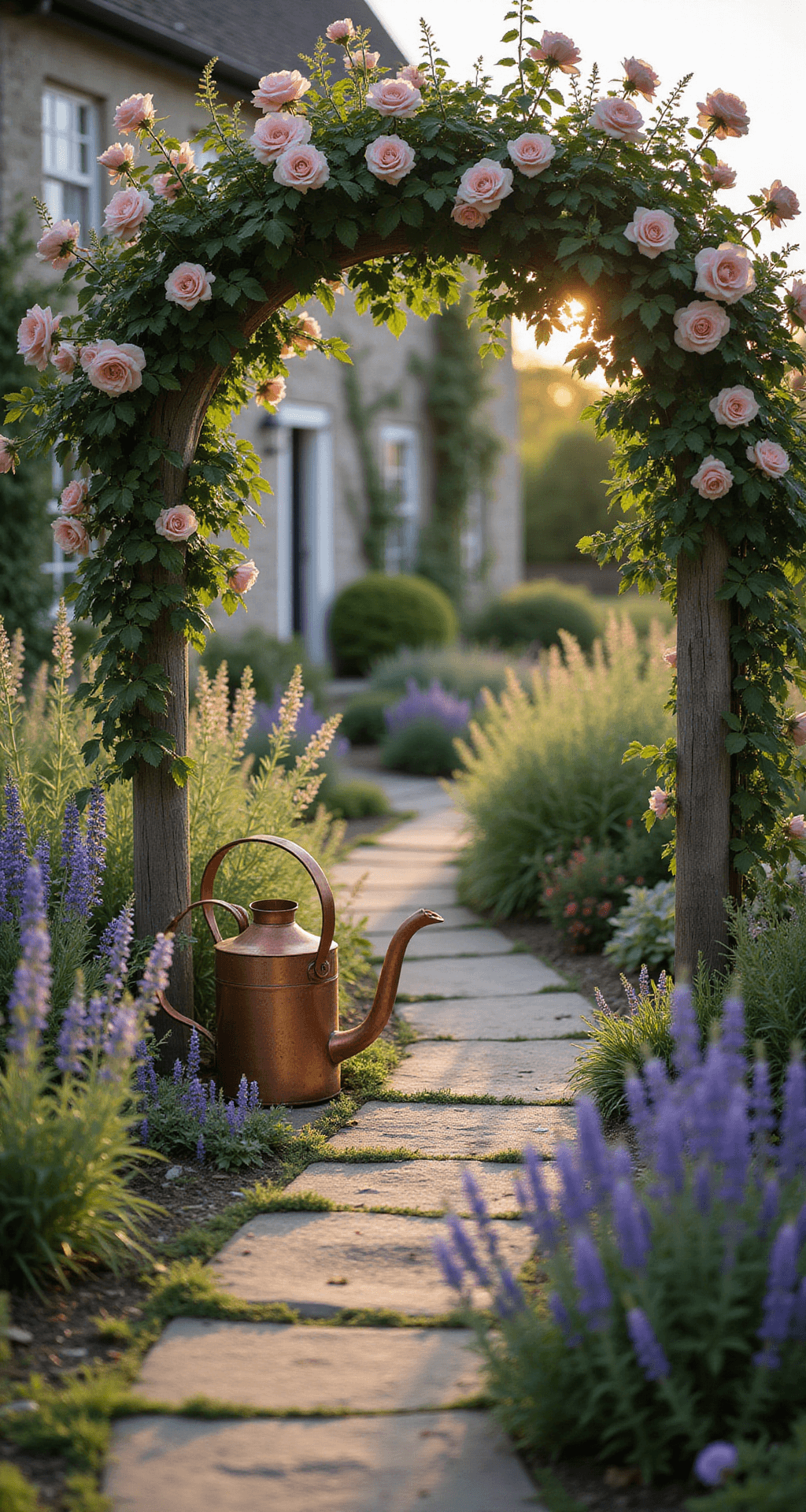
🎨 Steal This Look
- Paint Color: Sherwin-Williams Garden Sage SW 6167
- Furniture: weathered teak Adirondack chair with slatted back
- Lighting: antique brass gooseneck barn light with seeded glass
- Materials: crushed limestone gravel, reclaimed brick edging, untreated cedar trellis, aged terracotta pots
There’s something deeply satisfying about a front garden that feels discovered rather than designed—like it grew there over decades, even if you planted it last Saturday.
Why Cottage Gardens Are Your New Obsession
Imagine walking up to a home where flowers tumble over paths, herbs peek between stones, and every inch feels like a storybook scene. That’s the cottage garden magic we’re creating today.
The Cottage Garden Philosophy
Key Characteristics:
- Embrace imperfection
- Mix plants like you’re creating a delicious recipe
- Let nature lead the design
- Create a space that feels alive and breathing

💡 Steal This Look
- Paint Color: Benjamin Moore Cottage White OC-39
- Furniture: weathered teak Adirondack chair with slatted back
- Lighting: antique brass shepherd’s hook lantern with seeded glass
- Materials: crushed limestone pathways, reclaimed brick edging, cedar trellis with climbing roses, galvanized zinc planters
There’s something deeply personal about a cottage garden—it evolves with you, gets better with neglect in some corners and attention in others, and never judges you for a few weeds among the blooms.
Design Your Dream Cottage Garden: Step-by-Step
1. Plan Your Palette
Color Magic:
- Soft pinks
- Dreamy purples
- Calming blues
- Crisp whites
- Sunny yellows
Pro Tip: Think watercolor painting, not rigid color blocks.
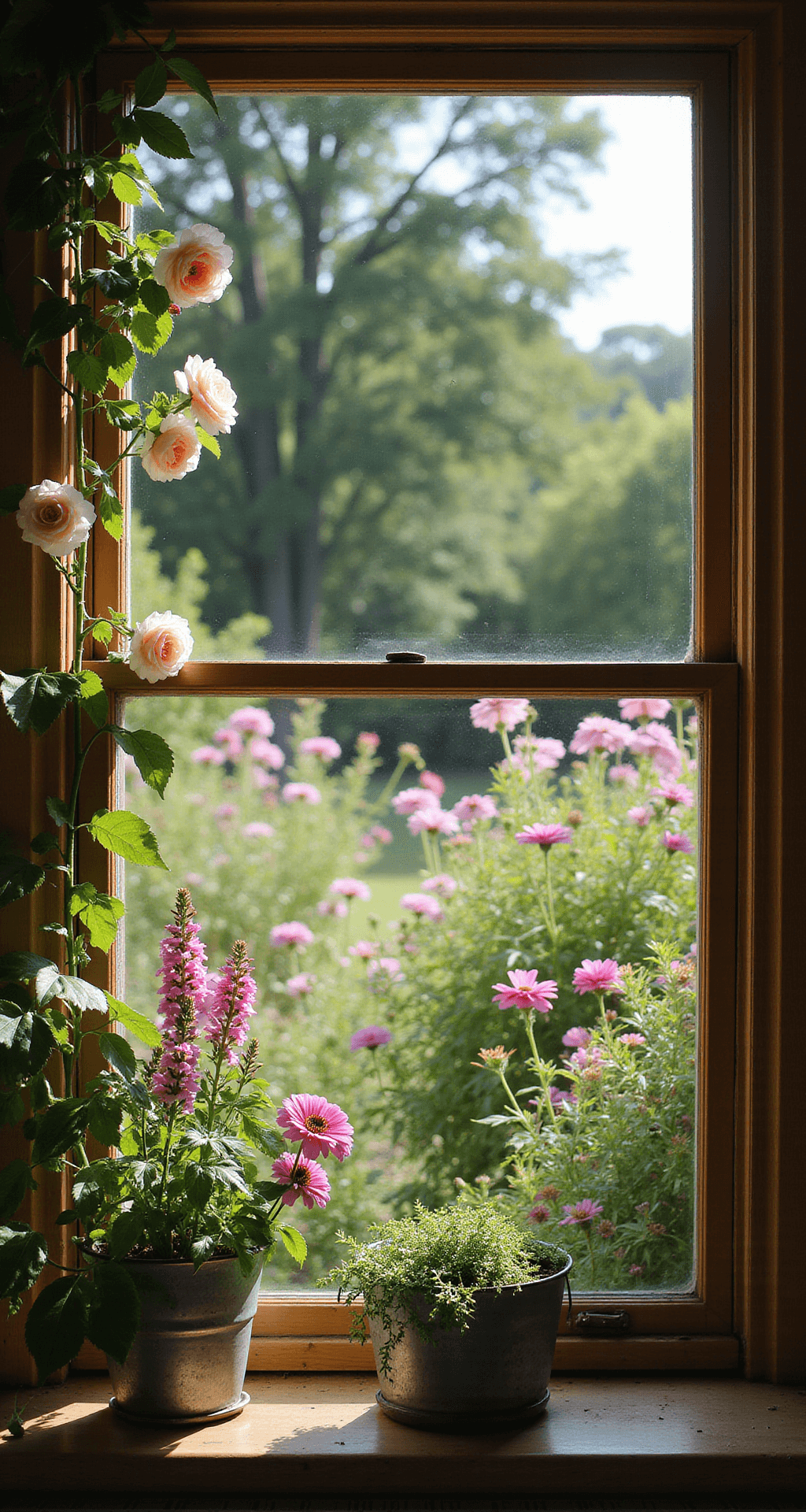
2. Choose Your Plant Superstars
Must-Have Plants:
- Roses (climbing and bushy)
- Lavender
- Foxgloves
- Penstemon
- Salvia
- Herbs (bonus: they smell amazing!)
3. Create Magical Pathways
Path Design Secrets:
- Use flagstones or gravel
- Allow plants to softly overflow edges
- Create gentle, curving lines
- Invite wandering and exploration

Save this article
Enter your email and we'll send it straight to your inbox.
4. Add Charming Accessories
Cottage Garden Accessories:
- Vintage watering cans
- Rustic benches
- Wrought iron gates
- Birdbaths
- Climbing trellises
★ Steal This Look
- Paint Color: Farrow & Ball Green Smoke 47
- Furniture: weathered teak garden bench with curved slat back
- Lighting: antiqued brass shepherd’s hook lantern with seeded glass
- Materials: aged limestone flagstones, crushed Cotswold gravel, reclaimed brick edging, galvanized zinc planters
There’s something deeply restorative about a cottage front garden—it welcomes you home before you even reach the door, and guests feel instantly at ease among the tumbling blooms and worn patina of well-loved pieces.
Photography Tips for Capturing Your Garden’s Soul
Lighting Magic:
- Shoot during golden hours (early morning/late afternoon)
- Use natural light
- Capture soft, dreamy angles
- Let plants be slightly wild in photos
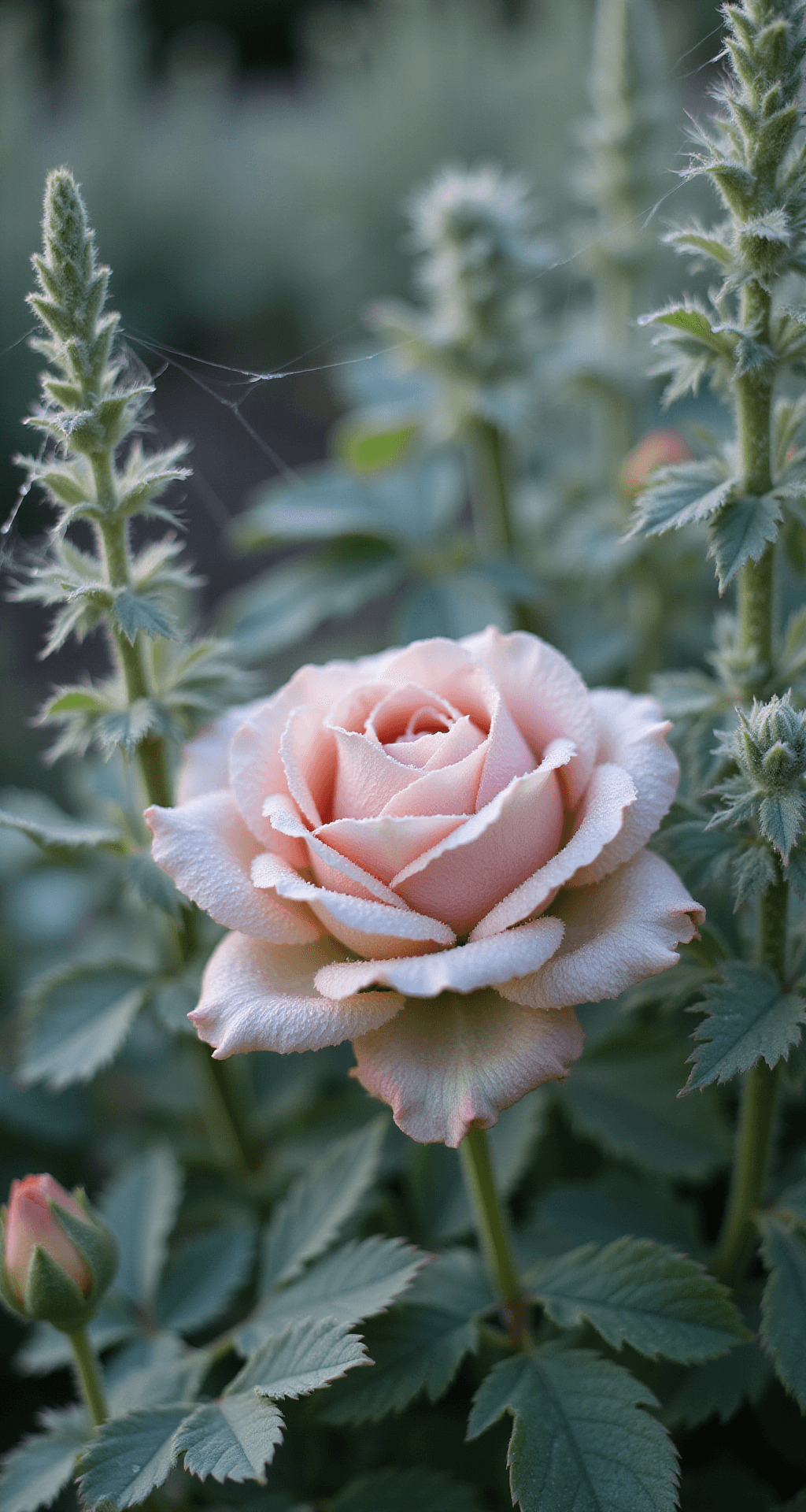
🏠 Steal This Look
- Paint Color: Behr Garden Path S340-3
- Furniture: weathered teak potting bench with vintage patina
- Lighting: solar-powered festoon string lights draped through climbing roses
- Materials: limestone gravel paths, aged terracotta, reclaimed brick edging, wild meadow grasses
There’s something deeply personal about photographing a garden you’ve tended yourself, and those slightly imperfect shots—where a bee blurs mid-flight or dew still clings—often become the ones you treasure most.
Maintenance: Keeping the Magic Alive
Seasonal Care:
- Spring: Plant bulbs, refresh paths
- Summer: Regular deadheading
- Fall: Plant perennials, add winter structure
- Winter: Plan next year’s garden
Budget-Friendly Transformation Tips
- Start small and expand
- Grow from seeds
- Use local, native plants
- Shop end-of-season sales
- Trade plants with gardening friends

🎨 Steal This Look
- Paint Color: PPG Vintage White PPG1074-1
- Furniture: weathered teak Adirondack chair with peeling white paint
- Lighting: solar-powered mason jar string lights hung along a picket fence
- Materials: salvaged brick edging, galvanized metal buckets as planters, burlap ribbon for tying up climbing roses
There’s something deeply satisfying about watching a garden built on patience and ingenuity flourish—this is the space where morning coffee tastes better and neighbors slow down to chat.
Common Cottage Garden Mistakes to Avoid
Don’t:
- Over-manicure your garden
- Use too much mulch
- Forget about plant diversity
- Ignore your specific climate
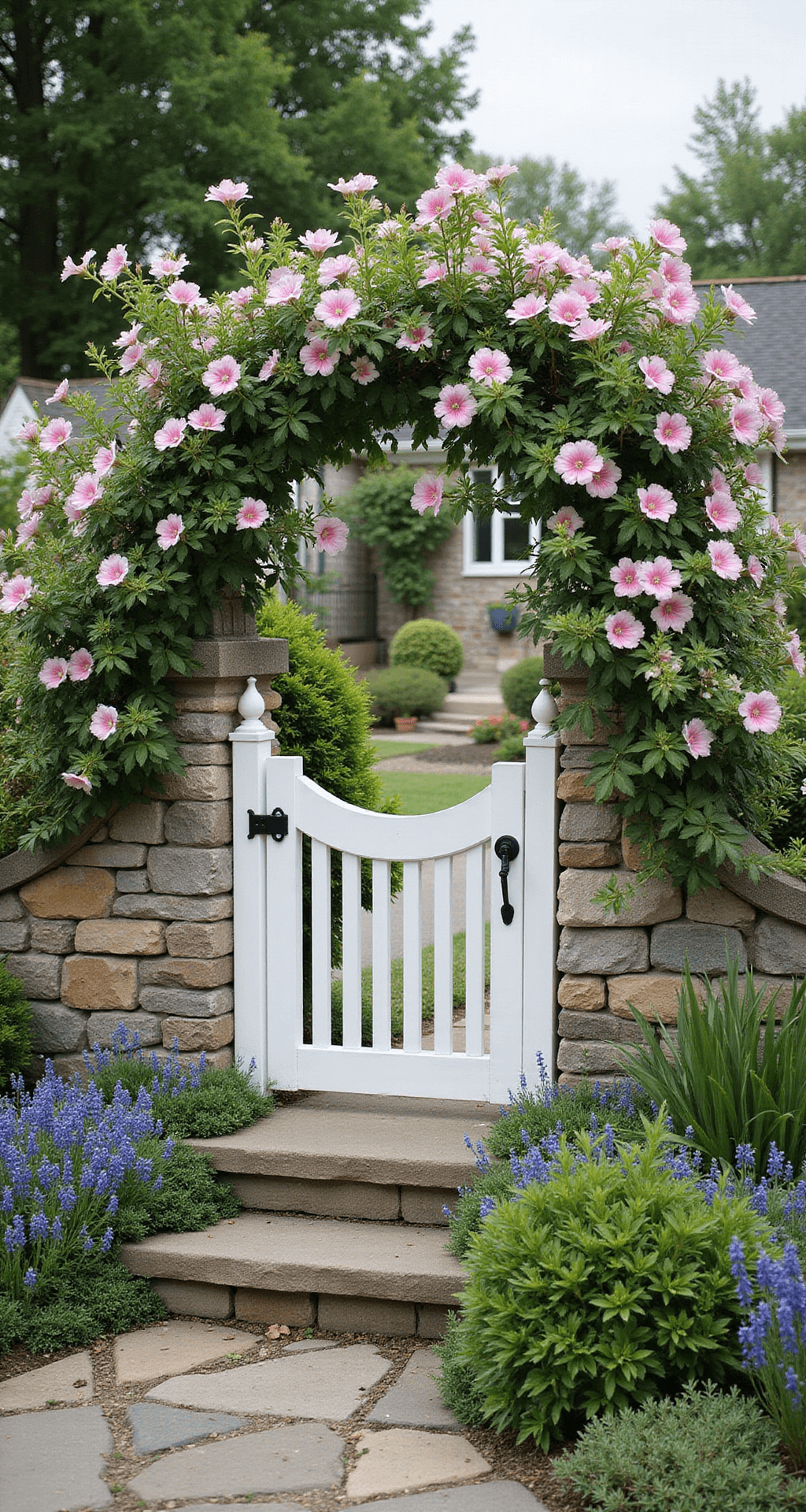
🏠 Steal This Look
- Paint Color: Dunn-Edwards Whisper White DEW340
- Furniture: weathered teak garden bench with curved arms, vintage cast iron bistro set with peeling paint patina
- Lighting: antique brass shepherd’s hook lantern with seeded glass, solar-powered fairy lights woven through climbing roses
- Materials: aged limestone gravel paths, reclaimed brick edging, untreated cedar trellises, hand-thrown terracotta pots with moss accumulation
There’s a particular magic in a cottage garden that feels discovered rather than designed—like stumbling upon a grandmother’s secret plot that happened over decades, not weekends. Your front garden should invite neighbors to slow down and notice, not admire your precision.
✅ Get The Look
Your Garden, Your Story
Remember, a cottage garden is like a living painting. It’s personal, ever-changing, and tells your unique story. There are no strict rules—just guidelines and tons of creativity.
Pro Gardener’s Promise: Your garden will evolve, surprise you, and become more beautiful each season.
Ready to Start?
Grab your gardening gloves, channel your inner plant whisperer, and let’s create a front yard that’ll make your home the most Instagram-worthy on the block! 🌿🏡✨
Want to keep this one?
We'll email you the link so you can find it again later.