This post may contain affiliate links. Please see my disclosure policy for details.
Hey there, garden enthusiasts!
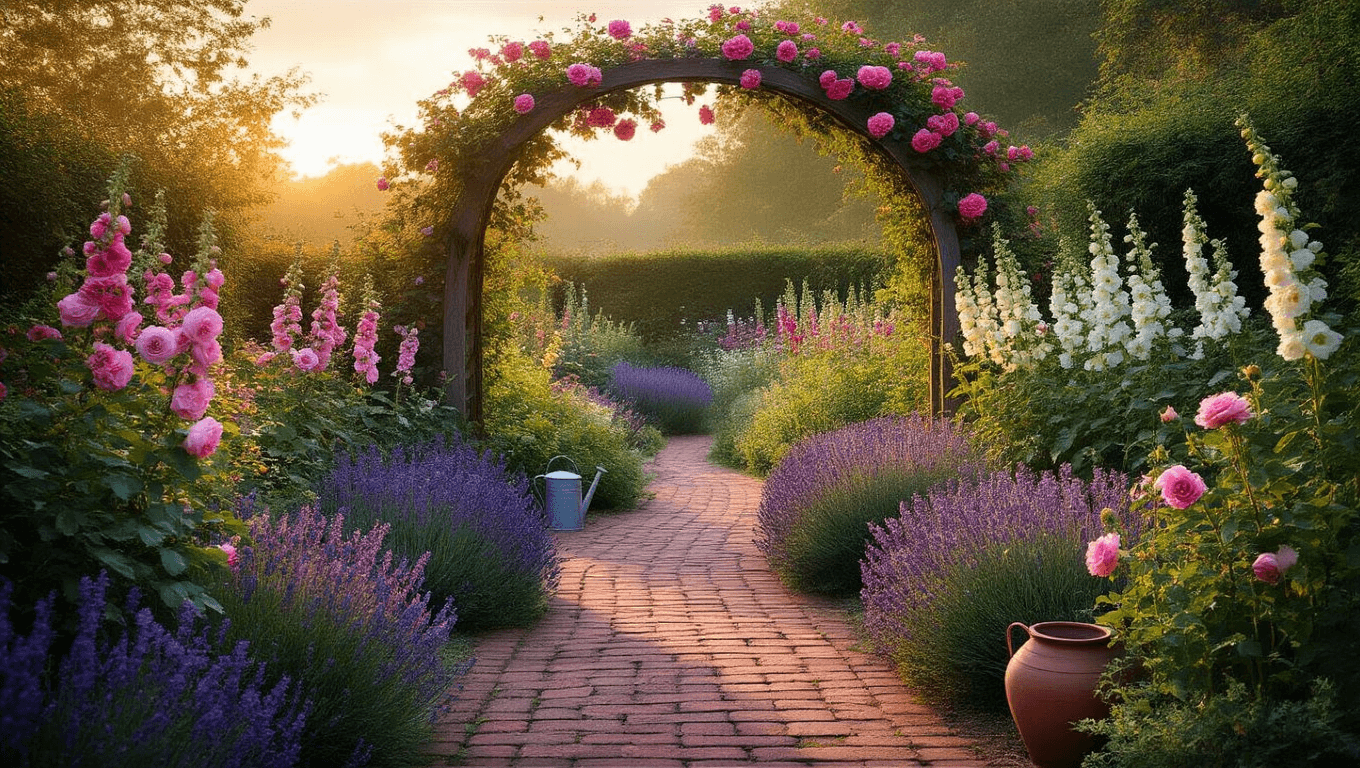
Ready to transform your outdoor space into a magical, overflowing paradise that looks like it’s straight out of a storybook? Let’s dive into the world of country cottage gardens – where mess is magic and nature runs beautifully wild.

★ Steal This Look
- Paint Color: Sherwin-Williams Garden Sage SW 6168
- Furniture: weathered teak Adirondack chair with slatted back, paired with a reclaimed barnwood potting bench featuring zinc-top surface
- Lighting: oversized galvanized metal barn pendant with seeded glass, hung from a pergola beam or shepherd’s hook stake
- Materials: crushed limestone gravel paths, aged terracotta pots with moss patina, woven willow trellises, and hand-forged iron plant stakes
There’s something deeply restorative about a garden that refuses to be tamed—where you can lose an afternoon deadheading roses and still feel like you’ve accomplished nothing and everything at once.
What Makes a Country Cottage Garden Special?
Imagine a garden that breaks all the traditional landscaping rules. No rigid lines. No perfectly manicured borders. Just pure, unbridled botanical joy that looks like it’s grown exactly where it wants to.
The Secret Sauce of Cottage Garden Magic
🌿 Embrace the Controlled Chaos
- Pack plants together like best friends
- Mix heights, colors, and textures
- Let plants spill over paths and edges
Must-Have Plants for Your Cottage Garden
Flowers That Steal the Show:
- Lavender (hello, dreamy purple waves!)
- Peonies (big, bold, breathtaking)
- Foxgloves (tall, whimsical storytellers)
- Snapdragons (nature’s playground)

🏠 Steal This Look
- Paint Color: Behr Garden Path S360-4
- Furniture: weathered teak potting bench with zinc-top work surface
- Lighting: solar-powered vintage-style shepherd’s hook lanterns
- Materials: aged terracotta, galvanized metal, crushed gravel paths, reclaimed brick edging
There’s something almost rebellious about a cottage garden—no rigid symmetry, just joyful chaos that somehow feels more alive than any manicured landscape ever could.
Pro Designer Tips
Layer Like a Garden Stylist
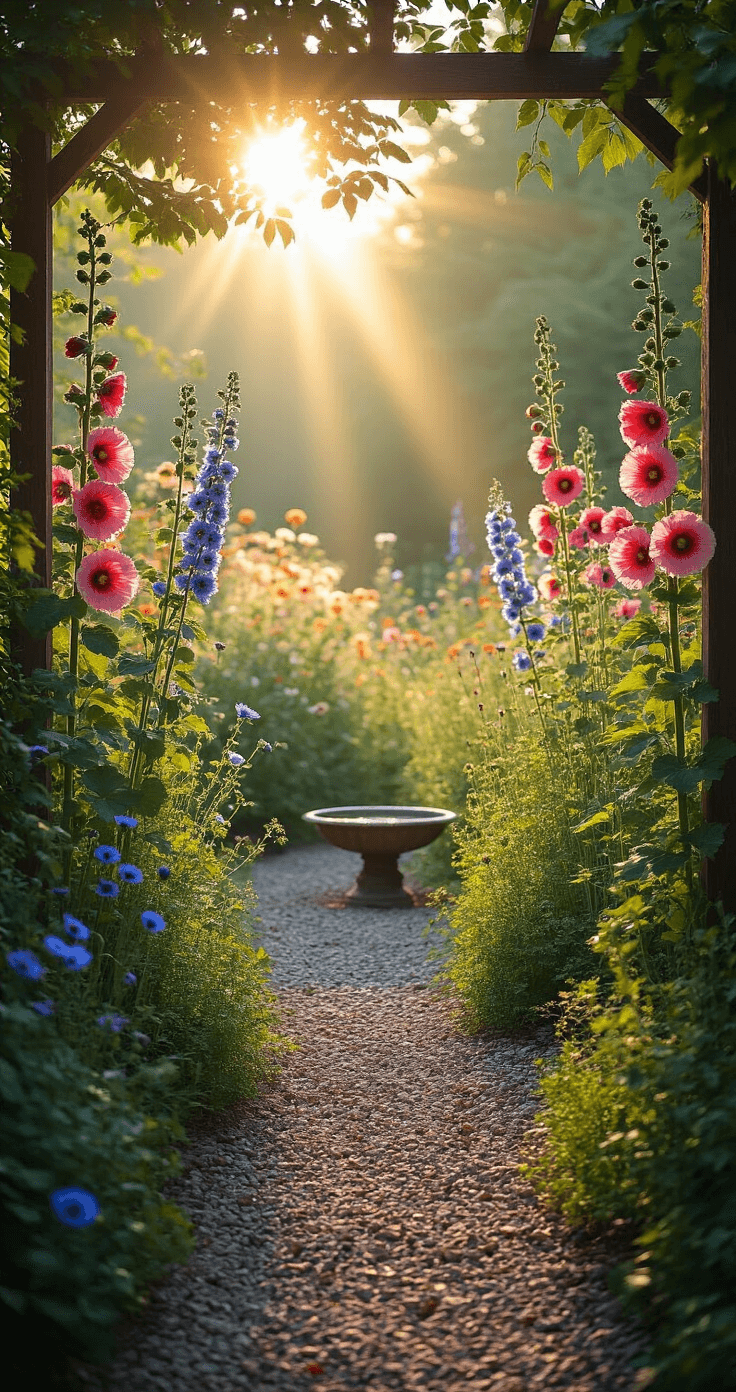
- Back row: Tall showstoppers (hollyhocks, delphinium)
- Middle ground: Medium-height beauties (roses, foxgloves)
- Front edge: Low-growing charmers (herbs, ground cover)
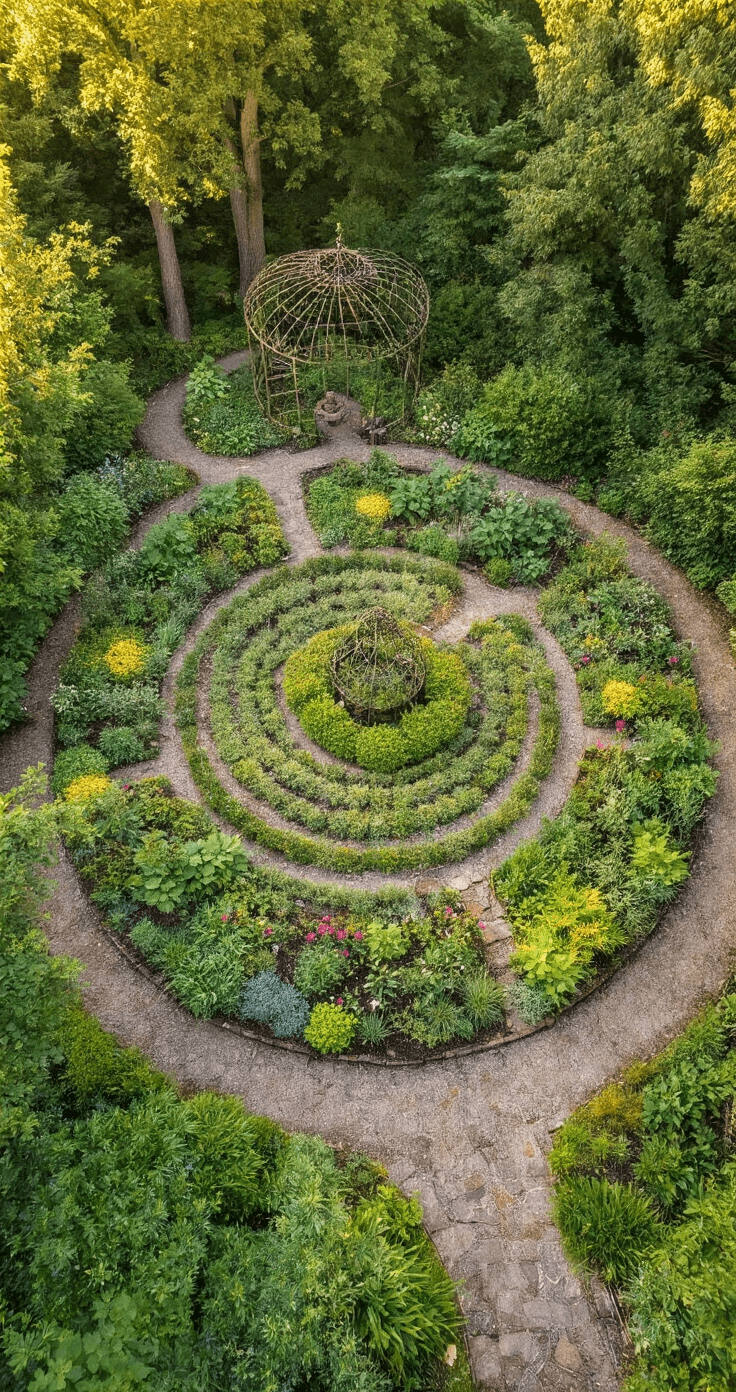
🖼 Steal This Look
- Paint Color: Valspar Garden Party Green 5002-5C
- Furniture: weathered teak potting bench with galvanized metal top
- Lighting: antique brass gooseneck barn sconce with seeded glass
- Materials: aged terracotta, reclaimed wood, crushed gravel pathways, wrought iron
This layered approach transforms even a modest border into something that feels discovered rather than designed—like a garden that’s been quietly thriving for decades.
🌊 Get The Look
Design Elements That Make Your Garden Sing
🏺 Vintage Vibes Matter
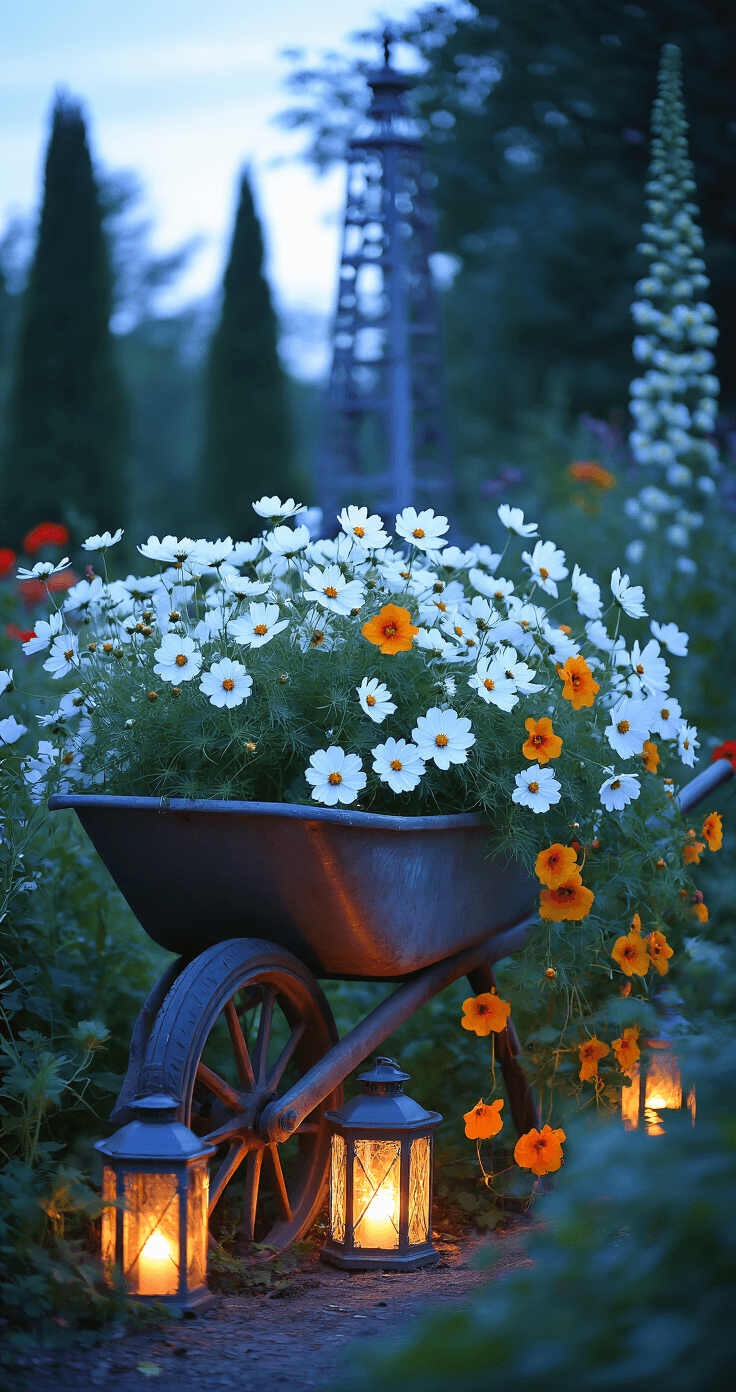
- Old wheelbarrows as planters
- Weathered wooden benches
- Rustic trellises
- Reclaimed garden art

🖼 Steal This Look
- Paint Color: PPG Vintage Charm PPG1042-4
- Furniture: distressed teak potting bench with zinc-top surface and lower slatted shelf for storing terracotta pots
- Lighting: antique brass shepherd’s hook lanterns with seeded glass, 48-inch height, solar-powered LED
- Materials: oxidized corten steel edging, reclaimed barn wood planks, hand-thrown terracotta with crackle glaze, galvanized metal tubs with intentional rust patina
There’s something deeply satisfying about giving a cracked wheelbarrow or splintered bench a second life in the garden—it connects you to the hands that used it before and grounds your outdoor space in story rather than trend.
Save this article
Enter your email and we'll send it straight to your inbox.
Wildlife-Friendly Bonus
Your cottage garden isn’t just pretty – it’s a living ecosystem! Choose plants that:
- Attract pollinators
- Support local bird populations
- Create a mini nature sanctuary
🖼 Steal This Look
- Paint Color: Dunn-Edwards Sage Wisdom DE6197
- Furniture: weathered teak potting bench with galvanized zinc top for workspace and display
- Lighting: solar-powered copper string lights with Edison bulbs woven through climbing vines
- Materials: rough-hewn cedar for raised beds, river stone pathways, untreated terracotta, and woven willow for natural habitat structures
This is the section where your garden stops being a performance for neighbors and becomes a quiet partnership with the creatures who were there first—there’s something deeply grounding about watching goldfinches work through coneflower seeds while you drink morning coffee.
Low-Maintenance Garden Hacks
Smart Plant Choices
- Perennials: Your garden’s reliable backbone
- Self-seeding annuals: Free plant expansion!
- Native species: Naturally adapted, less fussy
Color and Bloom Strategy
- Select plants with staggered blooming times
- Ensure something’s always flowering
- Create a continuous color parade
🖼 Steal This Look
- Paint Color: Clare Paint Fresh Kicks CW-01
- Furniture: weathered teak potting bench with galvanized steel top
- Lighting: solar-powered copper stake path lights with warm 2700K output
- Materials: crushed limestone gravel paths, reclaimed cedar raised beds, corten steel edging
This is the garden style for people who want to actually enjoy their weekends rather than wage war on weeds—think of it as designing laziness into the system from day one.
✓ Get The Look
Common Beginner Mistakes to Avoid
- ❌ Don’t: Aim for perfect symmetry
- ❌ Don’t: Over-organize your plantings
- ❌ Don’t: Stress about “proper” garden rules
- ✅ Do: Follow your creative instincts
- ✅ Do: Let plants intermingle
- ✅ Do: Celebrate imperfection
✎ Steal This Look
- Paint Color: Fine Paints of Europe Hollandlac Brilliant Dutch White W1001
- Furniture: weathered teak potting bench with galvanized zinc top
- Lighting: antique brass gooseneck barn sconce with seeded glass
- Materials: crushed gravel paths, reclaimed brick edging, raw cedar trellis, unbleached linen cushion covers
This is where your garden becomes yours—the wonky gate that sticks, the self-seeded poppy in the gravel, the rose that flopped exactly where you needed privacy.
Budget-Friendly Tips
- Start small and expand gradually
- Trade plants with fellow gardeners
- Use seeds instead of mature plants
- Collect seeds from existing plants
Your Cottage Garden Personality Quiz
Ask yourself:
- Do you love a bit of wild, untamed beauty?
- Are you okay with plants that don’t follow rules?
- Do you want a garden that feels alive and dynamic?
If you answered YES, a cottage garden is your soulmate!
Final Thoughts
A country cottage garden is more than a landscape – it’s a living, breathing canvas of color, texture, and joy. It doesn’t just grow plants; it tells a story.
Your garden will evolve, change, and surprise you. Embrace the journey, get your hands dirty, and let nature be your co-designer.
Happy gardening, friends! 🌻🌿🦋
Want to keep this one?
We'll email you the link so you can find it again later.