This post may contain affiliate links. Please see my disclosure policy for details.
Garden Hedges: Your Ultimate Guide to Creating Living Boundaries
Hey there, garden enthusiasts! Let’s dive into the world of garden hedges – those magical living barriers that can transform your outdoor space from blah to brilliant.
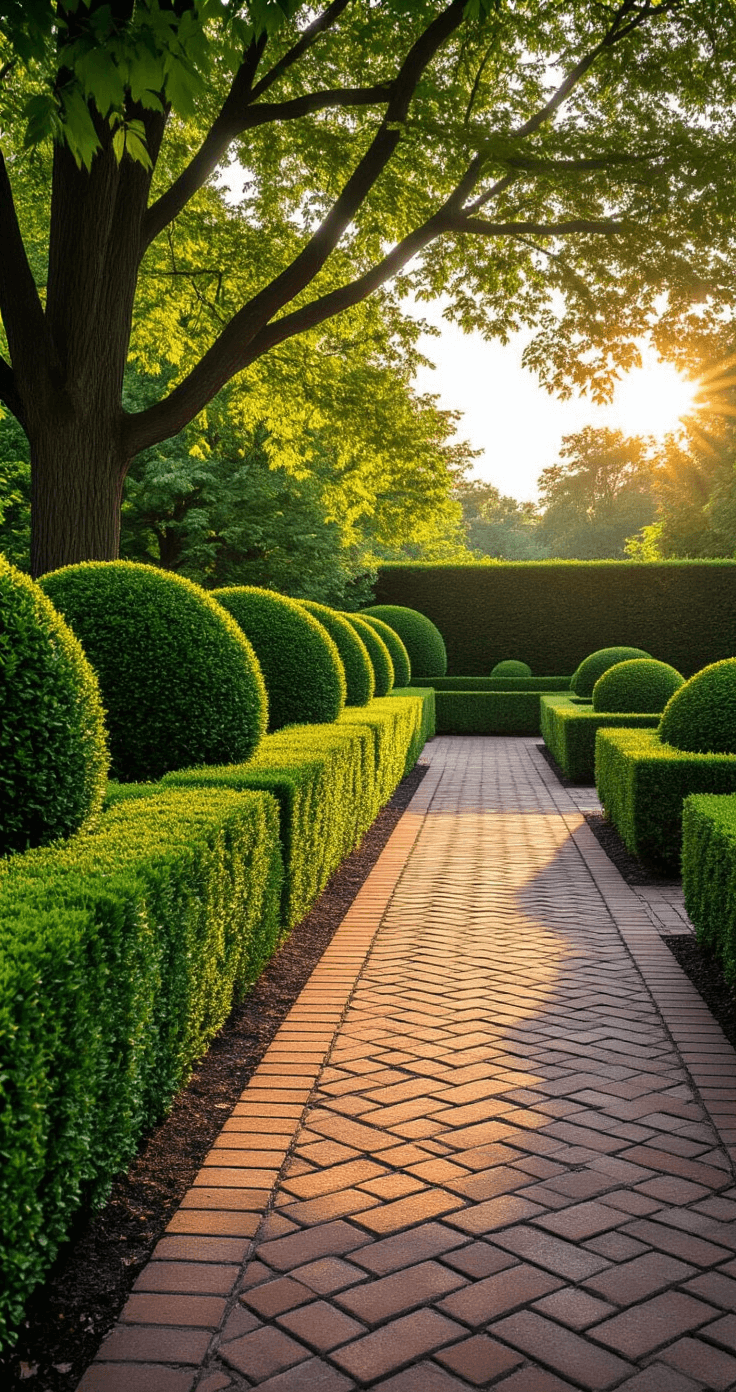
💡 Steal This Look
- Paint Color: Sherwin-Williams Rookwood Dark Green SW 2808
- Furniture: weathered teak Adirondack chairs with olive green Sunbrella cushions, positioned at hedge gaps to create intentional sight lines
- Lighting: low-voltage brass path lights with frosted glass, staggered along the hedge interior to uplight foliage texture at night
- Materials: English boxwood clippings, crushed limestone gravel, untreated cedar mulch, hand-forged iron plant supports
There’s something deeply satisfying about a hedge you’ve shaped yourself over years—it becomes less garden chore and more living sculpture that marks the seasons with you.
Why Garden Hedges Are a Game-Changer
Imagine creating a natural fence that’s not just a boundary, but a living, breathing part of your landscape. Garden hedges are more than just plants – they’re:
- Privacy screens
- Wind blockers
- Noise reducers
- Stunning landscape features
Choosing Your Perfect Hedge: What You Need to Know
Plant Selection Matters
Not all hedges are created equal. Your perfect hedge depends on:
- Local climate
- Maintenance tolerance
- Specific garden goals
- Available space
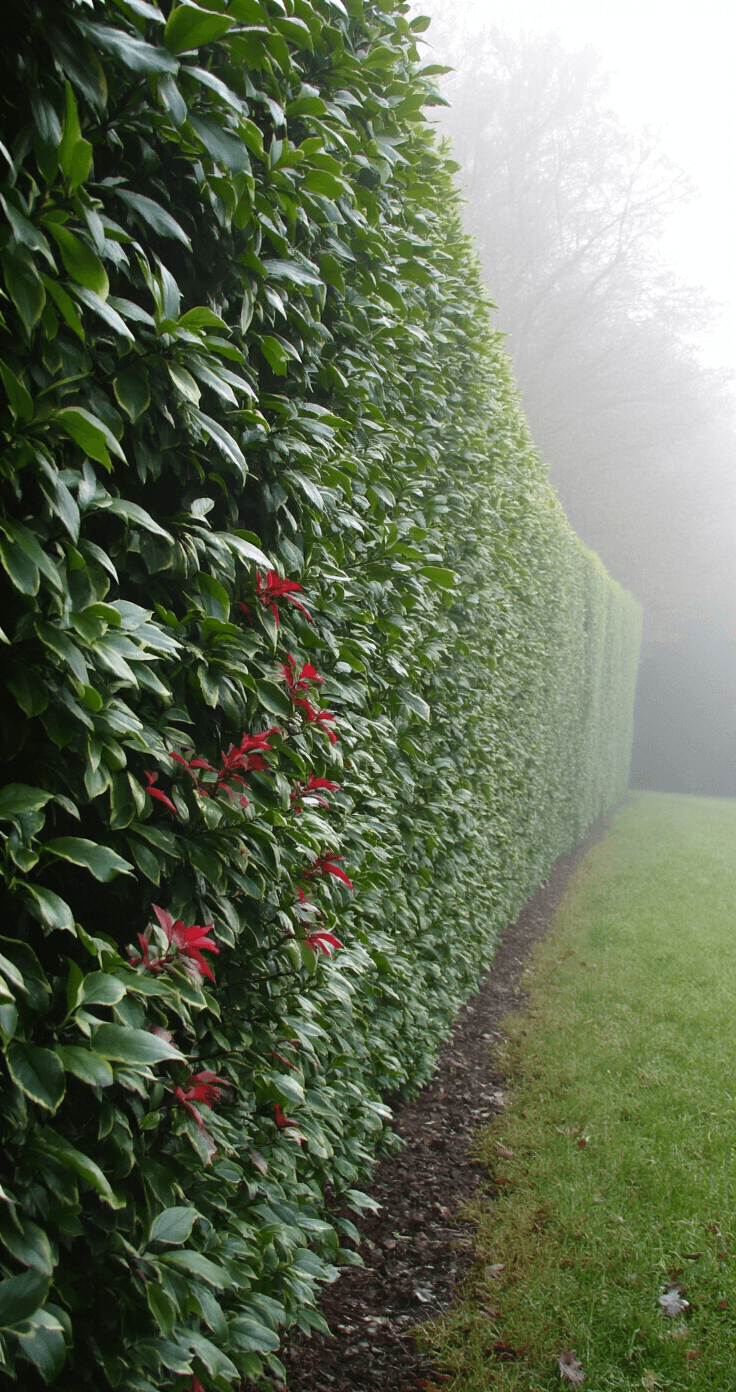
Top Hedge Champions
Here are my absolute favorite hedge plants:
- Boxwood: The classic formal hedge king
- English Laurel: Privacy master
- Leyland Cypress: Fast-growing giant
- Euonymus: Low-maintenance superstar
- Photinia ‘Red Robin’: Color pop extraordinaire
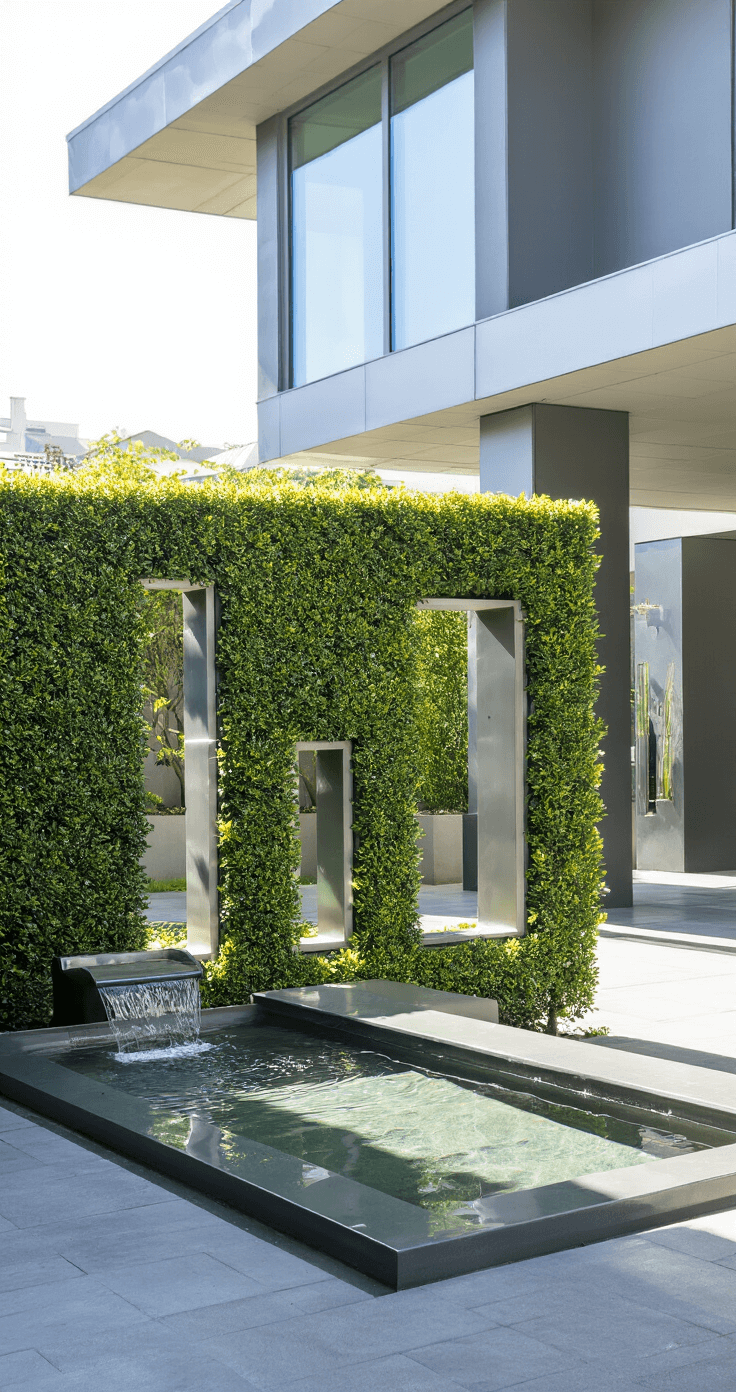
💡 Steal This Look
- Paint Color: use Farrow & Ball brand. Match the ACTUAL wall color in the image. Format: Farrow & Ball ColorName CODE
- Furniture: weathered teak potting bench with zinc top
- Lighting: antique brass gooseneck barn light
- Materials: corten steel planters, aged terracotta, hand-forged iron trellis, crushed gravel paths
I learned this the hard way after watching a Leyland Cypress hedge swallow my neighbor’s fence line—now I always measure twice, visualize mature spread, and consider how much weekend pruning I can realistically commit to before committing to any living wall.
Budget-Friendly Hedge Strategies
💰 Pro Tip: Start small!
- Container shrubs are budget-friendly
- Mature plants provide instant structure
- Mix and match for visual interest
Hedge Planting: Step-by-Step Breakdown
Preparation is Key
- Clear the area
- Measure and mark planting lines
- Prepare soil with good amendments
Planting Techniques
- Dig holes twice the root ball’s width
- Space plants strategically
- Backfill with rich soil
- Water thoroughly
- Mulch to retain moisture
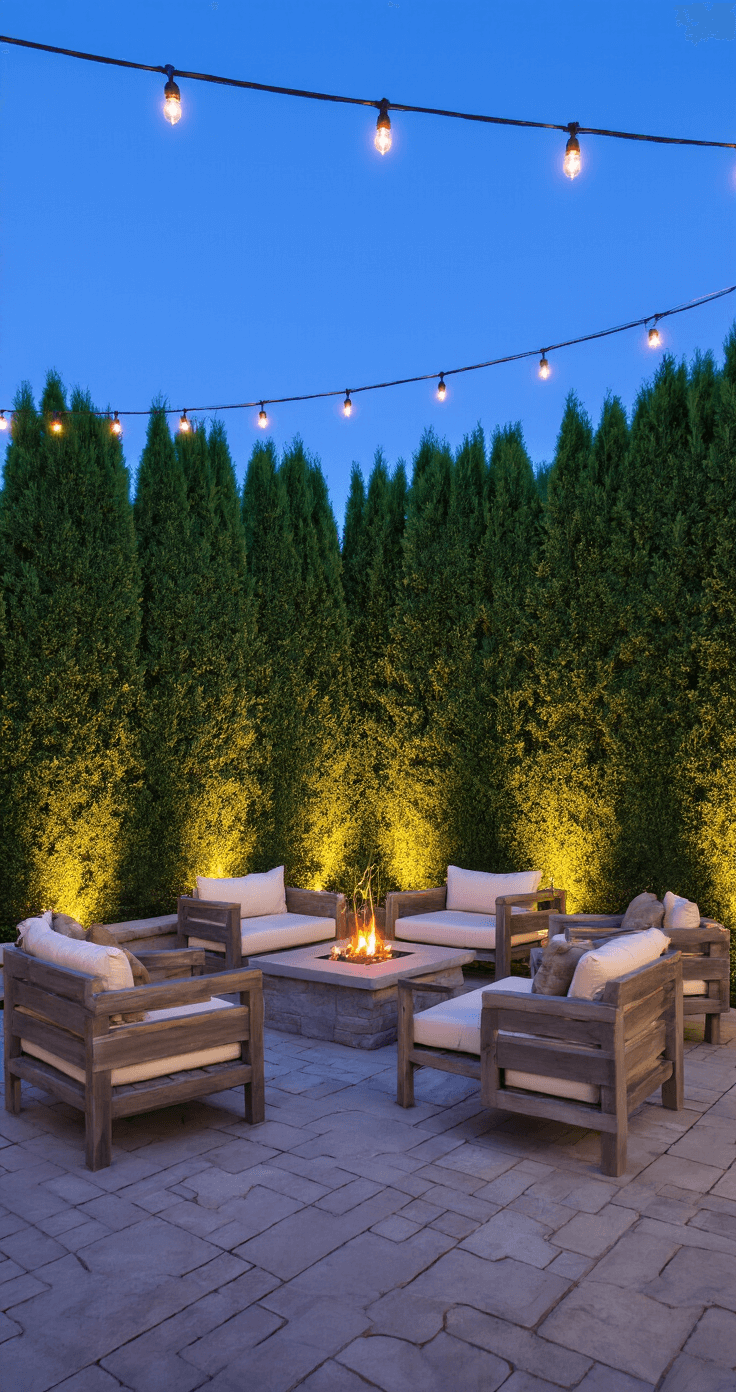
🏠 Steal This Look
- Paint Color: Valspar Garden Path 5002-5B
- Furniture: weathered teak potting bench with zinc top for staging plants and tools
- Lighting: solar-powered LED path lights with warm 2700K output along planting rows
- Materials: aged terracotta, untreated cedar stakes, jute twine, crushed limestone gravel
There’s something deeply satisfying about a straight line of freshly planted hedges—it feels like making a promise to your future self about how the garden will look in five years.
Maintenance Magic
Quick Maintenance Checklist:
Save this article
Enter your email and we'll send it straight to your inbox.
- Annual pruning (1-3 hours per 30 feet)
- Regular watering
- Monitor for pest issues
- Seasonal trimming
Pro Design Tips
- Mix textures and colors
- Consider seasonal changes
- Create visual depth with layered plantings
- Balance formal and informal styles
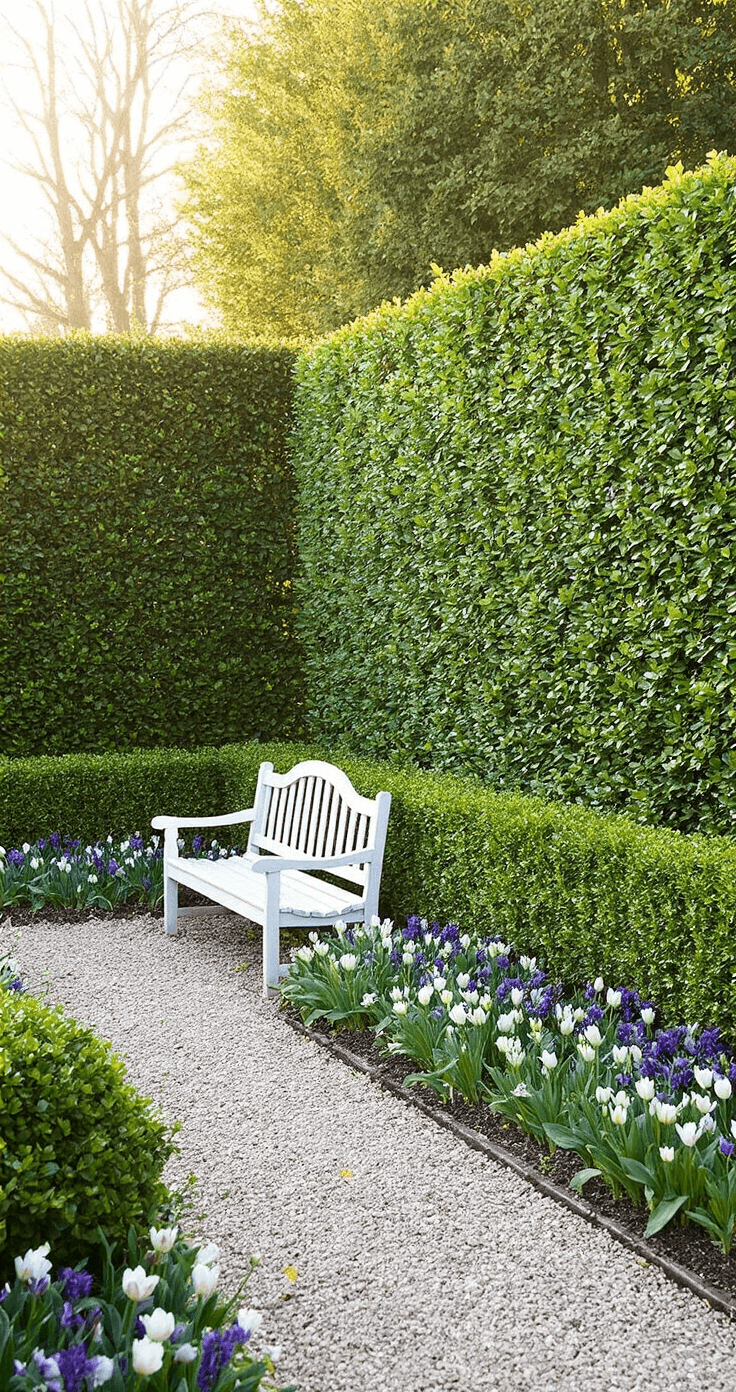
🏠 Steal This Look
- Paint Color: Dunn-Edwards Olive Grove DET544
- Furniture: weathered teak garden bench with slatted back
- Lighting: cast brass path lights with frosted glass diffusers
- Materials: limestone gravel, corten steel edging, clipped boxwood, loose ornamental grasses
There’s something deeply satisfying about a hedge that looks effortless but took real planning—this is where you live between structure and softness, and guests always notice without knowing why.
🔔 Get The Look
Common Hedge Mistakes to Avoid
❌ Don’t:
- Neglect proper spacing
- Ignore local climate conditions
- Over or under-prune
- Choose wrong plant for your space
Your Hedge, Your Style
Remember, hedges aren’t one-size-fits-all. They’re a reflection of your garden personality. Whether you want:
- Strict geometric lines
- Wild, natural boundaries
- Colorful, flowering screens
There’s a perfect hedge waiting for you!
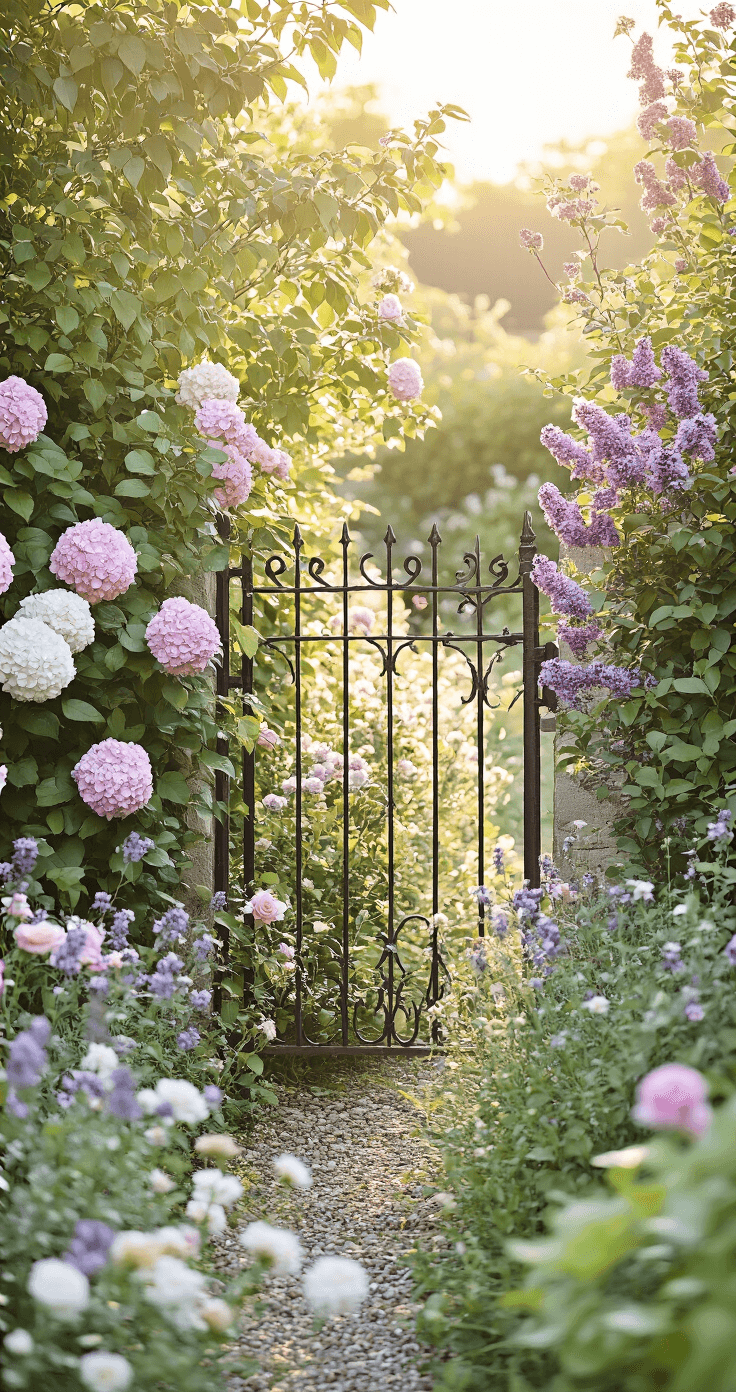
🎨 Steal This Look
- Paint Color: Fine Paints of Europe Hollandlac Brilliant Ivy Green HL-50
- Furniture: weathered teak Adirondack chair with moss-green Sunbrella cushion
- Lighting: bronze solar-powered path lights with seeded glass
- Materials: corten steel edging, crushed granite gravel, reclaimed brick pavers, English boxwood clippings
Your hedge is the backbone of your garden’s personality, the green architecture that frames every morning coffee and evening glass of wine outdoors—choose one that feels like coming home.
🛒 Get The Look
Final Thoughts
Garden hedges are living art. They’re functional, beautiful, and can dramatically transform your outdoor space. Start small, experiment, and most importantly – have fun!
Bonus Tip: Check with local nurseries or extension services for region-specific advice. Your perfect hedge is out there!
Happy gardening! 🌿🏡
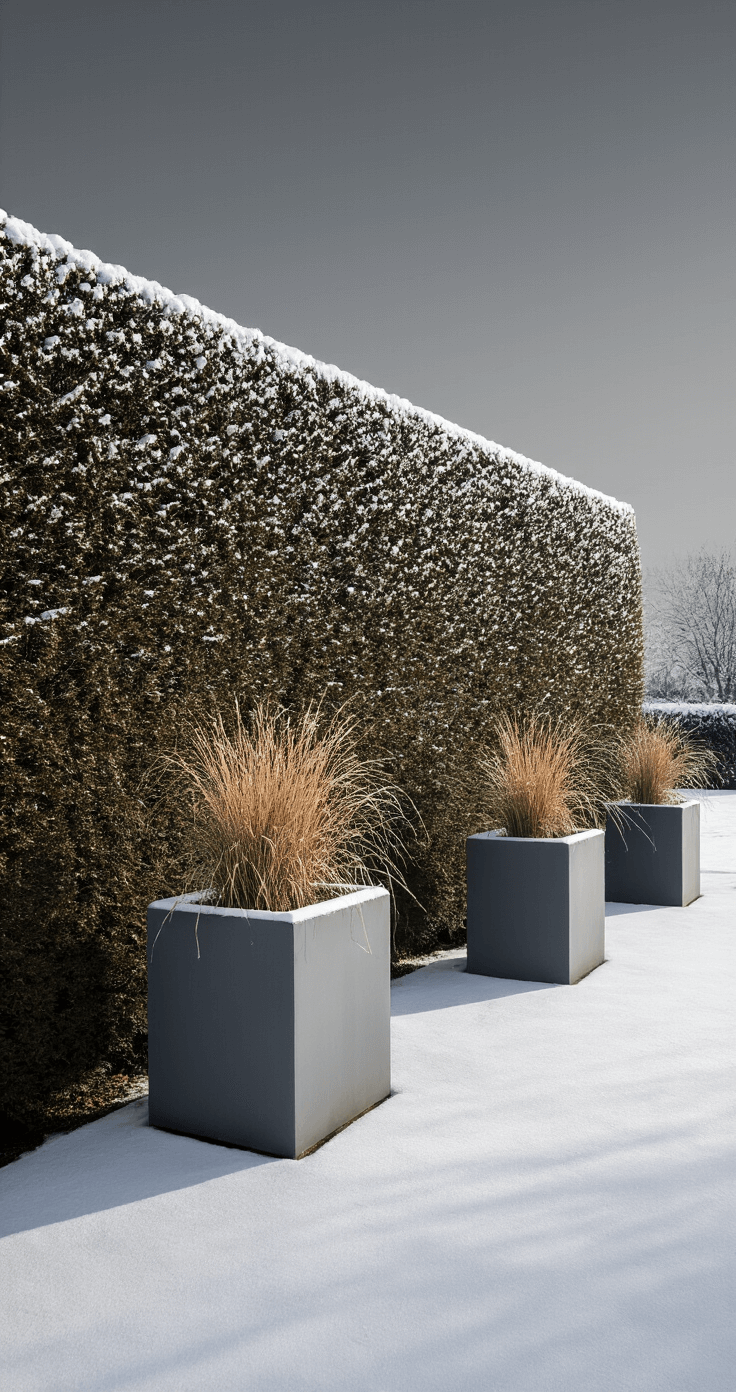
🖼 Steal This Look
- Paint Color: Backdrop Terracotta Corner BA-35
- Furniture: weathered teak potting bench with zinc top for staging tools and seedlings
- Lighting: solar-powered rattan globe string lights draped along hedge perimeter
- Materials: limestone gravel paths, corten steel edging, untreated cedar raised beds, hand-forged iron plant markers
There’s something deeply satisfying about a hedge you’ve shaped yourself over seasons; it becomes less a design choice and more a relationship with your land.
Want to keep this one?
We'll email you the link so you can find it again later.