This post may contain affiliate links. Please see my disclosure policy for details.
Alliums: The Globe-Shaped Garden Stars That Will Transform Your Landscape
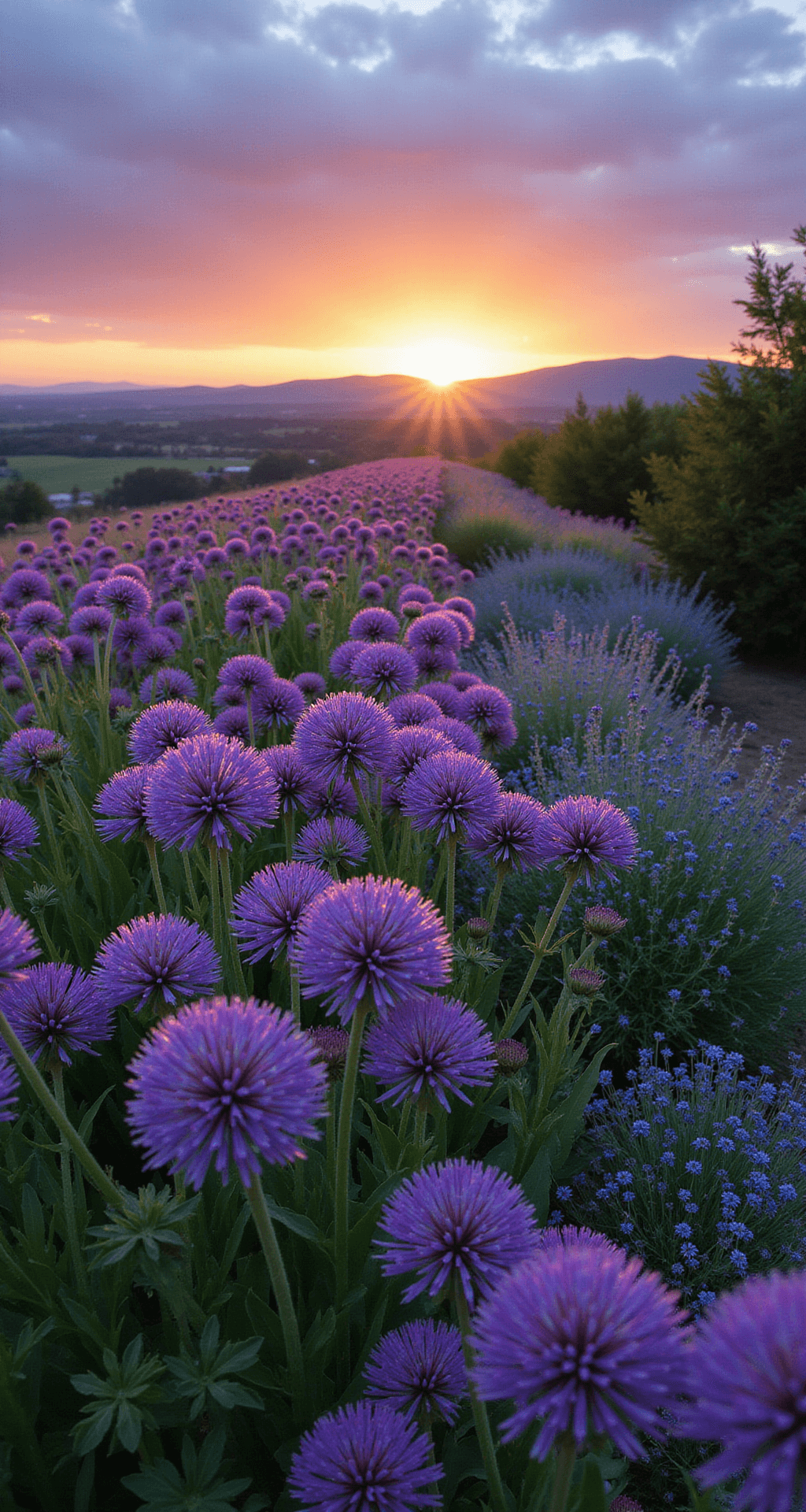
Let’s talk about the most underrated rock stars of the garden world: alliums. These aren’t just flowers; they’re architectural masterpieces that’ll make your neighbors stop and stare.
What Makes Alliums So Magical?
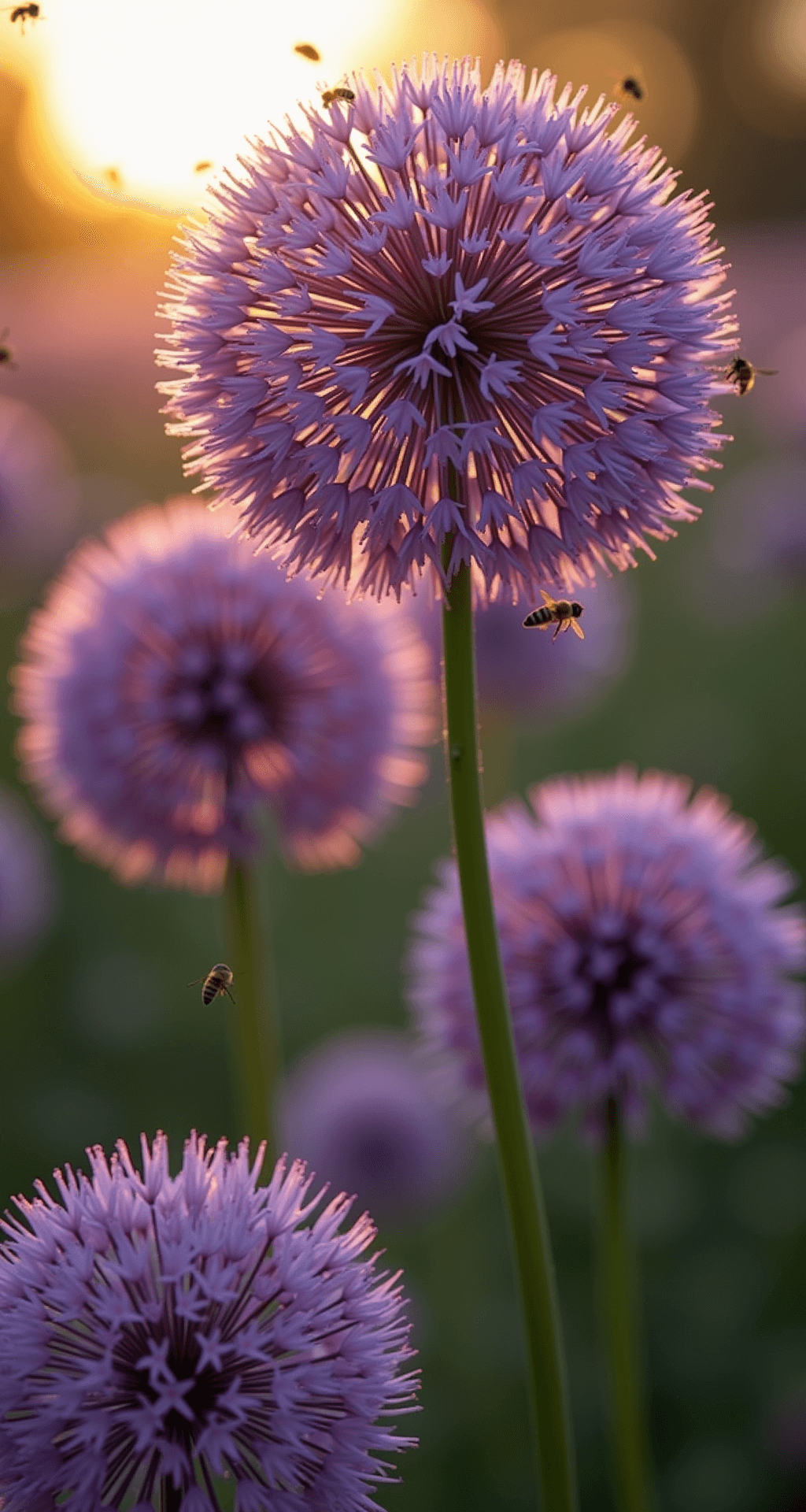
Imagine a flower that looks like it jumped straight out of a science fiction movie. That’s an allium. These ornamental onions are nature’s perfect design – spherical blooms that scream “I’m not your average garden flower!”
Why Alliums Are Garden Game-Changers
Pollinator Paradise
- Bees go crazy for these globe-shaped beauties
- Butterflies can’t resist their charm
- Attracts beneficial insects like a magnet
Low-Maintenance Superstars
- Plant once, enjoy for years
- Minimal care required
- Basically the lazy gardener’s dream plant
Tough as Nails
- Deer and rabbits? Not interested
- Drought-tolerant
- Survives where other plants wimp out
✎ Steal This Look
- Paint Color: Benjamin Moore Garden Cucumber HOLLANDLAC® INTELLIGENCE 644
- Furniture: vintage botanical print curio cabinet with glass doors for pressed allium specimens
- Lighting: floral-inspired brass pendant with frosted glass globe shades mimicking allium silhouettes
- Materials: weathered zinc planters, hand-thrown terracotta with crackle glaze, raw linen textiles, reclaimed teak garden bench
There’s something quietly rebellious about alliums—they’re the garden equivalent of wearing couture to the grocery store, utterly unbothered by their own drama. I find myself photographing them at dusk most often, when that purple glow seems to hold its own light.
Choosing Your Allium Varieties
Top Allium Varieties to Blow Your Mind
- Purple Sensation: The rockstar of purple blooms
- Globemaster: Massive flowers that demand attention
- Mount Everest: Pure white elegance
- Drumstick: Unique, elongated flower heads
- Millennium: Perennial powerhouse
🏠 Steal This Look
- Paint Color: Farrow & Ball Green Smoke 47
- Furniture: weathered teak potting bench with zinc top for staging bulbs and tools
- Lighting: solar-powered rattan pendant clustered over raised beds for evening garden drama
- Materials: aged terracotta, raw linen seed sacks, brushed brass plant markers, crushed gravel pathways
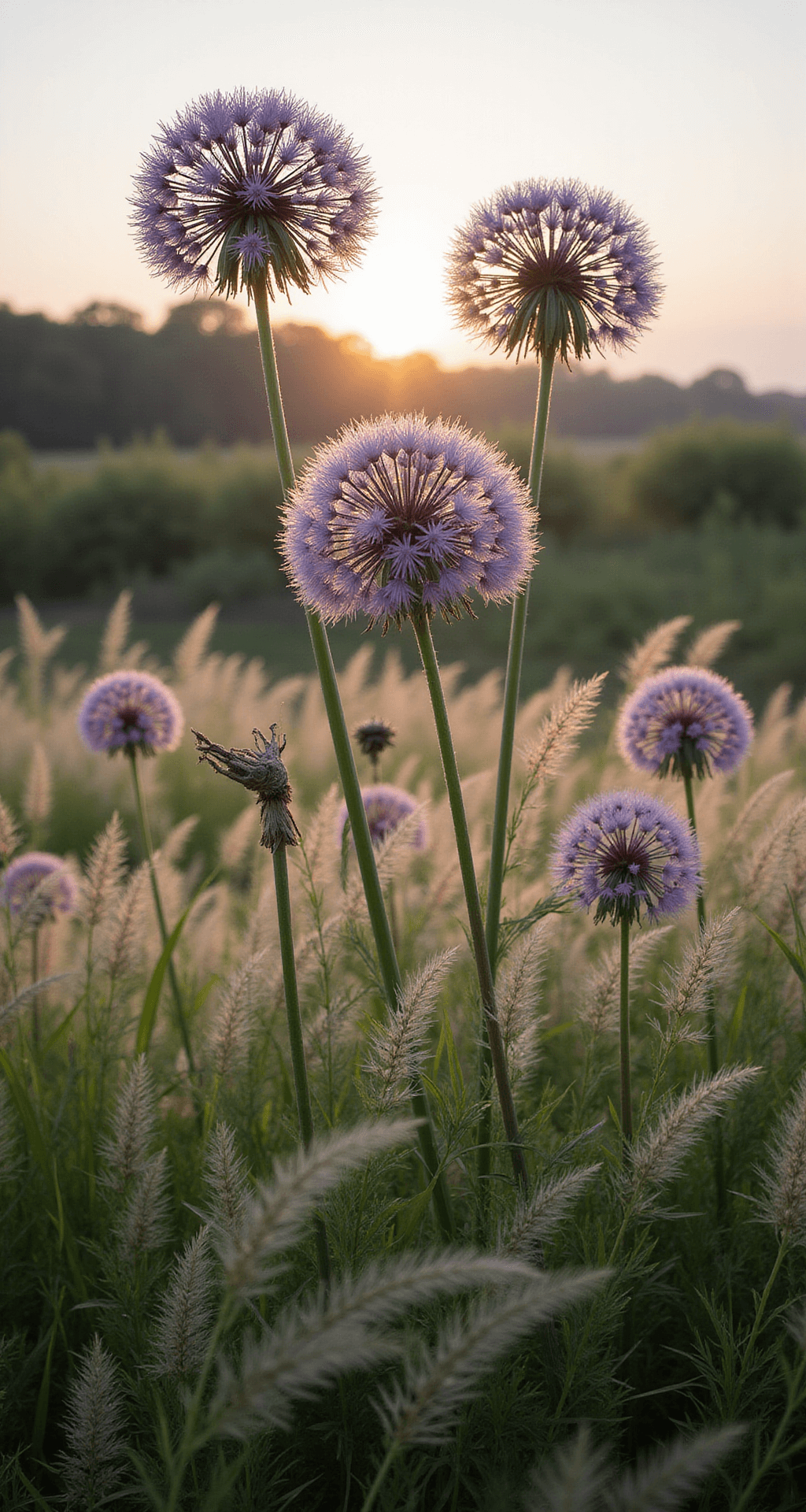
There’s something deeply satisfying about standing among mature Globemasters at shoulder height—these aren’t background filler plants, they’re the architectural statement that everything else in your garden responds to.
Planting Like a Pro
The Golden Rules of Allium Planting
- Timing: Fall is your friend
- Depth: 6-8 inches underground
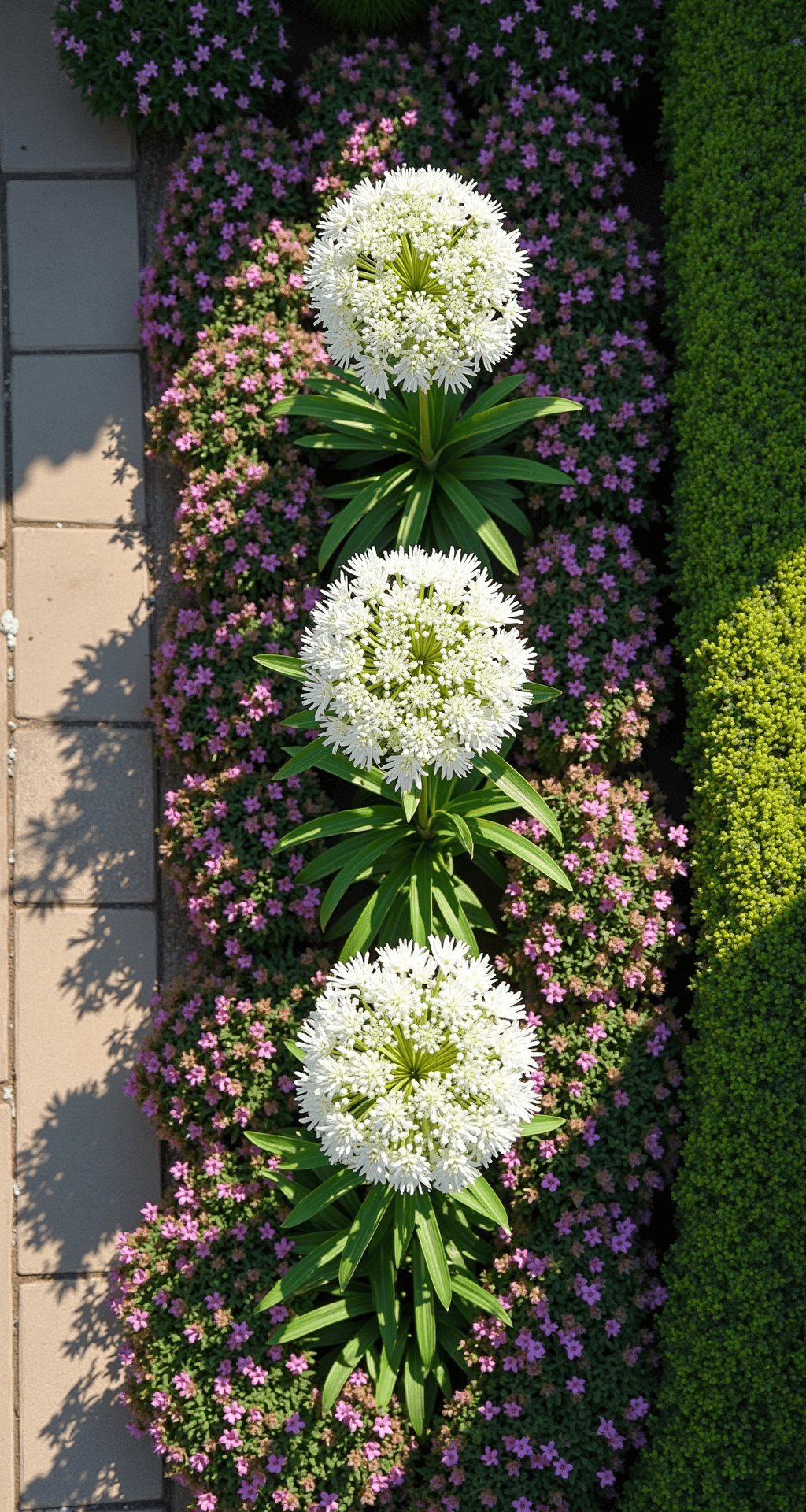
- Spacing: Give them room to breathe (10 inches minimum)
- Soil: Well-draining is the magic word
✎ Steal This Look
- Paint Color: Behr Garden Wall S340-3
- Furniture: weathered teak potting bench with galvanized steel top and lower storage shelf
- Lighting: gooseneck barn light in matte black with warm LED bulb for evening garden tasks
- Materials: unglazed terracotta, aged cedar, crushed limestone gravel, raw linen tool aprons
There’s something deeply satisfying about the ritual of fall planting—the cold soil against your palms, the quiet anticipation of spring—and alliums reward that patience with architectural drama that stops neighbors mid-stride.
Companion Planting Magic
Garden Design Secrets
Cottage Garden Dreams
- Pair with salvias
- Mix with geums
- Throw in some campanulas
Prairie Style Perfection
Save this article
Enter your email and we'll send it straight to your inbox.
- Ornamental grasses are your bestie
- Create a wild, natural look
Pro Tip: Hide those dying foliage by planting low-growing companions like:
- Calamintha
- Speedwell
- Lavender
🌟 Steal This Look
- Paint Color: Valspar Garden Party Green 6005-6B
- Furniture: weathered teak potting bench with zinc top
- Lighting: copper gooseneck barn sconce with seeded glass
- Materials: crushed limestone pathways, aged terracotta, woven willow edging
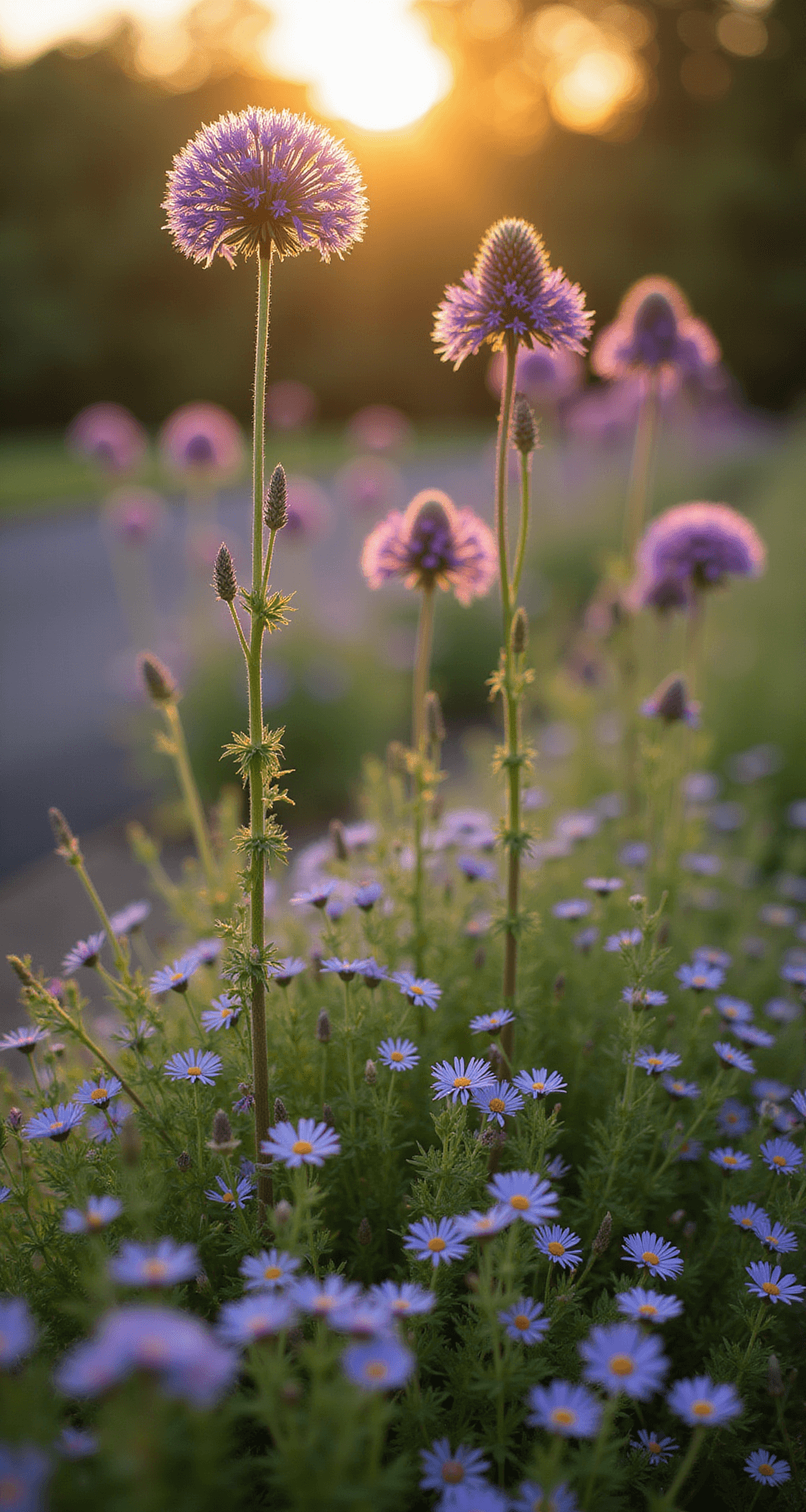
There’s something deeply satisfying about watching bees navigate this living tapestry you’ve orchestrated—it’s the garden equivalent of hosting a dinner party where every guest actually gets along.
The Ultimate Allium Placement Strategy
Pro gardeners know the secret: Back of the border is where alliums shine. They create a stunning backdrop that makes everything else look better.
Quick Wins for Allium Success
- Full sun is their happy place
- Zones 4-7 are perfect
- Minimal water, maximum impact
🖼 Steal This Look
- Paint Color: PPG Stonehenge Greige PPG1001-3
- Furniture: weathered teak potting bench with galvanized steel top
- Lighting: solar-powered copper path lights with seeded glass globes
- Materials: crushed limestone gravel, corten steel edging, aged terracotta, raw cedar mulch
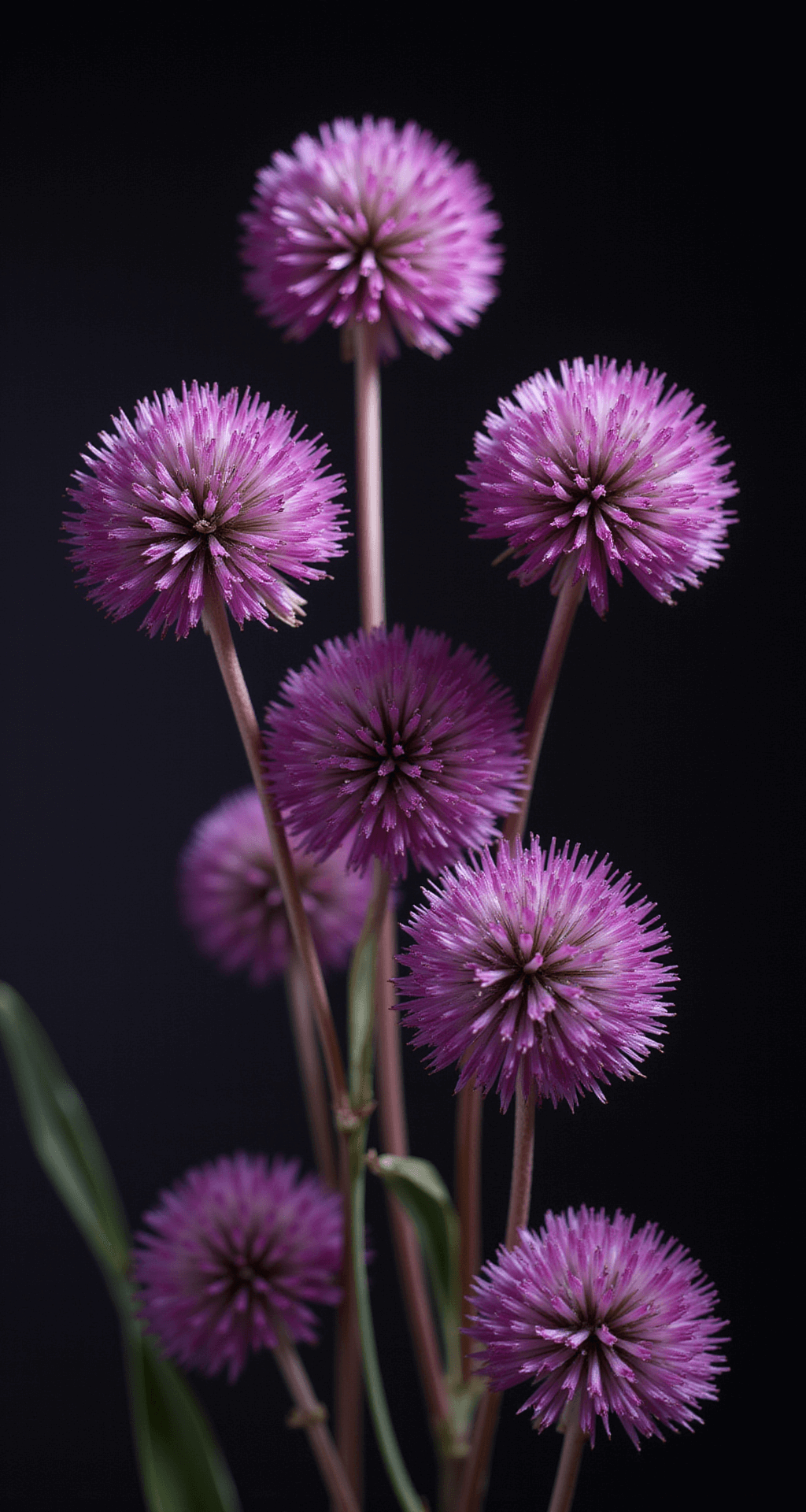
There’s something deeply satisfying about watching those purple spheres rise like balloons from the back of your border, and this strategy lets you enjoy the show without fighting for front-row visibility every season.
Why Your Garden Needs Alliums
Let’s be real – gardens can get boring. Alliums are your ticket to a landscape that looks like it was designed by a creative genius. They’re conversation starters, pollinator havens, and absolute stunners.
Final Wisdom: Alliums aren’t just plants. They’re garden art that happens to grow.
Plant them. Love them. Watch your garden transform.
✎ Steal This Look
- Paint Color: Dunn-Edwards Garden Gate DET544
- Furniture: weathered teak garden bench with curved backrest, positioned as a focal point viewing the allium drifts
- Lighting: low-voltage brass pathway lights with frosted glass domes, staggered along garden edges to uplight allium globes at dusk
- Materials: crushed limestone gravel paths, corten steel edging, untreated cedar raised beds, hand-forged iron plant supports
There’s something almost rebellious about alliums—they refuse to behave like polite garden flowers, and that’s exactly why they work so hard for you, turning the same old perennial border into something that stops people mid-conversation.
Want to keep this one?
We'll email you the link so you can find it again later.