
This post may contain affiliate links. Please see my disclosure policy for details.
Winter Hijab Outfits That Actually Keep You Warm and Stylish
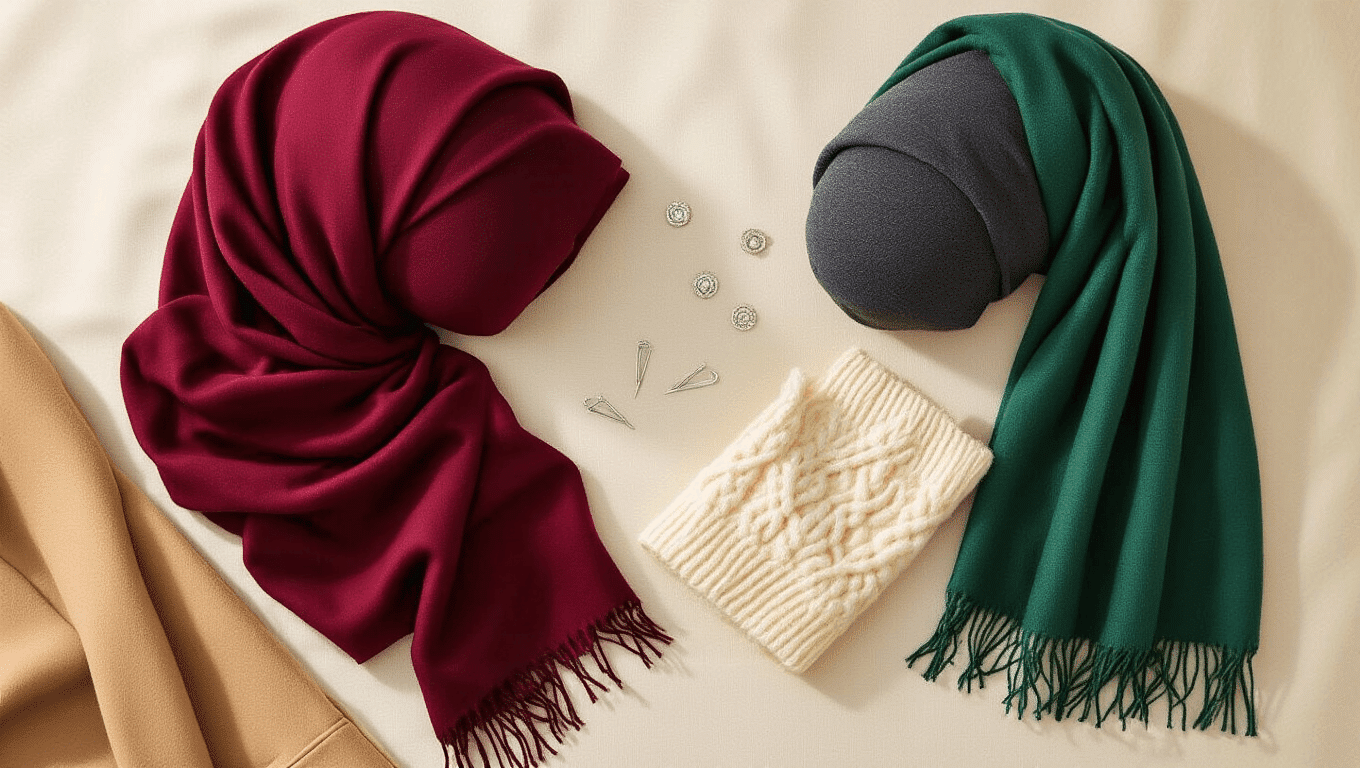
Winter hijab outfits can be tricky when you’re trying to stay warm without looking like you’re wearing your entire closet at once.
I get it.
You step outside and the wind hits your face and suddenly that beautiful silk hijab you planned feels like a terrible choice.
Or maybe you’ve layered so many pieces that you can barely move your arms and you’re wondering if fashion is even worth freezing for.
I’ve been there too many times to count.
The thing is, winter doesn’t mean we have to sacrifice our style or our comfort. And honestly, it definitely shouldn’t mean choosing between the two.
I’ve spent way too many winters figuring this out the hard way—shivering through errands because my hijab was too thin, or sweating indoors because I went overboard with layers.
But once I learned which fabrics actually work and how to layer without looking bulky, everything changed.
So let me walk you through what I’ve learned about putting together winter hijab outfits that look good AND feel good.
No fancy fashion degree needed, I promise.
Why Winter Hijab Styling Feels So Complicated
Look, winter styling is already hard enough.
Add a hijab into the mix and suddenly you’re dealing with static, slipping fabrics, and that annoying gap between your hijab and coat collar where cold air sneaks in.
Most regular winter fashion advice completely ignores these problems because it wasn’t written with us in mind.
And honestly? That’s frustrating.
I used to scroll through Pinterest looking at cute winter outfits and think “yeah, but how does that work with a hijab?
The truth is winter hijab styling requires its own approach.
You need fabrics that don’t slide off when you pull your coat hood up.
You need layers that actually stay in place.
You need colors that work together when you’re combining multiple pieces.
And you definitely need to avoid that weird bunched-up look around your neck and shoulders.
Once I stopped trying to copy regular winter outfit formulas and started focusing on what actually works for hijabis, everything got easier.
The Fabrics That’ll Change Your Winter Game
Here’s what I wish someone had told me years ago: your hijab fabric matters MORE in winter than any other season.
Seriously.
A thin chiffon hijab might look pretty but it’s basically useless when temperatures drop.
I learned this the embarrassing way when I showed up to an outdoor event in December wearing a gorgeous but completely impractical hijab that kept flying everywhere.
Never again.
These are the fabrics that actually work:
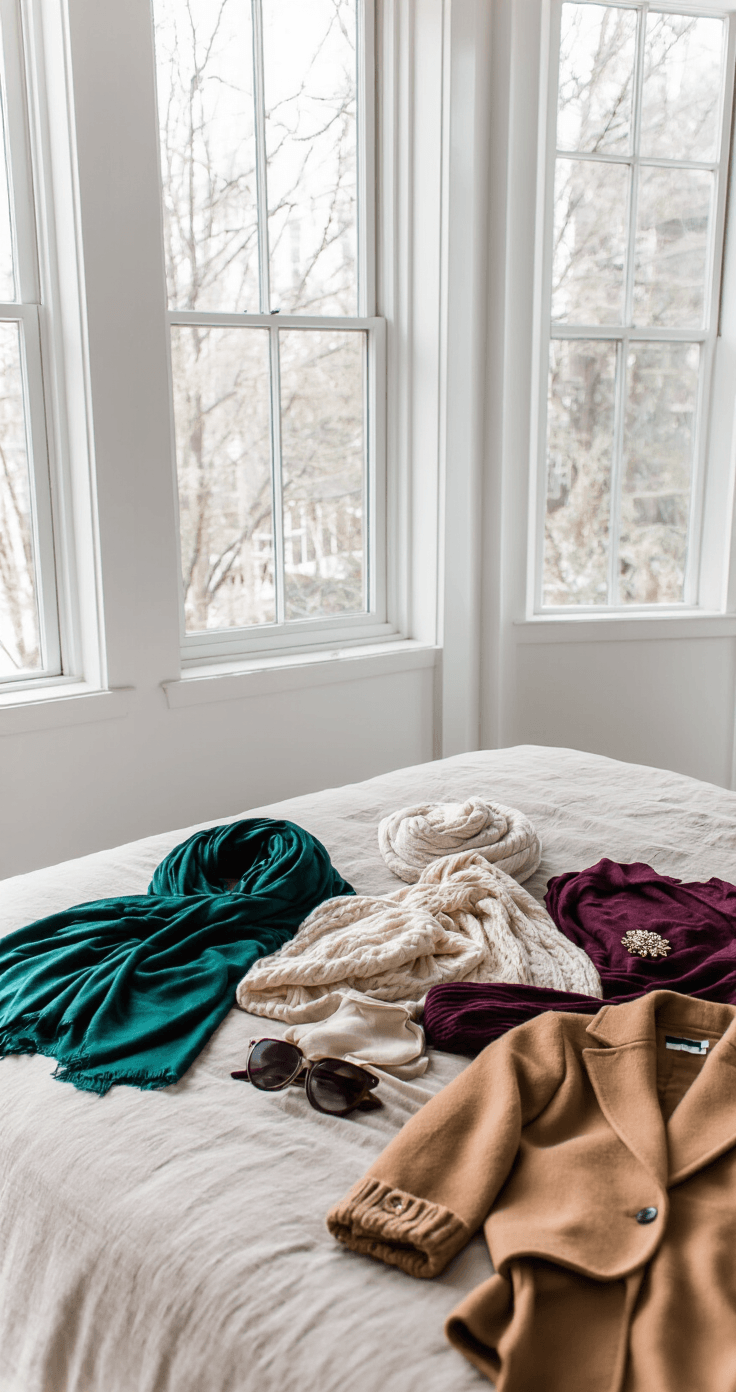
Wool hijabs are probably my top pick for serious cold.
They’re warm, they stay put, and they don’t get staticky like some other materials.
Yes, they can feel a bit heavy at first if you’re used to lighter fabrics.
But that weight actually helps them stay in place, which is exactly what you want when you’re dealing with winter wind.
I usually grab wool blend hijabs because they’re easier to care for than 100% wool.
Jersey hijabs are perfect for those days when it’s cold but not freezing.
They’re stretchy, comfortable, and they layer really well under coats and scarves.
The fabric breathes better than wool, so you won’t overheat if you’re going in and out of heated buildings all day.
I keep several jersey hijabs in neutral colors because they literally go with everything.
Save this article
Enter your email and we'll send it straight to your inbox.
Pashmina is that perfect middle ground.
It’s warm enough for cold days but not so heavy that you feel weighed down.
Plus pashmina has this elegant drape that makes even simple outfits look more put together.
The only downside? Real pashmina can be pricey.
But I’ve found some good pashmina blend scarves that work great without breaking the bank.
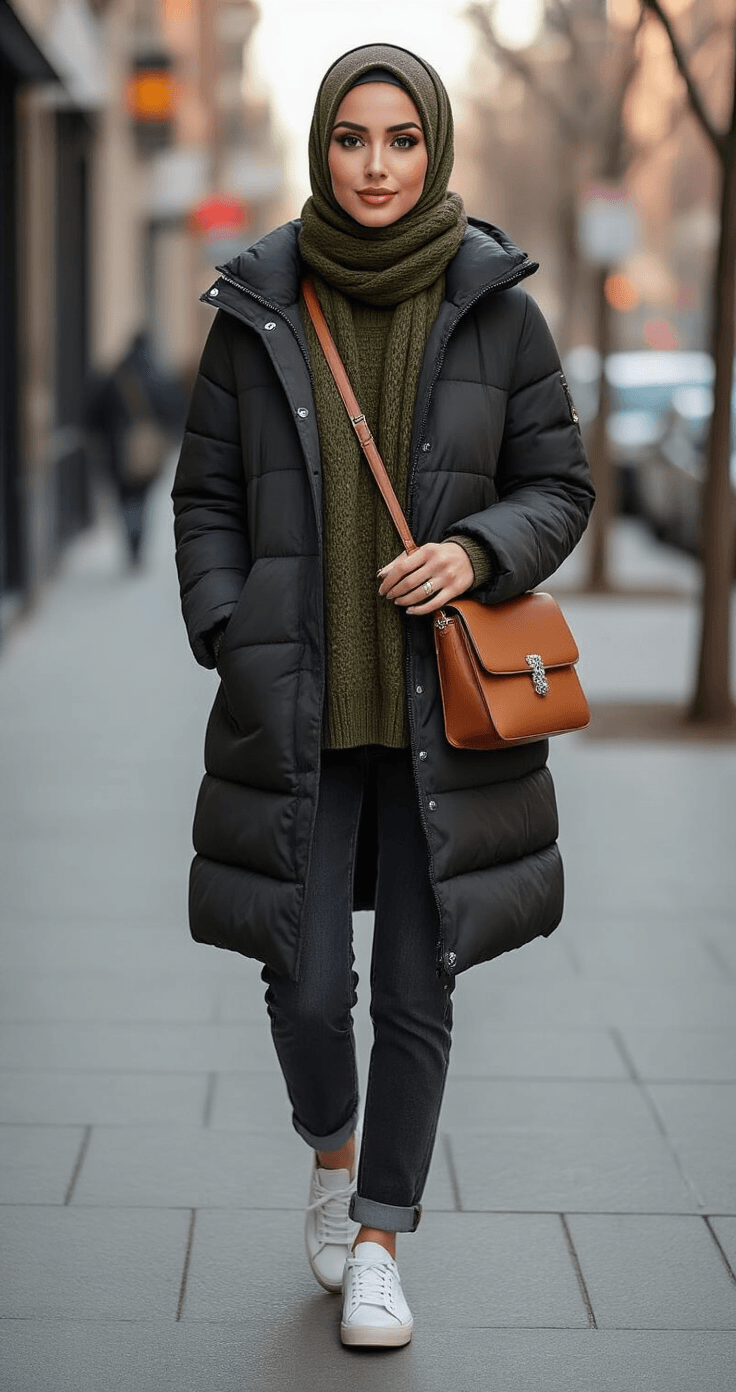
Knit hijabs are cozy as hell.
They’re thick, warm, and they have this textured look that adds visual interest to your outfit.
I especially love them for casual weekend looks.
Fair warning though—they can be bulky, so they don’t always work under structured coats.
Save these for relaxed fits and oversized outerwear.
What NOT to Wear (Trust Me on This)
Some fabrics just don’t work in winter no matter how cute they look.
Silk and satin? Beautiful, yes. Practical in December? Absolutely not.
They slip off constantly, they don’t provide any warmth, and they get ruined by moisture.
I made the mistake of wearing a silk hijab in light snow once and it was basically destroyed.
Chiffon is another one that seems tempting because it comes in pretty colors.
But it’s too thin, it flies everywhere in the wind, and you’ll spend your whole day adjusting it.
Not worth it.
Stick with the heavier fabrics I mentioned above and save the delicate stuff for spring.
Building Your Winter Hijab Color Palette
Color coordination gets weird in winter because you’re working with more layers than usual.
You’ve got your hijab, your coat, your top, your bottoms, and probably some accessories all happening at once.
That’s a lot of potential color clashing.
Here’s what works for me:
Start with a neutral base for your main pieces.
Black, charcoal gray, cream, beige, taupe—these are your foundations.
I probably wear black wool hijabs more than any other piece in my winter wardrobe because they work with literally everything.
Then add jewel tones as your accent colors.
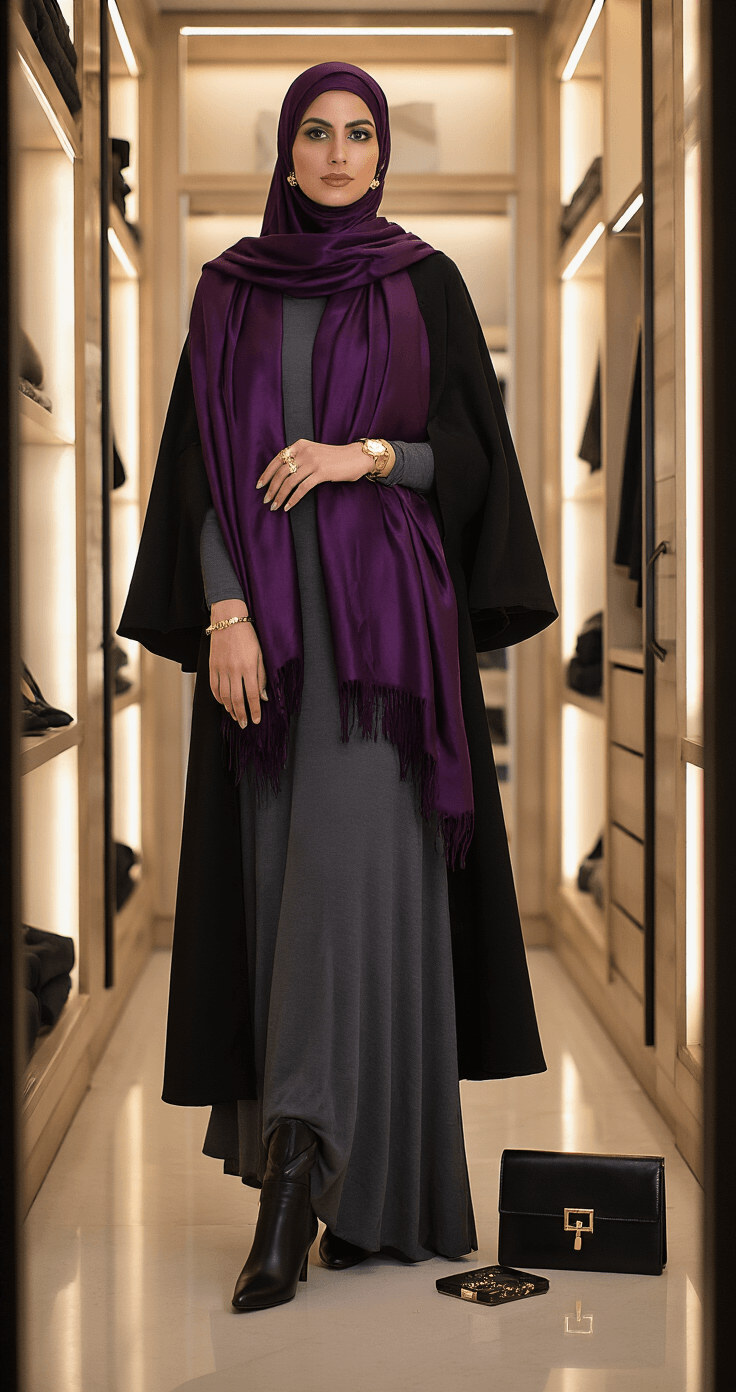
Emerald green, burgundy, navy blue, deep purple—these rich colors look amazing in winter and they photograph beautifully.
Plus they make you stand out without being too bright or overwhelming.
Earth tones are perfect if you want something warmer and softer.
Rust orange, olive green, warm brown, mustard yellow.
These colors give you that cozy autumn-into-winter vibe.
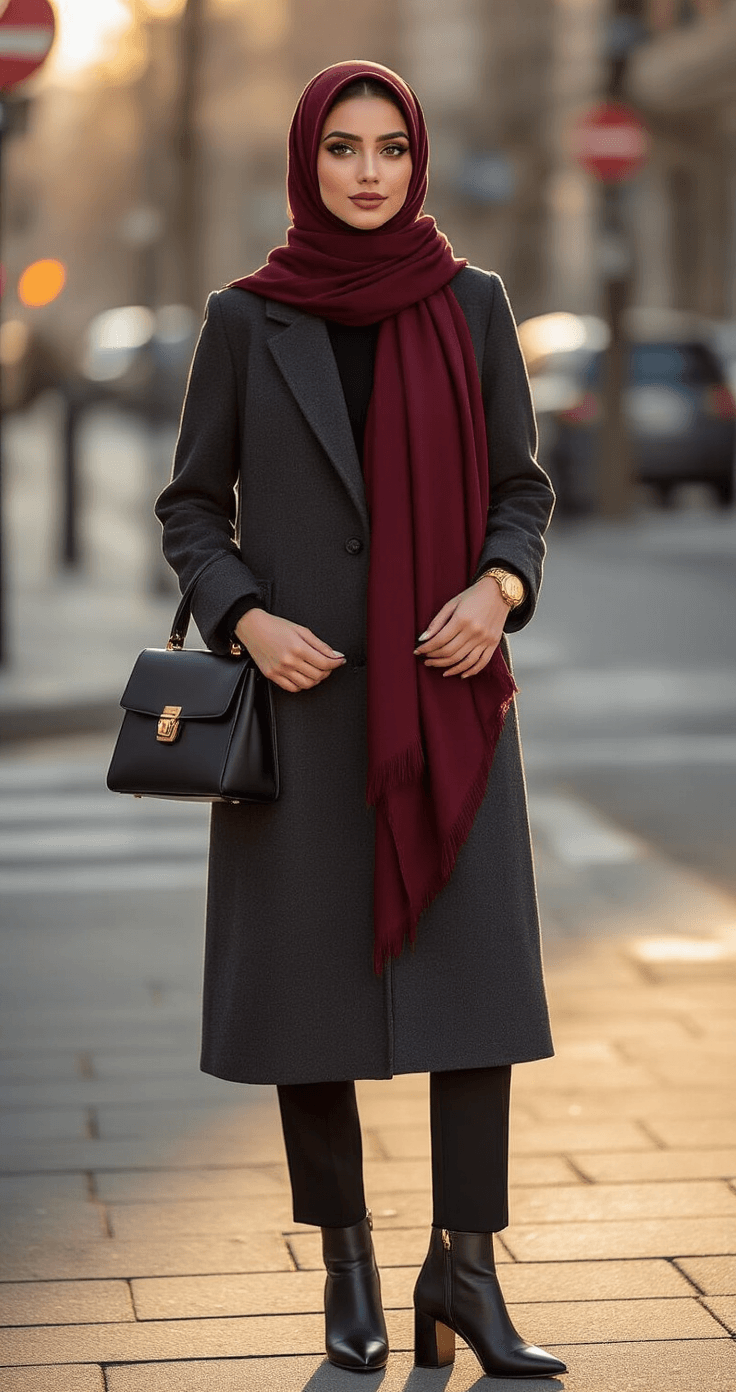
Here’s my simple rule: pick ONE statement color per outfit and keep everything else neutral.
So if you’re wearing a burgundy hijab, pair it with a black or charcoal coat and neutral bottoms.
If you’ve got a camel-colored coat, go with a black or cream hijab.
Don’t try to mix multiple bold colors unless you really know what you’re doing.
Even then it’s risky.
Want to keep this one?
We'll email you the link so you can find it again later.

[…] Ankle boots work great here, and you can accessorize with some layered necklaces. The flannel keeps you warm but you can unbutton it or take it off if you get too […]