
This post may contain affiliate links. Please see my disclosure policy for details.
What to Wear Winter Hiking: My Complete Guide to Staying Warm Without Freezing Your Butt Off
What to wear winter hiking is honestly one of those things I wish someone had explained to me before my first freezing disaster on the trails.
I’m talking about that awful moment when you’re halfway up a snowy mountain, sweating through your cotton hoodie, and then you stop for a break and suddenly you’re shivering like crazy.
Yeah, been there.
Winter hiking isn’t just about throwing on your puffiest jacket and hoping for the best.
There’s actually a whole system to it, and once you get it down, you’ll never go back to being that person who shows up in jeans and a ski jacket.
Let me break down exactly what works, what doesn’t, and why your outfit matters way more than you think when you’re out there in the cold.
The Three-Layer System That Actually Works
Okay so this is where most people mess up right from the start.
Winter hiking isn’t about one super thick layer.
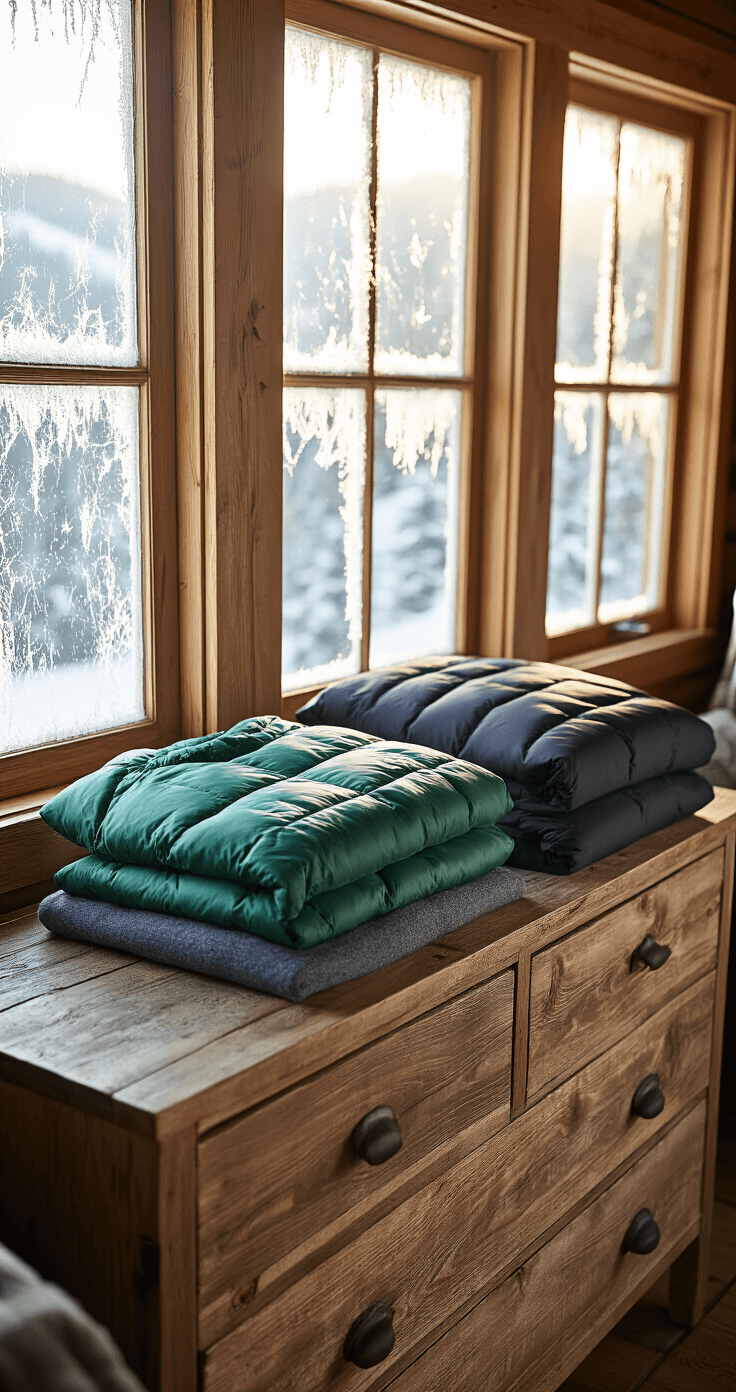
It’s about three strategic layers that work together to keep you warm, dry, and comfortable no matter what the trail throws at you.
Think of it like this: each layer has a job, and when they all do their job right, you’re golden.
Base Layer: This is what touches your skin and its whole purpose is to wick moisture away from your body.
Mid-Layer: This is your insulation, trapping warm air close to your body.
Outer Layer: This is your shield against wind, snow, and rain.
I know it sounds like overkill when you’re standing in your warm house getting ready.
But trust me, once you’re out there and the temperature drops or the wind picks up, you’ll be so glad you have options.
The beauty of the layering system is that you can add or remove pieces as you go, which is huge because your body temperature changes constantly when you’re hiking.

Base Layer: Your First Line of Defense
This is literally the foundation of your whole winter hiking outfit.
And here’s the most important thing I can tell you: never, ever wear cotton as a base layer.
Cotton is the enemy in winter hiking.
It absorbs sweat, stays wet, and then you get cold fast.
Like dangerously cold.
Instead, you want materials that wick moisture away from your skin and dry quickly.
The best base layer materials:
- Merino wool – This is my personal favorite because it’s naturally insulating, wicks moisture like a champ, and doesn’t get stinky even after multiple wears
- Synthetic fabrics (polyester, nylon blends) – These dry super fast and are usually cheaper than wool
- Silk – Lightweight and smooth, though not as durable for rugged hiking
For your top, go with a long sleeve merino wool base layer shirt that fits snug but not tight.
Save this article
Enter your email and we'll send it straight to your inbox.
You want it close to your skin so it can do its job properly.
For your bottom, grab some thermal leggings or base layer pants in the same materials.
Again, merino wool or synthetic, not cotton.
I learned this the hard way on a February hike where I wore regular leggings thinking they’d be fine.
Spoiler: they weren’t.
The temperature thing with base layers can be confusing too.
They come in different weights – lightweight, midweight, and heavyweight.
For most winter hiking, midweight is your sweet spot.
Heavyweight if you’re going somewhere seriously cold or you tend to get chilly easily.

Mid-Layer: Where the Magic Happens
Your mid-layer is all about insulation and trapping that warm air close to your body.
This is the layer that actually keeps you warm, so don’t skimp here.
The cool thing about mid-layers is you can adjust them based on how cold it is and how hard you’re working.
Best mid-layer options:
- Fleece jackets – These are super popular because they’re lightweight, breathable, and they dry fast if they get damp. A lightweight fleece jacket is perfect for moderate cold or when you’re moving and generating heat.
- Down jackets – These give you maximum warmth for minimum weight, which is awesome. The downside? They lose all their insulating power if they get wet. So down is great for dry, cold conditions but not ideal if there’s a chance of snow or rain.
- Synthetic insulated jackets – These are like the practical cousin of down. They don’t pack down quite as small and they’re a bit heavier, but they keep you warm even when they’re wet. For unpredictable winter weather, a synthetic insulated jacket is honestly the smarter choice.
Here’s something I wish I’d known earlier: you don’t always need just one mid-layer.
Sometimes I’ll wear a light fleece and carry a down vest or puffy jacket in my pack.
Then when I stop for lunch or if the temperature drops, I add the extra layer.
It’s way more flexible than just having one thick jacket that’s either too hot or not warm enough.
And here’s a tip that changed everything for me: bring your mid-layer even if you think you won’t need it.
I’ve started hikes in just my base layer because I was warm from the car ride, but by the time I reached higher elevation or the sun went behind the mountains, I was scrambling for that fleece.
Outer Shell: Your Weather Protection
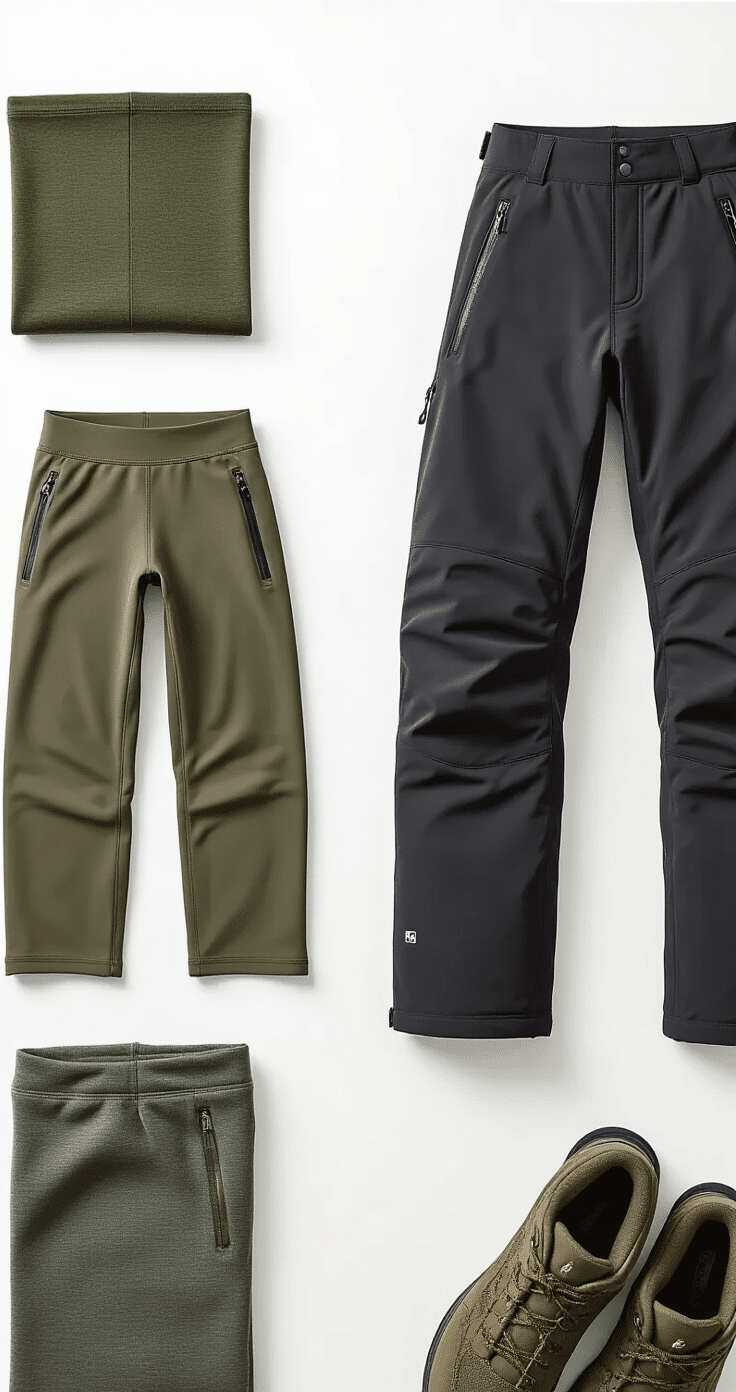
The outer layer is your shield against the elements – wind, rain, snow, all of it.
This layer doesn’t really insulate much on its own, but it keeps everything underneath dry and protected.
And staying dry in winter is literally the difference between a great hike and a miserable (or dangerous) one.
What to look for in an outer shell:
- Waterproof – Not just water-resistant, actually waterproof
-
Want to keep this one?
We'll email you the link so you can find it again later.


[…] the design. Soft fabrics and neutral tones create a cozy and balanced feel. The space feels warm and complete. Elevate your bedroom and add texture […]
[…] armchair layered with soft textiles enhances cabin interiors while adding personality and charm. Warm lighting completes the cozy effect. Carve out your own peaceful reading escape […]