This post may contain affiliate links. Please see my disclosure policy for details.
Japandi Patio Ideas: Transform Your Outdoor Space into a Serene Sanctuary
I’ve always believed that our outdoor spaces are more than just extensions of our homes—they’re sanctuaries of peace and personal expression. Today, I’m diving deep into the world of Japandi patio design, a style that beautifully marries Japanese minimalism with Scandinavian functionality.
💡 Steal This Look
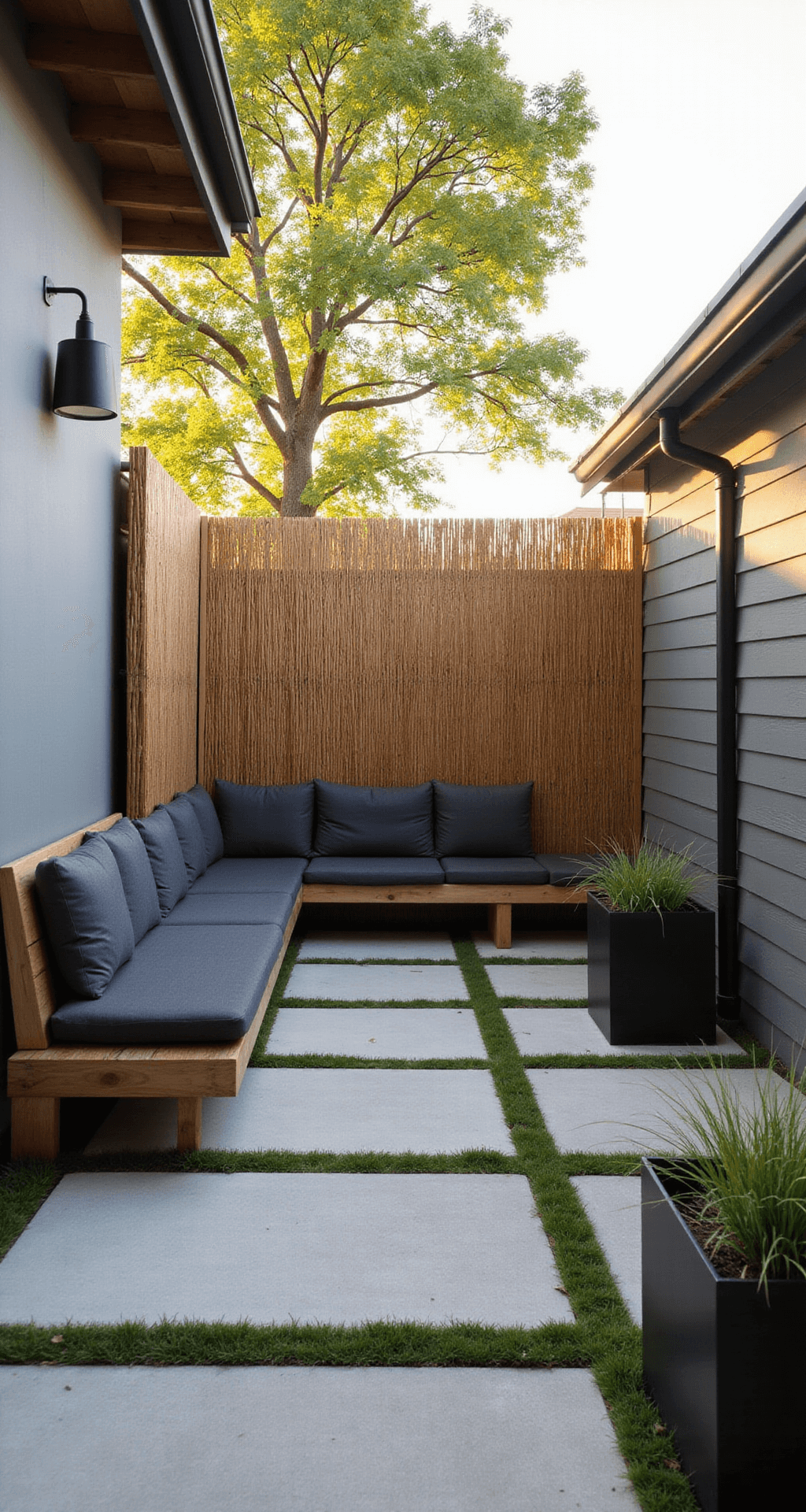
- Paint Color: Sherwin-Williams Urbane Bronze SW 7048
- Furniture: Low-profile wooden patio lounge chairs with natural finishes, minimalist teak or cedar dining set with clean lines, low platform benches in warm gray
- Lighting: Soft lantern-style pendant lights with warm white LED, paper or linen shades, positioned at varied heights for layered ambiance
- Materials: Natural wood (teak, cedar, bamboo), smooth concrete or light gray pavers, linen cushions in neutral tones, stone accents, natural fiber rugs
Japandi patios are perfect for anyone craving a retreat that feels both intentional and livable—this isn’t cold minimalism, but rather thoughtfully curated spaces that invite you to actually sit down and breathe. It’s where Japanese wabi-sabi philosophy (finding beauty in imperfection) meets Scandinavian coziness.
Why Japandi? The Ultimate Outdoor Retreat Design
Let’s be real. Most patios feel cluttered, chaotic, and uninspiring. But what if you could create an outdoor space that breathes tranquility, simplicity, and purposeful beauty?
Japandi is your answer.
Key Design Principles That Make Japandi Magic
1. Minimalism: Less is Absolutely More
Decluttering Isn’t Just a Trend—It’s an Art Form
- Strip away excess furniture
- Keep only pieces that spark joy or serve a clear purpose
- Create breathing room in your outdoor space
2. Natural Materials: The Heart of Japandi Design
Materials That Tell a Story
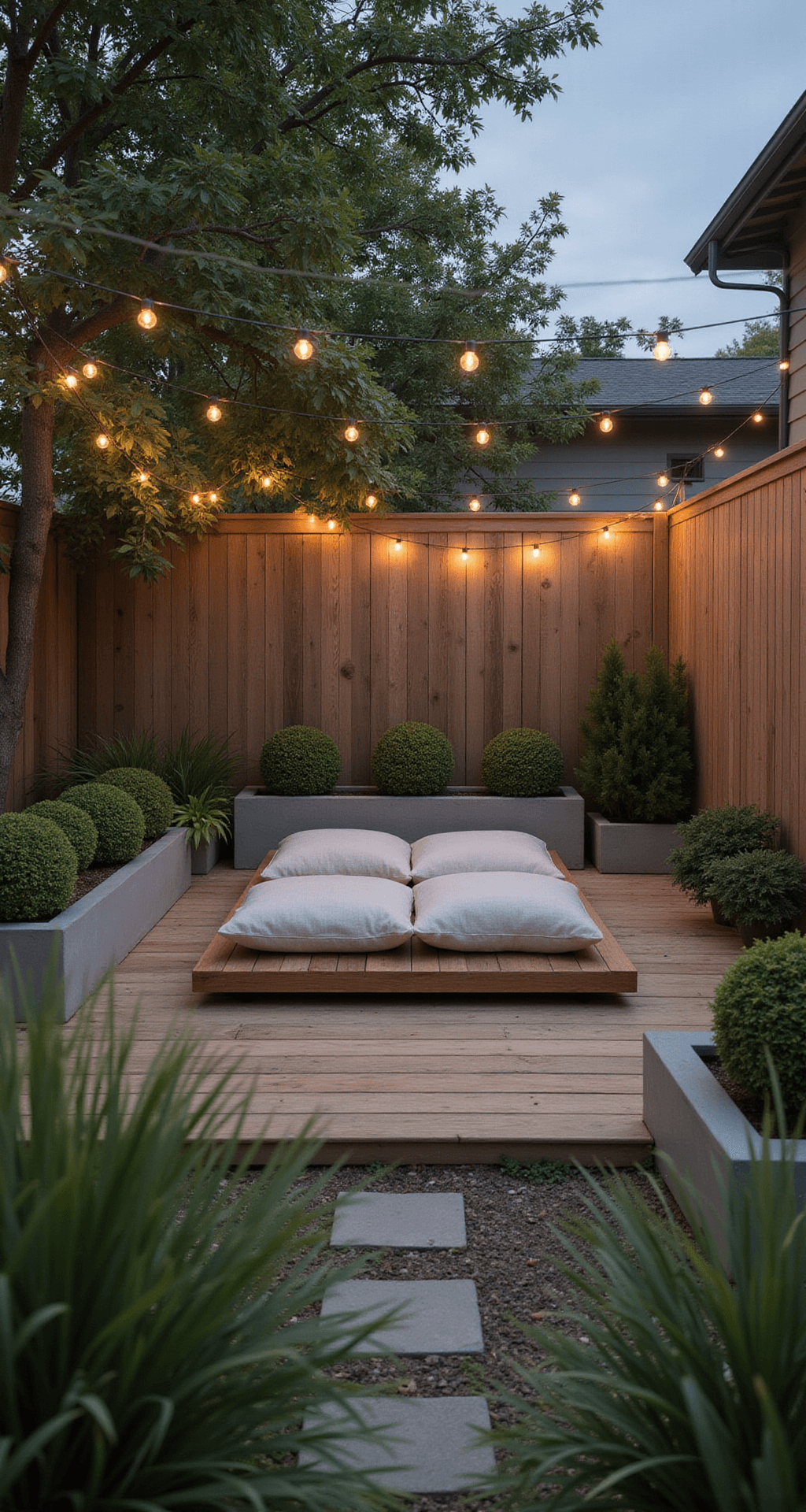
- Prioritize wood (teak, cedar, oak)
- Embrace bamboo and stone elements
- Choose textures that feel organic and understated
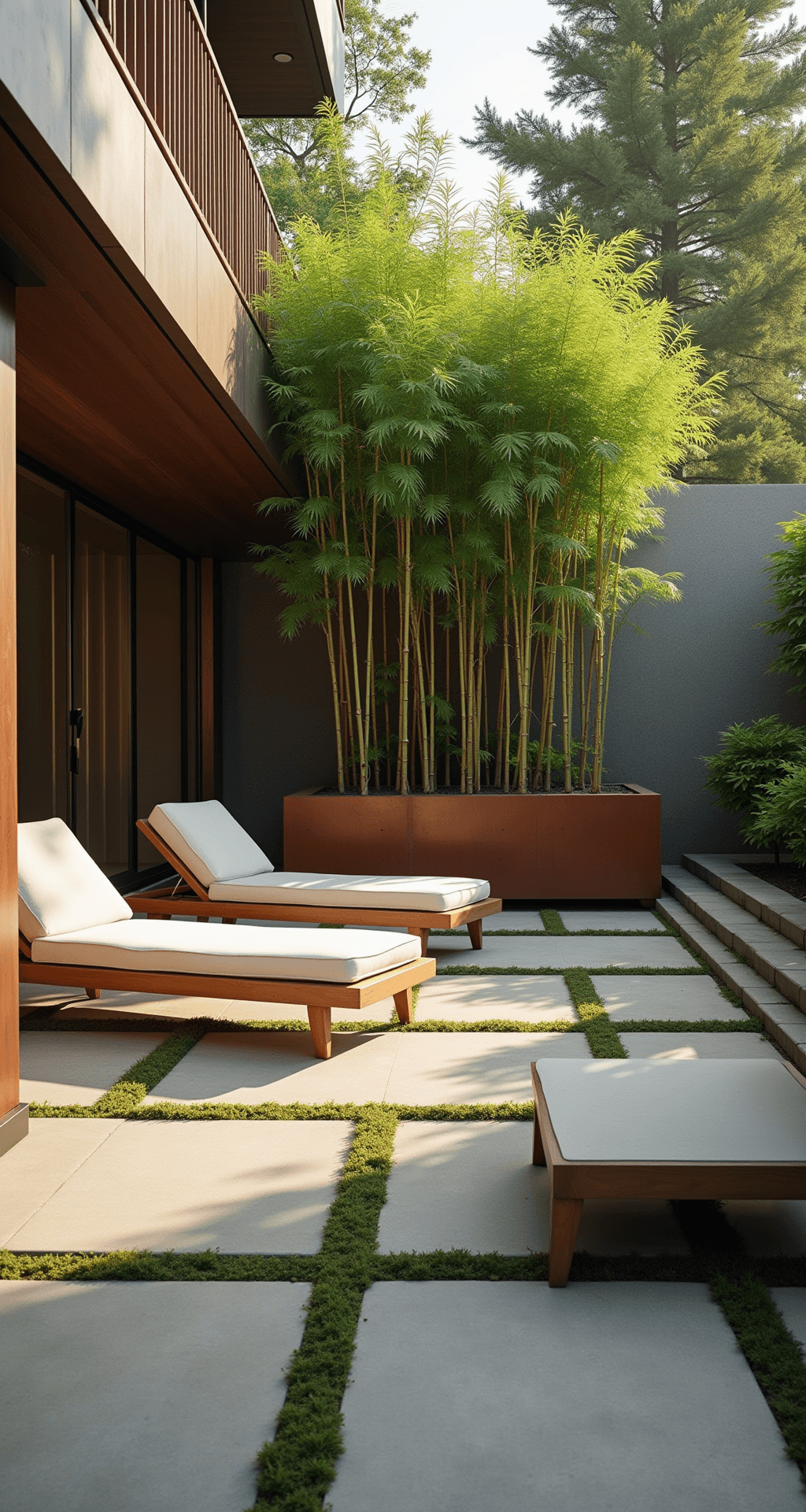
3. Color Palette: Whispers, Not Shouts
Neutral Doesn’t Mean Boring
- Soft beige
- Cool grays
- Warm taupe
- Subtle earthy greens
- Charcoal accents
💡 Steal This Look
- Paint Color: Benjamin Moore Pale Oak HC-71
- Furniture: Low-profile teak lounge chairs with clean lines, minimalist wooden side table, simple bamboo bench seating
- Lighting: Warm pendant lights with natural linen shades or subtle lantern-style fixtures with diffused lighting
- Materials: Weathered teak wood, natural stone pavers, bamboo accents, organic linen cushions in cream/taupe
Japandi outdoor design strips away the noise of typical patio clutter and invites you to actually breathe and be present. It’s the antidote to chaotic entertaining spaces—a place where minimalism and nature create genuine sanctuary.
Practical Japandi Patio Transformation Tips
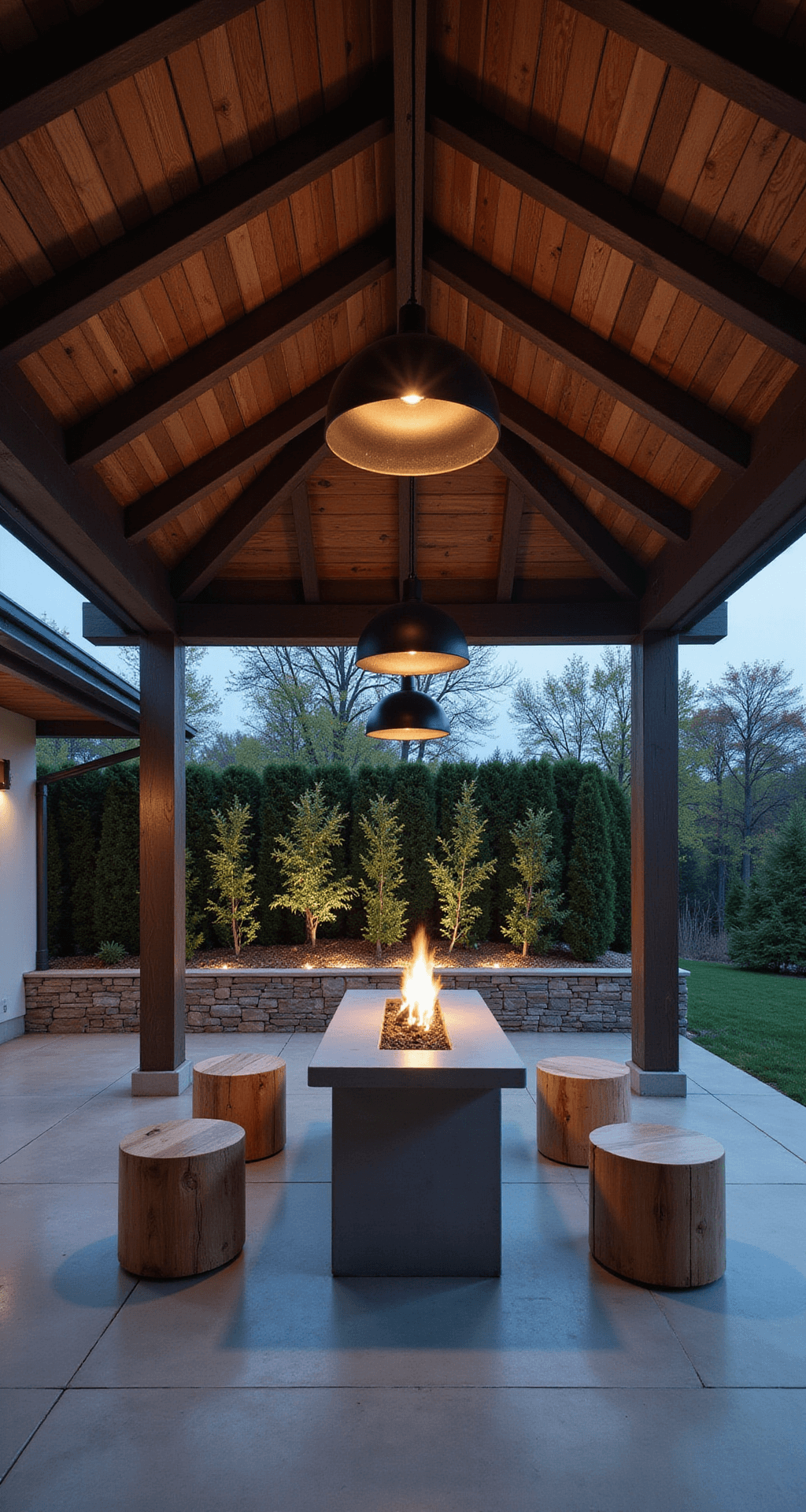
Furniture Selection: Low and Intentional
Seating That Invites Relaxation
- Low-profile wooden benches
- Minimalist lounge chairs
- Japanese floor cushions (zabuton)
- Nesting tables with clean lines
Save this article
Enter your email and we'll send it straight to your inbox.
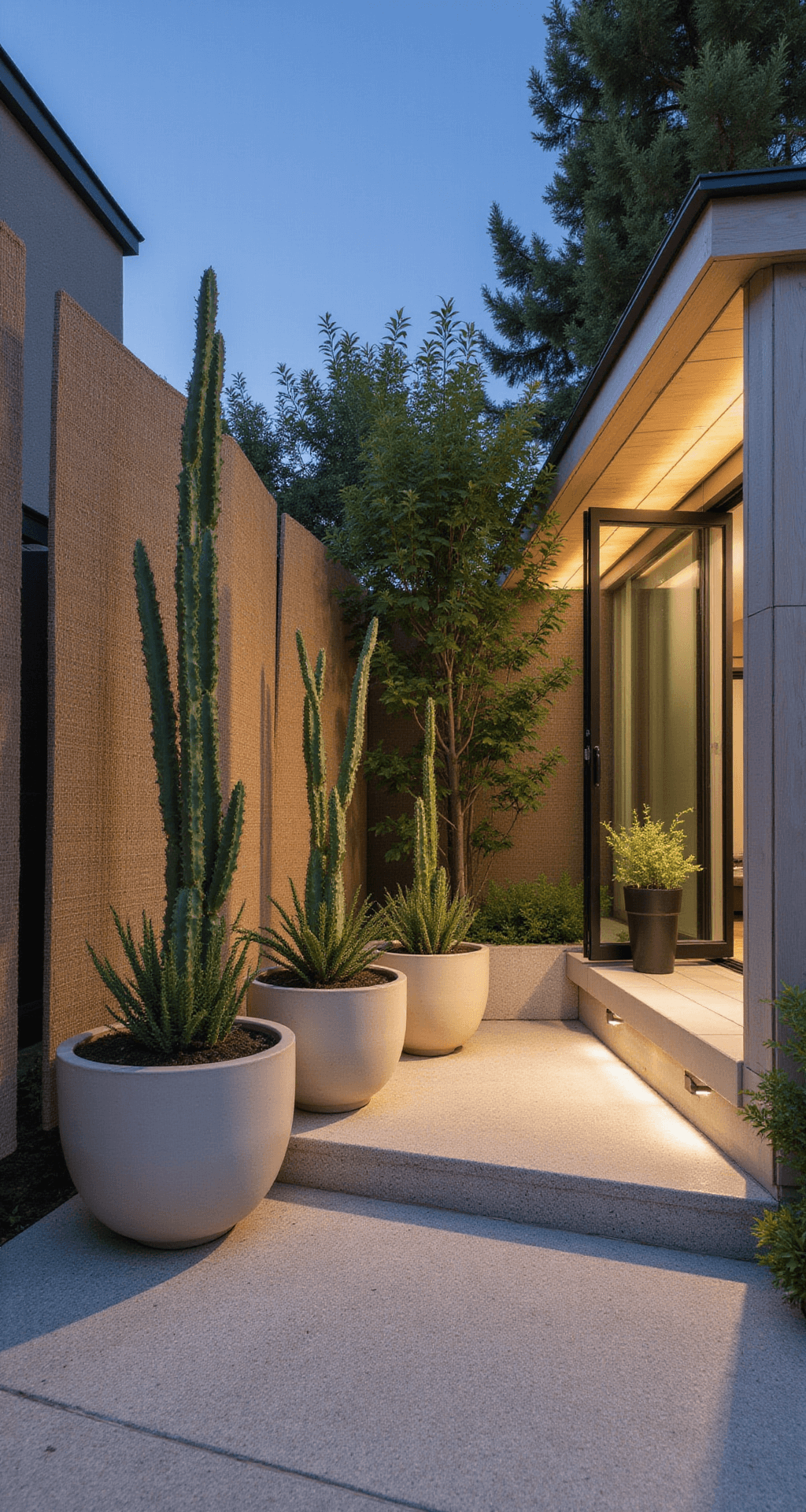
Green Sanctuary: Curated Plant Selections
Plants That Breathe Calm
- Japanese maples
- Bamboo clusters
- Delicate ferns
- Boxwood shrubs
- Ornamental grasses
Lighting: Mood, Not Brightness
Subtle Illumination Techniques
- Warm string lights
- Minimalist lanterns
- Solar stake lights
- Under-bench soft lighting
★ Steal This Look
- Paint Color: Farrow & Ball Cornforth White 228
- Furniture: Low-profile wooden bench in natural cedar or walnut, minimalist lounge chair with light linen upholstery, nesting tables in blonde wood with clean-lined frames, zabuton floor cushions in natural linen or muted grey
- Lighting: Warm-toned string lights (2700K LED) paired with Japanese-style paper lanterns and solar stake lights for layered ambient lighting
- Materials: Natural wood (cedar, walnut), linen, bamboo accents, gravel or smooth stone pavers, live moss or low ground cover
Japandi patios succeed because they prioritize *feeling* over *filling*. By selecting low furniture, curating plants thoughtfully, and using soft lighting, you’re creating a retreat that invites you to slow down—not a showpiece.
Pro Tips for Japandi Patio Perfection
Avoid These Common Mistakes
- Don’t overcrowd your space
- Steer clear of bold, competing colors
- Balance minimalism with comfort
- Think intentionality over decoration
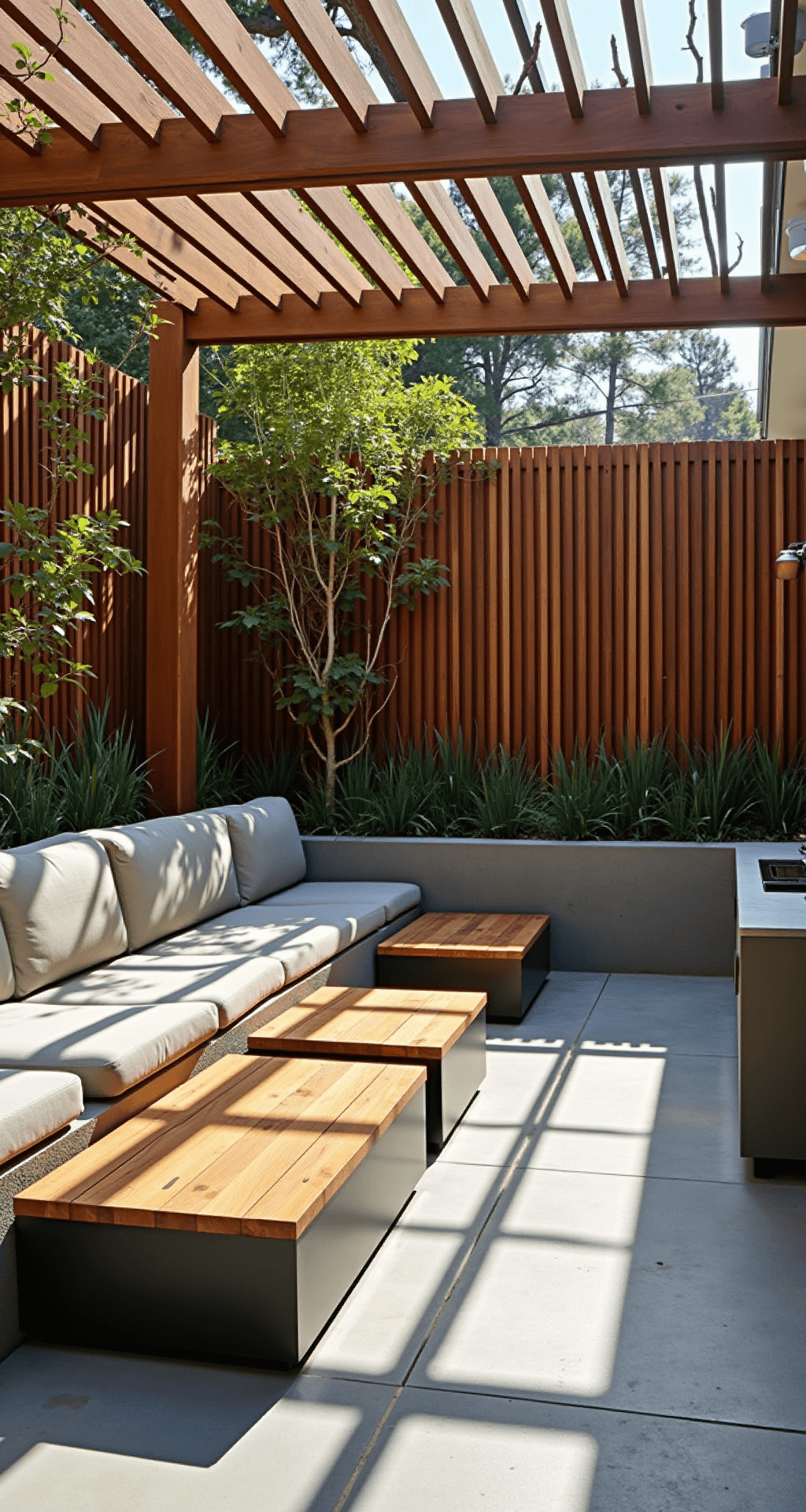
The Secret Sauce: Borrowed Scenery
Create Flow and Connection
- Position seating to capture landscape views
- Use stone pathways
- Integrate external greenery
- Establish a meditative outdoor environment
🏠 Steal This Look
- Paint Color: Behr Premium Plus Ultra Accessible Beige PPU8-16 (for adjacent structures/fences) or leave natural wood unstained for authentic japandi aesthetic
- Furniture: Low-profile teak or cedar outdoor seating with clean lines; minimalist bench without arms; platform-style loungers with natural finish wood frames and neutral cushions
- Lighting: Lantern-style fixtures with warm 2700K LED; Japanese stone lanterns (Oribe or Yukimi style); soft uplighting integrated into pathways
- Materials: Natural stone (basalt, slate, or limestone pathways); untreated wood (teak, cedar, composite with wood-grain); gravel or river rock ground cover; woven natural fiber outdoor rugs
Japandi patios are about creating a retreat that feels like an extension of the landscape rather than a statement against it. When you get this balance right, sitting outside feels meditative rather than decorated.
Your Japandi Patio Checklist
Essential Elements
- ✓ Minimal furniture
- ✓ Natural materials
- ✓ Muted color palette
- ✓ Intentional greenery
- ✓ Soft, warm lighting
- ✓ Negative space
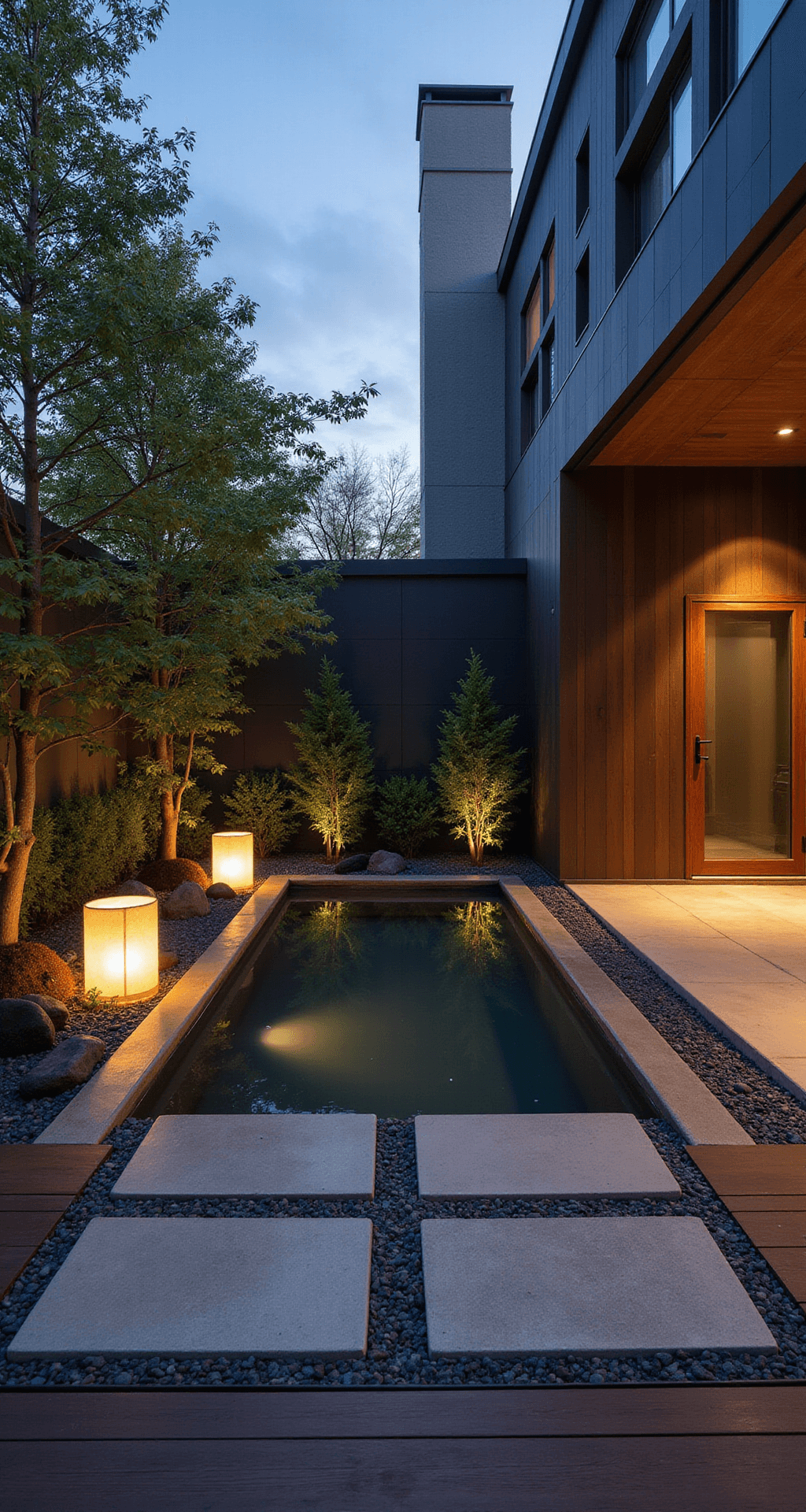
🖼 Steal This Look
- Paint Color: Valspar Urbane Bronze VB-1446M
- Furniture: Low-profile teak or ash wood lounge chairs with clean lines, minimalist wooden bench seating, and simple geometric side tables in natural wood finishes
- Lighting: Warm white Edison string lights or frosted lantern pendant fixtures with dimmable LED capability for soft ambiance
- Materials: Natural teak, bamboo, stone pavers, raw concrete, linen cushions in cream/beige, and untreated wood with visible grain
A Japandi patio checklist approach ensures you’re honoring both Japanese minimalism and Scandinavian functionality without accidentally creating a cluttered space. This zen-meets-practical philosophy transforms outdoor living into a calm retreat.
Final Thoughts
A Japandi patio isn’t just a design—it’s a philosophy. It’s about creating a space that breathes, relaxes, and reconnects you with simplicity and nature.
Remember: Every piece should have purpose, every view should inspire calm, and every moment should feel intentional.
Ready to transform your patio? Start small, think minimally, and let your outdoor space become your personal zen retreat.
Want to keep this one?
We'll email you the link so you can find it again later.