This post may contain affiliate links. Please see my disclosure policy for details.
Landscaping Around Trees: Transform Your Yard into a Stunning Outdoor Oasis
Trees are the backbone of any beautiful landscape, but what you plant around them can make or break your garden’s entire aesthetic. I’ve spent years perfecting tree landscaping techniques, and I’m about to drop some serious garden wisdom.
🌟 Steal This Look
- Paint Color: Sherwin-Williams Rookwood Dark Red SW 2801
- Furniture: weathered teak Adirondack chair with wide slats and ergonomic curved back
- Lighting: solar-powered copper path lights with hammered metal shades and warm 2700K output
- Materials: natural cedar mulch, irregular flagstone pavers, river rock edging, and drought-tolerant ornamental grasses
There’s something deeply satisfying about sitting beneath a mature tree you’ve thoughtfully landscaped—it becomes an instant destination spot for morning coffee or evening wind-downs that feels discovered rather than designed.
Why Landscaping Around Trees Matters
Let’s get real. Trees aren’t just tall plants – they’re living ecosystems that deserve thoughtful design. Proper landscaping:
- Protects tree roots
- Creates visual interest
- Reduces lawn maintenance
- Adds value to your property
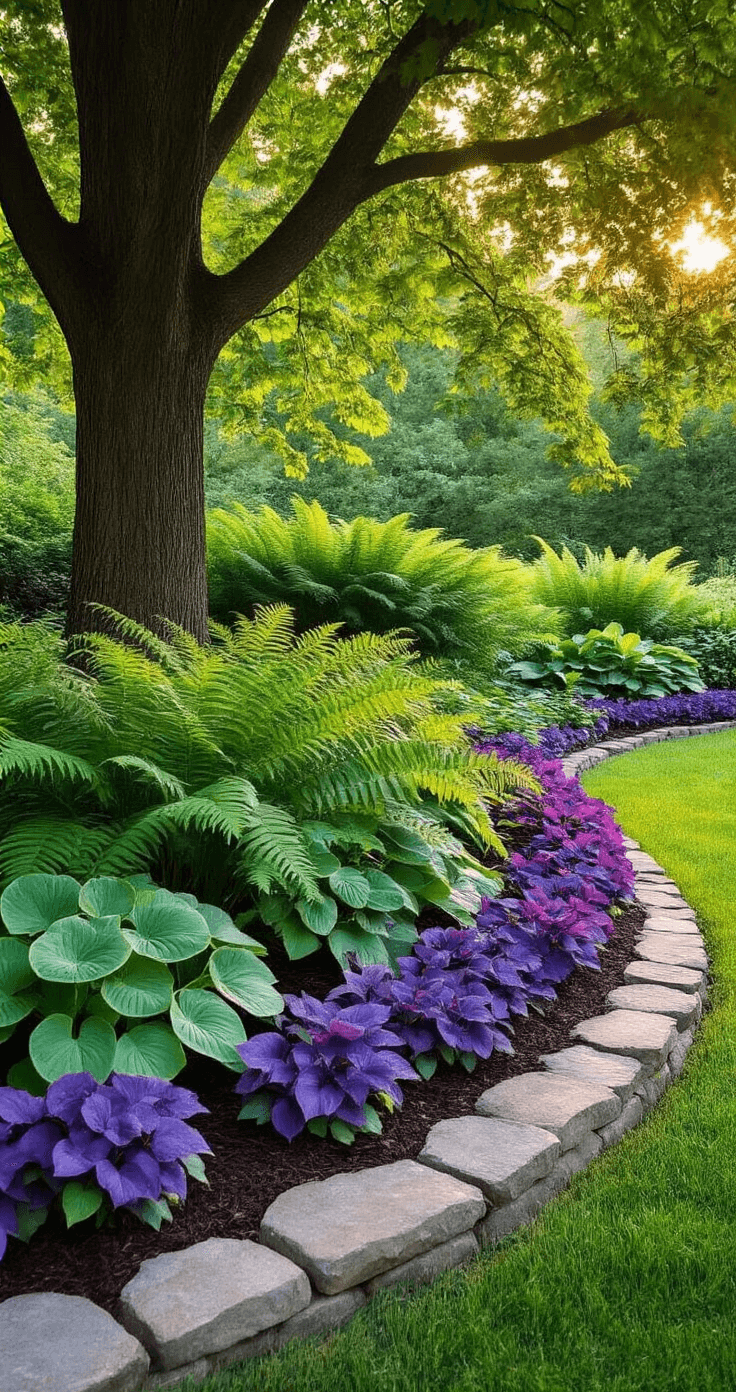
🖼 Steal This Look
- Paint Color: Benjamin Moore Kendall Charcoal HC-166
- Furniture: weathered teak Adirondack chair with wide slats
- Lighting: solar-powered brass path lights with frosted glass domes
- Materials: cedar mulch, Pennsylvania bluestone pavers, untreated pine bark nuggets
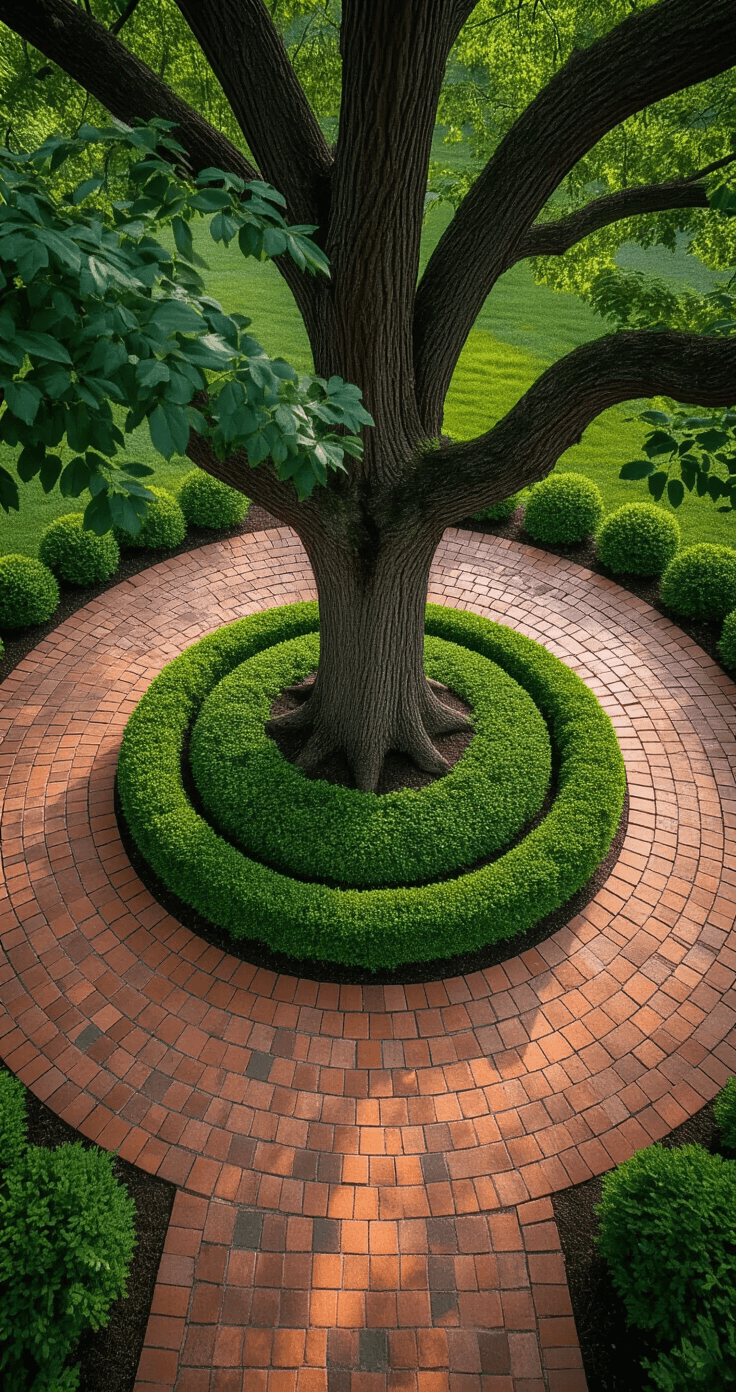
There’s something quietly satisfying about reclaiming that awkward, grass-challenged zone under your mature oak—transforming it from a mowing headache into the most intentional spot in your yard.
Top Landscaping Strategies That Work
1. Shade Garden Magic
Forget fighting the shade – embrace it! Shade-loving plants are your secret weapon:
- Hostas: The ultimate shade champions
- Ferns: Adds lush, prehistoric vibes
- Coleus: Brings explosive color
- Coral Bells: Delicate texture, minimal sunlight needed
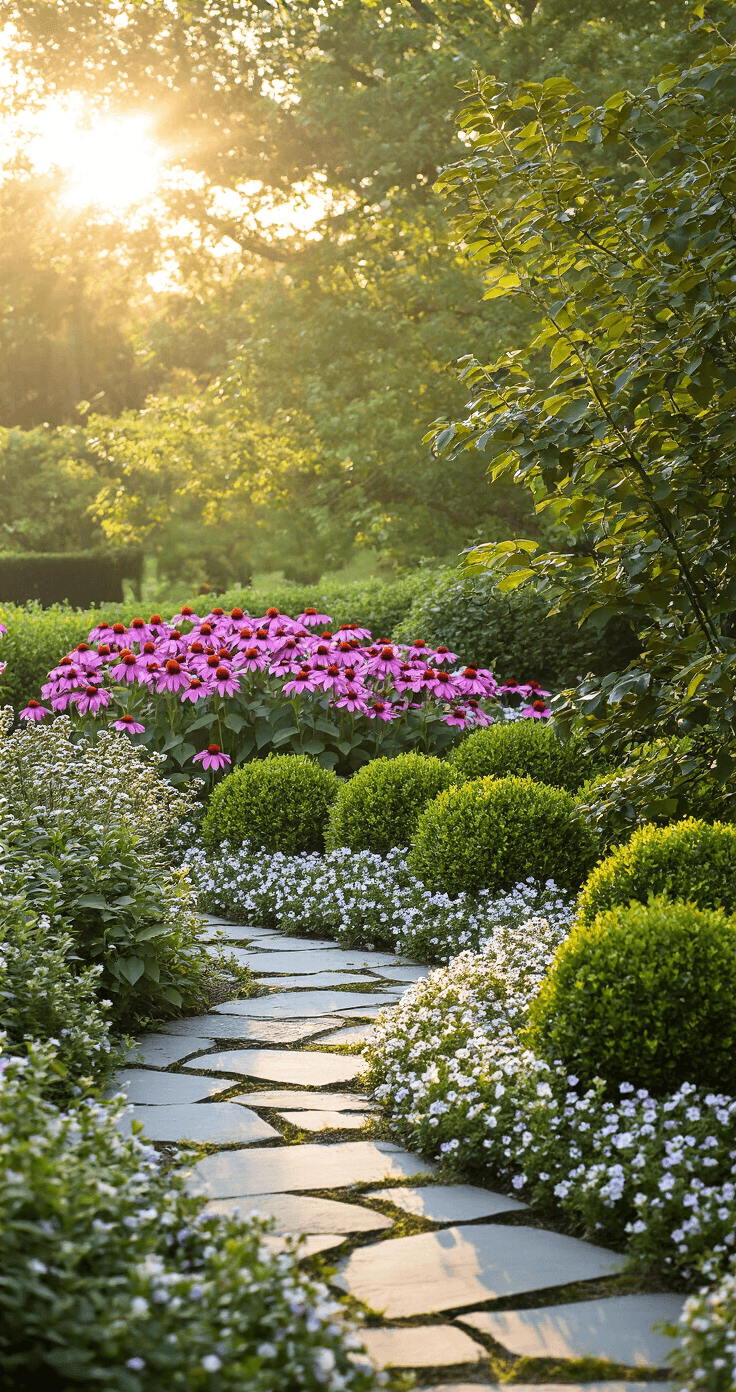
2. Ground Cover Genius
Stop battling bare patches. Ground covers like ivy and pachysandra:
- Create clean tree borders
- Reduce mulch requirements
- Prevent soil erosion
- Look professionally landscaped
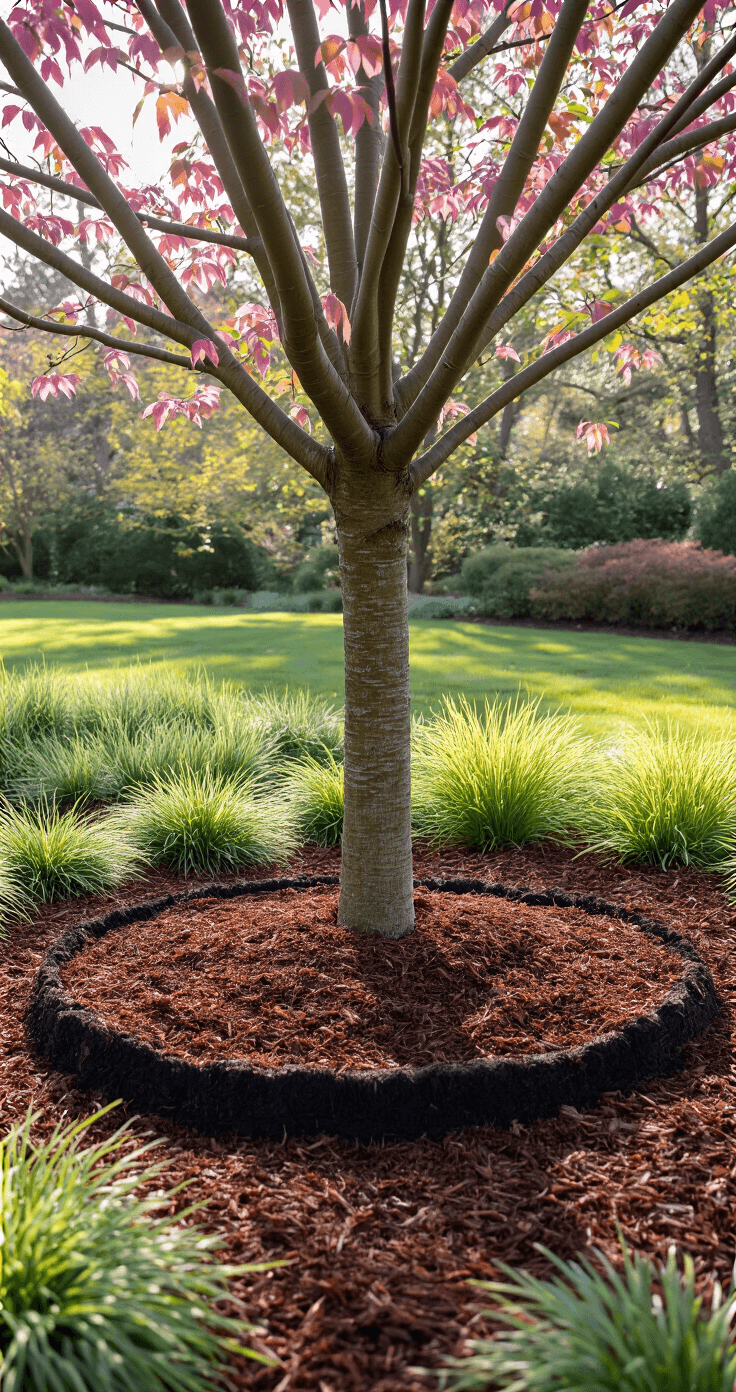
3. Stunning Tree Rings
Pro tip: Create a defined tree area with:
- Brick borders
- Stone circles
- Decorative pavers
Warning: Keep rings 2-3 feet from trunk to protect roots!
Save this article
Enter your email and we'll send it straight to your inbox.
4. Layered Planting Techniques
Mix it up with:
- Tall perennials
- Low-growing annuals
- Varying textures
- Complementary colors
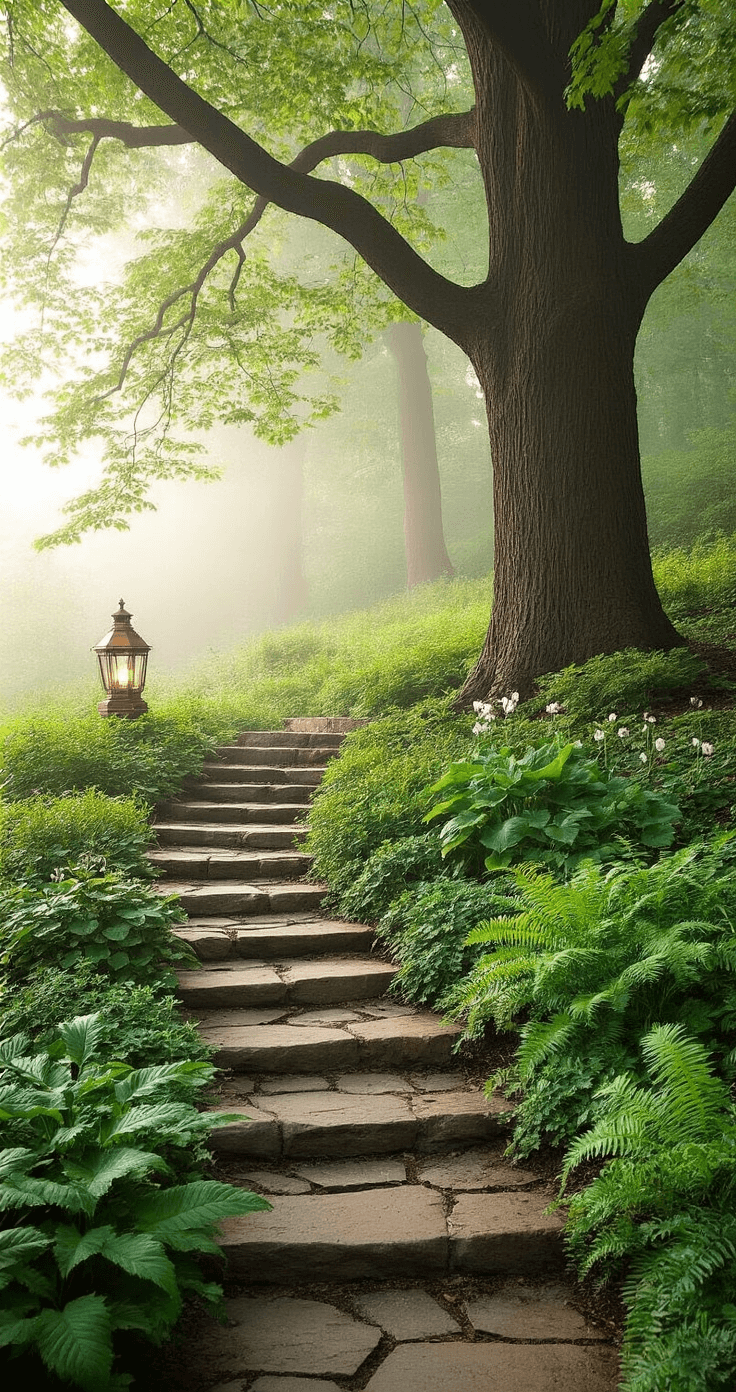
5. Mulch Like a Pro
Mulching isn’t just dumping wood chips. Do it right:
- 2-3 inch layer maximum
- Keep mulch away from trunk
- Retain moisture
- Suppress weeds
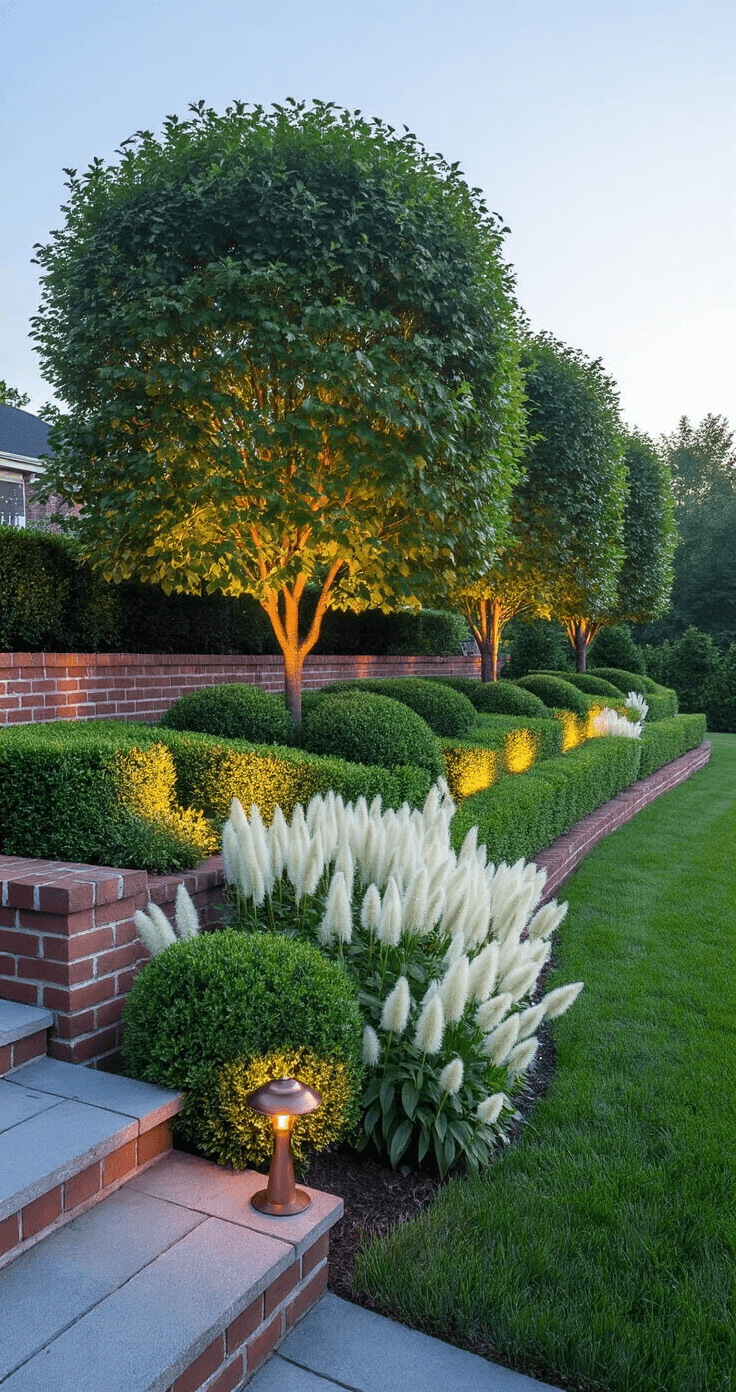
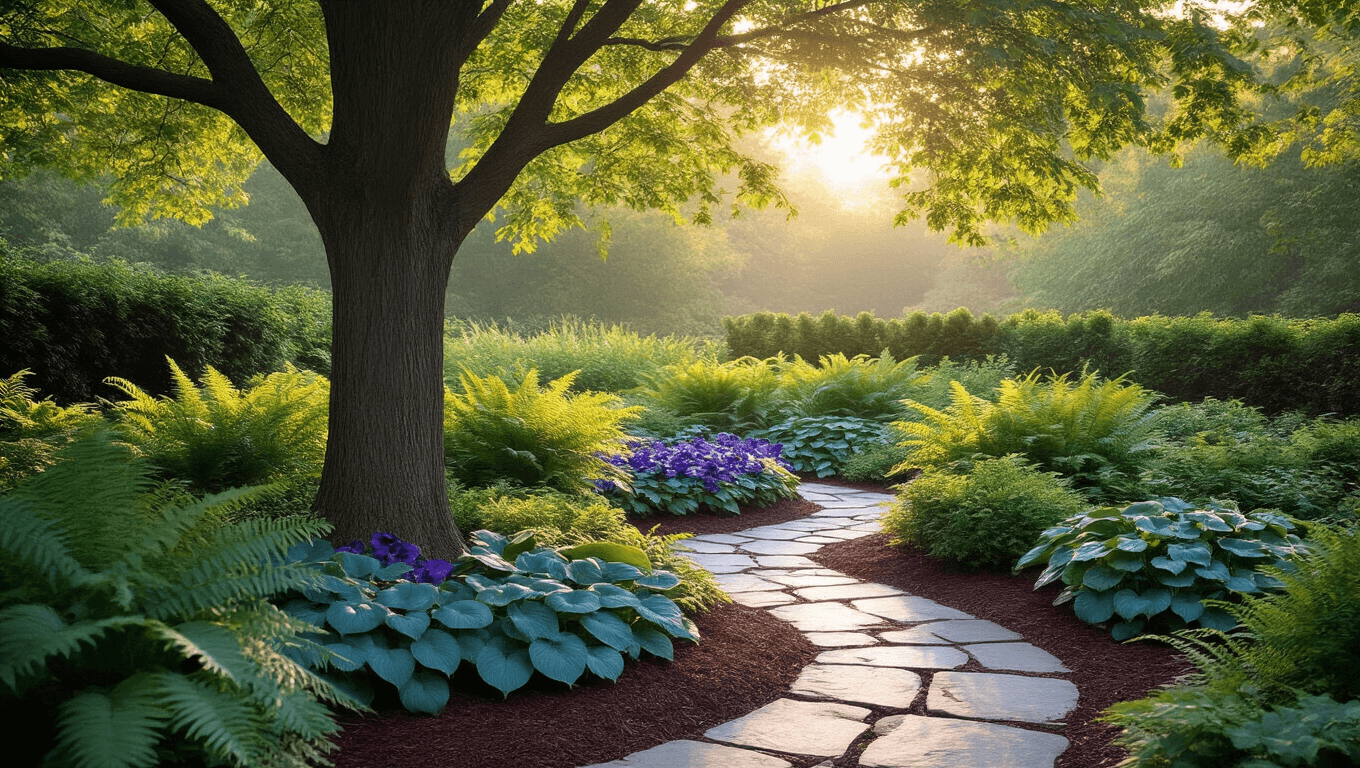
★ Steal This Look
- Paint Color: Farrow & Ball Green Smoke 47
- Furniture: weathered teak garden bench with curved backrest positioned under tree canopy
- Lighting: solar-powered copper path lights with warm 2700K output
- Materials: corten steel edging, natural cedar mulch, reclaimed brick pavers, river rock accents
There’s something deeply satisfying about watching a neglected patch of dirt transform into a layered shade garden that feels like it emerged naturally over decades—even when you planted it last spring.
Bonus Design Elements
- Install curved garden paths
- Add a cozy bench
- Create small retaining walls
- Use seasonal flowering plants
Critical Mistakes to Avoid
❌ Don’t:
- Pile mulch against tree trunk
- Choose plants incompatible with shade
- Compact soil around roots
- Overwater understory plants
My Personal Landscaping Hack
Want a pro secret? Plant shade-tolerant hedges like boxwood to create structure and definition. They’re low-maintenance and look incredible year-round.
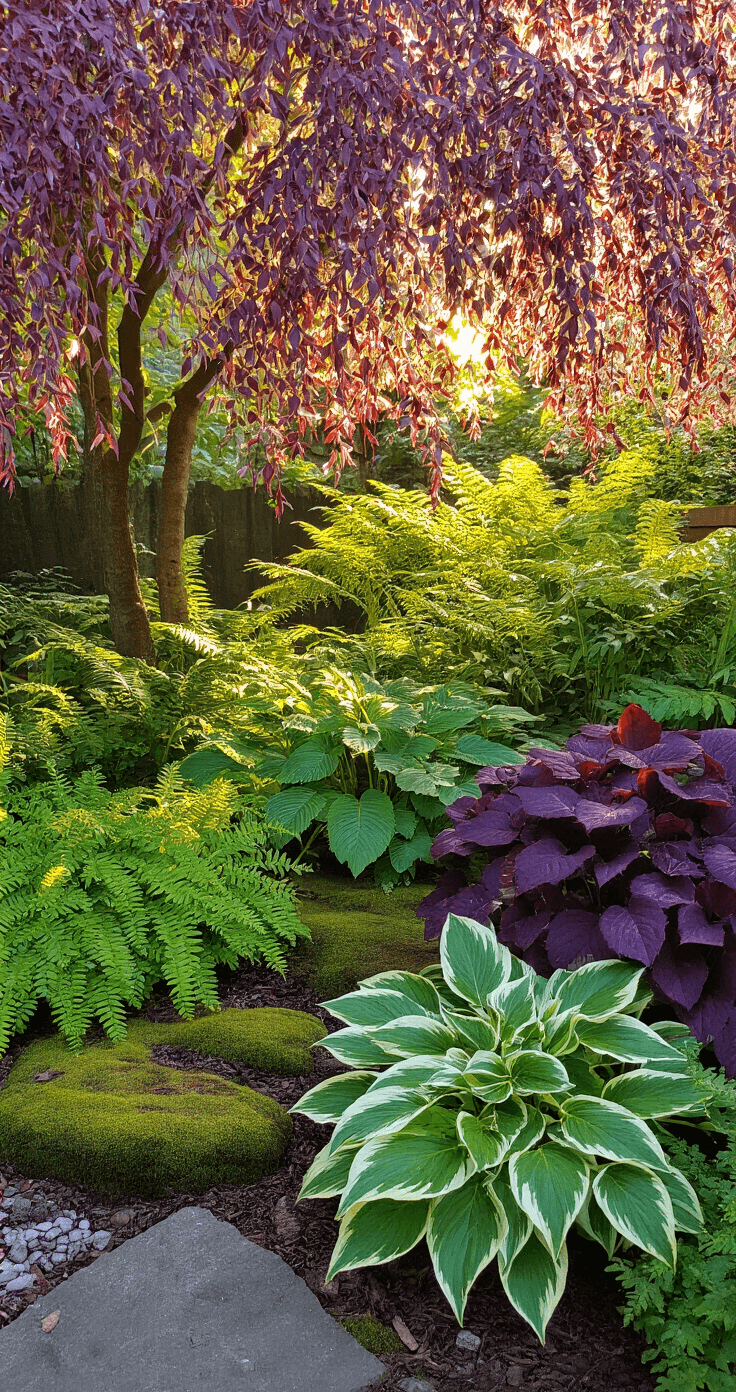
🌟 Steal This Look
- Paint Color: use PPG brand. Match the ACTUAL wall color in the image. Format: PPG Olive Lane PPG1119-6
- Furniture: weathered teak garden bench with curved backrest positioned beneath tree canopy
- Lighting: solar-powered copper path lights with warm 2700K output lining the hedge border
- Materials: English boxwood hedging, shredded cedar mulch, irregular bluestone pavers, aged corten steel edging
This is the approach I used to finally stop fighting the bare dirt patches under my oak trees, and the structured green backdrop makes my entire yard feel intentionally designed rather than accidentally overgrown.
Final Thoughts
Landscaping around trees isn’t rocket science – it’s an art form. With these strategies, you’ll create a yard that looks professionally designed without breaking the bank.
Quick Checklist
- ✅ Choose shade-compatible plants
- ✅ Protect tree roots
- ✅ Create visual layers
- ✅ Maintain proper mulching
Ready to transform your outdoor space? Let’s make it happen!
Want to keep this one?
We'll email you the link so you can find it again later.