
This post may contain affiliate links. Please see my disclosure policy for details.
Garden Fence Ideas: Transform Your Outdoor Space with Style and Function
Discover the Perfect Garden Fence to Protect and Beautify Your Outdoor Sanctuary
Are you tired of random critters munching on your precious plants? Sick of undefined garden boundaries that make your yard look like a wild mess? I’ve got the ultimate guide to garden fences that will solve all your outdoor design nightmares.

🎨 Steal This Look
- Paint Color: Sherwin-Williams Rookwood Dark Green SW 2807
- Furniture: weathered teak potting bench with galvanized steel top
- Lighting: solar-powered copper post cap lights with warm 2700K output
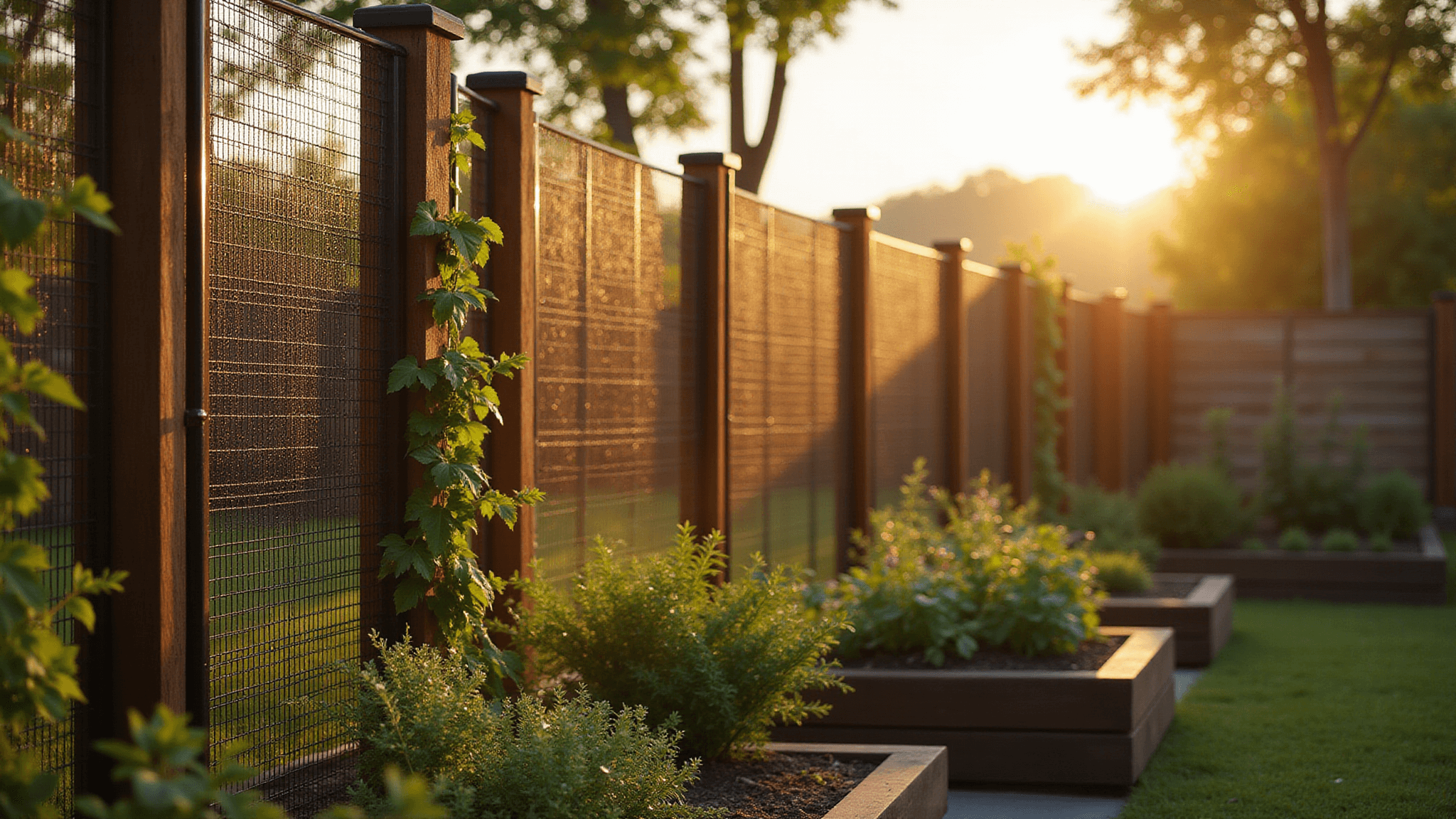
- Materials: cedar shiplap boards, black powder-coated aluminum hardware, natural hemp rope detailing, crushed granite base
There’s something deeply satisfying about a fence that actually works with your land instead of fighting it; I’ve learned the hard way that rushing the post-setting stage always costs you double later.
✓ Get The Look
Fence Styles That Will Make Your Neighbors Jealous
Wood and Wire: The Gardener’s Secret Weapon
Imagine a fence that’s part fortress, part art piece. Wood and wire combinations are your new best friend. Here’s why:
- Keeps unwanted visitors out
- Allows you to see your beautiful garden
- Easy to repair and modify
- Looks absolutely stunning

Cattle Panel Fencing: Tough and Budget-Friendly
Who says protection has to be expensive? Cattle panels are the unsung heroes of garden fencing:
- Cost-Effective: Around $35 per panel
- Durability: Can withstand pets, kids, and garden chaos
- Easy Installation: Just dig, place, and secure

Picket Fences: Classic Charm Meets Modern Functionality
Remember those picture-perfect cottage gardens? Picket fences bring that dream to life:
- DIY-friendly
- Adds instant curb appeal
- Defines your garden space without feeling closed off
🖼 Steal This Look
- Paint Color: Benjamin Moore Kendall Charcoal HC-166
- Furniture: weathered cedar potting bench with galvanized steel top
- Lighting: gooseneck barn sconce in matte black finish
- Materials: rough-sawn cedar posts, galvanized cattle panels, whitewashed pine pickets, black iron hardware
This is the fence style I installed in my own backyard after three failed attempts with vinyl—there’s something deeply satisfying about hand-driving staples into cedar posts while your tomatoes climb the wire beside you.
Purpose-Driven Fencing Solutions
Deer-Proofing: Your Garden’s Defense Strategy
Deer think your garden is their personal buffet? Not anymore!
- Electric fence trick: Bait with peanut butter in foil
- Go tall (6+ feet) for persistent deer problems
- Get creative with fence configurations

Save this article
Enter your email and we'll send it straight to your inbox.
Child Safety: Protect and Beautify
Keep little explorers safe while making your garden look incredible:
- Simple gate and fence combinations
- Integrate water collection systems
- Create clear boundaries without feeling like a prison

🏠 Steal This Look
- Paint Color: Farrow & Ball Mouse’s Back No. 40
- Furniture: weathered cedar potting bench with galvanized steel top
- Lighting: solar-powered LED fence post caps with warm 2700K output
- Materials: black powder-coated aluminum mesh, cedar shiplap, galvanized steel hardware cloth
This is the section where practical necessity meets garden pride—I’ve seen too many beautiful plantings destroyed overnight, and the right fence here lets you sleep soundly knowing your hostas will survive until morning.
Decorative Magic: Fences That Double as Garden Art
Living Fences: Nature’s Masterpiece
Turn your fence into a living, breathing garden feature:
- Succulent walls that look like they’re from a magazine
- Climbing plants that soften hard lines
- Hedging for a layered, luxurious border

Material Wonderland
Your fence material can totally transform your outdoor space:
- Bamboo for tropical vibes
- Metal for industrial chic
- Plastic for low-maintenance magic

🌟 Steal This Look
- Paint Color: Behr Garden Wall MQ6-40
- Furniture: weathered teak potting bench with galvanized steel top
- Lighting: solar-powered copper string lights with vintage Edison bulbs
- Materials: raw cedar planks, powder-coated steel frames, preserved moss panels, terracotta planters
There’s something deeply satisfying about a fence that works harder than just marking boundaries—when guests pause to touch the velvety lamb’s ear or snap a photo of your succulent wall, you’ve created garden art that happens to keep the deer out.
DIY Fence Building: Your Weekend Warrior Project
Building a fence isn’t rocket science. Here’s your step-by-step guide:
- Measure and mark post locations
- Dig holes (pro tip: rent an auger from Home Depot)
- Set posts in concrete
- Attach your chosen fencing material
- Add a gate for that perfect finishing touch
Pro Tip: Weekend warriors, this is your moment to shine! With some basic tools and a can-do attitude, you’ll have a jaw-dropping garden fence in no time.
Final Thoughts
Your garden fence is more than just a boundary – it’s a statement. Whether you’re looking for protection, privacy, or pure aesthetic pleasure, there’s a perfect fence waiting for you.
Don’t settle for boring. Make your garden fence a conversation piece.
Want to keep this one?
We'll email you the link so you can find it again later.
[…] Built-in storage adds structure and instant polish to any closet setup. These walk in closet ideas keep clothing and accessories perfectly contained—tap to get inspired and upgrade your space. […]