This post may contain affiliate links. Please see my disclosure policy for details.
Creating a Stunning Wildflower Garden: Your Ultimate Guide to Natural Beauty
Hey there, garden enthusiasts! Ready to transform your outdoor space into a vibrant, low-maintenance paradise? Let’s dive into the world of wildflower gardening – a game-changer for both newbie gardeners and nature lovers.
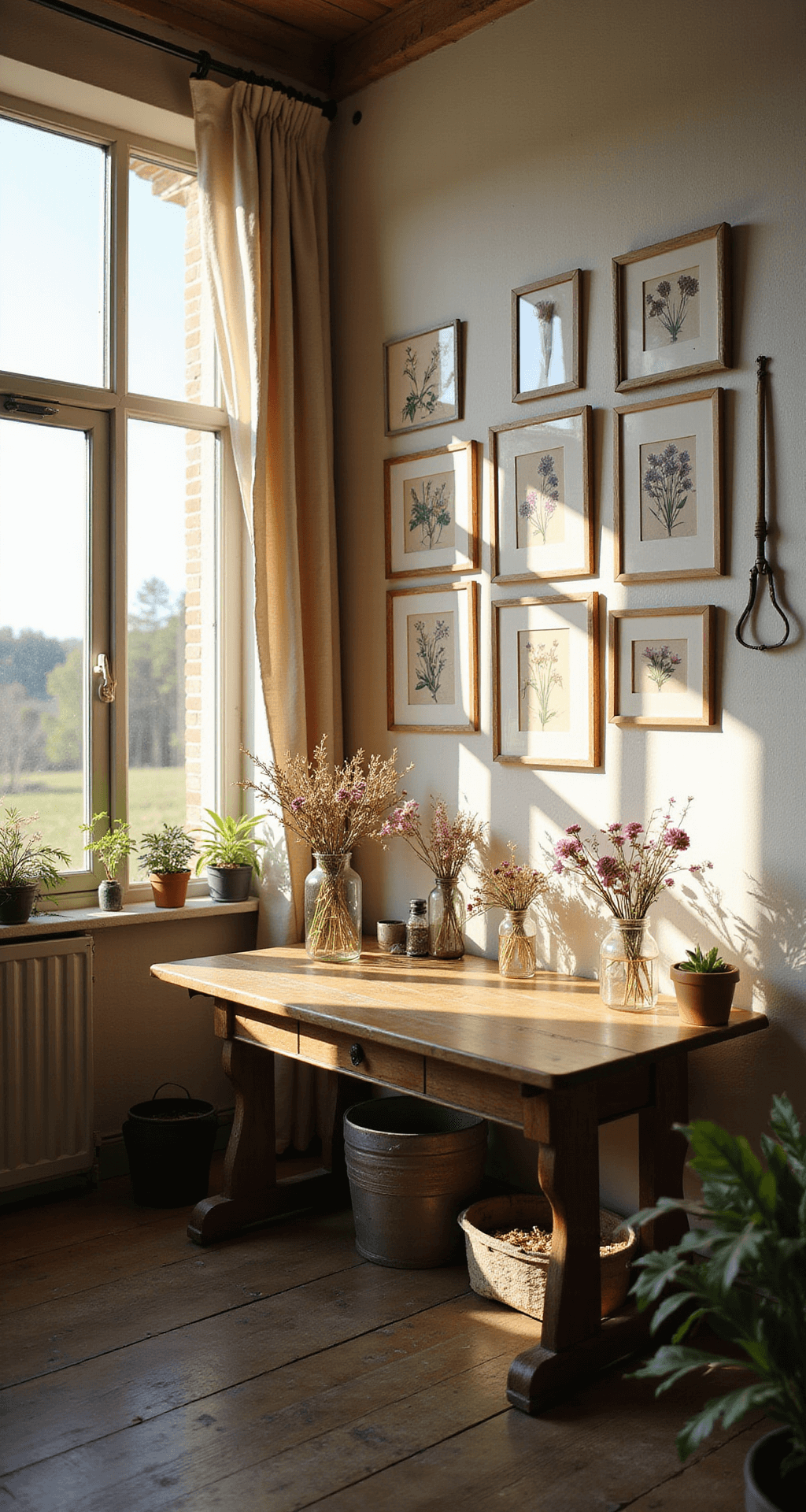
🎨 Steal This Look
- Paint Color: Sherwin-Williams Garden Grove SW 6445
- Furniture: weathered teak potting bench with zinc-top surface, vintage-style wrought iron garden bistro set with curved backs, reclaimed wood adirondack chairs
- Lighting: solar-powered Edison bulb string lights draped between shepherd’s hooks, antique brass pathway lanterns with seeded glass
- Materials: untreated cedar raised beds, crushed limestone pathways, raw linen outdoor cushions, terracotta pots with aged patina, galvanized metal watering cans
There’s something deeply satisfying about a garden that looks like it planted itself, where bees show up uninvited and you stop worrying about every weed.
Why Wildflower Gardens Are a Total Game-Changer
Imagine stepping into a garden that:
- Requires minimal effort
- Attracts butterflies and bees
- Looks absolutely stunning
- Supports local ecosystems
Spoiler alert: This isn’t a gardening fantasy – it’s totally doable!
Getting Started: What You’ll Need
Essential Tools
- Trowel
- Rake
- Wildflower seed mix
- Soil testing kit
- Watering can
Pro Tip Toolkit
- Compost
- Mulch
- Plant markers
- Camera (your smartphone works perfectly!)
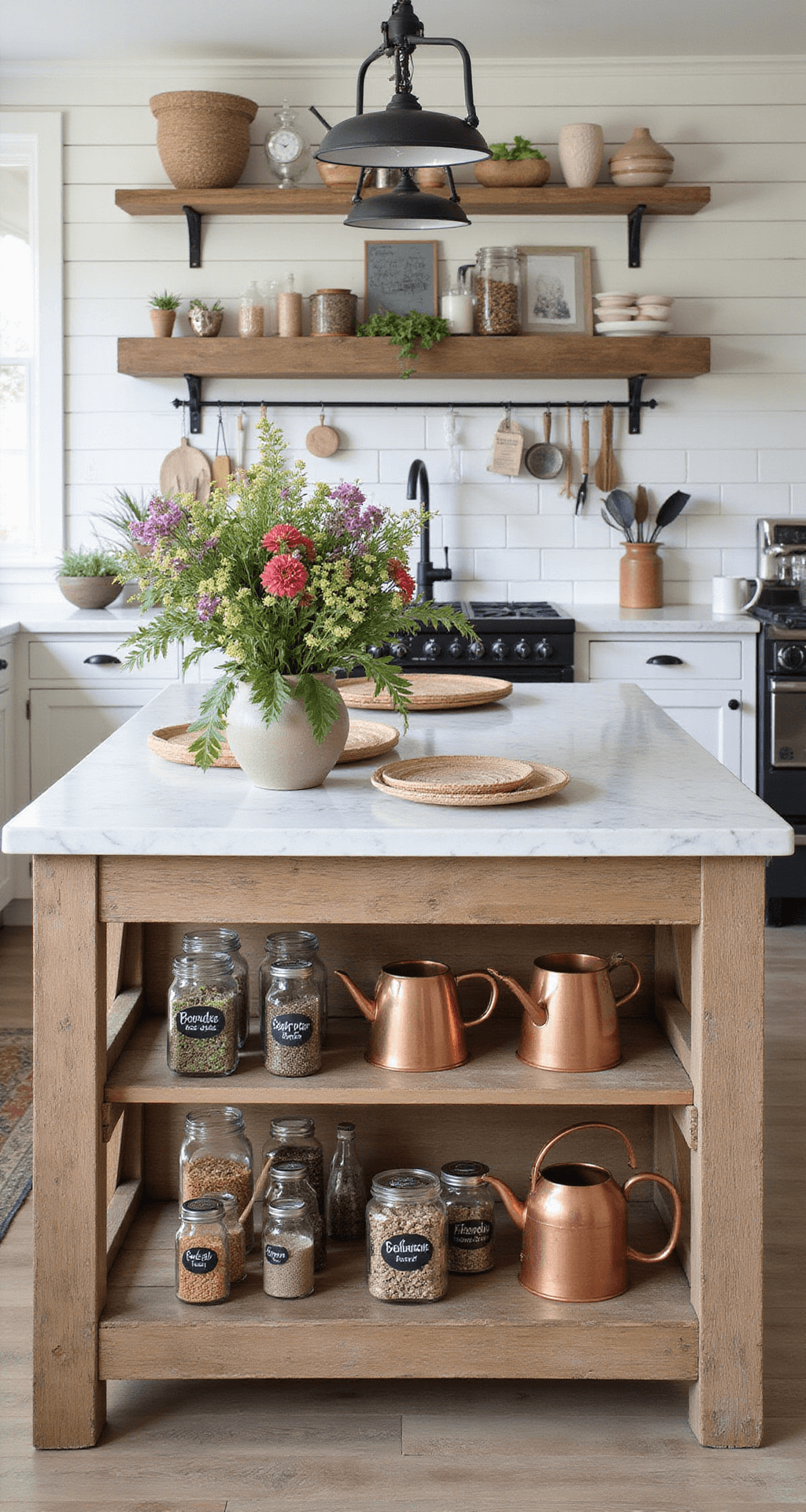
💡 Steal This Look
- Paint Color: Farrow & Ball Green Smoke 47
- Furniture: weathered teak potting bench with lower shelf storage
- Lighting: galvanized steel gooseneck barn light with warm LED
- Materials: raw cedar raised beds, crushed limestone pathways, untreated jute twine
There’s something deeply satisfying about returning to this corner with morning coffee, watching which blooms opened overnight—this room outdoors rewards patience in ways no instant landscape ever could.
Choosing Your Wildflower Dream Team
Native is Mighty Right
Key Rule: Local plants = Happy Garden
Best native wildflower picks:
- Coneflowers
- Black-Eyed Susans
- Butterfly Weed
- Purple Coneflower
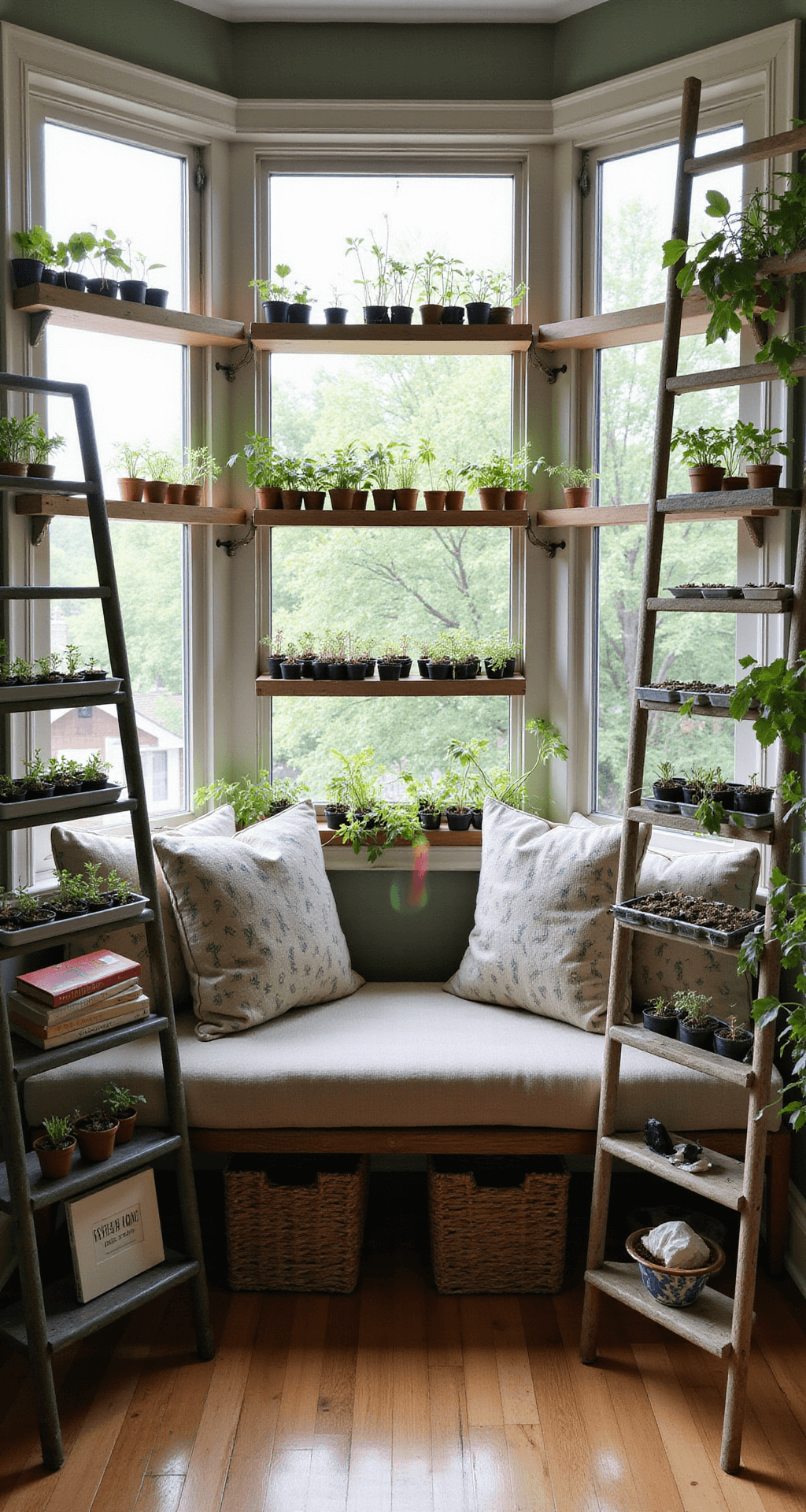
🏠 Steal This Look
- Paint Color: Behr Garden Path S340-4
- Furniture: weathered cedar potting bench with galvanized steel top
- Lighting: antique brass gooseneck barn sconce with seeded glass
- Materials: raw cedar, aged zinc, hand-thrown terracotta, crushed limestone gravel
There’s something quietly rebellious about a wildflower garden—it refuses the rigid geometry of traditional landscaping and gives you permission to let things happen, which is exactly why it feels like such a relief every time you step into it.
🔔 Get The Look
The Ultimate Planting Game Plan
Step 1: Location, Location, Location
- Choose a spot with at least 6 hours of sunlight
- Check soil drainage
- Test soil pH (most wildflowers love slightly acidic soil)
Step 2: Prep Like a Pro
- Clear existing grass and weeds
- Loosen soil
- Remove rocks and debris
- Light soil amendment (but don’t go crazy)
Step 3: Seed Spreading Magic
- Scatter seeds in natural-looking drifts
- Gently rake seeds into soil
- Water lightly
- Pro Photographer Tip: Document each stage!
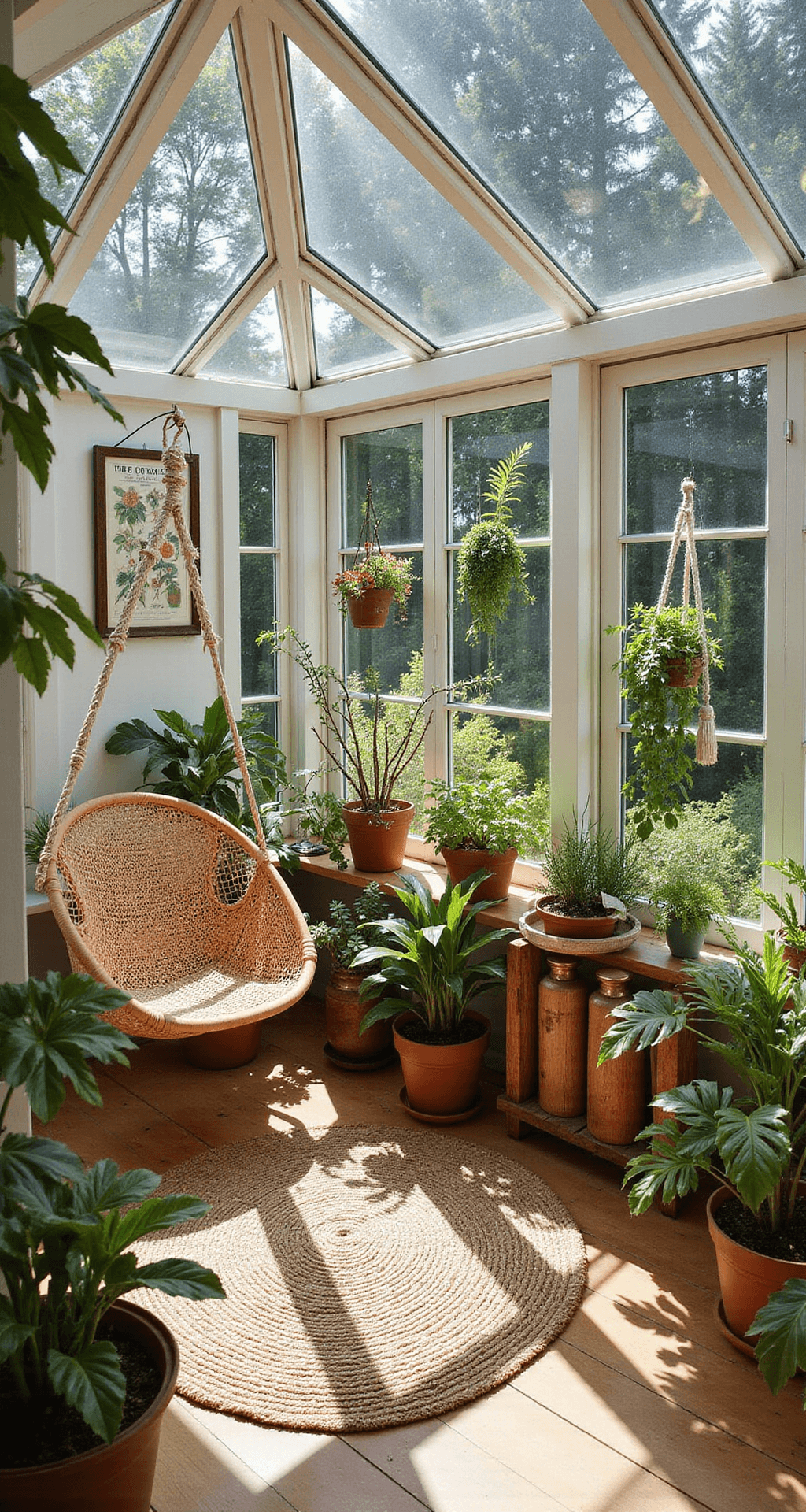
💡 Steal This Look
- Paint Color: Valspar Garden Path 6004-2C
- Furniture: weathered teak potting bench with zinc top, vintage garden stool, galvanized metal seed storage cabinet
- Lighting: solar-powered Edison bulb string lights draped between shepherd’s hooks
- Materials: raw linen seed sacks, terracotta clay pots, untreated cedar raised beds, crushed limestone pathways
There’s something deeply satisfying about standing at your own potting bench at dawn, coffee in hand, reviewing your seed packets and garden journal before the real work begins—this room concept honors that ritual.
Save this article
Enter your email and we'll send it straight to your inbox.
Maintenance: Keep It Chill
Wildflower Garden Care Cheat Sheet
- Water sparingly (these are tough plants!)
- Avoid over-fertilizing
- Let some areas go to seed
- Minimal mowing required
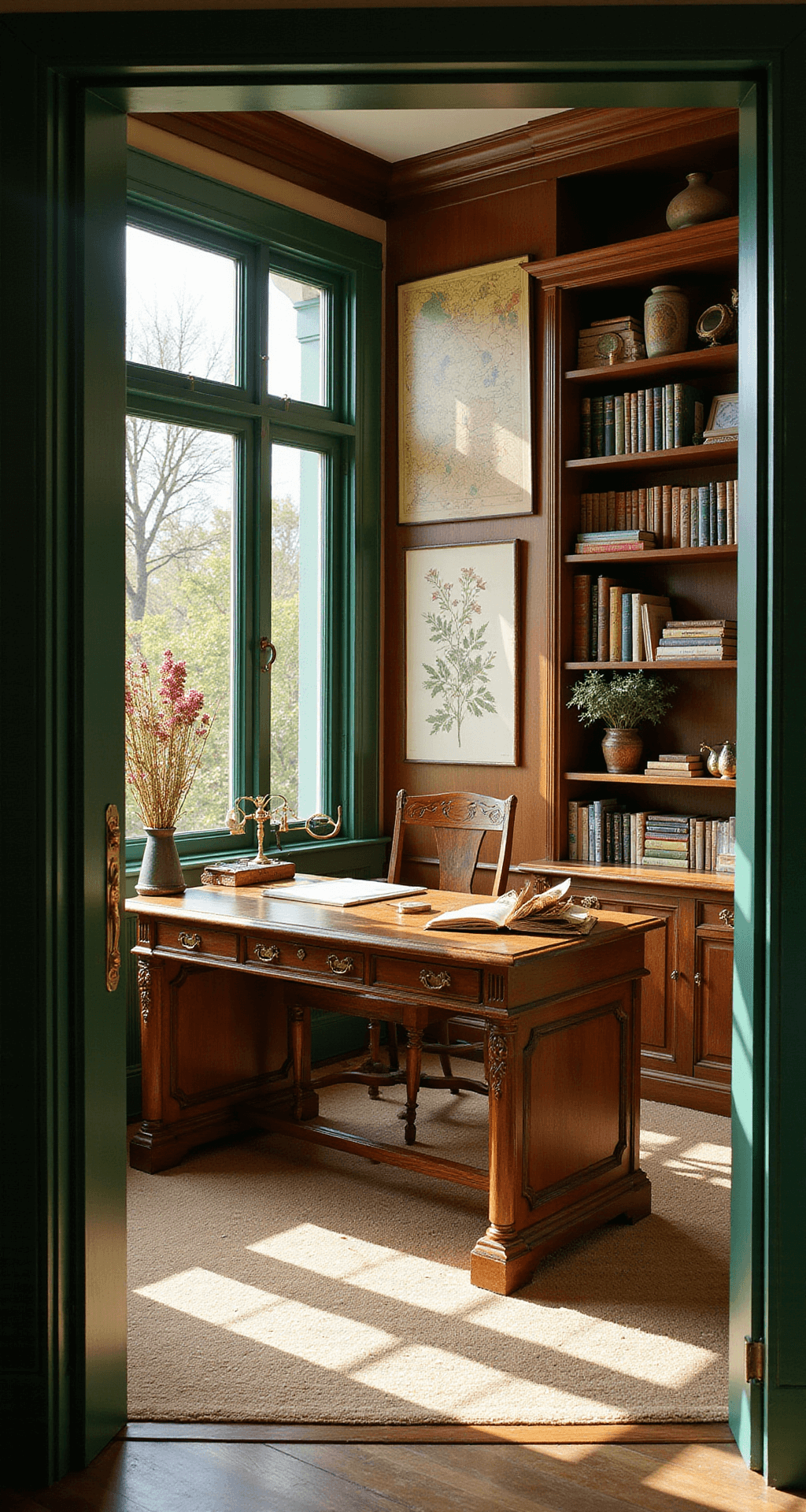
★ Steal This Look
- Paint Color: PPG Sage Wisdom PPG1125-4
- Furniture: weathered teak potting bench with galvanized steel top, vintage wooden garden stool with chipped paint
- Lighting: solar-powered Edison bulb string lights draped between shepherd’s hooks
- Materials: raw cedar mulch paths, untreated corten steel edging, hand-thrown terracotta pots with moss patina, burlap garden storage sacks
This is the room where you finally stop apologizing for the ‘mess’—those dried seed heads and patchy bare spots are actually habitat gold, and there’s something deeply satisfying about a space that thrives on benign neglect.
Photography Tips for Showing Off Your Garden
Capture the Magic
- Shoot during golden hours (early morning/late afternoon)
- Get down to flower level
- Capture pollinators in action
- Use natural light
- Experiment with composition
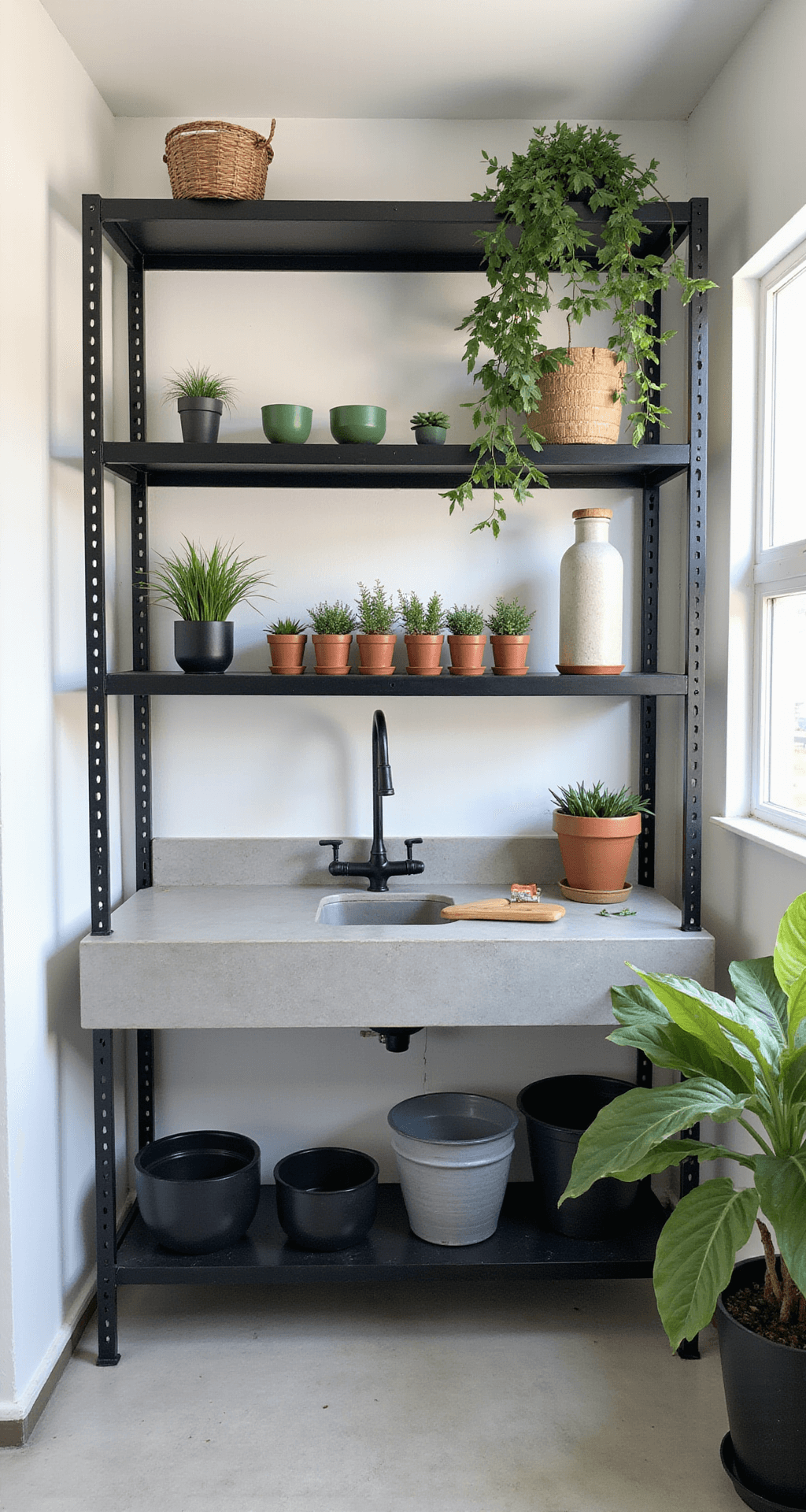
🌟 Steal This Look
- Paint Color: Dunn-Edwards Whisper White DEW 340
- Furniture: weathered teak potting bench with zinc top, positioned as a styling station for arranging cut flowers before photographing
- Lighting: oversized rattan pendant with warm 2700K bulbs for soft evening glow in covered garden areas
- Materials: limestone pavers, aged terracotta, raw linen backdrops, galvanized steel watering cans
There’s something quietly thrilling about capturing a bee mid-flight on a zinnia—your garden photos become a personal archive of moments no one else witnessed, and that intimacy translates even through a screen.
Common Rookie Mistakes to Avoid
❌ DON’T:
- Overwater
- Plant invasive species
- Expect instant perfection
- Overthink the process
✅ DO:
- Be patient
- Observe nature
- Enjoy the journey
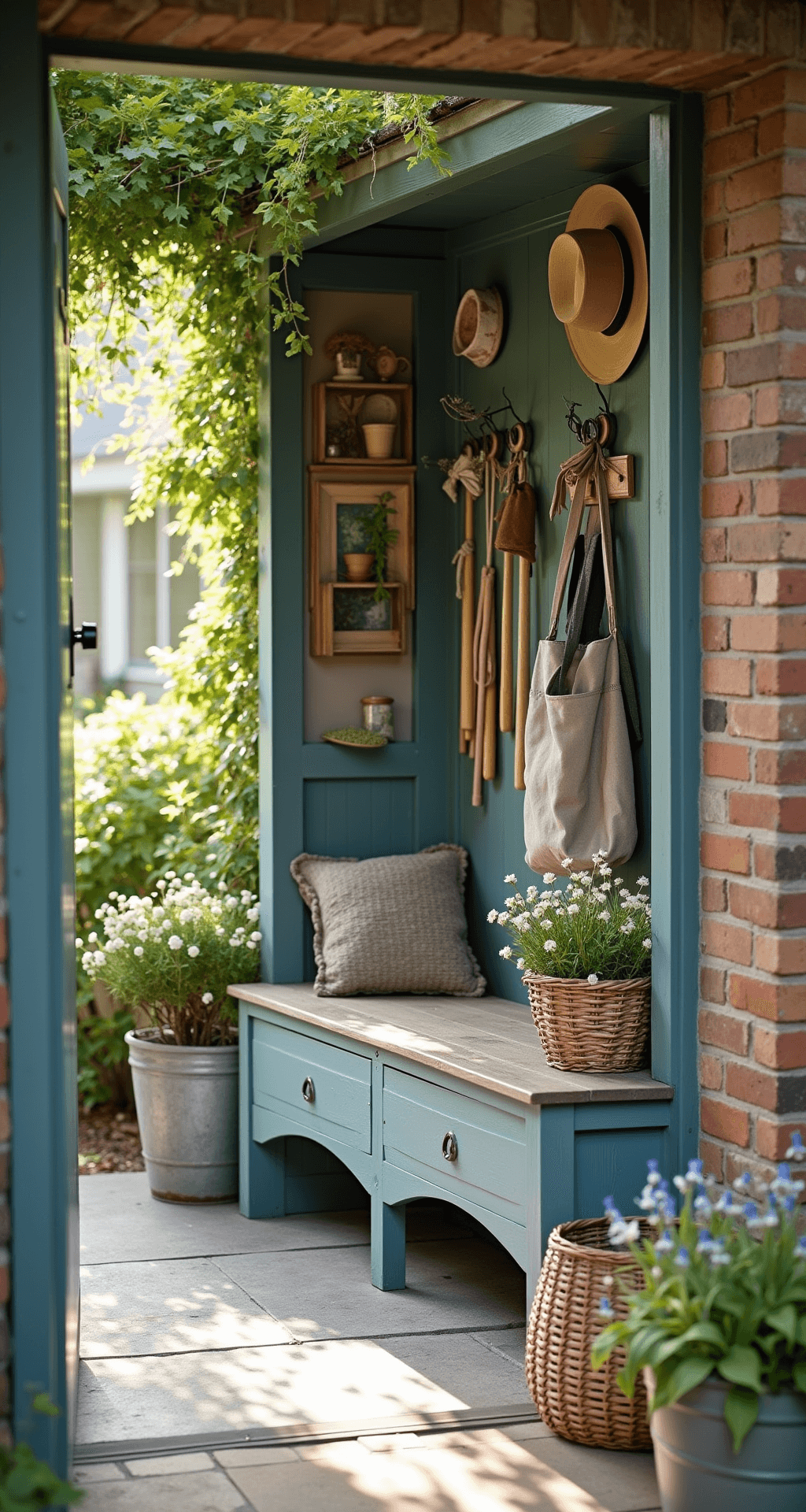
💡 Steal This Look
- Paint Color: Clare Paint Current Mood CW-13
- Furniture: weathered teak potting bench with galvanized steel top
- Lighting: solar-powered Edison bulb string lights with copper wire
- Materials: raw cedar raised beds, crushed limestone paths, aged terracotta, untreated hemp twine
There’s something humbling about surrendering control to the seasons—your first year will look sparse and weedy, and that’s exactly as it should be, because those ‘weeds’ are often the pioneer species preparing the soil for what comes next.
Budget-Friendly Wildflower Hacks
- Buy seed mixes
- Collect seeds from existing gardens
- Use repurposed containers
- Start small and expand
Seasonal Wildflower Wow Moments
Spring
- Early bulbs
- Soft pastels
- New growth excitement
Summer
- Full, vibrant blooms
- Peak pollinator activity
- Maximum color explosion
Fall
- Late-season asters
- Seed collection
- Preparing for next year
The Bigger Picture: More Than Just Pretty Flowers
Your wildflower garden isn’t just beautiful – it’s:
- A pollinator sanctuary
- Carbon sequestration hero
- Local wildlife support system
- A living, breathing ecosystem
Final Thoughts
Wildflower gardening is less about perfection and more about embracing natural beauty. Every seed, every bloom tells a story – your story.
Quick Motivation: You’re not just planting flowers. You’re creating a masterpiece that supports life, beauty, and our precious environment.
Ready to get your hands dirty? Let’s grow something amazing! 🌼🦋🌿
Want to keep this one?
We'll email you the link so you can find it again later.