This post may contain affiliate links. Please see my disclosure policy for details.
Wildflower Gardens: Creating a Vibrant, Eco-Friendly Landscape
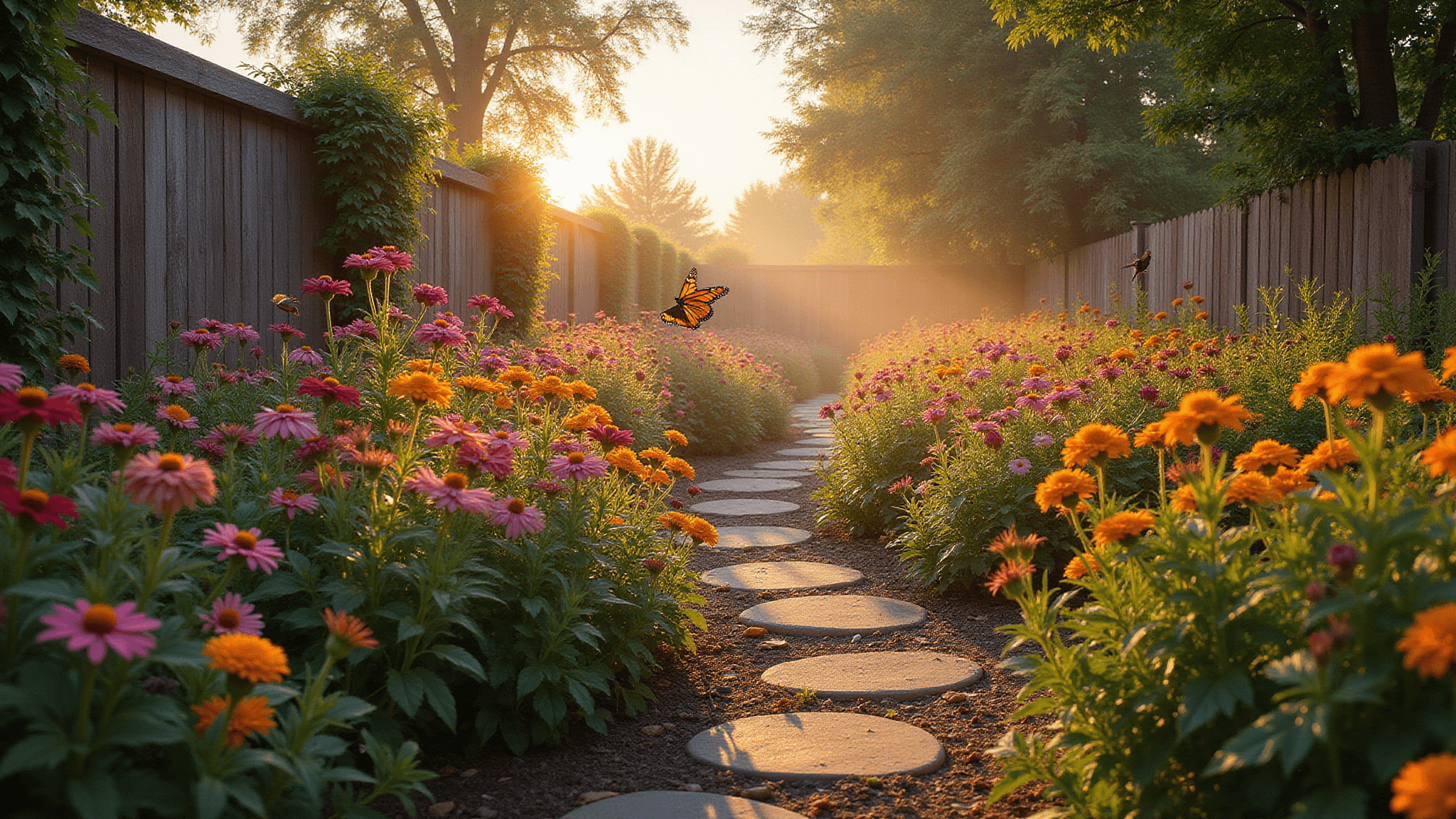
Imagine stepping into a garden that bursts with color, hums with life, and requires minimal effort. That’s the magic of wildflower gardens – nature’s own masterpiece right in your backyard.
Why Wildflower Gardens Are a Game-Changer
Let’s be real. Traditional gardens can feel like a never-ending battle with maintenance, expensive fertilizers, and rigid design. Wildflower gardens flip the script completely.
What Makes Wildflower Gardens Extraordinary:
- Nature’s Own Palette: Forget perfectly manicured rows. These gardens are a riot of colors and textures that change with the seasons.
- Eco-Warrior’s Dream: Each flower is like a welcome mat for butterflies, bees, and local wildlife.
- Lazy Gardener’s Paradise: Minimal effort, maximum beauty. Who doesn’t want that?
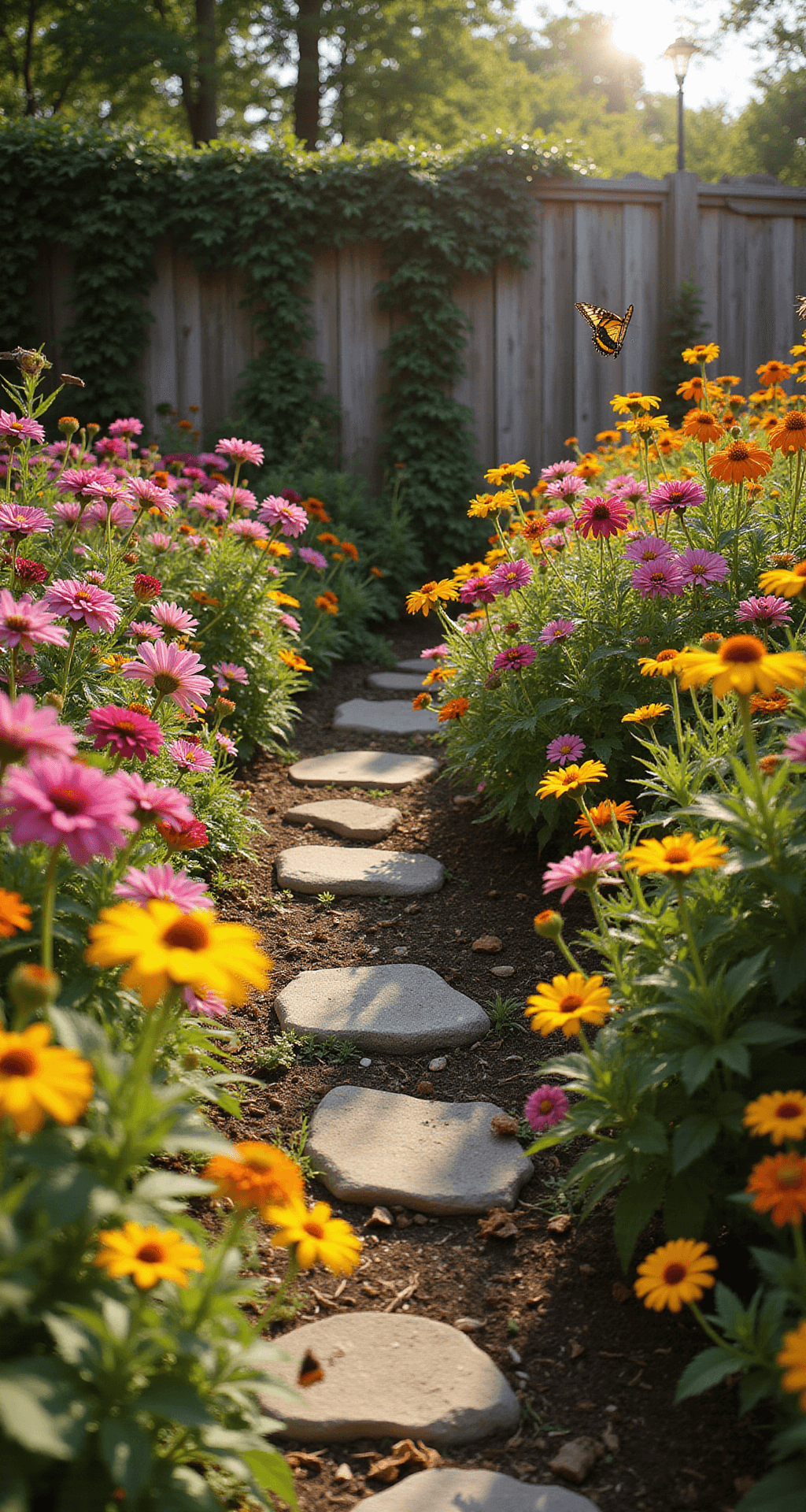
🖼 Steal This Look
- Paint Color: Benjamin Moore Flora AF-470
- Furniture: weathered teak Adirondack chair with wide slats
- Lighting: copper gooseneck barn light with seeded glass
- Materials: raw cedar mulch pathways, galvanized steel raised beds, untreated limestone stepping stones
There’s something deeply satisfying about a garden that thrives on neglect, where the ‘weeds’ are actually native volunteers and every morning brings a new surprise bloom you didn’t plan.
✅ Get The Look
Getting Started: Your Wildflower Garden Roadmap
Location Matters
Pro Tips for Choosing the Perfect Spot:
- Sunshine is your best friend (most wildflowers love full sun)
- Look for areas with good drainage
- Consider natural landscape contours
Soil Preparation: Keep It Simple
Wildflowers Don’t Need Pampering:
- Remove existing grass and weeds
- Avoid over-fertilizing
- Lean soil is actually better for these tough plants

✎ Steal This Look
- Paint Color: Farrow & Ball Green Smoke 47
- Furniture: weathered teak potting bench with galvanized steel top, vintage wooden seed storage cabinet with small drawers
- Lighting: antique brass gooseneck barn light on exterior wall, solar-powered copper pathway stake lights
- Materials: raw linen garden apron, terracotta seedling pots, untreated cedar raised bed frames, crushed gravel pathways
There’s something deeply satisfying about watching a patch of bare earth transform into a living meadow, and this roadmap helps you resist the perfectionism that kills so many first-time wildflower attempts—nature wants to grow, you just need to get out of its way.
Picking Your Wildflower Superstars
Must-Have Varieties:
- Pollinator Magnets:
- Black-eyed Susans
- Zinnias
- Cosmos
- Sunflowers
- Hummingbird Favorites:
- Cleome
- Columbine
- Nasturtiums
Pro Gardener Hack: Mix annuals and perennials for continuous blooms and visual interest.
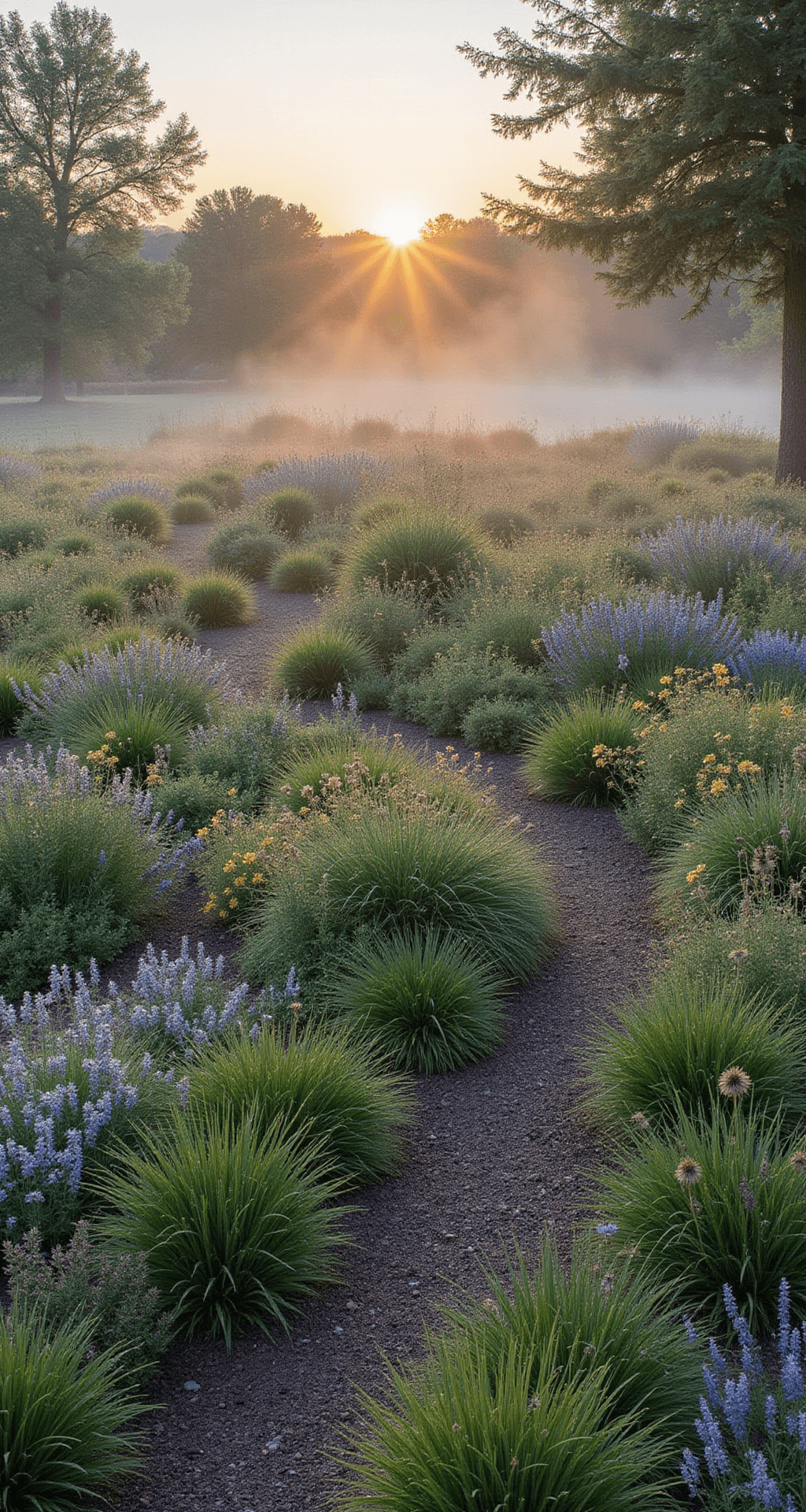
★ Steal This Look
- Paint Color: Behr Garden Stroll S340-3
- Furniture: weathered teak potting bench with galvanized steel top for seed starting and arranging cuttings
- Lighting: solar-powered Edison bulb string lights draped between garden stakes
- Materials: raw cedar raised beds, crushed limestone pathways, aged terracotta pots, woven willow plant supports
There’s something deeply satisfying about standing in your own garden and recognizing the specific pollinators each flower variety draws—it’s the moment your outdoor space shifts from decoration to living ecosystem, and suddenly you’re not just decorating, you’re stewarding.
Save this article
Enter your email and we'll send it straight to your inbox.
Design Strategies That Work
Creating a Wildflower Wonderland:
- Layer heights like nature does
- Mix colors and bloom times
- Allow some controlled chaos
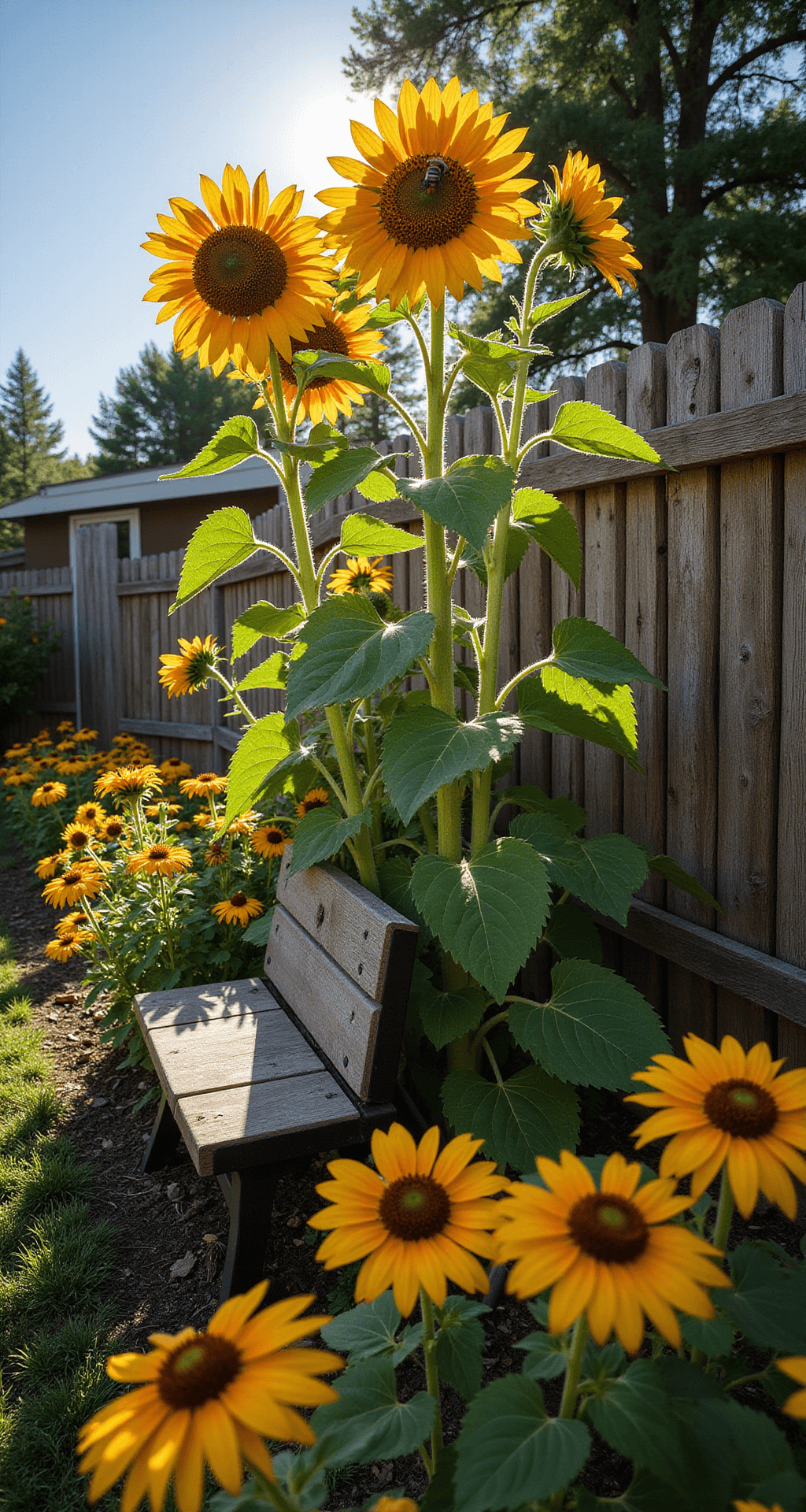
★ Steal This Look
- Paint Color: Valspar Garden Party 6006-10C
- Furniture: low-slung teak garden bench with weathered gray finish
- Lighting: solar-powered copper stake lights with amber glass globes
- Materials: untreated cedar mulch paths, fieldstone edging, galvanized steel raised beds
There’s something deeply satisfying about watching a space evolve on its own terms—this approach rewards patience over perfection, and the garden teaches you to see beauty in the unexpected.
Maintenance: Less Is More
Wildflower Garden Care Cheat Sheet:
- Water sparingly
- Let plants self-seed
- Minimal pruning
- Embrace imperfection
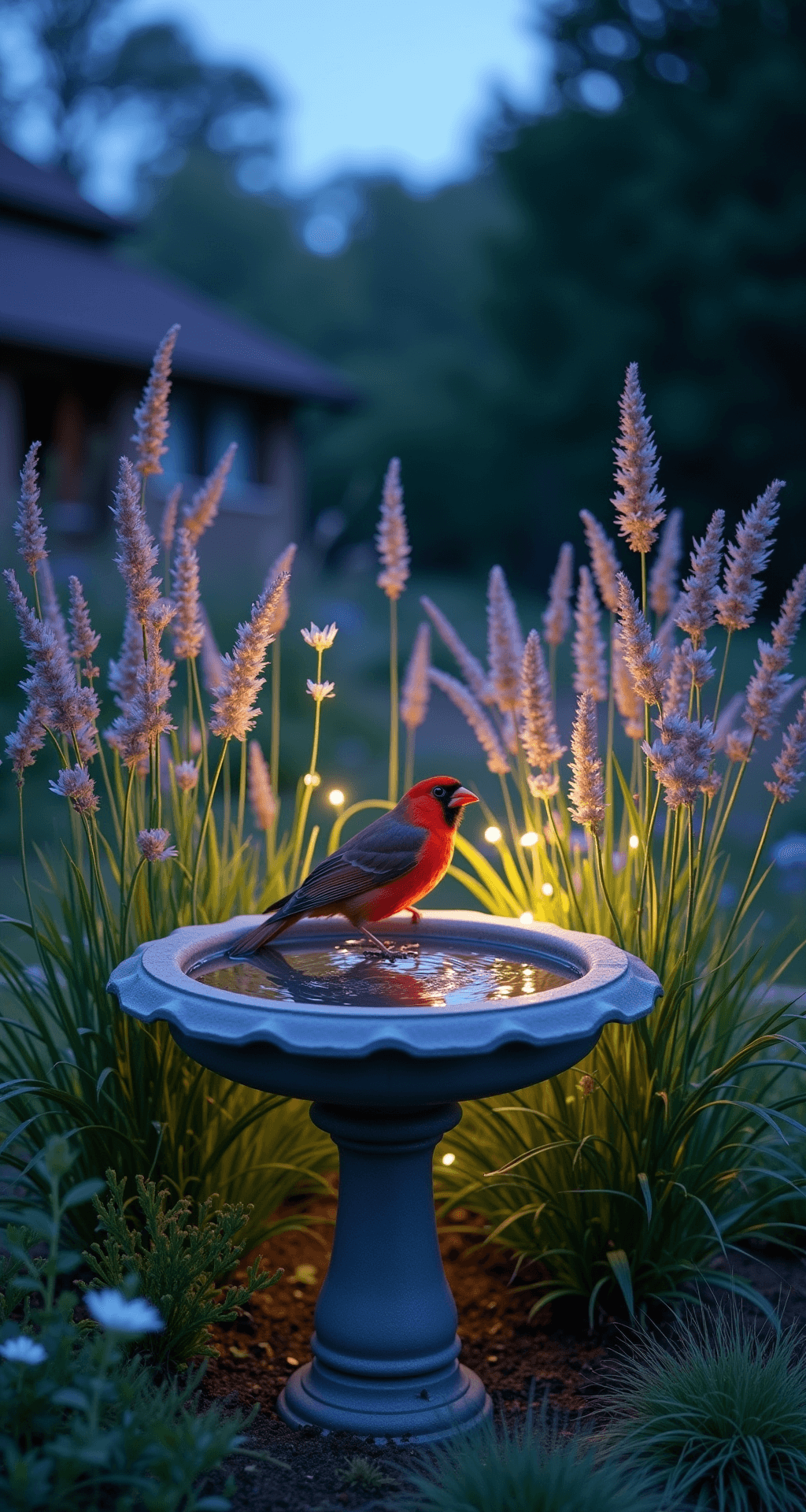
🎨 Steal This Look
- Paint Color: PPG Whispering Wheat PPG1102-2
- Furniture: weathered teak potting bench with galvanized steel top, vintage wooden garden stool with chipped paint
- Lighting: solar-powered Edison bulb string lights draped loosely between weathered fence posts
- Materials: raw cedar mulch paths, unsealed terracotta pots with moss accumulation, galvanized metal watering cans with intentional patina, rough-hewn limestone stepping stones
This is the garden that forgives your busy schedule and still rewards you with butterflies and drifting seed heads—the antidote to high-maintenance landscaping that demands weekends of your life.
Wildflower Gardens vs. Meadow Gardens
Quick Comparison:
| Feature | Wildflower Garden | Meadow Garden |
|---|---|---|
| Species Mix | Diverse | Native-focused |
| Maintenance | Low | Very Low |
| Visual Appeal | Colorful | Naturalistic |
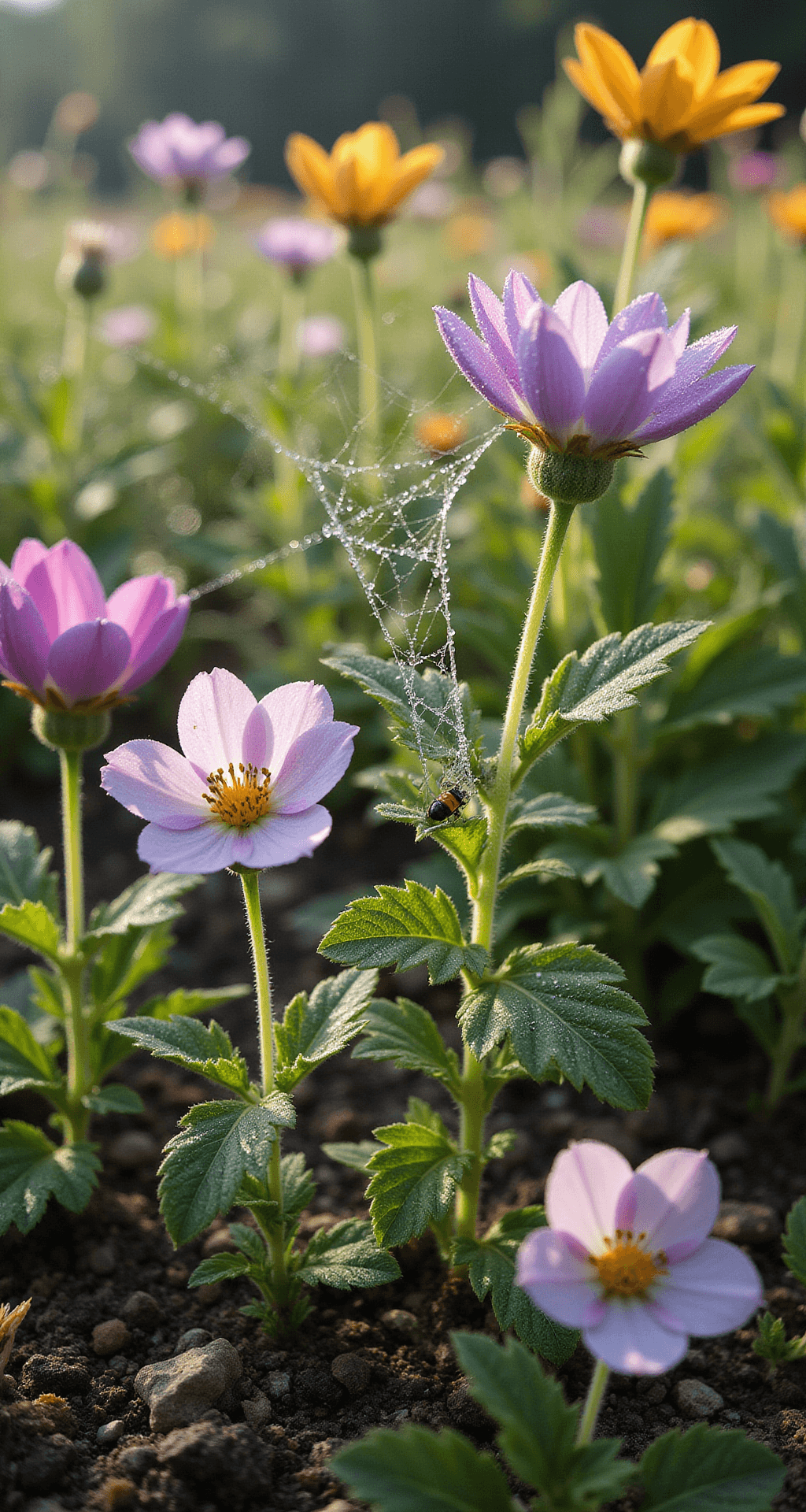
✎ Steal This Look
- Paint Color: Dunn-Edwards Sage Wisdom DE6199
- Furniture: weathered teak potting bench with galvanized steel top
- Lighting: copper gooseneck barn sconce with seeded glass
- Materials: raw limestone pavers, untreated cedar trellis, rusted corten steel edging
There’s something deeply satisfying about a wildflower garden that looks like it seeded itself—it’s the horticultural equivalent of perfectly rumpled linen, and guests will never guess you spent hours planning the ‘accident.’
Common Mistakes to Dodge
Wildflower Gardening Pitfalls:
- Over-fertilizing
- Choosing non-native species
- Being too controlling
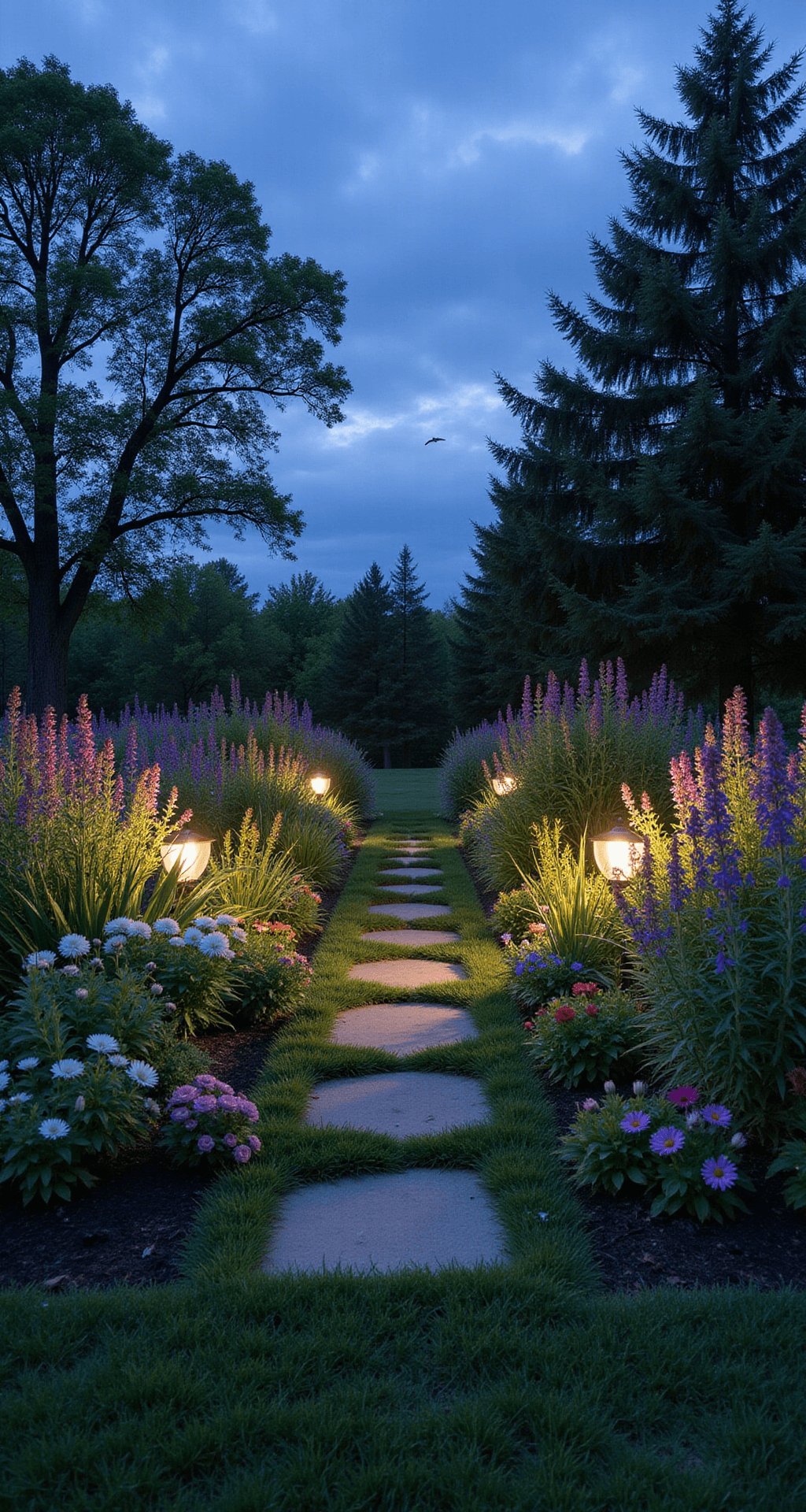
🌟 Steal This Look
- Paint Color: Clare Paint Fresh Kicks CW-01
- Furniture: weathered teak potting bench with galvanized steel top, reclaimed barn wood storage cabinet with mesh wire doors
- Lighting: gooseneck barn sconce in aged bronze with clear glass shade, solar-powered Edison string lights
- Materials: raw cedar raised beds, untreated terracotta pots, crushed limestone pathways, burlap fabric, galvanized metal buckets
I learned this the hard way after spending a season battling aggressive cosmos that overtook my carefully planned natives—now I source seeds from local native plant societies and embrace the scruffy beauty of my garden’s second-year self-seeders, which feel more honest and alive than any manicured border ever did.
The Bottom Line
Wildflower gardens aren’t just gardens. They’re living, breathing ecosystems that transform your outdoor space into a vibrant, low-maintenance paradise.
Your Next Steps:
- Research local native species
- Start small
- Be patient
- Enjoy the wild beauty
Remember, every wildflower garden tells a unique story. What will yours say?
Want to keep this one?
We'll email you the link so you can find it again later.