
This post may contain affiliate links. Please see my disclosure policy for details.
Creating the Perfect Primitive Kitchen: A Comprehensive Style Guide
Craving a kitchen that whispers stories of simpler times? Welcome to the world of primitive kitchen decor, where every wooden bowl and vintage utensil tells a rich, nostalgic tale.
What Makes a Primitive Kitchen Truly Special?
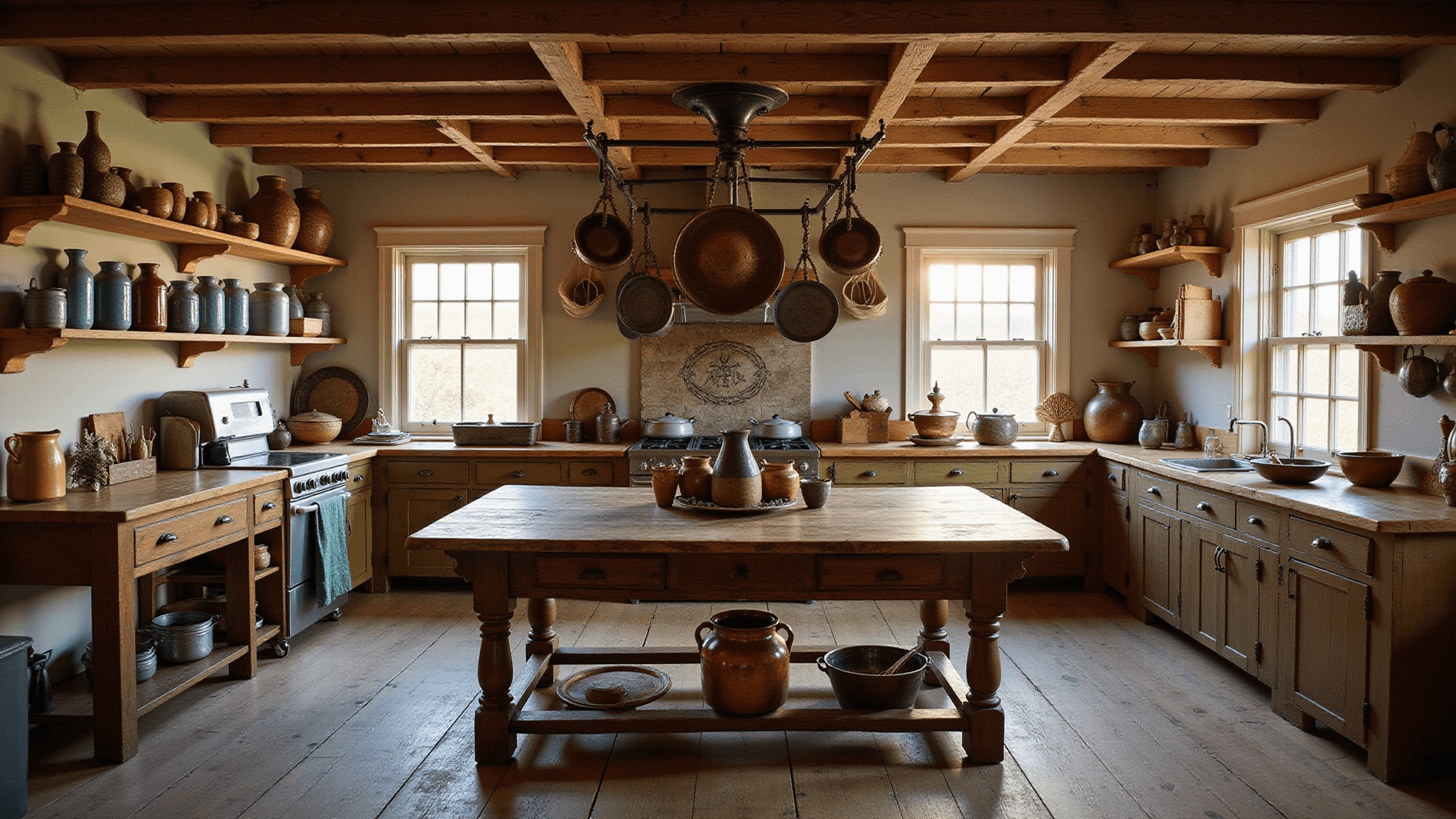
Primitive kitchen style isn’t just a design choice—it’s a love letter to historical craftsmanship and rustic authenticity. Think warm, earthy tones, hand-crafted details, and an atmosphere that feels like a warm hug from grandma’s farmhouse.
Key Style Characteristics
Color Palette Magic
- Warm, rich browns
- Deep reds and burgundies
- Mustard and muted golds
- Forest greens
- Soft, inviting earth tones
Core Design Elements
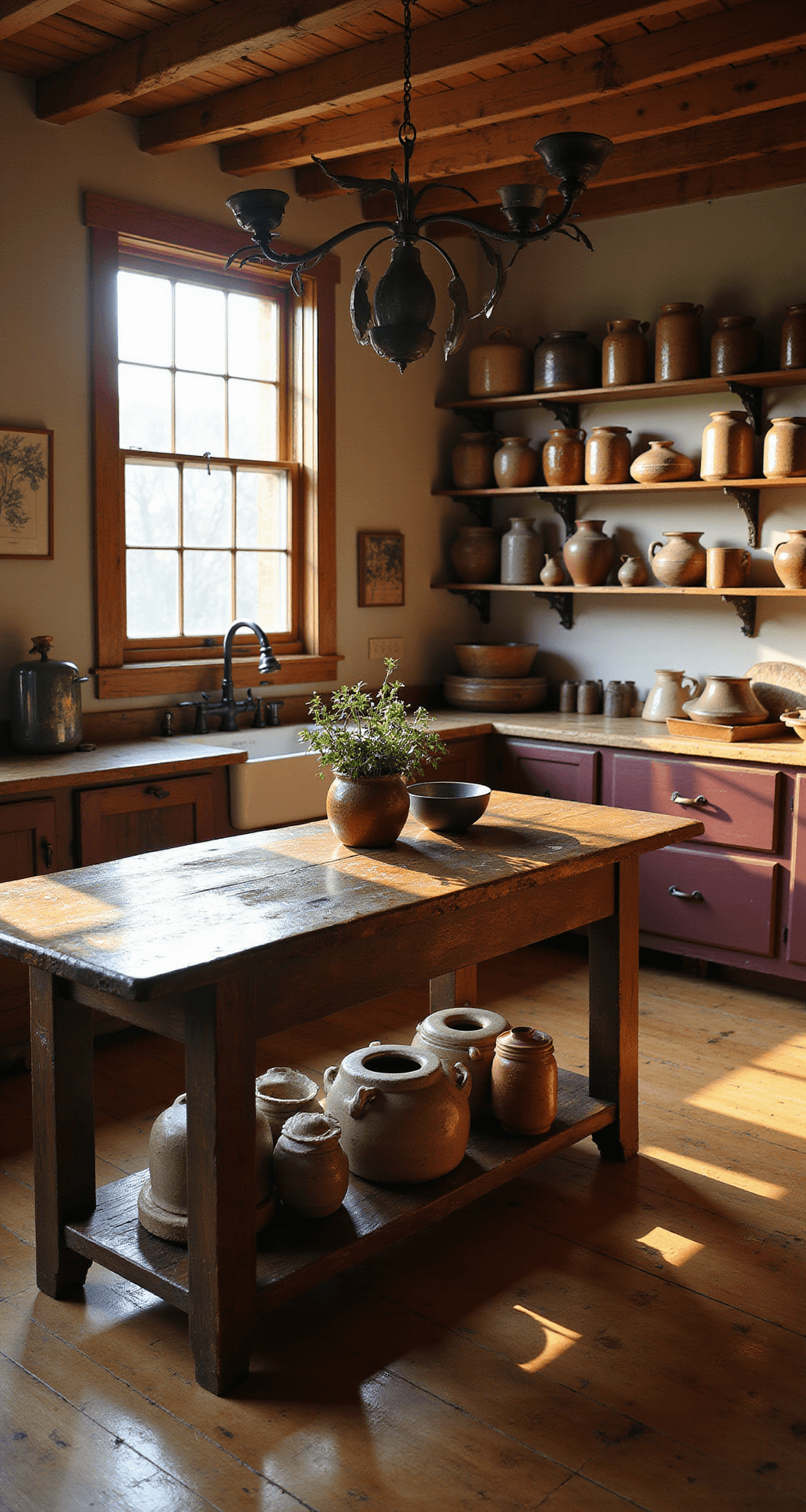
- Distressed wood furniture
- Vintage kitchenware
- Hand-crafted textiles
- Functional yet beautiful accessories
🌟 Steal This Look
- Paint Color: Benjamin Moore Gettysburg Gray HC-107
- Furniture: harvest table with turned legs and mismatched Windsor chairs
- Lighting: wrought iron pot rack with hanging copper cookware
- Materials: raw pine, hand-forged iron, unbleached linen, aged copper, hand-thrown pottery
There’s something deeply grounding about a primitive kitchen—it slows the morning coffee ritual and reminds us that the best gatherings happen where hands have worked dough and stories for generations.
Your Primitive Kitchen Styling Toolkit
Essential Props
- Wooden bowls
- Stoneware crocks
- Tin containers
- Vintage textiles
- Mason jars
- Antique utensils
Photography Must-Haves
- Soft natural lighting
- Rustic backdrops
- Warm-toned editing software
★ Steal This Look
- Paint Color: Farrow & Ball Mouse’s Back 40
- Furniture: harvest table with turned legs and bench seating
- Lighting: punched tin pendant shade over the worktable
- Materials: unlacquered brass, raw pine, hand-thrown redware, homespun linen
There’s something deeply grounding about a kitchen that honors the hands that came before us, where every scratch on a wooden bowl tells a story of countless meals shared.
Step-by-Step Styling Process
1. Clear the Modern Clutter
- Remove sleek, contemporary items
- Create a blank canvas for your primitive vision
2. Set the Foundation
- Choose a focal point (vintage cupboard, wooden table)
- Layer textures: wood, metal, woven fabrics
3. Accessorize with Purpose
- Group items in threes
- Use functional decor (trays, baskets)
- Add seasonal touches (autumn wreaths, spring wildflowers)
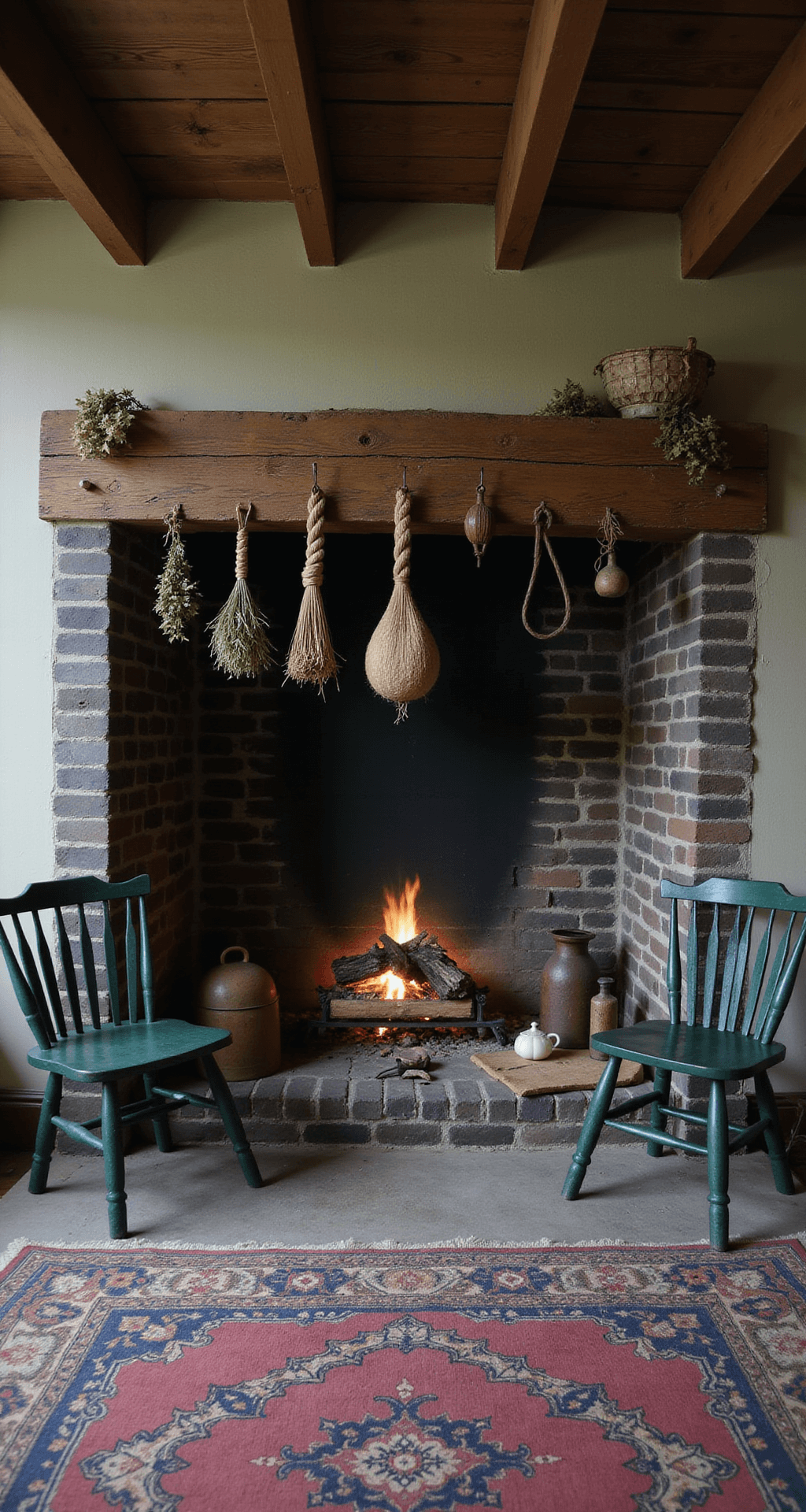
🌟 Steal This Look
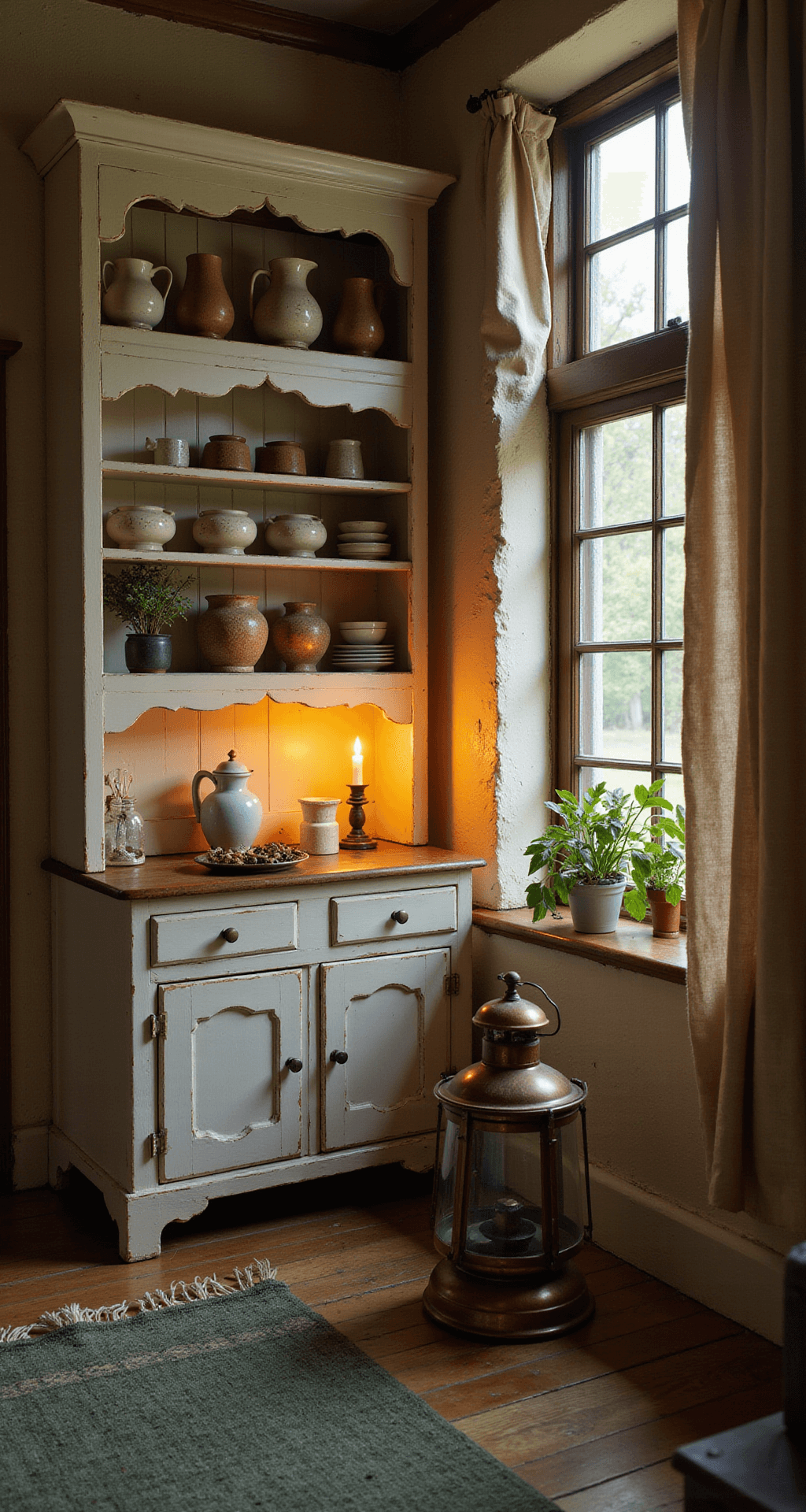
- Paint Color: Behr Antique White PPU7-11
- Furniture: reclaimed pine farmhouse table with turned legs and matching ladder-back chairs with rush seats
- Lighting: wrought iron chandelier with candle-style bulbs and hand-forged scrollwork
- Materials: distressed barn wood, hand-hammered copper, homespun linen, braided jute, cast iron
There’s something deeply satisfying about styling a primitive kitchen—it slows you down and reconnects you to the hands that made these objects, often generations before ours.
Photography Pro Tips
Capture the Mood
Save this article
Enter your email and we'll send it straight to your inbox.
- Shoot during golden morning hours
- Use natural, soft lighting
- Highlight wood grains and fabric textures
- Create inviting vignettes
Budget-Friendly Primitive Kitchen Tricks
Thrifty Styling Hacks
- Hunt thrift stores for vintage pieces
- DIY distress wooden items
- Use family heirlooms
- Mix high and low-cost accessories
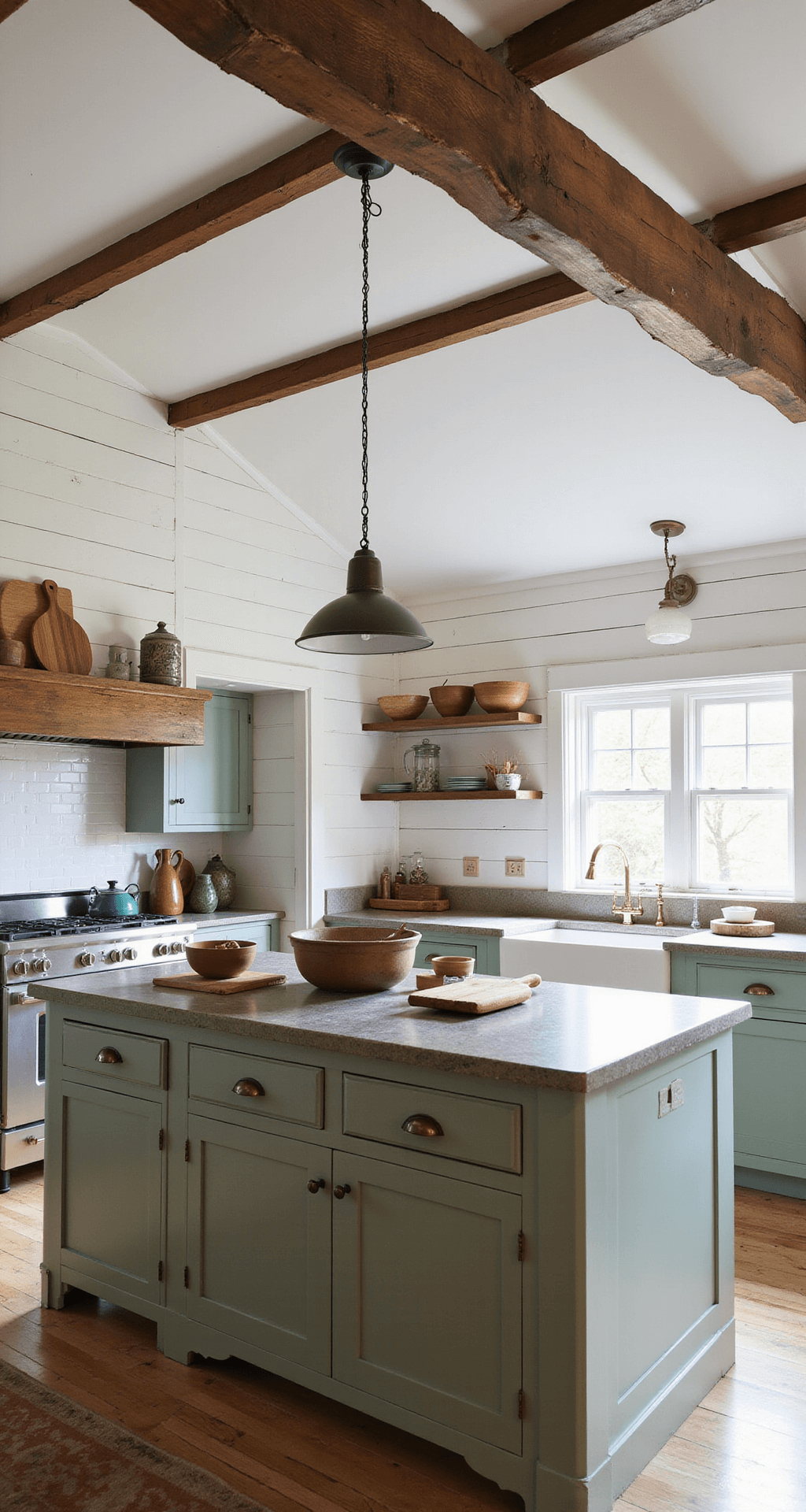
💡 Steal This Look
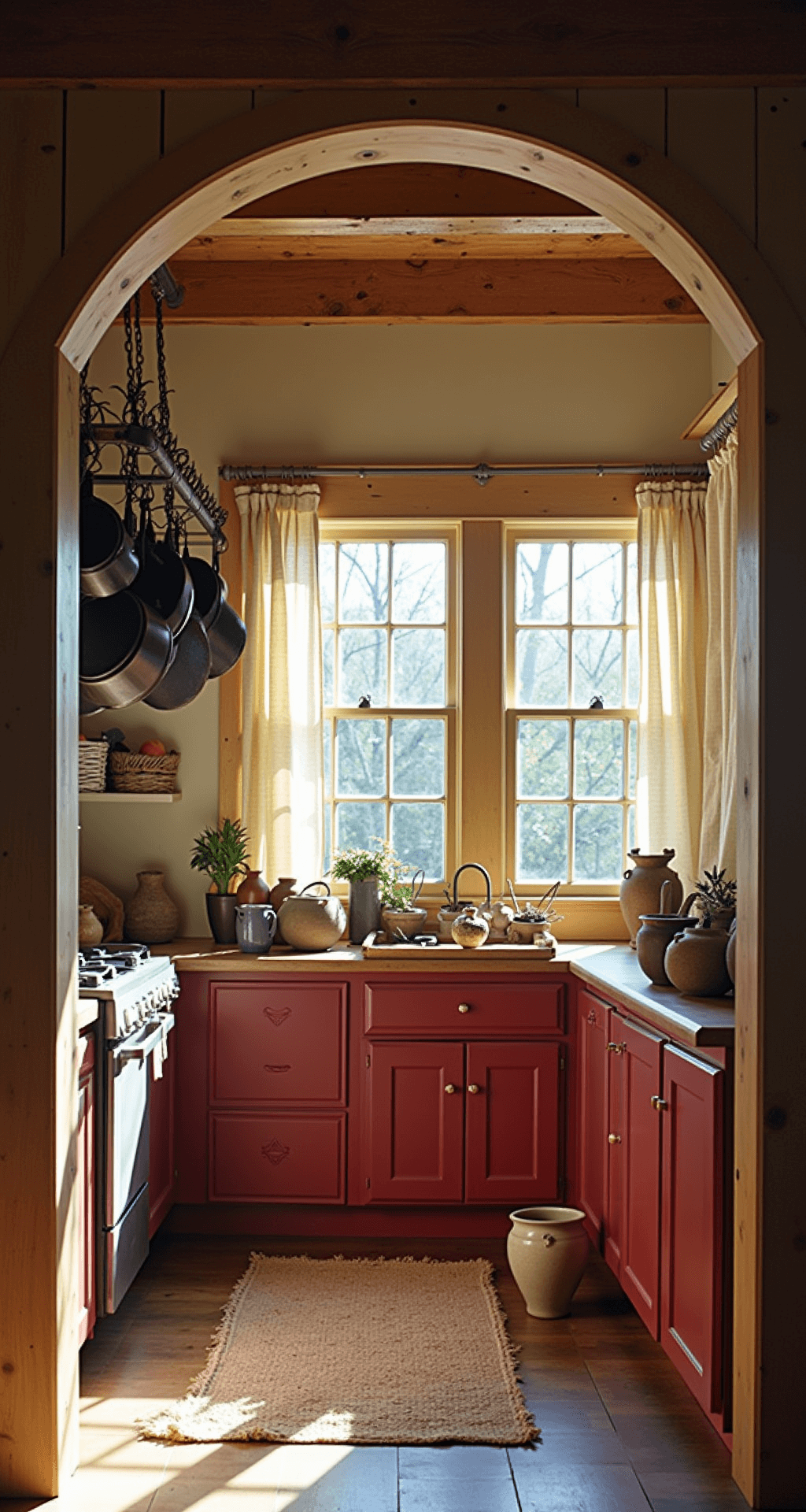
- Paint Color: PPG Warm Caramel PPG1097-5
- Furniture: farmhouse pedestal dining table with turned legs
- Lighting: oversized black iron pendant with seeded glass
- Materials: raw pine, burlap, cast iron, chippy milk paint
There’s something deeply satisfying about telling guests that your centerpiece dough bowl came from your grandmother’s attic, not a catalog—primitive kitchens should feel collected, not decorated.
✓ Get The Look
Common Styling Mistakes to Avoid
- Don’t Overcrowd: Primitive style loves breathing room
- Keep Colors Consistent: Stick to warm, earthy tones
- Prioritize Authenticity: Choose pieces with real history
Seasonal Styling Variations
- Fall: Add pumpkins, deep burgundy accents
- Winter: Incorporate wreaths, cozy textiles
- Spring: Lighter colors, fresh florals
- Summer: Lighter woods, more open feel
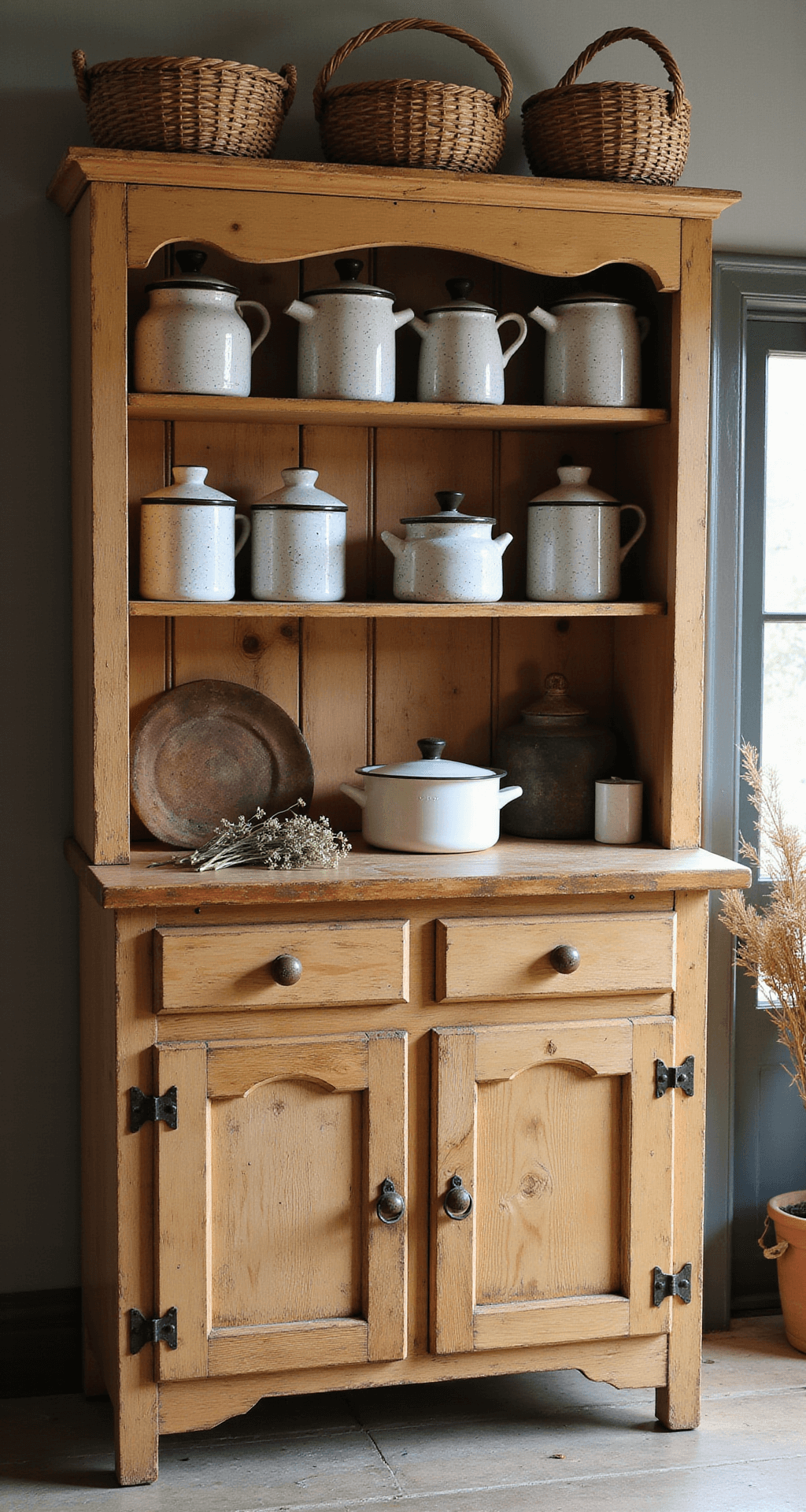
🌟 Steal This Look
- Paint Color: use Clare Paint brand. Match the ACTUAL wall color in the image. Format: Clare Paint ColorName CODE
- Furniture: reclaimed wood farmhouse table with turned legs, antique pie safe with punched tin panels, Windsor-style spindle chairs
- Lighting: wrought iron chandelier with candle-style bulbs, mason jar pendant lights over island
- Materials: distressed pine, hand-forged iron, burlap, homespun linen, vintage crocks, braided jute rugs
This is the kitchen where you’ll actually want to host Thanksgiving and string popcorn garlands with your kids—primitive style rewards the slow accumulation of pieces that feel like they’ve always belonged, so give yourself permission to hunt flea markets year-round rather than rushing seasonal updates.
Quick Keyword Cheat Sheet
Primitive decor, rustic kitchen, country style, vintage kitchenware, farmhouse charm, distressed wood, cozy kitchen design
Final Thoughts
A primitive kitchen is more than a design—it’s an experience. It connects you to tradition, craftsmanship, and the beauty of simplicity. Whether you’re a full-on enthusiast or just dipping your toes, there’s a primitive style waiting to transform your space.
Ready to start your primitive kitchen journey? Embrace the warmth, the history, and the incredible stories waiting to be told through your decor.

🏠 Steal This Look
- Paint Color: Backdrop Stonehenge 0012
- Furniture: heirloom-quality farmhouse harvest table with turned legs and bench seating
- Lighting: wrought iron chandelier with candle-style bulbs and hand-forged details
- Materials: hand-hewn barn wood, raw linen, unglazed pottery, aged copper, hand-stitched textiles
There’s something deeply grounding about walking into a kitchen that feels like it has already witnessed a hundred family meals before you arrived—it’s less about perfection and more about presence.
Want to keep this one?
We'll email you the link so you can find it again later.


