
This post may contain affiliate links. Please see my disclosure policy for details.
Creating a Stunning Rose Garden: Your Ultimate Design Guide
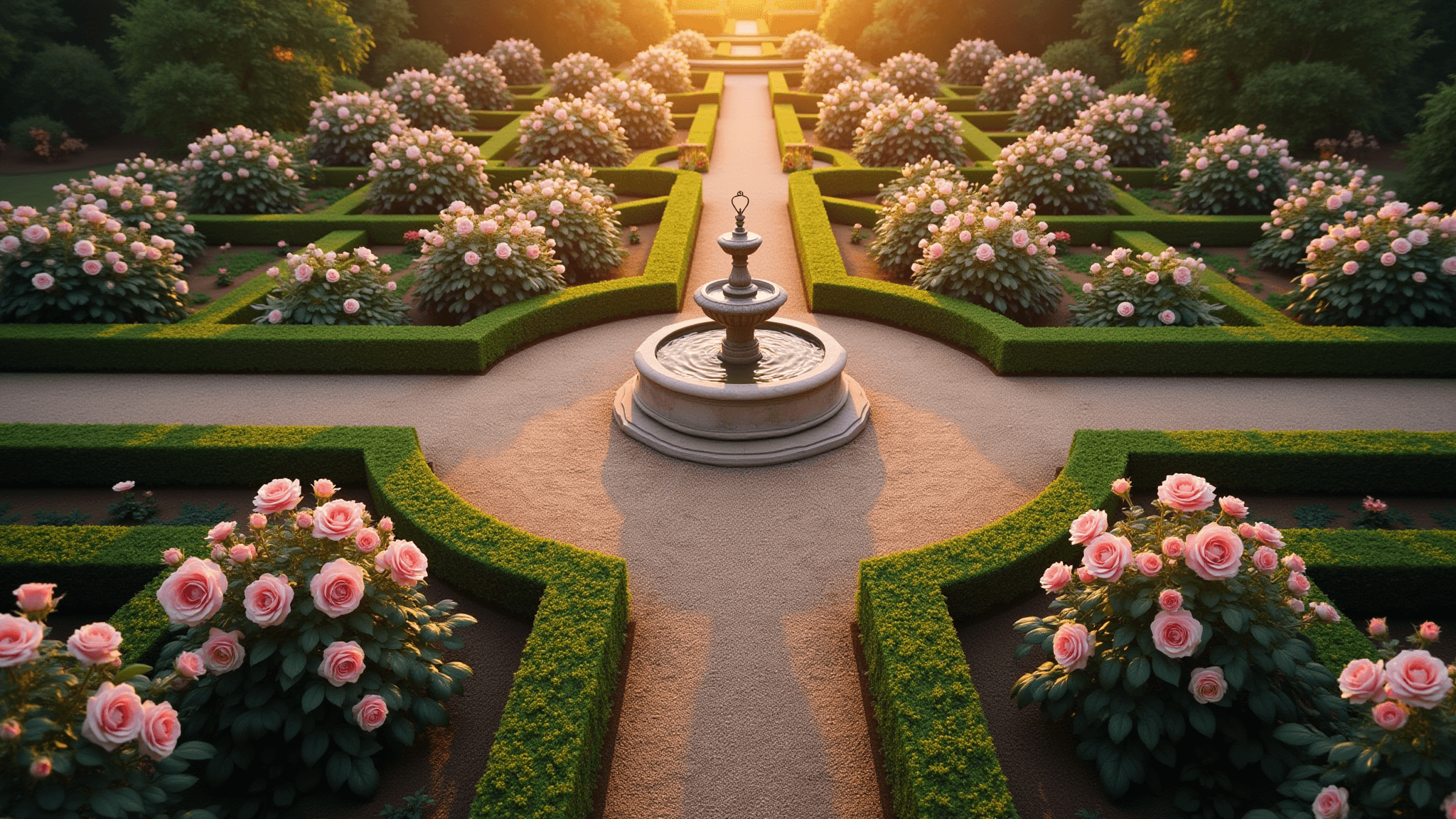
Imagine stepping into a breathtaking oasis of color, fragrance, and natural beauty. A rose garden isn’t just a collection of flowers—it’s a living canvas that transforms your outdoor space into a magical retreat.
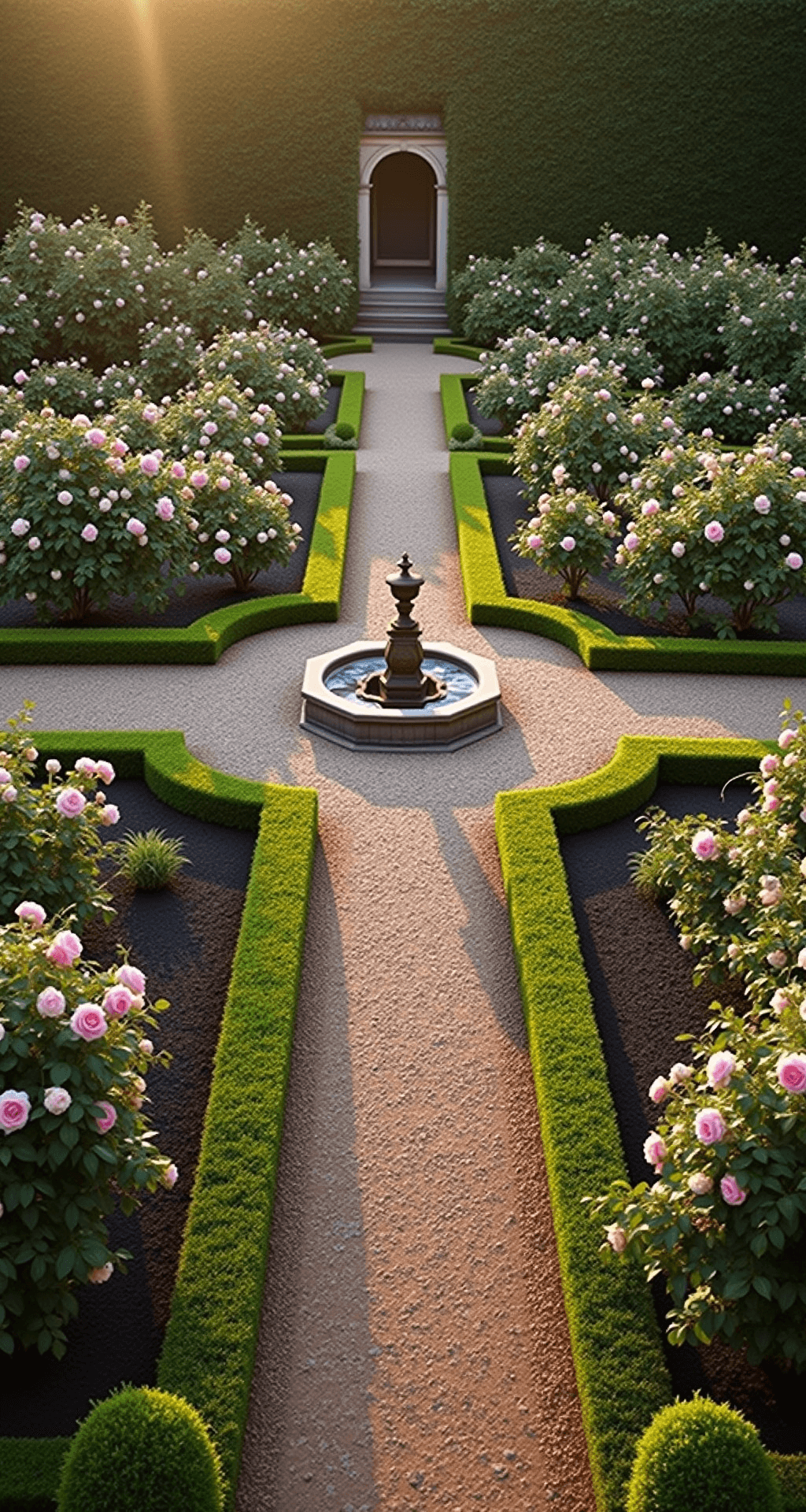
💡 Steal This Look
- Paint Color: Sherwin-Williams Garden Spot SW 6432
- Furniture: weathered teak Adirondack chair with contoured slats and wide armrests for holding pruning shears and morning coffee
- Lighting: solar-powered copper finish path lights with warm 2700K LED and hammered glass diffusers
- Materials: aged limestone pavers, untreated cedar trellis with natural graying, crushed pea gravel pathways, and wrought iron with verdigris patina
There’s something almost meditative about deadheading spent blooms at dawn, when the dew still clings and the fragrance hangs heaviest—this garden becomes less a project and more a relationship that deepens with each season.
Why Rose Gardens Capture Our Hearts
Let’s be real. Rose gardens aren’t just about pretty flowers. They’re about creating an experience that stops people in their tracks and makes them go “Wow!”
What Makes Rose Gardens So Special:
- Sensory explosion of colors and fragrances
- Perfect backdrop for photography
- Adds massive value to your property
- Creates a peaceful relaxation zone
- Works for both tiny spaces and massive landscapes
Getting Started: Rose Garden Basics
Understanding Your Space
Before you dive in, let’s talk strategy. Your rose garden’s success depends on three key factors:
- Available sunlight
- Soil quality
- Space dimensions
Pro Tip: Roses are drama queens. They need:
- 6-8 hours of direct sunlight
- Well-draining soil
- Protection from harsh winds
Design Styles to Consider
- Formal Elegance
- Symmetrical layouts
- Geometric patterns
- Structured hedges
- Perfect for traditional homes
- Cottage Garden Charm
- Relaxed, wild feel
- Mixed plantings
- Soft color transitions
- Ideal for casual spaces
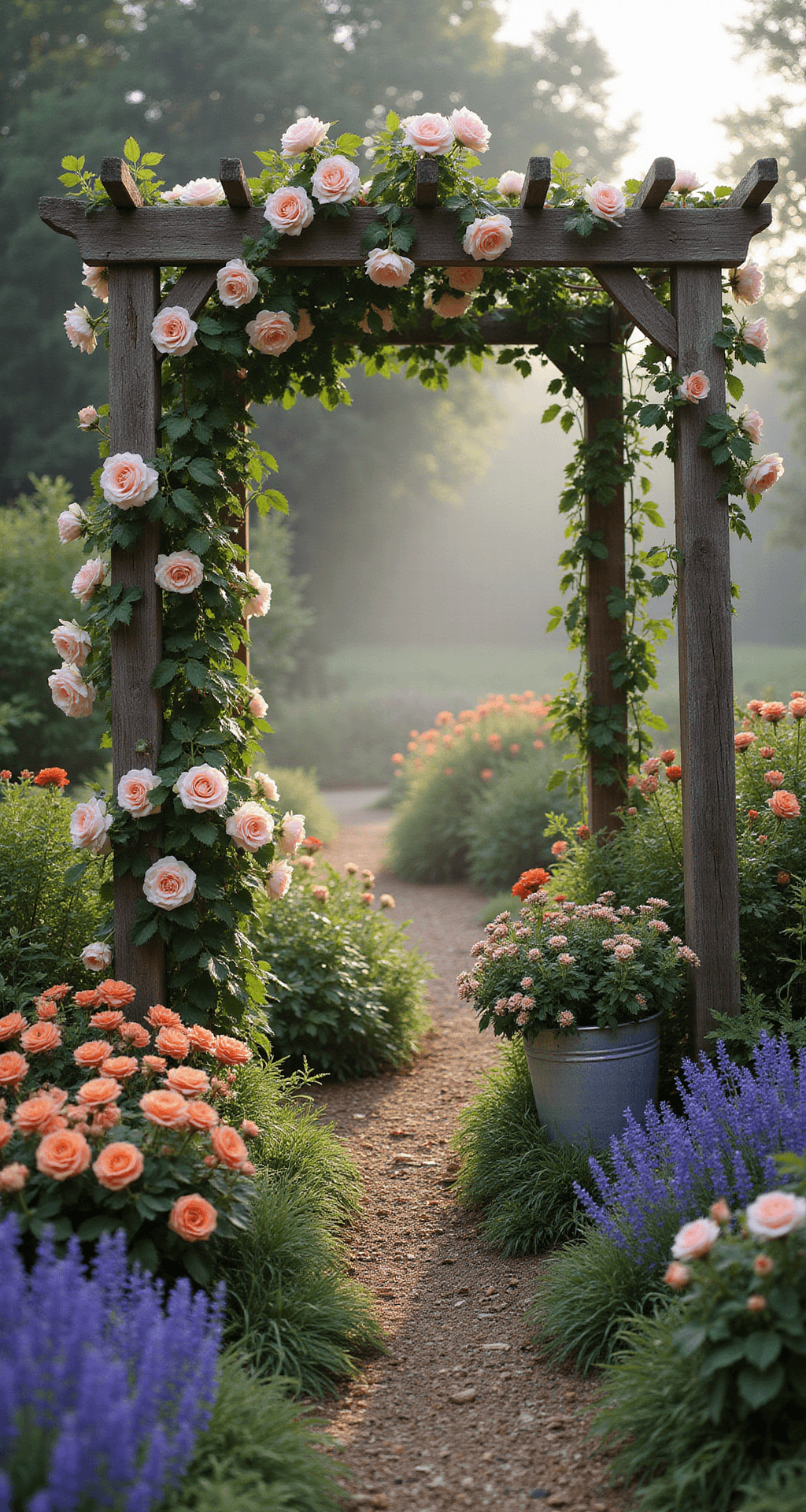
🖼 Steal This Look
- Paint Color: Farrow & Ball Calamine 230
- Furniture: weathered teak garden bench with curved slat back
- Lighting: antique brass shepherd’s hook lantern with seeded glass
- Materials: crushed gravel pathways, aged terracotta pots, wrought iron trellis with patina
There’s something quietly transformative about tending roses—your hands in the soil, the anticipation of that first flush of blooms. This space rewards patience with a sensory payoff few other gardens match.
Choosing Your Rose Varieties
Not all roses are created equal. Here’s a quick breakdown:
Roses for Different Needs:
- Hybrid Tea Roses: Classic, long-stemmed beauties
- Floribunda: Cluster-flowering, low maintenance
- Climbing Roses: Perfect for walls and trellises
- Shrub Roses: Hardy, disease-resistant options
Budget-Friendly Tips
- Start with 3-5 rose varieties
- Mix expensive statement pieces with affordable options
- Buy during end-of-season sales
- Consider local nursery specials
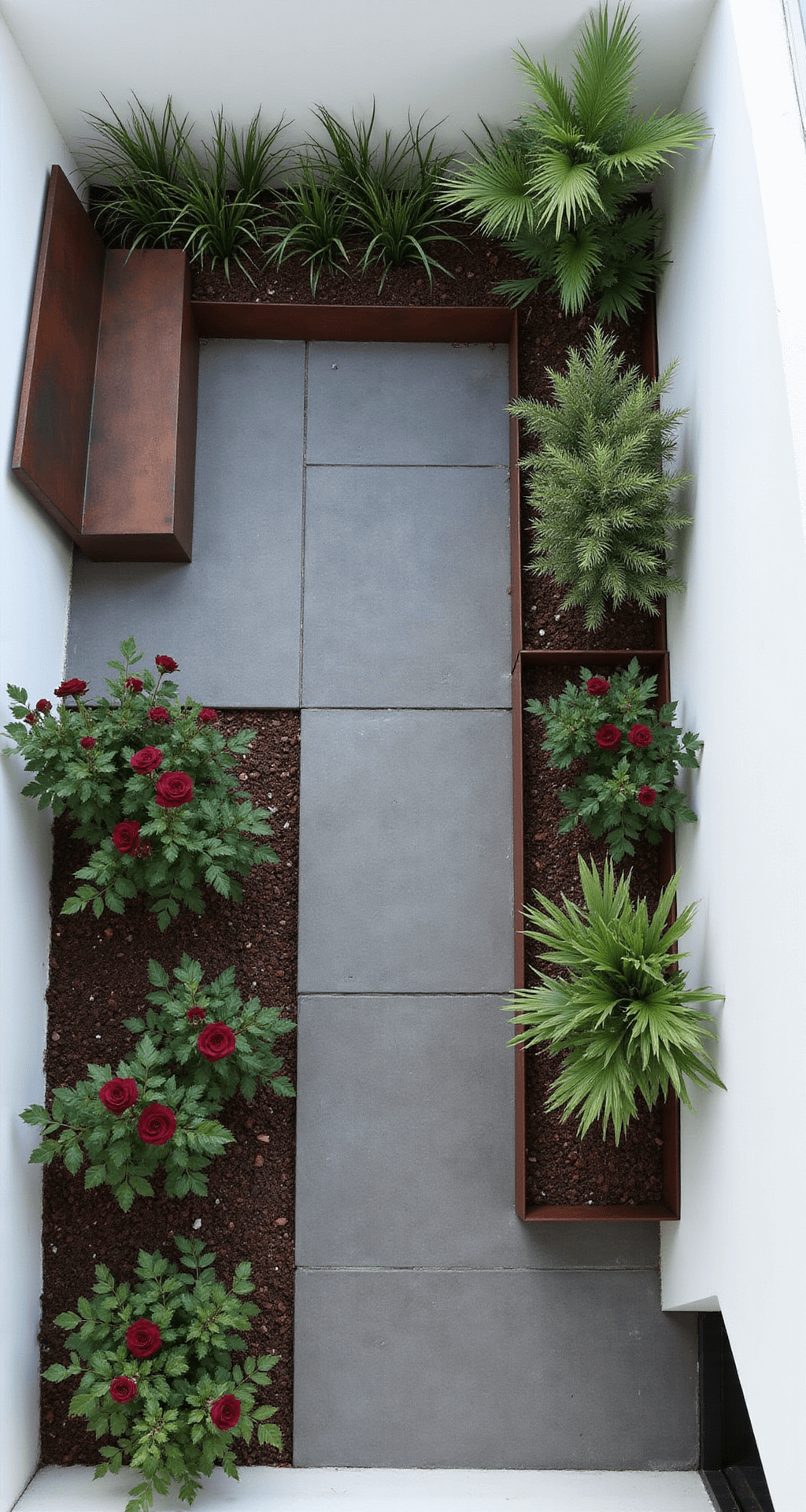
🖼 Steal This Look
- Paint Color: Behr Rose Marquee MQ1-08
- Furniture: vintage-inspired wrought iron potting bench with weathered wood top
- Lighting: solar-powered Edison bulb string lights with warm 2700K output
- Materials: terracotta clay pots, aged galvanized steel watering cans, untreated cedar trellis boards
There’s something deeply satisfying about standing at your own potting bench at dusk, the solar lights flickering on, knowing you built this little world variety by variety without blowing the budget.
Practical Installation Guide
Soil Preparation
- Test your soil pH (aim for 6.0-6.5)
- Add organic compost
- Ensure good drainage
- Create raised beds if needed
Planting Techniques
When to Plant:
- Early spring or fall
- Avoid extreme temperatures
- Plant after last frost
Spacing Rules:
Save this article
Enter your email and we'll send it straight to your inbox.
- Hybrid Tea Roses: 2-3 feet apart
- Shrub Roses: 3-4 feet apart
- Climbing Roses: 8-10 feet apart
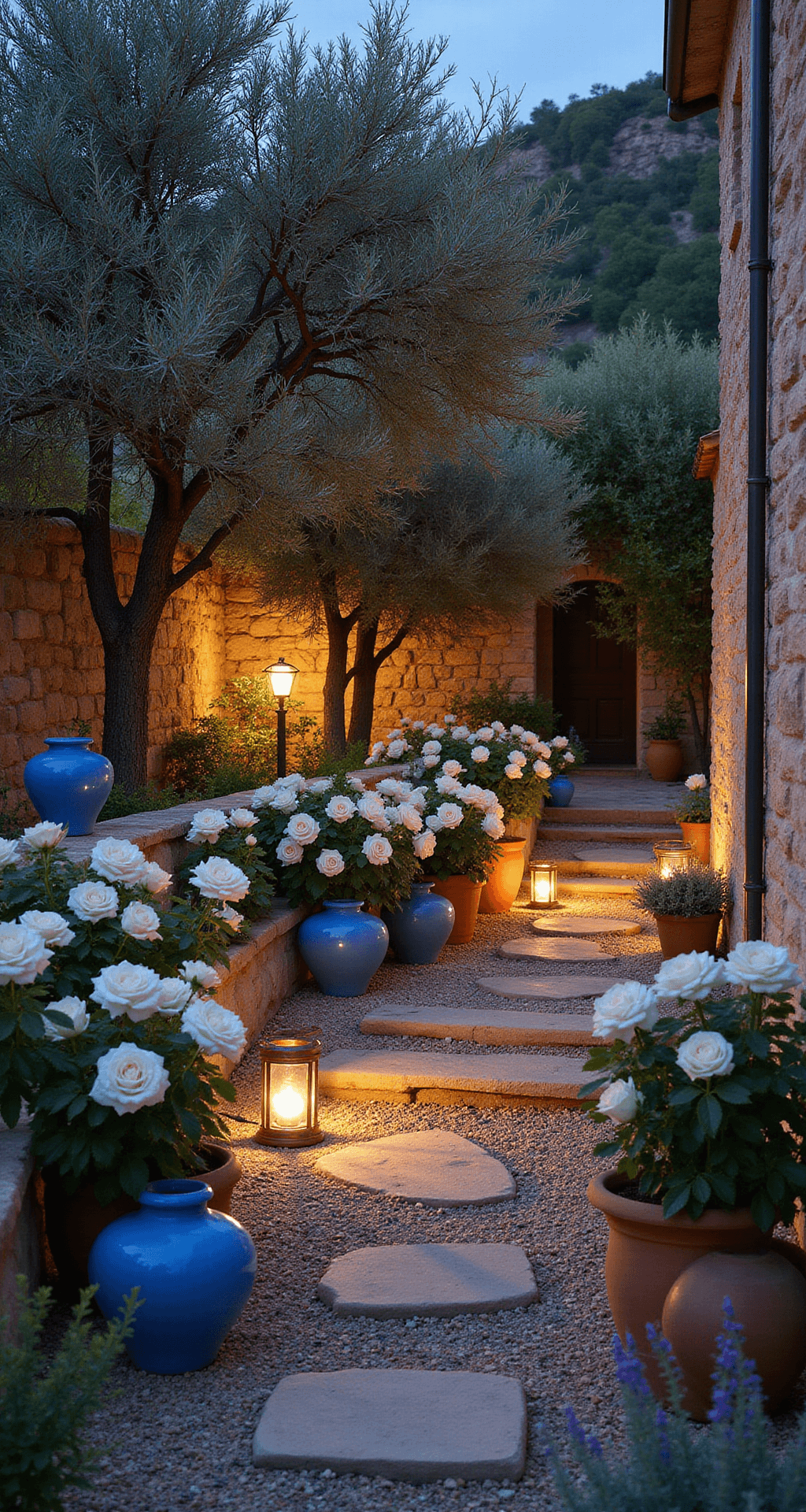
✎ Steal This Look
- Paint Color: Valspar Garden Rose 1002-5C
- Furniture: weathered teak potting bench with galvanized steel top, vintage-inspired garden stool with floral motif
- Lighting: solar-powered Edison bulb string lights with warm 2700K output, copper-finish pathway stake lights
- Materials: aged terracotta, untreated cedar, brushed zinc, natural jute, crushed limestone gravel
There’s something deeply satisfying about preparing your own soil by hand, feeling the texture change as compost blends in—this garden becomes truly yours through the work you put into it, not just the blooms you harvest.
Maintenance Secrets
Roses aren’t high-maintenance, but they do need love:
Weekly Care Checklist:
- Water deeply (1-2 inches per week)
- Mulch to retain moisture
- Prune dead or crossing branches
- Watch for pest signs
- Fertilize monthly during growing season
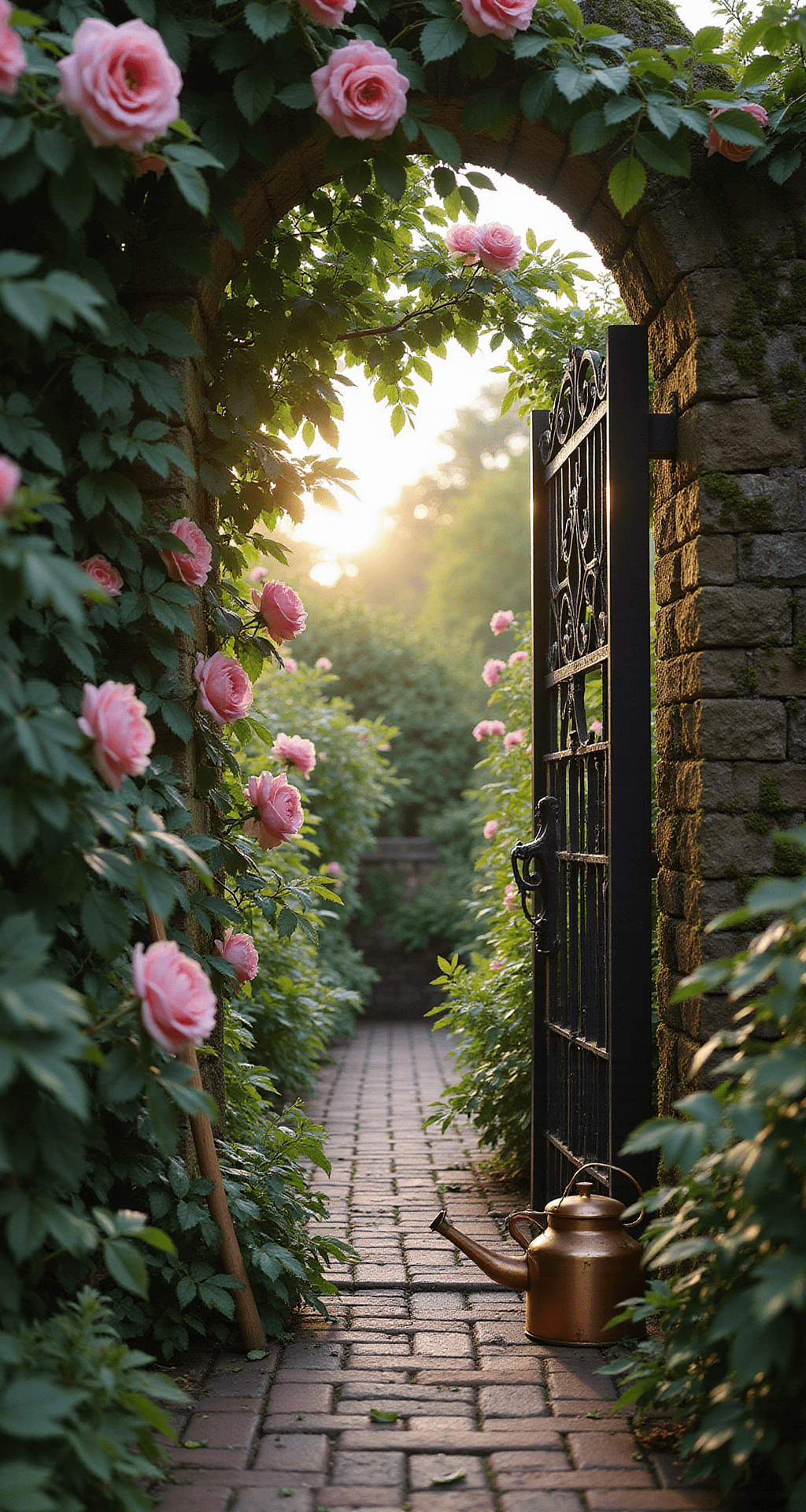
★ Steal This Look
- Paint Color: PPG Cloverdale Rose PPG1185-4
- Furniture: vintage-inspired potting bench with zinc top for organizing tools and displaying potted roses
- Lighting: gooseneck barn sconce in aged brass for task lighting over the potting area
- Materials: weathered cedar, galvanized steel, terracotta, and linen for a practical yet romantic potting shed aesthetic
There’s something deeply satisfying about having a dedicated space for the hands-on work of tending roses—it honors the labor behind the beauty and keeps the rest of your home feeling serene rather than cluttered with garden debris.
Photography & Styling Tips
Want Instagram-worthy rose garden shots?
Capture Like a Pro:
- Shoot during golden hour
- Use natural light
- Experiment with angles
- Include interesting props
- Focus on unique color combinations
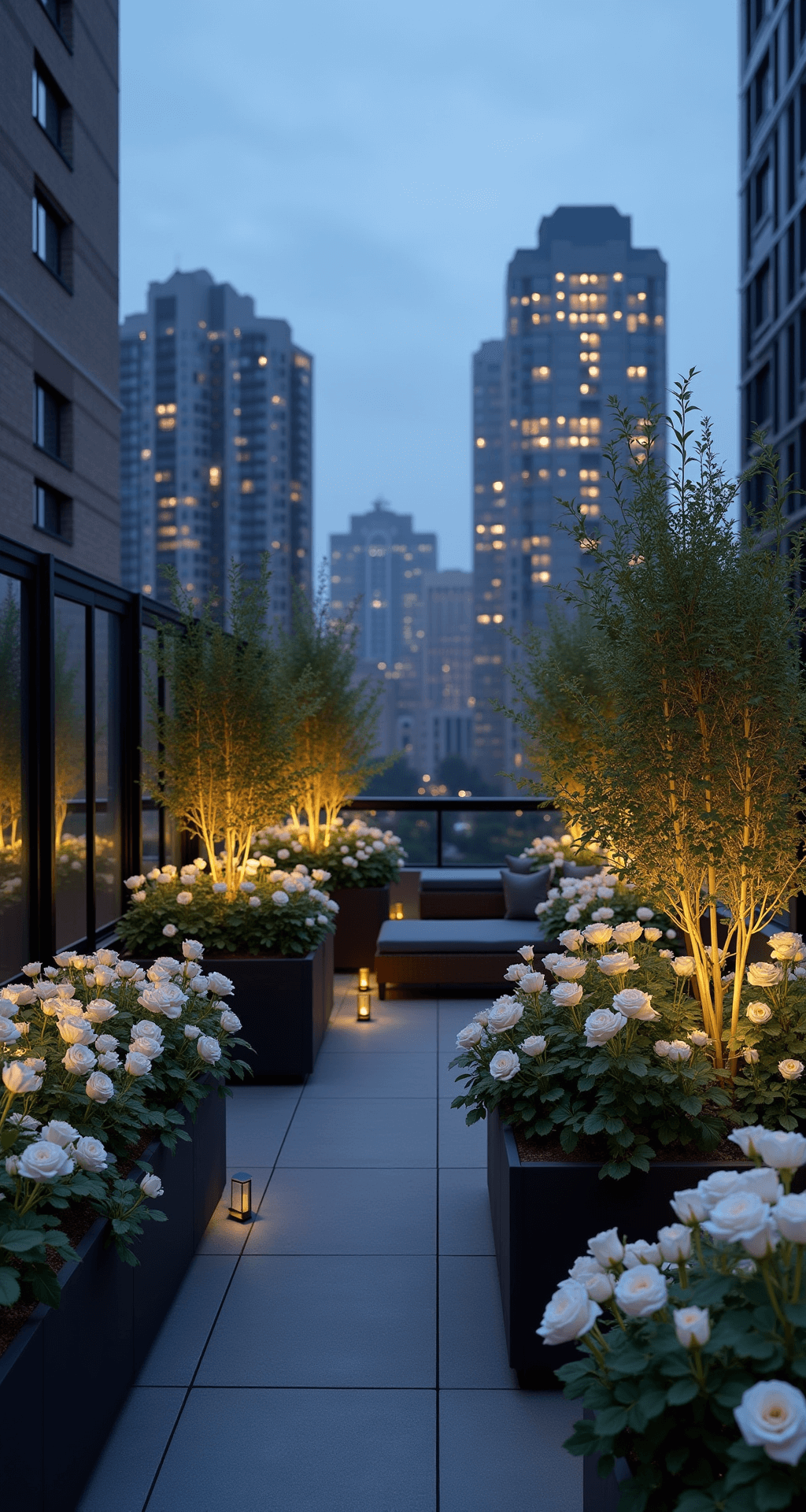
💡 Steal This Look
- Paint Color: Dunn-Edwards Whisper White DEW 340
- Furniture: weathered teak potting bench with zinc top, used as a styling station for arranging cut roses and displaying vintage garden tools
- Lighting: string of vintage-style Edison bulb café lights draped between pergola posts for soft evening ambiance shots
- Materials: aged terracotta, galvanized metal watering cans, linen garden aprons, reclaimed wood crates, and crushed oyster shell paths
There’s something quietly obsessive about rose gardeners—the way they deadhead at dawn, note bloom cycles in weathered journals, and genuinely mourn a favorite climber lost to winter. This room honors that devotion.
Common Mistakes to Avoid
- ❌ Overcrowding plants
- ❌ Ignoring soil quality
- ❌ Forgetting about drainage
- ❌ Planting in wrong sunlight conditions
- ❌ Neglecting regular maintenance
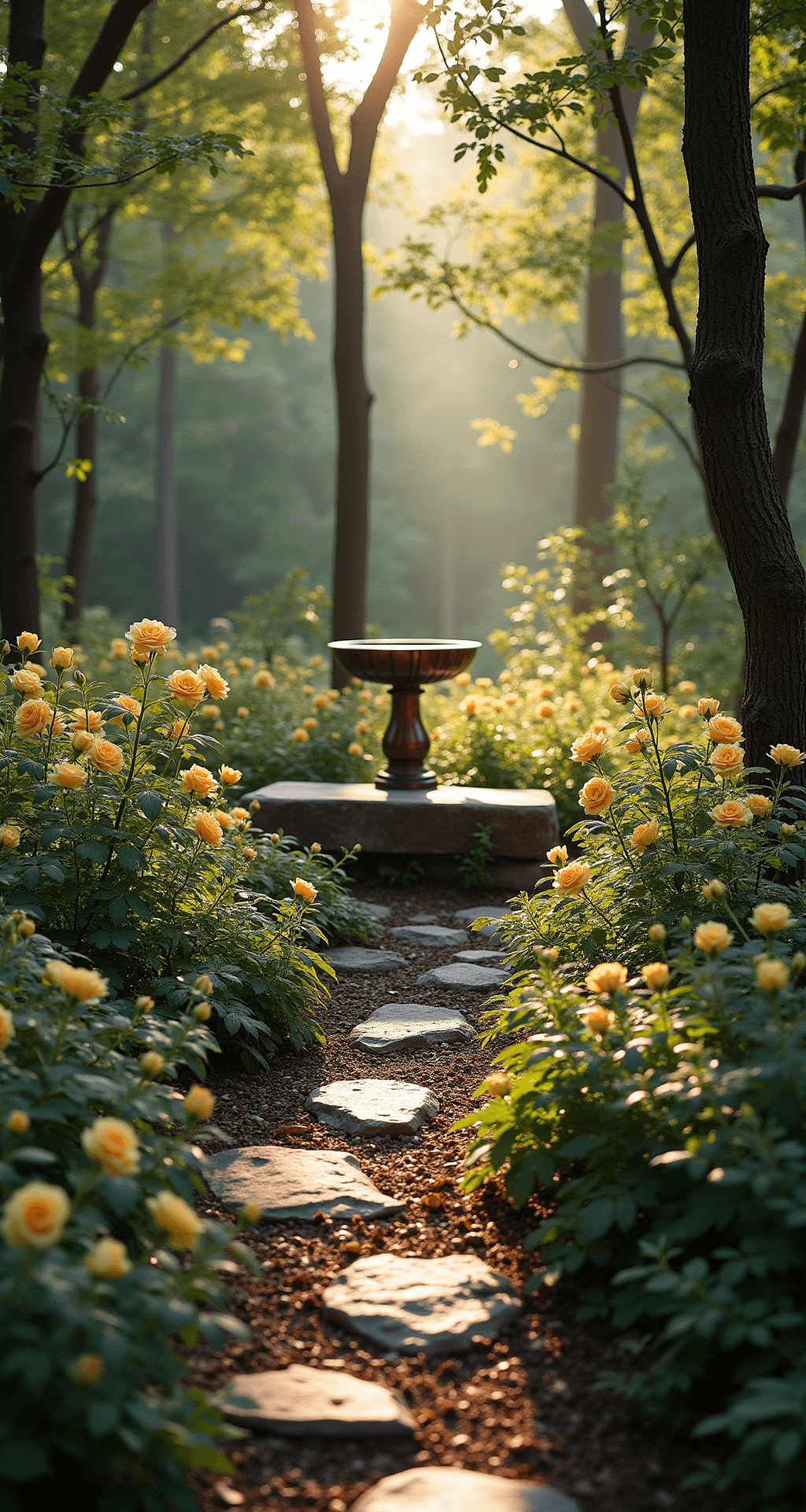
🎨 Steal This Look
- Paint Color: Clare Paint Rose Season 0010
- Furniture: weathered teak potting bench with zinc top for indoor-outdoor transitional spaces
- Lighting: solar-powered Edison string lights with copper wire frames
- Materials: terracotta with moss patina, crushed oyster shell mulch, wrought iron with verdigris finish
There’s a particular heartbreak in watching someone install dozens of bare-root roses only to lose them to clay soil or afternoon shade; this room demands patience more than passion, and the gardens that thrive belong to those who read the light before they read the labels.
Final Thoughts
A rose garden is more than a landscape feature. It’s a living, breathing work of art that evolves with every season.
Your Homework:
- Assess your space
- Choose 3-5 rose varieties
- Prepare your soil
- Start small and expand
Ready to transform your outdoor space into a rose paradise? Let’s make it happen!
Want to keep this one?
We'll email you the link so you can find it again later.
[…] marble counters create a stunning contrast against navy blue kitchen cabinets, lifting the depth of the color while adding natural […]