
This post may contain affiliate links. Please see my disclosure policy for details.
Primitive Kitchen Design: Embracing Rustic Americana Charm
Imagine walking into a kitchen that whispers stories of generations past, where every wooden surface and vintage tool tells a tale of simplicity and authenticity. Welcome to the world of primitive kitchen design.
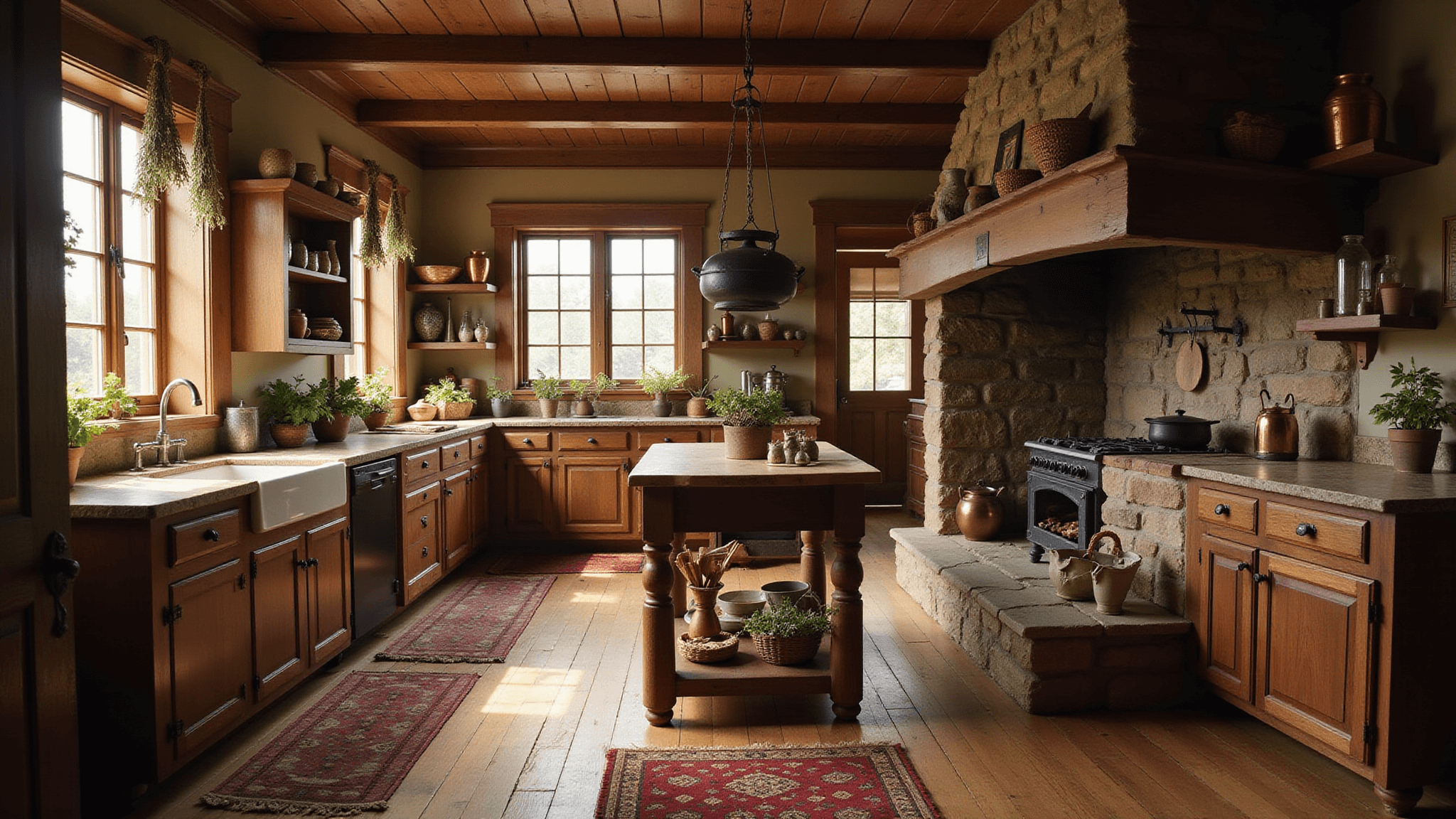
🖼 Steal This Look
- Paint Color: Sherwin-Williams Accessible Beige SW 7036
- Furniture: harvest table with turned legs, dry sink converted to island, open hutch with chicken wire doors
- Lighting: punched tin pendant over island, wrought iron sconces flanking the window
- Materials: pump pine with aged patina, hand-forged iron hardware, unbleached muslin, redware pottery, braided jute rugs
There’s something deeply grounding about a primitive kitchen—it reminds us that the best gatherings happen when the space feels lived-in, not staged.
What Makes a Primitive Kitchen Unique?
Primitive kitchen design isn’t just a style – it’s a celebration of historical simplicity and handcrafted beauty. This design approach goes beyond mere decoration, creating spaces that feel deeply connected to America’s rural heritage.
Core Characteristics of Primitive Kitchen Style
Key Design Elements:
- Celebrates handcrafted, imperfect beauty
- Prioritizes natural materials and traditional craftsmanship
- Focuses on functional, no-frills design
- Embraces vintage and antique elements
- Creates a warm, nostalgic atmosphere
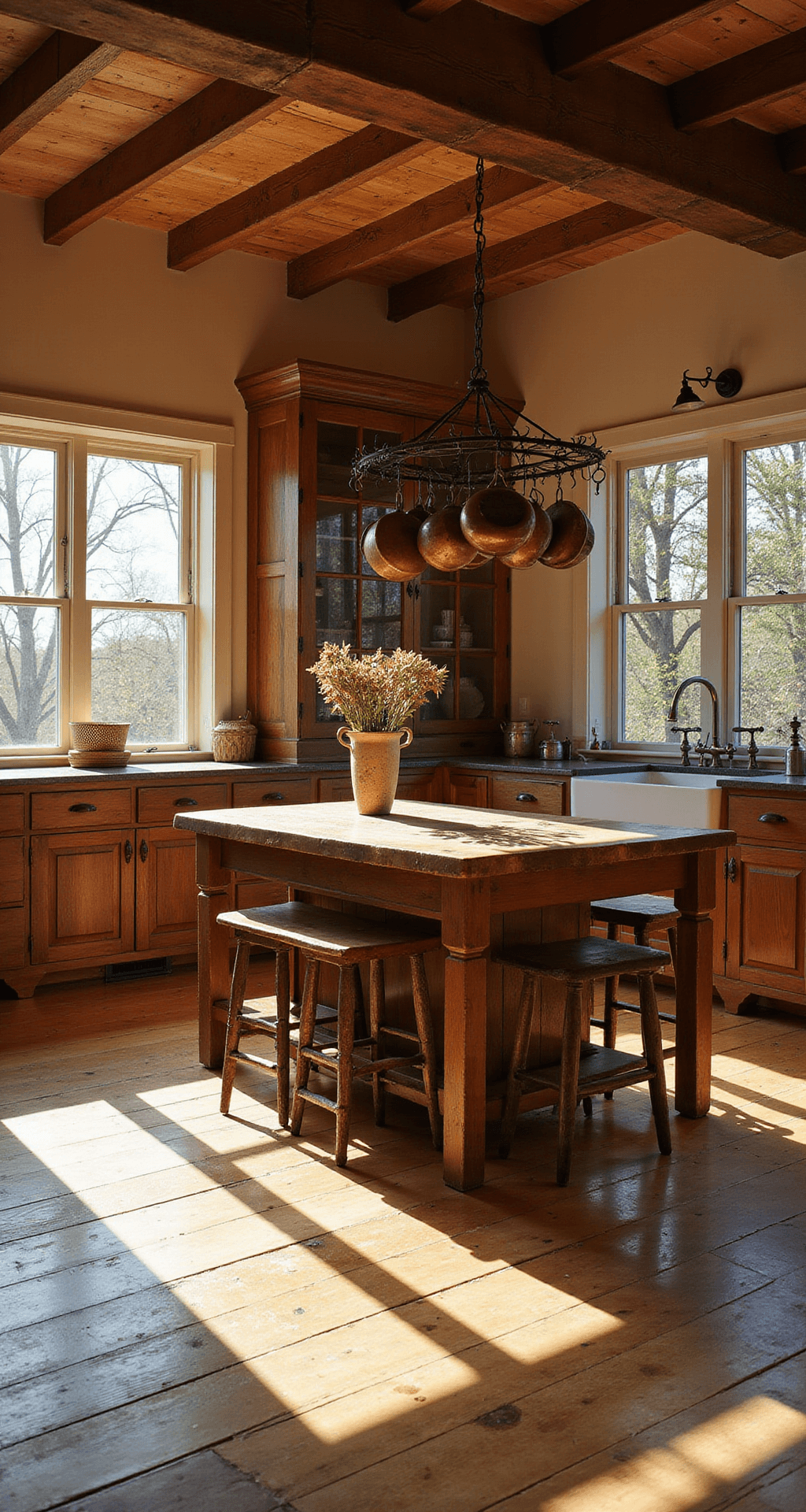
🖼 Steal This Look
- Paint Color: Benjamin Moore Gettysburg Gray HC-107
- Furniture: harvest table with turned legs and mismatched Windsor-style chairs
- Lighting: wrought iron chandelier with candle-style bulbs and hand-forged details
- Materials: aged pine boards, hand-thrown pottery, punched tin, homespun linen, cast iron
There’s something grounding about a primitive kitchen—it reminds us that the best spaces aren’t about perfection but about the stories embedded in every scratch, dent, and hand-planed surface.
🎁 Get The Look
The Essential Color Palette: Earthy and Authentic
Colors in a primitive kitchen aren’t just visual – they’re emotional storytellers:
- Warm Browns: Reminiscent of aged wood and leather
- Deep Reds: Capturing the warmth of traditional farmhouses
- Forest Greens: Bringing natural elements indoors
- Mustard Yellows: Adding cheerful, vintage vibrancy
- Sage: Introducing a calming, natural touch
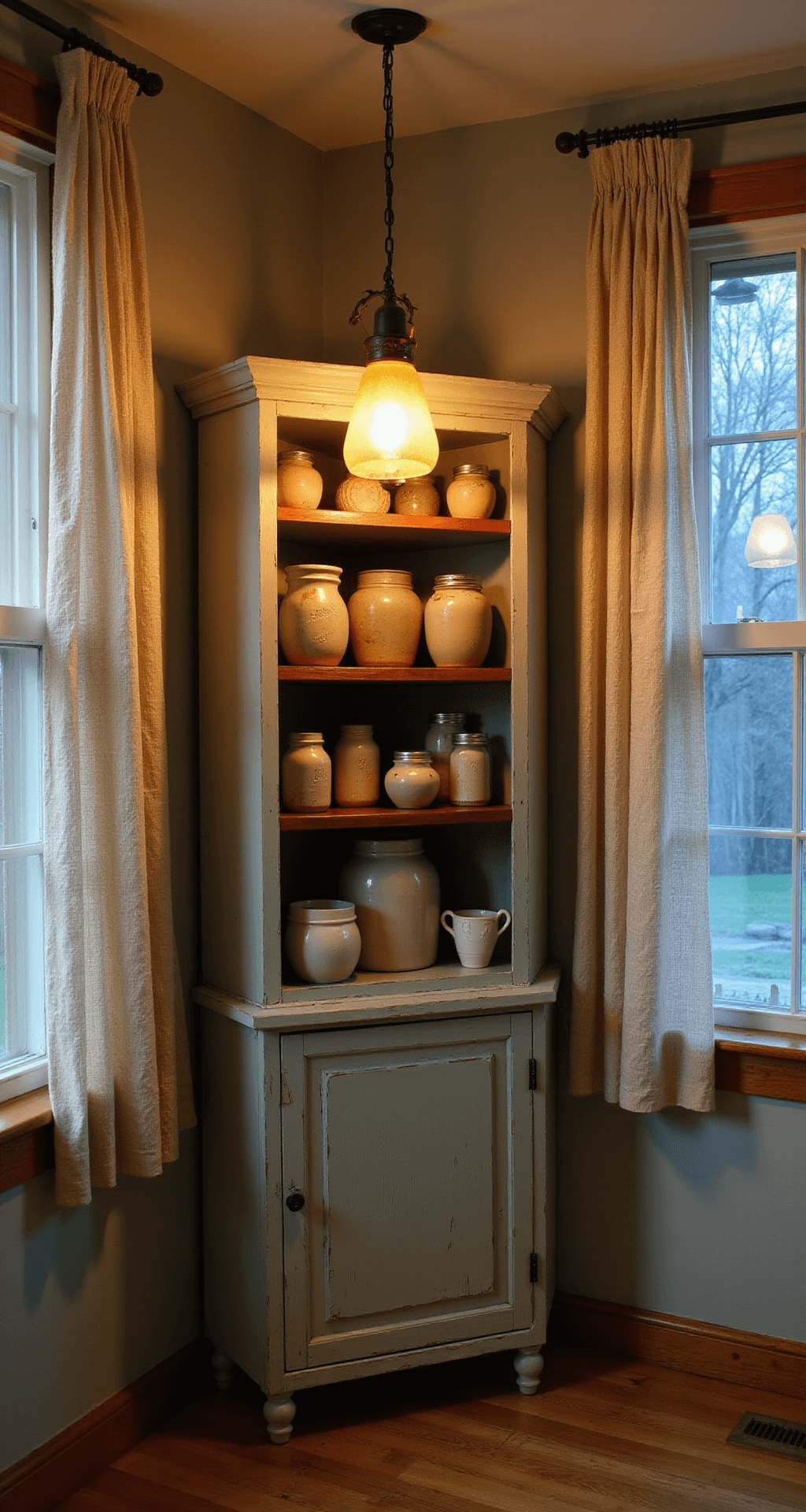
🏠 Steal This Look
- Paint Color: Farrow & Ball Mouse’s Back 40
- Furniture: heavily distressed pine farmhouse table with turned legs and breadboard ends
- Lighting: wrought iron chandelier with beeswax candle sleeves and aged brass patina
- Materials: hand-hewn barn wood, unlacquered copper, raw linen, aged tin, hand-forged iron
There’s something deeply grounding about walking into a kitchen where the colors feel like they’ve been there for generations—it’s less about decorating and more about creating a space that feels like it grew organically from the land itself.
Materials That Define the Primitive Kitchen
Authentic Materials Include:
- Solid, distressed wood
- Hand-forged metals
- Natural textiles like:
- Wool
- Jute
- Cotton
- Linen
- Handwoven fabrics with traditional patterns
Save this article
Enter your email and we'll send it straight to your inbox.
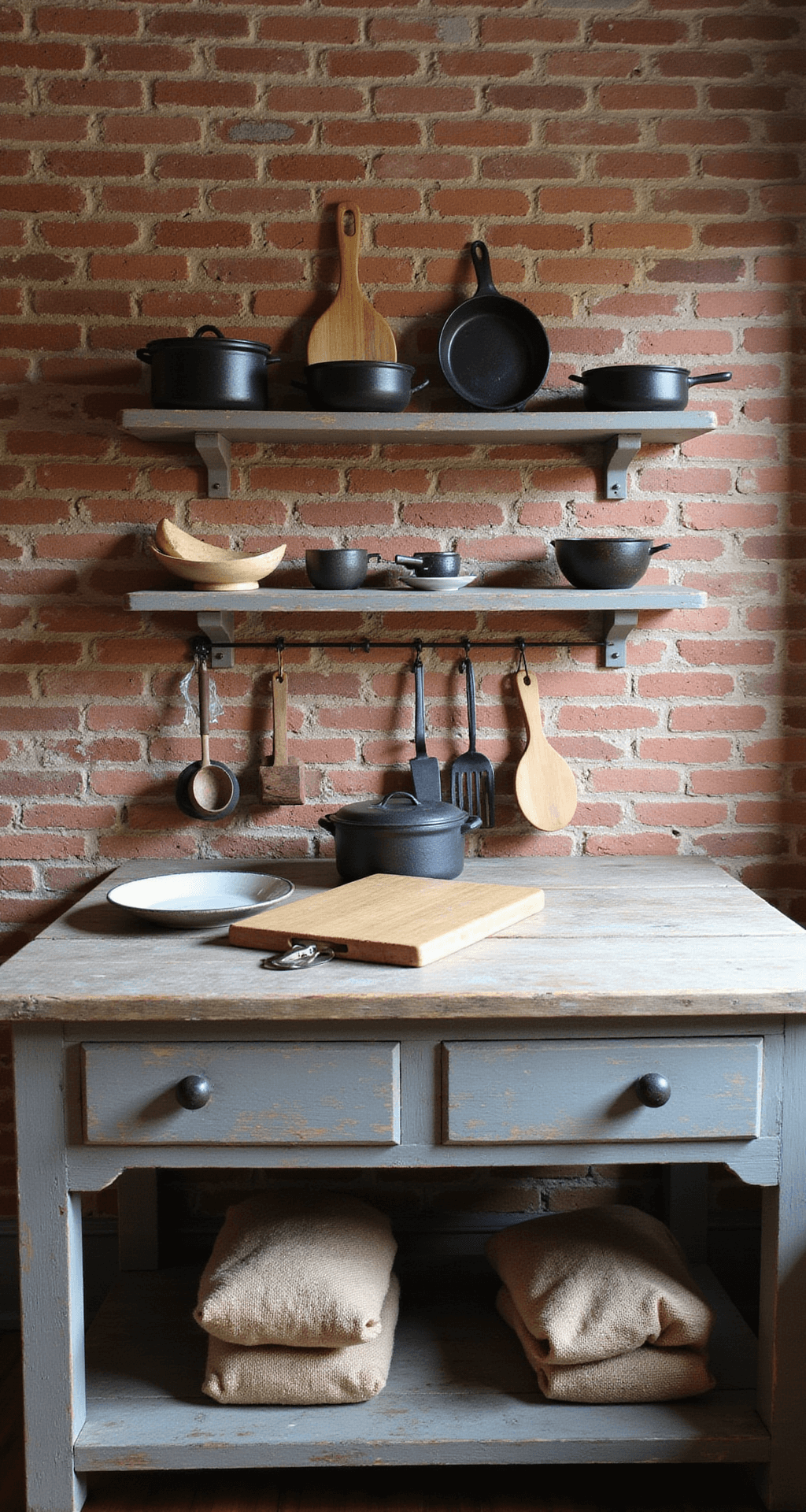
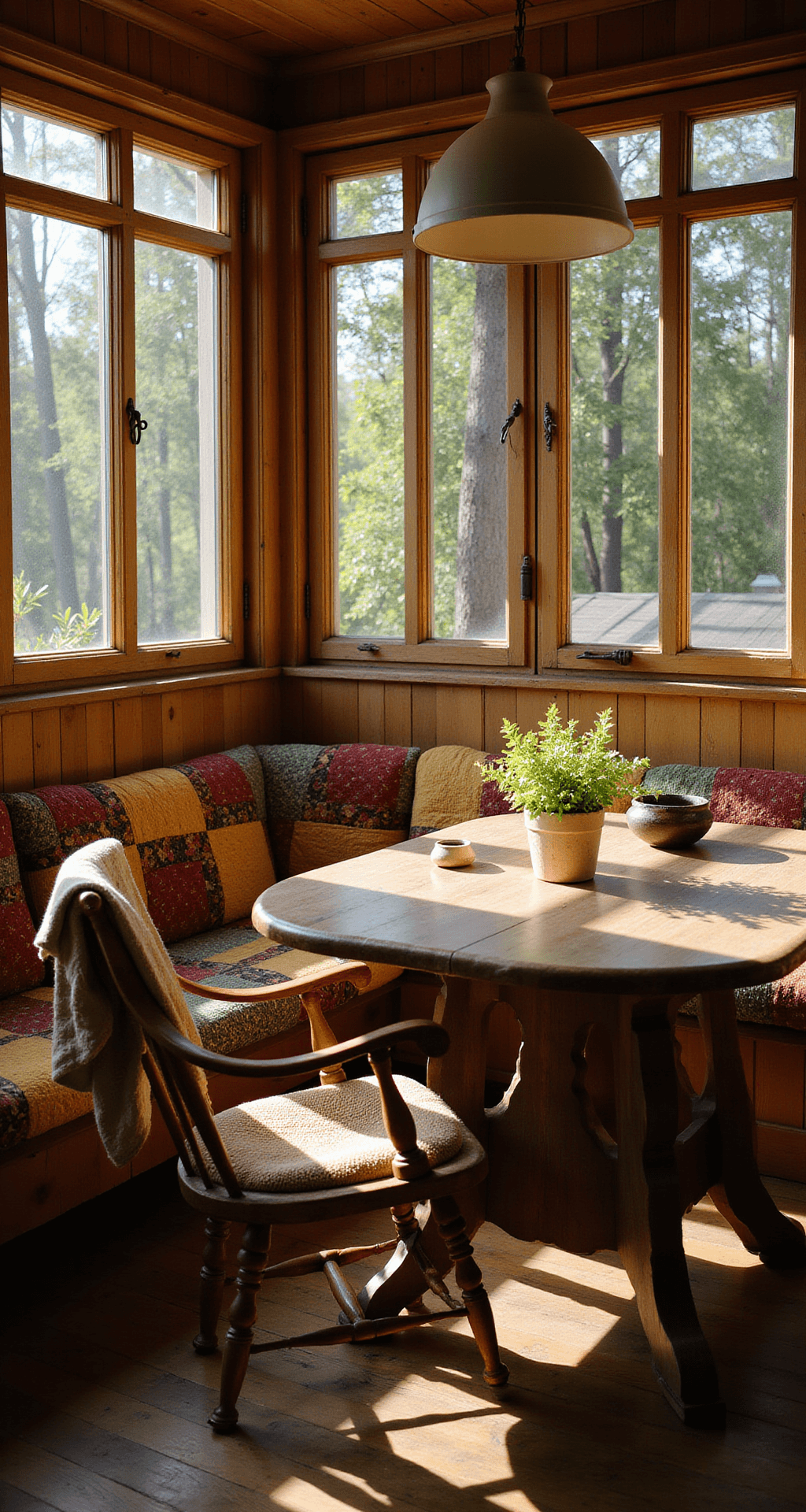
💡 Steal This Look
- Paint Color: Behr Farmhouse Red PPU2-18
- Furniture: heavily distressed farmhouse harvest table with turned legs and breadboard ends, paired with mismatched Windsor-style chairs in varying wood tones
- Lighting: wrought iron pot rack with hanging cast iron skillets and integrated candle-style pendant lights
- Materials: reclaimed barn wood with visible nail holes and saw marks, hand-hammered copper countertops with natural patina, raw linen café curtains with homespun texture, braided jute rugs, and hand-forged iron hardware with blackened finish
There’s something grounding about running your hand across a countertop where you can feel the hammer marks from a long-ago craftsman—it’s a daily reminder that kitchens were once built by human hands, not algorithms.
Functional Decor: Beauty Meets Utility
Primitive kitchens blur the line between decoration and function. Every item tells a story:
- Vintage mason jars for storage
- Wooden utensils displayed proudly
- Antique metal containers
- Stoneware crocks
- Hand-carved wooden bowls
Pro Tip: Authenticity is Key
Don’t buy matching sets. Collect pieces that feel like they’ve been gathered over generations.
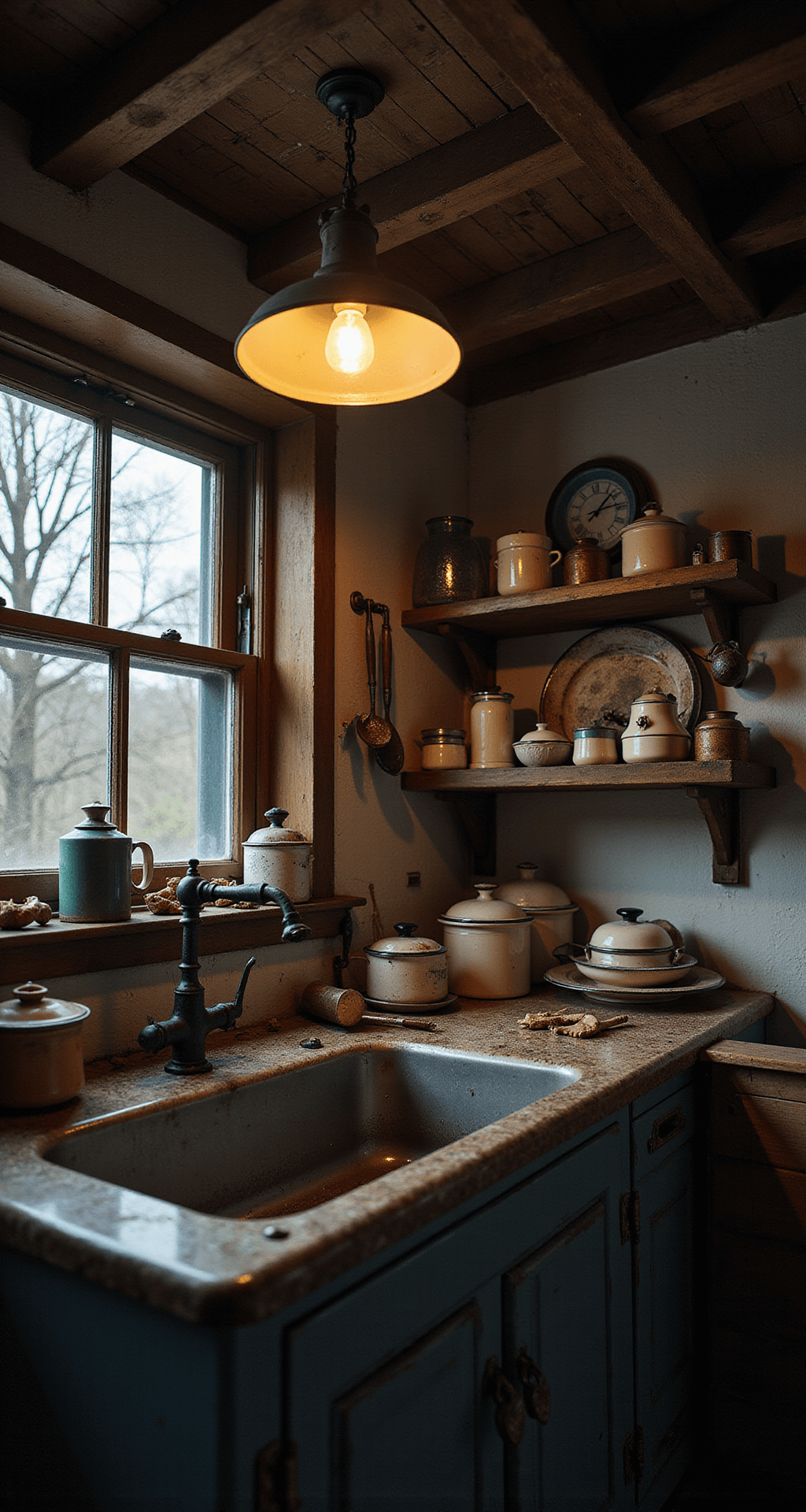
💡 Steal This Look
- Paint Color: use Valspar brand. Match the ACTUAL wall color in the image. Format: Valspar Linen White 7006-8
- Furniture: farmhouse hutch with chicken wire cabinet doors for open dish display
- Lighting: pendant light with weathered zinc finish and vintage Edison bulb
- Materials: unlacquered brass, hand-thrown stoneware, reclaimed barn wood, cast iron
There’s something deeply satisfying about reaching for a wooden spoon that’s worn smooth from decades of use—primitive kitchens honor the hands that came before ours.
Furniture Selection: Embracing Rustic Simplicity
Must-Have Primitive Kitchen Furniture:
- Distressed wooden cabinets
- Baker’s racks with character
- Wooden islands with simple lines
- Corner shelving units
- Vintage metal fixtures
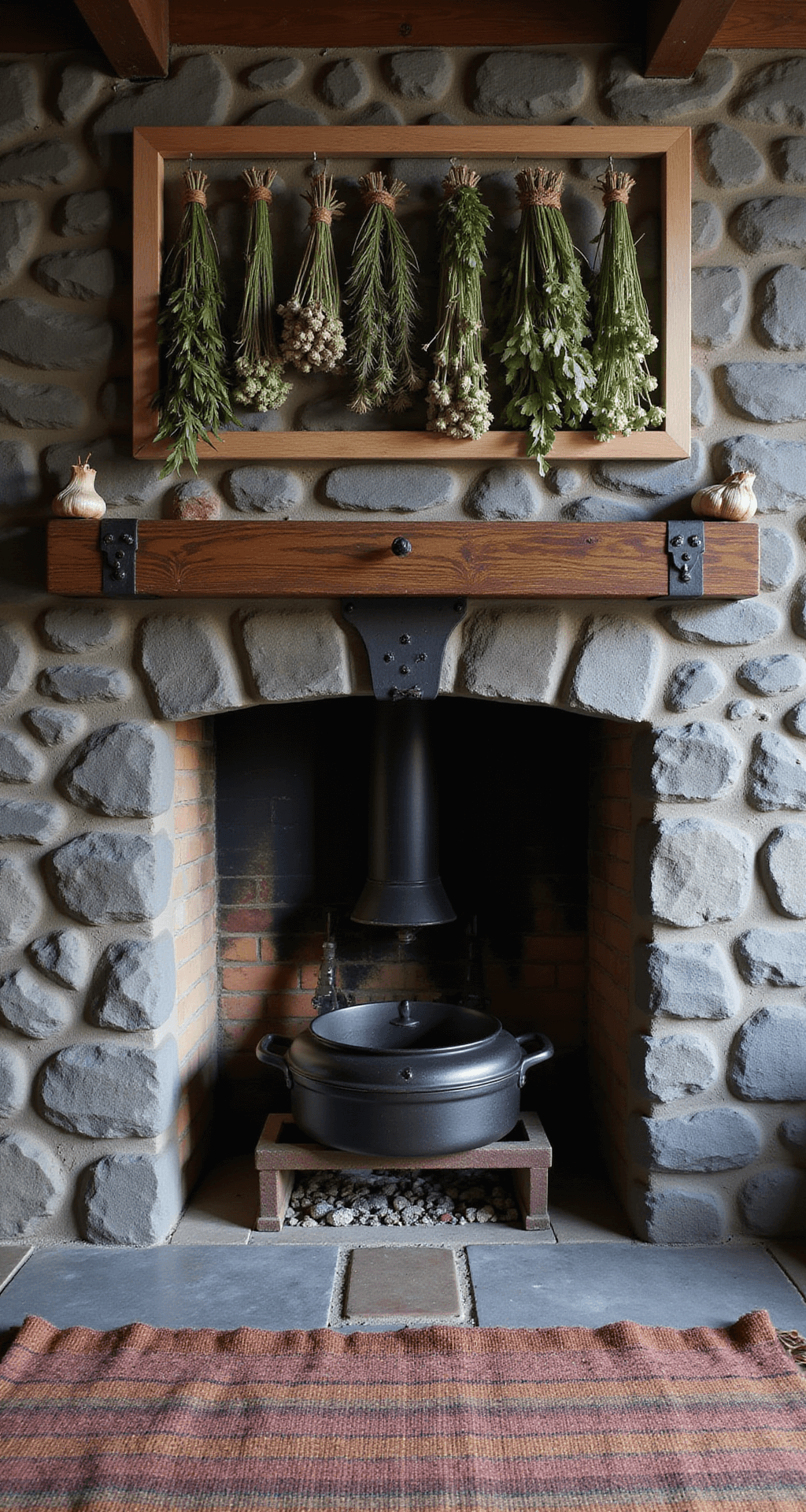
★ Steal This Look
- Paint Color: PPG Vintage Leather PPG1076-6
- Furniture: distressed pine hutch with chicken wire door panels, rough-hewn oak farm table with turned legs, open shelving pie safe with punched tin panels
- Lighting: wrought iron chandelier with dripping candle sleeves and hand-forged scrollwork
- Materials: reclaimed barn wood with visible nail holes, hand-planed poplar with tool marks, rusted iron hardware, unlacquered brass patina
This is where your kitchen tells its story—each scratch and water ring becomes a conversation about the hands that came before yours, turning functional storage into inherited memory.
Styling Your Primitive Kitchen: Expert Techniques
- Layer Textures Thoughtfully
- Mix wood grains
- Combine different fabric weights
- Create visual depth
- Embrace Imperfection
- Choose pieces with natural wear
- Value handmade over mass-produced
- Celebrate unique character
- Curate Personal Collections
- Display family heirlooms
- Create meaningful vignettes
- Tell your personal story through design
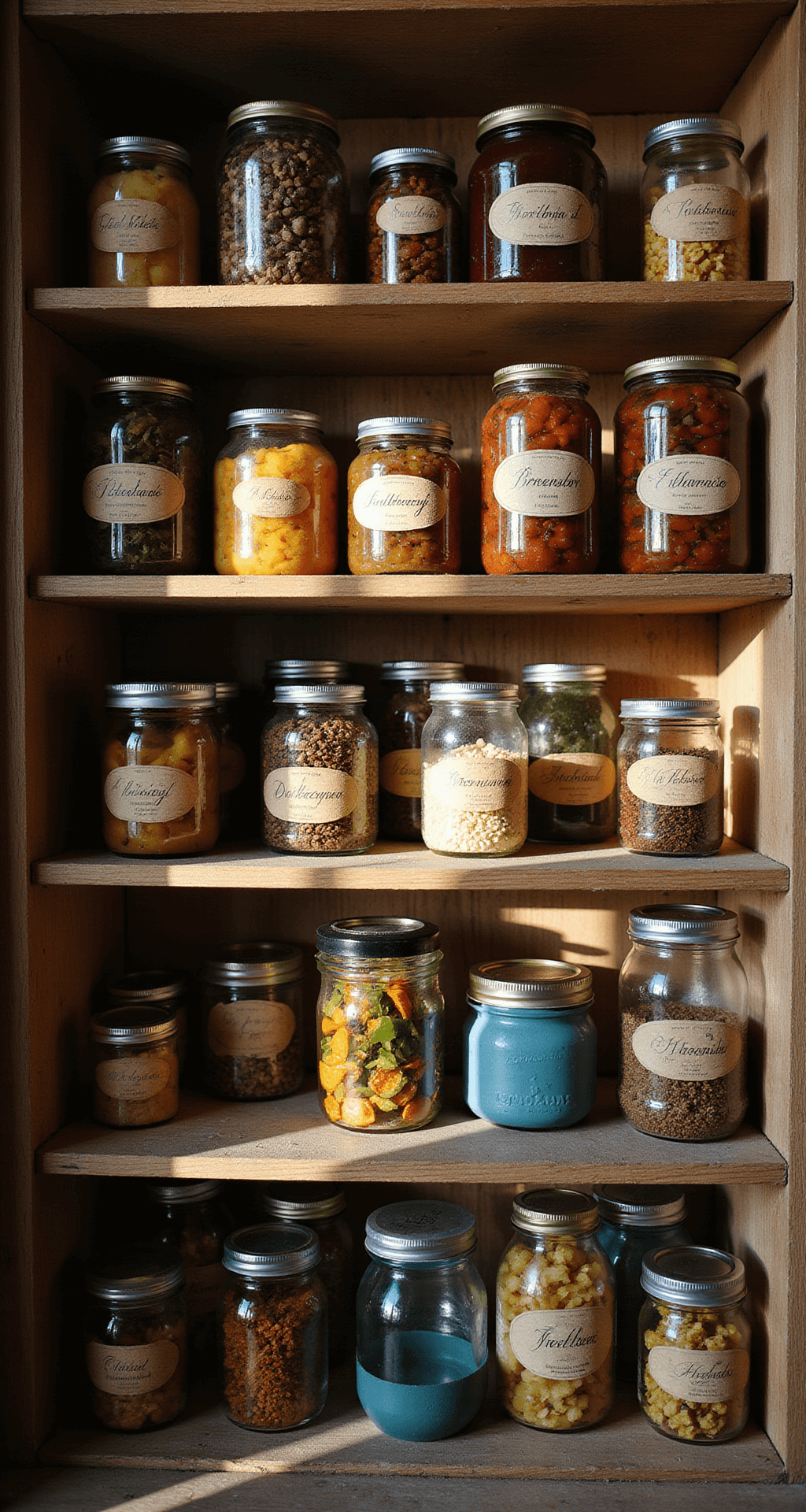
🏠 Steal This Look
- Paint Color: use Dunn-Edwards brand. Match the ACTUAL wall color in the image. Format: Dunn-Edwards ColorName CODE
- Furniture: specific furniture for this room
- Lighting: specific lighting fixture
- Materials: key textures and materials
There’s something deeply grounding about a primitive kitchen—it reminds us that the most beautiful spaces aren’t staged for magazines but lived in, spilled on, and loved over decades of Sunday mornings.
🛒 Get The Look
Common Mistakes to Avoid
- Over-styling and losing authenticity
- Using too many modern elements
- Purchasing everything new
- Ignoring functionality for aesthetics
Budget-Friendly Primitive Kitchen Tips
- Explore antique stores and flea markets
- Refinish existing furniture
- Learn basic restoration techniques
- Shop secondhand platforms
- DIY simple decor elements
Final Thoughts: Your Kitchen, Your Story
A primitive kitchen is more than a design choice – it’s a tribute to craftsmanship, simplicity, and historical beauty. By thoughtfully selecting pieces that resonate with you, you’ll create a space that feels both timeless and personal.
Ready to start your primitive kitchen transformation? Remember, authenticity is your greatest design tool.
Want to keep this one?
We'll email you the link so you can find it again later.


