This post may contain affiliate links. Please see my disclosure policy for details.
Small Cottage Garden Ideas: Transform Your Tiny Space into a Dreamy Retreat
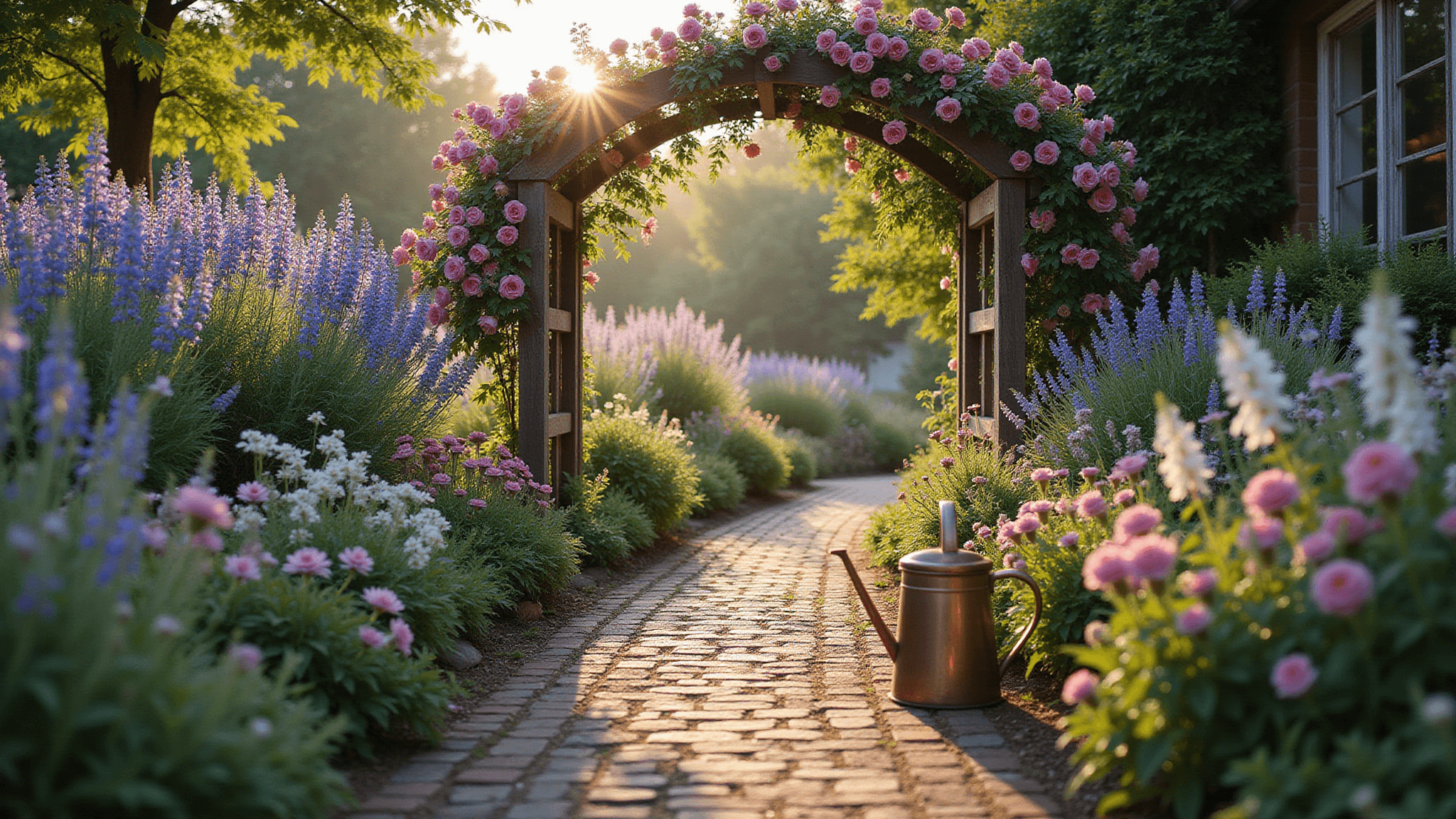
Imagine stepping into a garden that looks like it’s straight out of a storybook—even if you’ve got nothing more than a postage-stamp-sized yard or a tiny urban balcony. Small cottage gardens are the ultimate solution for creating magical outdoor spaces that burst with charm, color, and personality.
Why Cottage Gardens Work Magic in Small Spaces
Let’s be real: Not everyone has acres of land to play with. But that doesn’t mean you can’t create a jaw-dropping garden that makes your neighbors stop and stare. Cottage gardens are all about:
- Abundance over perfection
- Layered, dense planting
- Mixing practicality with pure beauty
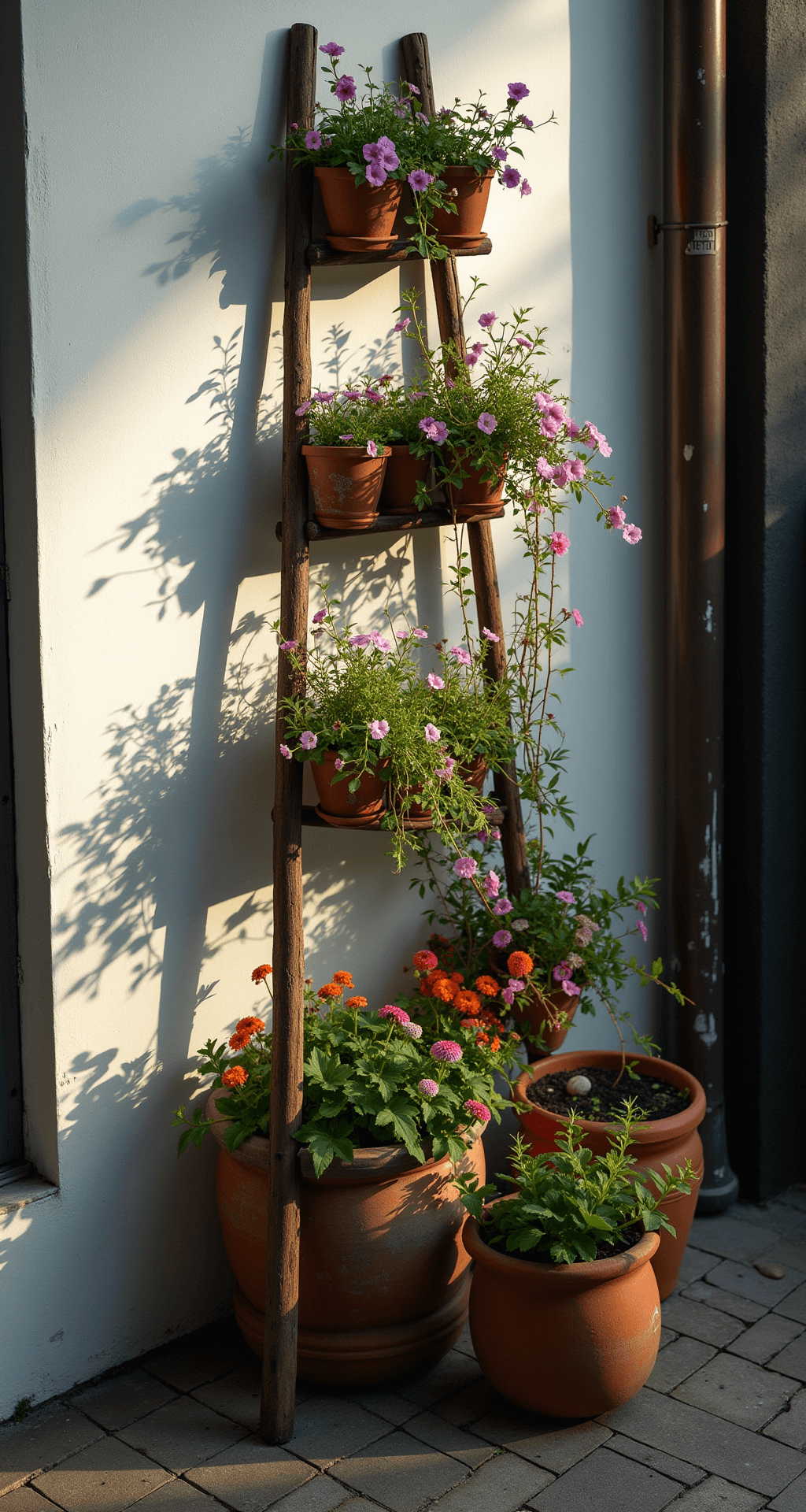
★ Steal This Look
- Paint Color: Benjamin Moore Gloucester Sage HC-100
- Furniture: weathered teak garden benches with wrought iron details
- Lighting: vintage-style shepherd’s hook pathway lanterns
- Materials: natural stone pathways, weathered wood planters, climbing rose trellises
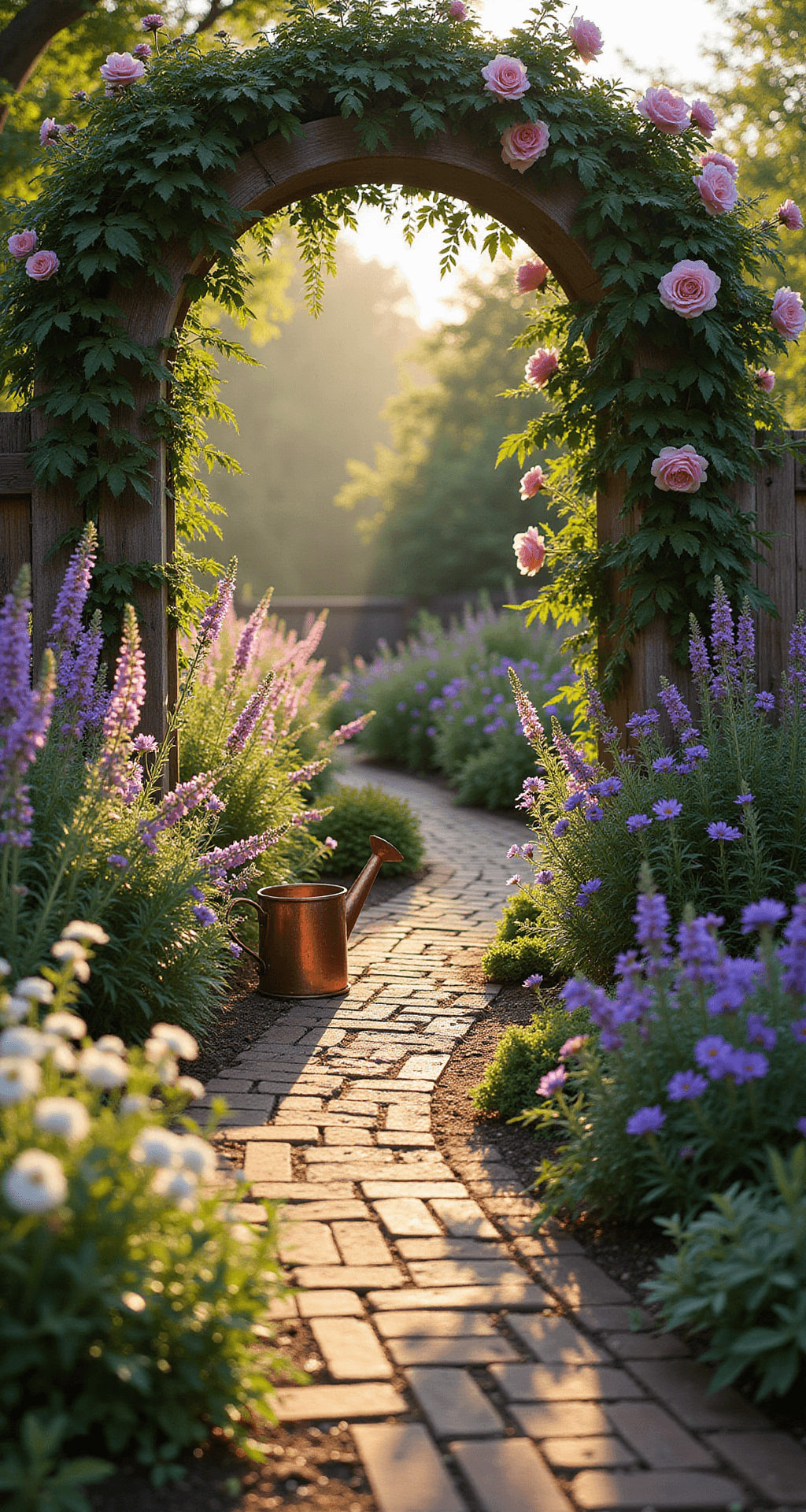
There’s something magical about walking through a cottage garden that feels like it grew itself – that perfect imperfection where climbing roses spill over fence posts and herbs peek out between flower borders. Small spaces actually work better for this style because everything feels intimately connected.
Essential Design Secrets for Tiny Gardens
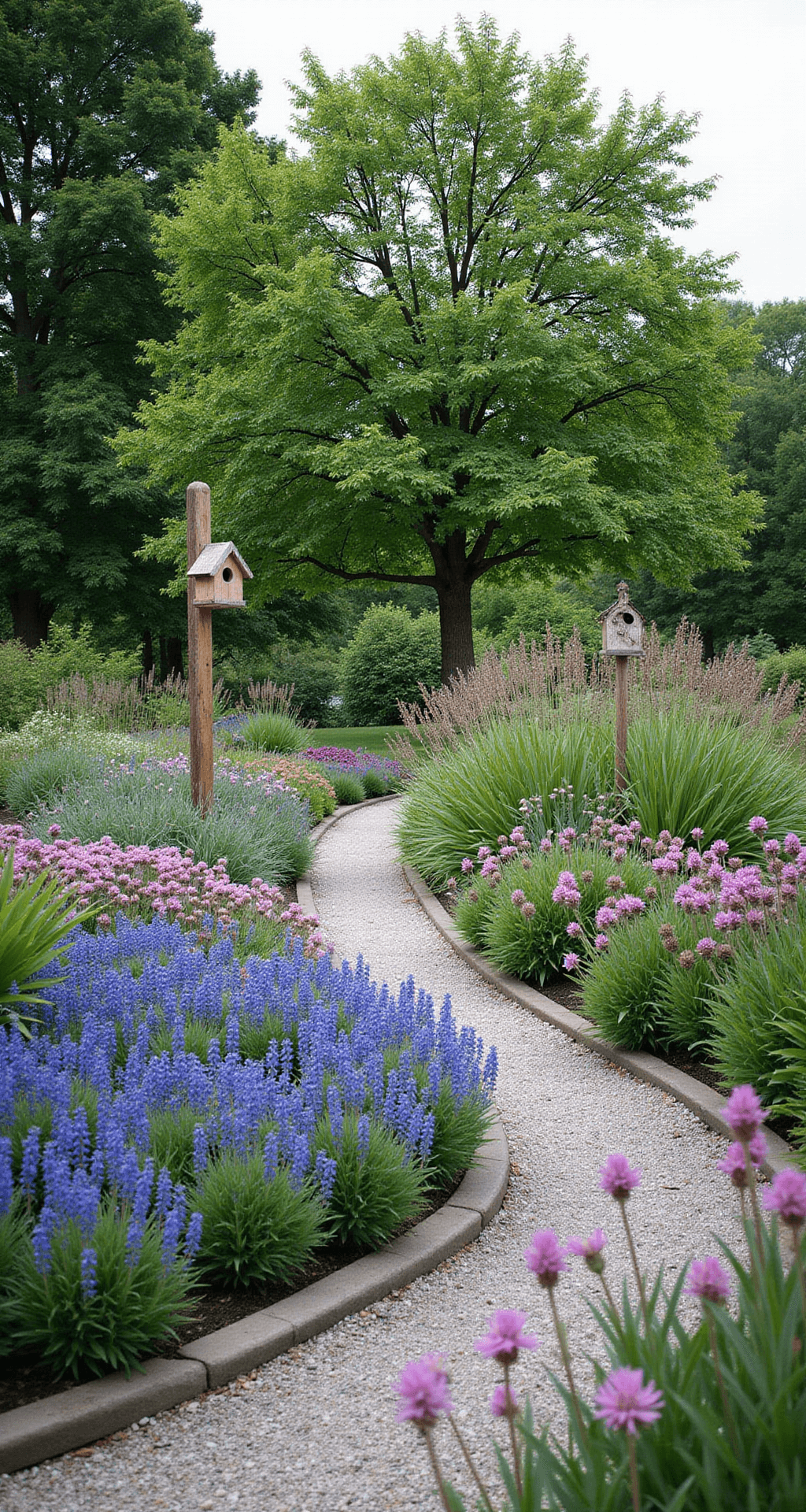
Forget Straight Lines—Embrace the Curve
Straight paths are boring. Period. Instead, create winding pathways that:
- Make your space feel larger
- Add a sense of mystery and discovery
- Work perfectly in even the smallest areas
Pro Tip: Use materials like gravel, brick, or wood chips to create those dreamy, meandering paths.
Plant Like a Pro: Density is Your Friend
In cottage gardening, empty soil is wasted soil. My golden rules:
- Layer plants from shortest to tallest
- Mix perennials, annuals, herbs, and vegetables
- Let plants intermingle and cover every inch of ground
💡 Steal This Look
- Paint Color: Farrow & Ball Green Smoke 47 for garden shed or fence backdrop to complement lush cottage plantings
- Furniture: weathered teak garden bench with curved arms, vintage galvanized planters in varying heights
- Lighting: copper lantern string lights draped along curved pathways
- Materials: reclaimed brick for winding paths, aged wood chips, galvanized metal planters, natural stone edging
There’s something magical about a cottage garden that feels like it grew itself—where herbs spill onto pathways and flowers peek around every corner. This dense, layered approach transforms even the tiniest plot into a secret garden sanctuary.
Must-Have Plants for Your Tiny Cottage Garden
Perennial Superstars
- Lavender (hello, heavenly scent!)
- Foxglove
- Hardy geraniums
- Salvia
- Dianthus
Annual Showstoppers
- Sweet peas
- Cosmos
- Nasturtiums
- Larkspur
Bonus Tip: Add a small fruit tree or espaliered branch for instant structure and charm.
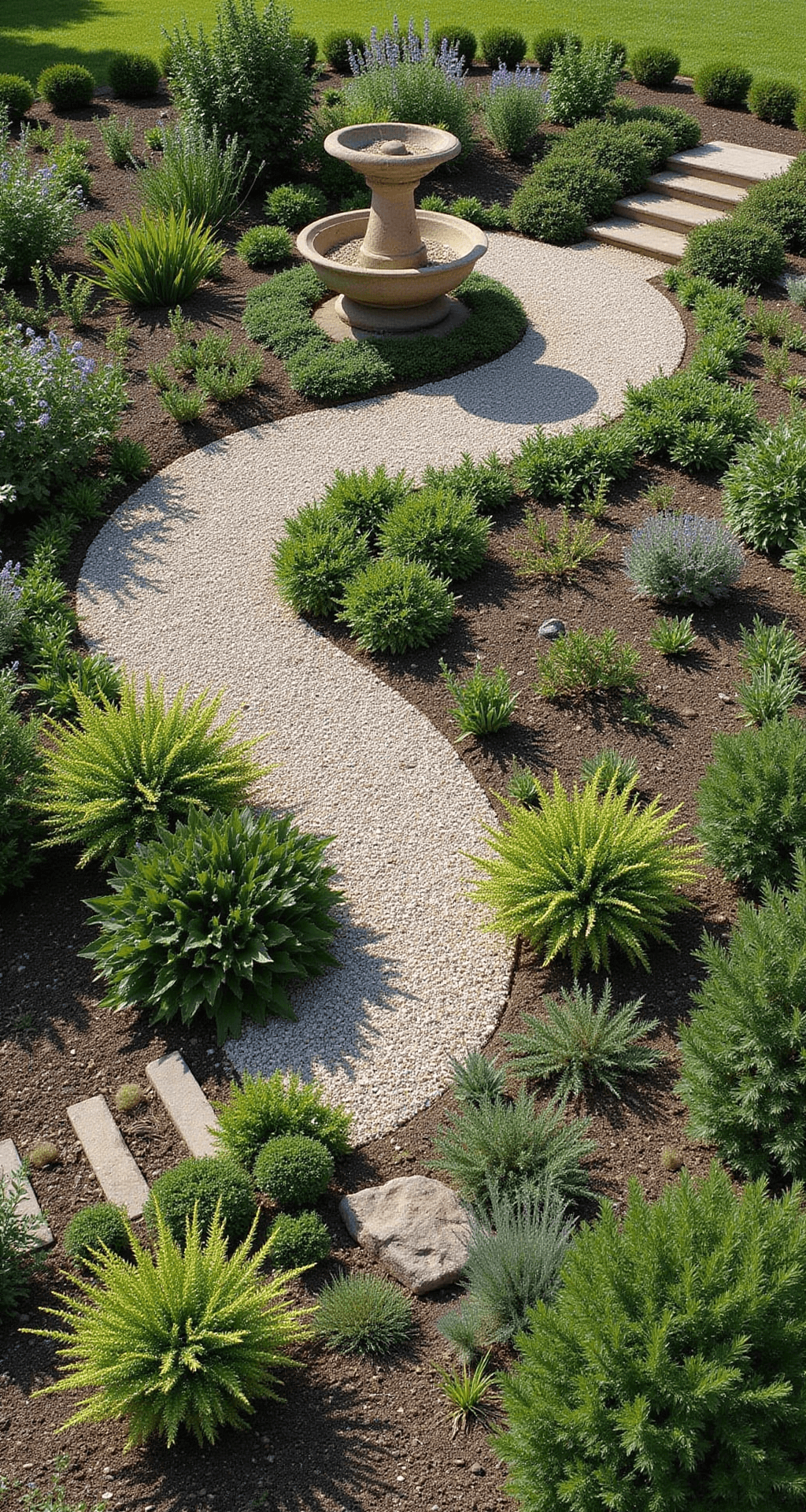
🎨 Steal This Look
- Paint Color: Behr Back to Nature S210-4 – a soft sage green that complements cottage garden plantings and creates a serene backdrop for colorful blooms
- Furniture: weathered cedar raised garden beds, vintage galvanized metal planters, rustic wooden garden benches with peeling paint finish
- Lighting: string lights with Edison bulbs draped between garden posts, vintage-style lanterns on shepherd’s hooks
- Materials: natural stone pathways, weathered wood trellises, galvanized metal containers, aged terra cotta pots
There’s something magical about stepping into a cottage garden where every plant seems to have found its perfect spot naturally. The key is choosing plants that not only look beautiful together but actually support each other’s growth in your small space.
Small Space, Big Personality: Decorative Touches
Your garden should tell a story. My favorite ways to add character:
Save this article
Enter your email and we'll send it straight to your inbox.
- Vintage watering cans
- Rustic wooden benches
- Repurposed containers
- Whimsical birdhouses
- Weathered garden signs
Vertical Magic: Think Up, Not Just Out
When ground space is limited, go vertical!
- Install trellises
- Use climbing roses
- Add arches with clematis or honeysuckle
- Hang baskets and wall planters

💡 Steal This Look
- Paint Color: Valspar Cottage White 7006-16 for garden structures and planters to create clean contrast against natural greenery
- Furniture: weathered teak garden bench with natural patina finish
- Lighting: vintage-style string lights with Edison bulbs for overhead garden ambiance
- Materials: reclaimed barn wood for vertical trellises, galvanized metal planters, and natural rope for climbing plant support
There’s something magical about transforming a tiny garden corner into a charming retreat that feels like it’s been lovingly tended for decades. The key is selecting pieces that look like treasured finds rather than fresh purchases.
Step-by-Step Garden Creation
- Map Your Space: Sketch a curved path
- Prep Killer Soil: Rich, organic compost is key
- Plant in Clusters: Create visual impact
- Mix Edibles and Ornamentals: Practical AND pretty
- Add Personal Touches: Make it uniquely yours
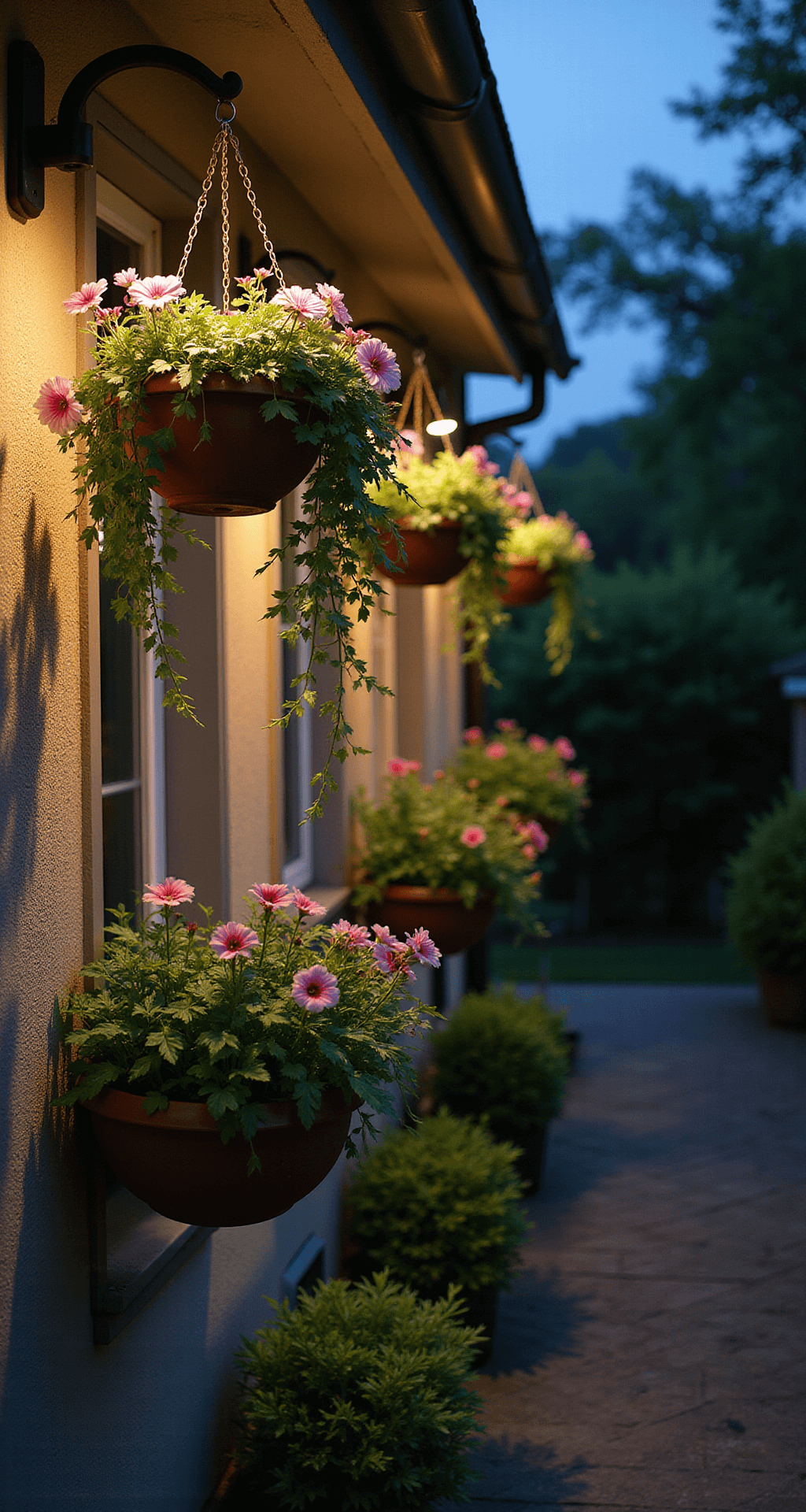
💡 Steal This Look
- Paint Color: PPG Sage Green PPG1124-3 for garden structures and fencing to blend naturally with plantings
- Furniture: weathered teak garden bench with curved back, galvanized metal planters in varying heights
- Lighting: solar pathway lights with warm LED bulbs for curved garden paths
- Materials: natural stone for pathway edging, cedar raised bed frames, organic mulch
There’s something magical about mapping out your first cottage garden – that moment when you realize you’re creating a living tapestry that will evolve and surprise you season after season.
Urban Gardening Hacks
No yard? No problem! For balconies and tiny terraces:
- Use containers
- Choose vertical-friendly plants
- Layer bulbs for year-round interest
- Skip traditional lawns
💡 Steal This Look
- Paint Color: Dunn-Edwards Vine Hill DEA175 – a fresh sage green that complements container gardens and brings the outdoors in for urban balcony spaces
- Furniture: weather-resistant teak or aluminum bistro sets, stackable stools for plant maintenance, rolling plant carts for container mobility
- Lighting: string lights with weather protection, solar stake lights for containers, LED grow light strips for shade areas
- Materials: galvanized metal planters, cedar window boxes, bamboo privacy screens, composite decking tiles
Urban gardening transforms even the smallest concrete balcony into a green sanctuary. With smart vertical solutions and the right containers, you can create a cottage garden feel high above the city streets.
Color and Texture: The Secret Sauce
Create visual drama by mixing:
- Soft, fuzzy textures (lamb’s ear)
- Spiky plants (alliums)
- Pastel color palettes
- Unexpected bold accents
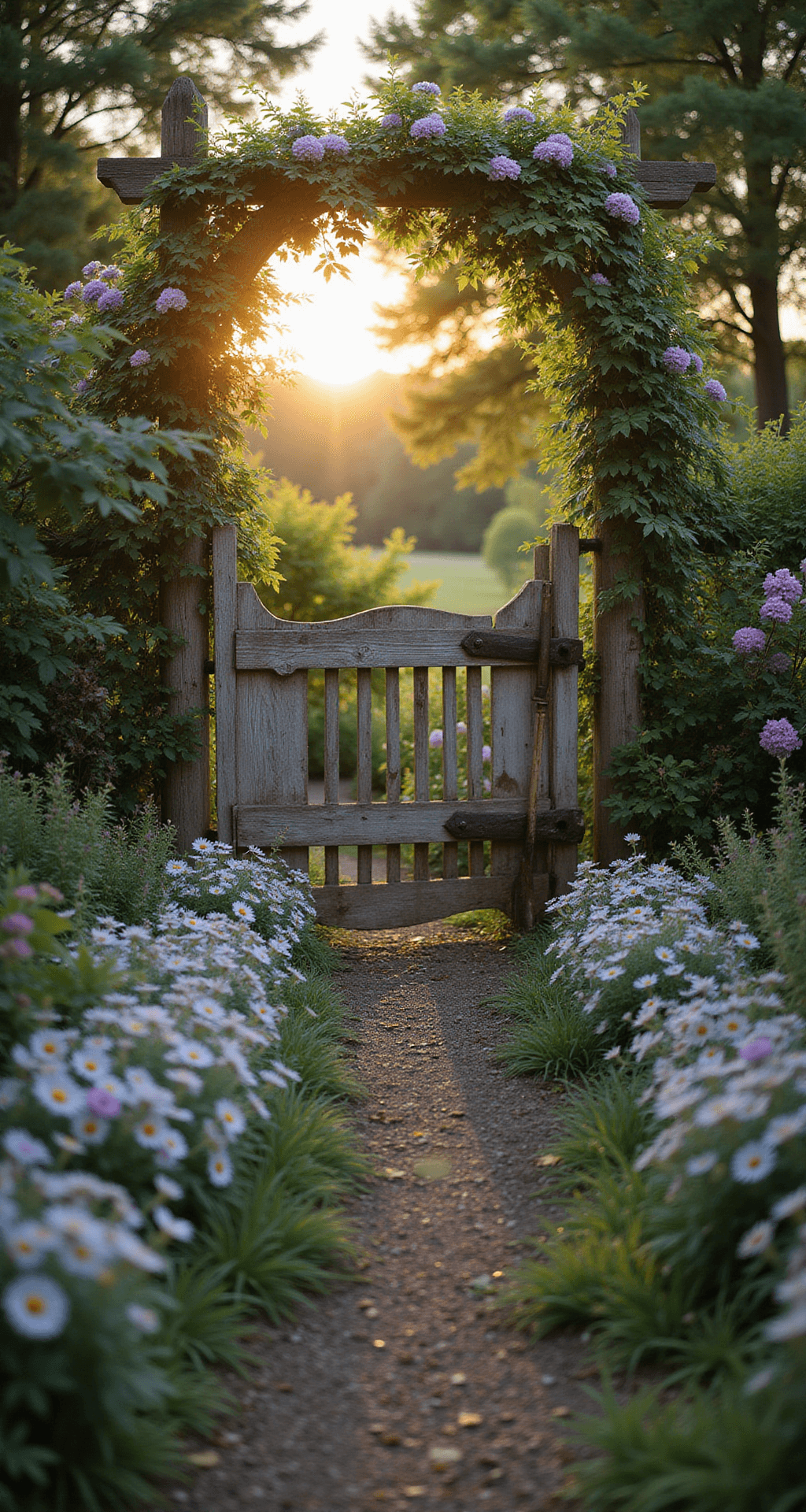
💡 Steal This Look
- Paint Color: Clare Paint Whipped SW 7168
- Furniture: weathered teak garden bench with vintage patina finish
- Lighting: antique brass lantern-style path lighting with warm Edison bulbs
- Materials: natural stone pathways, galvanized metal planters, reclaimed wood raised beds
The magic happens when your fingertips can brush against soft lamb’s ear while your eyes catch those dramatic allium spheres reaching skyward – it’s this sensory contrast that makes small cottage gardens feel abundant and layered.
Common Pitfalls to Dodge
- Don’t overcrowd paths
- Always invest in good soil
- Avoid too much bare ground
- Be patient—gardens grow!
🏠 Steal This Look
- Paint Color: Fine Paints of Europe Sage Green 72
- Furniture: weathered teak garden benches and rustic wooden planters
- Lighting: solar pathway stakes and string lights for evening garden ambiance
- Materials: natural stone pavers, aged terra cotta, and galvanized metal accents
Every seasoned gardener has learned these lessons the hard way – rushing the process or skimping on soil preparation always backfires. The magic of a cottage garden lies in its patience and planning.
Final Thoughts
A small cottage garden isn’t about perfection. It’s about joy, creativity, and making magic in whatever space you’ve got. Start small, experiment wildly, and watch your little garden transform into a personal paradise.
Remember: In cottage gardening, there are no mistakes—only happy accidents and evolving beauty.
Want to keep this one?
We'll email you the link so you can find it again later.