This post may contain affiliate links. Please see my disclosure policy for details.
Creating a Charming Small Cottage Garden: Your Ultimate Guide
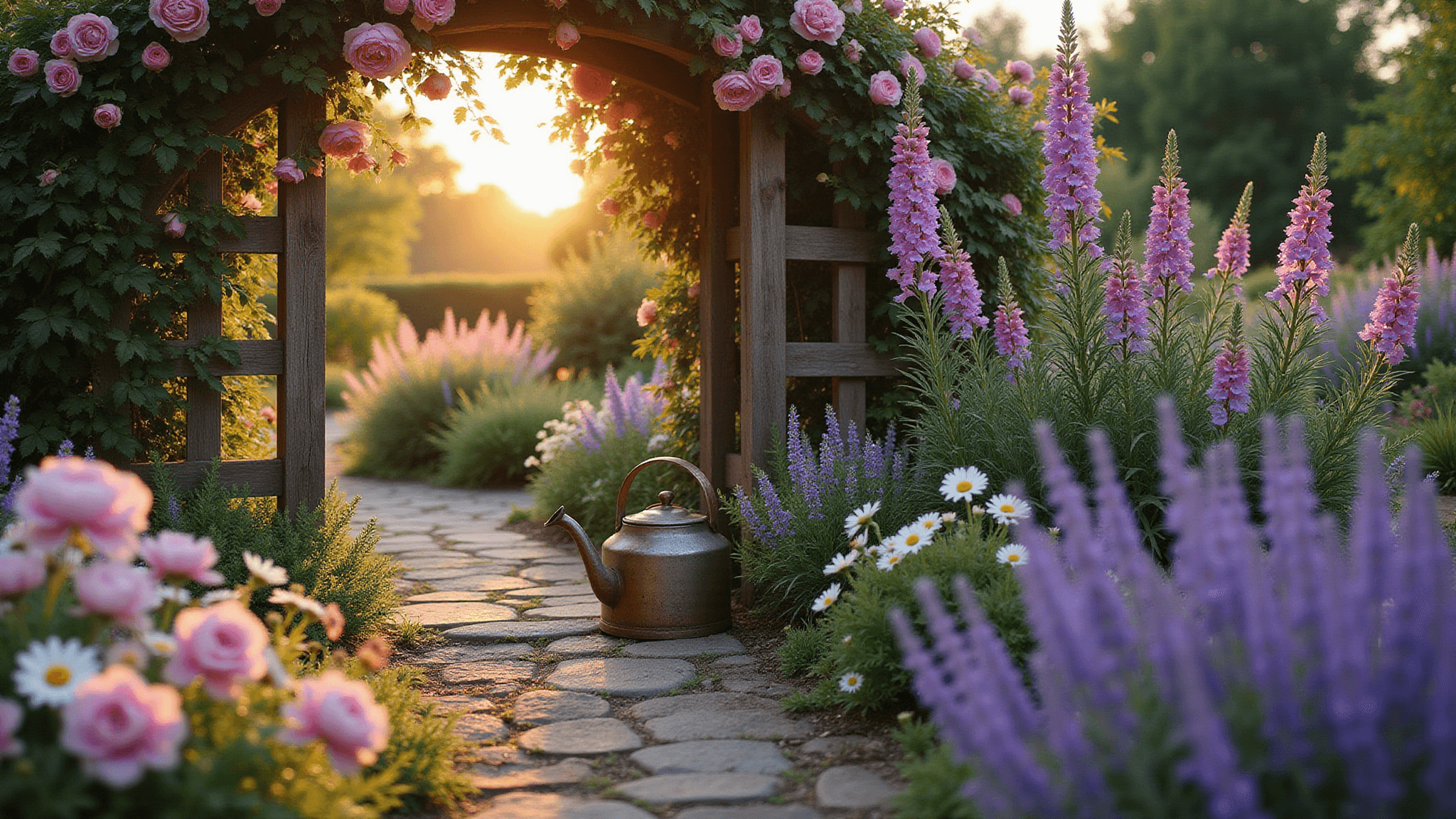
Picture this: A lush, overflowing garden bursting with color, where flowers dance together in delightful chaos, and every inch tells a story. That’s the magic of a small cottage garden – and I’m about to show you exactly how to create your own slice of botanical paradise.
🎨 Steal This Look
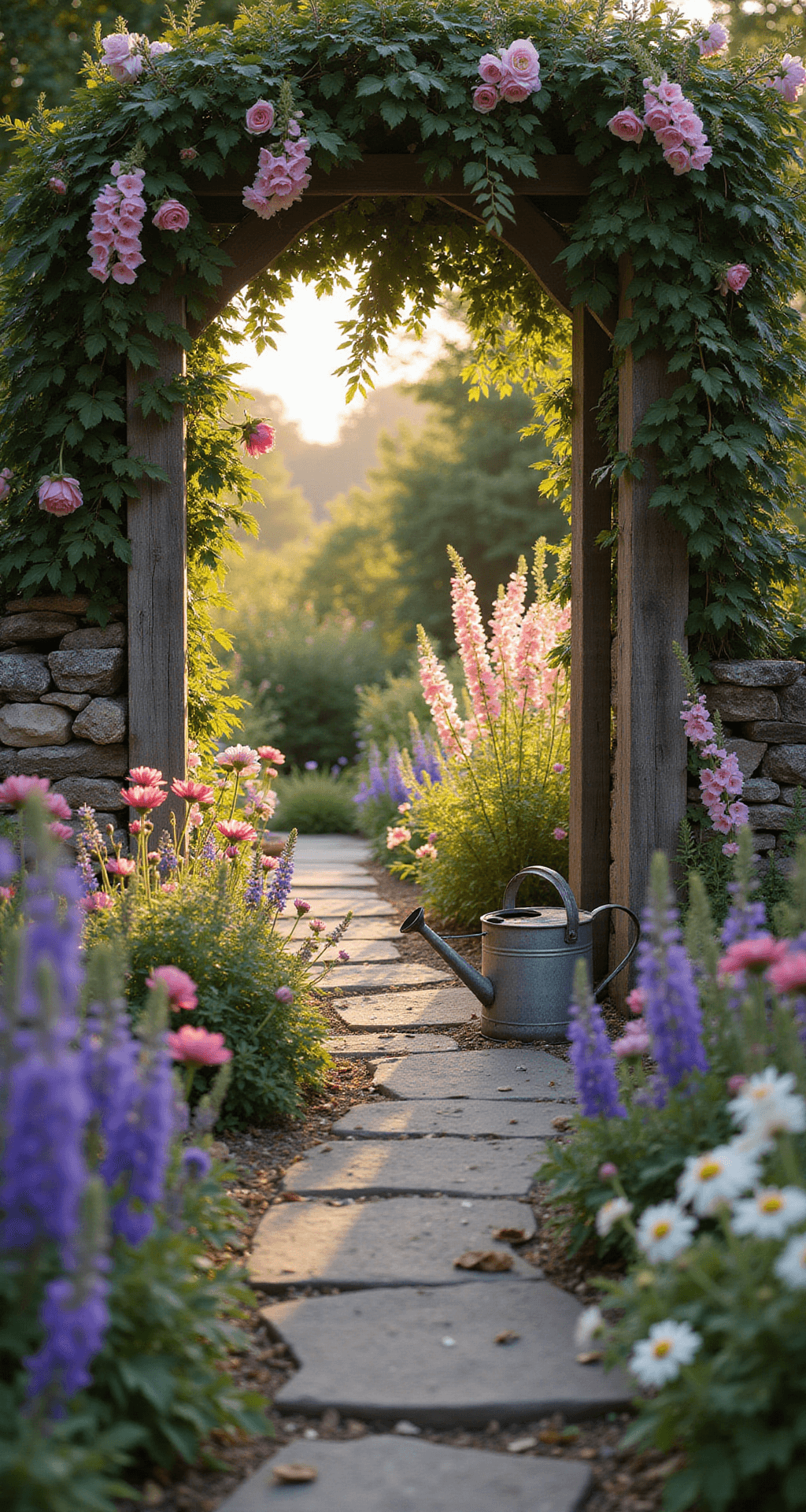
- Paint Color: Sherwin-Williams Garden Sage SW 6167
- Furniture: weathered teak potting bench with galvanized metal top
- Lighting: vintage brass shepherd’s hook lanterns with seeded glass
- Materials: aged terracotta, reclaimed brick pathways, wrought iron trellises, moss-covered stone
There’s something deeply personal about a cottage garden—every plant feels like a memory, every weathered pot like a found treasure, and the slightly wild edges remind us that perfection isn’t the goal, living beauty is.
Why Cottage Gardens Are Simply Irresistible
Let’s be real – traditional gardens can feel sterile and rigid. Cottage gardens are different. They’re:
- Wonderfully wild and unpredictable
- Packed with personality
- Budget-friendly
- Perfect for small spaces
- A living, breathing work of art
Getting Started: The Essentials
Tools You’ll Need
- Basic gardening gloves
- Hand trowel
- Pruning shears
- Watering can
- Compost
- Passion for plants (most important!)
Choosing Your Plants: The Cottage Garden Secret Sauce
Pro Tip: The key is creating a delicious plant cocktail. Mix and match:
- Perennials (come back every year)
- Annuals (for instant color)
- Herbs (functional and beautiful)
- Climbing plants
- Vegetables (yes, really!)
Color Palette Magic
Must-Have Colors:
- Soft pinks
- Lavender purples
- Sunny yellows
- Crisp whites
- Emerald greens
💡 Steal This Look
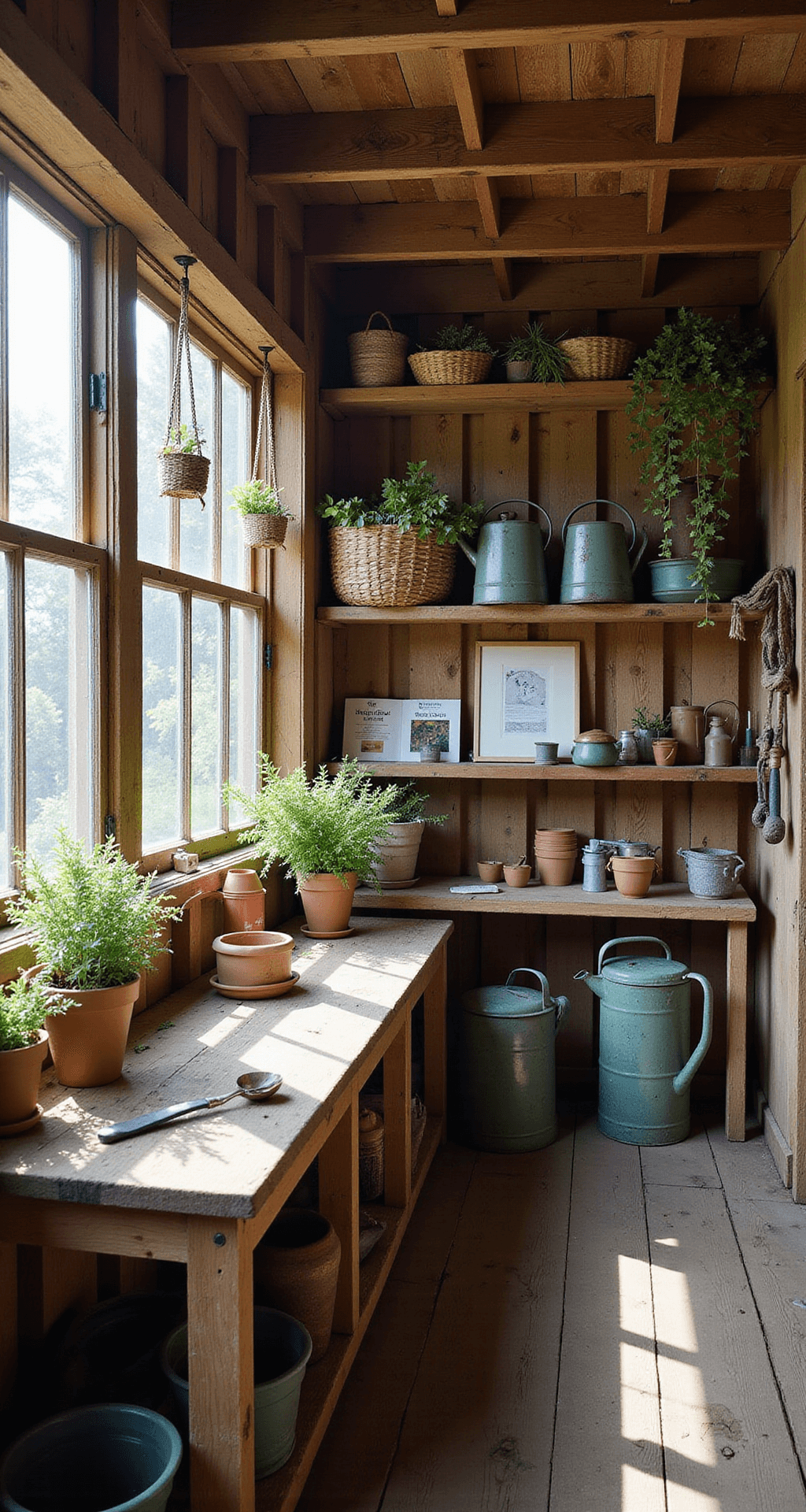
- Paint Color: Farrow & Ball Green Smoke 47
- Furniture: weathered teak potting bench with zinc top, vintage cast iron garden bistro set with curved legs
- Lighting: antique brass gooseneck barn sconce with seeded glass shade
- Materials: unfired terracotta, galvanized zinc, aged cedar, hand-forged iron, crushed gravel paths, lichen-covered stone
There’s something deeply satisfying about stepping into your garden with soil under your nails and a watering can in hand—this is the room where patience becomes your most beautiful bloom.
Design Like a Pro: Layout Secrets
Placement is Everything
- Tall plants at the back
- Medium height in the middle
- Short plants or ground cover in front
- Create gentle, curving paths
- Add vertical elements like trellises or small arches
Budget-Friendly Hacks
💰 Save Money, Look Expensive
- Trade plants with neighbors
- Start from seeds
- Use recycled containers
- Check local nursery clearance sections
- Embrace plant divisions from friends
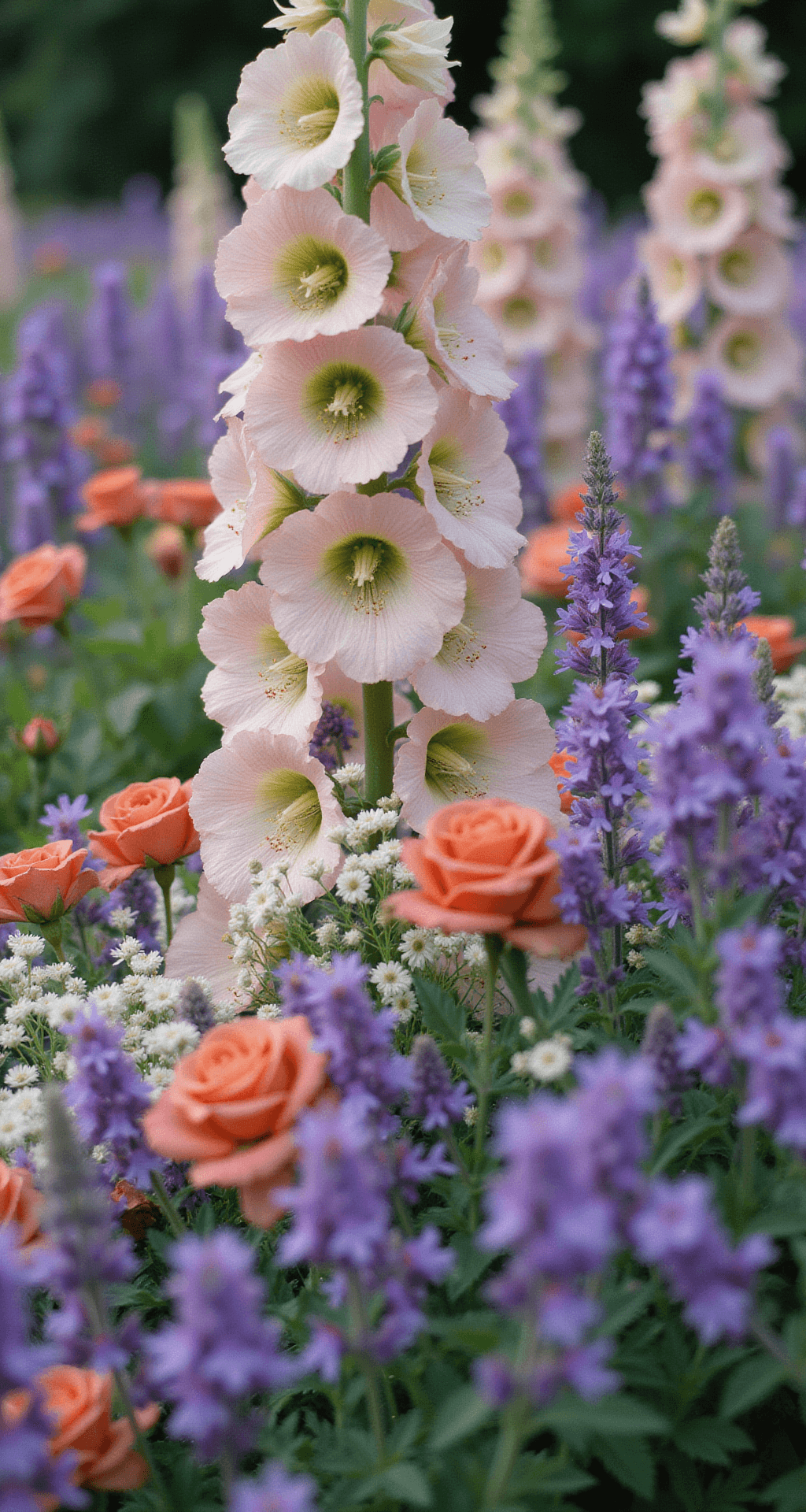
💡 Steal This Look
- Paint Color: Valspar Garden Party 6002-8A
- Furniture: weathered wood potting bench with galvanized top
- Lighting: solar-powered mason jar string lights
- Materials: reclaimed terracotta, galvanized metal, weathered cedar, pea gravel paths
There’s something deeply satisfying about coaxing beauty from cast-offs and swaps with neighbors—this room thrives on resourcefulness, not perfection, and every free cutting tells a story of connection.
Maintenance: Keep It Effortless
Easy Care Tips:
- Water deeply but less frequently
- Mulch generously
- Let some areas grow wild
- Deadhead flowers to encourage more blooms
- Embrace imperfection!
Common Mistakes to Avoid
❌ Garden Fails to Dodge
- Overcrowding plants
- Ignoring soil quality
- Forgetting about sunlight needs
- Being too rigid with design
- Trying for perfection

Save this article
Enter your email and we'll send it straight to your inbox.
💡 Steal This Look
- Paint Color: Dunn-Edwards Sage Wisdom DET530
- Furniture: weathered teak potting bench with galvanized steel top
- Lighting: solar-powered vintage-style shepherd’s hook lanterns
- Materials: aged terracotta, untreated cedar, crushed gravel paths, hand-forged iron
Every cottage gardener I’ve mentored has killed something precious by cramming one more plant into a full bed—resist the urge, and your garden will reward you with the effortless drifted look you’re actually after.
🌊 Get The Look
Seasonal Transformation Tips
Spring: Bulbs and early bloomers
Summer: Peak flowering season
Fall: Late bloomers and seed heads
Winter: Structure and evergreen elements
Personal Touch: Make It Yours
Unique Ideas:
- Vintage garden ornaments
- Handmade signs
- Repurposed furniture
- Personal artwork
- Quirky plant containers
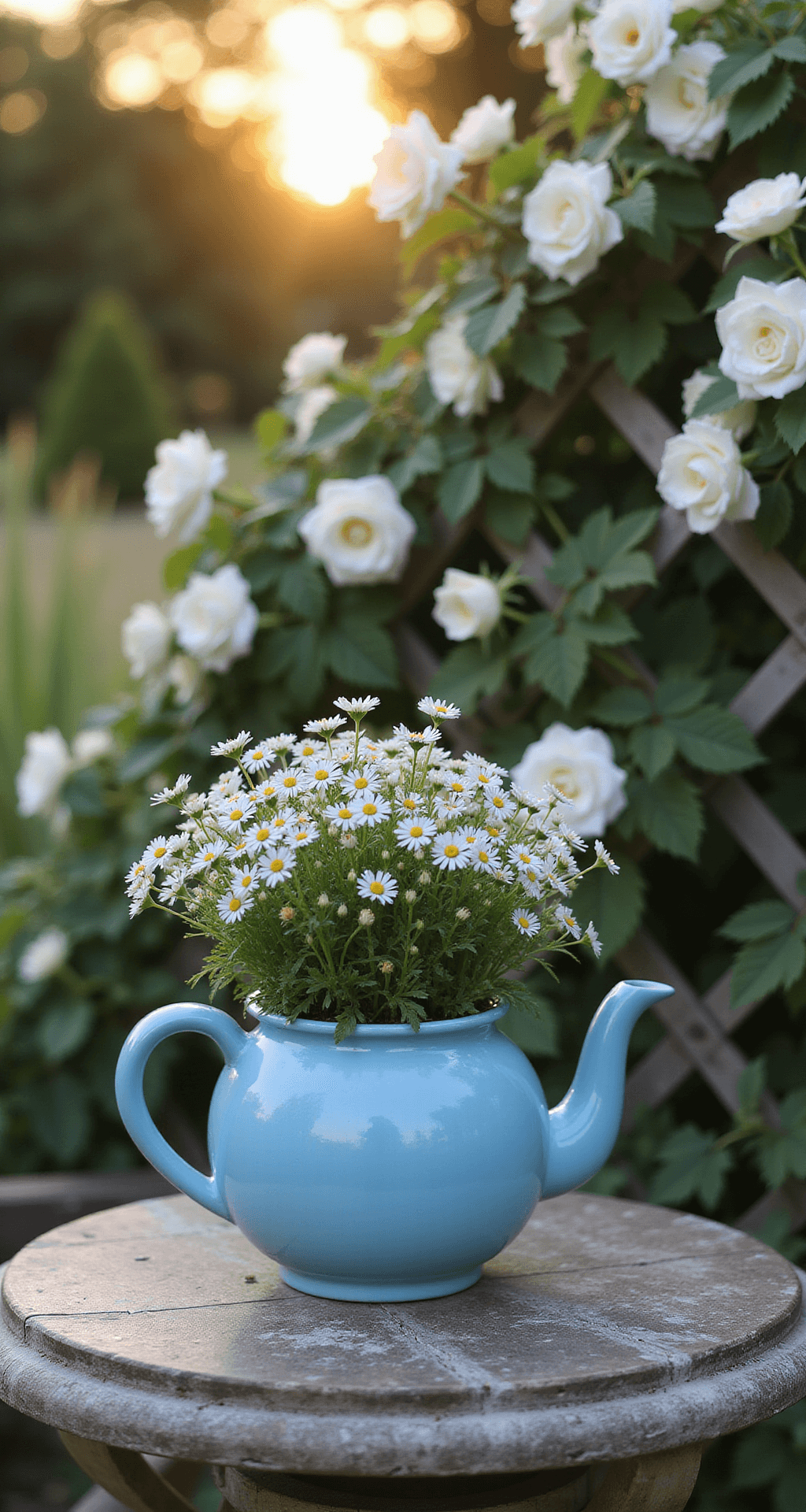
🎨 Steal This Look
- Paint Color: Fine Paints of Europe Hollandlac Brilliant Tulip Yellow 1002
- Furniture: weathered French farmhouse potting bench with zinc top
- Lighting: vintage galvanized barn pendant with seeded glass
- Materials: chippy painted wood, rusted iron, cracked terracotta, hand-forged zinc, salvaged brick
This is where your small cottage garden becomes unmistakably yours—those hand-painted herb markers, the cracked teapot your grandmother used, the salvaged door you propped against the fence. These imperfections tell your story.
Final Thoughts
Creating a cottage garden isn’t about perfection – it’s about joy, creativity, and letting nature do its beautiful thing. Start small, experiment wildly, and watch your garden evolve.
Remember: Every garden tells a story. What will yours say?
Quick Start Checklist
- [ ] Choose your space
- [ ] Test your soil
- [ ] Select mixed plants
- [ ] Create a loose design
- [ ] Plant with love
- [ ] Enjoy the process!
Happy gardening, plant lovers! 🌿🌼🍃
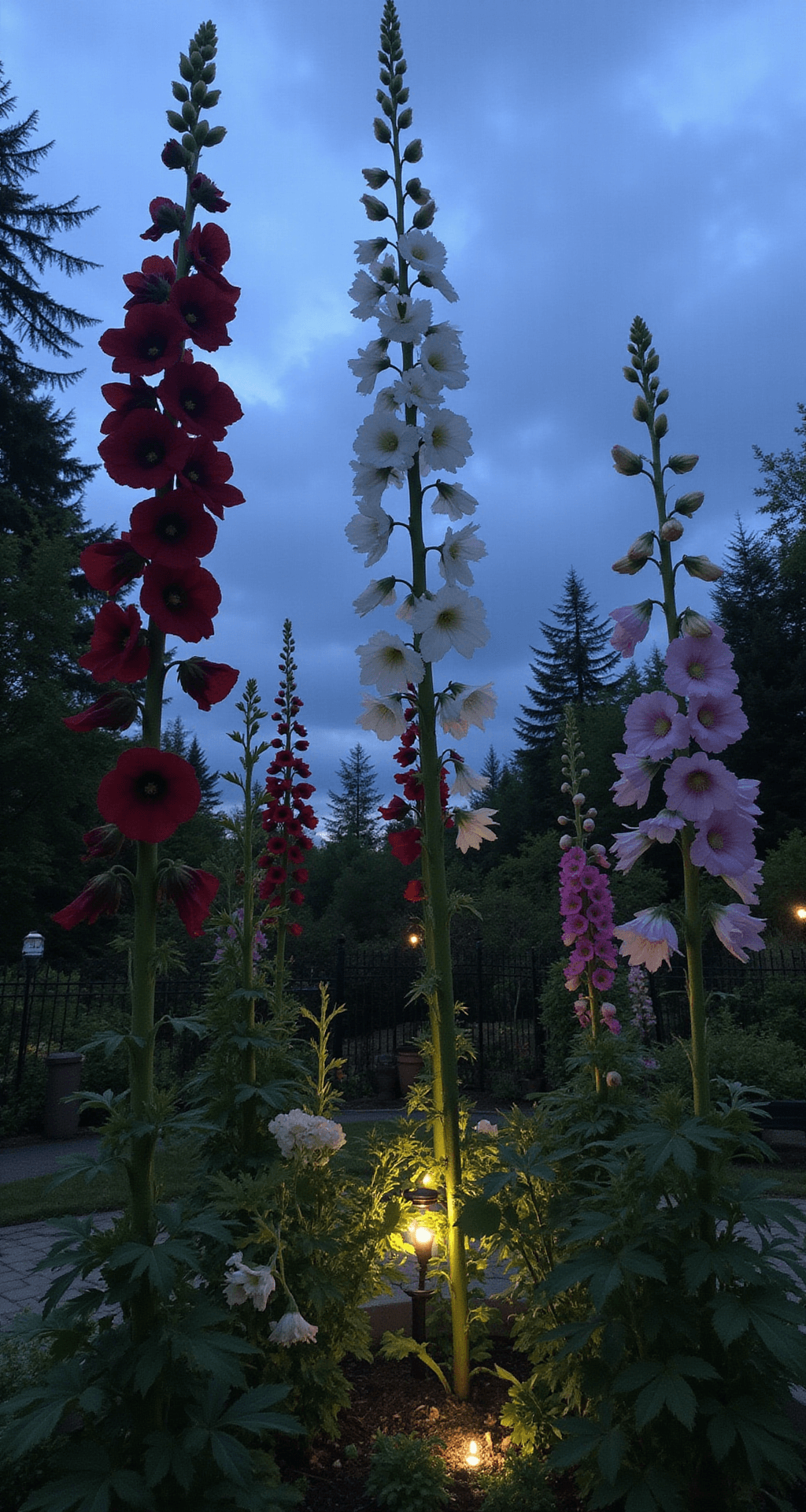
🌟 Steal This Look
- Paint Color: Backdrop Garden Party 29
- Furniture: weathered teak potting bench with galvanized steel top, vintage cast iron garden bench with curved backrest
- Lighting: solar-powered festoon string lights with warm white Edison bulbs draped between pergola posts or tree branches
- Materials: aged terracotta, reclaimed barn wood, hand-forged wrought iron, crushed limestone paths, moss-covered stone
There’s something deeply restorative about a garden that refuses to be tamed—your cottage plot will teach you patience when the foxgloves flop and humility when the self-seeders outsmart your plans, and that’s precisely where the magic lives.
Want to keep this one?
We'll email you the link so you can find it again later.