This post may contain affiliate links. Please see my disclosure policy for details.
Purple Flower Weeds: Beauty or Botanical Menace?
Ever looked at your lawn and noticed those sneaky purple blooms popping up everywhere? Those aren’t charming wildflowers – they’re crafty weeds staging a botanical invasion.
What Makes Purple Weeds Special?
Not all purple-flowering plants are villains. Some are native species playing crucial roles in local ecosystems. But make no mistake – they can turn your pristine lawn into a wild meadow faster than you can say “garden maintenance.”
🎨 Steal This Look
- Paint Color: Sherwin-Williams Ripe Olive SW 6209
- Furniture: vintage-inspired potting bench with galvanized steel top, weathered teak garden stool, cast iron plant stand with scrollwork
- Lighting: antique brass gooseneck barn light with seeded glass shade
- Materials: raw terracotta, aged zinc, hand-thrown ceramics, rough-hewn cedar, botanical pressed glass
This is the room for anyone who’s ever felt guilty about loving a dandelion or secretly admired a patch of clover—it’s permission to find beauty in what others discard.
Meet the Purple Flower Weed Lineup
1. Wild Violets: The Cute Invaders
- Tiny 4-6 inch tall perennials
- Lavender-purple flowers with heart-shaped leaves
- Spread like wildfire through rhizomes and seeds
- Secretly beloved by pollinators
- Pro Tip: Fall herbicide treatment works best
2. Purple Deadnettle: The Mint Family Rebel
- Winter annual with attitude
- Reaches 12-15 inches tall
- Distinctive square stems
- Light purple tubular flowers
- Blooms predominantly in April
- Thrives in cool temperatures
3. Henbit: Deadnettle’s Close Cousin
- Another winter annual troublemaker
- Vibrant purple flowers
- Germinates in fall
- Survives winter as tiny seedling
- Dies when temperatures rise in late spring
4. Ground Ivy/Creeping Charlie: The Lawn Assassin
- Forms dense, aggressive patches
- Spreads rapidly
- Difficult to eradicate completely
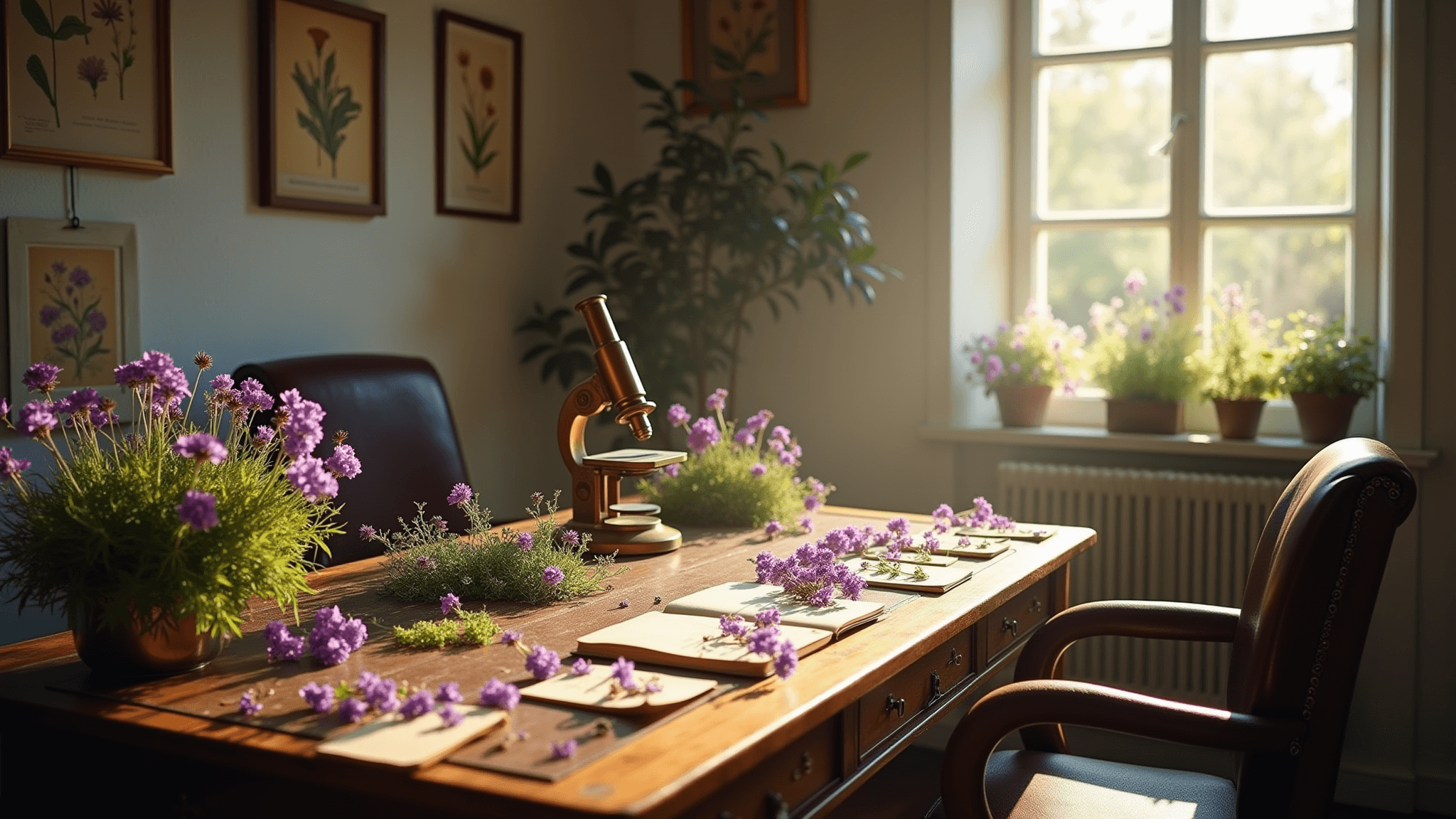
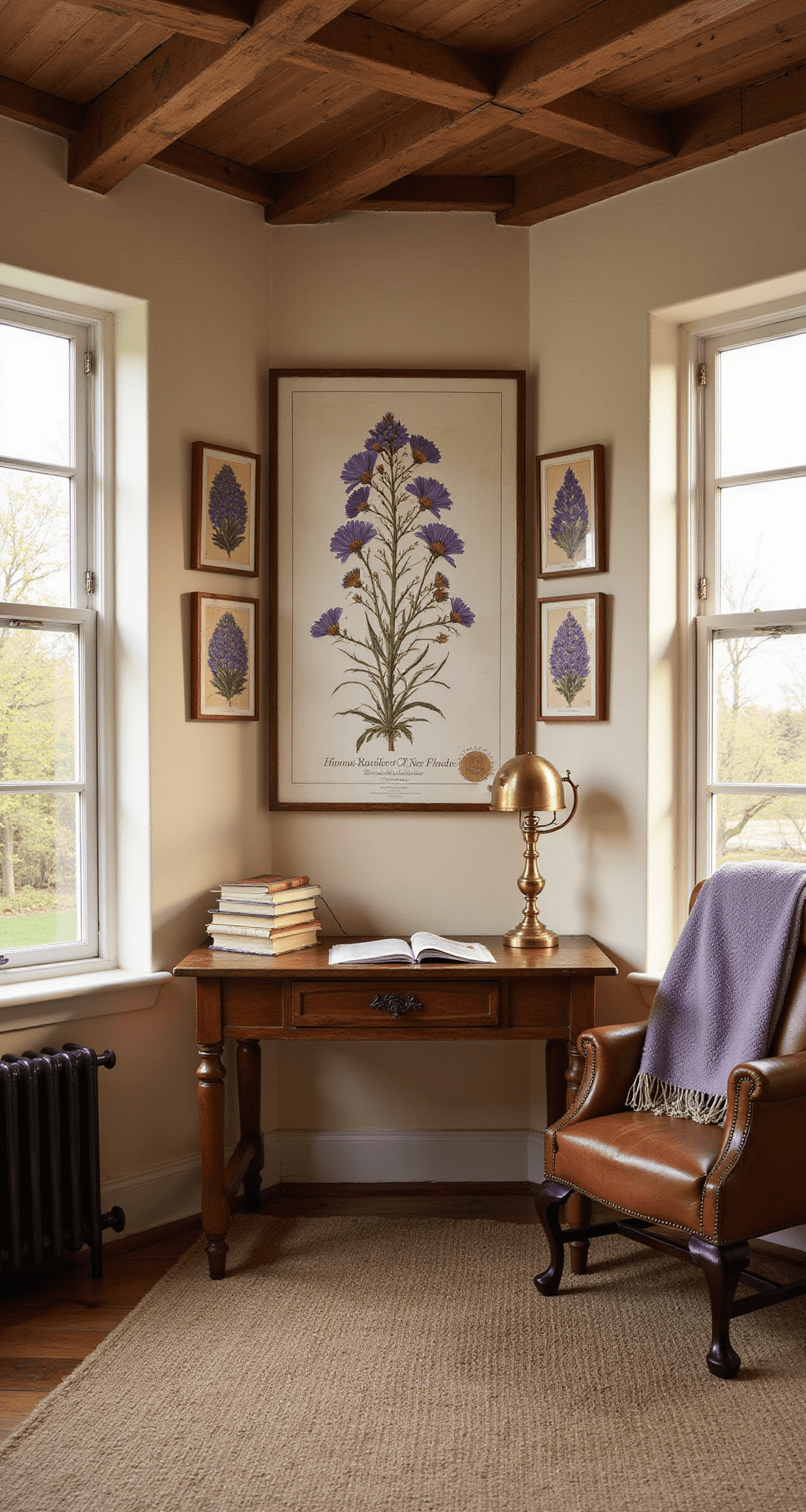
🖼 Steal This Look
- Paint Color: Benjamin Moore Wild Violet 2070-30
- Furniture: A vintage-inspired botanical print storage cabinet with glass-front doors to display pressed wildflower specimens
- Lighting: Adjustable brass-arm pharmacy floor lamp with warm LED for close examination of botanical illustrations
- Materials: Pressed botanical specimens under glass, raw linen textiles, weathered oak, aged brass, matte ceramic with organic glaze variations
There’s something quietly rebellious about finding beauty in what others discard—these persistent purple bloomers teach us that resilience itself can be ornamental, a lesson worth hanging on your walls.
The Extended Purple Flower Weed Roster
More purple-flowering botanical troublemakers include:
- Creeping Bellflower
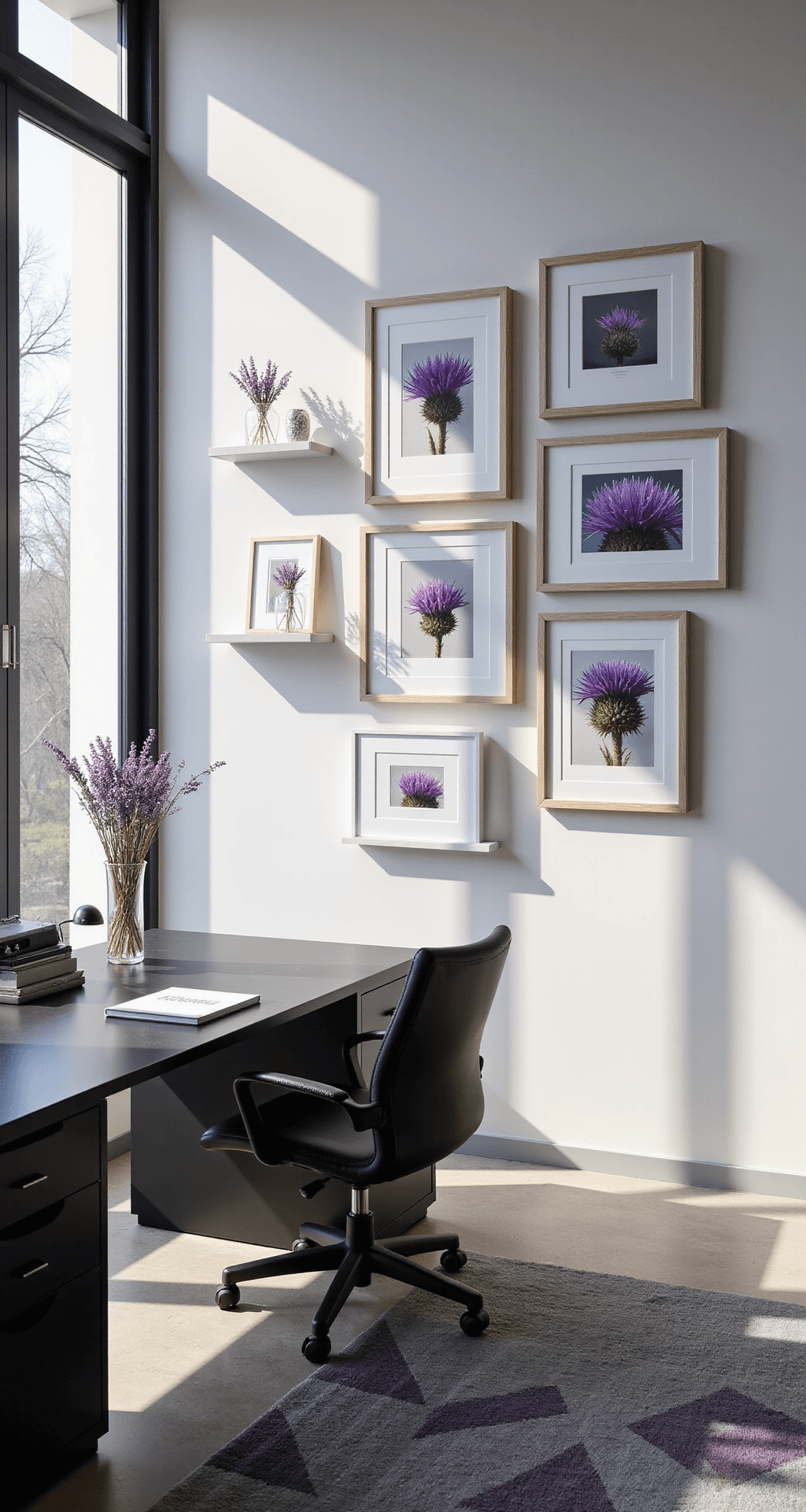
- Various Thistle Species
- Purple Cudweed
- Purple Vetch
- Purple Nutsedge
- Bittersweet Nightshade
- Bugleweed
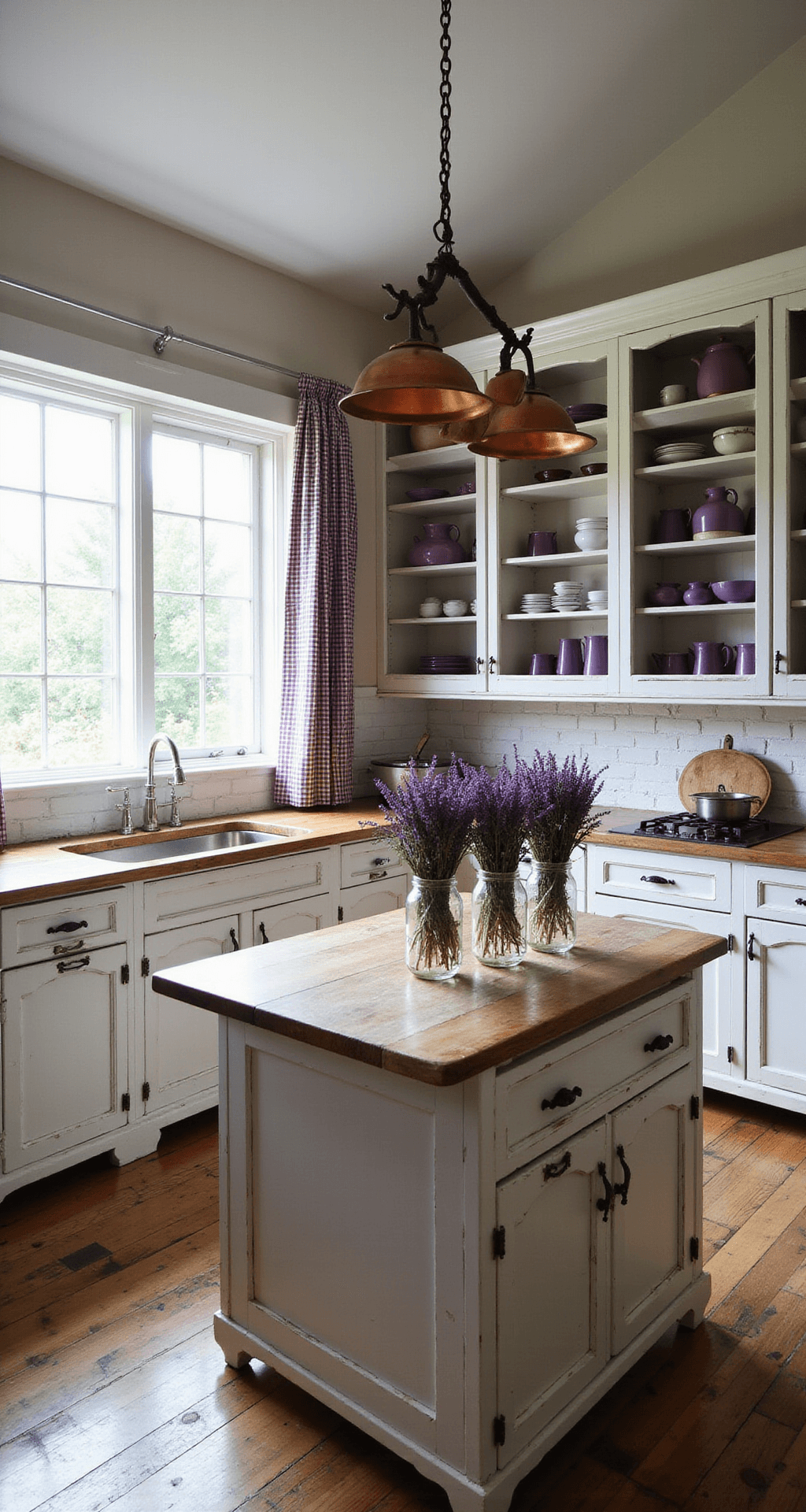
🎨 Steal This Look
- Paint Color: Farrow & Ball Brinjal 222
- Furniture: A tufted velvet settee in deep aubergine with turned walnut legs, paired with a distressed oak farmhouse table featuring visible joinery
- Lighting: A wrought-iron chandelier with hand-blown amethyst glass droplets and candle-style LED bulbs
- Materials: Raw Belgian linen, weathered barn wood, hammered copper, and hand-thrown terracotta with crackle glaze
There’s something wonderfully subversive about celebrating plants we’re taught to eradicate—this approach honors that wild, persistent beauty without the garden maintenance headaches.
Weed Control: Your Battle Plan
Identification is Your First Weapon
Learn to recognize each weed type, understand their growth patterns, and know their seasonal behaviors.
Save this article
Enter your email and we'll send it straight to your inbox.
Tactical Control Strategies
- Pre-Emergent Herbicides
- Apply in fall
- Interrupt weed lifecycle before establishment
- Especially effective against winter annuals
- Selective Herbicide Application
- Target broadleaf weeds specifically
- Combine with robust lawn care practices
- Manual removal for persistent varieties
- Seasonal Targeting
- Focus control efforts during vulnerable growth stages
- Fall treatments most effective for perennial weeds
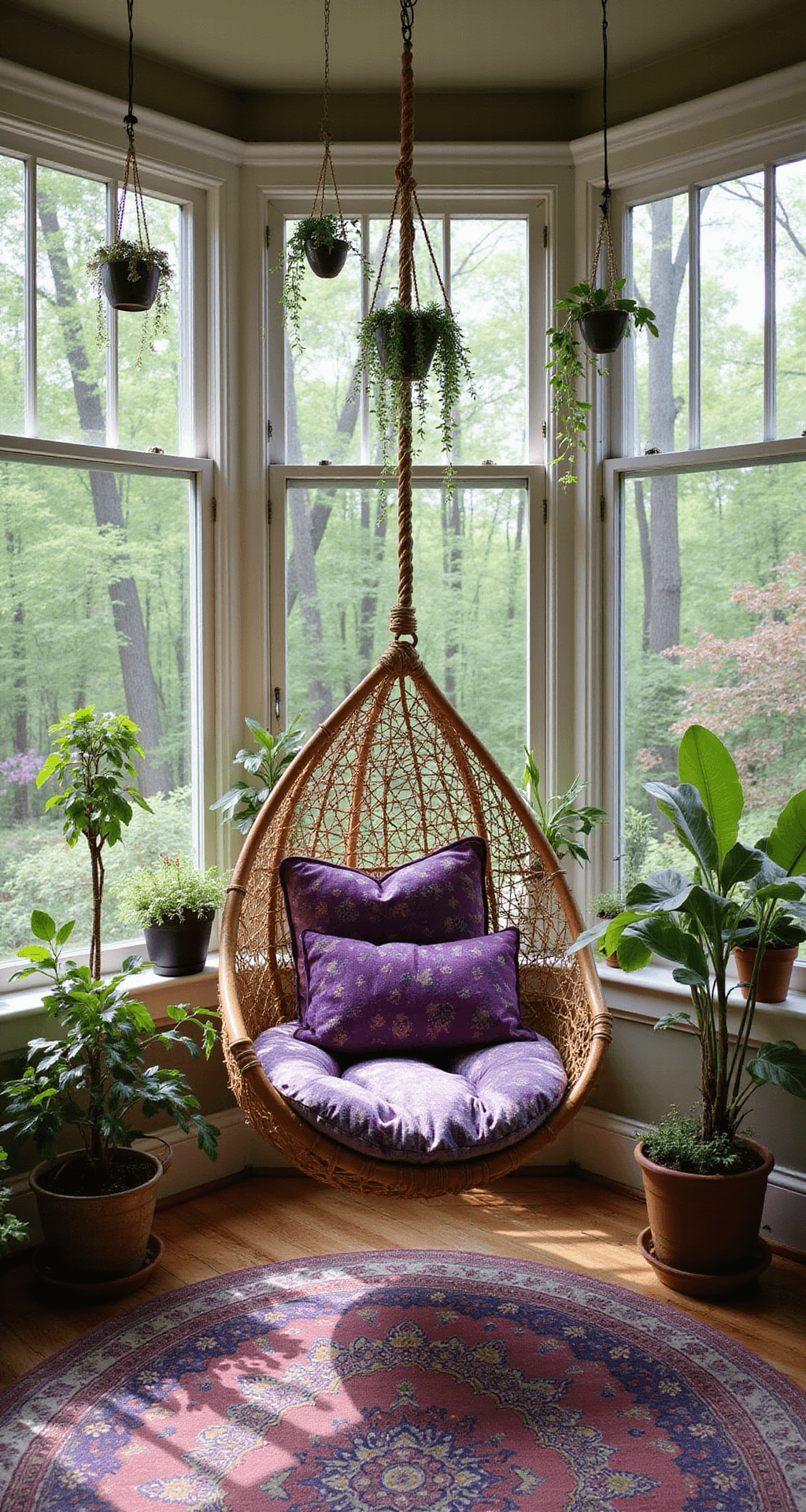
✎ Steal This Look
- Paint Color: Behr Garden Room S-H-720
- Furniture: mudroom-style storage bench with cubbies for garden boots and tool caddies, paired with a galvanized steel potting table
- Lighting: barn-style outdoor-rated pendant with seeded glass over the work zone
- Materials: weathered cedar shiplap, powder-coated steel hardware, concrete countertops, and rubberized anti-fatigue matting
This is the room where your garden victories begin and your muddy defeats get contained—it’s worth making the space feel intentional rather than an afterthought by the back door.
The Ecological Perspective
Not all weeds are pure evil. Some, like wild violets, support local pollinators and add unexpected beauty to your landscape.
When to Keep, When to Remove
- Formal gardens: Immediate removal recommended
- Natural, less manicured spaces: Consider selective tolerance
- Ecological balance matters
Pro Gardener Insight: Sometimes, a perfectly manicured lawn isn’t worth destroying entire ecosystems. Balance is key.
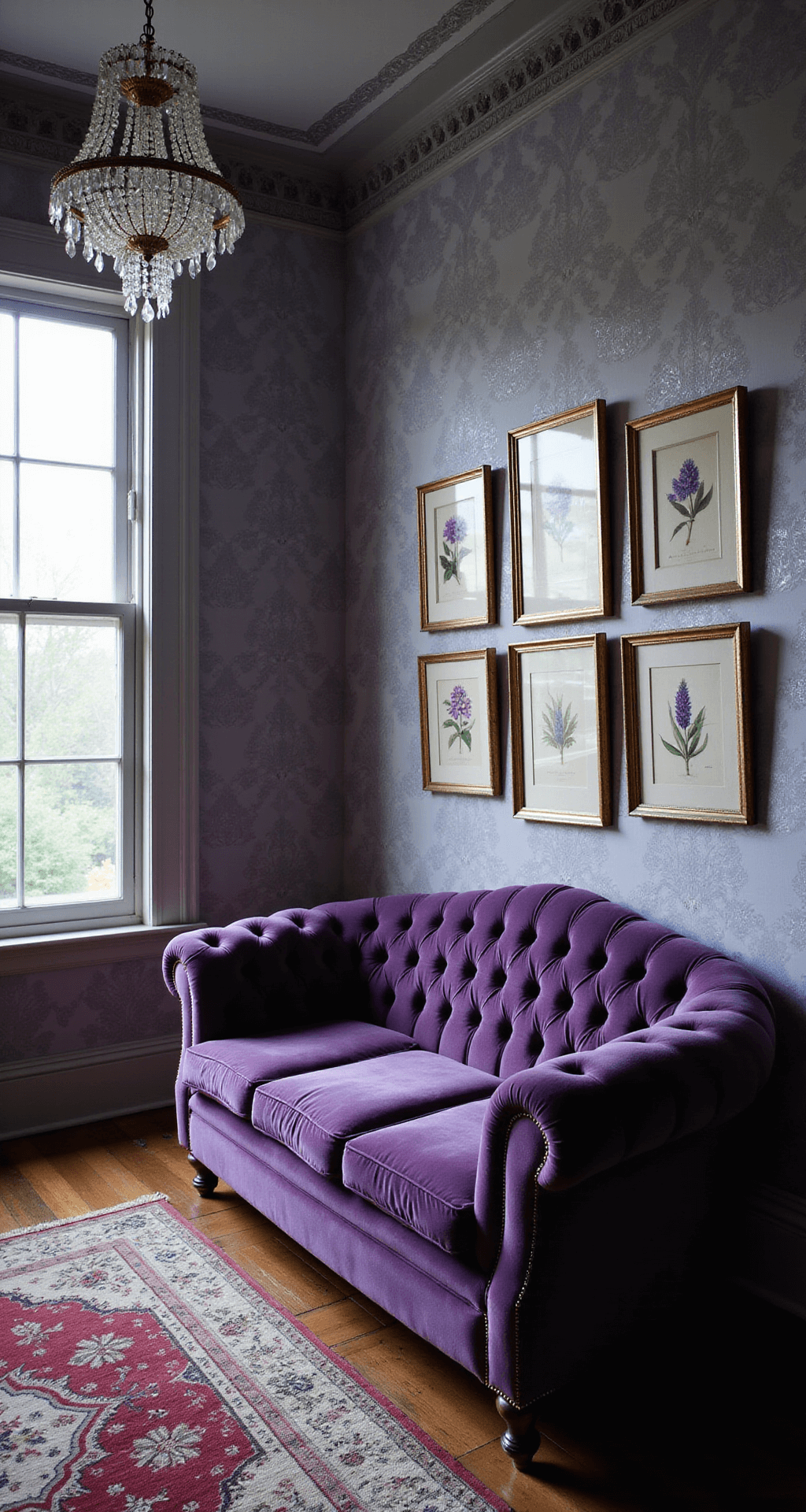
★ Steal This Look
- Paint Color: Valspar Garden Flower Purple 4004-9A
- Furniture: reclaimed barnwood potting bench with galvanized steel top, vintage seed cabinet with glass-front drawers, live-edge walnut console table
- Lighting: antique brass gooseneck task lamp with seeded glass shade, solar-powered Edison bulb string lights
- Materials: raw linen, weathered cedar, terracotta, hammered copper, pressed botanical specimens under glass
This room is for the gardener who finds peace in imperfection—the one who notices the honeybee on the clover before reaching for the weed killer. It’s where your values become visible, where guests understand that your home reflects a life lived with intention rather than control.
Final Thoughts
Purple flower weeds aren’t just random plants – they’re strategic survivors. Understanding their lifecycle helps you manage them effectively.
Your lawn. Your rules. But now, you’re armed with knowledge to make an informed decision.
Happy weeding! 🌿🔍
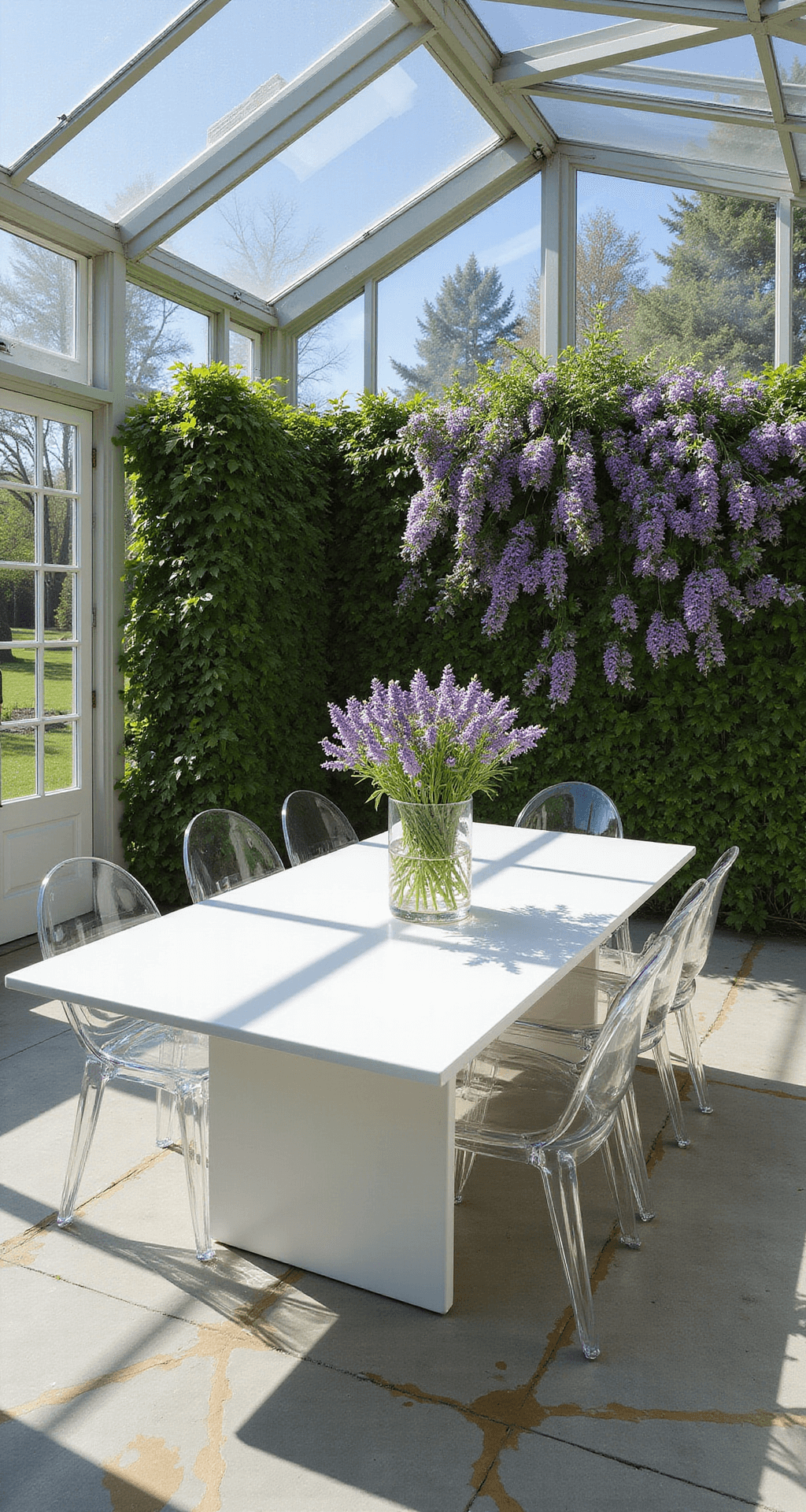
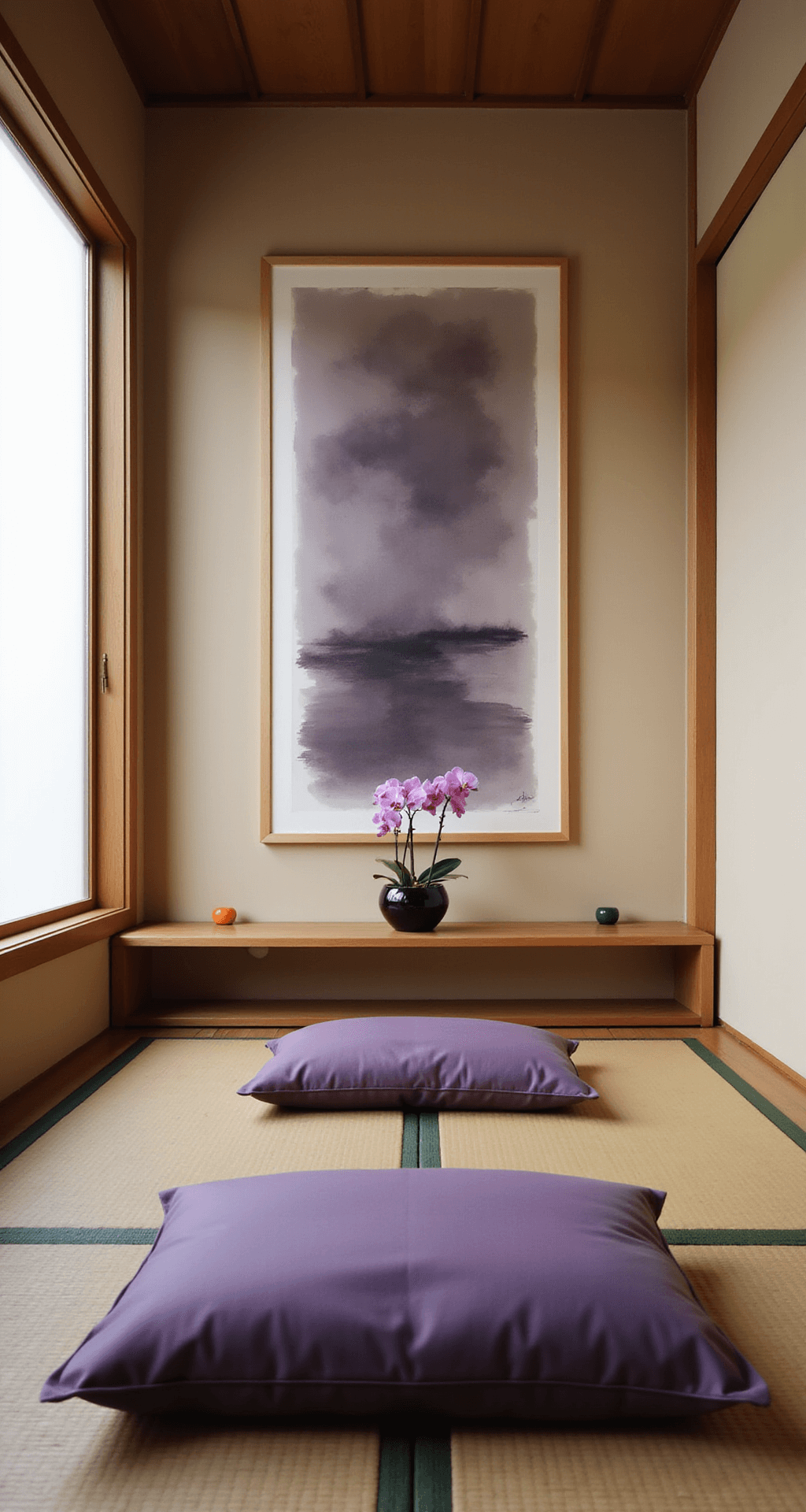
★ Steal This Look
- Paint Color: PPG Cloverdale 10-11-3 Deep Mulberry PPG13-29
- Furniture: weathered teak potting bench with galvanized steel top
- Lighting: industrial gooseneck barn sconce in matte black finish
- Materials: raw linen, reclaimed wood, oxidized metal, terracotta, seeded glass
This is where your expertise finally settles in—after all that research and decision-making about your lawn, you deserve a space that honors the gardener you’ve become, not just the battles you’ve fought.
Want to keep this one?
We'll email you the link so you can find it again later.