This post may contain affiliate links. Please see my disclosure policy for details.
Agapanthus: Transform Your Garden with the Stunning Lily of the Nile
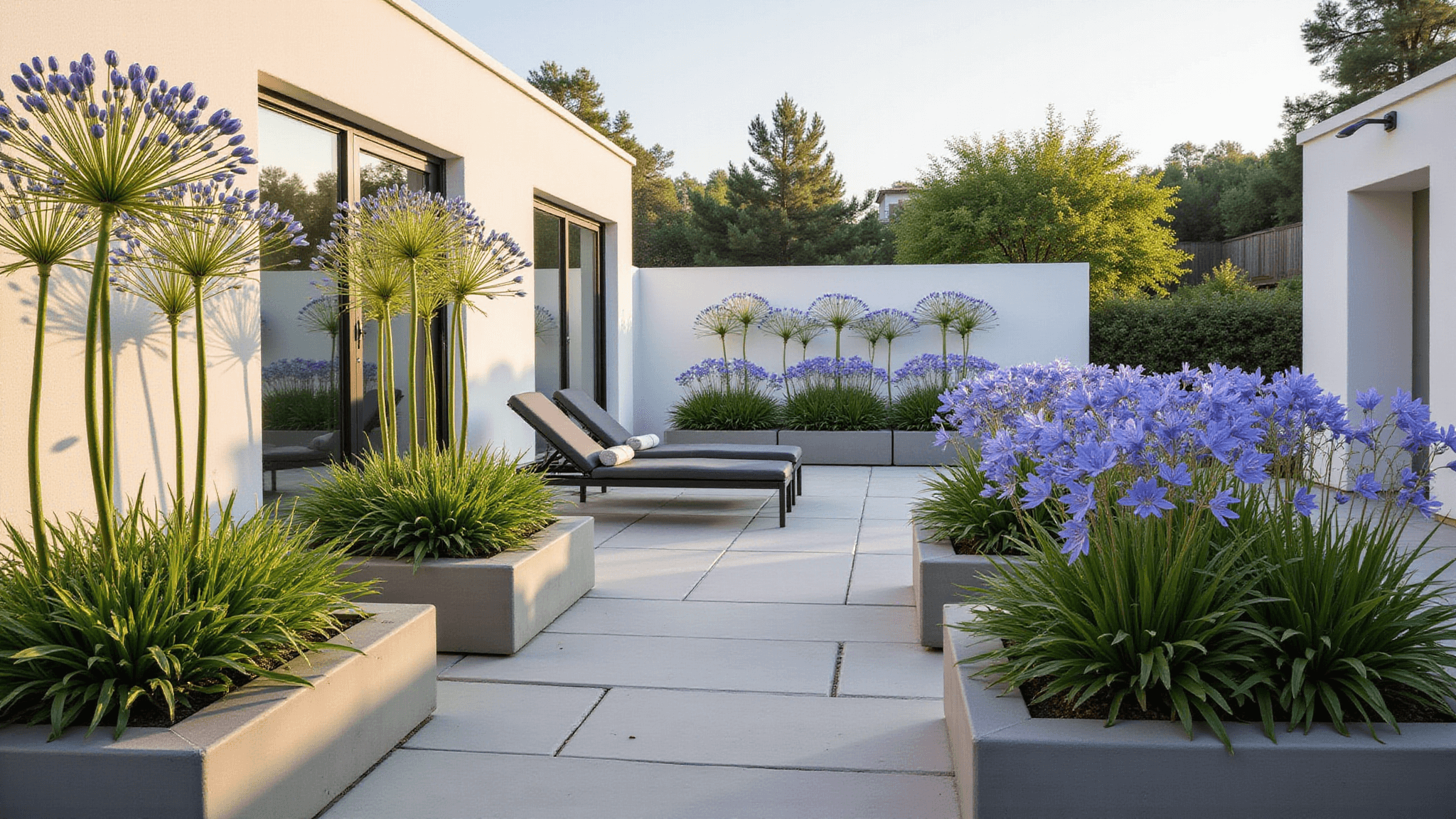
Imagine walking through a garden where elegant blue and white globes of flowers dance above lush green foliage. That’s the magic of agapanthus – a plant that turns ordinary landscapes into extraordinary visual experiences.
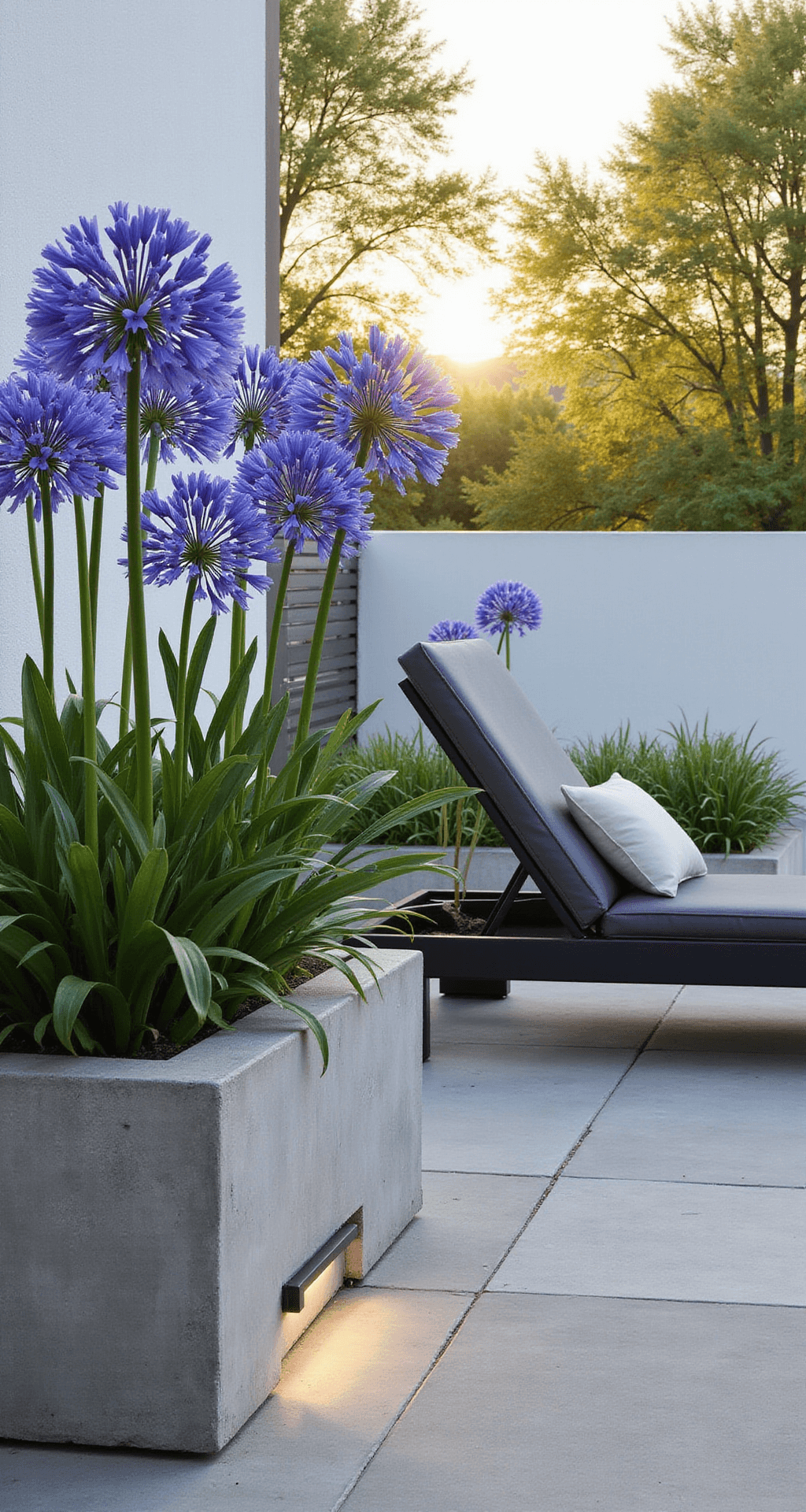
🎨 Steal This Look
- Paint Color: Sherwin-Williams Rookwood Dark Green SW 2806
- Furniture: weathered teak Adirondack chair with wide arms for garden seating
- Lighting: solar-powered copper path lights with warm 2700K output
- Materials: crushed limestone gravel pathways, corten steel edging, and aged terracotta planters
There’s something quietly triumphant about that first agapanthus bloom in early summer—after months of patient green foliage, those spherical bursts of color feel like the garden’s own celebration.
Why Agapanthus is a Garden Game-Changer
Let’s cut to the chase about why these flowers are absolute rockstars in garden design:
Perfect for Every Garden Style
- Contemporary minimalist landscapes
- Cottage garden charm
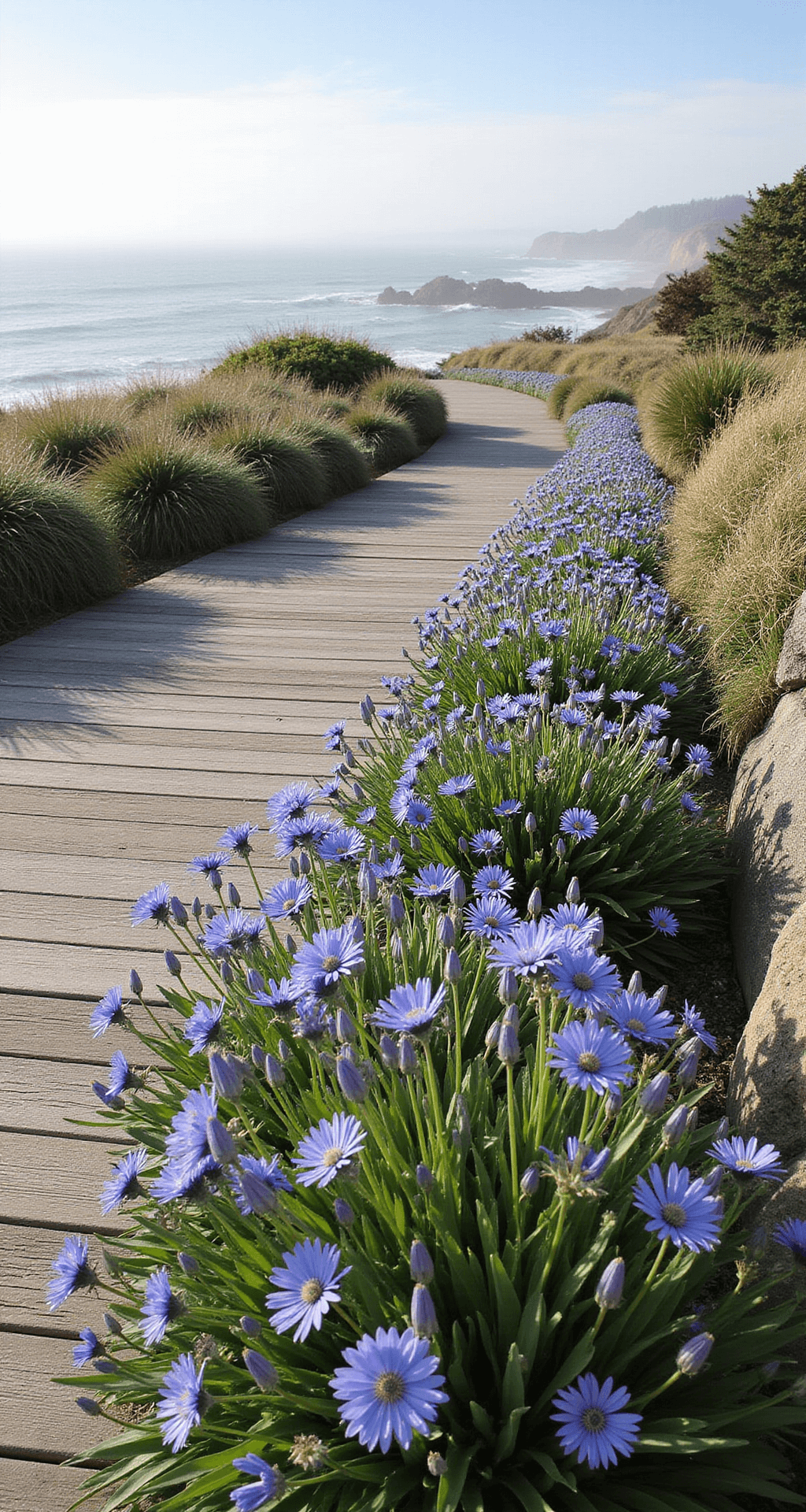
- Coastal garden settings
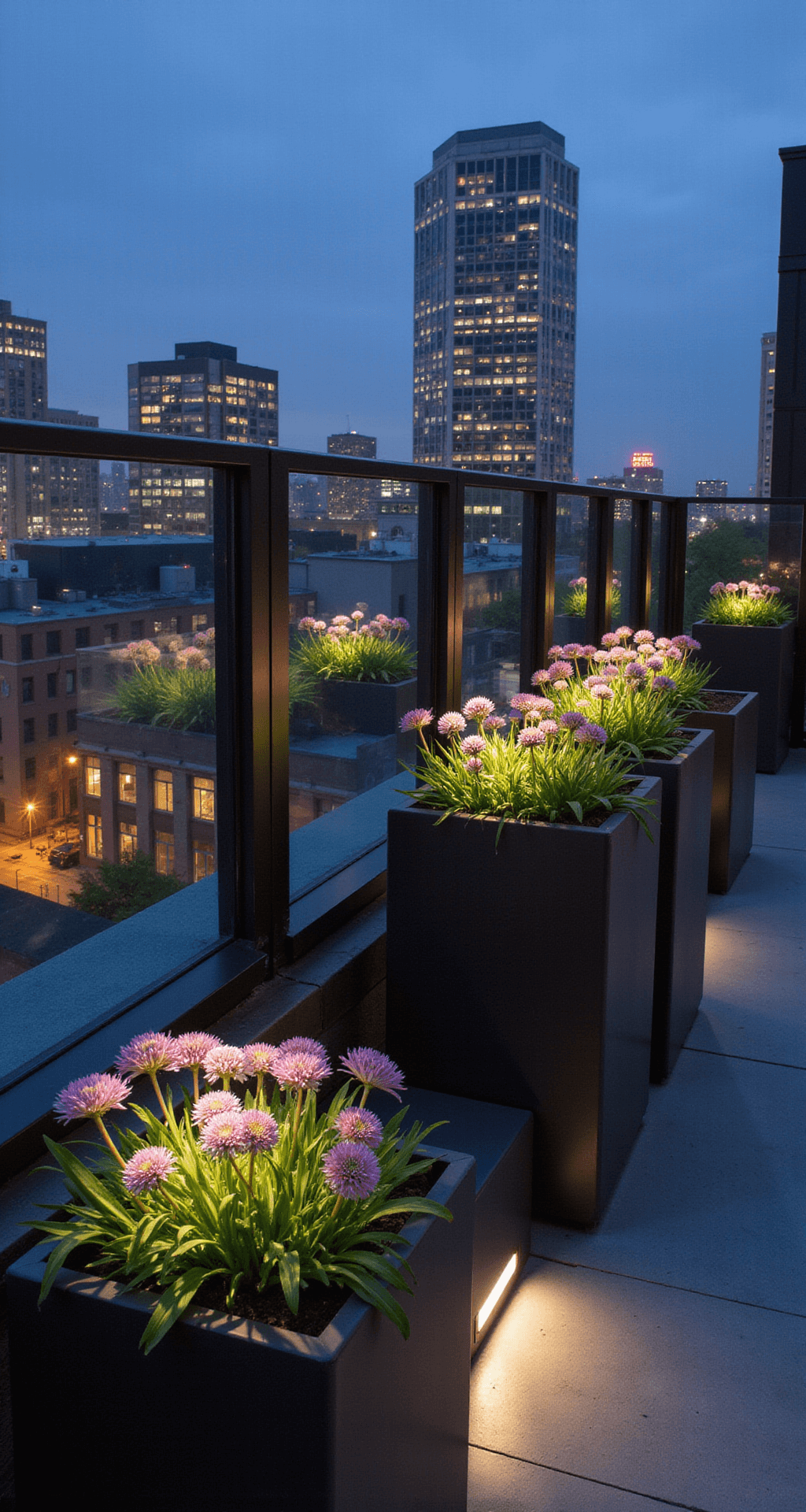
- Urban container gardens
Jaw-Dropping Visual Impact
Agapanthus doesn’t just sit in your garden – it commands attention. With flower heads that look like celestial explosions, these plants create instant drama wherever they’re planted.
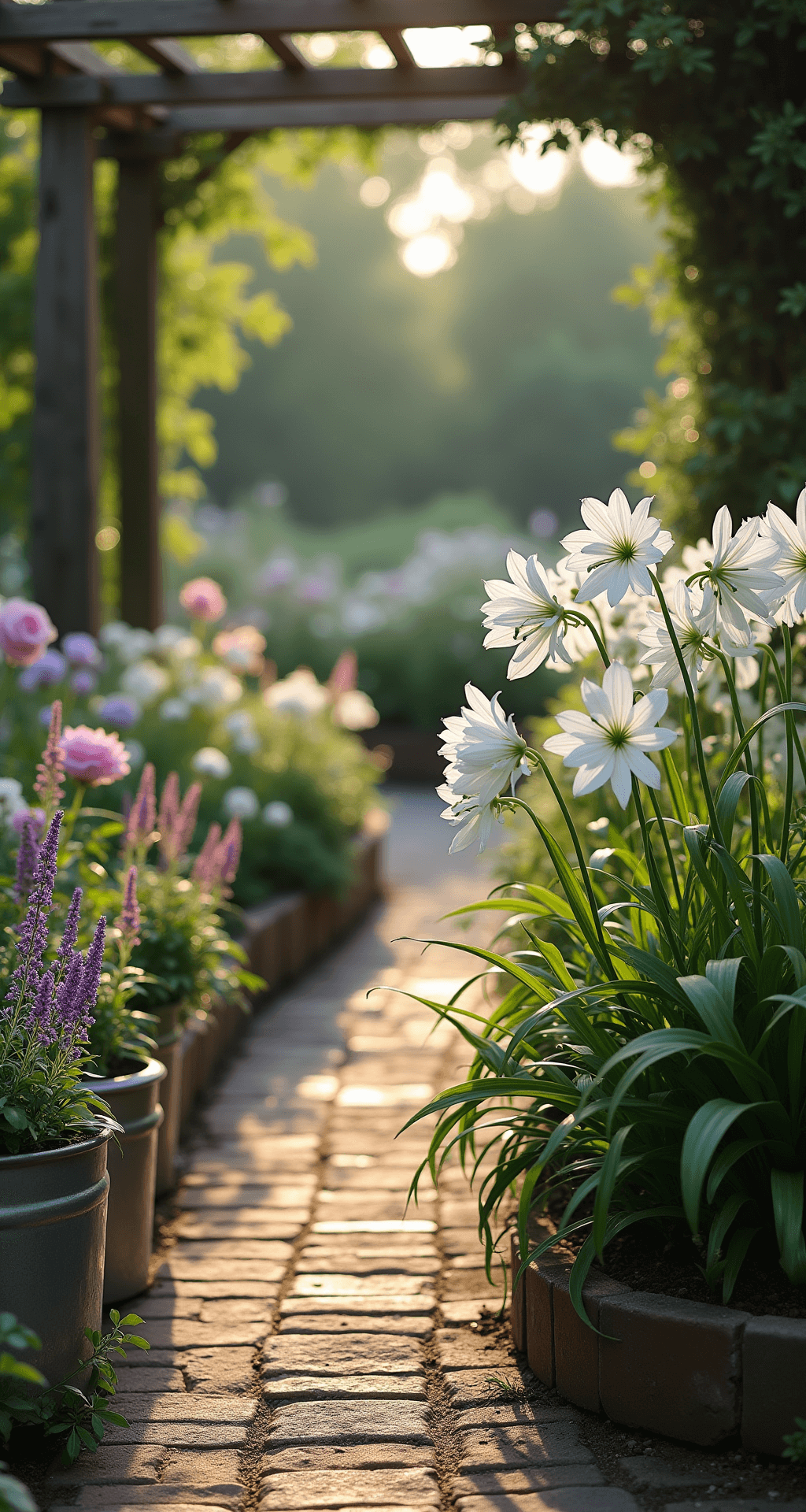
★ Steal This Look
- Paint Color: Benjamin Moore Garden Cucumber HOLLANDLAC BRILLIANT
- Furniture: Weathered teak Adirondack chair with slatted back for garden seating
- Lighting: Hammered copper path lights with warm 2700K LED
- Materials: Corten steel planters, crushed oyster shell pathways, reclaimed barn wood edging
There’s something almost arrogant about how little agapanthus demands while delivering so much—I’ve watched clients fall in love with gardening again after these bloomed, realizing high impact doesn’t require high maintenance.
Growing Agapanthus: The Essential Playbook
Sunlight and Soil: The Dream Team
Sunlight Preferences:
- Full sun in cooler regions
- Partial shade in hot climates
- Minimum 6 hours direct sunlight daily
Soil Requirements:
- Well-draining soil is non-negotiable
- Slightly acidic to neutral pH (6.0-7.5)
- Rich in organic matter
Water and Care: Keep It Simple
- Water deeply but infrequently
- Allow soil to dry between waterings
- Fertilize lightly in spring
- Mulch to retain moisture
💡 Steal This Look
- Paint Color: Farrow & Ball Green Smoke 47
- Furniture: weathered teak potting bench with zinc top for workspace and storage
- Lighting: solar-powered festoon string lights draped between pergola posts
- Materials: terracotta, aged limestone, woven willow, and galvanized metal
There’s something deeply satisfying about watching agapanthus return each year with minimal fuss—this is the plant that forgives your busy schedule and still delivers that coveted cottage-garden drama when July arrives.
Variety Spotlight: Agapanthus All-Stars
Compact Champions
- ‘Peter Pan’
- Dwarf variety
- Deep blue flowers
- Perfect for containers
- Reaches only 18 inches tall
- Little Galaxy
- Cold-hardy to Zone 6
- Compact growth
- Ideal for smaller gardens
Save this article
Enter your email and we'll send it straight to your inbox.
Showstopper Varieties
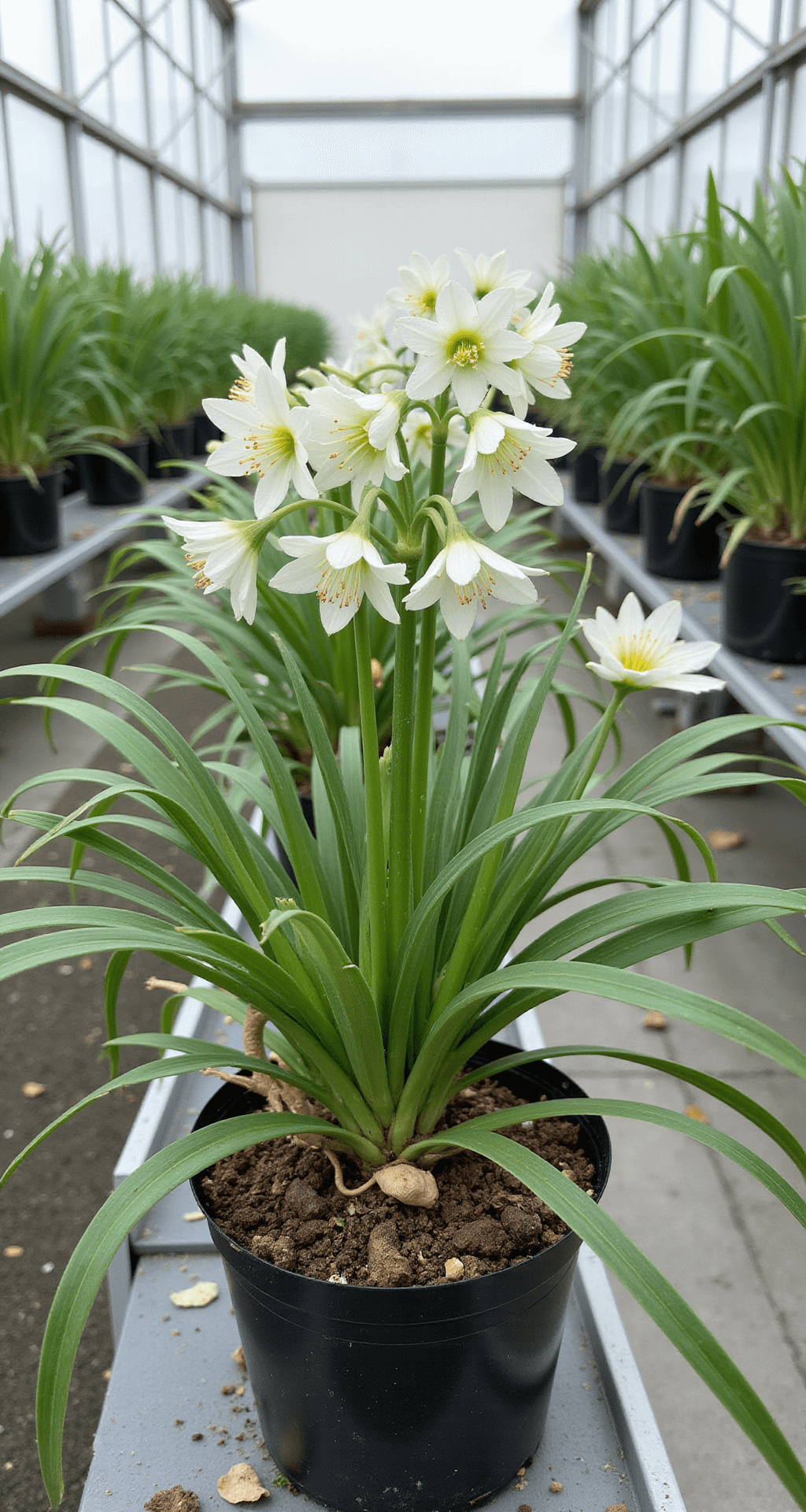
- ‘Albus’: Stunning white flowers
- ‘Storm Cloud’: Rich blue blooms
- Ever Sapphire™: Semi-dwarf with incredible blue flowers
🌟 Steal This Look
- Paint Color: Behr Deep Indigo PPU15-20
- Furniture: weathered teak potting bench with galvanized steel top
- Lighting: solar-powered copper stake lights with seeded glass globes
- Materials: aged terracotta, brushed zinc planters, river stone mulch, woven willow baskets
There’s something quietly satisfying about curating a container garden where every variety earns its place, and these agapanthus all-stars reward that intention with months of reliable bloom even in the smallest courtyard or balcony.
Design Strategies: Where to Plant Agapanthus
Border Brilliance
- Create dramatic garden edges
- Mass plant for maximum visual impact
- Mix with ornamental grasses
- Use as background for shorter perennials
Container Magic
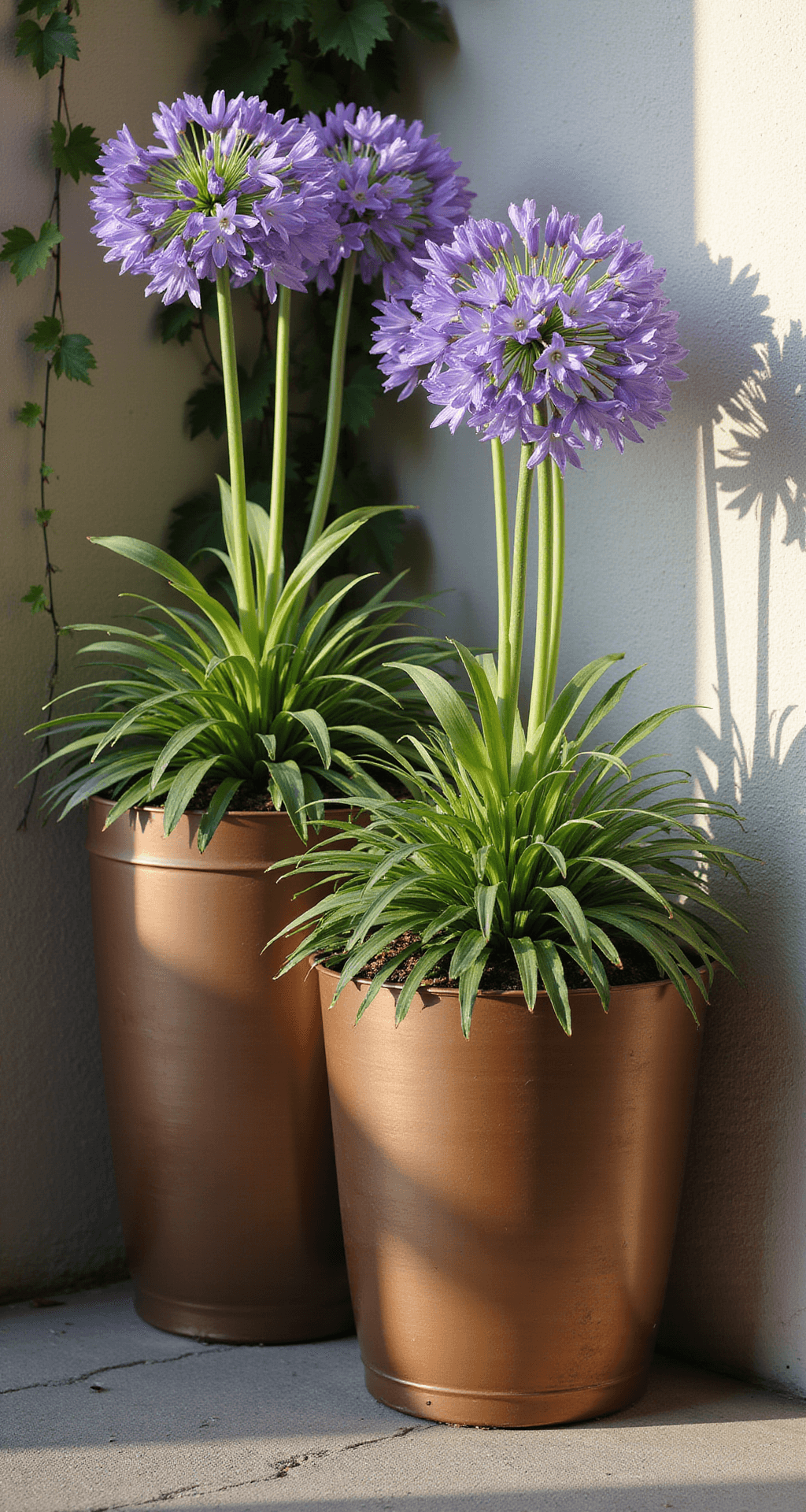
- Thriller plant in mixed containers
- Standalone statement in large pots
- Move indoors during winter in cold regions
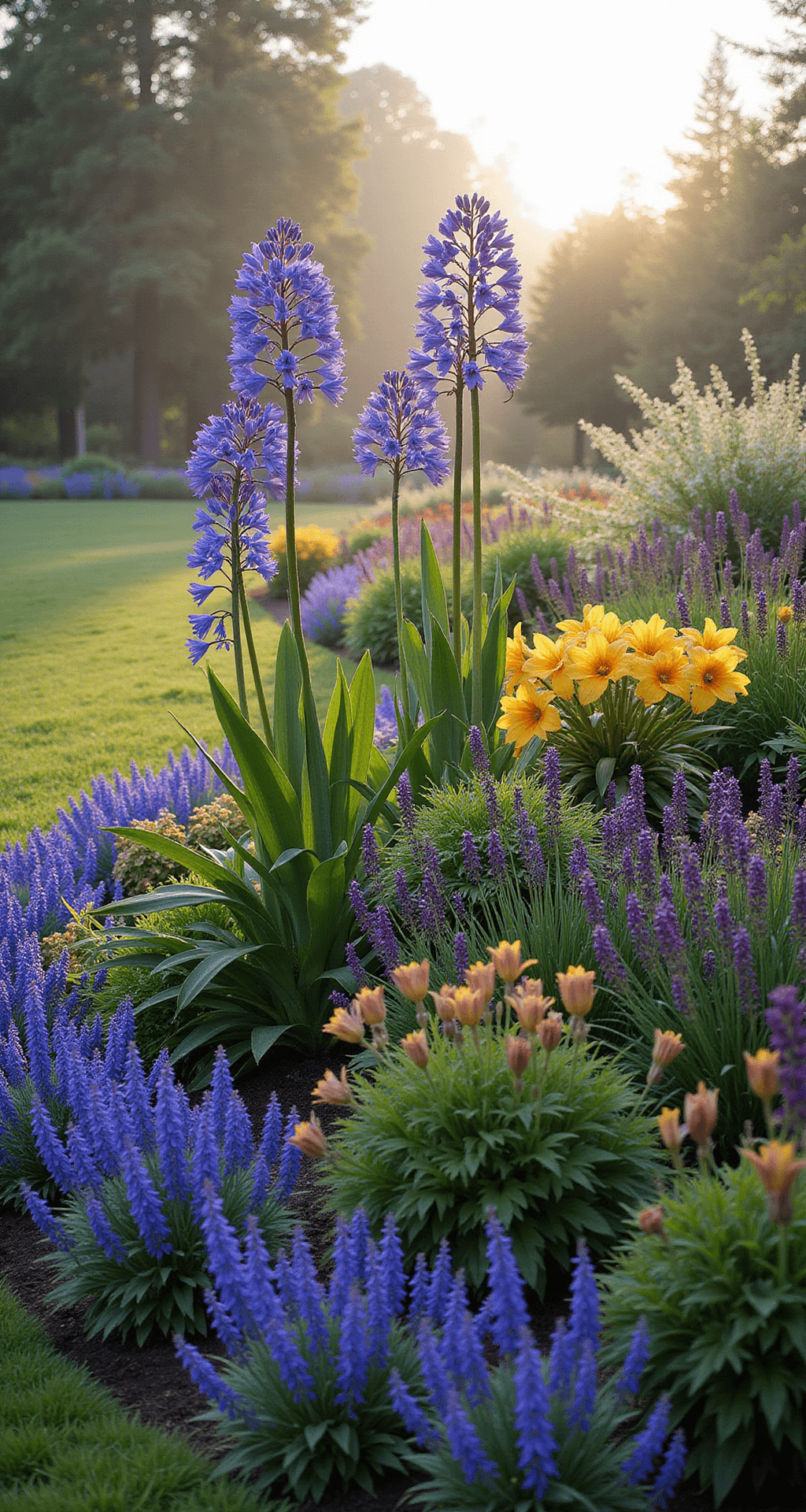
Companion Planting Secrets
Perfect Plant Partners:
- Iris
- Daylilies
- Ornamental grasses
- Lavender
- Salvia
✎ Steal This Look
- Paint Color: Valspar Garden Path 6003-6C
- Furniture: weathered teak garden bench with curved backrest positioned at border edge for viewing
- Lighting: low-voltage brass path lights with frosted glass domes staggered along agapanthus borders
- Materials: crushed limestone gravel pathways, corten steel edging strips, reclaimed brick paver accents, untreated cedar raised beds
There’s something deeply satisfying about watching agapanthus return each summer with zero fuss—these are the workhorses that let you actually enjoy your garden instead of constantly maintaining it.
Pro Tips for Agapanthus Success
Maintenance Hacks
- Divide every 4-5 years
- Prune after flowering
- Watch for overcrowding
- Remove spent flower heads
Potential Challenges
- Protect from severe frost
- Watch for root rot in poorly drained soil
- Monitor for spider mites and aphids
🖼 Steal This Look
- Paint Color: PPG Garden Green PPG1132-6
- Furniture: weathered teak potting bench with zinc top for workspace
- Lighting: solar-powered LED garden stake lights with warm 2700K output
- Materials: unglazed terracotta, aged copper, untreated cedar, crushed gravel pathways
There’s something quietly triumphant about that first agapanthus bloom in late June, especially when you’ve nursed the same clump through a dicey winter—this is the room where patience literally pays dividends in color.
Final Thoughts: Your Garden’s New Best Friend
Agapanthus isn’t just a plant – it’s a landscape transformer. Whether you’re a seasoned gardener or a weekend warrior, these stunning flowers will elevate your outdoor space from mundane to magnificent.
Pro Tip: Start with 3-5 plants and watch your garden come alive with color, structure, and pure botanical drama!
💡 Steal This Look
- Paint Color: Dunn-Edwards Gardenia DEW380
- Furniture: weathered teak Adirondack chair with slatted back for garden seating areas
- Lighting: solar-powered brass path lights with seeded glass shades
- Materials: natural limestone pavers, aged corten steel planters, and untreated cedar mulch
There’s something deeply satisfying about watching those tight green buds burst into spherical fireworks of blue or white each summer—it’s the garden equivalent of uncorking champagne.
✅ Get The Look
Want to keep this one?
We'll email you the link so you can find it again later.