This post may contain affiliate links. Please see my disclosure policy for details.
Hey there, garden enthusiasts!
Ready to turn your outdoor space into a jaw-dropping landscape that looks like it’s been sculpted by nature itself? Let’s dive into the world of boulder landscaping – where massive rocks become the superheroes of garden design.
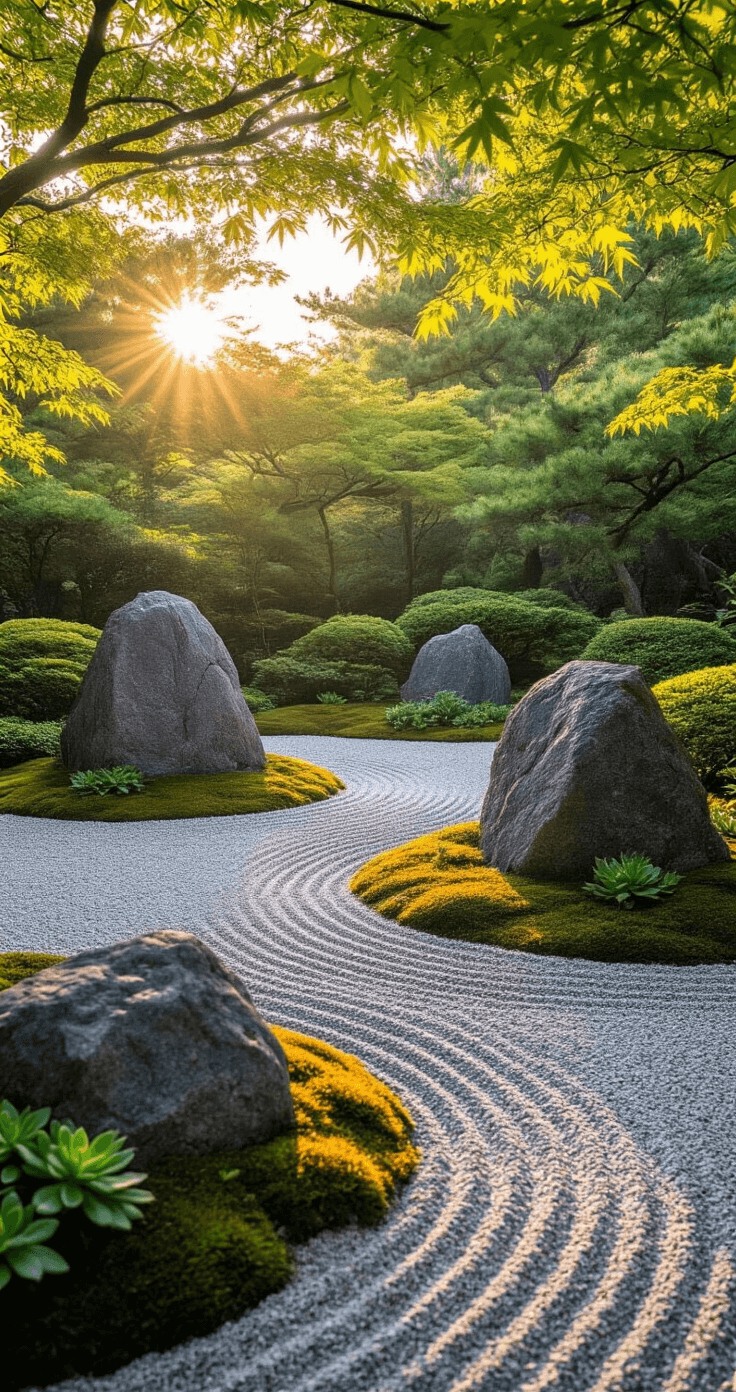
💡 Steal This Look
- Paint Color: Sherwin-Williams Garden Sage SW 6168
- Furniture: weathered teak Adirondack chairs with wide armrests for holding drinks
- Lighting: low-voltage LED boulder lights that nestle against rock bases
- Materials: rough-hewn flagstone, river rock mulch, moss-covered granite boulders, corten steel edging
There’s something deeply grounding about running your hand over sun-warmed granite that no concrete paver can replicate—this is the room where you remember you’re part of a much older landscape.
Why Boulders? They’re Not Just Big Rocks!
Ever looked at a garden and thought, “Wow, something magical is happening here”? Chances are, boulders are doing their silent, show-stopping work. These natural giants aren’t just decorative – they’re landscape transformers.
What Makes Boulders Garden Game-Changers:
- Instant Drama: One well-placed boulder can create more visual impact than a dozen plants
- Timeless Aesthetic: They look like they’ve been there forever (even in brand new gardens)
- Low Maintenance: No watering, no pruning, just pure geological awesomeness
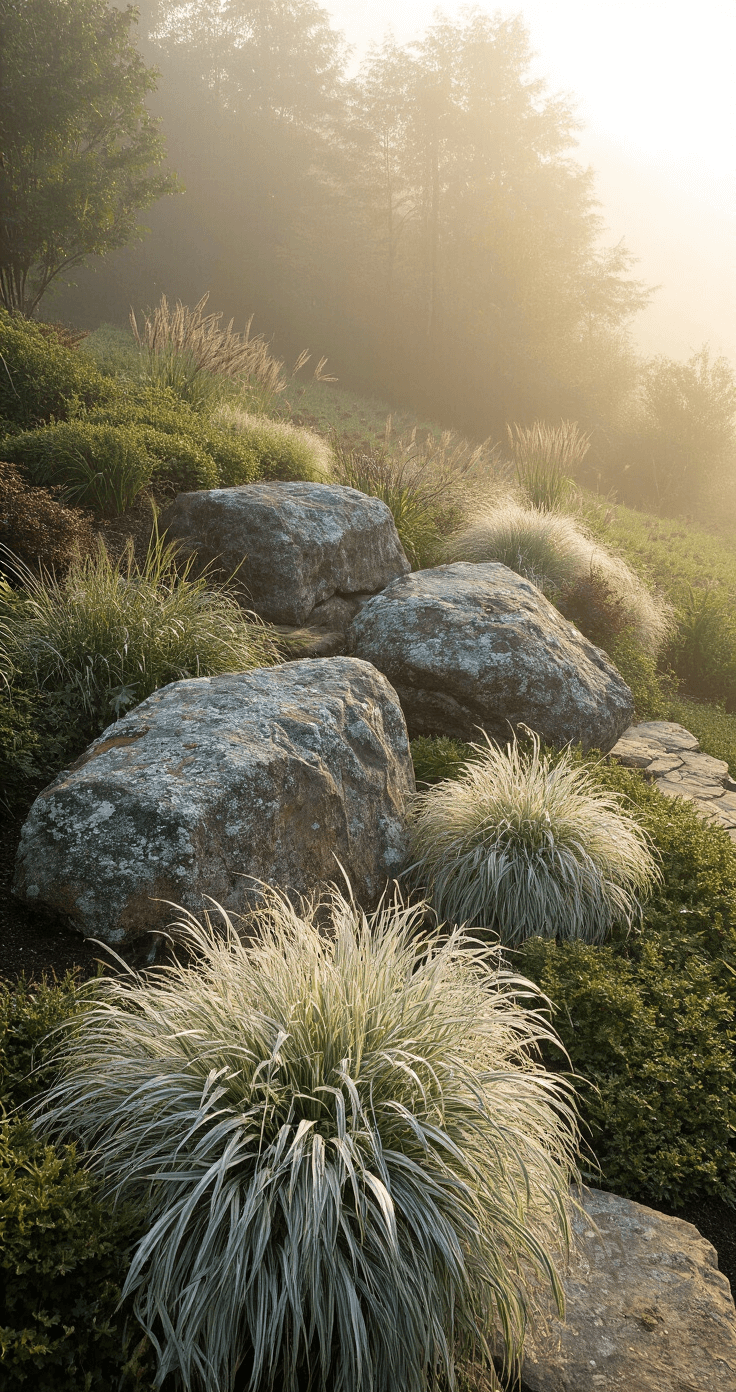
🌟 Steal This Look
- Paint Color: Benjamin Moore Sage Tint 458
- Furniture: weathered teak Adirondack chair with wide arms for garden viewing
- Lighting: low-voltage LED well lights for uplighting boulder features
- Materials: dry-stacked fieldstone, crushed granite pathways, moss-covered limestone
There’s something deeply grounding about designing with boulders—they force you to slow down and work with permanence rather than chasing seasonal trends.
Boulder Placement: The Art of Looking Naturally Unnatural
Pro tip: Nature doesn’t line up rocks in perfect rows. Your boulder strategy should mimic natural landscapes.
Top Placement Techniques:
- Group 2-3 boulders of varying sizes
- Partially bury rocks to look embedded
- Mix with native grasses and plants
- Create visual “weight” in different garden zones
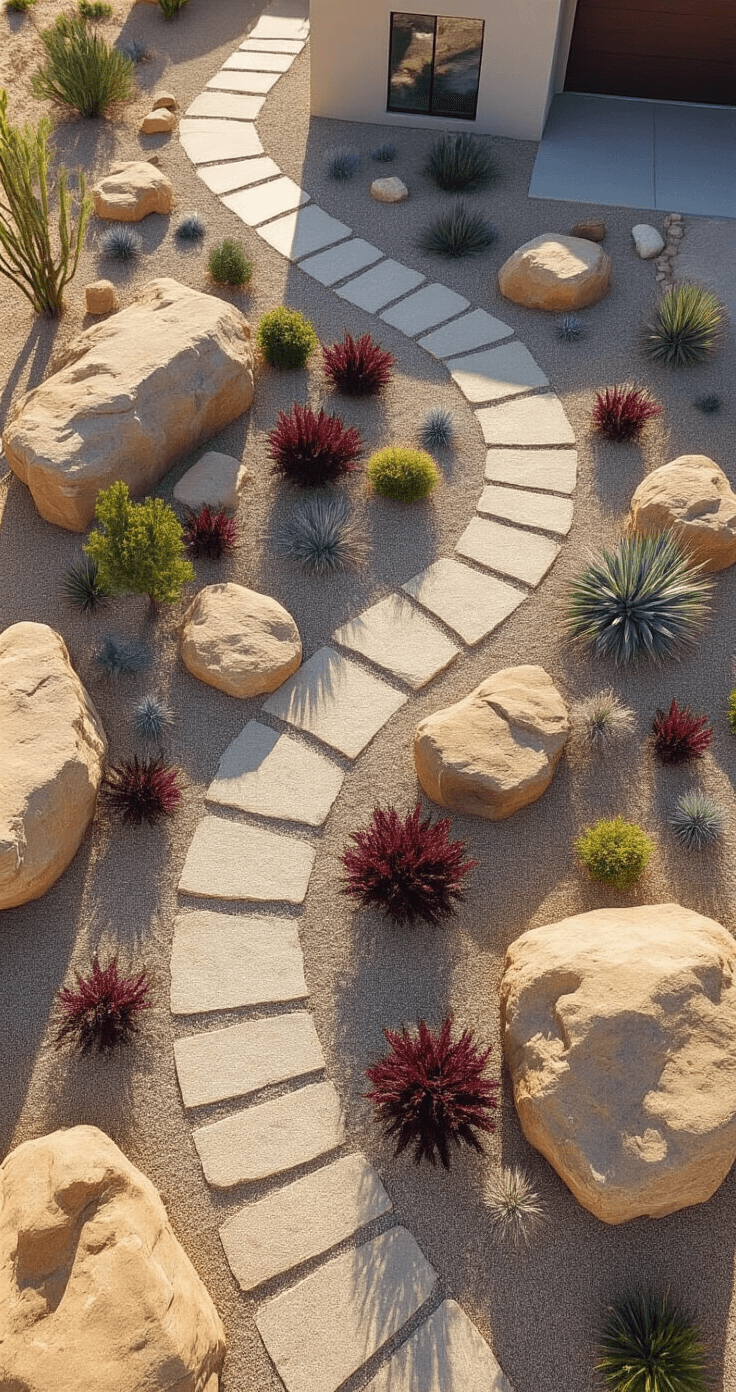
🌟 Steal This Look
- Paint Color: Farrow & Ball Lichen 19
- Furniture: weathered teak Adirondack chair with wide arms
- Lighting: bronze bollard path lights with frosted glass
- Materials: rough-hewn limestone gravel, native prairie grasses, moss-covered fieldstone
There’s something deeply satisfying about a boulder that looks like it grew there overnight—this is the garden moment that stops guests mid-step and makes them ask how long you’ve lived with the land.
✓ Get The Look
Design Inspirations That’ll Make Your Neighbors Jealous
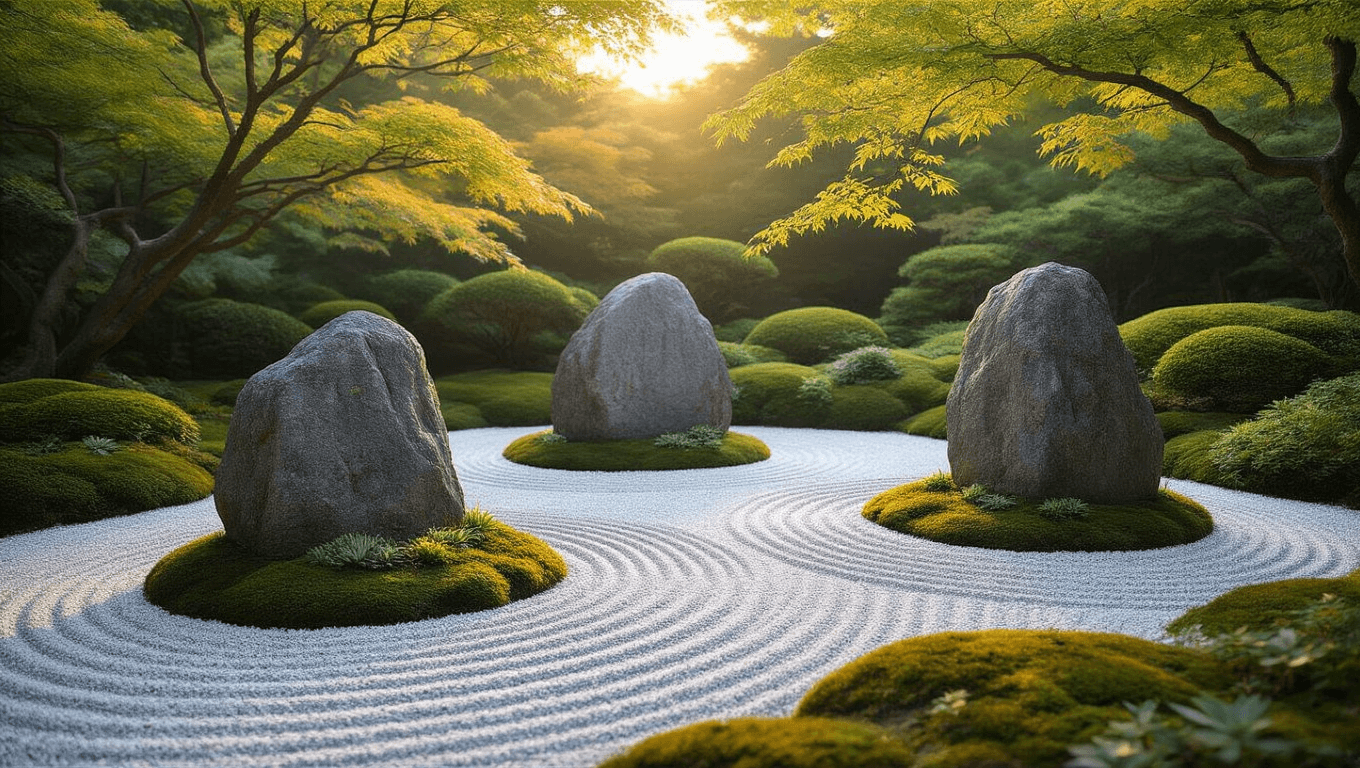
Rock Garden Zen
- Use gravel underlays
- Incorporate native succulents
- Create multilevel textures
Dramatic Border Solutions
- Define garden edges
- Control erosion
- Add architectural structure
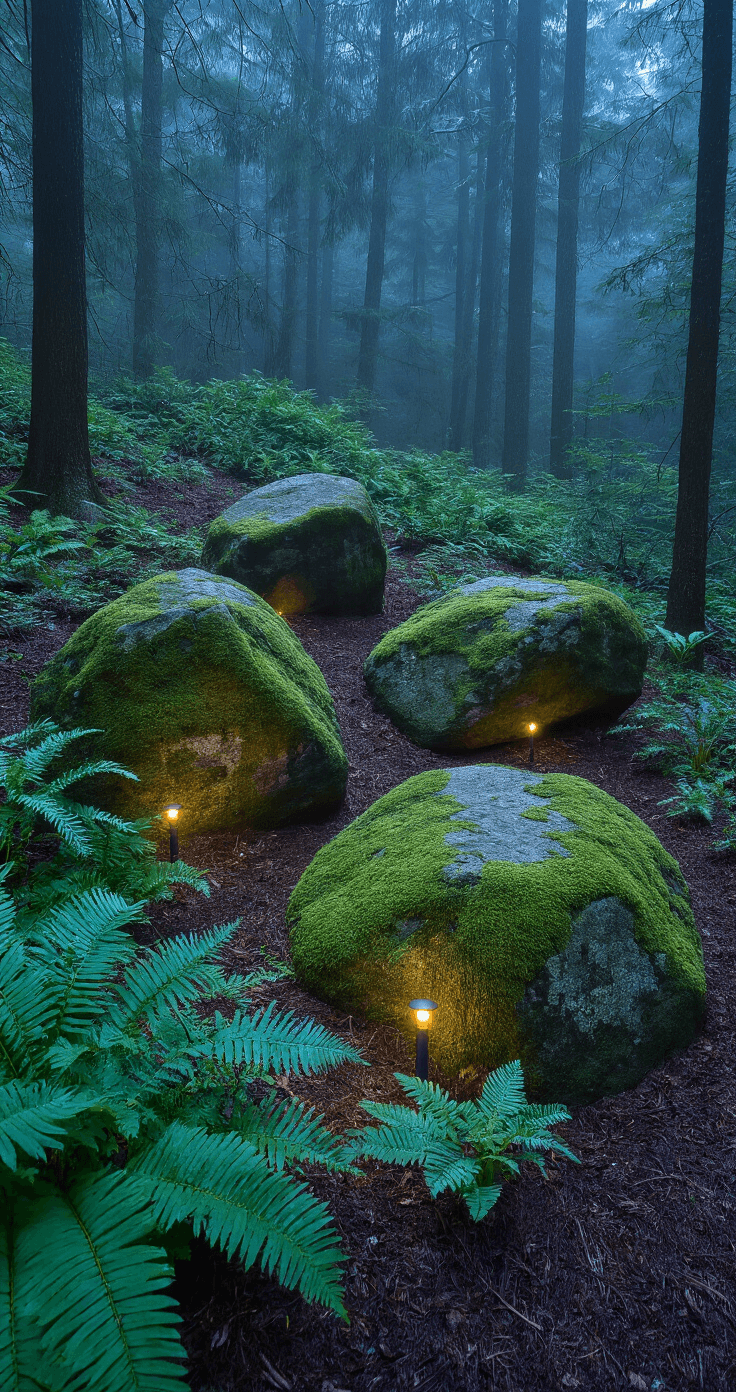
★ Steal This Look
- Paint Color: Behr Sage Gray PPU11-17
- Furniture: weathered teak meditation bench with low profile
- Lighting: solar-powered boulder-integrated LED uplights
- Materials: decomposed granite, drought-tolerant sedum, reclaimed basalt columns, rusted corten steel edging
This is the garden that finally justifies canceling weekend plans—there’s something deeply satisfying about raking gravel patterns while the rest of the world rushes past.
Choosing Your Boulder Buddies
Not all rocks are created equal. Here’s what to look for:
Save this article
Enter your email and we'll send it straight to your inbox.
Stone Selection Checklist:
- Local stone types
- Complementary colors
- Varied shapes and sizes
- Geological harmony with your region
Pro Warning: Avoid these Boulder Blunders!
- ❌ Single, lonely boulder sitting awkwardly
- ❌ Rocks that look “placed” instead of “grown”
- ❌ Ignoring your landscape’s natural flow
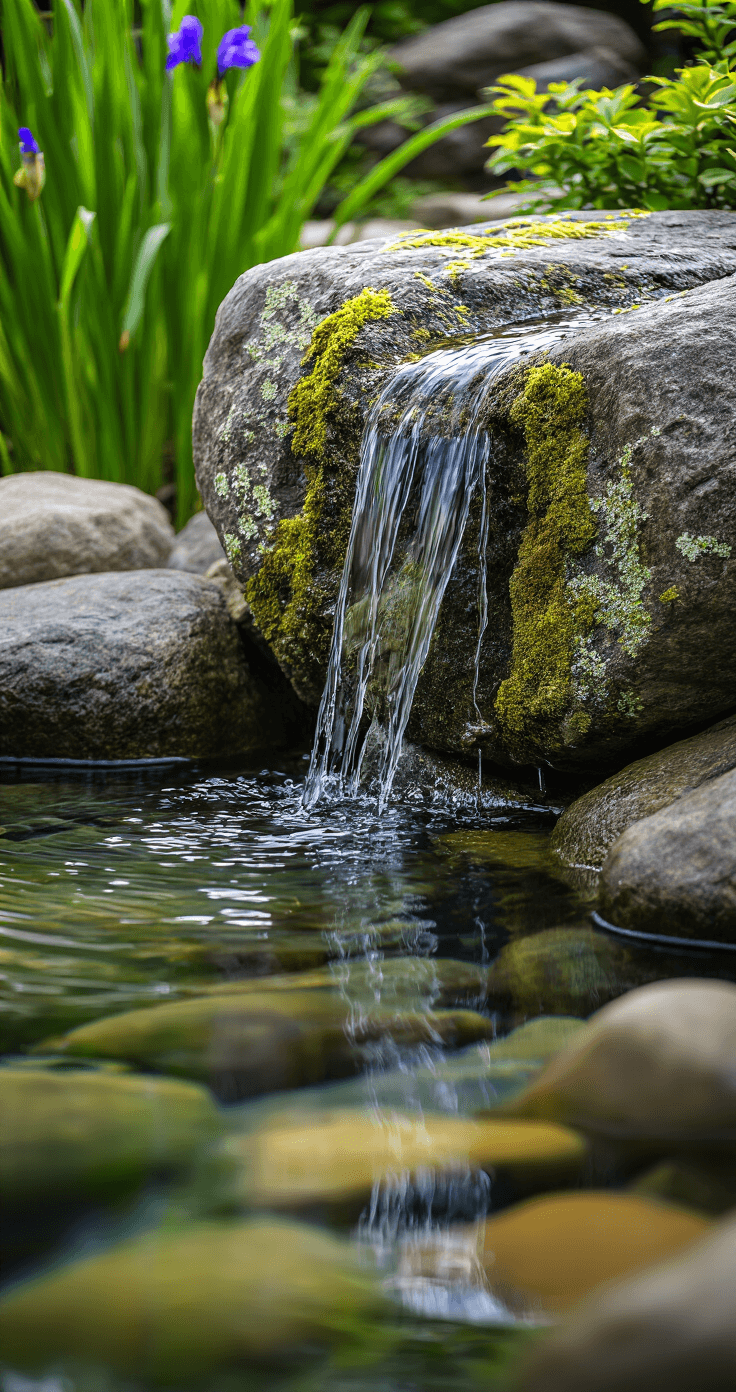
🌟 Steal This Look
- Paint Color: Valspar Garden Stone 5002-3B
- Furniture: weathered teak Adirondack chair with natural gray patina
- Lighting: low-voltage LED well lights with bronze finish for uplighting boulders
- Materials: moss-covered fieldstone, crushed granite pathways, untreated cedar mulch, native ornamental grasses
There’s something deeply satisfying about walking a stone yard and finding that one boulder that just speaks to you—trust your eye for character over polish, and remember that the best rock gardens feel discovered, not decorated.
Installation: DIY or Call the Pros?
Let’s be real. These are HEAVY. Unless you’ve got superhuman strength, consider professional installation. Trust me, your back will thank you.
Budget-Friendly Boulder Tips:
- Source locally
- Check landscape supply yards
- Look for seasonal sales
- Consider smaller sizes for big impact
Real-World Cost Insight
- Small boulders: $50-$100
- Medium boulders: $100-$300
- Large statement pieces: $300-$1000
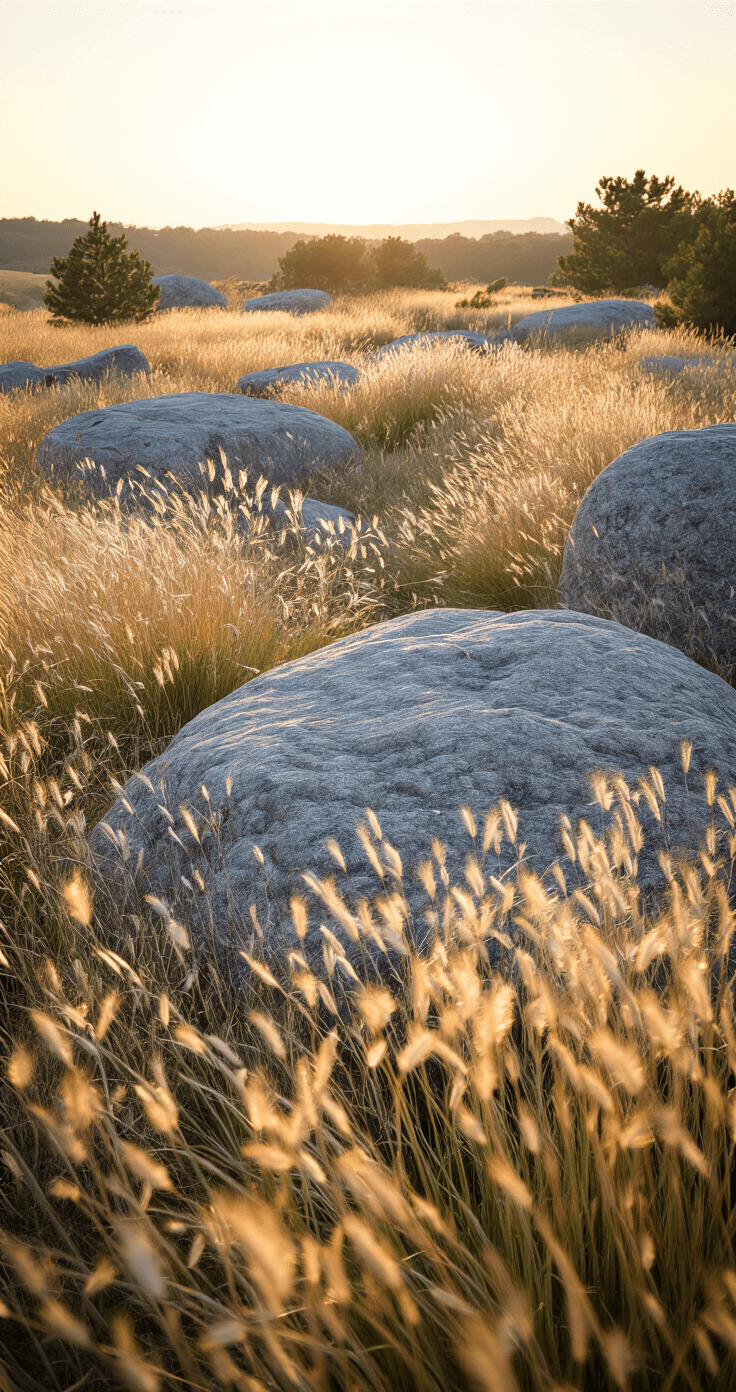
🏠 Steal This Look
- Paint Color: PPG Olive Grove PPG1124-6
- Furniture: weathered teak Adirondack chair with wide arms for garden seating
- Lighting: low-voltage LED well lights for uplighting boulders at night
- Materials: decomposed granite, native river rock, drought-tolerant ornamental grasses
There’s something deeply satisfying about a boulder that looks like it grew right there, and honestly, watching pros maneuver a 600-pound stone with straps and levers is worth the cost for the show alone.
🛒 Get The Look
The Secret Sauce: Integration
The magic happens when boulders look like they’ve always belonged. Think:
- Soft grasses cascading over edges
- Moss-covered surfaces
- Strategic plant companions
Your Boulder Roadmap
- Survey your space
- Sketch potential layouts
- Select stones
- Plan plant partnerships
- Install with intention
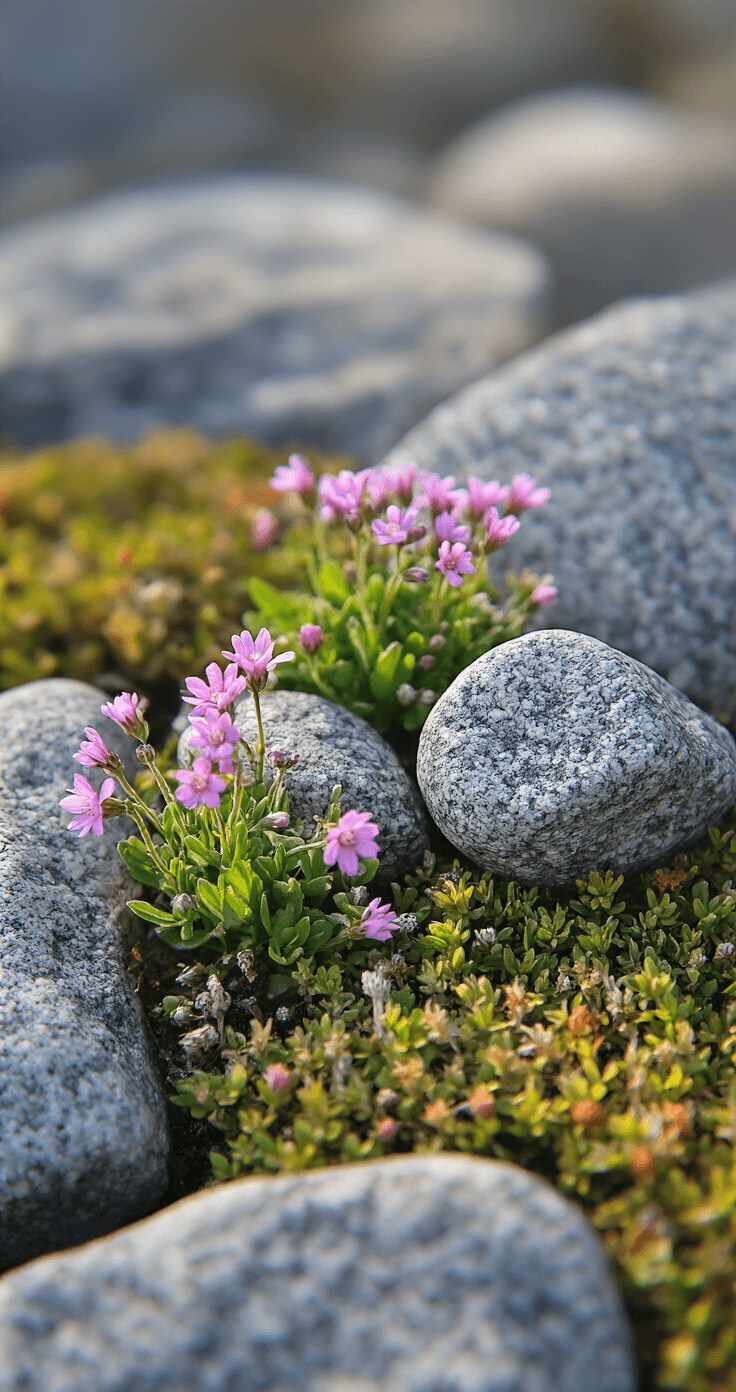
🖼 Steal This Look
- Paint Color: use Dunn-Edwards brand. Match the ACTUAL wall color in the image. Format: Dunn-Edwards ColorName CODE
- Furniture: weathered teak garden bench with organic curves, positioned as a viewing perch that frames the boulder arrangement
- Lighting: low-voltage brass path lights with frosted lenses, nestled at boulder bases to create dramatic uplighting and shadow play
- Materials: decomposed granite pathways, drought-tolerant ornamental grasses (Miscanthus ‘Morning Light’), creeping thyme groundcover, and reclaimed barn wood edging
There’s something deeply satisfying about a garden that feels discovered rather than designed—like you stumbled upon a secret meadow where stones and plants have been negotiating space for decades.
Final Thoughts
Gardens with boulders aren’t just landscapes – they’re living sculptures. They tell a story of strength, patience, and natural beauty.
Ready to rock your garden? (Pun absolutely intended!) 🪨🌿
Pro Tip: Take lots of before and after photos. Your Instagram followers will be seriously impressed!
Want to keep this one?
We'll email you the link so you can find it again later.