

This post may contain affiliate links. Please see my disclosure policy for details.
Understanding Japan’s Winter Weather (And Why It’s Trickier Than You Think)
Japan’s winter runs from December through February in most places. Up north in Hokkaido or the mountain regions, winter vibes start in November and hang around till March. Temperatures in cities like Tokyo and Osaka usually sit between 0-10°C, which honestly doesn’t sound that bad on paper. But trust me, it feels colder than you’d expect. The air is dry and crisp, and when the wind picks up, you’ll feel it right through your coat if you didn’t layer properly.
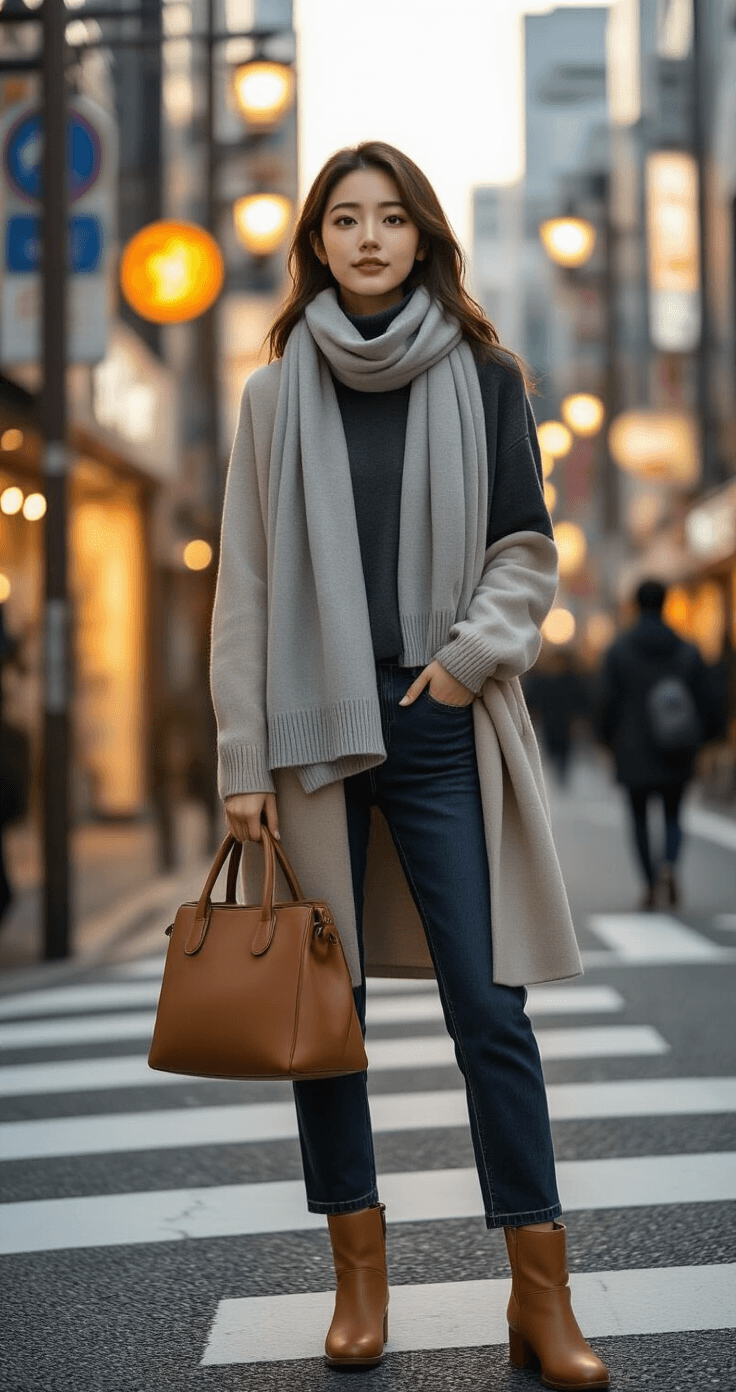
And here’s the kicker: most places in Japan crank up the heat indoors like it’s nobody’s business. You’ll walk into a shop wearing your puffy coat and scarf and immediately start melting. That’s why everything you wear needs to come off easily without making you look like you’re doing a full outfit change in public.
The Base Layer: Your Secret Weapon
Your base layer is what sits closest to your skin, and it needs to do two things: keep you warm and wick away moisture. I always grab thermal base layer tops before heading to Japan in winter. Look for the ones labeled “HOT” or with Japanese characters あったか (attakai) on the tag—those are the warmest ones. Uniqlo’s HEATTECH line is like the holy grail for this. Everyone in Japan wears it, and for good reason—it’s thin, warm, and doesn’t add bulk under your clothes.
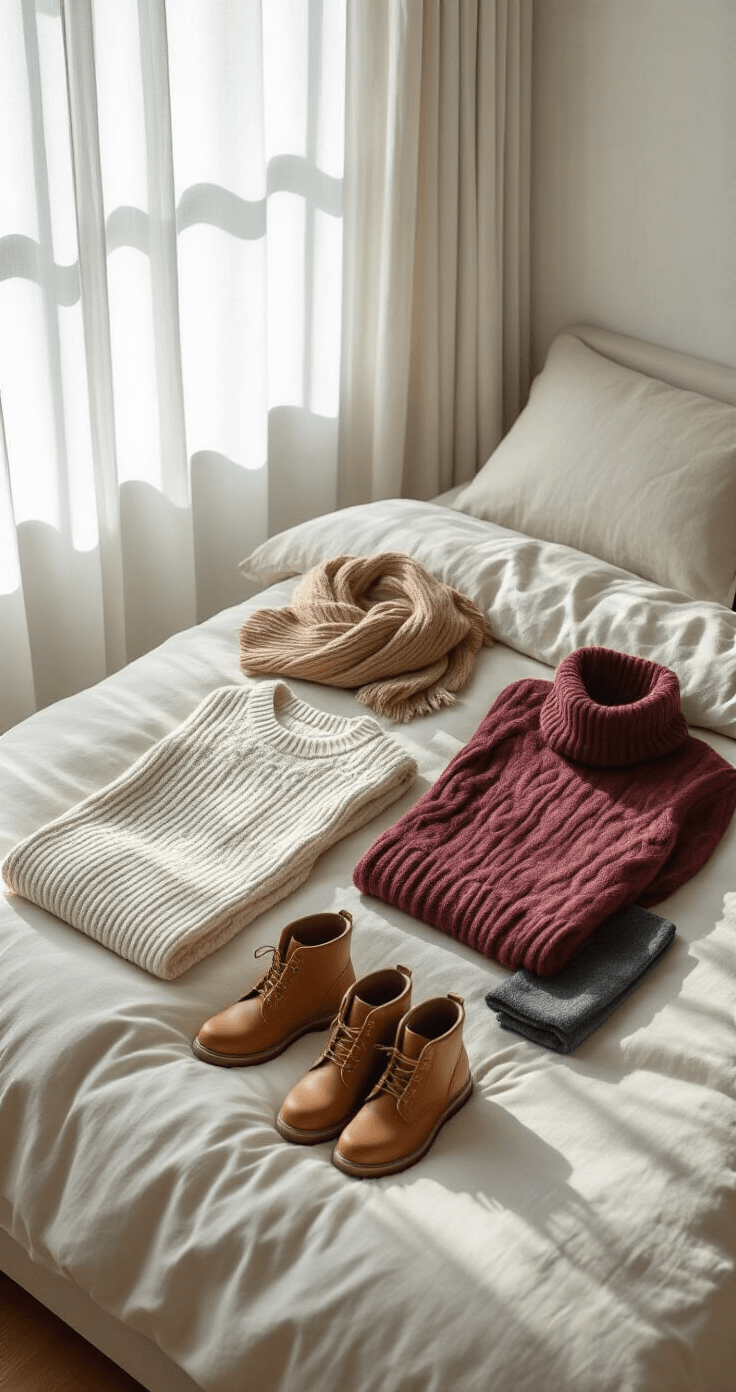
For bottoms, thermal leggings or fleece-lined tights are non-negotiable if you’re wearing a dress or skirt. Even under jeans, a thin thermal layer makes all the difference when you’re walking around outside for hours.
What to Wear on Top: Sweaters, Turtlenecks, and Cozy Vibes
After your base layer, you want something warm but also easy to take off. I’m talking sweaters, turtlenecks, cardigans, mock necks—basically anything that adds warmth without being permanent. A zip-up cardigan or button-up sweater is clutch because you can unzip it partway when you’re indoors without fully removing it. Turtlenecks are everywhere in Japan during winter. They look chic, they keep your neck warm (which matters more than you think), and they work under literally any coat.
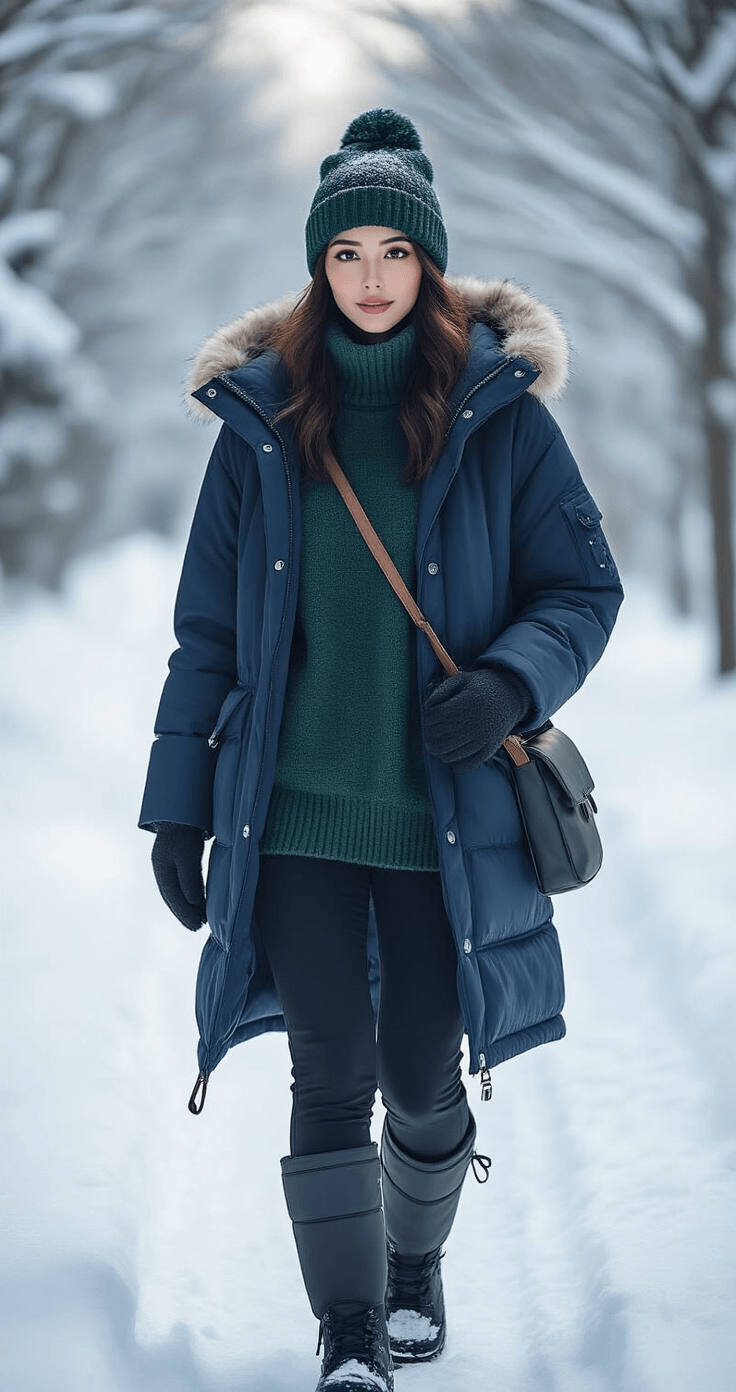
If turtlenecks aren’t your thing, a thick long-sleeve shirt or chunky knit sweater does the job just fine. Just make sure whatever you wear isn’t too tight—you need room for that base layer underneath. And don’t go too oversized either, or your coat won’t fit right over it. It’s a balance, I know.
Bottoms That Actually Keep You Warm
Regular jeans aren’t gonna cut it unless they’re lined. I learned this the hard way walking around Tokyo in my normal denim, freezing my legs off within 20 minutes. Here’s what works:
Save this article
Enter your email and we'll send it straight to your inbox.
- Thermal-lined jeans (they look normal but have a cozy fleece lining inside)
- Corduroy pants (thicker fabric = more warmth)
- Fleece-lined leggings under dresses or skirts
- Wool-blend trousers if you’re going for a dressier look
You can find fleece-lined jeans pretty easily online, and honestly they’re a game changer. They don’t look bulky, but they feel like you’re wearing pajama pants. If you’re wearing a skirt or dress (which plenty of people do in Japan even in winter), just make sure you’ve got thermal tights underneath. And I mean the thick ones, not those sheer tights that do absolutely nothing. Pair them with knee-high or over-the-knee boots and you’re good to go.
The Coat Situation: Your Most Important Decision
Your coat is doing most of the heavy lifting here, so don’t cheap out or assume any jacket will do. Japan’s winter isn’t Antarctica-level cold, but you’re gonna be outside a lot—walking to train stations, waiting for buses, exploring temples and parks. You need a coat that actually works.
For Tokyo, Osaka, Kyoto (Less Snow, Milder Winter)
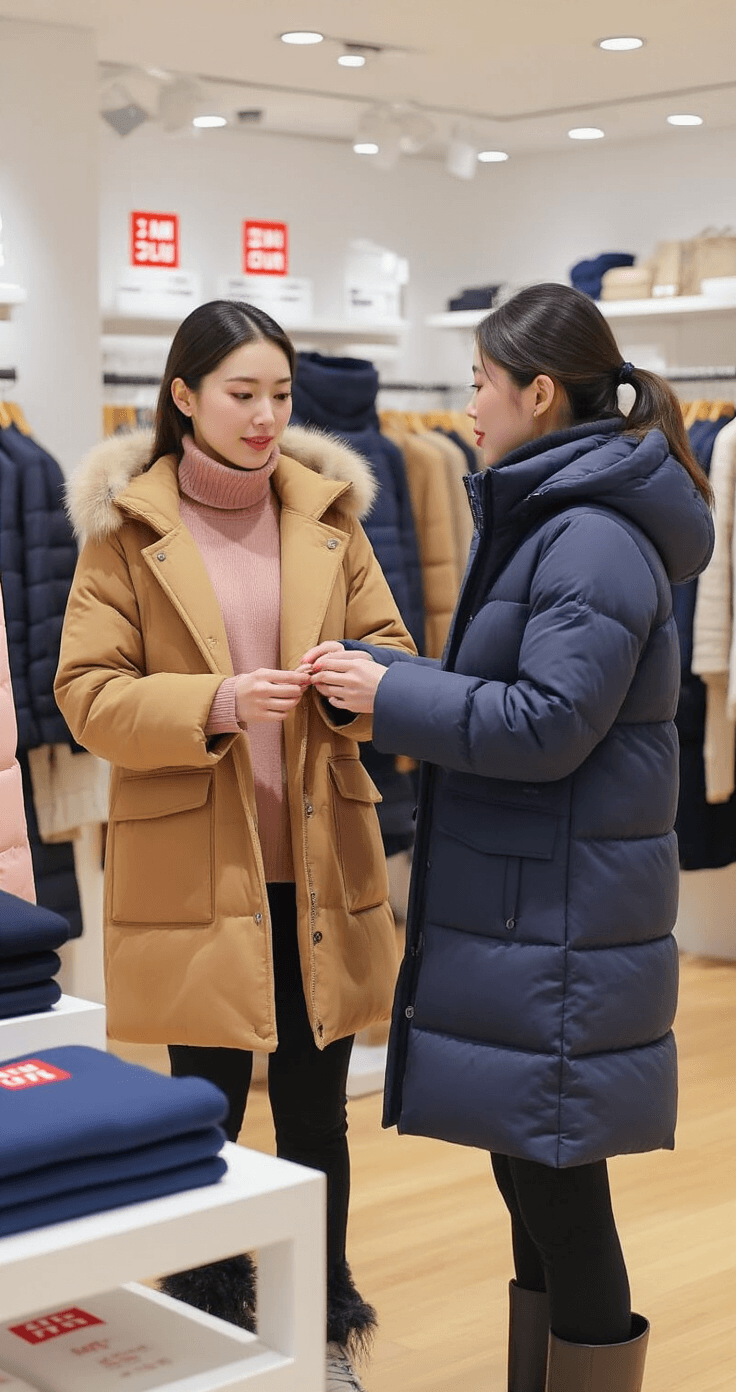
A wool-blend coat or mid-weight puffer jacket works perfectly. Something that hits mid-thigh or knee-length gives you extra coverage without being too much. I love a classic wool coat because it looks nice in photos and keeps you plenty warm when layered over a sweater. Just make sure it’s not too thin—some trendy Japanese coats look cute but aren’t insulated well.
For Hokkaido, Ginzan Onsen, Shirakawago (Snowy Regions)
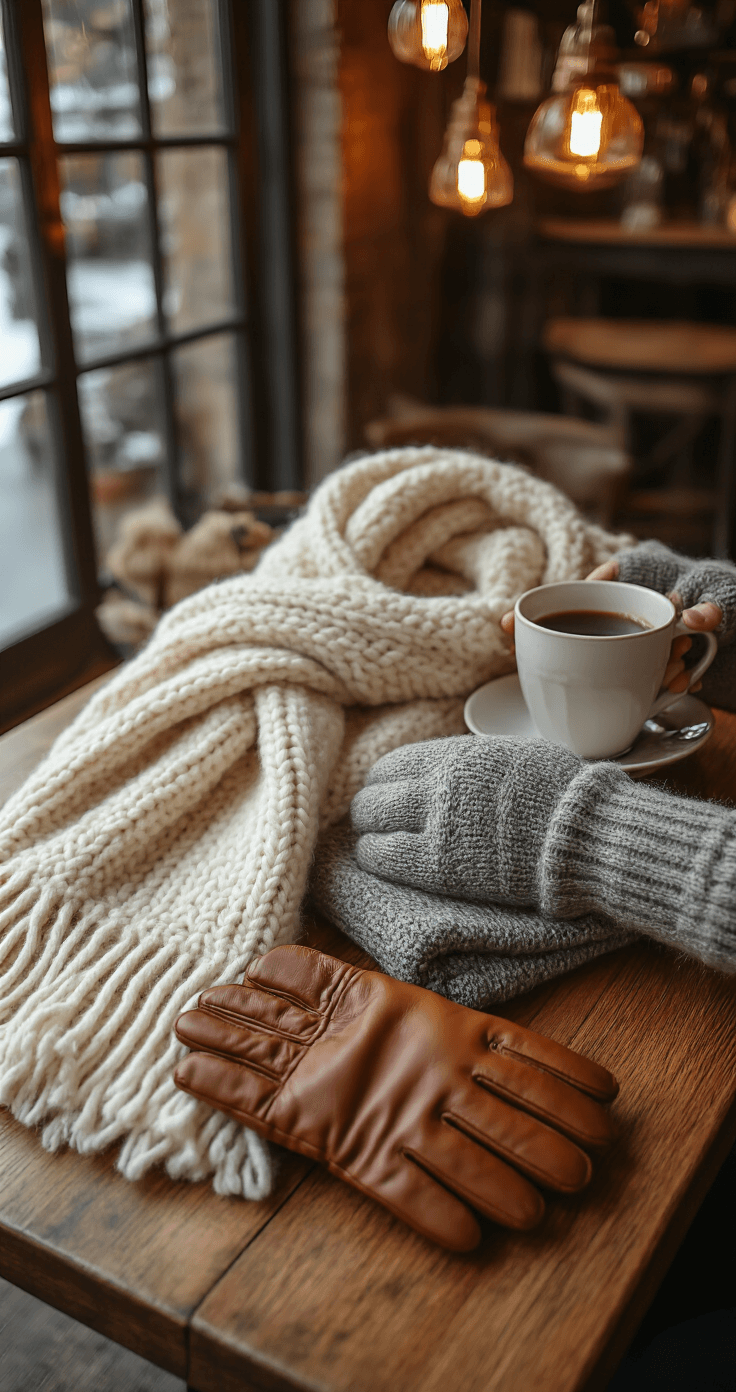
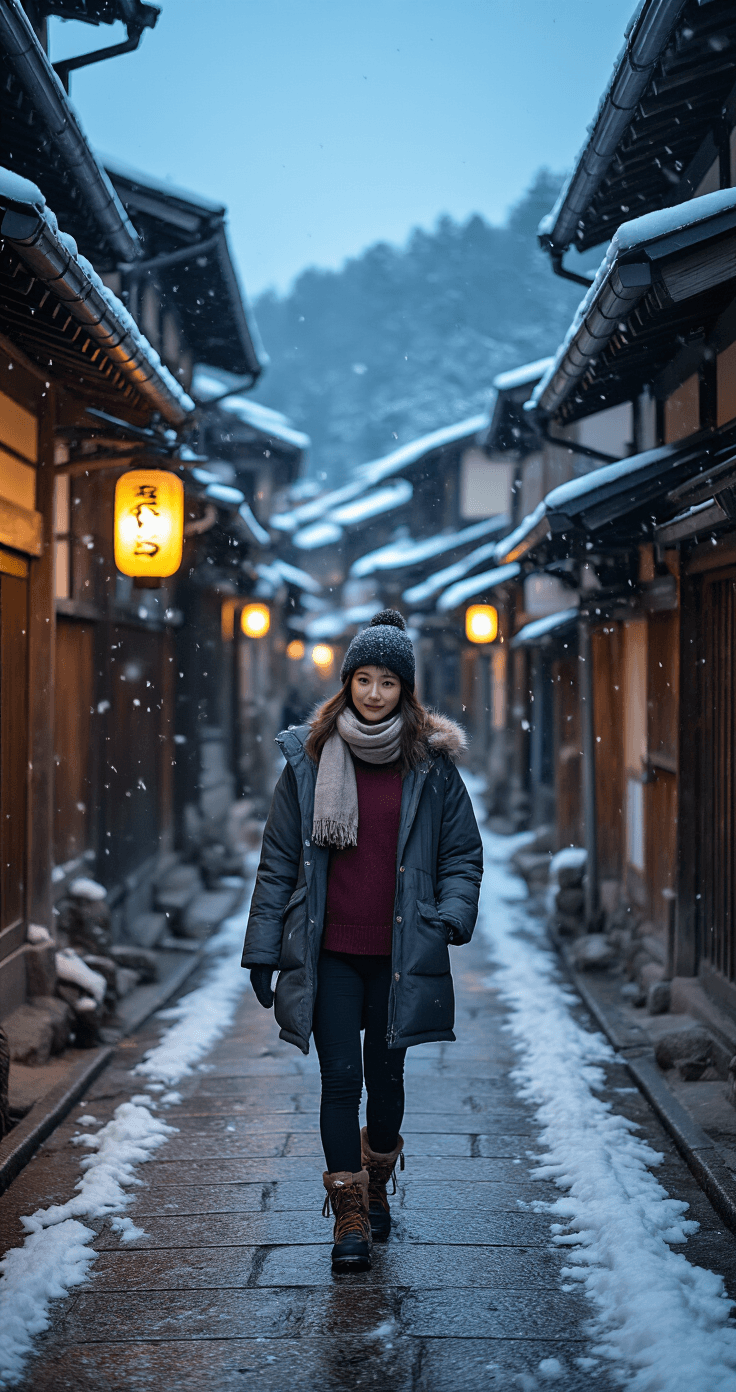
You need a serious down-insulated parka or heavy winter coat. Think the kind of coat you’d wear for a ski trip. Waterproof is a must because snow will be everywhere, and wet coats = miserable time. Look for something with a hood too, because when it’s snowing and windy, you’ll want that extra coverage. I also recommend a longer coat that covers your butt and thighs—it makes a huge difference when you’re standing outside in the snow.
Accessories That Actually Matter
Don’t skip accessories thinking they’re optional. They’re not. They’re the difference between enjoying your day and wanting to run back to your hotel after 10 minutes.
Scarf
A thick, cozy scarf is essential. It keeps your neck warm (which keeps your whole body warmer), and you can
Want to keep this one?
We'll email you the link so you can find it again later.


[…] legs stay warm but you still get that hosiery […]