This post may contain affiliate links. Please see my disclosure policy for details.
Modern Multi Family Homes: Your Complete Guide to Smart Living and Smart Investing
Contents
Modern multi family homes are changing how we think about residential living, and I’m here to tell you why they’re worth your attention.
Look, I get it. You’re wondering if investing in a multi-family property makes sense. Maybe you’re thinking about building one for your extended family. Or perhaps you’re just curious about these increasingly popular housing options that seem to be popping up everywhere.
Whatever brought you here, you’re in the right place.
What Exactly Are Modern Multi Family Homes?
Modern multi family homes pack multiple separate living units into one building. We’re talking about duplexes, triplexes, and fourplexes mostly.
Each unit gets its own entrance, kitchen, bathrooms, and living spaces. Think of them as individual apartments, but designed with way more style and privacy than your typical rental complex.
The “modern” part isn’t just marketing fluff either. These homes incorporate contemporary design elements like:
- Clean lines and minimalist exteriors
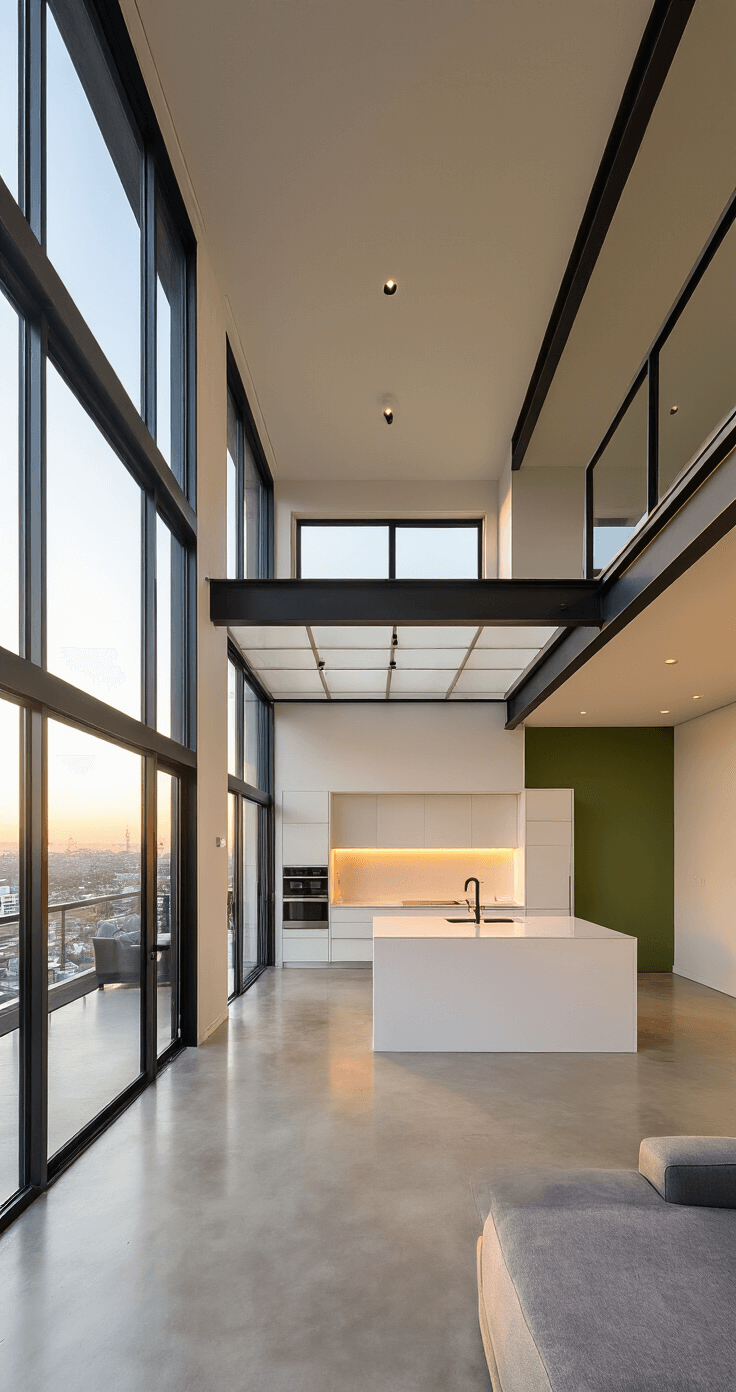
- Open floor plans that don’t feel cramped
- Energy-efficient materials and systems
- Smart home technology integration
- Sustainable building practices
Why I’m Obsessed With These Buildings (And You Might Be Too)
I’ll be straight with you. The first time I walked through a well-designed modern multi family home, I had one of those “where has this been all my life?” moments.
The economics alone make sense. One roof covers multiple families. One foundation supports multiple units. One HVAC system (often) serves the whole building.
But here’s what really sold me: the flexibility.
For investors, you’re looking at multiple income streams from one property. One vacant unit doesn’t kill your entire cash flow.
For families, you can keep aging parents close but not too close. Everyone gets their privacy while staying connected.
For builders, you’re maximizing land use without sacrificing quality or design.
The Layout Options That Actually Work
Modern multi family homes come in several configurations, and picking the right one matters more than you’d think.
Side-by-Side Duplexes
These are my personal favorite for suburban lots. Each unit mirrors the other, separated by a shared wall down the middle. Residents feel like they’re living in a single-family home because each side typically has its own yard space and driveway.
Perfect for: Families who want separate spaces or investors targeting family renters.
Stacked Units
Upper and lower units share the same footprint. This configuration works brilliantly on smaller urban lots where horizontal space is premium.
The downside? You’ll need serious soundproofing between floors. Nobody wants to hear their neighbor’s 6 AM workout routine or late-night Netflix binges.
Consider installing acoustic underlayment between floors to keep the peace.
Front-to-Back Configuration
One unit faces the street, another faces the backyard. This layout maximizes privacy since units don’t share side walls.
I’ve seen these work exceptionally well on deeper lots where width is limited but you’ve got plenty of depth to work with.
Townhouse-Style Multi Family
Multiple units connect in a row, each with their own entrance. These create a sense of community while maintaining independence.
Great for: Urban infill projects or developments where you want that neighborhood feel.
Design Features That Make or Break Modern Multi Family Homes
Let me hit you with the non-negotiables.
Sound Insulation Comes First
I cannot stress this enough. The best-designed multi family home becomes a nightmare if residents hear every conversation, footstep, or toilet flush from next door.
Invest heavily in:
- Double-stud wall construction between units
- Insulated party walls with staggered framing
- Solid-core doors throughout
- Quality windows that block outside noise
- Soundproofing door seals for added noise reduction
Separate Everything (Seriously)
Each unit needs its own:
- Electric meter
- Water heater
- HVAC system or zone
- Laundry facilities
- Outdoor space (even if it’s just a balcony)
This isn’t just about convenience. It’s about avoiding landlord-tenant disputes or family arguments about utility bills.
Nobody wants to subsidize their neighbor’s habit of running the AC at 65 degrees all summer.
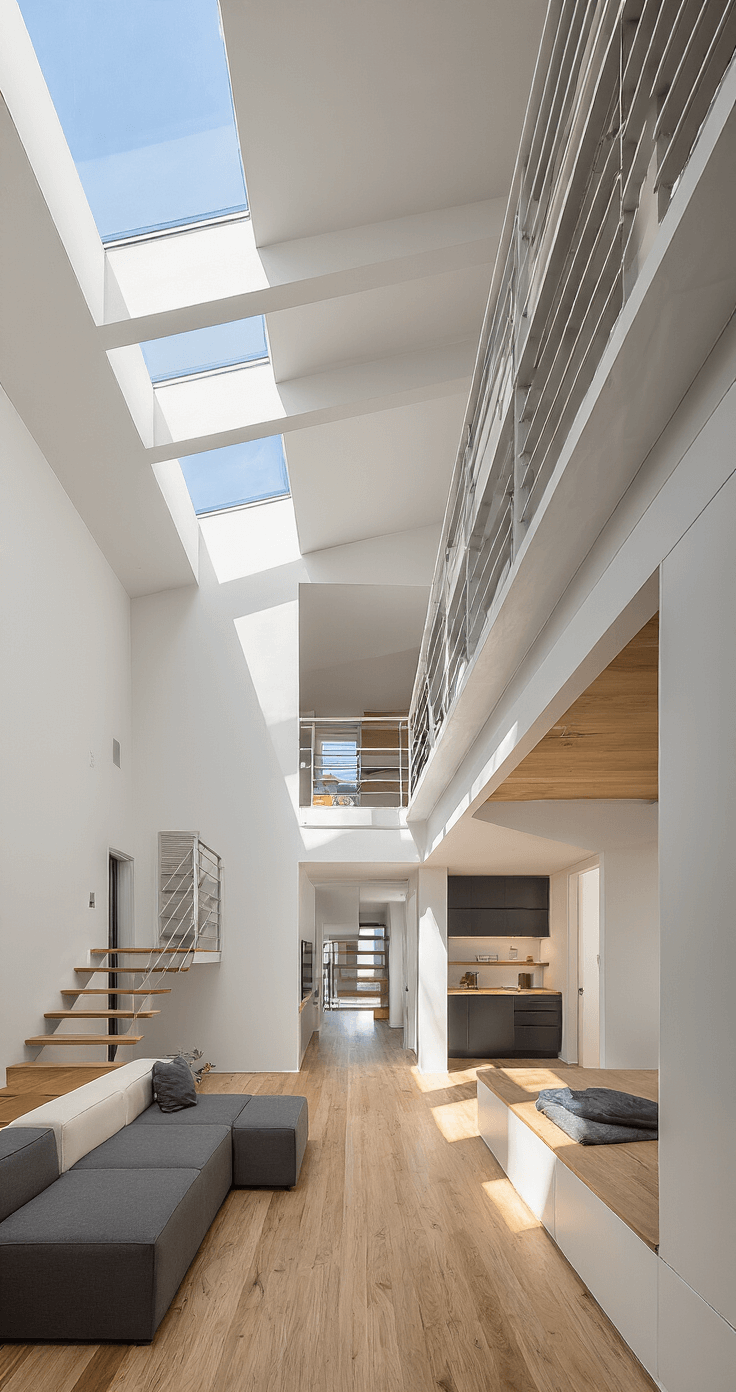
Open Concept Living Spaces
Modern renters and buyers expect flowing, connected spaces.
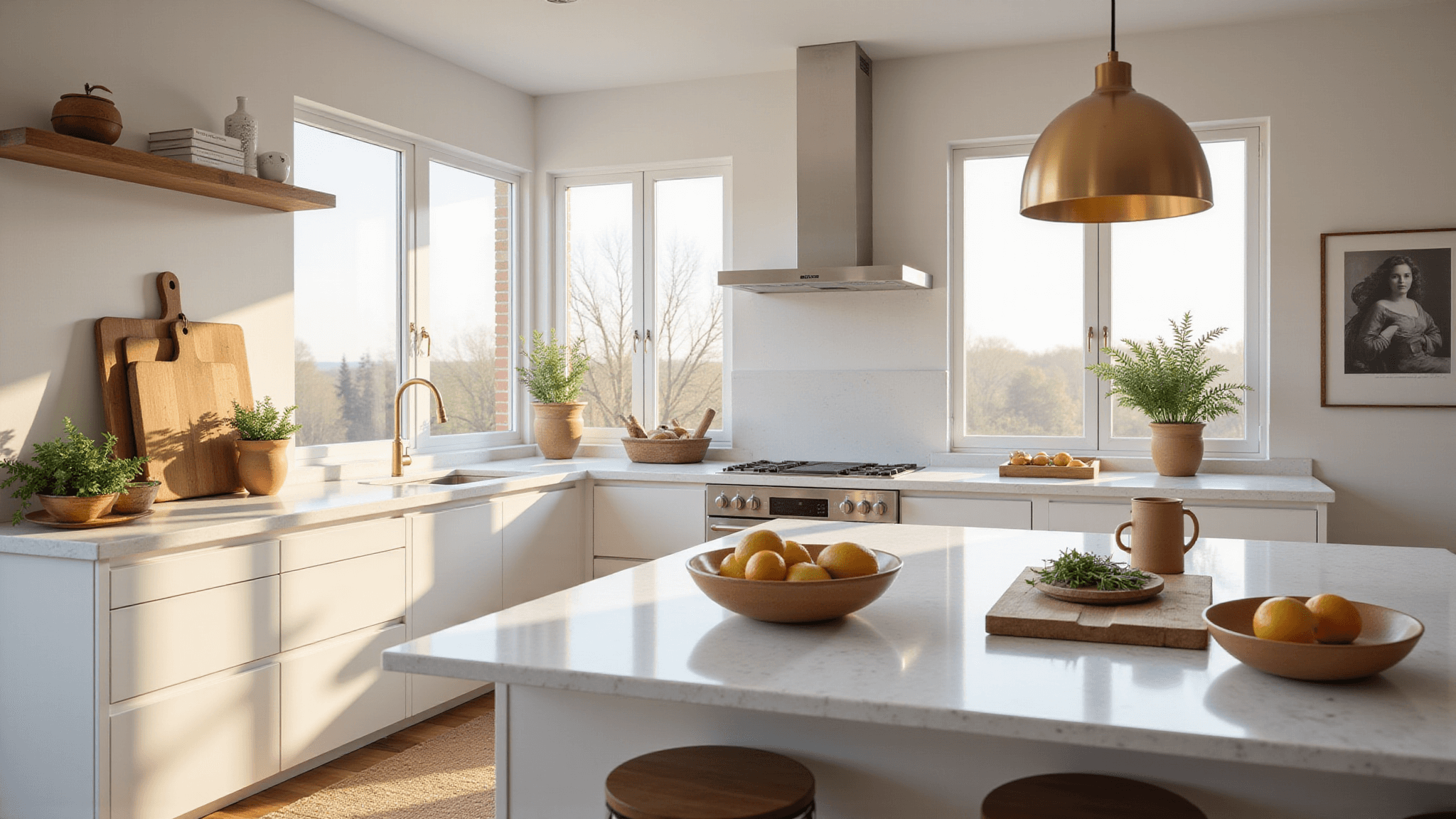
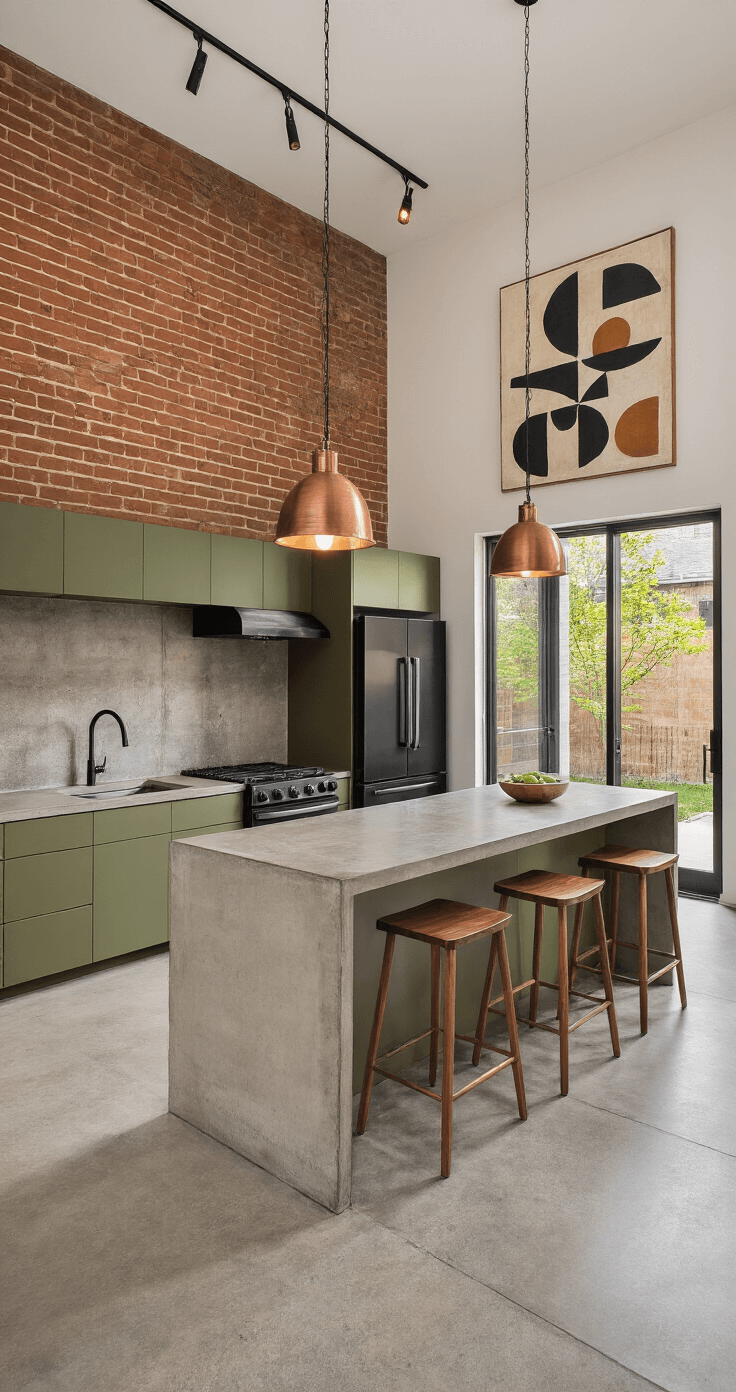
Ditch the choppy, compartmentalized layouts of older multi family homes. Instead, create kitchen-dining-living combos that feel spacious even in compact footprints.
Key elements include:
- Kitchen islands that double as dining areas
- Minimal hallway space (it’s dead square footage)
- Large windows that flood interiors with natural light
- Flexible bonus rooms that work as offices, gyms, or guest rooms
Storage Solutions That Don’t Suck
Every unit needs a walk-in closet in the primary bedroom. This isn’t luxury—it’s baseline expectation now.
Also include:
- Coat closets near entries
- Linen closets in bathrooms
- Pantry space in kitchens
- Garage or dedicated parking with storage
People accumulate stuff. Plan for it.
Outdoor Access Is Non-Negotiable
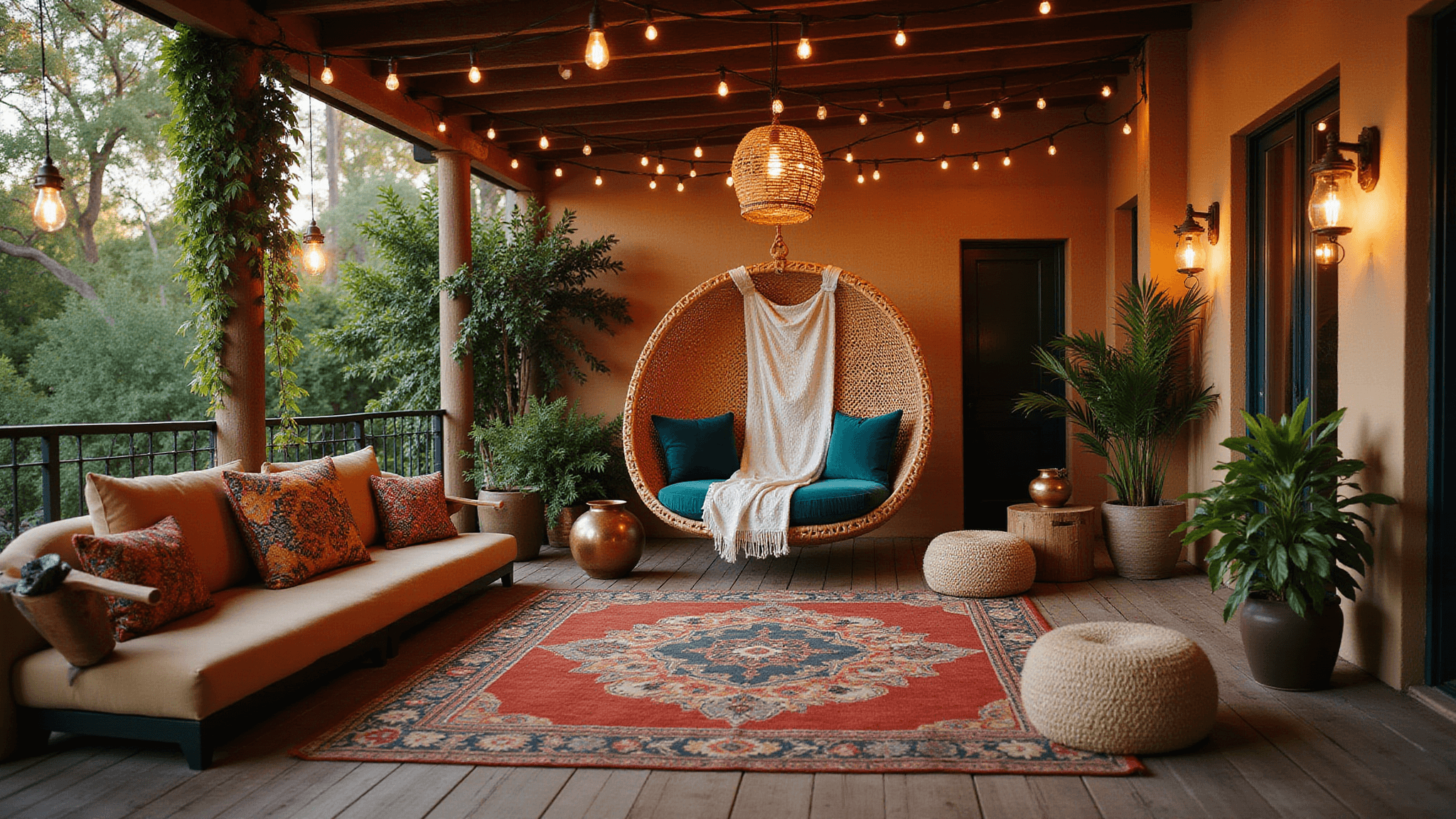
Even small balconies transform how people experience their living space.
Ground-floor units should have patios or yard access. Upper units need balconies or rooftop terraces.
I’ve seen rental rates jump 15-20% just by adding decent outdoor furniture to usable outdoor spaces.