This post may contain affiliate links. Please see my disclosure policy for details.
Raised Flower Beds Along a Fence: Your Ultimate Design Guide
Creating raised flower beds along a fence transforms an ordinary outdoor space into a stunning garden oasis. Let me walk you through everything you need to know about designing, building, and styling these beautiful landscape features.

Why Raised Flower Beds Work Magic
Imagine turning a boring fence line into a vibrant, living wall of color and texture. Raised flower beds are more than just pretty—they’re a smart solution for:
- Maximizing limited garden space
- Adding visual interest to plain fence lines
- Creating natural privacy screens
- Improving soil quality and drainage
- Reducing back strain during gardening
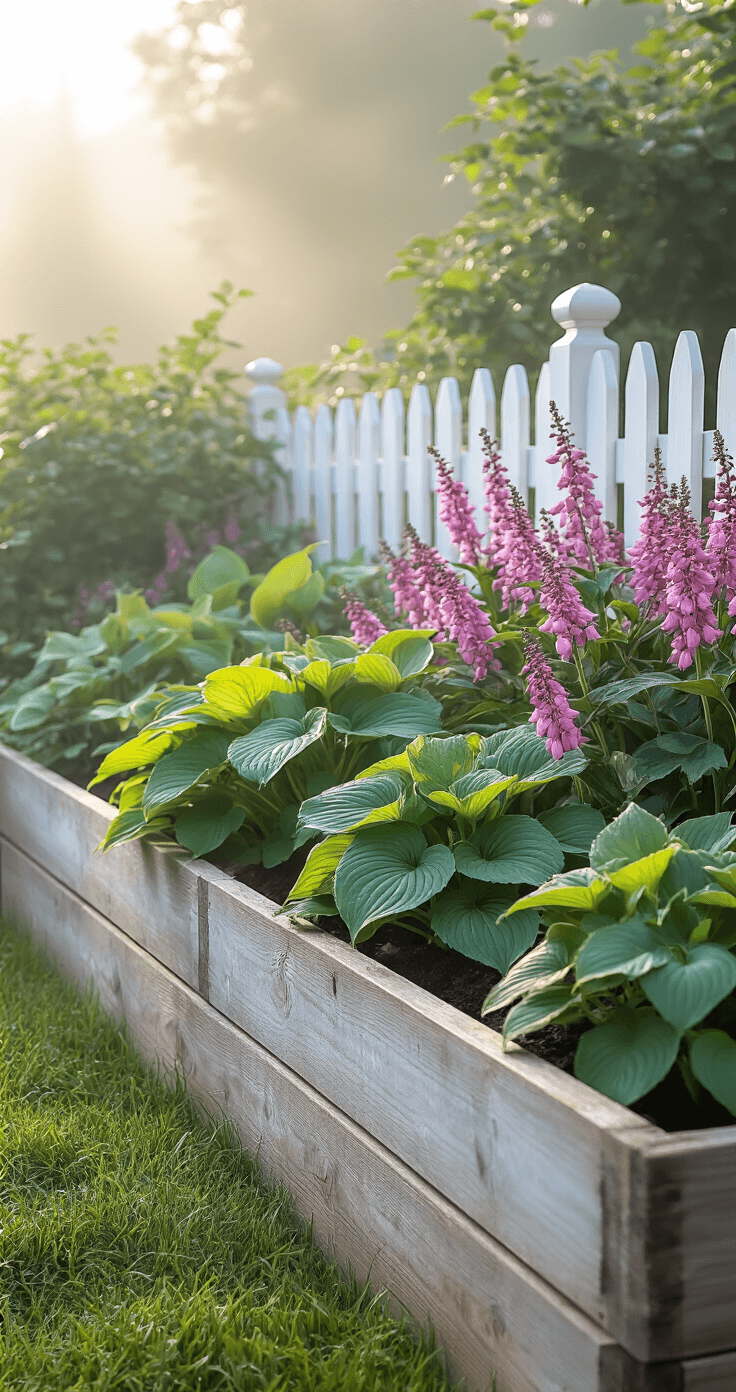
Choosing the Perfect Location and Materials
🖼 Steal This Look
- Paint Color: Sherwin-Williams Garden Sage SW 7727
- Furniture: weathered teak potting bench with galvanized steel top
- Lighting: low-voltage LED fence post cap lights with warm 2700K output
- Materials: cedar boards for bed construction, natural stone edging, aged terracotta planters, untreated pine mulch
There’s something deeply satisfying about walking your fence line at dusk, drink in hand, watching the light catch the blooms you planted yourself—it’s the moment you realize your yard finally feels like yours.
Location Matters
Before digging in, consider these critical factors:
- Sunlight exposure
- Fence material and condition
- Drainage patterns
- Existing landscape features
Top Material Choices
Wood Options:
- Cedar (most recommended)
- Redwood
- Pressure-treated lumber
- Recycled fence pickets
Alternative Materials:
- Metal raised beds
- Composite materials
- Stone or brick
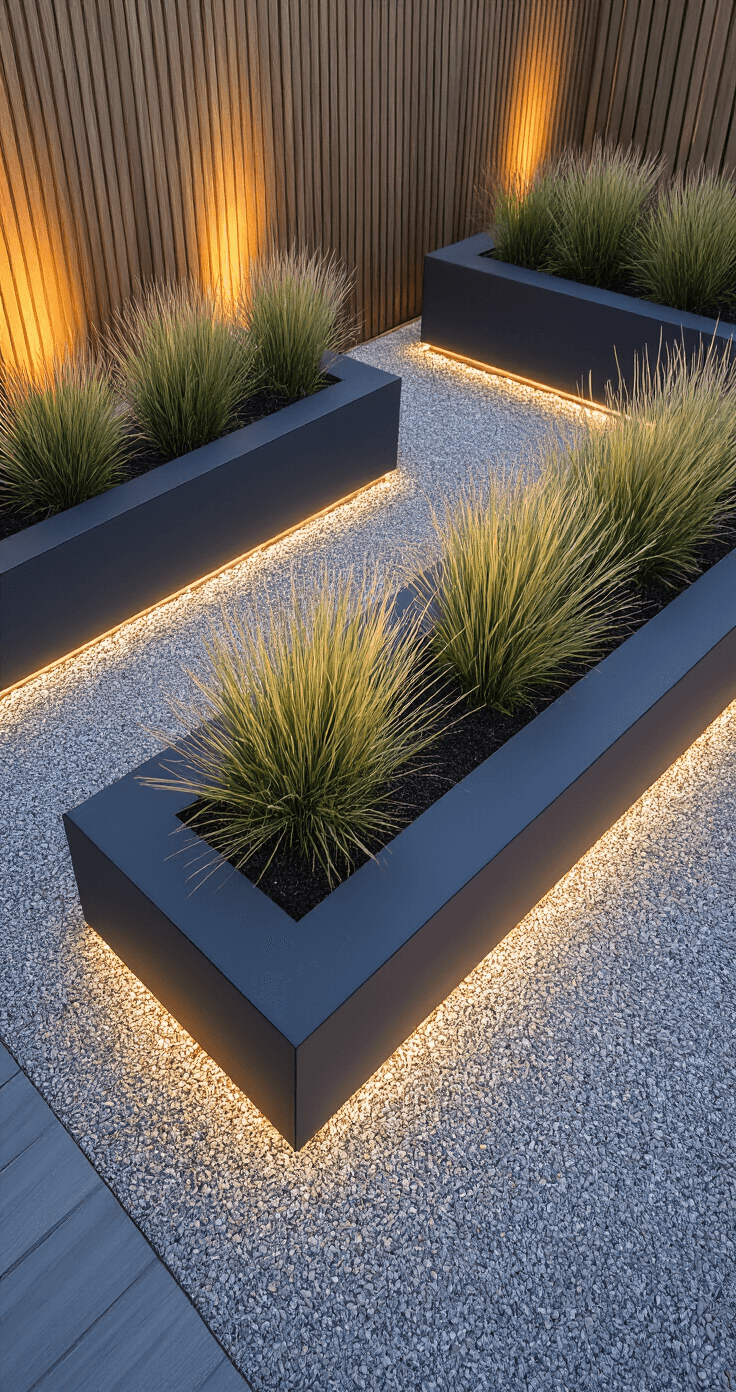
Design Strategies for Stunning Raised Beds
💡 Steal This Look
- Paint Color: Farrow & Ball Green Smoke 47
- Furniture: weathered teak potting bench with zinc top for workspace and storage
- Lighting: solar-powered copper string lights draped along fence top rail
- Materials: rough-sawn cedar with visible grain, aged terracotta, galvanized steel accents, pea gravel pathways
There’s something deeply satisfying about running your hand along cedar’s natural oils knowing it will silver beautifully over seasons—this is the material choice you’ll never regret, even when you’re still harvesting tomatoes five years in.
Height and Layout Tips
- Vary bed heights for visual drama
- Create 3-4 foot wide beds
- Stagger lengths along the fence
- Leave maintenance access spaces
Plant Selection Wisdom
Shade-Loving Combinations:
- Hostas
- Ferns
- Astilbe
- Bleeding hearts
Sun-Loving Mixes:
Save this article
Enter your email and we'll send it straight to your inbox.
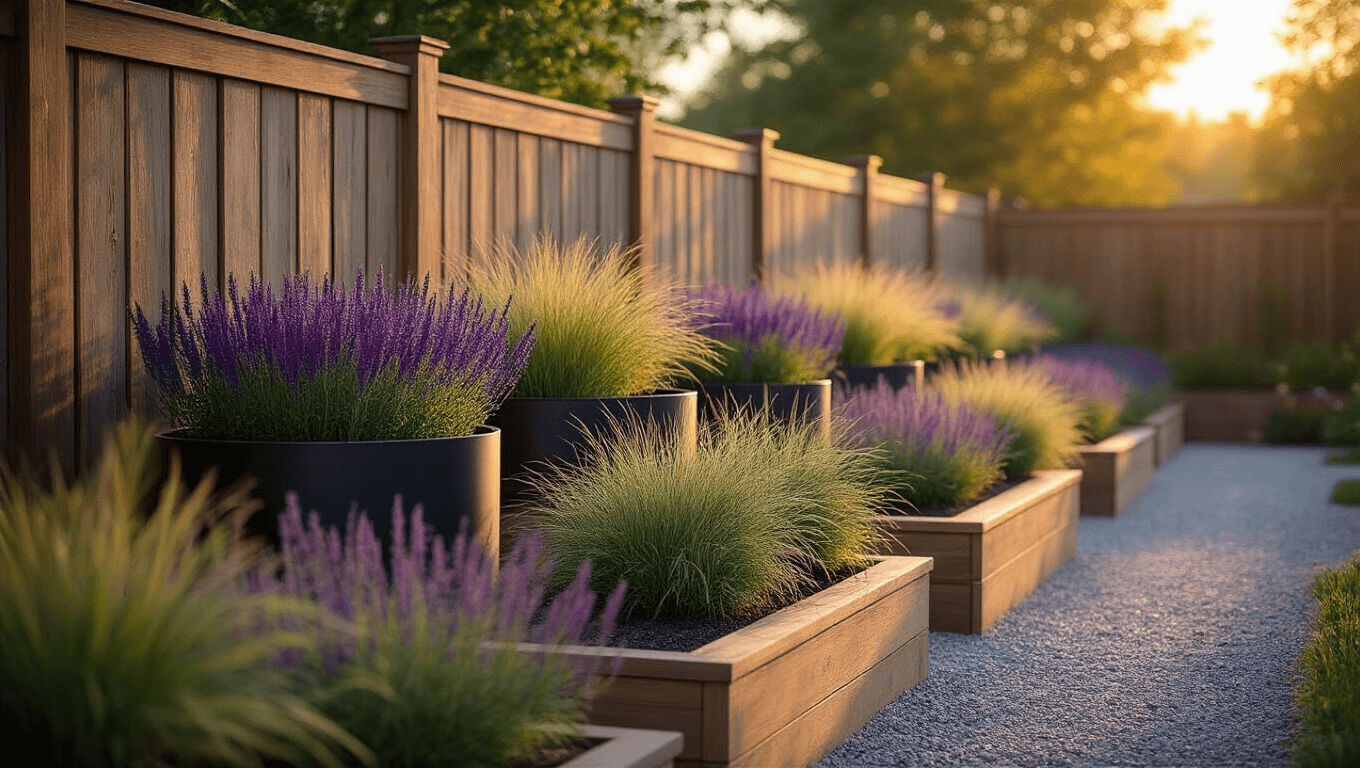
- Lavender
- Salvia
- Ornamental grasses
- Drought-resistant perennials

Construction Essentials
🏠 Steal This Look
- Paint Color: Valspar Garden Party 6006-10C
- Furniture: weathered cedar potting bench with galvanized steel top
- Lighting: solar-powered copper pathway lights with warm 2700K output
- Materials: untreated cedar boards, galvanized steel corner brackets, crushed gravel base layer, landscape fabric
There’s something quietly satisfying about walking the perimeter with coffee in hand, noting which hosta unfurled overnight or where the salvia needs dividing—this border becomes your daily meditation, not just a weekend project.
Tools You’ll Need
- Cordless drill
- Circular saw
- Level
- Measuring tape
- Landscape fabric
- Quality screws
Step-by-Step Building Process
- Clear and level the ground
- Build bed frames using sturdy posts
- Install landscape fabric
- Fill with high-quality, well-draining soil mix
- Add mulch for moisture retention
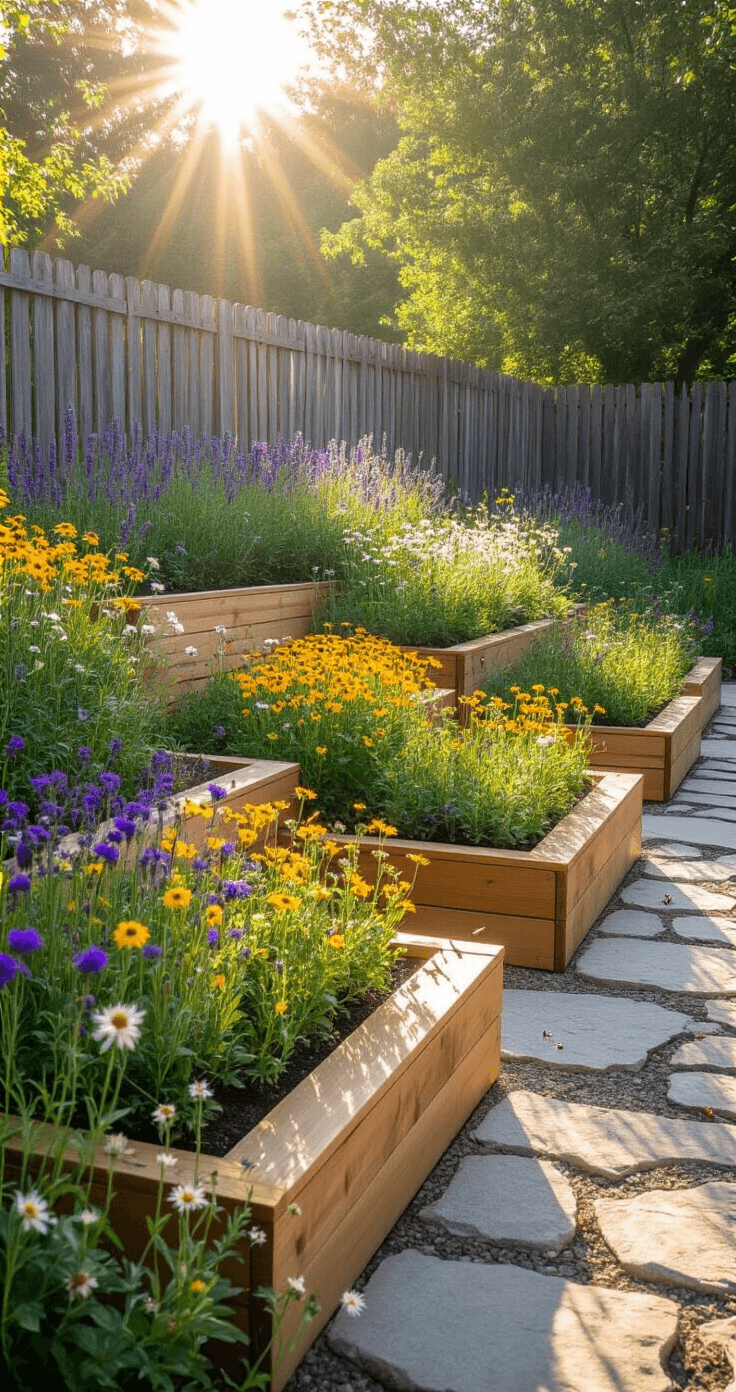
Maintenance Pro Tips
Seasonal Care:
- Spring: Refresh soil, add compost
- Summer: Regular watering, deadheading
- Fall: Prepare for winter, plant bulbs
- Winter: Protect delicate plants
Common Pitfalls to Avoid:
- Blocking fence access
- Poor drainage
- Overcrowding plants
- Ignoring soil quality
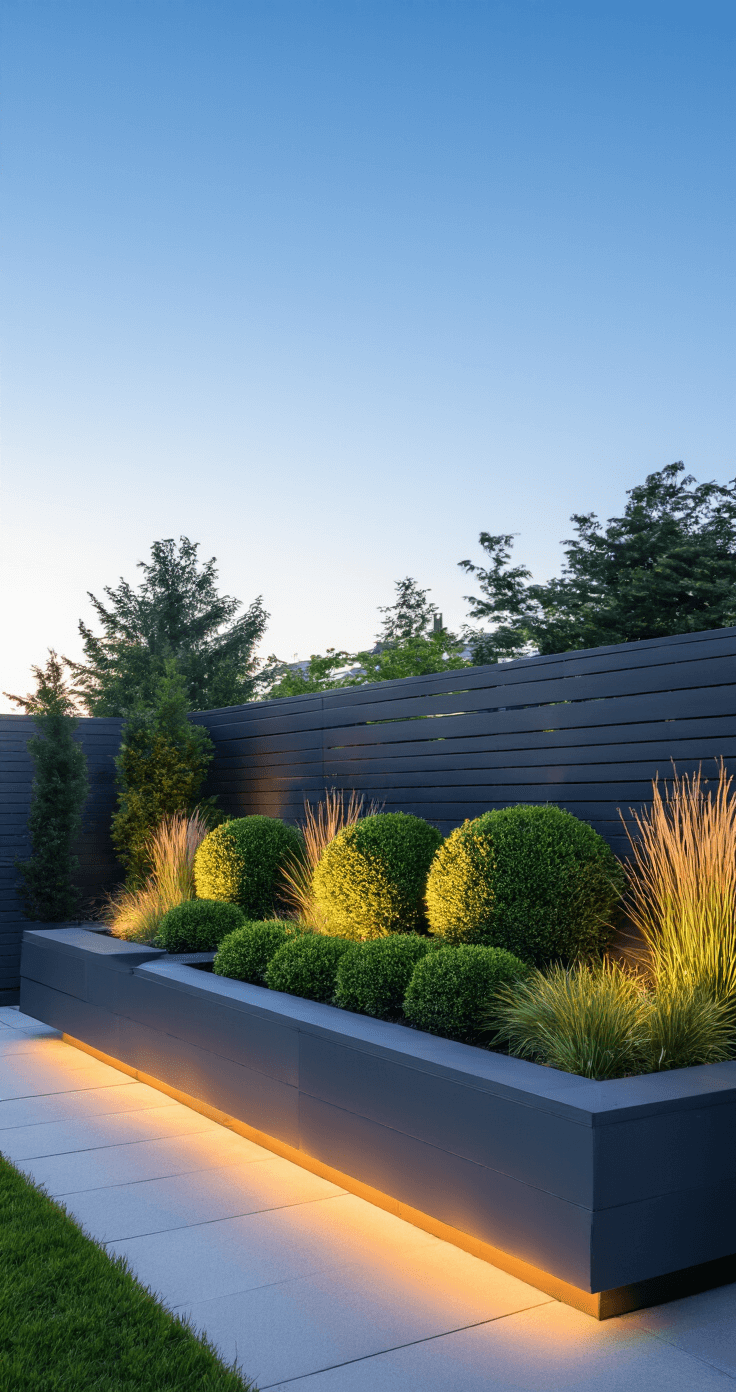
Budget-Friendly Tricks
- Upcycle old fence pickets
- Start with smaller beds
- Choose perennial plants
- Use seed propagation
- Look for end-of-season sales
Design Inspiration
Style Variations:
- Cottage garden charm
- Modern minimalist
- Tropical oasis
- Native plant showcase

🎨 Steal This Look
- Paint Color: Dunn-Edwards Sage Wisdom DE6215
- Furniture: folding cedar potting bench with galvanized steel top, positioned adjacent to beds for tool storage and transplanting workspace
- Lighting: solar-powered fence-mounted LED downlights with warm 2700K output, spaced every 6 feet along fence line
- Materials: rough-sawn cedar posts, black metal corner brackets, natural burlap landscape fabric, crushed granite pathway base, aged pine bark mulch
There’s something deeply satisfying about running your hands along cedar you’ve cut yourself, knowing every tomato and zinnia will grow from decisions made right there in your yard. These beds become autobiography in wood and bloom.
Final Thoughts
Raised flower beds along a fence aren’t just a garden feature—they’re a transformative landscape element. With careful planning, creative design, and ongoing care, you’ll create a breathtaking outdoor sanctuary that evolves with the seasons.
Pro Tip: Take before and after photos. The transformation will amaze you!
Your Next Steps
- Measure your fence line
- Sketch a preliminary design
- Gather materials
- Start building your dream garden
Happy gardening!
Want to keep this one?
We'll email you the link so you can find it again later.