

This post may contain affiliate links. Please see my disclosure policy for details.
Two-Tone Kitchen Cabinets: The Ultimate Style Statement for Modern Kitchens
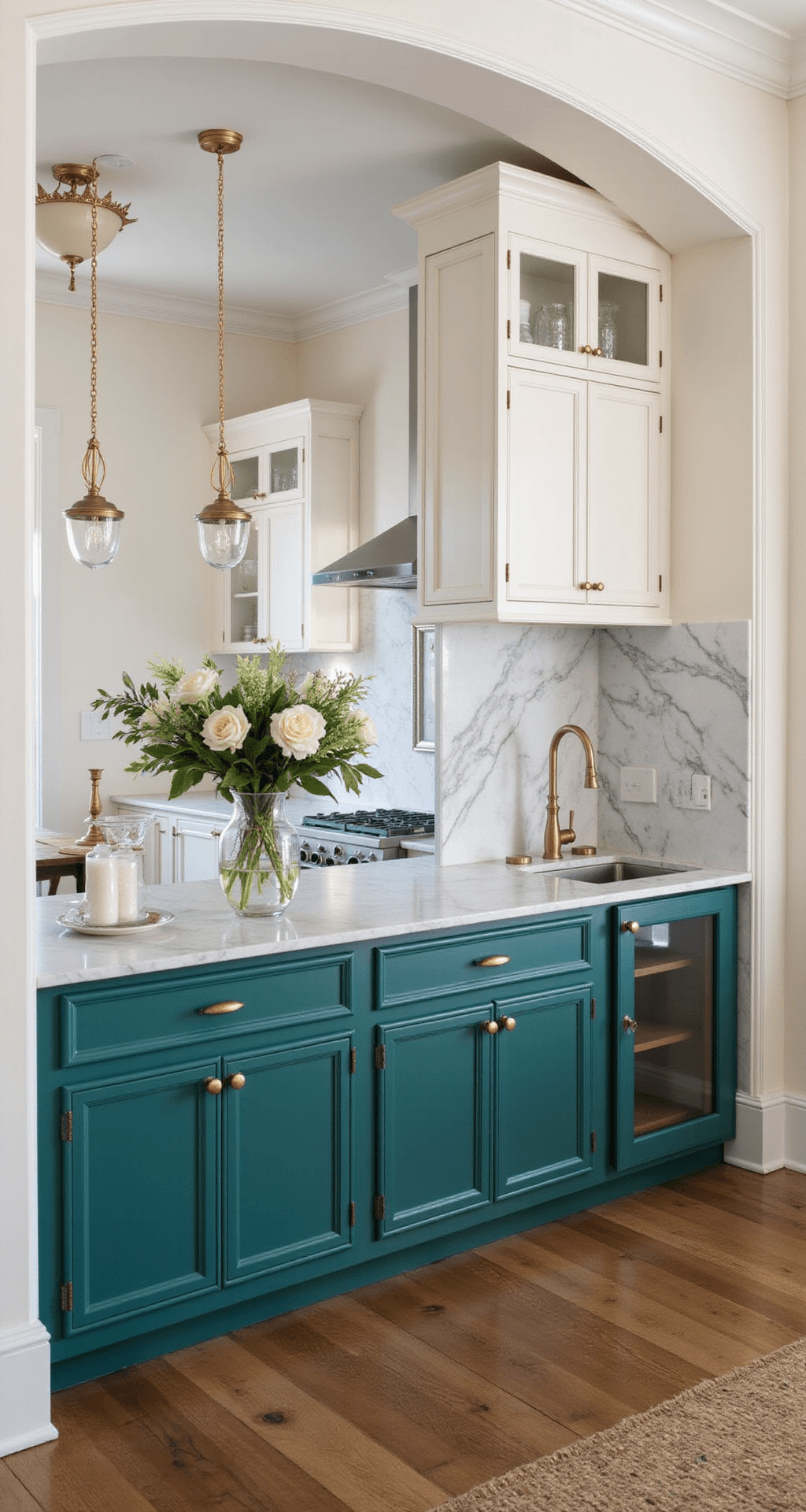
Two-tone kitchen cabinets are the secret weapon of design-savvy homeowners looking to transform their cooking spaces from bland to grand. This isn’t just a trend – it’s a game-changing approach to kitchen design that adds depth, personality, and visual intrigue to your most important home space.
What Exactly Are Two-Tone Kitchen Cabinets?
Imagine walking into a kitchen where colors dance and textures tell a story. That’s the magic of two-tone cabinets. This design strategy involves mixing:
- Different colors for upper and lower cabinets
- Contrasting finishes on your kitchen island
- Unexpected color combinations that make your space pop
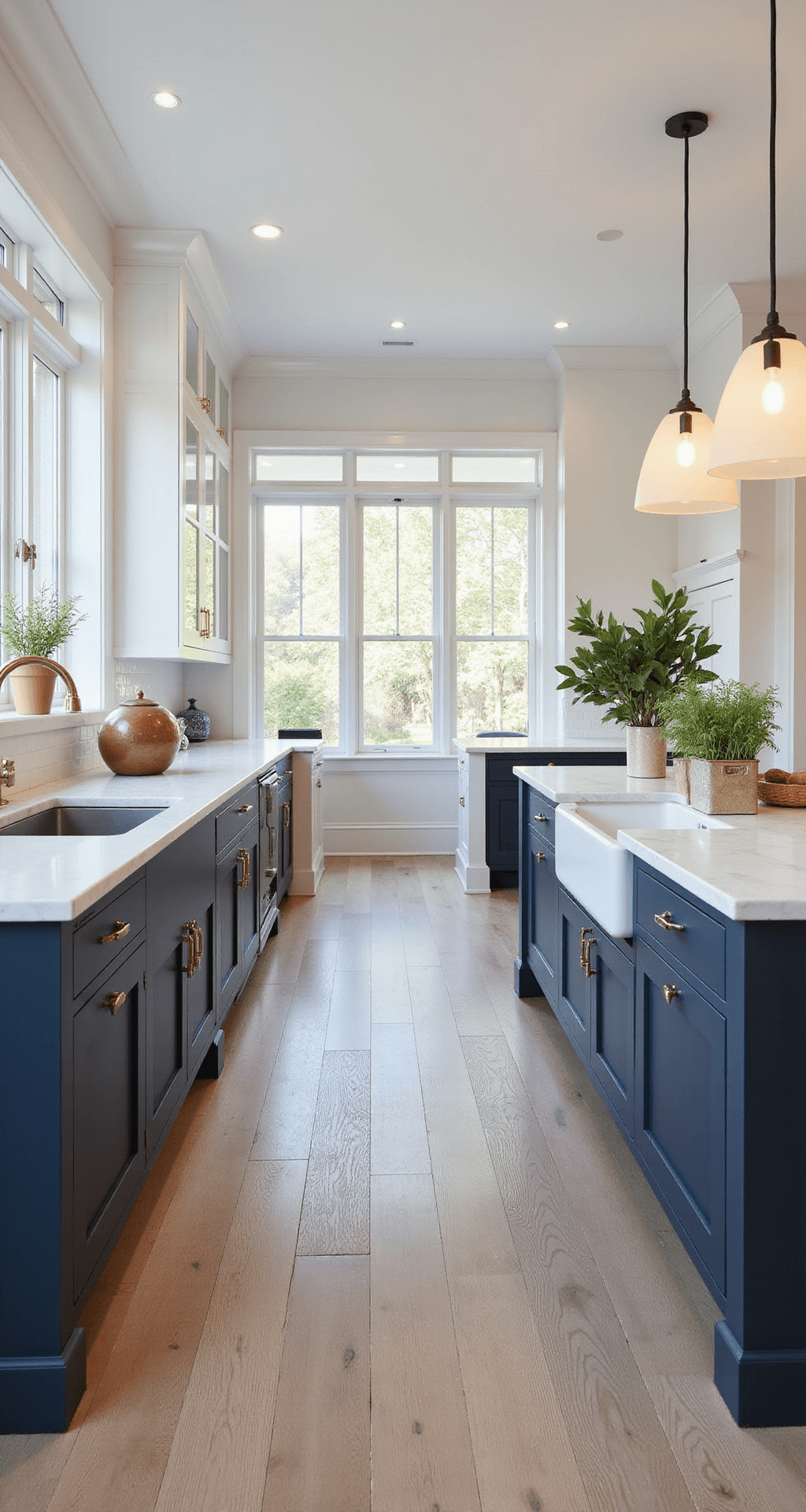
Why Two-Tone Cabinets Will Rock Your Kitchen World
Visual Superpowers
- Instantly make small kitchens feel larger
- Create depth and dimension
- Break up monotonous design
- Add professional-level design sophistication
Practical Perks
- Boost home resale value
- Customize your space without major renovation
- Work with virtually any design style
- Hide inevitable kitchen wear and tear
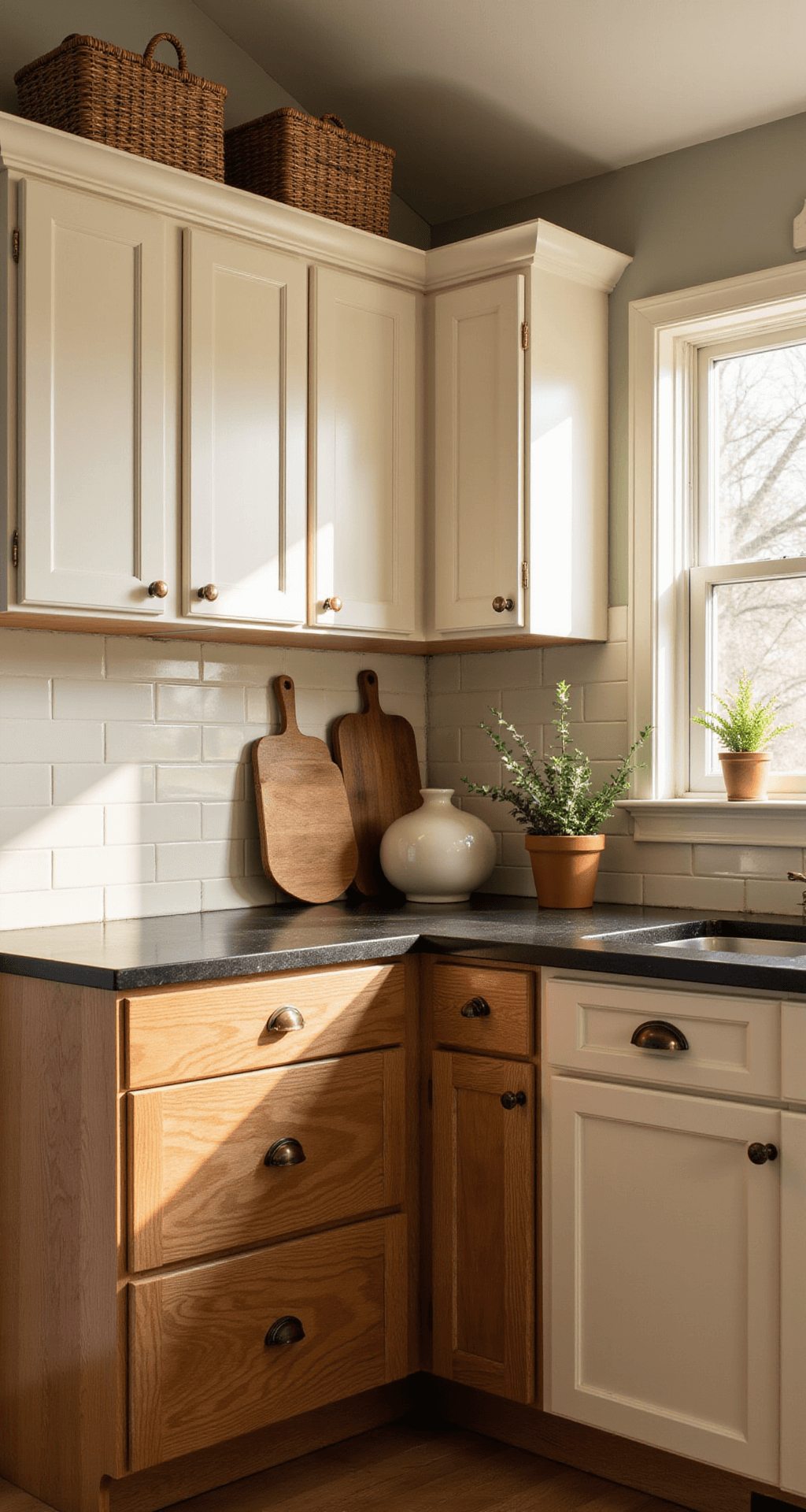
Killer Color Combinations to Try
- Classic Contrast
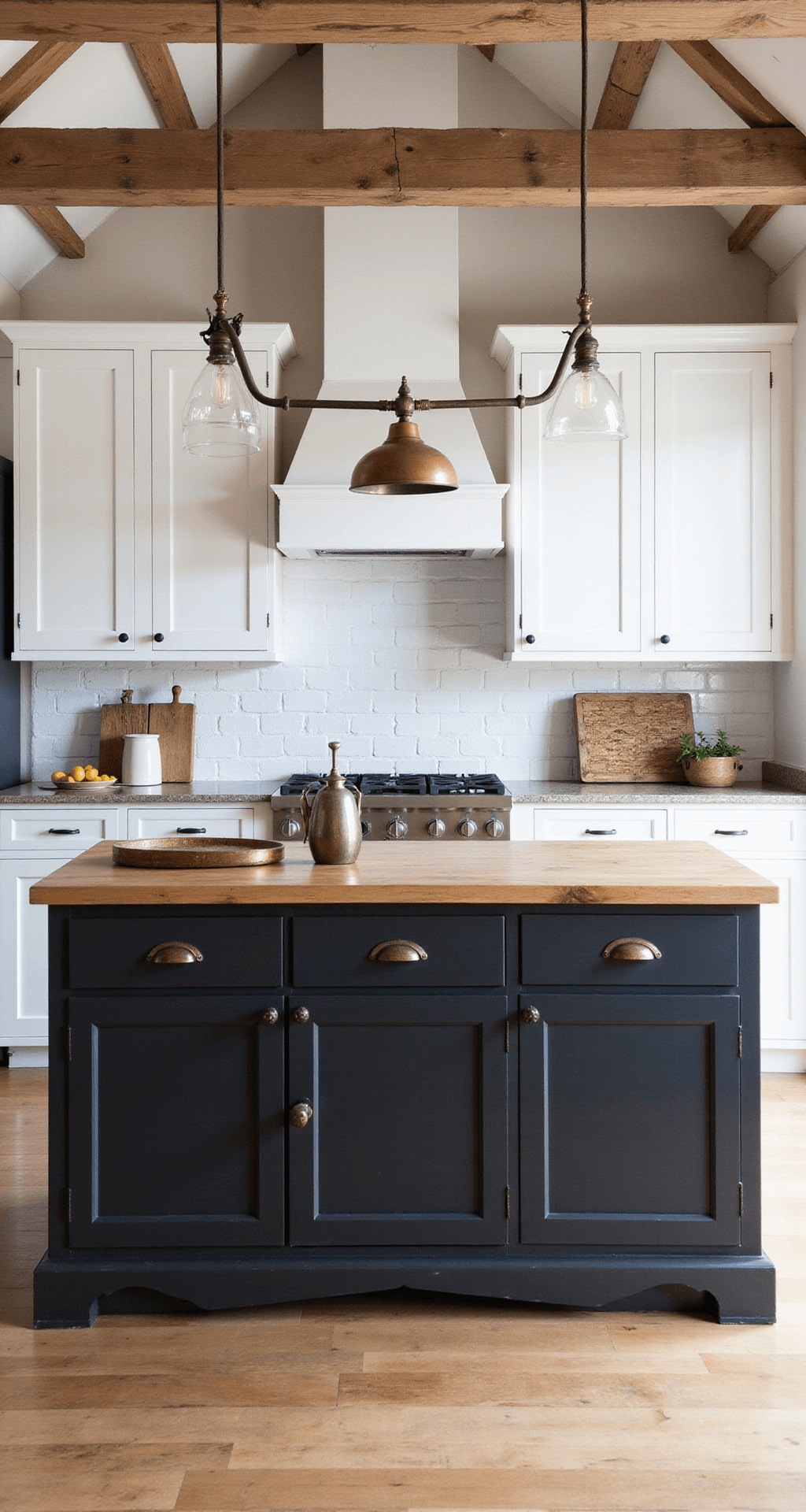
- White upper cabinets + Navy blue lower cabinets
- Timeless and sophisticated
- Creates an airy, expansive feel
- Warm and Inviting
- Natural wood base cabinets
- Soft cream upper cabinets
- Adds warmth and organic texture
- Bold and Beautiful
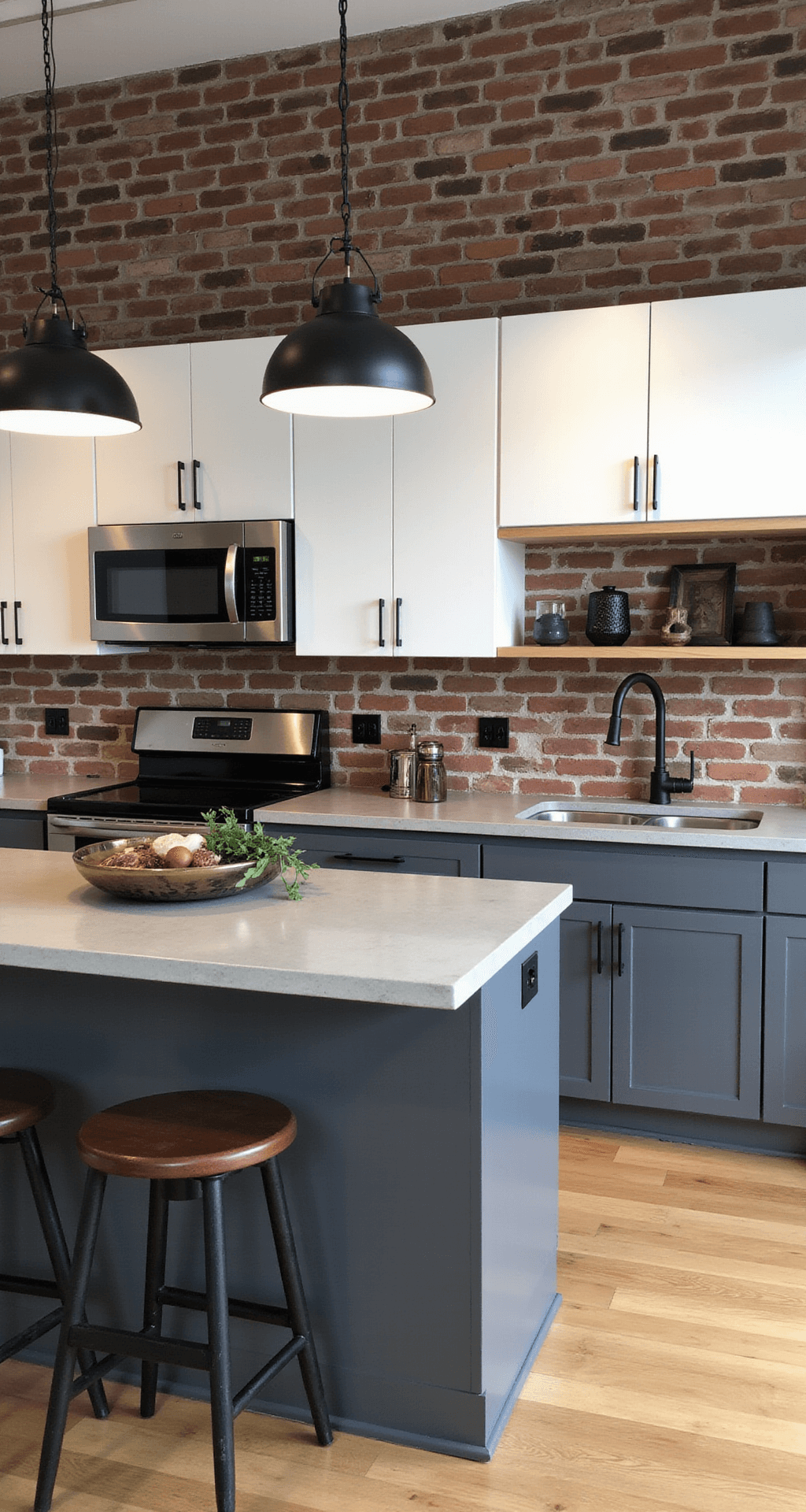
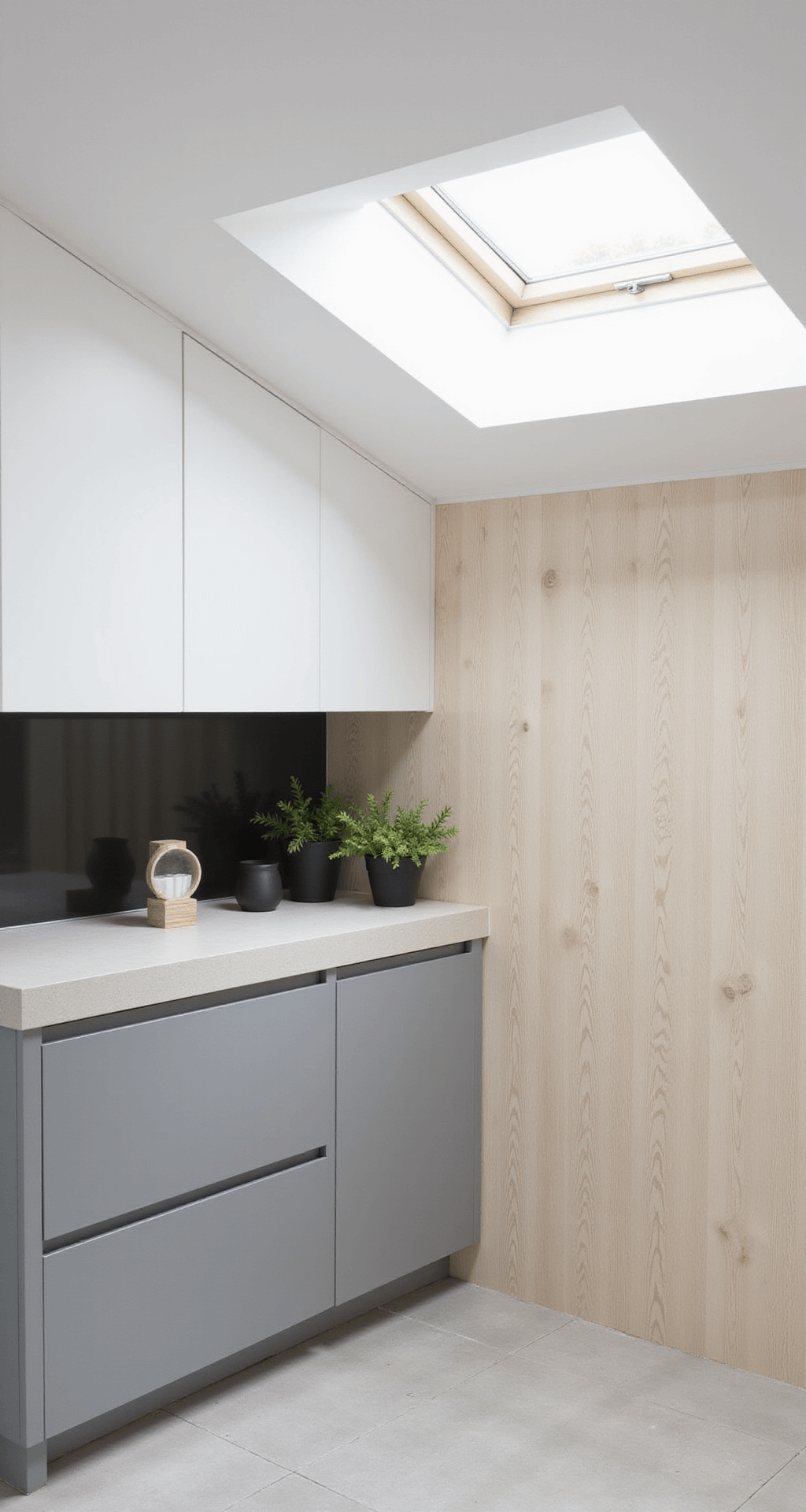
- Charcoal gray lower cabinets
- Crisp white upper cabinets
- Modern, clean, dramatic statement
Pro Design Tips That’ll Make Your Kitchen Shine
Grounding Rules to Remember
- Darker colors typically work best on lower cabinets
- Lighter colors open up the space
- Create visual balance with strategic color placement
Hardware Hack
Choose cabinet hardware that:
- Complements both cabinet colors
- Adds an extra design layer
- Ties the entire look together
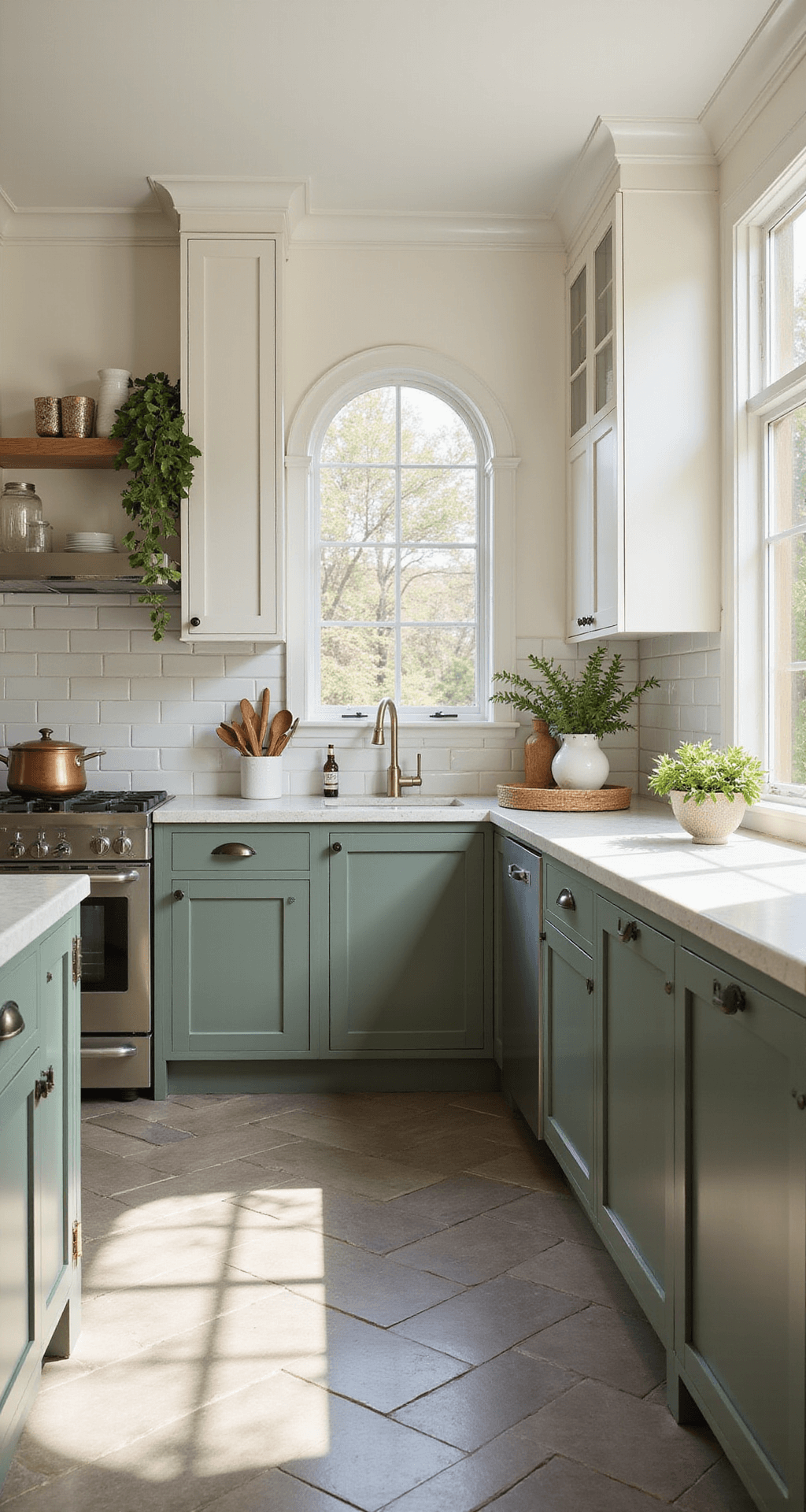
Common Mistakes to Avoid
❌ Don’t:
Save this article
Enter your email and we'll send it straight to your inbox.
- Choose clashing colors
- Ignore your kitchen’s natural lighting
- Forget about overall home design aesthetic
✅ Do:
- Use a color wheel for guidance
- Test paint samples in your actual space
- Consider your kitchen’s natural light
Is This Just a Passing Trend?
Nope. Two-tone cabinets are here to stay. Design experts predict this approach will continue evolving, becoming more personalized and creative.
Future-Proof Your Design
- Stick to neutral, classic combinations
- Choose quality materials
- Focus on timeless design principles
The Bottom Line
Two-tone kitchen cabinets aren’t just a design choice – they’re a statement. They say you’re bold, you’re creative, and you refuse to settle for boring kitchen design.
Ready to transform your kitchen? Your color adventure starts now.
Pro Tip: Always get sample swatches and test them in your actual kitchen lighting before committing to a full transformation!
✎ Steal This Look
- Paint Color: Sherwin-Williams Naval SW 6244
- Furniture: Navy blue Shaker-style base cabinets paired with warm white upper cabinets in a clean, unadorned profile
- Lighting: Brass pendant lights with clear glass shades over the kitchen island
- Materials: Matte painted wood cabinetry, white quartz countertops with subtle veining, natural oak open shelving, brushed brass hardware
This is the kitchen you’ll actually want to cook in, where the morning coffee ritual feels intentional and guests linger at the island because the space simply feels alive.
🛒 Get The Look
Want to keep this one?
We'll email you the link so you can find it again later.


